On This Page
Description
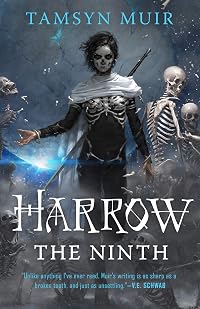
Sequel to Gideon the Ninth, this novel turns a galaxy inside out as one necromancer struggles to survive the wreckage of herself aboard the Emperor's haunted space station. Nothing is as it seems in the halls of the Emperor, and the fate of the galaxy rests on one woman's shoulders. Harrowhark Nonagesimus, last necromancer of the Ninth House, has been drafted by her Emperor to fight an unwinnable war. Side-by-side with a detested rival, Harrow must perfect her skills and become an angel of show more undeath -- but her health is failing, her sword makes her nauseous, and even her mind is threatening to betray her. Sealed in the gothic gloom of the Emperor's Mithraeum with three unfriendly teachers, hunted by the mad ghost of a murdered planet, Harrow must confront two unwelcome questions: is somebody trying to kill her? And if they succeeded, would the universe be better off? show lessTags
Recommendations







Member Recommendations
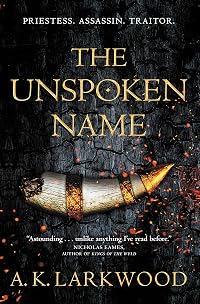
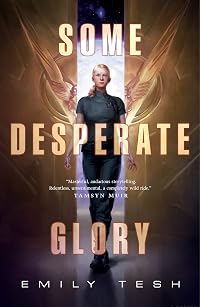
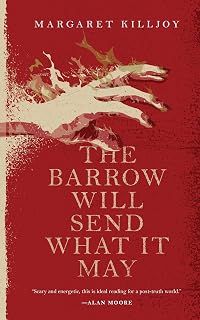
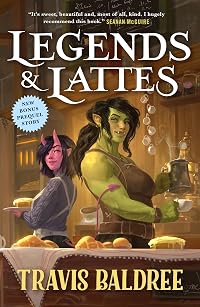
Aquila Very different books except for one important point of similarity.

Aquila The experience of reading Harrow kept making me think of The Stars are Legion.
Aquila If you enjoyed trying to work out wtf was going on in Harrow you'll enjoy Children of Memory, but you probably need to read the first two books first (if you're going from Children of Memory to Harrow you definitely need to read Gideon the Ninth first).
Member Reviews
There is basically nothing I can say about 'Harrow the Ninth' without spoiling it. If you haven't read it, this is all you need to know: I found it an entirely satisfying sequel to [b:Gideon the Ninth|42036538|Gideon the Ninth (The Locked Tomb, #1)|Tamsyn Muir|https://i.gr-assets.com/images/S/compressed.photo.goodreads.com/books/1546870952l/42036538._SY75_.jpg|60943229] and an enormously enjoyable novel in its own right. Both books have been particular highlights of my lockdown reading. Give them a try, but don't even think about reading this review first.
At first, I didn't think I'd enjoy 'Harrow the Ninth' as much as [b:Gideon the Ninth|42036538|Gideon the Ninth (The Locked Tomb, #1)|Tamsyn show more Muir|https://i.gr-assets.com/images/S/compressed.photo.goodreads.com/books/1546870952l/42036538._SY75_.jpg|60943229], as it dispensed with two of my favourite things about the latter: Gideon's hilarious point of view and the crumbling castle of skeletons. Instead, the reader finds themself in space with Harrowhark, as she's become a Lyctor and Gideon is dead. With incredible gall, Muir does not even mention Gideon's name for THREE HUNDRED AND EIGHTY PAGES. I am absolutely in awe of this. While the first book revolved around a mystery that characters were involved in, this one places the reader in a double Harrow point of view that makes the narration itself an intriguing mystery. Chapters following her in third and second person alternate, seemingly showing different times and contradictory events that Gideon has been edited out of. My curiosity about this rose to fever pitch, therefore I read the whole book in just over 24 hours. The audacity of the resolution delighted me, especially as it was preceded by several alternate universes delightfully inflected with fanfiction tropes. In order to preserve Gideon's soul, Harrow gave herself brain damage to edit Gideon out of her memories. As you do. When Gideon returns in Harrow's body, her inimitable wit is all the more enjoyable after four hundred pages of anticipation. While Gideon sword-fights monster wasps, Harrow is busy in the afterlife having important discussions with ghosts.
Although Gideon's return is very satisfying, Harrow's prior adventures as a Lyctor (not a doctor, spellcheck) were likewise excellent. While Harrow might not have Gideon's sardonic mien, she's a fantastic character. I also find her general physical flimsiness, which everyone comments on, very relatable. She joins God in his space station and is trained by one of his immortal Saints to be a Lyctor, while another of them repeatedly tries to murder her. Her fellow trainee Ianthe, a third ancient Lyctor, and a corpse round out the dysfunctional household. The dynamics between this lot are amazingly melodramatic and highly entertaining. The first two-thirds of the book include a lot of world-building and character development details that neatly set up the action- and plot-heavy final third. Harrow initially wrestles insanity, bickers with Ianthe, and explores the River, a sort of afterlife where dead souls hang about angrily. It becomes increasingly clear that God (aka the Undying Emperor) and his regime are appallingly evil; perhaps all the necromancy should have been a clue. He sends his Lyctors to destroy all life on various planets, as part of his ongoing conflict with vast implacable ghost monsters. The latter are described in a way that made me laugh out loud:
In fact, I laughed many times during 'Harrow the Ninth', as the intensely gothic, grim, and gory happenings are constantly leavened by sarcastic comments, moments of complete farce, and references to memes ("none Houses, with left grief" and "jail for Mother" stood out). Harrow's recurring primness was a delight, particularly her horror when two Lyctors distracted God by getting him drunk and initiating a threesome. I also loved her assassination soup, displeasure at being given a makeover, and the letters written by her past self. Of course, when I got to the end and realised that Harrow and Gideon did not interact even once throughout the entire book, I emitted a small inarticulate sound. I cannot wait for more glorious necromantic nonsense in [b:Alecto the Ninth|39325106|Alecto the Ninth (The Locked Tomb, #4)|Tamsyn Muir|https://s.gr-assets.com/assets/nophoto/book/50x75-a91bf249278a81aabab721ef782c4a74.png|60943284], when I can only hope they will argue bitterly yet lovingly once more. Tamsyn Muir is a genius for combining black magic, lesbians, comedy, and space opera with just a whole lot of bones.
EDIT 10/09/22
I re-read this and the short story As Yet Unsent in preparation for [b:Nona the Ninth|58662507|Nona the Ninth (The Locked Tomb, #3)|Tamsyn Muir|https://i.gr-assets.com/images/S/compressed.photo.goodreads.com/books/1643298298l/58662507._SY75_.jpg|92285474]. [b:Harrow the Ninth|39325105|Harrow the Ninth (The Locked Tomb, #2)|Tamsyn Muir|https://i.gr-assets.com/images/S/compressed.photo.goodreads.com/books/1602323622l/39325105._SY75_.jpg|60943273] is an absolute joy from beginning to end. I loved it as much if not more the second time around, with knowledge of what was going to happen. It was delightful to spot clues and more of the meme references than I managed before. Absolute brilliance. I await Nona with the following questions:
- Who is in Gideon's body? (Nona?)
- Who is in Harrow's body? (Still Gideon?)
- Is Harrow in Alecto's body?
- What the fuck is Ianthe doing?
- Is Commander Awake alive, a ghost/revenant, or gone?
- Who is Nona?
I'm very excited to not get answers to most of these until the last ten pages of [b:Nona the Ninth|58662507|Nona the Ninth (The Locked Tomb, #3)|Tamsyn Muir|https://i.gr-assets.com/images/S/compressed.photo.goodreads.com/books/1643298298l/58662507._SY75_.jpg|92285474], if then. There's nothing like this series and whatever I read straight afterwards always feels a bit flat by comparison. show less
Although Gideon's return is very satisfying, Harrow's prior adventures as a Lyctor (not a doctor, spellcheck) were likewise excellent. While Harrow might not have Gideon's sardonic mien, she's a fantastic character. I also find her general physical flimsiness, which everyone comments on, very relatable. She joins God in his space station and is trained by one of his immortal Saints to be a Lyctor, while another of them repeatedly tries to murder her. Her fellow trainee Ianthe, a third ancient Lyctor, and a corpse round out the dysfunctional household. The dynamics between this lot are amazingly melodramatic and highly entertaining. The first two-thirds of the book include a lot of world-building and character development details that neatly set up the action- and plot-heavy final third. Harrow initially wrestles insanity, bickers with Ianthe, and explores the River, a sort of afterlife where dead souls hang about angrily. It becomes increasingly clear that God (aka the Undying Emperor) and his regime are appallingly evil; perhaps all the necromancy should have been a clue. He sends his Lyctors to destroy all life on various planets, as part of his ongoing conflict with vast implacable ghost monsters. The latter are described in a way that made me laugh out loud:
"Each Beast is different. I have fought numerous now, and each Beast is quite unlike any other... Number Two spewed quicksilver and remade itself into hundred-foot spikes. Number Six kept sucking us into enormous sphincters and spraying us with worms. I cannot even remember what it looked like. I remember Number Four... it was a humanoid creature with a beautiful face who held me under the water, and it spoke in a lovely voice but it only repeated, die, die - and I recall Number One as a great and incoherent machine... when I saw it I thought it had a great tail, and a thousand pillars on its back, but Cassiopeia saw it as a mechanical monster with swords for wings, and great horns of myelin, tessellated over with graves."
It was the Saint of Duty who said restlessly: "Number Eight was a giant head."
"Finned like a fish," said Augustine, lost in reverie. "Its ribs were bloody bandages, and its teeth protruded through its own skull, tangled about its face like a nest. It was red, and it had a single eye of green that moved all about the body... Look," he said, coming back to himself, perhaps seeing something in your and Ianthe's expressions. "They're not great, is what we're saying."
In fact, I laughed many times during 'Harrow the Ninth', as the intensely gothic, grim, and gory happenings are constantly leavened by sarcastic comments, moments of complete farce, and references to memes ("none Houses, with left grief" and "jail for Mother" stood out). Harrow's recurring primness was a delight, particularly her horror when two Lyctors distracted God by getting him drunk and initiating a threesome. I also loved her assassination soup, displeasure at being given a makeover, and the letters written by her past self. Of course, when I got to the end and realised that Harrow and Gideon did not interact even once throughout the entire book, I emitted a small inarticulate sound. I cannot wait for more glorious necromantic nonsense in [b:Alecto the Ninth|39325106|Alecto the Ninth (The Locked Tomb, #4)|Tamsyn Muir|https://s.gr-assets.com/assets/nophoto/book/50x75-a91bf249278a81aabab721ef782c4a74.png|60943284], when I can only hope they will argue bitterly yet lovingly once more.
EDIT 10/09/22
I re-read this and the short story As Yet Unsent in preparation for [b:Nona the Ninth|58662507|Nona the Ninth (The Locked Tomb, #3)|Tamsyn Muir|https://i.gr-assets.com/images/S/compressed.photo.goodreads.com/books/1643298298l/58662507._SY75_.jpg|92285474]. [b:Harrow the Ninth|39325105|Harrow the Ninth (The Locked Tomb, #2)|Tamsyn Muir|https://i.gr-assets.com/images/S/compressed.photo.goodreads.com/books/1602323622l/39325105._SY75_.jpg|60943273] is an absolute joy from beginning to end. I loved it as much if not more the second time around, with knowledge of what was going to happen. It was delightful to spot clues and more of the meme references than I managed before. Absolute brilliance. I await Nona with the following questions:
- Who is in Gideon's body? (Nona?)
- Who is in Harrow's body? (Still Gideon?)
- Is Harrow in Alecto's body?
- What the fuck is Ianthe doing?
- Is Commander Awake alive, a ghost/revenant, or gone?
- Who is Nona?
I'm very excited to not get answers to most of these until the last ten pages of [b:Nona the Ninth|58662507|Nona the Ninth (The Locked Tomb, #3)|Tamsyn Muir|https://i.gr-assets.com/images/S/compressed.photo.goodreads.com/books/1643298298l/58662507._SY75_.jpg|92285474], if then. There's nothing like this series and whatever I read straight afterwards always feels a bit flat by comparison. show less
This book is divisive, and whether you like it seems to come down to how much you enjoy being confused. I love baffling but thoroughly thought out story structures, so I was into it.
Both camps, however, will love the part in the middle of the book where Harrow stops sleeping and learns to cook. I screamed.
Both camps, however, will love the part in the middle of the book where Harrow stops sleeping and learns to cook. I screamed.
Come tutti, ci ho capito il giusto. Mi sono persa, quasi mai ritrovata, divertita.
L'ho finito all'una e mezzo di notte e per lo straniamento e per il prurito causato dall'enorme punto interrogativo sulla fronte (che continuo ad avere) che mi sono ritrovata, ho fatto fatica ad addormentarmi, come un'adolescente che ha appena ricevuto un messaggio che non riesce bene ad interpretare.
Grazie Muir per avermi fatto sentire perfettamente idiota ma felice.
L'ho finito all'una e mezzo di notte e per lo straniamento e per il prurito causato dall'enorme punto interrogativo sulla fronte (che continuo ad avere) che mi sono ritrovata, ho fatto fatica ad addormentarmi, come un'adolescente che ha appena ricevuto un messaggio che non riesce bene ad interpretare.
Grazie Muir per avermi fatto sentire perfettamente idiota ma felice.
Rounding up to 2 stars.
75% nonsensical 2nd person prose poem
25% 3rd person action movie
100% clinically expressed bones and viscera
0% horror
0% personal investment in the characters
I'm fine with well-deployed poetry, but this wasn't. I'm fine with well-deployed 2nd person (see NK Jemison's Broken Earth series for a stellar example of how to do it right), but this wasn't. I'm even fine with well-deployed nonsensical madness. The trick is leavening it with a reliable narrator so the reader can develop some compassion for the character who thinks she's crazy -- not, ftr, stacking half a dozen more unreliable voices on top.
Which is to say, I utterly failed to care about ANYONE in this book until Gideon's extremely tardy first person arrival show more 75% in. I don't know why Gideon or Ianthe cared about Harrow; she seemed only to exist as alleged "protagonist" in order for Muir to have someone to whump, which just isn't enough to build a novel on. Even one that hides behind a self-proclaimed shield of "experimentalism." (Fun fact: it isn't experimental, but it's very 90s MFA writing program.)
I wish there had been a cycle of alternating points of view. That would have allowed a lot of room for further world-building and maintaining a focus on any. possible. shred. of plot. As well as establish stakes somewhere before the 65% mark. And maybe make me care about the non-Gideon people. That would have been good.
TLDR; it's a steaming mess of a book. OTOH, I could go for some Gideon/Ianthe enemies to friends to lovers fic for Yuletide. They could save the universe together show less
75% nonsensical 2nd person prose poem
25% 3rd person action movie
100% clinically expressed bones and viscera
0% horror
0% personal investment in the characters
I'm fine with well-deployed poetry, but this wasn't. I'm fine with well-deployed 2nd person (see NK Jemison's Broken Earth series for a stellar example of how to do it right), but this wasn't. I'm even fine with well-deployed nonsensical madness. The trick is leavening it with a reliable narrator so the reader can develop some compassion for the character who thinks she's crazy -- not, ftr, stacking half a dozen more unreliable voices on top.
Which is to say, I utterly failed to care about ANYONE in this book until Gideon's extremely tardy first person arrival show more 75% in. I don't know why Gideon or Ianthe cared about Harrow; she seemed only to exist as alleged "protagonist" in order for Muir to have someone to whump, which just isn't enough to build a novel on. Even one that hides behind a self-proclaimed shield of "experimentalism." (Fun fact: it isn't experimental, but it's very 90s MFA writing program.)
I wish there had been a cycle of alternating points of view. That would have allowed a lot of room for further world-building and maintaining a focus on any. possible. shred. of plot. As well as establish stakes somewhere before the 65% mark. And maybe make me care about the non-Gideon people. That would have been good.
TLDR; it's a steaming mess of a book. OTOH, I could go for some Gideon/Ianthe enemies to friends to lovers fic for Yuletide. They could save the universe together show less
More than halfway through Harrow and I was ready to give the book three stars. Harrow follows directly from where Gideon ended, but is written very differently. Most of the book takes place on a space station, the Seat of the Emperor. There are only six people there: The Emperor, Harrow, Ianthe, and the Emperor’s three remaining Lyctors, Mercymorn, Augustine and Ortus. However, there is something wrong with Harrow; making her an “unreliable” narrator who is blindly following instructions she has left for herself, written in her own hand. I’m not the biggest fan of narration by possibly insane characters, but it was an even bigger struggle here because Muir chose to write nearly all the book in second person point of view. I show more completely understand why she chose to do so – the style suits the story being told. I still hate it. It’s an awkward POV and makes it easy to forget who the events are happening to. The waters are muddied further by the fact that some alternating chapters go back to the events of the first book, but those events are now different. I figured out quickly what was happening, so it felt like a lot of time – too much time – was spent unnecessarily “rewriting” history until the big reveal of why Harrow came to be like she is. The plot did not advance for far too long.
Nevertheless, I read the book almost straight through because of the worldbuilding. Readers get a bit about the Great Resurrection through which the Emperor saved humanity, much more information about the planet revenants that are hunting the Emperor and a whole lot on necromancy. I enjoyed how Muir’s necromancy is treated more like a science, with expertise in various disciplines (bone magic, flesh magic, spirit, etc.) I like the new Lyctors. And frankly, I absolutely loved the Emperor Undying/God. He is fascinating and his interactions with Harrow and the rest of the characters are the highlight of the book.
The book jumped from three stars to five solely because of the last third (and that scene with the soup, OMG!). When Muir begins to tie all the threads together, when the plot against the Emperor is revealed, when we see what Harrow set in motion, who is in the Locked Tomb – I could not put the book down. The conclusion, while something of a cliffhanger, was excellent. I still feel too much time was spent on Harrow’s “madness”, but the story toward the end fulfilled the potential of book one so that I cannot wait for the finale, and more of John. show less
Nevertheless, I read the book almost straight through because of the worldbuilding. Readers get a bit about the Great Resurrection through which the Emperor saved humanity, much more information about the planet revenants that are hunting the Emperor and a whole lot on necromancy. I enjoyed how Muir’s necromancy is treated more like a science, with expertise in various disciplines (bone magic, flesh magic, spirit, etc.) I like the new Lyctors. And frankly, I absolutely loved the Emperor Undying/God. He is fascinating and his interactions with Harrow and the rest of the characters are the highlight of the book.
The book jumped from three stars to five solely because of the last third (and that scene with the soup, OMG!). When Muir begins to tie all the threads together, when the plot against the Emperor is revealed, when we see what Harrow set in motion, who is in the Locked Tomb – I could not put the book down. The conclusion, while something of a cliffhanger, was excellent. I still feel too much time was spent on Harrow’s “madness”, but the story toward the end fulfilled the potential of book one so that I cannot wait for the finale, and more of John. show less
Galactic goth space fantasy - the Emperor is trying to train up a few new lictors while a hiedous beast created from a murdered planet hunts them. One of them isn't a proper lictor, is having memories that do not match volume one, and one of the other, older, lictors is trying to murder her. A clever, violent, gothy, tricksy puzzle box of a narrative that pays off in terms of plot, character and world-building at the end, and it's drenched in atmosphere and spectacularly gory.
On relisten - what an ambitious and daring headwrecker of a sequel.
On relisten - what an ambitious and daring headwrecker of a sequel.
Based on the reviews of many, I expected to find the first half of this book hard, complicated, confusing, alienating, a slogging struggle. Still, I should have relied on the fact I fell into a 20% opinion on book one, and it would follow into this one. I found 0% struggle in reading this book (that wasn't just giving up on reading this series in DNF/Nope Just Nope relief, and then a few weeks later, convincing myself to sit down and read this book for three friends who are madly in love with it). I was enchanted utterly with the first 75% of the book in the way I never was with the last 25% (or the entirety of book one), and just like book one, I predicted 'The big twist' somewhere around the 40% of the book.
But let's start at the show more first of those three. Within the first 10-20%, I was gratified to see that you could absolutely identify in Muir prose where she's growing as a writer (and no, I'm not referring to the second-pov in the slightest). Her turn of phrase is getting more lyrical in small bursts and places. Not reliably constant or worth much in the way of bookmarking, but like unexpected flowers in brand new baby writer frost. Absolutely important to remark upon when they'd shoot through the snow.
I loved the shift between the first-and-third points of view and how you could tell from the 3rd or 4th 3rd-person Harrow section that Harrow had rewritten her memory from the first time she mentioned 'no other children surviving' and 'Ortus' being alive. Sadly, as mentioned above, it was super easy to figure out that second-person-pov was Gideon and that was a drastic disappointement.
Hear me out here; it's not because it was Gideon herself (after getting over predicting it SO EARLY like the Book One Villain, I was enchanted by the idea of her twisting even this death/this warped and tangled relationship between Harrow and Gideon). It was because Muir fell into the writer trap you can't defend in first-or-second pov. Gideon's voice is nothing like Gideon's Voice, Gideon's dialect, Gideon's swearing, Gideon's turn of phrase (with which we are very well acquainted). Because she wanted to do THE BIG TWIST REVEAL as Gideon emerged and did her flippy-floppy first-AND-second pov muddle shift (which that part was fine it itself as Gideon's voice was defining itself).
But you CAN NOT feasibly make first-or-second which is in the head of your character LIE/NOT LOOK LIKE ITSELF/NOT EVER THINK OF THINGS/NOT KNOW ITSELF/NOT QUESTION ITSELF IF IT DOESN'T KNOW ITSELF/NOT HAVE CONNECTIONS OR MEMORIES. You are talking inner thoughts or inner storyteller. You. Cannot. Do. This. Reliably. Or. Unreliably.
I was crestfallenly crushed by this happening. As it's a 'Massive Black Mark' in the things I cannot take after studying Literature and Teaching it. It's weak and convenient writing at its worst, and it wants to SURPRISE/SHOCK by ignoring the rules of the format you chose yourself. There are so infinitesimally few books that write in the first or second pov, and even more infinitesimally in that category that makes this mistake. As much as she grew in prose, she stagnated in refusing to own her 90's creative writing MFA pov experimentalism.
(Like with the Gideon twist, I predicted the Annabell Lee Poem --> AL --> Alecto --> The Body in the Tomb alarmingly early. Which does make trying to find any surprises in this book that aren't in the last 10% a little tiresome.)
Things that pleased me.
I love 'Older Generation Characters' with a mad passion. Those people who are grizzled, worn, and so over their own BS, who can't stop overlooking your younger generation main characters as infants, especially when a child is less than twenty and they are centuries and centuries old. I loved the complicated networks of love, loyalty, hate, secrets, intimacy, self-blurring. Please do give me all of this.
The same as with playing with this older generation trio (and endless mentions of moresomes), Muir started to play with thousands of years of epic backstory, which was sometimes insanely good and sometimes incredibly slipshod. I continue to remind myself this is only her second book, and she does show promise.
I loved the return of the earlier cast as ghosts and all that they got to go through. Some tragic and glorious full circle bits about choosing deaths and loyalties, how people have been, and Dluci getting to be her actual selves & the meeting of those ghosts with the future of some of those within their ranks as well as venerated heroes of old. I actually got super moved by parts of the goodbye, off to re-die in noble ways thing.
Harrow, as ever, remains my favorite character, but my feelings toward Gideon are absolutely softening in the grown voice of her (when she reverted back to being the correct Book 1 version of her voice and not the you-can't-tell-it's-me-cause-I'm-not-acting-like-me voice of the first 75%). I really loved getting to see all her thoughts while inhabiting Harrow's body. The concern and consistently staying in the voice of first-person-I, but also constantly being told as though she was sitting somewhere telling it all to Harrow constant second-person "you's."
A super solid 3.5 this time, which is a big step up for feeling like it was still exhaustedly-still-feels-too-generous giving Book 1 a 3-that-just-didn't-deserve-a-2-either. I am, suprise of surprise, kind of looking forward to reading book 3 whenever I have a lull in my big reads during the year it comes out. show less
But let's start at the show more first of those three. Within the first 10-20%, I was gratified to see that you could absolutely identify in Muir prose where she's growing as a writer (and no, I'm not referring to the second-pov in the slightest). Her turn of phrase is getting more lyrical in small bursts and places. Not reliably constant or worth much in the way of bookmarking, but like unexpected flowers in brand new baby writer frost. Absolutely important to remark upon when they'd shoot through the snow.
I loved the shift between the first-and-third points of view and how you could tell from the 3rd or 4th 3rd-person Harrow section that Harrow had rewritten her memory from the first time she mentioned 'no other children surviving' and 'Ortus' being alive. Sadly, as mentioned above, it was super easy to figure out that second-person-pov was Gideon and that was a drastic disappointement.
Hear me out here; it's not because it was Gideon herself (after getting over predicting it SO EARLY like the Book One Villain, I was enchanted by the idea of her twisting even this death/this warped and tangled relationship between Harrow and Gideon). It was because Muir fell into the writer trap you can't defend in first-or-second pov. Gideon's voice is nothing like Gideon's Voice, Gideon's dialect, Gideon's swearing, Gideon's turn of phrase (with which we are very well acquainted). Because she wanted to do THE BIG TWIST REVEAL as Gideon emerged and did her flippy-floppy first-AND-second pov muddle shift (which that part was fine it itself as Gideon's voice was defining itself).
But you CAN NOT feasibly make first-or-second which is in the head of your character LIE/NOT LOOK LIKE ITSELF/NOT EVER THINK OF THINGS/NOT KNOW ITSELF/NOT QUESTION ITSELF IF IT DOESN'T KNOW ITSELF/NOT HAVE CONNECTIONS OR MEMORIES. You are talking inner thoughts or inner storyteller. You. Cannot. Do. This. Reliably. Or. Unreliably.
I was crestfallenly crushed by this happening. As it's a 'Massive Black Mark' in the things I cannot take after studying Literature and Teaching it. It's weak and convenient writing at its worst, and it wants to SURPRISE/SHOCK by ignoring the rules of the format you chose yourself. There are so infinitesimally few books that write in the first or second pov, and even more infinitesimally in that category that makes this mistake. As much as she grew in prose, she stagnated in refusing to own her 90's creative writing MFA pov experimentalism.
(Like with the Gideon twist, I predicted the Annabell Lee Poem --> AL --> Alecto --> The Body in the Tomb alarmingly early. Which does make trying to find any surprises in this book that aren't in the last 10% a little tiresome.)
Things that pleased me.
I love 'Older Generation Characters' with a mad passion. Those people who are grizzled, worn, and so over their own BS, who can't stop overlooking your younger generation main characters as infants, especially when a child is less than twenty and they are centuries and centuries old. I loved the complicated networks of love, loyalty, hate, secrets, intimacy, self-blurring. Please do give me all of this.
The same as with playing with this older generation trio (and endless mentions of moresomes), Muir started to play with thousands of years of epic backstory, which was sometimes insanely good and sometimes incredibly slipshod. I continue to remind myself this is only her second book, and she does show promise.
I loved the return of the earlier cast as ghosts and all that they got to go through. Some tragic and glorious full circle bits about choosing deaths and loyalties, how people have been, and Dluci getting to be her actual selves & the meeting of those ghosts with the future of some of those within their ranks as well as venerated heroes of old. I actually got super moved by parts of the goodbye, off to re-die in noble ways thing.
Harrow, as ever, remains my favorite character, but my feelings toward Gideon are absolutely softening in the grown voice of her (when she reverted back to being the correct Book 1 version of her voice and not the you-can't-tell-it's-me-cause-I'm-not-acting-like-me voice of the first 75%). I really loved getting to see all her thoughts while inhabiting Harrow's body. The concern and consistently staying in the voice of first-person-I, but also constantly being told as though she was sitting somewhere telling it all to Harrow constant second-person "you's."
A super solid 3.5 this time, which is a big step up for feeling like it was still exhaustedly-still-feels-too-generous giving Book 1 a 3-that-just-didn't-deserve-a-2-either. I am, suprise of surprise, kind of looking forward to reading book 3 whenever I have a lull in my big reads during the year it comes out. show less
Members
- Recently Added By
Lists

2021 Hugo Eligible Novels
37 works; 14 members

Top Five Books of 2020
982 works; 350 members

Gays in Space - Novels
43 works; 4 members

Top Five Books of 2022
736 works; 272 members

LGBTQ+ Speculative Fiction
821 works; 51 members

Books Read in 2026
2,051 works; 68 members

Sapph-Lit
78 works; 4 members

GraceCollection TBR/To Buy List
106 works; 1 member

Strong Characters
39 works; 2 members

Books Read in 2020
4,379 works; 124 members

Overdue Podcast
808 works; 9 members

CIENCIA FICCIÓN Y FANTASÍA ESCRITA POR MUJERES
19 works; 1 member

Books Mentioned in the A+ Autostraddle Pop Up Discords Nov 2022 & Dec 2022
223 works; 3 members

Books Read in 2022
5,226 works; 115 members

Books Read in 2021
5,361 works; 113 members

Fiction with Women's Names in the Title
378 works; 15 members

Queer Fiction (Owned TBR)
142 works; 1 member
Author Information

24+ Works 13,829 Members
All Editions
Some Editions
Awards and Honors
Awards
Distinctions
Series

Work Relationships
Common Knowledge
- Canonical title
- Harrow the Ninth
- Original publication date
- 2020-08-04
- People/Characters
- Harrowhark Nonagesimus; The Emperor Undying; Ianthe Tridentarius (Ianthe the First); Augustine the First; Mercymorn the First; Ortus the First (show all 13); Ortus Nigenad; Abigail Pent; Magnus Quinn; Palamedes Sextus; Camilla Hect; Dulcinea Septimus; Gideon Nav
- Epigraph
- One for the Emperor, first of us all;
One for his Lyctors, who answered the call;
One for his Saints, who were chosen of old;
One for his Hands, and the swords that they hold. - Dedication
- for Isa Yap,
who understood Harrow too well,
and without whom so much of me would not have happened
and
for pT - First words
- Your room had long ago plunged into near-complete darkenss, leaving no distraction from the great rocking thump-thump-thump of body after body flining iteself onto the great mass already coating the hull.
- Last words
- (Click to show. Warning: May contain spoilers.)"Not yet," said Camilla.
- Publisher's editor
- Engle-Laird, Carl
- Blurbers
- Schwab, V. E.; Ellis, Warren; Harrow, Alix E.; White, Kiersten; Stross, Charles
- Original language
- English
Classifications
Statistics
- Members
- 3,426
- Popularity
- 4,898
- Reviews
- 111
- Rating
- (4.13)
- Languages
- 6 — Czech, English, French, German, Italian, Spanish
- Media
- Paper, Audiobook, Ebook
- ISBNs
- 23
- ASINs
- 10