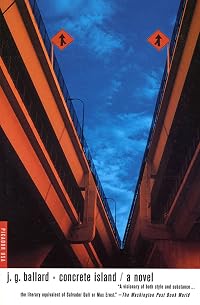
Concrete Island
by J. G. Ballard
On This Page
Description
On a day in April, just after three o'clock in the afternoon, Robert Maitland's car crashes over the concrete parapet of a high-speed highway onto the island below, where he is injured and, finally, trapped. What begins as an almost ludicrous predicament soon turns into horror as Maitland-a wickedly modern Robinson Crusoe-realizes that, despite evidence of other inhabitants, this doomed terrain has become a mirror of his own mind. Seeking the dark outer rim of the everyday, Ballard weaves show more private catastrophe into an intensely specular allegory in Concrete Island. show lessTags
Recommendations












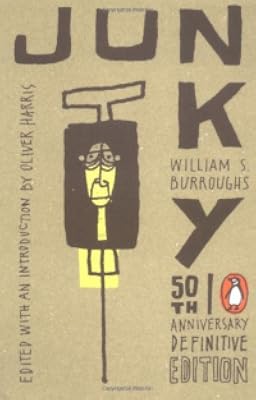
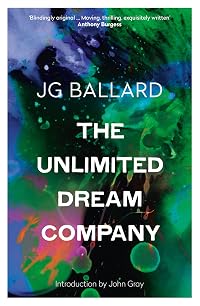

Member Recommendations
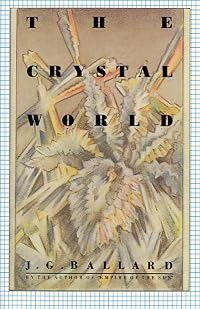
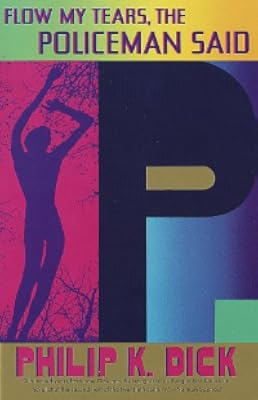
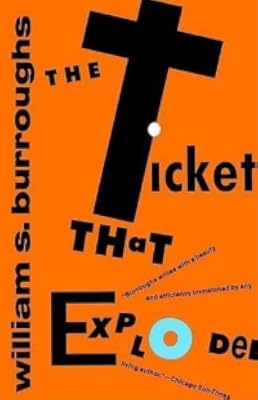
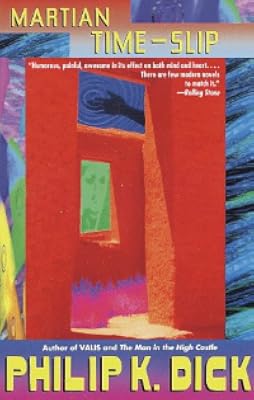
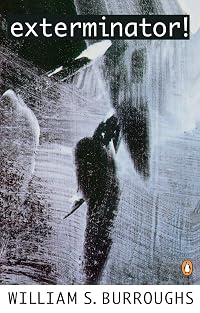
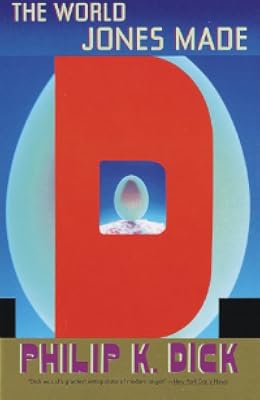
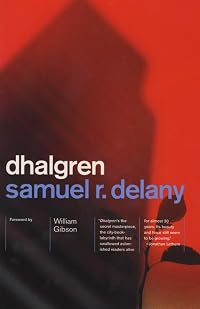
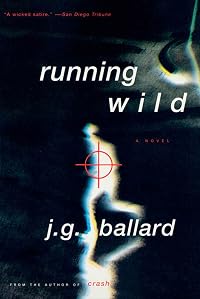
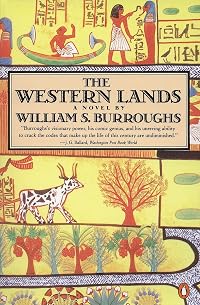
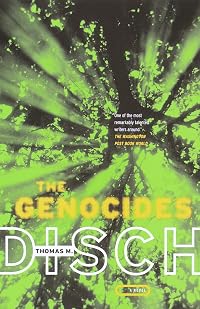
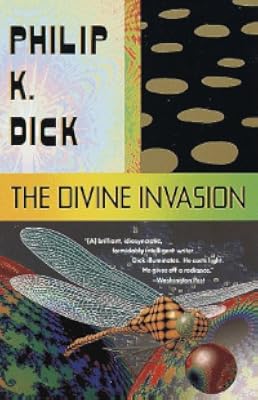
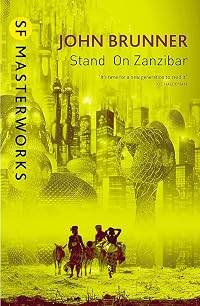
ateolf Two survivalist tales that exist within an absurdist context.
Member Reviews
On the very first page, after a crashing car has come to rest, we get this: “Maitland lay across his steering wheel, his jacket and trousers studded with windshield fragments like a suit of lights…” Yep, for the first time in decades I’m back reading J G Ballard again.
And this is classic Ballard too, from his early science-fiction days. Robert Maitland, at the wheel of a Jaguar speeding home one afternoon on the Westway out of central London, is hurled through a temporary barrier when his front nearside tyre explodes. The car plunges down a steep embankment and comes to rest, not on an uncharted tropical island like Crusoe, but its modern equivalent maybe: a traffic island. Formed at the junction of two motorways and a show more feeder road, this is a fenced-off, perhaps forgotten, triangle of uncut grass and the foundations of demolished buildings. Badly injured in a subsequent escape attempt, first comes self-pity, a bottle of Burgundy from the wrecked Jag, an exhausted sleep; then, next morning, his bid for survival begins: water, food, shelter, a signal-fire, rescue.
But there are psychological problems to confront too—and these are more insidious, harder to overcome, because this only starts out like a modern Robinson Crusoe. Throughout his whole time on an eighteenth-century island, Defoe’s castaway never becomes anything other than the civilised man who washed up there in the first place; in fact, he expends a great deal of effort trying to recreate the world with all its home comforts he’s lost. Ballard, by contrast, was fascinated by the idea of the whole superstructure of our civilisation suddenly removed and the possible psychological consequences for any survivors. In many of those early science-fiction novels not everyone is devastated by this loss, and some are even glad to be rid of it all. So you may find water on your concrete island, even food of a sort, but can you sustain the desire to escape? Or might it begin to seem like a refuge, your prison of embankments and flyovers a release, a strange freedom? show less
And this is classic Ballard too, from his early science-fiction days. Robert Maitland, at the wheel of a Jaguar speeding home one afternoon on the Westway out of central London, is hurled through a temporary barrier when his front nearside tyre explodes. The car plunges down a steep embankment and comes to rest, not on an uncharted tropical island like Crusoe, but its modern equivalent maybe: a traffic island. Formed at the junction of two motorways and a show more feeder road, this is a fenced-off, perhaps forgotten, triangle of uncut grass and the foundations of demolished buildings. Badly injured in a subsequent escape attempt, first comes self-pity, a bottle of Burgundy from the wrecked Jag, an exhausted sleep; then, next morning, his bid for survival begins: water, food, shelter, a signal-fire, rescue.
But there are psychological problems to confront too—and these are more insidious, harder to overcome, because this only starts out like a modern Robinson Crusoe. Throughout his whole time on an eighteenth-century island, Defoe’s castaway never becomes anything other than the civilised man who washed up there in the first place; in fact, he expends a great deal of effort trying to recreate the world with all its home comforts he’s lost. Ballard, by contrast, was fascinated by the idea of the whole superstructure of our civilisation suddenly removed and the possible psychological consequences for any survivors. In many of those early science-fiction novels not everyone is devastated by this loss, and some are even glad to be rid of it all. So you may find water on your concrete island, even food of a sort, but can you sustain the desire to escape? Or might it begin to seem like a refuge, your prison of embankments and flyovers a release, a strange freedom? show less
I was aroused and taken in by this short novel -- a nightmare fantasy of contemporary society from the versatile pen of J. G. Ballard. The story opens with a crash that results in hero Robert Maitland marooned on a seemingly deserted traffic island just outside London watching the unconcerned motorists stream by. He gradually comes to the realization that his world of normal expectations had disappeared in this island that seemed almost in an alternate universe in spite of his sensations that reminded him of the world he had left behind.
This modern-day Crusoe encounters two inhabitants in his explorations -- a Sadie Thompson-ish neurotic runaway and a mentally defective ex-circus acrobat with the "natural dignity of a large, simple show more animal" -- whom he manipulates brutally in order to survive. He tells himself, "I am the island" and in case you missed that, the little tart reminds him later, "You were on an island long before you crashed here." Escape, then, becomes problematical: from where? to what? and on what terms? The "conspiracy of the grotesque" that traps him is more than Maitland's trial -- it's his only destiny, and perhaps no more than technological man deserves. Ballard handles this kind of reductive moral fable with incomparable finesse, investing the narrative with savage horror that eats away at banal appearance and reveals the skeleton beneath the skin. It is an allegory of horror in the sublime substance of isolation in a world gone awry. show less
This modern-day Crusoe encounters two inhabitants in his explorations -- a Sadie Thompson-ish neurotic runaway and a mentally defective ex-circus acrobat with the "natural dignity of a large, simple show more animal" -- whom he manipulates brutally in order to survive. He tells himself, "I am the island" and in case you missed that, the little tart reminds him later, "You were on an island long before you crashed here." Escape, then, becomes problematical: from where? to what? and on what terms? The "conspiracy of the grotesque" that traps him is more than Maitland's trial -- it's his only destiny, and perhaps no more than technological man deserves. Ballard handles this kind of reductive moral fable with incomparable finesse, investing the narrative with savage horror that eats away at banal appearance and reveals the skeleton beneath the skin. It is an allegory of horror in the sublime substance of isolation in a world gone awry. show less
Concrete Island is a near perfect embodiment of Ballard's favorite themes of modernity and its detritus. Maitland is a self-satisfied architect with a career, family, and mistress. A sudden automobile crash stands him in an interchange island, cut off from the world by a triangle of highspeed bypasses.
The limited terrain of this wasteland, scattered with wrecked cars and ruined structures, rapidly becomes a projection of Maitland's decaying psyche. Unable to climb to freedom due to his injuries, Maitland is tries to convince the other inhabitants of the island, a mentally damaged acrobat named Proctor and a young prostitute named Jane, to aid his escape, but the material leverage of modernity means little to these liminal barbarians. show more Ultimately, Maitland is redefined in terms of sustenance relations to the broken building blocks of the world. show less
The limited terrain of this wasteland, scattered with wrecked cars and ruined structures, rapidly becomes a projection of Maitland's decaying psyche. Unable to climb to freedom due to his injuries, Maitland is tries to convince the other inhabitants of the island, a mentally damaged acrobat named Proctor and a young prostitute named Jane, to aid his escape, but the material leverage of modernity means little to these liminal barbarians. show more Ultimately, Maitland is redefined in terms of sustenance relations to the broken building blocks of the world. show less
I’m convinced that Ballard didn’t care what people thought. Of course he did, though. His sentences are polished enough that he ironed most of them out like a fussy tailor. He shines best in his short novels, when he just takes one simple idea and draws it out to the extreme of absurdity. His landscapes retain a corny sort of Twilight Zone quality. Concrete Island is a representative work for him, I think, because it shows what he can do with a couple satirical characters in a nightmarish situation. Even more than High-Rise, I think this book epitomizes what he was going for. One puts oneself in the character’s shoes, wondering if it would be possible to live under such circumstances. Next time you pass a freeway island you’ll show more wonder, imagine yourself erecting a lean-to on the side of the road.
The main problem one will encounter while reading Ballard's novels is interchangeability. They all feel the same. You get a natural disaster or something happens to tear holes in the fabric of society, and his characters are still sipping Perrier from crystal snifters as their mansions burn. They are like obnoxious sitcom characters. But Ballard's satire is often effective enough to cause a chuckle. If you can't decide where to start, this novel is a good appetizer.
Many of his stories lack these easily dismissed character cliches and rely so much on imagery that they can muddle your memory of them. He did write many brilliant stories, but there are some that I find a major slog. For this reason I think Bradbury is a superior writer, though Bradbury always worked in the safe territory, colored inside the lines, and Ballard laughed at the lines, deliberately avoided them, and danced around the borders. He was a bold writer, got to give him that, but would you really be able to hand one of his books to your mother and say, look here, you might enjoy this? Probably not. Bradbury on the other hand, can sit right alongside any other book on the shelf without getting dirty looks from the other books (strained metaphor). show less
A man driving a silver jaguar crashes his car and finds himself marooned and injured in a no-mans-patch-of-land in the middle of three highway overpasses. No one stops to help, or even notices he’s there.
As I read along, and as this poor man’s plight became more and more dire, I kept thinking: I know exactly how you feel, Mister.
I also kept thinking about how cell phones have ruined the future of stories like these, along with destroying the very notion that we can become hopelessly lost anywhere on the planet where GPS signals reach, which is more or less everywhere. Authors from now on will be stuck with placing their people in alternative worlds without cell phones, or setting their stories before 1990, or resorting to writing show more awkward, unbelievable sentences like: “Damn it, where is my cell phone when I need to get out of this tight spot?” Gerard thought.
The novel reminded me of Women in the Dunes by Kobo Abe, but while Abe’s novel is an anguished cri de coeur over the suffocating pointlessness of life, Concrete Island is an always-witty, sometimes-painful demonstration of how much joy J.G. Ballard gets from torturing his characters. show less
As I read along, and as this poor man’s plight became more and more dire, I kept thinking: I know exactly how you feel, Mister.
I also kept thinking about how cell phones have ruined the future of stories like these, along with destroying the very notion that we can become hopelessly lost anywhere on the planet where GPS signals reach, which is more or less everywhere. Authors from now on will be stuck with placing their people in alternative worlds without cell phones, or setting their stories before 1990, or resorting to writing show more awkward, unbelievable sentences like: “Damn it, where is my cell phone when I need to get out of this tight spot?” Gerard thought.
The novel reminded me of Women in the Dunes by Kobo Abe, but while Abe’s novel is an anguished cri de coeur over the suffocating pointlessness of life, Concrete Island is an always-witty, sometimes-painful demonstration of how much joy J.G. Ballard gets from torturing his characters. show less
I really liked the way this story was written. It reminded me of another novel, The Ark Sakura, by Kobo Abe. In both, each protagonist ends up in a strange, supposedly isolated place only to later be surrounded by weird people!! In Ballard’s story, I really enjoyed reading about what took place after Maitland’s Jaguar rolled over the edge of a highway precipice into a place from which he could not escape! I had no idea what would happen to him or what the two strange people, a huge, simple tramp-like man and a young woman, would do to or for Maitland. I found the ending of the book very suspenseful. It was as strange as the rest of this book!
It was all so surreal…yet quite entertaining! I haven’t read anything by Ballard for show more years. This is my wake-up call to read more of his works. show less
It was all so surreal…yet quite entertaining! I haven’t read anything by Ballard for show more years. This is my wake-up call to read more of his works. show less
An architect crashes his Jaguar after blowing a tire, on a concrete island underpass in London, that he can never quite seem to get rescued from. He's sustained serious enough injuries that limit his ability to climb over fences, his wreck is not visible from the road, and no one will pick him up because they think he's a bum.
So it's a sort of Robinson Crusoe of the underpass. Of course, part of the charm of the story is to see just how the author goes about pulling a premise like this off. He's clever enough to anticipate your solutions and show the protagonist trying them and failing due to seeming bad luck.
This one got under my skin, and there's some Heart of Darkness resonance to the second half of this novel that gives it a lunatic show more satirical edge that's hard not to smile at.
Not for everyone; Ballard's imagination is often characterized by visions of terrible cruelty and brutality, but I have to recommend it if only for the lunatic novelty of the whole thing.
***1/2 show less
So it's a sort of Robinson Crusoe of the underpass. Of course, part of the charm of the story is to see just how the author goes about pulling a premise like this off. He's clever enough to anticipate your solutions and show the protagonist trying them and failing due to seeming bad luck.
This one got under my skin, and there's some Heart of Darkness resonance to the second half of this novel that gives it a lunatic show more satirical edge that's hard not to smile at.
Not for everyone; Ballard's imagination is often characterized by visions of terrible cruelty and brutality, but I have to recommend it if only for the lunatic novelty of the whole thing.
***1/2 show less
Members
- Recently Added By
Lists

Recommend the 20 best books you've read in the last five years
2,168 works; 606 members

Books Read in 2014
2,343 works; 89 members

Stephen King's 'Danse Macabre' reading list
111 works; 25 members

Robinsonade Novels
55 works; 4 members

to get
244 works; 2 members
Ten+ Books About Being Stranded!
14 works; 5 members

The War on Cars podcast
108 works; 1 member

Stephen King Danse Macabre Appendix Starred List
53 works; 1 member
Stephen King's Danse Macabre Full Appendix List
110 works; 2 members
Author Information

291+ Works 37,747 Members
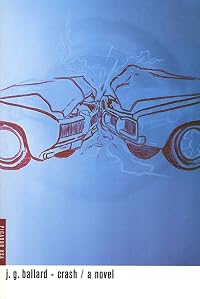
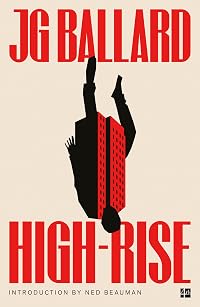
J. G. Ballard was born to British parents in Shanghai, China on November 15, 1930. While a child during World War II, he spent four years in a Japanese POW camp. This experience was the basis for the emotionally moving novel Empire of the Sun, which he adapted into a successful movie, directed by Steven Spielberg. Before becoming a full-time show more writer, he studied medicine at Cambridge University and served as a pilot in the British Royal Air Force. Ballard is best known for his science fiction writings. His early works were heavily influenced by surrealism. Most of his novels deal with death and destruction of the human spirit. Novels such as Crash, Concrete Island, and High Rise portray a society that is devolving into barbaric chaos. Crash was made into a movie by David Cronenberg in 1996. The Drowned World describes an apocalyptic society, with a hero that ushers in the destruction of the world. His novel Empire of the Sun was shortlisted for the Booker Prize and awarded the Guardian Fiction Prize and James Tait Black Memorial Prize for fiction. Empire of the Sun was filmed by Steven Spielberg in 1987, starring a young Christian Bale as Jim (Ballard). Ballard moved away from science fiction, but he is still considered one of the leading authors of the genre. He died on April 19, 2009 at the age of 78. (Bowker Author Biography) show less
Series
Belongs to Publisher Series
Work Relationships
Is contained in
Common Knowledge
- Canonical title
- Concrete Island
- Original title
- Concrete Island
- Alternate titles*
- Betoninsel
- Original publication date
- 1974
- People/Characters
- Robert Maitland
- Important places
- London, England, UK
- First words*
- Am Nachmittag des 22. April 1983 fuhr ein fünfunddreißigjähriger Architekt namens Robert Maitland kurz nach drei Uhr in die Ausfahrt London-Mitte der Westautobahn.
- Quotations
- One by one the points of pain that covered his chest and legs like a series of constellations began to fade, and the atlas of wounds into which his body had been transformed went out like a dead sky.
Maitland could feel the bones of his thighs and pelvis emerging through his musculature, his skeleton come to greet him. - Last words*
- (Click to show. Warning: May contain spoilers.)Nachdem er gegessen hätte, würde Zeit sein, um auszuruhen und seine Flucht von der Insel zu planen.
- Original language
- English
*Some information comes from Common Knowledge in other languages. Click "Edit" for more information.
Classifications
Statistics
- Members
- 1,491
- Popularity
- 15,577
- Reviews
- 29
- Rating
- (3.64)
- Languages
- 11 — Catalan, Chinese, Czech, Dutch, English, French, German, Italian, Japanese, Polish, Spanish
- Media
- Paper, Audiobook, Ebook
- ISBNs
- 33
- ASINs
- 13