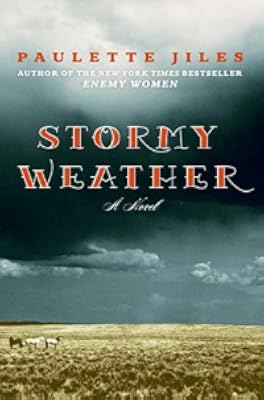
Stormy Weather
by Paulette Jiles
On This Page
Description
From Paulette Jiles, the acclaimed New York Times bestselling author of Enemy Women, comes a poignant and unforgettable story of hardship, sacrifice, and strength in a tragic time-and of a desperate dream born of an undying faith in the arrival of a better day Oil is king of East Texas during the darkest years of the Great Depression. The Stoddard girls-responsible Mayme, whip-smart tomboy Jeanine, and bookish Bea-know no life but an itinerant one, trailing their father from town to town as show more he searches for work on the pipelines and derricks; that is, when he's not spending his meager earnings at gambling joints, race tracks, and dance halls. And in every small town in which the windblown family settles, mother Elizabeth does her level best to make each sparse, temporary house they inhabit a home. But the fall of 1937 ushers in a year of devastating drought and dust storms, and the family's fortunes sink further than they ever anticipated when a questionable "accident" leaves Elizabeth and her girls alone to confront the cruelest hardships of these hardest of times. With no choice left to them, they return to the abandoned family farm. It is Jeanine, proud and stubborn, who single-mindedly devotes herself to rebuilding the farm and their lives. But hard work and good intentions won't make ends meet or pay the back taxes they owe on their land. In desperation, the Stoddard women place their last hopes for salvation in a wildcat oil well that eats up what little they have left . . . and on the back of late patriarch Jack's one true legacy, a dangerous racehorse named Smoky Joe. And Jeanine, the fatherless "daddy's girl," must decide if she will gamble it all . . . on love. show lessTags
Recommendations




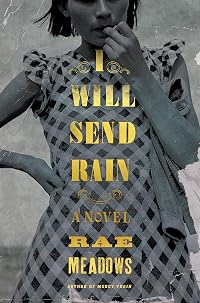
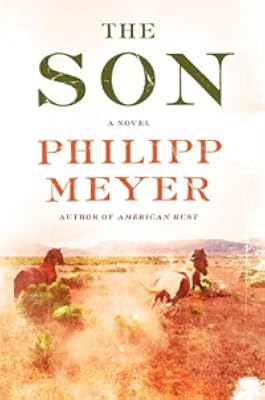
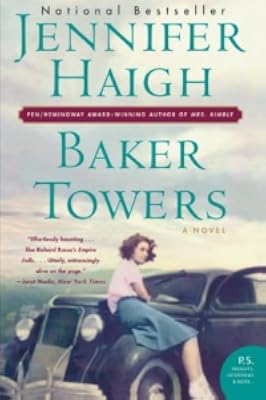



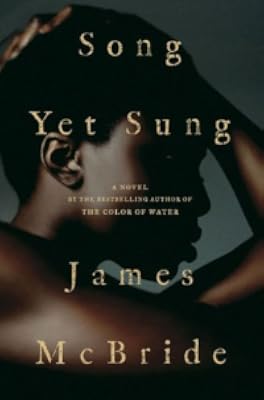
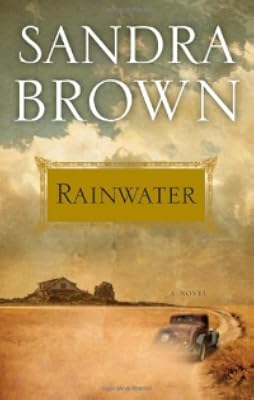
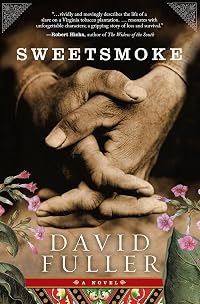
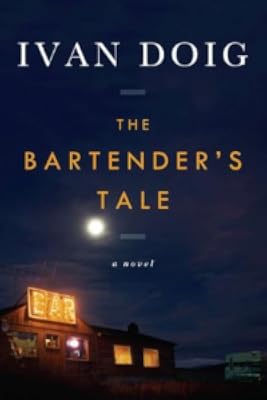




Member Recommendations
amelielyle Both novels concern independent young women who have rapport with horses--there is a secondary romantic theme to both stories.
amelielyle Each book narrates the story of families struggling against the suffocating grip of the Dust Bowl era in the West and Southwest. Very descriptive sense of place and beautifully developed characters about whom the reader continues to ponder long after the last page is read.
Member Reviews
“Jeanine you’re just always messing with me.”
“I know it.”
The weather in Texas is stormy, but not with rain. This is the world of Texas oil fields, of dust-bowl drought, of abject poverty and the wildcat oil rigs and sleek race horses that promise to buy a reprieve from it. It is the world of the Great Depression and Jeanine Stoddard is a spunky young lady, unafraid of hard work and at home in the man’s world through which her charming ne'er-do-well father drags her.
Perhaps one of the themes of this book is how important it is to be an individual and lay your own course, but also how easily you can slip into the world you dream of and, doing so, lose your way in the world that is real. Nothing impressed this upon me like the show more following passage, in which it is impossible not to see Jack Stoddard as someone, like all the rest of us, who simply lost his way and cannot handle the responsibility he has taken on.
He had grown up on the land that is now Camp Wolters in Central Texas, near Mineral Wells. He had grown up there when it was open country covered with the wind-worn pelt of native grasses. Once he had come upon the skull of a Comanche with a bullet hole in the cheekbone and after some exploration he had found the thighbones and ribs and tangles of buckskin fringe. During high school in Mineral Wells he had memorized Travis’ last letter from the Alamo and declaimed it at graduation. He used to ride the Mineral Wells street railway to Elmhurst Park where there was a racetrack and a casino and the wind made women’s long dresses fly up so you could see black stocking garters with the red marks they made and it moved him in inexplicable ways so that he laughed and elbowed Chigger Bates. He had seen Yellow Jacket run the 880. He shifted his feet and smoked and said we all wanted our parents to be better parents.
One of my favorite characters is Ross Everett. For me he exudes personality. He is strong and tough, but also sensitive and caring, with a quick wit and a dry sense of humor. I had an absolute idea of him in my mind, down to the tilt of his head when he dusts dirt off his stetson. The love affair here is a teasing game, and I read it knowing that I was being teased right along with the lovers.
Much of what makes this book special for me is the nostalgia it evokes for the world just before World War II, that was cruel, but in so many ways, so sweet. The strong family ties, the descriptions of the towns, the relationships that develop, and the haphazard nature of happiness, are drawn with such detail and credibility. There is the impossible nature of the Depression:
Nothing could ever be fixed, no matter how hard Jeanine tried. It all just broke again but there was no other way but to lay hands on the pieces and fit them together, make them work.
And the poignant observation of how precarious existence is:
Everything had a family to feed, it was just a matter of who ate who and devil take the hindmost.
And yet there is so much love on every page, Jack’s love for Jeanine and hers for him, the love of the girls for one another and their mother, the love that plays in and out between two of the main characters, and the simple love of the neighbors who plow the fields and lend a hand. I was caught up in it immediately and hated to reach the end and know the story was done.
Paulette Jiles is an astute and skilled storyteller. I have spent time with her in five books and I am anxious and ready to do it again. She has a penchant for penning characters that are as real as your neighbors or sisters, and choosing just the right elements from the history books and the fads of the time to make it something you live. Cultural references are everywhere, but placed within the details of the story so that there is nothing jarring or overdone in them. The times are hard, but what we know, that the characters do not, is that World War II is on the horizon and these hard times will constitute a sweet memory soon, a memory of youth and possibility before a storm of loss. show less
“I know it.”
The weather in Texas is stormy, but not with rain. This is the world of Texas oil fields, of dust-bowl drought, of abject poverty and the wildcat oil rigs and sleek race horses that promise to buy a reprieve from it. It is the world of the Great Depression and Jeanine Stoddard is a spunky young lady, unafraid of hard work and at home in the man’s world through which her charming ne'er-do-well father drags her.
Perhaps one of the themes of this book is how important it is to be an individual and lay your own course, but also how easily you can slip into the world you dream of and, doing so, lose your way in the world that is real. Nothing impressed this upon me like the show more following passage, in which it is impossible not to see Jack Stoddard as someone, like all the rest of us, who simply lost his way and cannot handle the responsibility he has taken on.
He had grown up on the land that is now Camp Wolters in Central Texas, near Mineral Wells. He had grown up there when it was open country covered with the wind-worn pelt of native grasses. Once he had come upon the skull of a Comanche with a bullet hole in the cheekbone and after some exploration he had found the thighbones and ribs and tangles of buckskin fringe. During high school in Mineral Wells he had memorized Travis’ last letter from the Alamo and declaimed it at graduation. He used to ride the Mineral Wells street railway to Elmhurst Park where there was a racetrack and a casino and the wind made women’s long dresses fly up so you could see black stocking garters with the red marks they made and it moved him in inexplicable ways so that he laughed and elbowed Chigger Bates. He had seen Yellow Jacket run the 880. He shifted his feet and smoked and said we all wanted our parents to be better parents.
One of my favorite characters is Ross Everett. For me he exudes personality. He is strong and tough, but also sensitive and caring, with a quick wit and a dry sense of humor. I had an absolute idea of him in my mind, down to the tilt of his head when he dusts dirt off his stetson. The love affair here is a teasing game, and I read it knowing that I was being teased right along with the lovers.
Much of what makes this book special for me is the nostalgia it evokes for the world just before World War II, that was cruel, but in so many ways, so sweet. The strong family ties, the descriptions of the towns, the relationships that develop, and the haphazard nature of happiness, are drawn with such detail and credibility. There is the impossible nature of the Depression:
Nothing could ever be fixed, no matter how hard Jeanine tried. It all just broke again but there was no other way but to lay hands on the pieces and fit them together, make them work.
And the poignant observation of how precarious existence is:
Everything had a family to feed, it was just a matter of who ate who and devil take the hindmost.
And yet there is so much love on every page, Jack’s love for Jeanine and hers for him, the love of the girls for one another and their mother, the love that plays in and out between two of the main characters, and the simple love of the neighbors who plow the fields and lend a hand. I was caught up in it immediately and hated to reach the end and know the story was done.
Paulette Jiles is an astute and skilled storyteller. I have spent time with her in five books and I am anxious and ready to do it again. She has a penchant for penning characters that are as real as your neighbors or sisters, and choosing just the right elements from the history books and the fads of the time to make it something you live. Cultural references are everywhere, but placed within the details of the story so that there is nothing jarring or overdone in them. The times are hard, but what we know, that the characters do not, is that World War II is on the horizon and these hard times will constitute a sweet memory soon, a memory of youth and possibility before a storm of loss. show less
“All over the oil fields and through the overcrowded towns, each person had some small reason that the snowfall was for them alone, a sign that their lives were going to get better.” — Paulette Jiles, “Stormy Weather”
Most lives did get better. In Texas during the 1930s, with Depression, drought and dust storms to contend with, there was nowhere to go but up. Paulette Jiles tells in “Stormy Weather” (2007), her second novel, about how one particular family of women struggle to make their lives better.
Most of the focus falls on Jeanine, Elizabeth Stoddard's middle daughter, a determined, hard-working young woman who had been her father's favorite because she had covered for him when he went out drinking and gambling, often show more with her in tow. Soon he's dead under embarrassing circumstances, and the four women are on their own, though not necessarily worse off than they were moving from one oil field to another with a man who wasted whatever money he made.
They return to the home of the girls' grandparents only to discover they owe back taxes. Mayme, the older sister, gets a job. Elizabeth invests what little money they have in an oil well. Bea, the youngest, dreams of becoming a writer. Jeanine, however, wants to keep the land and make it pay, drought or no drought. Soon she is forced to sell her prized possession, a horse named Smoky Joe, although she retains a 10 percent share in any money he might win in match races.
Jiles writes with a style that says literature, yet the resolution of her plot screams schlock. We expect their lives to get better. But when the drought ends, the wildcat well strikes oil, Smoky Joe wins his race, Bea makes her first magazine sale and Jeanine finds true love, it all seems too good to be true. show less
Most lives did get better. In Texas during the 1930s, with Depression, drought and dust storms to contend with, there was nowhere to go but up. Paulette Jiles tells in “Stormy Weather” (2007), her second novel, about how one particular family of women struggle to make their lives better.
Most of the focus falls on Jeanine, Elizabeth Stoddard's middle daughter, a determined, hard-working young woman who had been her father's favorite because she had covered for him when he went out drinking and gambling, often show more with her in tow. Soon he's dead under embarrassing circumstances, and the four women are on their own, though not necessarily worse off than they were moving from one oil field to another with a man who wasted whatever money he made.
They return to the home of the girls' grandparents only to discover they owe back taxes. Mayme, the older sister, gets a job. Elizabeth invests what little money they have in an oil well. Bea, the youngest, dreams of becoming a writer. Jeanine, however, wants to keep the land and make it pay, drought or no drought. Soon she is forced to sell her prized possession, a horse named Smoky Joe, although she retains a 10 percent share in any money he might win in match races.
Jiles writes with a style that says literature, yet the resolution of her plot screams schlock. We expect their lives to get better. But when the drought ends, the wildcat well strikes oil, Smoky Joe wins his race, Bea makes her first magazine sale and Jeanine finds true love, it all seems too good to be true. show less
OK, it sounds like a bumper sticker platitude. But: I {heart} Paulette Jiles. This is the third of her books that I’ve picked up, and none have disappointed. She peoples interesting stories into the midst of historical events; the reader gets a fascinating history lesson for mind and heart. Although not my favorite of hers, this is still a great story.
Stormy Weather (cue the song) takes us across the state of Texas during the dust bowl crisis of the 1930s. We learn a lot about oil drilling, match racing and farming and ranching. Perhaps this wasn’t my favorite Jiles because of the topics; I’m not into horses and the oil business makes my eyes glaze over.
Some of her descriptions had me saying, ‘yep, been there’. Having driven show more the roads between relatives in Oklahoma for years, I’ve watched “The horsehead pumpjacks {working} away untended, nodding and nodding, as if perpetually agreeing with everything…” And at Grandma’s house, “How many times had they hung sheets to sit beside the stove, doubled up naked in a number three washtub…?” (For more of her writing, see the CK.) But, it’s her descriptions of what people did to cope with their situations that make this book.
“Whatever kind of life they had been able to cobble together despite the Depression and the oil fields and their father’s love of good times and gambling was collapsing all around them. . . . They tried to piece their lives together the way people draw maps of remembered places; they get things wrong and out of proportion, they erase and redraw again.”
The family at the center of this story: Jack Stoddard, a father who loves his family but is too fond of a good time, whose pockets empty faster than they fill. Chasing jobs all across Texas, following new oil business; because he was good with horses, he could haul supplies. Dragging his family from shed to tent to shared rickety old houses. Elizabeth Tolliver Stoddard, a mother who tries to make a home with very little to work with. And their girls: Mayme, her heart on her sleeve, but a loyal and eager to help sister, 15; Jeanine, “Daddy’s girl” and the practical one, 13; and Bea, the imaginative “bookish” sister, 6 at the beginning of the story. Each (and everyone else in the story) fully realized; very good characterization.
As always with Paulette Jiles: Highly recommended. show less
Stormy Weather (cue the song) takes us across the state of Texas during the dust bowl crisis of the 1930s. We learn a lot about oil drilling, match racing and farming and ranching. Perhaps this wasn’t my favorite Jiles because of the topics; I’m not into horses and the oil business makes my eyes glaze over.
Some of her descriptions had me saying, ‘yep, been there’. Having driven show more the roads between relatives in Oklahoma for years, I’ve watched “The horsehead pumpjacks {working} away untended, nodding and nodding, as if perpetually agreeing with everything…” And at Grandma’s house, “How many times had they hung sheets to sit beside the stove, doubled up naked in a number three washtub…?” (For more of her writing, see the CK.) But, it’s her descriptions of what people did to cope with their situations that make this book.
“Whatever kind of life they had been able to cobble together despite the Depression and the oil fields and their father’s love of good times and gambling was collapsing all around them. . . . They tried to piece their lives together the way people draw maps of remembered places; they get things wrong and out of proportion, they erase and redraw again.”
The family at the center of this story: Jack Stoddard, a father who loves his family but is too fond of a good time, whose pockets empty faster than they fill. Chasing jobs all across Texas, following new oil business; because he was good with horses, he could haul supplies. Dragging his family from shed to tent to shared rickety old houses. Elizabeth Tolliver Stoddard, a mother who tries to make a home with very little to work with. And their girls: Mayme, her heart on her sleeve, but a loyal and eager to help sister, 15; Jeanine, “Daddy’s girl” and the practical one, 13; and Bea, the imaginative “bookish” sister, 6 at the beginning of the story. Each (and everyone else in the story) fully realized; very good characterization.
As always with Paulette Jiles: Highly recommended. show less
A believable story of one family's survival of the Great Depression in Texas. The characters are captivating and ones that you can really like. The author takes us through dust storms, into hot, dusty, cotton fields, poverty, the people trying to overcome it, triumphs and tragedy, among it the awakenings of love. It’s all here in this saga. While there isn't a "plot" in the traditional sense... it's a powerful story that takes you into the era so you feel as though you are living it with the characters, and it makes us modern people very glad that we aren’t. What I appreciated most was that Jiles is dealing with the lives of ordinary people as they strive to survive and prosper in harsh conditions, always facing the threat of show more poverty and starvation. The book is a little slow, but overall, very good. show less
An eloquent story of four hard-up women fighting to break even and revitalize the family ranch in the struggling oil fields of Depression-era Texas. Jiles' poetic storytelling is compelling as it seamlessly weaves history and fiction and her vibrant, carefully crafted characters are memorable.
Paulette Jiles is a one of a kind talent, and in honor of her soon to be released title News of the World, (William Morrow, October 4, 2016, pre-order it now) I decided to revisit and review some of her older titles.
Stormy Weather is the evocative tale of a girl growing up during the dustbowl years in Texas surrounded by poverty and strife. The story is heartfelt and populated with individual and deeply drawn characters. Life is rough for the Stoddard family, but especially Jeanine, a young daughter who finds herself learning certain questionable skills as she is drug from oilfield to oilfield by a father always looking for a quick fortune through gambling and high risk propositions. Her life is continuously disrupted by loss even show more after her father’s death, yet she manages to remain hopeful. As a young woman, her resilience and stubbornness might be the only thing capable of saving the land she has come to love and keeping her family from starvation. Will she have to choose to let go of all she has hard-won to have love?
Jiles is a master at sinking the reader immediately into a deep cool current of imagery to drift, suspended in wonder, helpless, as one shadow-filled scene passes after another until the end.
She wrote one of my all-time favorite books, Lighthouse Island, which is really somewhat of a science or speculative fiction novel, and several other novels in the historical genre that are also very well written and enjoyable. I hope she writes many more! I read every one, and so should you.
Read it to be transported into Jeanine’s bit of history-- Texas oil strikes, horse betting, silk stockings, dust-choked train cars, peach orchards, blacksmith alley poker games, and all the rest.
This review and more at annevolmering.com. show less
Stormy Weather is the evocative tale of a girl growing up during the dustbowl years in Texas surrounded by poverty and strife. The story is heartfelt and populated with individual and deeply drawn characters. Life is rough for the Stoddard family, but especially Jeanine, a young daughter who finds herself learning certain questionable skills as she is drug from oilfield to oilfield by a father always looking for a quick fortune through gambling and high risk propositions. Her life is continuously disrupted by loss even show more after her father’s death, yet she manages to remain hopeful. As a young woman, her resilience and stubbornness might be the only thing capable of saving the land she has come to love and keeping her family from starvation. Will she have to choose to let go of all she has hard-won to have love?
Jiles is a master at sinking the reader immediately into a deep cool current of imagery to drift, suspended in wonder, helpless, as one shadow-filled scene passes after another until the end.
She wrote one of my all-time favorite books, Lighthouse Island, which is really somewhat of a science or speculative fiction novel, and several other novels in the historical genre that are also very well written and enjoyable. I hope she writes many more! I read every one, and so should you.
Read it to be transported into Jeanine’s bit of history-- Texas oil strikes, horse betting, silk stockings, dust-choked train cars, peach orchards, blacksmith alley poker games, and all the rest.
This review and more at annevolmering.com. show less
As usual Jiles gives us an easy to swallow history lesson, this time with a strong resilient family of women at its center. Our heroine is Jeanine, one of three sisters, and the favorite of their father Jack, a gambler, lover of horses, and chaser of the Texas oil fields during the dark years of the Depression. Jack Stoddard's wife Elizabeth is forced to provide for her family in one shack after another as they move from town to town. Gradually, hopes for anything better dwindle to nothing, and Jack dies as a result of his own folly. The women head back to Elizabeth's family's abandoned farm where they set out to repair the house and make it livable. Jeanine's goal is to restore the farm as well, but this becomes complicated by her show more on-again, off-again love affair with Ross Everett, a well-to-do gambler and horse owner she'd met as a child when she followed her father around to the bars and horse races. The characters of the Stoddard women are all different; their interactions with each other are some of the best parts of the story. The descriptions of life in the terrible times of the American drought and the dust bowl, the Texas oil fields, and the world of horse racing in those days are well done. Jiles always provides a romance with a touch of the bittersweet. I would recommend this book, although it is not the author's best. show less
Members
- Recently Added By
Lists

Best Books With Sisters
130 works; 30 members
Author Information

21+ Works 6,818 Members
Paulette Jiles is a poet, memoirist, and novelist, born in 1943, and based in San Antonio, Texas. She is the author of a memoir entitled, Cousins. Her novels include Enemy Woman, Stormy Weather, The Color of Lightning, Lighthouse Island, and News of the World. (Bowker Author Biography)
Awards and Honors
Awards
Distinctions
Common Knowledge
- Canonical title
- Stormy Weather
- Original publication date
- 2007-04-19
- People/Characters
- Jeanine Stoddard; Mayme Stoddard; Bea Stoddard; Elizabeth Tolliver Stoddard; Jack Stoddard
- Important places
- Mineral Wells, Texas, USA; USA; Texas, USA
- Important events
- Dust Bowl Era
- Dedication
- For Mayme and Maxie; who were there when I came into this world and have been there ever since
- First words
- When her father was young, he was known to be a hand with horses.
- Quotations
- In 1918, the year Jeanine was born, the oil strikes in north-central Texas, at Ranger and Tarrant and Cisco, were places of astonishing chaos. … A young man named Conrad Hilton borrowed money to buy a hotel in Cisco and p... (show all)acked in cots so tightly you could step from one to another. He said the place was a cross between a flophouse and a gold mine.
She understood that her father slid from addiction to addiction, a shape changer, and nothing would hold him in one place for long, and she knew this with a childlike combination of disillusion and forgiveness.
… brought back memories of the good times of match racing and the awful times of moving and misery, and also the time when he had been the handsome father who had loved her. Her throat hurt it was so tight.
Whatever kind of life they had been able to cobble together despite the Depression and the oil fields and their father’s love of good times and gambling was collapsing all around them.
So they began to make their lives there, throughout the fall and winter of 1937. They tried to piece their lives together the way people draw maps of remembered places; they get things wrong and out of proportion, they erase... (show all) and redraw again.
She sat for a long time on the steel seat with her hands around her throbbing neck. … She felt very small under the awning of the universe; her life was a pale and insignificant spark, easily extinguished. … She was taken... (show all) unaware by an overwhelming feeling of gratitude.
In the stanzas of the wind’s singing he could hear voices from a past time, and they were hard voices, for this was a hard country and they were living in a hard time.
Jeanine missed him. They all missed him and nobody would say so. The sisters needed him to drive nails and change the tires and to tell them what kind of men to look for in life, to say Don’t marry somebody like me.
Droughts come and stay for seven years and in those seven years the weak are driven away; mistakes and miscalculations grow into catastrophes, there is no margin for error. Drought is a lack of something, a vacuum, an empty ... (show all)place in danger of implosion.
The national anthem ended and Innis and a thousand other men raised their hands to replace their hats on their heads. It looked like a broad shore of birds taking flight.
How had they lived without this? How many times had they hung sheets to sit beside the stove, doubled up naked in a number three washtub…?
He was struggling with the profound shame of knowing that his mind was drifting away; all he had was Pearl to keep him anchored. She watched him sigh heavily and wipe his hands together. “Pearl, dear,” he said, “Somet... (show all)imes I don’t know where I am.” Mrs. Joplin stroked his back. “It’s all right, James,” she said. “Wherever you are, that’s the world.” - Last words
- (Click to show. Warning: May contain spoilers.)She ripped out a page from the Sears Roebuck catalog and slipped it in to mark the place where the wedding pictures would go, and postcards from aerodromes in far places, and then photographs of children and all the other lives to come, and shut the old album carefully, and put it back into the tin trunk.
Classifications
- Genres
- Fiction and Literature, General Fiction, Historical Fiction
- DDC/MDS
- 813.54 — Literature & rhetoric American literature in English American fiction in English 1900-1999 1945-1999
- LCC
- PR9199.3 .J54 .S76 — Language and Literature English English Literature English literature: Provincial, local, etc.
- BISAC
Statistics
- Members
- 473
- Popularity
- 64,256
- Reviews
- 19
- Rating
- (3.66)
- Languages
- English
- Media
- Paper, Audiobook, Ebook
- ISBNs
- 16
- ASINs
- 5