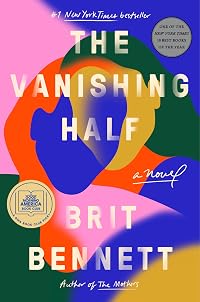
The Vanishing Half
by Brit Bennett
On This Page
Description
"The Vignes twin sisters will always be identical. But after growing up together in a small, southern black community and running away at age sixteen, it's not just the shape of their daily lives that is different as adults, it's everything: their families, their communities, their racial identities. Ten years later, one sister lives with her black daughter in the same southern town she once tried to escape. The other secretly passes for white, and her white husband knows nothing of her show more past. Still, even separated by so many miles and just as many lies, the fates of the twins remain intertwined. What will happen to the next generation, when their own daughters' storylines intersect? Weaving together multiple strands and generations of this family, from the Deep South to California, from the 1950s to the 1990s, Brit Bennett produces a story that is at once a riveting, emotional family story and a brilliant exploration of the American history of passing. Looking well beyond issues of race, The Vanishing Half considers the lasting influence of the past as it shapes a person's decisions, desires, and expectations, and explores some of the multiple reasons and realms in which people sometimes feel pulled to live as something other than their origins. As with her New York Times-bestselling debut The Mothers, Brit Bennett offers an engrossing page-turner about family and relationships that is immersive and provocative, compassionate and wise"-- show lessTags
Recommendations
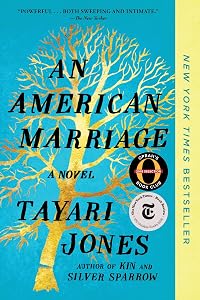
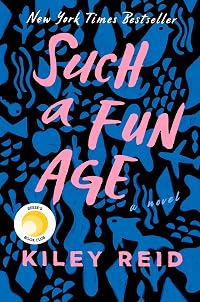
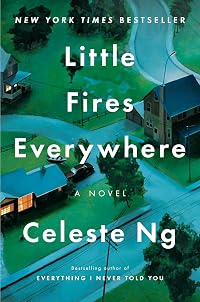

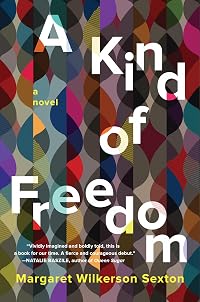
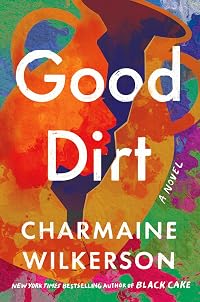
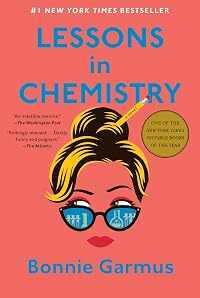
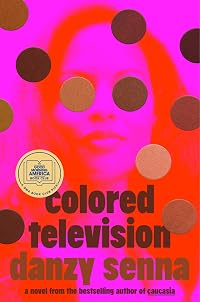
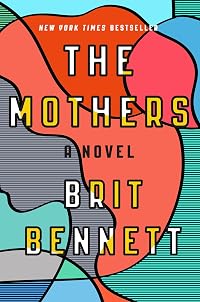
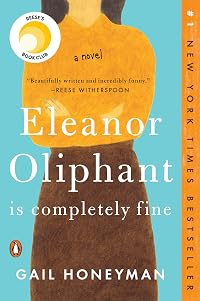
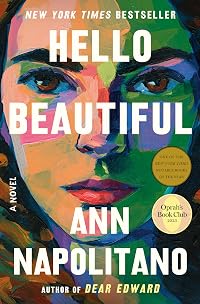

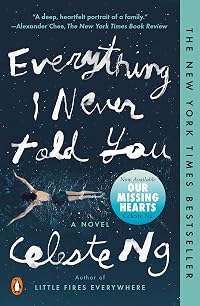
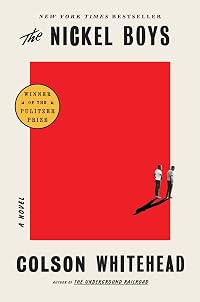

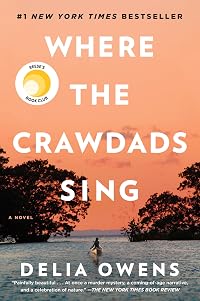
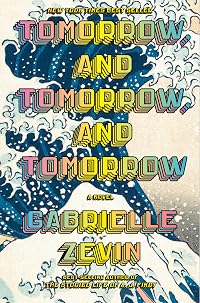

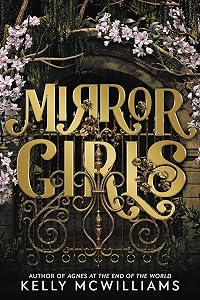
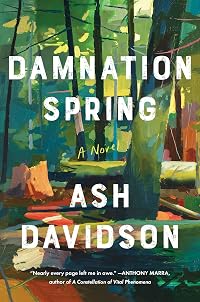
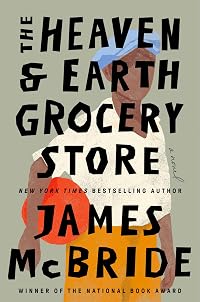
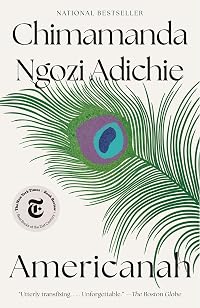
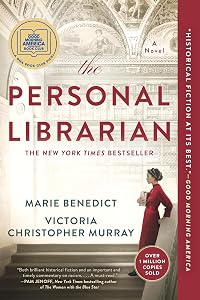



Member Recommendations

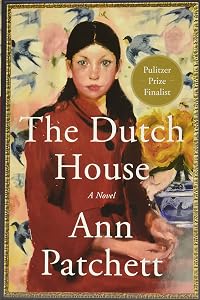
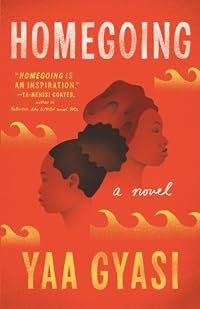
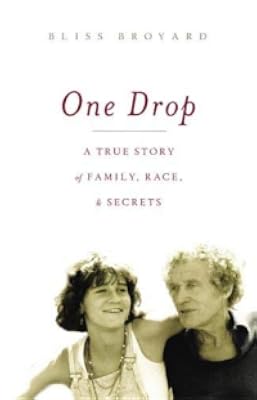
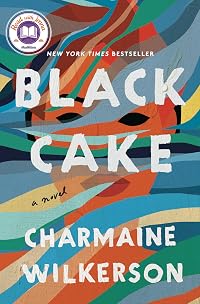
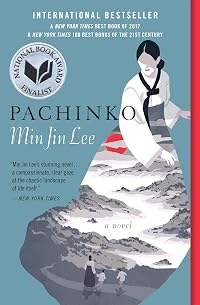
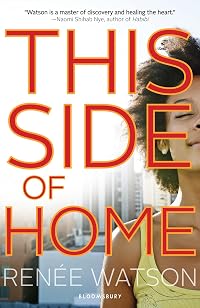
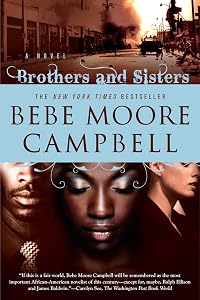
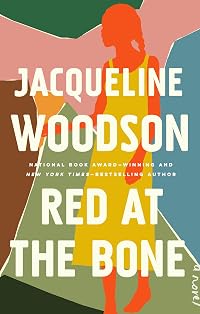
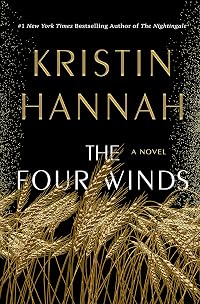
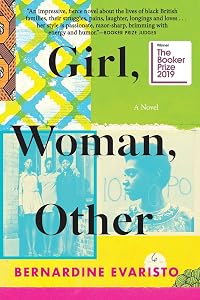
bhowell Passing by Nella Larsen is classic literature and a look at the same issue early in the 20th century
50

Member Reviews
Brit Bennett's first novel, The Mothers garnered a lot of praise, and deservedly so, but I think this one is even better. It's the story twin sisters, Desiree and Stella, born in a small, poor African-American community in Louisiana in the middle of the 20th century. Both girls leave town together in their teens, but soon part ways. Stella abandons her sister to forge a new life in which she passes for white, marries a well-off man, and has a daughter who knows nothing of her origins, while Desiree, fleeing an abusive marriage, ends up back in their mother's home once more, with her own daughter in tow.
It's a story about identity, of many different kinds and in many senses of the word, about family, about re-inventing yourself, and show more about the difficulties of leaving your past behind you. I really am so deeply impressed by Bennett's writing. She sweeps back and forth between different time periods, and transitions into different points of view so smoothly and compellingly that she makes it look like the easiest thing in the world. (Well, all right, there was one moment where she makes a small, passing mistake about the geography of New Mexico that distracted me rather badly for most of a chapter. But I suspect most people are extremely unlikely to notice that, and I am willing to forgive her for it, considering how darned good everything else about her writing is.) show less
It's a story about identity, of many different kinds and in many senses of the word, about family, about re-inventing yourself, and show more about the difficulties of leaving your past behind you. I really am so deeply impressed by Bennett's writing. She sweeps back and forth between different time periods, and transitions into different points of view so smoothly and compellingly that she makes it look like the easiest thing in the world. (Well, all right, there was one moment where she makes a small, passing mistake about the geography of New Mexico that distracted me rather badly for most of a chapter. But I suspect most people are extremely unlikely to notice that, and I am willing to forgive her for it, considering how darned good everything else about her writing is.) show less
I'm don't usually like stories that revolve around one big lie, as I usually get frustrated and impatient waiting for the inevitable big reveal and its obvious fallout. But the rich characters, their relationships, and the smooth prose offered here engrossed me so fully it ceased to matter to me whether the secret came out at all.
The topics covered include racism and colorism and LGBTQ+ issues, but the story is about mothers and daughters, family and love.
Highly recommended.
The topics covered include racism and colorism and LGBTQ+ issues, but the story is about mothers and daughters, family and love.
Highly recommended.
I have other book reviews to write, but somehow, writing about The Vanishing Half by Brit Bennett feels like the most important review to write given what is happening around the country right now. Its release date of today, 2 June 2020, is timely, as its discussion of race is one we all need to have right now.
The thing is, I don't have the words or experiences to do the novel justice. I am white. I was born into a lower-middle-class family of educators. We did not have a lot of money, but we were not poor by any means. We lived in predominantly white neighborhoods and never had to worry about crime or violence. I went to predominantly white schools, with just enough diversity for the school district leaders to feel good about show more themselves. The police were not something to fear but something to honor and respect. I did not have to choose between my education or getting a job when I was a teenager; I got a job for spending money only. I almost never had to worry about the color of my skin when in certain situations, although I am ashamed to admit that there were certain neighborhoods we passed through to get to my brother's baseball games where we would lock the doors and try not to call attention to ourselves for fear of harassment or even violence against ourselves. In other words, Stella's and Desiree's situations are so far removed from my own as to be almost foreign.
Yet, it is this unfamiliarity that makes such novels like The Vanishing Half so important. We don't just learn about the experiences of others. These novels force us out of our comfort zones by challenging us to look at what makes up reality for millions of others. They demand us to directly look at racism and hatred in ways not available to us, and in so doing, requires us to understand their situations. For me, The Vanishing Half did nothing but raise questions I would love to ask but am afraid to do so because it shows my ignorance of the Black experience.
The story's premise is one that follows the lives of twin girls, born and raised in a poor Louisiana town that prides itself on the whiteness of its denizens, even though the town is a Black town. One of the twins disappears one day, having decided to pass herself off as white, forever leaving her family and heritage in the past to prevent her secret from becoming known. The other twin ends up marrying a very dark black man but moves back home when she starts to fear for her life at the hands of her husband. Both sisters have daughters, whose stories we also follow.
The story itself is impeccably written, balancing between establishing the setting without sacrificing character development. We feel all four ladies' shame and fear, their anxiety, and their love. We care for all four women, in spite of their very different lives. Even if we don't agree with some of their decisions, we appreciate their sacrifices and the journies they travel.
But the questions are what will make me remember The Vanishing Half. More than Stella's passing, more than Jude's compassion, I remain haunted by the questions I have because of their experiences. Just the idea of a Black town that is as white in skin tone and hair and eye color as most of the neighborhoods in which I grew up is fascinating to me and makes me ask what actually defines race? According to the novel, it is not necessarily skin color, and yet, isn't that what we are taught? That we base race on skin color? Yet, this town, which is fictional but I'm sure exists somewhere, identifies itself as a Black community, faced with the same laws of segregation and fears of lynching as any other Black community in the South in the 1950s. Does this mean we define race based on identity? Or is it heritage?
Then there is this idea of degrees of blackness, where even Black people favor those with whiter skin. Desiree sees this firsthand in how the community does not accept her husband and later actively prejudices itself against her dark-skinned daughter. Why would a community do this? Do we, as humans, need to feel like we are better than someone else, so much so that we look down on people of our own race
One cannot discuss The Vanishing Half without talking about Stella's passing over. I admit that there is still a part of me that wonders why this is such a big deal. After all, don't we, as parents, want our children to have a better life than the one we had? So, for a Black mother, would that not mean becoming white if possible? I recognize how ignorant this question is because I do understand that Stella's passing over means that she is making a statement about her heritage being less important to her than her own comfort. But Stella doesn't just pass over because she no longer wants to fight against racism and segregation. She does so because she can and because she likes the feelings passing as white gives her. This put my mind down a completely different path, as I wonder how often people passed over in the past. How often does it happen now? Most importantly, why would someone do it? If you do, do you hate yourself, do you hate your family or your heritage, or is it something else?
Stella's behavior toward Blacks as a white woman of privilege also raises eyebrows and questions. Or maybe it doesn't if you are a BIPOC reading it. I just don't know. I do know I struggled to like Stella as a person as she focused only on the inexplicable idea of how being near another Black person would jeopardize her secret, which then allowed her to treat them as bad or worse as anything she experienced as a child. I don't understand it, and I definitely don't like it or her for doing it.
Lastly, I find it very telling that Stella, as a white woman, is the only one of the four women to get married or remain married. Desiree marries someone who abuses her and leaves him fairly quickly in the novel. She finds her long-time love but never makes it official. Jude finds her one love but does not marry him for various reasons. Kennedy never finds the one. What does this say about the institution of marriage among Blacks versus whites? Is there something Ms. Bennett is saying about marriage in Black culture that I don't understand?
The thing is that I most likely will never get satisfactory answers to my questions, and I think that is okay as well. Learning comes through exposure to new ideas and situations and asking questions about them. I may never understand why Stella does what she does or the level of fear and degradation Desiree and Jude feel, but by reading The Vanishing Half I know more than I did before. The questions the novel raises for me will make me seek out other novels written by Black authors or books about race, and I will continue to seek answers and listen to others' experiences. As a white woman, that is the very least I can do. show less
The thing is, I don't have the words or experiences to do the novel justice. I am white. I was born into a lower-middle-class family of educators. We did not have a lot of money, but we were not poor by any means. We lived in predominantly white neighborhoods and never had to worry about crime or violence. I went to predominantly white schools, with just enough diversity for the school district leaders to feel good about show more themselves. The police were not something to fear but something to honor and respect. I did not have to choose between my education or getting a job when I was a teenager; I got a job for spending money only. I almost never had to worry about the color of my skin when in certain situations, although I am ashamed to admit that there were certain neighborhoods we passed through to get to my brother's baseball games where we would lock the doors and try not to call attention to ourselves for fear of harassment or even violence against ourselves. In other words, Stella's and Desiree's situations are so far removed from my own as to be almost foreign.
Yet, it is this unfamiliarity that makes such novels like The Vanishing Half so important. We don't just learn about the experiences of others. These novels force us out of our comfort zones by challenging us to look at what makes up reality for millions of others. They demand us to directly look at racism and hatred in ways not available to us, and in so doing, requires us to understand their situations. For me, The Vanishing Half did nothing but raise questions I would love to ask but am afraid to do so because it shows my ignorance of the Black experience.
The story's premise is one that follows the lives of twin girls, born and raised in a poor Louisiana town that prides itself on the whiteness of its denizens, even though the town is a Black town. One of the twins disappears one day, having decided to pass herself off as white, forever leaving her family and heritage in the past to prevent her secret from becoming known. The other twin ends up marrying a very dark black man but moves back home when she starts to fear for her life at the hands of her husband. Both sisters have daughters, whose stories we also follow.
The story itself is impeccably written, balancing between establishing the setting without sacrificing character development. We feel all four ladies' shame and fear, their anxiety, and their love. We care for all four women, in spite of their very different lives. Even if we don't agree with some of their decisions, we appreciate their sacrifices and the journies they travel.
But the questions are what will make me remember The Vanishing Half. More than Stella's passing, more than Jude's compassion, I remain haunted by the questions I have because of their experiences. Just the idea of a Black town that is as white in skin tone and hair and eye color as most of the neighborhoods in which I grew up is fascinating to me and makes me ask what actually defines race? According to the novel, it is not necessarily skin color, and yet, isn't that what we are taught? That we base race on skin color? Yet, this town, which is fictional but I'm sure exists somewhere, identifies itself as a Black community, faced with the same laws of segregation and fears of lynching as any other Black community in the South in the 1950s. Does this mean we define race based on identity? Or is it heritage?
Then there is this idea of degrees of blackness, where even Black people favor those with whiter skin. Desiree sees this firsthand in how the community does not accept her husband and later actively prejudices itself against her dark-skinned daughter. Why would a community do this? Do we, as humans, need to feel like we are better than someone else, so much so that we look down on people of our own race
One cannot discuss The Vanishing Half without talking about Stella's passing over. I admit that there is still a part of me that wonders why this is such a big deal. After all, don't we, as parents, want our children to have a better life than the one we had? So, for a Black mother, would that not mean becoming white if possible? I recognize how ignorant this question is because I do understand that Stella's passing over means that she is making a statement about her heritage being less important to her than her own comfort. But Stella doesn't just pass over because she no longer wants to fight against racism and segregation. She does so because she can and because she likes the feelings passing as white gives her. This put my mind down a completely different path, as I wonder how often people passed over in the past. How often does it happen now? Most importantly, why would someone do it? If you do, do you hate yourself, do you hate your family or your heritage, or is it something else?
Stella's behavior toward Blacks as a white woman of privilege also raises eyebrows and questions. Or maybe it doesn't if you are a BIPOC reading it. I just don't know. I do know I struggled to like Stella as a person as she focused only on the inexplicable idea of how being near another Black person would jeopardize her secret, which then allowed her to treat them as bad or worse as anything she experienced as a child. I don't understand it, and I definitely don't like it or her for doing it.
Lastly, I find it very telling that Stella, as a white woman, is the only one of the four women to get married or remain married. Desiree marries someone who abuses her and leaves him fairly quickly in the novel. She finds her long-time love but never makes it official. Jude finds her one love but does not marry him for various reasons. Kennedy never finds the one. What does this say about the institution of marriage among Blacks versus whites? Is there something Ms. Bennett is saying about marriage in Black culture that I don't understand?
The thing is that I most likely will never get satisfactory answers to my questions, and I think that is okay as well. Learning comes through exposure to new ideas and situations and asking questions about them. I may never understand why Stella does what she does or the level of fear and degradation Desiree and Jude feel, but by reading The Vanishing Half I know more than I did before. The questions the novel raises for me will make me seek out other novels written by Black authors or books about race, and I will continue to seek answers and listen to others' experiences. As a white woman, that is the very least I can do. show less
This is a lovely novel about complicated things. It starts, of course, with two Afro-American twin sisters growing up in the segregated South, one of whom passes for White while the other stays Black. It goes on, passing back and forth in time, to include their daughters. The characters are compelling and (mostly) lovable: I really cared about them. The writing is terrific, vivid and precise without any hint of pretentiousness. And the story is powerful. A terrific book.
Barack Obama listed this as one of his favourite books in 2020. It might not rank as one of my favourites, but in audio format it certainly entertained me on my morning walks.
Desiree and Stella Vignes are twins born in Mallard, Louisiana, a place where only light-skinned blacks live. In 1954, at the age of sixteen, the two run away to New Orleans. Later the two girls go their separate ways and lose contact. Desiree moves to Washington where she marries a very dark-skinned black man with whom she has a daughter Jude. Fourteen years after leaving, Desiree returns to Mallard with Jude who has inherited her father’s blue-black skin.
Meanwhile, Stella has been passing as white. She marries her boss Blake Sanders and they move to Los show more Angeles where they have a daughter Kennedy. No one knows about her past though she lives in constant fear of exposure, especially when Kennedy meets Jude.
Covering about 40 years, the narrative moves back and forth through time and shifts between characters, primarily Desiree, Stella, Jude and Kennedy. The women tend to be foil characters. Desiree is the high-spirited extrovert whereas Stella is the bookish introvert. Desiree embraces her black identity while her twin totally rejects her ethnicity. Jude is hardworking and grounded while her cousin is spoiled and rudderless.
The novel explores how identity is a performance. We all wear masks so there is often a difference between our authentic selves and our projected selves. When I was a teacher, I often mentioned how the profession was much like acting; what students saw was not always the real me but the persona I chose to construct. In the novel, there are many characters who hide parts of themselves. Stella is the major example, of course, but there is also her daughter who as an actor finds her passion in trying different identities. Jude meets Reese, a transsexual who hides his female body, and Barry, a high school teacher who regularly becomes Bianca, a drag queen.
The book also examines the impact of choices on both the one choosing and his/her family. Stella often thinks of the effort needed to maintain her façade. She also lives with a constant fear that someone will see her that she is masquerading as a white. Her life is a lie and so she becomes alienated not just from the family she has rejected but from herself. Kennedy senses that Stella is hiding things and so comes not to trust her mother. Stella pays a high price for passing; she has financial security but she does not feel happy and fulfilled.
Racism is at the heart of so much that happens. Though the twins and their parents are light-skinned, they are not safe from racialized violence, an instance of which scars the girls for life. Stella and Desiree are expected to work as cleaners for whites. Interestingly, Stella’s white life begins when she gets a job as a secretary in the marketing department of the Maison Blanche chain of stores. Because Jude is so dark, when she moves to Mallard she becomes a victim of colorism (a bias against people of darker skin from others within the same race). Stella believes that only as a white can she acquire the stability and security she so desires.
There are a number of coincidences that further the dramatic action but still feel forced. Jude and Kennedy meet by chance in Los Angeles and later in New York. A bounty hunter is hired to find Mrs. Winston and then learns he is looking for the woman who was his first love. Of course, these chance encounters are expected if there is to be any type of reunion.
This book presents many ideas for the reader to consider, so I’d certainly recommend it. The audiobook version narrated by Shayna Small is excellent.
Note: Please check out my reader's blog (https://schatjesshelves.blogspot.com/) and follow me on Twitter (@DCYakabuski). show less
Desiree and Stella Vignes are twins born in Mallard, Louisiana, a place where only light-skinned blacks live. In 1954, at the age of sixteen, the two run away to New Orleans. Later the two girls go their separate ways and lose contact. Desiree moves to Washington where she marries a very dark-skinned black man with whom she has a daughter Jude. Fourteen years after leaving, Desiree returns to Mallard with Jude who has inherited her father’s blue-black skin.
Meanwhile, Stella has been passing as white. She marries her boss Blake Sanders and they move to Los show more Angeles where they have a daughter Kennedy. No one knows about her past though she lives in constant fear of exposure, especially when Kennedy meets Jude.
Covering about 40 years, the narrative moves back and forth through time and shifts between characters, primarily Desiree, Stella, Jude and Kennedy. The women tend to be foil characters. Desiree is the high-spirited extrovert whereas Stella is the bookish introvert. Desiree embraces her black identity while her twin totally rejects her ethnicity. Jude is hardworking and grounded while her cousin is spoiled and rudderless.
The novel explores how identity is a performance. We all wear masks so there is often a difference between our authentic selves and our projected selves. When I was a teacher, I often mentioned how the profession was much like acting; what students saw was not always the real me but the persona I chose to construct. In the novel, there are many characters who hide parts of themselves. Stella is the major example, of course, but there is also her daughter who as an actor finds her passion in trying different identities. Jude meets Reese, a transsexual who hides his female body, and Barry, a high school teacher who regularly becomes Bianca, a drag queen.
The book also examines the impact of choices on both the one choosing and his/her family. Stella often thinks of the effort needed to maintain her façade. She also lives with a constant fear that someone will see her that she is masquerading as a white. Her life is a lie and so she becomes alienated not just from the family she has rejected but from herself. Kennedy senses that Stella is hiding things and so comes not to trust her mother. Stella pays a high price for passing; she has financial security but she does not feel happy and fulfilled.
Racism is at the heart of so much that happens. Though the twins and their parents are light-skinned, they are not safe from racialized violence, an instance of which scars the girls for life. Stella and Desiree are expected to work as cleaners for whites. Interestingly, Stella’s white life begins when she gets a job as a secretary in the marketing department of the Maison Blanche chain of stores. Because Jude is so dark, when she moves to Mallard she becomes a victim of colorism (a bias against people of darker skin from others within the same race). Stella believes that only as a white can she acquire the stability and security she so desires.
There are a number of coincidences that further the dramatic action but still feel forced. Jude and Kennedy meet by chance in Los Angeles and later in New York. A bounty hunter is hired to find Mrs. Winston and then learns he is looking for the woman who was his first love. Of course, these chance encounters are expected if there is to be any type of reunion.
This book presents many ideas for the reader to consider, so I’d certainly recommend it. The audiobook version narrated by Shayna Small is excellent.
Note: Please check out my reader's blog (https://schatjesshelves.blogspot.com/) and follow me on Twitter (@DCYakabuski). show less
Passing ist ein Phänomen, dass es bereits länger gibt, in Europa aber eher unbekannt ist, obwohl es auch hier existiert. Dabei wird die soziale Identität eines Menschen (Geschlecht, Klasse, Ethnie usw.) von seiner Umwelt nicht erkannt, so dass die damit verbundenen Erwartungen, Rechte und Pflichten nicht existieren. Wie beispielsweise in Deutschland die Juden während des Dritten Reiches, die ihr Jüdischsein verheimlichten, um so der Verfolgung zu entgehen. Heute ist es insbesondere in den USA Thema, wobei Schwarze mit sehr heller Haut für Weiße gehalten und entsprechend behandelt werden, wovon dieses Buch unter anderem auch erzählt.
1938 werden die Zwillinge Desiree und Stella in dem kleinen Nest Mallard im Süden der USA show more geboren, dessen BewohnerInnen es sich zum Ziel setzen, mit jeder Generation hellhäutiger zu werden. Mit 16 Jahren brennen die Beiden durch und gehen nach New Orleans, wo sich ihre Wege trennen. „… Desiree heiratete den dunkelsten Mann den sie finden konnte.“ und bekommt eine Tochter, „… so schwarz, schwärzer geht’s nicht.“
Stella hingegen „… wurde zur weißen Stella.“, was sie jedoch nur sein konnte, „…, wenn Desiree nicht dabei war.“ Sie heiratet einen vermögenden weißen Mann aus dem Geldadel und bekommt eine blonde Tochter.
Die Lebenswege der beiden Frauen entwickeln sich so weit auseinander, dass sie sich nie wieder gesehen hätten, wären ihre Töchter sich nicht begegnet. Denn Desiree kehrt mit ihrer Tochter Jude nach Mallard zurück, während Stella ihr Leben als Weiße in der High Society in Los Angeles führt.
Brit Bennett, die Autorin, zeigt in diesem Buch überdeutlich, wie groß die Unterschiede der Möglichkeiten sind, die je nach Hautfarbe zur Wahl stehen. Während Stella praktisch alles werden kann, bleibt für Desiree letzten Endes der Job in der Kneipe. Aber das Leben auf einer Lüge aufzubauen, hat ebenfalls seinen Preis.
Überzeugend stellt Bennett dar, wie Stella aus Angst, enttarnt zu werden, am heftigsten gegen die ersten schwarzen Nachbarn protestiert. Und wie sie ständig in der Furcht lebt, als das erkannt zu werden, was sie ist: schwarz.
Auch gut gefallen hat mir, wie Bennett die Charaktere der Töchter in Teilen fast spiegelbildlich zu denen ihrer Mütter entwirft. Desirees Tochter Jude hat mehr Ähnlichkeit mit Stella, während Stellas Tochter Kennedy viele Wesenszüge ihrer Tante aufweist. Doch Beide tragen ganz klar das Erbe ihrer Mütter in sich, während die Väter kaum eine Rolle spielen.
Wirklich lesenswert! show less
1938 werden die Zwillinge Desiree und Stella in dem kleinen Nest Mallard im Süden der USA show more geboren, dessen BewohnerInnen es sich zum Ziel setzen, mit jeder Generation hellhäutiger zu werden. Mit 16 Jahren brennen die Beiden durch und gehen nach New Orleans, wo sich ihre Wege trennen. „… Desiree heiratete den dunkelsten Mann den sie finden konnte.“ und bekommt eine Tochter, „… so schwarz, schwärzer geht’s nicht.“
Stella hingegen „… wurde zur weißen Stella.“, was sie jedoch nur sein konnte, „…, wenn Desiree nicht dabei war.“ Sie heiratet einen vermögenden weißen Mann aus dem Geldadel und bekommt eine blonde Tochter.
Die Lebenswege der beiden Frauen entwickeln sich so weit auseinander, dass sie sich nie wieder gesehen hätten, wären ihre Töchter sich nicht begegnet. Denn Desiree kehrt mit ihrer Tochter Jude nach Mallard zurück, während Stella ihr Leben als Weiße in der High Society in Los Angeles führt.
Brit Bennett, die Autorin, zeigt in diesem Buch überdeutlich, wie groß die Unterschiede der Möglichkeiten sind, die je nach Hautfarbe zur Wahl stehen. Während Stella praktisch alles werden kann, bleibt für Desiree letzten Endes der Job in der Kneipe. Aber das Leben auf einer Lüge aufzubauen, hat ebenfalls seinen Preis.
Überzeugend stellt Bennett dar, wie Stella aus Angst, enttarnt zu werden, am heftigsten gegen die ersten schwarzen Nachbarn protestiert. Und wie sie ständig in der Furcht lebt, als das erkannt zu werden, was sie ist: schwarz.
Auch gut gefallen hat mir, wie Bennett die Charaktere der Töchter in Teilen fast spiegelbildlich zu denen ihrer Mütter entwirft. Desirees Tochter Jude hat mehr Ähnlichkeit mit Stella, während Stellas Tochter Kennedy viele Wesenszüge ihrer Tante aufweist. Doch Beide tragen ganz klar das Erbe ihrer Mütter in sich, während die Väter kaum eine Rolle spielen.
Wirklich lesenswert! show less
What’s here is generally entertaining: what most would probably call “a good read.” But before we venture any further, I should disclose that this book seriously irked me. That Bennett has created such an ideal construct for exploring important issues of race, and then fails to deliver on so much of that promise, has left me irritable and thirsty for so much more.
Seriously, it’s hard to imagine a more effective construct for exploring racial roles in the past 40 decades than through the eyes of light-skinned twin girls who each end up on the opposite side of those roles! Stella and Desiree Vignes flee their tiny hamlet of Mallard for “larger lives,” but what constitutes a “larger life”? For Stella, who chooses to marry a show more wealthy white man and pass as white, a “larger life” means access to wealth and social opportunities. For Desiree, who chooses marriage to a cultured black man, a career (fingerprint analysis), and the suburbs of Cleveland, it means escaping the color-obsessed town in which she grew up. All too soon, however, we come to appreciate that as the sisters open doors for themselves, they are forced to close other doors behind them, for how large a life can you lead if you are constantly living a lie (Stella) or trapped into a life that separates you from the people and places and define you (both sisters)? Are the sacrifices they are forced to make worth the price that they are forced to pay? There’s so much here to explore!
Which makes the author’s decision to then devote the bulk of this story to a cast of secondary characters so irksome, especially since the subplots are jarringly repetitive and condescendingly “woke.” There’s Jude, Desiree’s “darker than black” daughter Jude, who has to overcome feelings of self-loathing over the color of her skin before she can allow herself to feel worthy of love. Reese, Jude’s trans boyfriend, who has to overcome feelings of self-loathing over his gender preference before he can find happiness as Jude’s lover. Earl, who has to overcome feelings of self-loathing over both his “white trash” childhood AND being rejected by his parents before he can find closure as Desiree’s partner. And Kennedy, Stella’s daughter, who is bothered by feelings of self-loathing over her lack of general character, until she finally finds (or doesn’t find) closure in discovering her mother’s secret. Holy social justice, Batman! You mean that there are lots of *other* reasons besides racism – like gender, gender identity, or class - why people may feel socially isolated? We get it! Now can we get back to the much more intriguing social and cultural issues that Bennett’s narrative dangles before us, such as …
• What will happen when Stella’s white husband learns that he has married a black woman? Will he be appalled? Will his love for her overcome his feelings of betrayal? Or, perhaps, will social norms have changed so drastically over the intervening decades the he will understand and accept her choice?
• Will Loretta (Stella’s only black friend) ever “sense” that Stella is black? If so, will she choose to “out” Stella as passing? Why might she choose to do so … or not do so? What might be the consequences of each decision?
• How will Kennedy’s discovery of her racial identity change (or not change) her conception of herself? Will she ever come to recognize the extent to which her life has been shaped by white privilege?
• How will the residents of Mallard – a town that prides itself on being “near white” – react to learning that one of their own has been successfully “passing” as white? Will they feel proud … or betrayed?
• While it’s possible to imagine Stella and Desiree finally forgiving each other, will it ever be possible for them to understand the decisions that the other sister made?
But the answer is … no. Bennett chooses to leave all of these rich opportunities for discussing the interaction between racism, identity and love entirely unexplored. One can only wonder why – an editor afraid of controversy? Lack of time? Lack of inspiration?
I find it fairly easy to forgive a bad book for being bad, but much harder to forgive a potentially great book for not living up to its promise. The Vanishing Half makes me wish that this idea had fallen into the hands of an author with a little more vision and a lot more courage. show less
Seriously, it’s hard to imagine a more effective construct for exploring racial roles in the past 40 decades than through the eyes of light-skinned twin girls who each end up on the opposite side of those roles! Stella and Desiree Vignes flee their tiny hamlet of Mallard for “larger lives,” but what constitutes a “larger life”? For Stella, who chooses to marry a show more wealthy white man and pass as white, a “larger life” means access to wealth and social opportunities. For Desiree, who chooses marriage to a cultured black man, a career (fingerprint analysis), and the suburbs of Cleveland, it means escaping the color-obsessed town in which she grew up. All too soon, however, we come to appreciate that as the sisters open doors for themselves, they are forced to close other doors behind them, for how large a life can you lead if you are constantly living a lie (Stella) or trapped into a life that separates you from the people and places and define you (both sisters)? Are the sacrifices they are forced to make worth the price that they are forced to pay? There’s so much here to explore!
Which makes the author’s decision to then devote the bulk of this story to a cast of secondary characters so irksome, especially since the subplots are jarringly repetitive and condescendingly “woke.” There’s Jude, Desiree’s “darker than black” daughter Jude, who has to overcome feelings of self-loathing over the color of her skin before she can allow herself to feel worthy of love. Reese, Jude’s trans boyfriend, who has to overcome feelings of self-loathing over his gender preference before he can find happiness as Jude’s lover. Earl, who has to overcome feelings of self-loathing over both his “white trash” childhood AND being rejected by his parents before he can find closure as Desiree’s partner. And Kennedy, Stella’s daughter, who is bothered by feelings of self-loathing over her lack of general character, until she finally finds (or doesn’t find) closure in discovering her mother’s secret. Holy social justice, Batman! You mean that there are lots of *other* reasons besides racism – like gender, gender identity, or class - why people may feel socially isolated? We get it! Now can we get back to the much more intriguing social and cultural issues that Bennett’s narrative dangles before us, such as …
• What will happen when Stella’s white husband learns that he has married a black woman? Will he be appalled? Will his love for her overcome his feelings of betrayal? Or, perhaps, will social norms have changed so drastically over the intervening decades the he will understand and accept her choice?
• Will Loretta (Stella’s only black friend) ever “sense” that Stella is black? If so, will she choose to “out” Stella as passing? Why might she choose to do so … or not do so? What might be the consequences of each decision?
• How will Kennedy’s discovery of her racial identity change (or not change) her conception of herself? Will she ever come to recognize the extent to which her life has been shaped by white privilege?
• How will the residents of Mallard – a town that prides itself on being “near white” – react to learning that one of their own has been successfully “passing” as white? Will they feel proud … or betrayed?
• While it’s possible to imagine Stella and Desiree finally forgiving each other, will it ever be possible for them to understand the decisions that the other sister made?
But the answer is … no. Bennett chooses to leave all of these rich opportunities for discussing the interaction between racism, identity and love entirely unexplored. One can only wonder why – an editor afraid of controversy? Lack of time? Lack of inspiration?
I find it fairly easy to forgive a bad book for being bad, but much harder to forgive a potentially great book for not living up to its promise. The Vanishing Half makes me wish that this idea had fallen into the hands of an author with a little more vision and a lot more courage. show less
Members
- Recently Added By
Published Reviews
ThingScore 100
The Vanishing Half is the fairy tale we need right now to tell us the truth....
All of these events unfold with the inevitability of a folktale or a fable — which is how The Vanishing Half, with its many folklorish narrative extravagances, reads. This book is not interested in literary realism. It is a fairy tale, and it makes no apologies for being so....But within its fairy-tale structure, show more The Vanishing Half is able to be ambitious with its characters. ...Reading The Vanishing Half at this moment in time, as America protests against the police killings of black people and the police respond with brutality, feels like reading a parable that is wiser and more beautiful than we deserve. One that is built around all the secrets buried in the rotten core of America’s racial history.
There is deep truth within fairy tales. And with The Vanishing Half, Bennett has written a marvel of one. show less
All of these events unfold with the inevitability of a folktale or a fable — which is how The Vanishing Half, with its many folklorish narrative extravagances, reads. This book is not interested in literary realism. It is a fairy tale, and it makes no apologies for being so....But within its fairy-tale structure, show more The Vanishing Half is able to be ambitious with its characters. ...Reading The Vanishing Half at this moment in time, as America protests against the police killings of black people and the police respond with brutality, feels like reading a parable that is wiser and more beautiful than we deserve. One that is built around all the secrets buried in the rotten core of America’s racial history.
There is deep truth within fairy tales. And with The Vanishing Half, Bennett has written a marvel of one. show less
added by vancouverdeb
A new novel explores the construct of race in the diverging lives of light-skinned black twins, one of whom transitions into a life as a white woman....Issues of privilege, intergenerational trauma, the randomness and unfairness of it all, are teased apart in all their complexity, within a story that also touches on universal themes of love, identity and belonging.
“The Vanishing Half,” show more with its clever premise and strongly developed characters, is unputdownable. show less
“The Vanishing Half,” show more with its clever premise and strongly developed characters, is unputdownable. show less
added by vancouverdeb
Race is much on America’s mind now, in all the myriad ways it shapes our lives, whatever color our skin might be. It also lies at the heart of Brit Bennett’s moving and insightful new novel, The Vanishing Half, the story of twin sisters who choose to live their lives as different races, one black, one white....The Vanishing Half is skillfully structured and filled with richly developed show more characters who defy stereotypes. By turns poignant and funny, it’s a timely look at the dual nature of race — an abstract construct, a visceral reality — and the damage that racism can inflict. show less
added by vancouverdeb
Lists

2021 Tournament of Books
18 works; 12 members

Favourite Women's Prize for Fiction, Orange & Bailey's Prize contenders
132 works; 52 members

Top Five Books of 2020
982 works; 350 members

2021 Women's Prize for Fiction Longlist
16 works; 7 members

Female Author
1,234 works; 66 members

Best Books With Sisters
130 works; 30 members

Best 21st Century Books (So Far)
679 works; 86 members

Southern Fiction
212 works; 52 members
The Guardian Books of the Year 2020
126 works; 8 members

Baileys Women's Prize for Fiction Winners and Shortlisted Books
61 works; 11 members

Books recommended by Barack Obama
295 works; 29 members
2021 Notable Books for Adults
24 works; 4 members

Black Authors
386 works; 32 members

Top Five Books of 2022
736 works; 272 members

Bitter Southerner Summer Reading Roundup
198 works; 8 members

Phi Beta Kappa reading list
260 works; 8 members

Books with Twins
175 works; 12 members

Books Read in 2020
4,379 works; 123 members

Books Read in 2022
5,226 works; 115 members
Overdue Podcast
808 works; 9 members

SHOULD Read Books!
354 works; 9 members

Mothers and Daughters
114 works; 11 members
Books Set in Small Towns and Villages
278 works; 16 members

Plan to Read Books
75 works; 1 member

Obama Reads
181 works; 3 members

A Good Read (Radio 4)
287 works; 1 member
To Read
13 works; 1 member

el
1,139 works; 1 member

BBC World Book Club
267 works; 5 members

READ IN 2020
172 works; 1 member

Fiction: BLM
60 works; 1 member

To Read
29 works; 2 members

My Library
43 works; 1 member

Books Read in 2021
5,361 works; 114 members

Top Five Books of 2024
795 works; 264 members
Barack Obama's Summer Reading List 2020
17 works; 5 members

NYT Readers best of 21st C
100 works; 8 members

Book of the Month Selections 2016 to Present
130 works; 5 members

Biggest Disappointments
606 works; 168 members
Southern fiction reading list
25 works; 1 member
Author Information

8+ Works 10,692 Members
Brit Bennett graduated from Stanford University and later earned her MFA in fiction at the University of Michigan. Her work is featured in The New Yorker, The New York Times Magazine, The Paris Review, and Jezebel. She has won a Hopwood Award in Graduate Short Fiction as well as the 2014 Hurston/Wright Award for College Writers. Brit is one of the show more National Book Foundation's 2016 5 Under 35 honorees. (Bowker Author Biography) show less
All Editions
Some Editions
Awards and Honors
Series
Belongs to Publisher Series
Keltainen kirjasto (518)
Common Knowledge
- Canonical title
- The Vanishing Half
- Original title
- The vanishing half
- Original publication date
- 2020-06-02
- People/Characters
- Estelle "Stella" Vignes Sanders; Desiree Vignes Winston; Adele Vignes (mother of Stella and Desiree Vignes); Sam Winston; Jude Winston; Early Jones (show all 18); Reese Carter; Blake Sanders; Kennedy Sanders; Loretta Walker; Reginald Walker; Cindy Walker; Frantz; Leon Vignes (father of Stella and Desiree Vignes); Clifton L. "Ceel" Lewis; Barry/Bianca; Farrah Thibodeaux; Lou LeBon
- Important places
- Mallard, St. Landry Parish, Louisiana, USA; Washington, D.C., USA; New Orleans, Louisiana, USA; Los Angeles, California, USA; New York, New York, USA; Minneapolis, Minnesota, USA (show all 8); Opelousas, Louisiana, USA; Brentwood, Los Angeles, California, USA
- Dedication
- For my family
- First words
- The morning one of the lost twins returned to Mallard, Lou LeBon ran to the diner to break the news, and even now, many years later, everyone remembers the shock of sweaty Lou pushing through the glass doors, chest heaving, n... (show all)eckline darkened with his own effort.
- Quotations
- The hardest part about becoming someone else was deciding to. The rest was only logistics.
She had rung the bell, and all her life, the note would hang in the air.
Like leaving, the hardest part of returning was deciding to.
Her death hit in waves. Not a flood, but water lapping steadily at her ankles.
You could drown in two inches of water. Maybe grief was the same. - Last words
- (Click to show. Warning: May contain spoilers.)They floated under the leafy canopy of trees , begging to forget.
- Publisher's editor
- McGrath, Sarah
- Blurbers
- Woodson, Jacqueline; Evaristo, Bernardine
- Original language
- English
- Canonical DDC/MDS
- 813.6
- Canonical LCC
- PS3602.E66444
Classifications
Statistics
- Members
- 8,232
- Popularity
- 1,350
- Reviews
- 290
- Rating
- (4.05)
- Languages
- 16 — Catalan, Chinese, Danish, Dutch, English, Finnish, French, German, Hungarian, Italian, Korean, Portuguese, Spanish, Swedish, Turkish, Vietnamese
- Media
- Paper, Audiobook, Ebook
- ISBNs
- 59
- ASINs
- 17