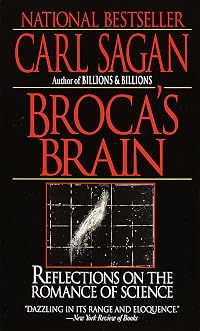
Broca's Brain: Reflections on the Romance of Science
by Carl Sagan
On This Page
Description
Explorers various aspects of several fields of science and examines the role of the intellect in scientific achievement.Tags
Recommendations










Member Recommendations
Member Reviews
A love letter to the wonders of scientific exploration (else it would not be Carl Sagan!), and at the same time a serious and sympathetic look at pseudoscience and credulity, foreshadowing The Demon-Haunted World. A beautiful read, save for a long point-by-point refutation of another author's absurd work. It's there to make an important point, but it's a bit much.I sure do wish Sagan was still around. I'm sure he had many more books in him.
Muita gente vai associar o nome de Carl Sagan à série de TV “Cosmos”, produzida com sua esposa Ann Druyan, lançada nos EUA em 1981 e exibida no Brasil entre 1982 e 1983. Astrônomo e astrofísico norte-americano, Sagan foi um excelente divulgador da ciência, e também publicou vários livros, acadêmicos, para leigos e a ficção “Contato”.
Li quase toda a obra de Sagan. Seu texto é muito claro, encanta o leitor quando exalta mas maravilhas da ciência, instiga a curiosidade a cada linha e provoca reflexões. “O Romance da Ciência” foi publicado nos EUA em 1979, chegou ao Brasil apenas dez anos depois, mas só fui lê-lo agora.
A obra reúne 25 trabalhos do autor. Parte deles são transcrições de palestras, show more republicação de artigos de revistas científicas e alguns inéditos. Três ou quatro textos farão a alegria de um estudante de física, mas pela primeira vez fugiram ao meu alcance, principalmente por conta das fórmulas. Lindas de ver, mas incompreensíveis para mim. Há outro senão, mas esse é pelo fato de eu ter esporeado tanto tempo para ler. Escritos há mais de 40 anos, alguns capítulos ficaram desatualizados.
Então não vale mais a pena ler “O Romance da Ciência”? Vale! O raciocínio e o texto elegante de Sagan oferecem ao leitor instigantes considerações sobre grandes cientistas, vida extraterrestre inteligente, viagens espaciais, exploração do sistema solar e - tema caro ao autor - reflexões sobre ciência, pseudociência e religiões. Há um capítulo dedicado à análise de obras de ficção científica.
“O Romance da Ciência” foi lançado em 1989 pela editora Francisco Avisa, com tradução de Carlos Aberto Medeiros. O título encontra-se esgotado, mas pode ser encontrada em sebos por valores bem razoáveis em. Para quem lê em inglês, o título original é “Broca's Brain: Reflections on the Romance of Science”. “O cérebro de Broca” é justamente o primeiro capítulo do livro, escrito em homenagem ao cientista francês Paul Broca, do século 19. show less
Li quase toda a obra de Sagan. Seu texto é muito claro, encanta o leitor quando exalta mas maravilhas da ciência, instiga a curiosidade a cada linha e provoca reflexões. “O Romance da Ciência” foi publicado nos EUA em 1979, chegou ao Brasil apenas dez anos depois, mas só fui lê-lo agora.
A obra reúne 25 trabalhos do autor. Parte deles são transcrições de palestras, show more republicação de artigos de revistas científicas e alguns inéditos. Três ou quatro textos farão a alegria de um estudante de física, mas pela primeira vez fugiram ao meu alcance, principalmente por conta das fórmulas. Lindas de ver, mas incompreensíveis para mim. Há outro senão, mas esse é pelo fato de eu ter esporeado tanto tempo para ler. Escritos há mais de 40 anos, alguns capítulos ficaram desatualizados.
Então não vale mais a pena ler “O Romance da Ciência”? Vale! O raciocínio e o texto elegante de Sagan oferecem ao leitor instigantes considerações sobre grandes cientistas, vida extraterrestre inteligente, viagens espaciais, exploração do sistema solar e - tema caro ao autor - reflexões sobre ciência, pseudociência e religiões. Há um capítulo dedicado à análise de obras de ficção científica.
“O Romance da Ciência” foi lançado em 1989 pela editora Francisco Avisa, com tradução de Carlos Aberto Medeiros. O título encontra-se esgotado, mas pode ser encontrada em sebos por valores bem razoáveis em. Para quem lê em inglês, o título original é “Broca's Brain: Reflections on the Romance of Science”. “O cérebro de Broca” é justamente o primeiro capítulo do livro, escrito em homenagem ao cientista francês Paul Broca, do século 19. show less
"extraordinary claims require extraordinary evidence"
Overall fine book. I felt like the last essay of the book was the best about birth. The rest felt less like reflections on the romance of science but reflections on why religion can be irrational.
Overall fine book. I felt like the last essay of the book was the best about birth. The rest felt less like reflections on the romance of science but reflections on why religion can be irrational.
Broca's Brain by Carl Sagan is a series of essays that touch upon different aspects of science. Some topics range from the expansion of the universe, religion versus science, short biographies on scientific figures and the different dangers posed by pseudoscience.
There are a total of 25 chapters and I thought some of the essays were a bit dry and too long for my liking. One chapter was particularly long (about 50-something pages) and was a slog to read through. Carl picks apart the claims of another scientist who believes that events described in certain religious text (Great Flood or the splitting of Red Sea, etc) can be proven to be true by scientific means. While it was cool to see Sagan rip this hypotheses apart with this own wit show more and knowledge I ended up skimming through the rest of the pages.
Sagan usually does a fantastic job writing for the layman and making complicated topics easy to read and relate to but in Broca's Brain the writing can go from easy to difficult in a matter of paragraphs. This made some passages hard to keep up with.
However some other essays were an absolute joy to read! I particularly enjoyed the chapters about Albert Einstein and Robert H. Goddard. Those piqued my interest and persuaded me to learn more about them. Another chapter spoke on the process of how the nomenclature of the different planets and of their craters and mountains were chosen. The fact that Uranus was almost named George was hilarious! In the chapter "Science Fiction: A Personal View" he speaks on how the science-fiction stories of his youth helped start the spark for his love of science. It was nice to gain some insight into Carl's childhood.
Overall I enjoyed the book although it certainly wasn't my favorite. There are a handful of chapters I would go back to and reread but overall I found the book on some days a chore to read through. show less
There are a total of 25 chapters and I thought some of the essays were a bit dry and too long for my liking. One chapter was particularly long (about 50-something pages) and was a slog to read through. Carl picks apart the claims of another scientist who believes that events described in certain religious text (Great Flood or the splitting of Red Sea, etc) can be proven to be true by scientific means. While it was cool to see Sagan rip this hypotheses apart with this own wit show more and knowledge I ended up skimming through the rest of the pages.
Sagan usually does a fantastic job writing for the layman and making complicated topics easy to read and relate to but in Broca's Brain the writing can go from easy to difficult in a matter of paragraphs. This made some passages hard to keep up with.
However some other essays were an absolute joy to read! I particularly enjoyed the chapters about Albert Einstein and Robert H. Goddard. Those piqued my interest and persuaded me to learn more about them. Another chapter spoke on the process of how the nomenclature of the different planets and of their craters and mountains were chosen. The fact that Uranus was almost named George was hilarious! In the chapter "Science Fiction: A Personal View" he speaks on how the science-fiction stories of his youth helped start the spark for his love of science. It was nice to gain some insight into Carl's childhood.
Overall I enjoyed the book although it certainly wasn't my favorite. There are a handful of chapters I would go back to and reread but overall I found the book on some days a chore to read through. show less
70-იანების ბოლოს დაწერილი ეს წიგნი ეხება რამდენიმე მნიშვნელოვან თემას, როგორიცაა, მეცნიერება და მისი როლი საზოგადოებაში, სკეპტიციზმი და ფხიზელი გონების საჭიროება, უცხო ცივილიზაციების შესაძლო არსებობა და ა.შ. მოკლედ ის თემები რაც ტრადიციულად სეიგანს უყვარს. მის ყველა წიგნში, show more რომელიც ზოგადად მეცნიერებას ეხება ეს ერთიდაიგივე თემები დომინირებს, ერთიდაიგივე მესიჯი, მაგრამ სხავდასხვა ამბებით მოთხრობილი. "ბროკას ტვინში" განსაკუთრებით საინტერესოა იმანუელ ველიკოსვსკის კატასტროფიზმისადმი მიძღვნილი ვრცელი თავი, სადაც სეიგანი მთელი მეცნიერული სერიოზულობით აბათილებს ველიკოვსკის მითებზე აწყობილ ასტრონომიას.
საინტერესო და სახალისო იყო ამ თავის წაკითხვა, მაგრამ რამდენჯერმე გამიჩნდა გრძნობა რომ ველიკოვსკის ჰიპოთეზები სერიოზული კრიტიკის გარეშეც, ერთი შეხედვითაც აბსურდია, რატომ უნდა დახარჯო ამდენი დრო მის გაბათილებაზე? მაგრამ თუ გავითვალისწინებთ რომ ეს წიგნი ფართო პუბლიკაზეა გათვლილი, სადაც ველიკოვსკის ჰიპოთეზები დაუმსახურებელი პოპულარობით სარგებლობდა 60-70-იან წლებში, მაშინ მისი საჭიროება პოპულარულ სამეცნიერო წიგნში ნათელი ხდება.
მეცნიერებაზე დაწერილ პოპულარულ წიგნებს ერთი ნაკლი აქვთ, მეცნიერება მალე ვითარდება, იცვლება, ახალ ინფორმაციას, აღმოჩენებს აგროვებს. ამ მხრივ ადვილი შესამჩნევია რომ ამ დროს ჯერ კიდევ ბევრი რამე არაა ცნობილი მზის სისტემაზე, თუნდაც მარსზე. ვოიაჯერებს ჯერ კიდევ არ მიუღწევიათ გარე მზის სისტემის პლანეტებამდე, იოს, ენცელადეს უცნაური ვულკანიზმი არ აღმოუჩენიათ, ტიტანზე არ დაშვებულა ჰიუგენსი, კასინის არ უნახავს საოცარი სატურნის რგოლები ახლოდან, ტრიტონზე ბევრი არაფერია ცნობილი.
მოკლედ ასტრონომიული და ზოგიერთი იმ დროისთვის მოწინავე მეცნიერული საკითხები რამდენადმე მოძველებულია, რადგან მეცნიერება წინ მიდის წიგნი კი 36 წლის წინ დაიწერა.
საინტერესო იყო კლინკიური სიკვდილის დროს განცდილი მოველების დაკავშირება, როგორიცაა გვირაბში ფრენა სინათლისკენ, სხეულგარეთა შეგრძნება და ა.შ. დაბადებისას მომხდარ მოვლენებთან, რომელიც სავარაუდოდ სადღაც ინახება და შემდეგ კლინკური სიკვდილისას ხდება მისი გაცოცხლება. show less
საინტერესო და სახალისო იყო ამ თავის წაკითხვა, მაგრამ რამდენჯერმე გამიჩნდა გრძნობა რომ ველიკოვსკის ჰიპოთეზები სერიოზული კრიტიკის გარეშეც, ერთი შეხედვითაც აბსურდია, რატომ უნდა დახარჯო ამდენი დრო მის გაბათილებაზე? მაგრამ თუ გავითვალისწინებთ რომ ეს წიგნი ფართო პუბლიკაზეა გათვლილი, სადაც ველიკოვსკის ჰიპოთეზები დაუმსახურებელი პოპულარობით სარგებლობდა 60-70-იან წლებში, მაშინ მისი საჭიროება პოპულარულ სამეცნიერო წიგნში ნათელი ხდება.
მეცნიერებაზე დაწერილ პოპულარულ წიგნებს ერთი ნაკლი აქვთ, მეცნიერება მალე ვითარდება, იცვლება, ახალ ინფორმაციას, აღმოჩენებს აგროვებს. ამ მხრივ ადვილი შესამჩნევია რომ ამ დროს ჯერ კიდევ ბევრი რამე არაა ცნობილი მზის სისტემაზე, თუნდაც მარსზე. ვოიაჯერებს ჯერ კიდევ არ მიუღწევიათ გარე მზის სისტემის პლანეტებამდე, იოს, ენცელადეს უცნაური ვულკანიზმი არ აღმოუჩენიათ, ტიტანზე არ დაშვებულა ჰიუგენსი, კასინის არ უნახავს საოცარი სატურნის რგოლები ახლოდან, ტრიტონზე ბევრი არაფერია ცნობილი.
მოკლედ ასტრონომიული და ზოგიერთი იმ დროისთვის მოწინავე მეცნიერული საკითხები რამდენადმე მოძველებულია, რადგან მეცნიერება წინ მიდის წიგნი კი 36 წლის წინ დაიწერა.
საინტერესო იყო კლინკიური სიკვდილის დროს განცდილი მოველების დაკავშირება, როგორიცაა გვირაბში ფრენა სინათლისკენ, სხეულგარეთა შეგრძნება და ა.შ. დაბადებისას მომხდარ მოვლენებთან, რომელიც სავარაუდოდ სადღაც ინახება და შემდეგ კლინკური სიკვდილისას ხდება მისი გაცოცხლება. show less
Carl Sagan is a classic of science writing, and I've enjoyed his fiction, but unfortunately he doesn't hold up too well. Sometimes it's easy to tell when the science is dated, particularly when he's talking about upcoming missions in the 1980s, but sometimes you have to know enough contemporary science to stay ahead of him. And although I've always heard he's great at making science seem romantic and exciting...well, a lot of these essays were lists of facts. Sometimes facts are cool! But if you're not a fact person, it's not all that compelling on the whole. Science writing has advanced a lot since Sagan; I can only imagine he'd be pleased by that, but I can't really recommend him to modern readers.
This year marks 20 years since I first watched and read Cosmos. In the intervening time, there is no voice that left a greater impression on the course of my intellectual life than Carl Sagan. Carl invites everyone to share in the joy of science. To mark this anniversary, I picked up this book because it preceded his work on Cosmos and because I never managed to read it. Like a book of short stories, it is easy to pick up and read in no particular order.
Members
- Recently Added By
Lists

Libros para periodistas de ciencia
25 works; 1 member

Alan Kay's Reading List
103 works; 3 members
Author Information

A respected planetary scientist best known outside the field for his popularizations of astronomy, Carl Sagan was born in New York City on November 9, 1934. He attended the University of Chicago, where he received a B.A. in 1954, a B.S. in 1955, and a M.S. in 1956 in physics as well as a Ph.D. in 1960 in astronomy and astrophysics. He has several show more early scholarly achievements including the experimental demonstration of the synthesis of the energy-carrying molecule ATP (adenosine triphosphate) in primitive-earth experiments. Another was the proposal that the greenhouse effect explained the high temperature of the surface of Venus. He was also one of the driving forces behind the mission of the U.S. satellite Viking to the surface of Mars. He was part of a team that investigated the effects of nuclear war on the earth's climate - the "nuclear winter" scenario. Sagan's role in developing the "Cosmos" series, one of the most successful series of any kind to be broadcast on the Public Broadcasting System, and his book The Dragons of Eden (1977) won the Pulitzer Prize in 1978. He also wrote the novel Contact, which was made into a movie starring Jodie Foster. He died from pneumonia on December 20, 1996. (Bowker Author Biography) show less
Some Editions
Awards and Honors
Awards
Distinctions
Notable Lists
Series
Belongs to Publisher Series
Common Knowledge
- Canonical title
- Broca's Brain: Reflections on the Romance of Science
- Original title
- Broca's Brain: Reflections on the Romance of Science
- Original publication date
- 1979
- People/Characters
- Norman Bloom; Paul Broca; Albert Einstein; Robert Goddard; Christiaan Huygens (as Christianus Huygens); Carl Sagan (show all 7); Immanuel Velikovsky
- Dedication
- To Rachel and Samuel Sagan, my parents, who introduced me to the joys of understanding the world, with gratitude and admiration and love
- First words
- We live in an extraordinary age. • • Introduction
It was a museum, in a way like any other, this Musée de l'Homme, Museum of Man, situated on a pleasant eminence with, from the restaurant plaza in the back... (show all), a splendid view of the Eiffel Tower. • • Chapter 1 - Last words
- (Click to show. Warning: May contain spoilers.)Perhaps our descendants in those remote times will look back on us, on the long and wandering journey the human race will have taken from its dimly remembered origins on the distant planet Earth, and recollect our personal and collective histories, our romance with science and religion, with clarity and understanding and love.
- Original language
- English
Classifications
Statistics
- Members
- 2,487
- Popularity
- 7,777
- Reviews
- 20
- Rating
- (3.94)
- Languages
- 11 — Dutch, English, Hungarian, Italian, Japanese, Korean, Portuguese, Romanian, Spanish, Swedish, Turkish
- Media
- Paper, Audiobook, Ebook
- ISBNs
- 32
- ASINs
- 22