
On This Page
Description
With the 1974 publication of the novel Jaws and the release a year later of the film based on the book, an American cultural phenomenon was born. Today, the remarkable bestseller by Peter Benchley still towers as a thrilling classic of suspense, drama, and the eternal conflicts of man against nature ... and man against himself. As the movie continues to broadcast all over the world, entire generations may know the Jaws story only through its cinematic rendition. Those unfamiliar with the show more literary forerunner are in for a wonderful surprise, for the novel contains many twists of plot and character that were omitted in the film. Peter Benchley's Jaws is an extraordinary experience of its own, a masterpiece as mesmerizing today as it was in 1974, when it first took us into the watery world of a creature designed by nature to kill ... and into the terror it brings from the silent darkness of the deep. show lessTags
Recommendations






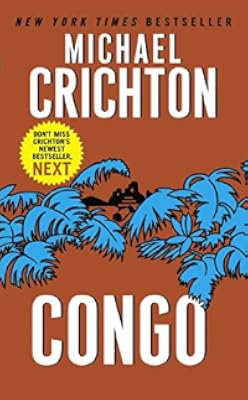
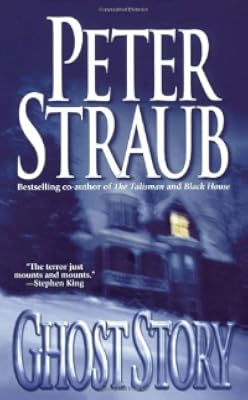

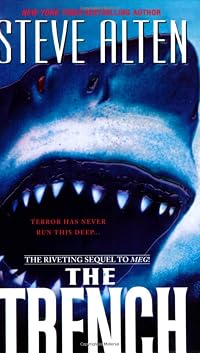
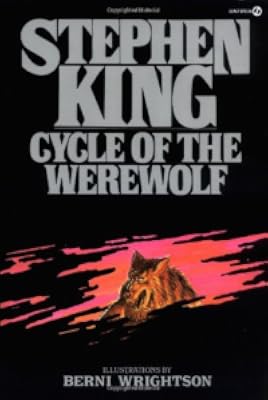






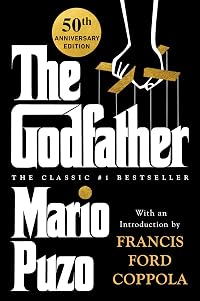

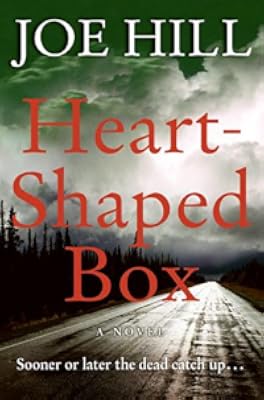
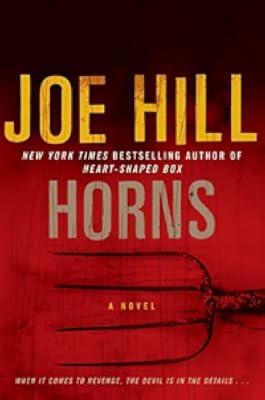
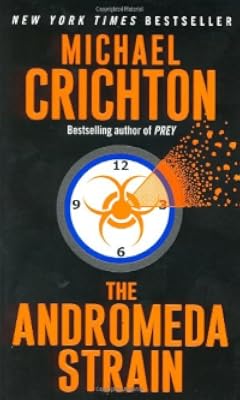
Member Recommendations
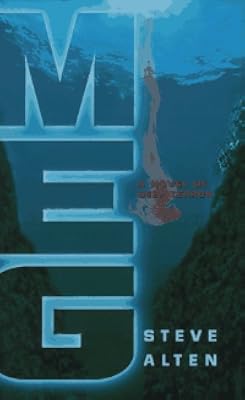
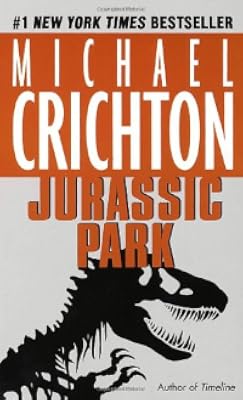
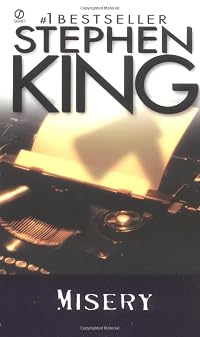
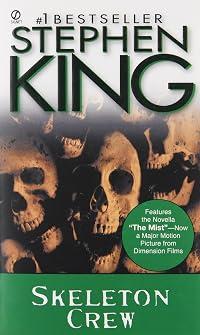
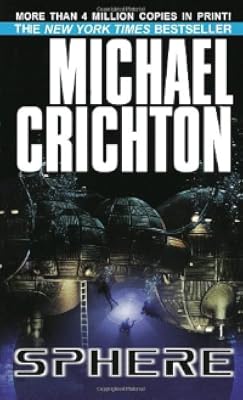
jseger9000 Another novel of people battling a man-eating shark.
90

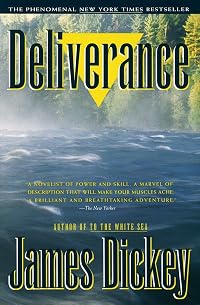
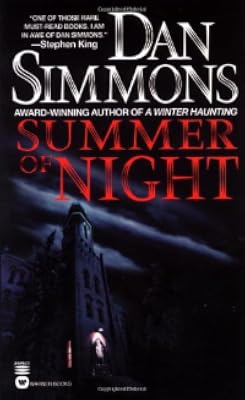
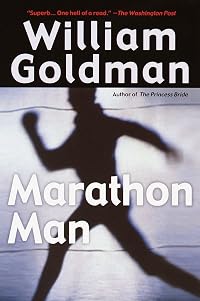
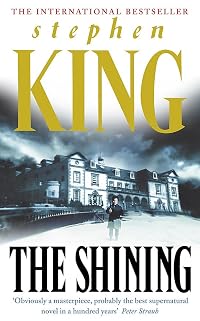
John_Vaughan Rather obvious I know - but it does seem to be the source!
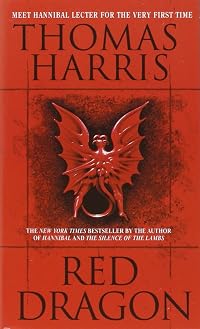
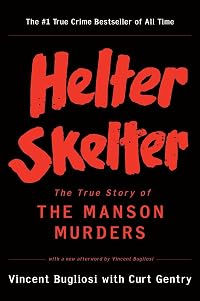
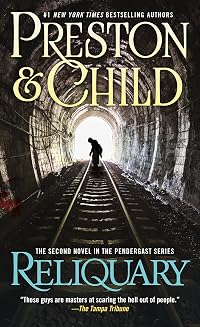
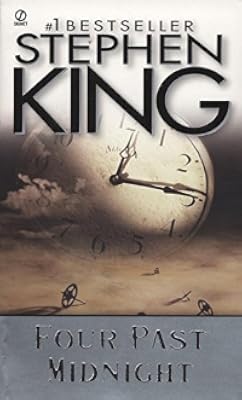
Bridgey Gives real life inspirations behind the writing of Jaws coupled with true stories of shark attacks and the reasons.
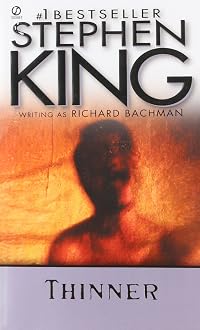
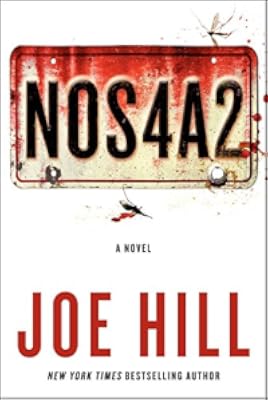
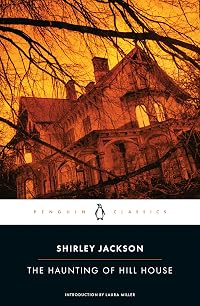
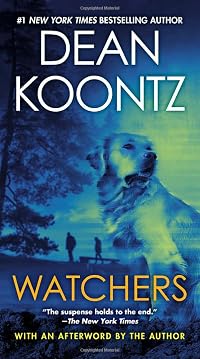
Hedgepeth Trouble in the water versus the tourism industry and a reluctant protagonist
Member Reviews
Jaws by Peter Benchley is not the creature feature I expected. In fact, the shark plays a surprisingly small role in the novel and could almost be replaced by any natural disaster, crisis, or threat facing the town. The real focus of the book is Martin Brody. Everything in the story, from the town politics to the relationships to the shark itself, is filtered through how it affects Brody and his life.
As a first novel, Jaws is an interesting read because you can almost watch Benchley grow as a writer over the course of the book. The writing becomes stronger as it goes along, and there is a noticeable difference between the early and later sections. Part One and Part Two often feel like entirely different novels. The first half is largely show more concerned with establishing the town, its social structure, and Brody's personal life, while the shark frequently fades into the background.
Readers should also remember that this novel was published in 1974. Many of the attitudes, expectations, and character dynamics reflect that era and may feel dated or unusual to a modern audience. Some character motivations, particularly regarding relationships and gender roles, felt more rooted in the early 1970s than timeless human behavior.
What ultimately kept this from being a higher-rated book for me was its structure. Benchley introduces a number of interesting ideas and plot threads, including town politics, economic pressures, corruption, marriage, class differences, and the shark itself, but many of them are left unresolved or only partially explored. By the end, I found myself asking "That's it?" rather than feeling that the story had reached a satisfying conclusion. The ending feels abrupt, and for a novel so focused on Brody's character, I was surprised by how little emotional or thematic resolution he receives.
There is certainly value here, particularly as a snapshot of a first-time novelist finding his voice and as a fascinating companion piece to the much more famous film adaptation. Just don't go into it expecting the novel version of the movie. This is far more of a character study and small-town drama than a traditional shark thriller.
**Rating: 3.5/5** show less
As a first novel, Jaws is an interesting read because you can almost watch Benchley grow as a writer over the course of the book. The writing becomes stronger as it goes along, and there is a noticeable difference between the early and later sections. Part One and Part Two often feel like entirely different novels. The first half is largely show more concerned with establishing the town, its social structure, and Brody's personal life, while the shark frequently fades into the background.
Readers should also remember that this novel was published in 1974. Many of the attitudes, expectations, and character dynamics reflect that era and may feel dated or unusual to a modern audience. Some character motivations, particularly regarding relationships and gender roles, felt more rooted in the early 1970s than timeless human behavior.
What ultimately kept this from being a higher-rated book for me was its structure. Benchley introduces a number of interesting ideas and plot threads, including town politics, economic pressures, corruption, marriage, class differences, and the shark itself, but many of them are left unresolved or only partially explored. By the end, I found myself asking "That's it?" rather than feeling that the story had reached a satisfying conclusion. The ending feels abrupt, and for a novel so focused on Brody's character, I was surprised by how little emotional or thematic resolution he receives.
There is certainly value here, particularly as a snapshot of a first-time novelist finding his voice and as a fascinating companion piece to the much more famous film adaptation. Just don't go into it expecting the novel version of the movie. This is far more of a character study and small-town drama than a traditional shark thriller.
**Rating: 3.5/5** show less
About a year ago, I watched the Steven Spielberg movie Jaws for the first time in over a decade. Expecting mostly a nostalgia rush or some cud to chew on, I found myself thinking, with some surprise, "this is actually a damn good movie". A rather obvious thing to think, you might say, but it's easy to take Jaws, and other childhood staples like it, for granted. Particularly as, in our contemporary CGI-superhero-reboot-dumb-it-down-and-sell-it-to-China era, structure and storytelling don't seem to be much of a priority among Hollywood filmmakers. I had a similar response to Peter Benchley's Jaws, the source novel for Spielberg's film (Benchley was also a co-writer for the script). I didn't expect much, but I wasn't that far into it show more before I found myself thinking, with some surprise, "this is actually a damn good story".
It is, I admit, deservedly overshadowed by its film adaptation, which is superior in just about every way. Even leaving aside those things Benchley cannot compete with (such as John Williams' iconic score), the film scores higher. Spielberg said he didn't like any of the book's characters – Brody, Hooper or Quint – and so fleshed them out for the film. He also kept the shark hidden from the audience, building suspense (famously, this was done out of necessity, because the mechanical shark prop kept breaking during filming). None of the film's iconic lines (such as the "bigger boat" one) come from Benchley's novel – though the equally iconic book cover/movie poster does.
The film also omits some of the novel's pointless subplots, such as the mayor's dealings with the mafia and Hooper's affair with Brody's wife. The latter is a particularly unwelcome presence in the novel, not only because Ellen Brody's long inner monologue keeps us from the shark action, but because Hooper's side-smirk cuckolding of Brody sours any later shark-hunting camaraderie they might have had. That camaraderie is particularly well done in the film, in no small part due to Spielberg's altering of the characters, but also because of incredible scenes like the Indianapolis monologue – a conspicuous absence here. In the novel, Brody, Hooper and Quint are too much at each other's throats.
Jaws the novel is by no means a masterpiece, but it is tight. The writing isn't literary, but it's clean and easy to read. The characters aren't astonishing, but they keep us engaged. The plot is direct and thrilling – and well-paced. The novel commits more to the effect the shark attacks have on the Amity townspeople, which is welcome from a literary perspective, and if the novel's cod-Moby Dick ending is inferior to the film version, it still comes across well in print. Benchley allows his talent to come through in bursts; the opening scene in particular is great writing. At no point was I wanting to read anything else, or even do anything else.
Jaws looks and sounds like a crummy potboiler, but – and you might laugh – this was one of the most intelligent novels I've read in a good while. It doesn't have any literary pretensions, and though it has literary potential, Benchley doesn't sound those depths. By intelligent, I mean: situation, character, pace and prose. The story follows three varied characters in a thrilling situation and tells it with good pace and a clean, easy writing style. That's intelligent, to me – particularly as most 'crowd-pleasers' and 'thrillers' tend to be obsessively curated and manipulated, choking out any originality. Jaws is different: Benchley didn't expect it to be much of a success, so he just wrote a good story and it was a hit – a natural hit. I've realised that Jaws would have been a great read, even memorable, had the film never existed – as hard as it is to imagine a world without the world's first summer blockbuster and enduring pop-culture phenomenon. It's just one of those stories that hits a sweet spot, and it's hard to imagine what dull, unpromising roads we would have taken had Benchley not written it. show less
It is, I admit, deservedly overshadowed by its film adaptation, which is superior in just about every way. Even leaving aside those things Benchley cannot compete with (such as John Williams' iconic score), the film scores higher. Spielberg said he didn't like any of the book's characters – Brody, Hooper or Quint – and so fleshed them out for the film. He also kept the shark hidden from the audience, building suspense (famously, this was done out of necessity, because the mechanical shark prop kept breaking during filming). None of the film's iconic lines (such as the "bigger boat" one) come from Benchley's novel – though the equally iconic book cover/movie poster does.
The film also omits some of the novel's pointless subplots, such as the mayor's dealings with the mafia and Hooper's affair with Brody's wife. The latter is a particularly unwelcome presence in the novel, not only because Ellen Brody's long inner monologue keeps us from the shark action, but because Hooper's side-smirk cuckolding of Brody sours any later shark-hunting camaraderie they might have had. That camaraderie is particularly well done in the film, in no small part due to Spielberg's altering of the characters, but also because of incredible scenes like the Indianapolis monologue – a conspicuous absence here. In the novel, Brody, Hooper and Quint are too much at each other's throats.
Jaws the novel is by no means a masterpiece, but it is tight. The writing isn't literary, but it's clean and easy to read. The characters aren't astonishing, but they keep us engaged. The plot is direct and thrilling – and well-paced. The novel commits more to the effect the shark attacks have on the Amity townspeople, which is welcome from a literary perspective, and if the novel's cod-Moby Dick ending is inferior to the film version, it still comes across well in print. Benchley allows his talent to come through in bursts; the opening scene in particular is great writing. At no point was I wanting to read anything else, or even do anything else.
Jaws looks and sounds like a crummy potboiler, but – and you might laugh – this was one of the most intelligent novels I've read in a good while. It doesn't have any literary pretensions, and though it has literary potential, Benchley doesn't sound those depths. By intelligent, I mean: situation, character, pace and prose. The story follows three varied characters in a thrilling situation and tells it with good pace and a clean, easy writing style. That's intelligent, to me – particularly as most 'crowd-pleasers' and 'thrillers' tend to be obsessively curated and manipulated, choking out any originality. Jaws is different: Benchley didn't expect it to be much of a success, so he just wrote a good story and it was a hit – a natural hit. I've realised that Jaws would have been a great read, even memorable, had the film never existed – as hard as it is to imagine a world without the world's first summer blockbuster and enduring pop-culture phenomenon. It's just one of those stories that hits a sweet spot, and it's hard to imagine what dull, unpromising roads we would have taken had Benchley not written it. show less
I enjoyed this no end. Compared to the film, I liked the more explicit examination of the impact of tourism on the people of Amity, as well as the deeper focus on the characters and their motivations. I love the film, but the novel feels more of a human exploration of corruption, jealousy, insecurity, and the quiet tensions that exist within the goldfish bowl of small-town America.
When I saw this book pop up on Audible , I had to listen to it! I first read the book my freshman year of high school...and have watched every single movie multiple times (even the horrible 3D one!). There is just something about a monster shark story. I enjoy them all! From Jaws to Sharknado to The Meg -- it's a way for me to encounter something that scares me (being eaten alive is a pretty scary thought!) without actually being in danger.
I enjoyed re-reading the novel that started my love of Killer Shark tales. Revisiting it as an adult, rather than a 14 year old teen, gave me some new insights into the characters. The Sheriff and his wife's marital issues....an affair based on need, nostalgia and bitterness....small town political show more drama. I didn't understand most of that when I read this as a kid....but I certainly did this time. And the shark was the same toothy eating machine he has always been. Oh hey look a surfer --- MUNCH! lol
The beach and the ocean are two of my favorite places to visit. But, the ocean and the creatures in it are also unpredictable and sometimes frightening. The shark didn't mean it personally ..... it's in its basic nature to hunt and kill. That is its purpose. I can't fault a creature for following its inner programming...but I can avoid it. I still remember vividly a trip to Spain I took with a school group in 1984. We were happily paddle boating and swimming at Torremolinos, when it dawned on me that I couldn't see my feet. We were in deep water. Beautiful blue...the white sand beach in the distance. But......what was swimming near me, under me.....??? I got back in the boat. Immediately. Why? THIS BOOK!!
I listened to the audio book version of this story. The audio is just over 9.5 hours long and narrated by Erik Steele. Steele has a pleasant voice and did a great job of bringing the story to life. An entertaining listening experience! I'm now going to watch the movie again. The movie version differs from the book, but the plot is basically intact. They just removed the affair and some of the sub plot to make time for more munching and screaming. The movie has one of the best, and most recognizable, theme songs ever! :)
And, I will also admit that thanks to Peter Benchley, I still get nervous when I swim in the ocean and realize I'm in deep enough that I can't see my feet. I always head for shore at that point.... :) show less
I enjoyed re-reading the novel that started my love of Killer Shark tales. Revisiting it as an adult, rather than a 14 year old teen, gave me some new insights into the characters. The Sheriff and his wife's marital issues....an affair based on need, nostalgia and bitterness....small town political show more drama. I didn't understand most of that when I read this as a kid....but I certainly did this time. And the shark was the same toothy eating machine he has always been. Oh hey look a surfer --- MUNCH! lol
The beach and the ocean are two of my favorite places to visit. But, the ocean and the creatures in it are also unpredictable and sometimes frightening. The shark didn't mean it personally ..... it's in its basic nature to hunt and kill. That is its purpose. I can't fault a creature for following its inner programming...but I can avoid it. I still remember vividly a trip to Spain I took with a school group in 1984. We were happily paddle boating and swimming at Torremolinos, when it dawned on me that I couldn't see my feet. We were in deep water. Beautiful blue...the white sand beach in the distance. But......what was swimming near me, under me.....??? I got back in the boat. Immediately. Why? THIS BOOK!!
I listened to the audio book version of this story. The audio is just over 9.5 hours long and narrated by Erik Steele. Steele has a pleasant voice and did a great job of bringing the story to life. An entertaining listening experience! I'm now going to watch the movie again. The movie version differs from the book, but the plot is basically intact. They just removed the affair and some of the sub plot to make time for more munching and screaming. The movie has one of the best, and most recognizable, theme songs ever! :)
And, I will also admit that thanks to Peter Benchley, I still get nervous when I swim in the ocean and realize I'm in deep enough that I can't see my feet. I always head for shore at that point.... :) show less
This is tough. Jaws is a 4-star book. Hands down. The writing, the dialogue, the story are all really well done and I thoroughly enjoyed Parts 1 and 3.
But... Part 2 was practically another book entirely. Like a mildly smutty affair romance bookended by shark attacks. I was sooooo confused! Flirtation turns into a secret rendezvous that involves discussing sexual fantasies (and they are NOT good). And then acting on them. It's like Benchley's editor said he needed to appeal to the female reader pool as well, and this was his response. It did not fit the rest of the story at all. So if/when I reread this, I'll skip Part 2 altogether.
What's worse is all I kept thinking is: Steven Spielberg read this.
But... Part 2 was practically another book entirely. Like a mildly smutty affair romance bookended by shark attacks. I was sooooo confused! Flirtation turns into a secret rendezvous that involves discussing sexual fantasies (and they are NOT good). And then acting on them. It's like Benchley's editor said he needed to appeal to the female reader pool as well, and this was his response. It did not fit the rest of the story at all. So if/when I reread this, I'll skip Part 2 altogether.
What's worse is all I kept thinking is: Steven Spielberg read this.
The book that spawned the famous movie is actually surprisingly good -Benchley is more than a compenent writer.
Unlike the movie, the book does not focus so much on the "terror of the beast". Instead, it examines the effect that the shark killings have on the community of the small Atlantic island off the coast of the US. This community is totally dependant on its summer tourism revenue and there is interesting dynamics going on between the local population and the usually wealthy summer guests, including a romance.
If it had been written today, it would have been more character driven still, but nevertheless, the main point is - it's about people and their community, not about the shark.
This edition includes the author's foreword, show more written fairly recently. In it, he expresses regret in portraying the shark as a killing monster and urges people to learn about ocean conservation. I thought that was pretty cool. show less
Unlike the movie, the book does not focus so much on the "terror of the beast". Instead, it examines the effect that the shark killings have on the community of the small Atlantic island off the coast of the US. This community is totally dependant on its summer tourism revenue and there is interesting dynamics going on between the local population and the usually wealthy summer guests, including a romance.
If it had been written today, it would have been more character driven still, but nevertheless, the main point is - it's about people and their community, not about the shark.
This edition includes the author's foreword, show more written fairly recently. In it, he expresses regret in portraying the shark as a killing monster and urges people to learn about ocean conservation. I thought that was pretty cool. show less
This is the book that launched the film that made us all afraid to go in the water! (And don't tell me that you can't instantly come up with John WIlliam's ominous theme music!)
Having seen the film multiple times (and having experienced the "ride" at Universal Studios,) I wasn't expecting too much to be surprising in the novel. I was wrong. Although the movie's plot follows the book fairly faithfully, what I was surprised with was the amount of tension that I felt while reading the book even though I mostly knew how things would turn out.
Peter Benchley's prose is not overly descriptive, but powerful in it's simplicity. His characters are realistic and believable and he masterfully builds the tension and suspense throughout his tale show more giving the audience many big moments leading up to a powerful crescendo at the end.
Overall, I enjoyed reading this familiar tale even more than I anticipated and will definitely be checking out more of Peter Benchley's work in the near future. show less
Having seen the film multiple times (and having experienced the "ride" at Universal Studios,) I wasn't expecting too much to be surprising in the novel. I was wrong. Although the movie's plot follows the book fairly faithfully, what I was surprised with was the amount of tension that I felt while reading the book even though I mostly knew how things would turn out.
Peter Benchley's prose is not overly descriptive, but powerful in it's simplicity. His characters are realistic and believable and he masterfully builds the tension and suspense throughout his tale show more giving the audience many big moments leading up to a powerful crescendo at the end.
Overall, I enjoyed reading this familiar tale even more than I anticipated and will definitely be checking out more of Peter Benchley's work in the near future. show less
Members
- Recently Added By
Published Reviews
ThingScore 75
While Jaws the movie is a bone-chilling update on Moby Dick, Jaws the novel is more like Peyton Place by the sea. Everyone swears like a sailor, and the hunt for the shark comes a very distant second to a bunch of hot summer trysts.
added by Shortride
Lists

Best Horror Books
281 works; 85 members

Read the book and saw the movie
1,170 works; 195 members

Mythical Monsters of the World
199 works; 79 members

NPRs your picks: top 100 Killer Thrillers
100 works; 17 members

Page Turners
185 works; 11 members
1970s Horror
28 works; 8 members

Kayla
11 works; 1 member

The film surpassed the book
13 works; 3 members
Favourite Books
1,820 works; 308 members
Overdue Podcast
808 works; 9 members

Gen X Library
245 works; 4 members

BitLife
212 works; 4 members

Publisher's Weekly Bestsellers - Part II - 1940 - 1979
355 works; 6 members

Best Beach Reads
99 works; 61 members

1970s
657 works; 23 members

Jones & Newman: Best Horror Books Further Recommended Reading
577 works; 4 members

Paperbacks from Hell
382 works; 9 members

Summer Books
82 works; 9 members

When Animals Attack
7 works; 3 members

100 Best Thrillers of All Time
100 works; 6 members
Books Set in Small Towns and Villages
278 works; 16 members

Watched the Movie, Probably Won't Read the Book
185 works; 34 members

Swinging Seventies
255 works; 18 members

Blue Pyramid 1,276 Best Books of All Time
1,248 works; 32 members

NPRs audience picks: 100 best beach reads
105 works; 12 members

Books Set on Islands
190 works; 24 members
BlackDog's Complete Paperbacks From Hell List
639 works; 3 members
Author Information

55+ Works 10,144 Members
Peter Benchley was born on May 8, 1940, in New York into one of America's most celebrated literary families. His grandfather was the humorist Robert Benchley and his father the novelist Nathaniel Benchley. A 1961 Harvard graduate, Peter Benchley started out as a reporter for the Washington Post before going on to work as an associate editor for show more Newsweek. From 1967 to 1969 he was a speechwriter for President Lyndon Johnson. Benchley's interest in the sea, stemming from childhood summers spent on the coast of Nantucket, led to his meticulously researching the subject of sharks and writing such bestselling and critically acclaimed novels as The Deep, Whiteshark, and Jaws. Jaws was later adapted into a blockbuster movie (1975). Two of his other books were turned into the made-for-TV movies, The Beast and The Creature. He has also written numerous reviews and articles for magazines and newspapers, and has appeared in more than a dozen television documentaries about marine life and oceans. Benchley died from pulmonary fibrosis on February 12, 2006 at the age of 65. (Bowker Author Biography) show less
Some Editions
Awards and Honors
Series

Belongs to Publisher Series
Öölane (9)
Zwarte Beertjes (1739)
Work Relationships
Is contained in
Has the adaptation
Is abridged in
Reader's Digest Condensed Books 1974 v02: A Member of the Family / The Kappillan of Malta / In Darkness / Jaws by Reader's Digest
Dødens gab / Ørnen er landet ; af Jack Higgins ; Høgebakken ; Allan W. Eckert. Min kloge mor ; af Dorothy Scannell by Reader's Digest
Reader's Digest Condensed Books: Jaws • A Palm for Mrs. Pollifax • The Fearful Void • Pied Piper • End Play by Reader's Digest
The Peter Benchley Collection: Reader's Digest Condensed Books Premium Editions (Reader's Digest Select Edition Condensed Books) by Peter Benchley
Het Beste Boek: Ada Harris gaat naar Moskou / In de schaduw der eeuwen / Opstand tegen Hitler / De zomer van de witte haai by Reader's Digest
Reader's Digest Auswahlbücher, Bestseller-Sonderband - Der weisse Hai. Nehmen Sie Platz. Der Turm. Die Baskenmütze by Reader's Digest
Common Knowledge
- Canonical title*
- Jaws De zomer van de witte haai
- Original title
- Jaws
- Original publication date
- 1974
- People/Characters
- Martin Brody; Matt Hooper; Ellen Brody; Quint; Jaws
- Important places
- Amity, New York, USA; Long Island, New York, USA; New York, USA; Universal Studios, Universal City, California, USA
- Related movies
- Jaws (1975 | IMDb); Jaws 2 (1978 | IMDb); Jaws 3-D (1983 | IMDb); Jaws: The Revenge (1987 | IMDb); Cruel Jaws (1995 | IMDb)
- Epigraph*
- De zomer van de witte haai
- Dedication
- for Wendy
- First words
- The great fish moved silently through the night water, propelled by short sweeps of its crescent tail.
- Last words
- (Click to show. Warning: May contain spoilers.)Then he began to kick toward shore.
- Blurbers
- Smith, Adam
- Original language
- English
- Canonical DDC/MDS
- 813.54
- Canonical LCC
- PS3552.E537
*Some information comes from Common Knowledge in other languages. Click "Edit" for more information.
Classifications
Statistics
- Members
- 4,748
- Popularity
- 3,029
- Reviews
- 167
- Rating
- (3.58)
- Languages
- 13 — Czech, Danish, Dutch, English, Estonian, Finnish, French, German, Italian, Polish, Portuguese, Spanish, Swedish
- Media
- Paper, Audiobook, Ebook
- ISBNs
- 90
- UPCs
- 1
- ASINs
- 48