
On This Page
Description
"A new Gilead novel that tells the story of John Ames Boughton, the beloved, erratic, and grieved-over prodigal son of a Presbyterian minister from Gilead, Iowa"--Tags
Recommendations







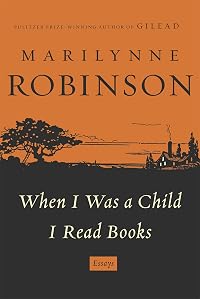




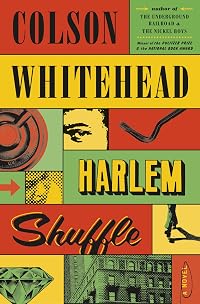
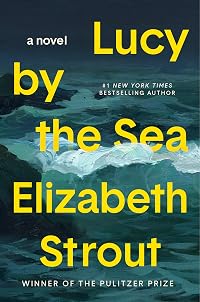

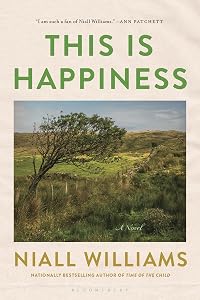

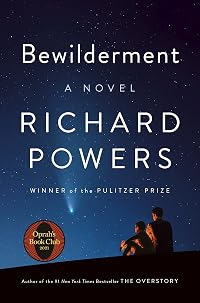




Member Recommendations

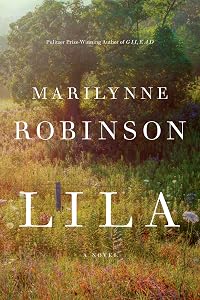
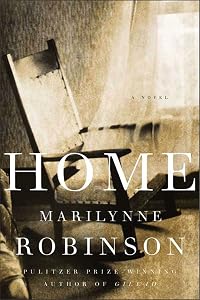
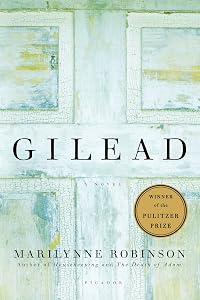
stefepaul I loved Gilead and was pleased when Home, Jack, and Lila followed. I recommend all of them but somehow Lila moved me the most. I envy those of you who will read them for the first time.
Member Reviews
It would be easy to describe Jack Boughton as a prodigal son, but that might not be quite accurate. As the main character in Jack, the fourth installment in Marilynne Robinson’s beloved series of novels focusing on the lives of two religious families living in Gilead, Iowa shortly after the second world war, Jack is clearly a lost soul. However, he is also someone for whom redemption has not come—not yet, at least—despite the efforts and prayers of his father, the town’s Presbyterian preacher, and brother Teddy. Having introduced his ne’er-do-well ways in the earlier books (Gilead, Home, and Lila), this novel focuses on Jack after he has been released from prison and is basically living as a bum in St. Louis. There he meets show more Della Miles, a young black school teacher herself a minister’s daughter, and begins a halting courtship that eventually leads to something like marriage. The fact that interracial unions are still illegal at that time—and, more importantly, frowned upon by pretty much everyone else in Jack and Della’s lives—is what creates the dramatic tension in the story.
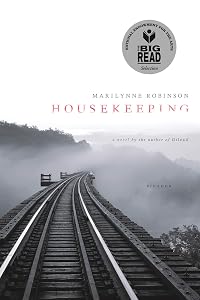
I suppose it is worth noting that I greatly admire everything I have read by this author and find her prose to be both consistently luminous and deeply affecting. That said, I did not find Jack to be nearly as compelling as the three other novels in the series, or Housekeeping, an earlier work set outside Gilead. The problem with this book is that it is told entirely from Jack’s point of view over a reasonably brief period of time, which gave the story a distinct one-note feeling in which not much actually happens. It is established fairly quickly that Jack is someone who cannot seem to get out of his own way despite his occasional good intentions and this theme is then repeated many times throughout the story. Further, while Jack’s interest in Della is plausible, her character is not sufficiently developed that it is ever possible for the reader to understand what she sees in him, especially given that the potential price they both may pay for pursuing a love affair is so incredibly high.
Still, there is much to savor in Jack, particularly for those already invested in the saga of the Boughton family. Robinson’s writing continues to be simply beautiful throughout the entire novel; I really think that she is incapable of writing a single bad sentence. There is such a thoughtful spirituality that imbues the entire work, which allows it to transcend the otherwise mundane details of a story in which not a lot of action occurs. I once again found myself transported back to a world of characters that I have come to care about over the years and even found myself rooting against my more measured judgment that things would work out this time. Inducing that sort of buy-in from the reader is undoubtedly one mark of a great writer and it is certainly enough to justify recommending the book, even if it does not quite rise to level of its predecessors. show less
I suppose it is worth noting that I greatly admire everything I have read by this author and find her prose to be both consistently luminous and deeply affecting. That said, I did not find Jack to be nearly as compelling as the three other novels in the series, or Housekeeping, an earlier work set outside Gilead. The problem with this book is that it is told entirely from Jack’s point of view over a reasonably brief period of time, which gave the story a distinct one-note feeling in which not much actually happens. It is established fairly quickly that Jack is someone who cannot seem to get out of his own way despite his occasional good intentions and this theme is then repeated many times throughout the story. Further, while Jack’s interest in Della is plausible, her character is not sufficiently developed that it is ever possible for the reader to understand what she sees in him, especially given that the potential price they both may pay for pursuing a love affair is so incredibly high.
Still, there is much to savor in Jack, particularly for those already invested in the saga of the Boughton family. Robinson’s writing continues to be simply beautiful throughout the entire novel; I really think that she is incapable of writing a single bad sentence. There is such a thoughtful spirituality that imbues the entire work, which allows it to transcend the otherwise mundane details of a story in which not a lot of action occurs. I once again found myself transported back to a world of characters that I have come to care about over the years and even found myself rooting against my more measured judgment that things would work out this time. Inducing that sort of buy-in from the reader is undoubtedly one mark of a great writer and it is certainly enough to justify recommending the book, even if it does not quite rise to level of its predecessors. show less
”Well, if things go wrong for you--the slide into haplessness can be quick. You can find yourself looking at the world from the wrong side before you know what's happened. I think people look at me and they see that. They call me preacher and so on. Professor. It usually means they want to give me a little trouble. I bother them, because they don't think I'm the sort that ends up like this. I know there might be more to it. Of course there is. I'm just saying it can happen. It's nothing you should be anywhere near. Take my word for it.”
Jack is the fourth of Marilynne Robinson’s novels set in and/or featuring characters from the fictional town of Gilead, Iowa. Each novel overlaps the others in interesting ways, either by describing show more events from a different perspective or telling a story that occurred “off stage” in another novel. Readers first met the eponymous Jack in Home, where he returns to Gilead after a more than 20-year separation from his father and siblings. We know he's a bit of a ne'er do well, but much goes unsaid.
Jack gives us the backstory of a man who left home after doing someone wrong, and fell into further trouble both with alcohol and the law. He also met Della, a remarkable woman who sees the good in Jack. But Della is black, Jack is white, and in the mid-20th century it was illegal to marry. Even spending time together caused trouble, but they found ways to do so. Their relationship developed despite Jack frequently showing up late, drunk, or both, and despite strong pressure from Della’s family. And while Della initially comes across as the more rational side of the relationship, it's Jack who sees the long-term effects of staying together and struggles with the possibility of doing greater harm to the woman he loves simply by remaining with her. Jack also cannot escape being both son and godson of preachers, which shaped his world view. There are times when the church comes to his aid, but it also lets him down.
Marilynne Robinson’s prose is exquisite, both in giving readers a fully-formed Jack, and in depicting his turmoil. I hope there are more novels ahead. Perhaps one about Della? show less
Jack is the fourth of Marilynne Robinson’s novels set in and/or featuring characters from the fictional town of Gilead, Iowa. Each novel overlaps the others in interesting ways, either by describing show more events from a different perspective or telling a story that occurred “off stage” in another novel. Readers first met the eponymous Jack in Home, where he returns to Gilead after a more than 20-year separation from his father and siblings. We know he's a bit of a ne'er do well, but much goes unsaid.
Jack gives us the backstory of a man who left home after doing someone wrong, and fell into further trouble both with alcohol and the law. He also met Della, a remarkable woman who sees the good in Jack. But Della is black, Jack is white, and in the mid-20th century it was illegal to marry. Even spending time together caused trouble, but they found ways to do so. Their relationship developed despite Jack frequently showing up late, drunk, or both, and despite strong pressure from Della’s family. And while Della initially comes across as the more rational side of the relationship, it's Jack who sees the long-term effects of staying together and struggles with the possibility of doing greater harm to the woman he loves simply by remaining with her. Jack also cannot escape being both son and godson of preachers, which shaped his world view. There are times when the church comes to his aid, but it also lets him down.
Marilynne Robinson’s prose is exquisite, both in giving readers a fully-formed Jack, and in depicting his turmoil. I hope there are more novels ahead. Perhaps one about Della? show less
Dreamlike Prequel to Gilead (2004)
Review of the Farrar, Straus and Giroux hardcover edition (September 2020)
First, a confession that I had never previously read any of Marilynne Robinson's books, including the three earlier ones centred around the fictional town of Gilead, Iowa. Jack is a prequel though to those events so I think that makes it a reasonable first outing. I did sneak a peak at some reviews and plot summaries of the 2004 book Gilead to understand more about the families involved and about prodigal son John (Jack) Ames Boughton's relationships.
Jack unfolds mostly as an inner monologue by the titular character in what is his redemption story. Events of his past days as a seducer, runaway, petty thief and convict are alluded show more to intermittently. The heart of the story and of his salvation is his courtship and love for a young black teacher named Della Miles who is the daughter of a minister in Memphis, Tennessee. Jack himself is the son of a white Presbyterian minister who still lives in Gilead, Iowa. This takes place in the early-1950's when inter-racial marriage was illegal in the United States. Della and Jack's story unfolds in St. Louis, Missouri.
I describe the book as dreamlike due to events that take place that do not always seem centred in reality. The opening "chapter" (instead of chapter headings, the start of each new section is marked by a bold larger font letter at the start of a paragraph) is a dialogue between Della and Jack that goes on for 62 pages (about 1/5th of the book) overnight in a cemetery. This is a bit of an introductory tough nut to crack as it seems to unfold in real time and you begin to worry that it will never end.
After that, the story proceeds with a cautious courtship as Jack is irresistibly drawn to Della while knowing he is putting her in criminal danger by society and possible banishment by her family. Della for her part is drawn to his cultured manners, ability to quote poetry and scripture, sometime bumbling manners and likely the lure of redeeming a fallen man. Other peculiar events surround them though, Jack is be-devilled by a pair of supposed bill-collectors who periodically arrive to beat him up and rifle his pockets. He has a quirky back and forth tug of war with his flophouse front door clerk who is a sometime ally and sometime annoyance. Stray cats are adopted but then are lost etc. (the cats are a metaphor for Jack himself). Jack seeks solace and guidance by attending meetings at a local black Baptist church.
The style of the writing is what I would call leisurely, but it does have humour and joy in it throughout. You know that it can't possibly have a happy ending under the circumstances and yet the refusal to accept that reality by the two protagonists makes for an uplifting story nevertheless.
I read Jack as part of a Book of the Month subscription to Parnassus Books First Editions Club. My continued thanks to Liisa, Martin and family for that excellent gift! show less
Review of the Farrar, Straus and Giroux hardcover edition (September 2020)
First, a confession that I had never previously read any of Marilynne Robinson's books, including the three earlier ones centred around the fictional town of Gilead, Iowa. Jack is a prequel though to those events so I think that makes it a reasonable first outing. I did sneak a peak at some reviews and plot summaries of the 2004 book Gilead to understand more about the families involved and about prodigal son John (Jack) Ames Boughton's relationships.
Jack unfolds mostly as an inner monologue by the titular character in what is his redemption story. Events of his past days as a seducer, runaway, petty thief and convict are alluded show more to intermittently. The heart of the story and of his salvation is his courtship and love for a young black teacher named Della Miles who is the daughter of a minister in Memphis, Tennessee. Jack himself is the son of a white Presbyterian minister who still lives in Gilead, Iowa. This takes place in the early-1950's when inter-racial marriage was illegal in the United States. Della and Jack's story unfolds in St. Louis, Missouri.
I describe the book as dreamlike due to events that take place that do not always seem centred in reality. The opening "chapter" (instead of chapter headings, the start of each new section is marked by a bold larger font letter at the start of a paragraph) is a dialogue between Della and Jack that goes on for 62 pages (about 1/5th of the book) overnight in a cemetery. This is a bit of an introductory tough nut to crack as it seems to unfold in real time and you begin to worry that it will never end.
After that, the story proceeds with a cautious courtship as Jack is irresistibly drawn to Della while knowing he is putting her in criminal danger by society and possible banishment by her family. Della for her part is drawn to his cultured manners, ability to quote poetry and scripture, sometime bumbling manners and likely the lure of redeeming a fallen man. Other peculiar events surround them though, Jack is be-devilled by a pair of supposed bill-collectors who periodically arrive to beat him up and rifle his pockets. He has a quirky back and forth tug of war with his flophouse front door clerk who is a sometime ally and sometime annoyance. Stray cats are adopted but then are lost etc. (the cats are a metaphor for Jack himself). Jack seeks solace and guidance by attending meetings at a local black Baptist church.
The style of the writing is what I would call leisurely, but it does have humour and joy in it throughout. You know that it can't possibly have a happy ending under the circumstances and yet the refusal to accept that reality by the two protagonists makes for an uplifting story nevertheless.
I read Jack as part of a Book of the Month subscription to Parnassus Books First Editions Club. My continued thanks to Liisa, Martin and family for that excellent gift! show less
Summary: The story of an inter-racial love affair between Jack Ames Boughton and Della Miles, and Jack’s struggle to find grace.
We first met Jack Ames Boughton and his then-common-law wife Della Miles and their son Robert in Marilynne Robinson’s Gilead. They flee to Gilead, hoping to find refuge in an era where inter-racial marriage was not merely disapproved of but illegal. Jack, a minister’s son always has lived under a cloud–a petty thief who had impregnated and then abandoned a young woman who fled to Chicago.
Jack picks up the story after that episode and narrates the story of the forbidden love that grew between Jack and Della. After a stint in prison for a theft he hadn’t committed, he returns to St. Louis where he show more encounters Della when he retrieves school papers that slip out of her grasp in a rainstorm. They develop a deeper relationship after improbably spending a night locked inside a cemetery–a long night of conversation, a relationship knit together by a common love of literature. She knows something of his questionable background, seeing the debt-collectors that dog his tracks, the scar on his cheek that hadn’t been there before.
That is hardly the only impediment they face. Della Miles is the daughter of a bishop in father’s denomination–a group committed to black separatism, an effort to achieve respectable lives without outside help from whites. She is a high school teacher, a respectable position. An affair with a white man is illegal, threatens her job, and faces the staunch disapproval of her family.
Jack wrestles with the tension between reforming his life, working as a shoe salesman and dance partner rather than turning back to his old ways. He struggles between breaking off the affair and his attraction to her, which she returns until they become lovers.
He lives under the cloud of his apostate life as a “son of perdition” who longs for grace but doesn’t believe it is possible, and who messes up everything he touches. His brother Teddy maintains the tenuous tie with his family, leaving envelopes of money for a brother who never quite seems to be able to make it on his own. This “grace” only seems to remind him of all the ways his life has been a disappointment. Della represents a longed-for love, but for Jack it is never simple. This love brings further heartbreak, yet seems preferable to attempting to reform one’s life alone.
Robinson offers a story that doesn’t neatly tie up all the loose threads. We long for Jack to sort out his life without Della. Then we long for a wonderful story of racial reconciliation. None of that happens. The choices of love, of finding grace for these two are complicated. We’ve known people for whom life has gone hard, despite their deepest desires otherwise. Jack gives us an unsettling narrative, framed in the Jim Crow South, exploring an old theme of forbidden love. show less
We first met Jack Ames Boughton and his then-common-law wife Della Miles and their son Robert in Marilynne Robinson’s Gilead. They flee to Gilead, hoping to find refuge in an era where inter-racial marriage was not merely disapproved of but illegal. Jack, a minister’s son always has lived under a cloud–a petty thief who had impregnated and then abandoned a young woman who fled to Chicago.
Jack picks up the story after that episode and narrates the story of the forbidden love that grew between Jack and Della. After a stint in prison for a theft he hadn’t committed, he returns to St. Louis where he show more encounters Della when he retrieves school papers that slip out of her grasp in a rainstorm. They develop a deeper relationship after improbably spending a night locked inside a cemetery–a long night of conversation, a relationship knit together by a common love of literature. She knows something of his questionable background, seeing the debt-collectors that dog his tracks, the scar on his cheek that hadn’t been there before.
That is hardly the only impediment they face. Della Miles is the daughter of a bishop in father’s denomination–a group committed to black separatism, an effort to achieve respectable lives without outside help from whites. She is a high school teacher, a respectable position. An affair with a white man is illegal, threatens her job, and faces the staunch disapproval of her family.
Jack wrestles with the tension between reforming his life, working as a shoe salesman and dance partner rather than turning back to his old ways. He struggles between breaking off the affair and his attraction to her, which she returns until they become lovers.
He lives under the cloud of his apostate life as a “son of perdition” who longs for grace but doesn’t believe it is possible, and who messes up everything he touches. His brother Teddy maintains the tenuous tie with his family, leaving envelopes of money for a brother who never quite seems to be able to make it on his own. This “grace” only seems to remind him of all the ways his life has been a disappointment. Della represents a longed-for love, but for Jack it is never simple. This love brings further heartbreak, yet seems preferable to attempting to reform one’s life alone.
Robinson offers a story that doesn’t neatly tie up all the loose threads. We long for Jack to sort out his life without Della. Then we long for a wonderful story of racial reconciliation. None of that happens. The choices of love, of finding grace for these two are complicated. We’ve known people for whom life has gone hard, despite their deepest desires otherwise. Jack gives us an unsettling narrative, framed in the Jim Crow South, exploring an old theme of forbidden love. show less
Robinson's newest novel, and fourth in her series about the family from Gilead, was a thoughtful, beautifully written tale of the son gone astray, Jack. A disappointment to his pastor father and upright family, Jack has been a flawed man, self described "a confirmed, inveterate bum."
The heart of the novel is a love story between Jack and Della, a black, English teacher and daughter of a bishop from Memphis. She has landed a job in St. Louis where Jack has gone to be away from his family, currently trying to forget the disgrace of his prison term and the sorrow he has caused another young woman. His goal is to do no harm and try to curb his natural desires to lie and steal. They meet when he stops in the rain to help her with some show more fallen papers and he graciously lends her his umbrella. She sees him in his dark suit and mistakes him for a reverend, a ruse he does not dispel at first. Their romance - a failed dinner out, a chance meeting in a graveyard- become the confused narratives of their mutual love. The Thanksgiving scene is wonderful. This is however around 1950 and the law forbids this relationship. As a reader, you root for them though at times you can't believe what Della sees in him, save for his love of poetry and a politeness with which he was raised. Robinson is not an easy writer, her vocabulary and illusive symbols need a concentrated effort, but I'm here to tell you it's worth it. I highly recommend this and the other books related to her community of novels. Like Faulkner and William Kennedy, it's a special treat to revisit characters that you only briefly knew before.
Some lines:
He had noticed that men in his line of worklessness, which did involve recourse to drink, were marked, sooner or later, by a crease across the forehead, but he did not touch his brow.
And here she was, Della, the woman he had recruited into his daydreams to make up for a paucity of meaning and event he sometimes found oppressive. No harm done. She was safe in his daydreams. Cherished, really.
Their lives were parallel lines that would not meet, he knew that, he would see to that. But they defined each other, somehow.
The preposterous fellow with dirty yellow hair just the color of the tobacco stains on his fingers and greasy yellow-tinted spectacles was treating him like a fool.
Then one time she set a copy of Paterson on the table in front of him, smiled to recommend it, and vanished, a little arthritically, into the stacks. He seemed to bring out the angelic in old ladies. And it was a very great book! It made it seem a profound thing to sit on a bench watching the river, the ships, the gulls, which was another way he had of killing time. He loved that book, and out of respect for that lady did not steal it, only put it behind shelved books where no one else would find it.
It was on the basis of the slight and subtle encouragements offered by despair that he had discovered a new aspiration, harmlessness, which accorded well enough with his habits if not his disposition.
Cleverness has a special piquancy when it blooms out of the fraying sleeve of failure.
Just those few notes were incitement enough to make up for the lack of an antagonist. He had heard the glass with the money in it hit the floor and the coins scatter. Oh well. Here he was, alone in an alley, bleeding again. He would have to sacrifice his handkerchief to his necktie. What a ridiculous life.
He knew he would go from being a little content to pretty content to despondent, each phase in his descent rewarding in its own way.
The city was closed, but the doors of churches were open, releasing gusts of music and sociability, and incense and pot luck and perfume.
He rubbed his eyes with a finger and thumb and polished the lenses with the corner of a very large handkerchief—“ I have to be ready for grief,” Jack’s father had said once. “You don’t always see it coming.”
A few days after his talk with Hutchins, Jack went out walking, trying to get tired enough to sleep, staying sober, so that if he did jump in the river, he could feel that his demise had the dignity of a considered choice.
But once in a lifetime, maybe, you look at a stranger and you see a soul, a glorious presence out of place in the world. And if you love God, every choice is made for you. There is no turning away. You’ve seen the mystery—you’ve seen what life is about. What it’s for. And a soul has no earthly qualities, no history among the things of this world, no guilt or injury or failure. No more than a flame would have. There is nothing to be said about it except that it is a holy human soul. And it is a miracle when you recognize it.” show less
The heart of the novel is a love story between Jack and Della, a black, English teacher and daughter of a bishop from Memphis. She has landed a job in St. Louis where Jack has gone to be away from his family, currently trying to forget the disgrace of his prison term and the sorrow he has caused another young woman. His goal is to do no harm and try to curb his natural desires to lie and steal. They meet when he stops in the rain to help her with some show more fallen papers and he graciously lends her his umbrella. She sees him in his dark suit and mistakes him for a reverend, a ruse he does not dispel at first. Their romance - a failed dinner out, a chance meeting in a graveyard- become the confused narratives of their mutual love. The Thanksgiving scene is wonderful. This is however around 1950 and the law forbids this relationship. As a reader, you root for them though at times you can't believe what Della sees in him, save for his love of poetry and a politeness with which he was raised. Robinson is not an easy writer, her vocabulary and illusive symbols need a concentrated effort, but I'm here to tell you it's worth it. I highly recommend this and the other books related to her community of novels. Like Faulkner and William Kennedy, it's a special treat to revisit characters that you only briefly knew before.
Some lines:
He had noticed that men in his line of worklessness, which did involve recourse to drink, were marked, sooner or later, by a crease across the forehead, but he did not touch his brow.
And here she was, Della, the woman he had recruited into his daydreams to make up for a paucity of meaning and event he sometimes found oppressive. No harm done. She was safe in his daydreams. Cherished, really.
Their lives were parallel lines that would not meet, he knew that, he would see to that. But they defined each other, somehow.
The preposterous fellow with dirty yellow hair just the color of the tobacco stains on his fingers and greasy yellow-tinted spectacles was treating him like a fool.
Then one time she set a copy of Paterson on the table in front of him, smiled to recommend it, and vanished, a little arthritically, into the stacks. He seemed to bring out the angelic in old ladies. And it was a very great book! It made it seem a profound thing to sit on a bench watching the river, the ships, the gulls, which was another way he had of killing time. He loved that book, and out of respect for that lady did not steal it, only put it behind shelved books where no one else would find it.
It was on the basis of the slight and subtle encouragements offered by despair that he had discovered a new aspiration, harmlessness, which accorded well enough with his habits if not his disposition.
Cleverness has a special piquancy when it blooms out of the fraying sleeve of failure.
Just those few notes were incitement enough to make up for the lack of an antagonist. He had heard the glass with the money in it hit the floor and the coins scatter. Oh well. Here he was, alone in an alley, bleeding again. He would have to sacrifice his handkerchief to his necktie. What a ridiculous life.
He knew he would go from being a little content to pretty content to despondent, each phase in his descent rewarding in its own way.
The city was closed, but the doors of churches were open, releasing gusts of music and sociability, and incense and pot luck and perfume.
He rubbed his eyes with a finger and thumb and polished the lenses with the corner of a very large handkerchief—“ I have to be ready for grief,” Jack’s father had said once. “You don’t always see it coming.”
A few days after his talk with Hutchins, Jack went out walking, trying to get tired enough to sleep, staying sober, so that if he did jump in the river, he could feel that his demise had the dignity of a considered choice.
But once in a lifetime, maybe, you look at a stranger and you see a soul, a glorious presence out of place in the world. And if you love God, every choice is made for you. There is no turning away. You’ve seen the mystery—you’ve seen what life is about. What it’s for. And a soul has no earthly qualities, no history among the things of this world, no guilt or injury or failure. No more than a flame would have. There is nothing to be said about it except that it is a holy human soul. And it is a miracle when you recognize it.” show less
Ha innen nézem, szerelmes regény. Adott két ember, aki szereti egymást: Della és Jack. Mi baj lehet? Nos, minden. Különben a szerelmes regény nem is létezhetne. Hisz a nő tanár, a férfi pedig csavargó. De ez még hagyján! A férfi fehér, a nő fekete. Ez abban a történelmi időben pedig nem egyszerűen egy külső nehézség, amivel meg kell küzdeni, hanem konkrétan a főbűn, a társadalmi nonszensz maga. Ilyen körülmények között a kérdés nem csak az, hogy két ember hajlandó-e megküzdeni egymásért a világgal, hanem hogy kockára tehetik-e a másik egzisztenciáját egy olyan, alapvetően önző dolog miatt, mint a saját szerelmük. Mert ha csak lelépnek, az a másiknak tűrhetetlenül fáj, igaz. De ha show more ott maradnak, akkor lehet, tönkreteszik, akit szeretnek.
Ha meg onnan nézem, csavargóregény. Itt van ez a Jack, akit a Gilead-sorozatból már ismerünk. Ő a család fekete báránya, aki kihullott minden rostán. Tolvaj, börtöntöltelék, iszákos, rossz adós és megbízhatatlan fráter, ideje egy részében pedig még hajléktalan is. Van egyáltalán esélye arra, hogy belekapaszkodhasson valamibe? Van olyan erő, ami kimozdíthatja a permanens kudarcraítéltségből? Át tudja lépni a saját árnyékát valaki, akinek annyira a létállapotává vált a szégyen, hogy ha megbocsátanak neki, az kényelmetlen érzéssel tölti el?
Lenyűgöz Robinson bátorsága, az, ahogy mer a saját ritmusában énekelni. Ennek a könyvnek az első száz oldala tulajdonképpen nem több, mint egyetlen éjszakai beszélgetés egy temetőben a két főhős között: merő tétova tapogatózás, két ember megpróbálja kitalálni, a másik harap-e. Lehetne vontatott, de nem az, tele van élettel, olyan szívvel és ésszel skiccel fel egy emberi kapcsolatot, hogy beleszédülök. Baromi merész húzás egy ilyet megreszkírozni.
A legtöbb író a regényt olyasvalaminek tartja, amit a konfliktusok strukturálnak, náluk a szöveg általában egy dramaturgiai csúcs felé halad, a regény „csak” e csúcsokra vezető mondatlépcsők egymásutánisága. Robinson teljesen másképp képzeli el az irodalmat. Az ő regényei nem sodró folyók, hanem lágy, csendes hullámzások. Áll bennük az ember, és konkrétan érzi, lemossák róla a rosszat. Az egyik legnagyobb élő írónknak tartom. show less
Ha meg onnan nézem, csavargóregény. Itt van ez a Jack, akit a Gilead-sorozatból már ismerünk. Ő a család fekete báránya, aki kihullott minden rostán. Tolvaj, börtöntöltelék, iszákos, rossz adós és megbízhatatlan fráter, ideje egy részében pedig még hajléktalan is. Van egyáltalán esélye arra, hogy belekapaszkodhasson valamibe? Van olyan erő, ami kimozdíthatja a permanens kudarcraítéltségből? Át tudja lépni a saját árnyékát valaki, akinek annyira a létállapotává vált a szégyen, hogy ha megbocsátanak neki, az kényelmetlen érzéssel tölti el?
Lenyűgöz Robinson bátorsága, az, ahogy mer a saját ritmusában énekelni. Ennek a könyvnek az első száz oldala tulajdonképpen nem több, mint egyetlen éjszakai beszélgetés egy temetőben a két főhős között: merő tétova tapogatózás, két ember megpróbálja kitalálni, a másik harap-e. Lehetne vontatott, de nem az, tele van élettel, olyan szívvel és ésszel skiccel fel egy emberi kapcsolatot, hogy beleszédülök. Baromi merész húzás egy ilyet megreszkírozni.
A legtöbb író a regényt olyasvalaminek tartja, amit a konfliktusok strukturálnak, náluk a szöveg általában egy dramaturgiai csúcs felé halad, a regény „csak” e csúcsokra vezető mondatlépcsők egymásutánisága. Robinson teljesen másképp képzeli el az irodalmat. Az ő regényei nem sodró folyók, hanem lágy, csendes hullámzások. Áll bennük az ember, és konkrétan érzi, lemossák róla a rosszat. Az egyik legnagyobb élő írónknak tartom. show less
This, the fourth book in the Gilead series, is an interracial romance set in St. Louis.
The novel focuses on Jack Boughton, the prodigal son of Gilead’s Presbyterian minister. Just out of prison, he meets Della Miles, a black high school teacher who is also the child of a preacher. The two fall in love, but there are obvious problems because their relationship is not only socially unacceptable but illegal in 1950s Missouri.
The characterization of Jack is outstanding. Cultured and charming, he could almost be described as a bit of a Renaissance man, but it is his deficiencies that are more prominent. Fully aware of his shortcomings, he describes himself accurately: “’I’m a gifted thief. I lie fluently, often for no reason. I’m a show more bad but confirmed drunk. I have no talent for friendship. What talents I do have I make no use of.’” In fact, he often calls himself the Prince of Darkness. He believes his legacy is doing harm though he often has excuses for his behaviour: “But excuses only meant that he had done harm he did not intend, which was another proof that he did harm inevitably, intentions be damned.” He tries to make “a vocation of harmlessness” but in his relationship with Della he knows that his mere presence is a danger to her: “Once again I am a person of consequence. I am able to do harm. I can only do harm.” “She couldn’t be seen walking down the street with him without damage to her reputation, a risk a teacher can’t take” and even if he does something innocent like walking down her street to ensure that she arrived home safely, “someone will see me, someone will talk. I’ll be feeding the rumors that will sooner or later burst into scandal.” Only by staying away can he ensure she will be safe from his harm; only then would her life be “unthreatened by his Jackness, Jackitude, Jackicity.”
What he does not understand about himself is why he behaves as he does: “He had never been good at explaining the things he did. It was just alarming to him to consider how much sense they always made at the time, or in any case, how unavoidable they seemed. He suspected he drank to give himself a way of accounting for the vast difference between any present situation and the intentions that bought him to it.” Though Jack is “confounded by himself,” his actions do weigh heavily on his conscience: “Jack had dabbled in shame, and it still coursed through him, malarial, waking him up to sweat and pace until, unsoothed, unrationalized, unshriven, it secreted itself again in his bones, and at the base of his skull.”
All this brings to mind the question as to what a “good Christian woman” from a prominent black family sees in this reprobate. He is an intelligent man and perhaps that is what attracts her to him because “Cleverness has a special piquancy when it blooms out of the fraying sleeve of failure.” Della, however, claims to have seen his soul: “’once in a lifetime, maybe, you look at a stranger and you see a soul, a glorious presence out of place in the world. And if you love God, every choice is made for you. There is no turning away. You’ve seen the mystery – you’ve seen what life is about. What it’s for. And a soul has no earthly qualities, no history among the things of this world, no guilt or injury or failure. No more than a flame would have. There is nothing to be said about it except that it is a holy human soul. And it is a miracle when you recognize it. . . . since it’s your soul I’ve seen, I know better than to think about you the way people do when they judge.’” We can only take her at her word because the risks she takes have such grave consequences for her.
There is an almost overwhelming aura of sadness throughout the book. Given the time period, there is little hope for a happy ending. Jack points out to Della, “’If they decide we’re cohabiting, we could both go to jail.’” Della responds, “’I know that. My father got a copy of the statute and made me read it to him. So he’d be sure I was paying attention.’” Della’s family objects to the relationship, and it breaks the heart of her father whom she loves very much. Jack knows “He was guilty of exposing this wonderful woman to risks – no, call them dangers – that he could not protect her from.”
Despite this sadness, there are touches of humour. Seeing a spider, Jack says to Della, “’I’m thinking about bugs’” only to have her respond with “’The gangster? The bunny?’” And there are lines like, “he was accused of cheating at cards because he was cheating at cards” and “It was as if he were being forced to see his whole life under an unbearably bright light. Was. The experience was not at all subjunctive.”
As the above quotations indicate, the prose is beautiful. The vocabulary may well send readers to a dictionary; words like condign, convivium, cerements, cicatrix, concatenation, apophatic, homilectical , legerdemain, and divagations are used. Literary allusions abound; there are references to poets like Robert Frost, Paul Dunbar, William Carlos Williams, and John Milton, and literary works like Pilgrim’s Progress, Macbeth, and Hamlet.
In light of the racial unrest sweeping the United States, this is a timely novel inspiring readers to think about racial injustice. Jack laments that “the whole world has made and kept this infernal compact, making transgression and crime of something innocent, if anything could be called innocent, a marriage of true minds.”
My one complaint about the book is the slow opening scenes which consist of conversations between Jack and Della when they first meet. The night-long cemetery conversation in particular seems interminable and becomes tedious to say the least. I certainly don’t care about the differences between Methodists and Presbyterians. Readers who persevere past this beginning will be rewarded.
This book can be read without any knowledge of the other books in the Gilead series (Gilead, Home, and Lila). Each of the previous books was nominated and/or won major literary awards, and I’ll be surprised if Jack does not appear on the lists of these awards for 2020.
Note: I received a digital galley of this book from the publisher via NetGalley.
Please check out my reader's blog (https://schatjesshelves.blogspot.com/) and follow me on Twitter (@DCYakabuski). show less
The novel focuses on Jack Boughton, the prodigal son of Gilead’s Presbyterian minister. Just out of prison, he meets Della Miles, a black high school teacher who is also the child of a preacher. The two fall in love, but there are obvious problems because their relationship is not only socially unacceptable but illegal in 1950s Missouri.
The characterization of Jack is outstanding. Cultured and charming, he could almost be described as a bit of a Renaissance man, but it is his deficiencies that are more prominent. Fully aware of his shortcomings, he describes himself accurately: “’I’m a gifted thief. I lie fluently, often for no reason. I’m a show more bad but confirmed drunk. I have no talent for friendship. What talents I do have I make no use of.’” In fact, he often calls himself the Prince of Darkness. He believes his legacy is doing harm though he often has excuses for his behaviour: “But excuses only meant that he had done harm he did not intend, which was another proof that he did harm inevitably, intentions be damned.” He tries to make “a vocation of harmlessness” but in his relationship with Della he knows that his mere presence is a danger to her: “Once again I am a person of consequence. I am able to do harm. I can only do harm.” “She couldn’t be seen walking down the street with him without damage to her reputation, a risk a teacher can’t take” and even if he does something innocent like walking down her street to ensure that she arrived home safely, “someone will see me, someone will talk. I’ll be feeding the rumors that will sooner or later burst into scandal.” Only by staying away can he ensure she will be safe from his harm; only then would her life be “unthreatened by his Jackness, Jackitude, Jackicity.”
What he does not understand about himself is why he behaves as he does: “He had never been good at explaining the things he did. It was just alarming to him to consider how much sense they always made at the time, or in any case, how unavoidable they seemed. He suspected he drank to give himself a way of accounting for the vast difference between any present situation and the intentions that bought him to it.” Though Jack is “confounded by himself,” his actions do weigh heavily on his conscience: “Jack had dabbled in shame, and it still coursed through him, malarial, waking him up to sweat and pace until, unsoothed, unrationalized, unshriven, it secreted itself again in his bones, and at the base of his skull.”
All this brings to mind the question as to what a “good Christian woman” from a prominent black family sees in this reprobate. He is an intelligent man and perhaps that is what attracts her to him because “Cleverness has a special piquancy when it blooms out of the fraying sleeve of failure.” Della, however, claims to have seen his soul: “’once in a lifetime, maybe, you look at a stranger and you see a soul, a glorious presence out of place in the world. And if you love God, every choice is made for you. There is no turning away. You’ve seen the mystery – you’ve seen what life is about. What it’s for. And a soul has no earthly qualities, no history among the things of this world, no guilt or injury or failure. No more than a flame would have. There is nothing to be said about it except that it is a holy human soul. And it is a miracle when you recognize it. . . . since it’s your soul I’ve seen, I know better than to think about you the way people do when they judge.’” We can only take her at her word because the risks she takes have such grave consequences for her.
There is an almost overwhelming aura of sadness throughout the book. Given the time period, there is little hope for a happy ending. Jack points out to Della, “’If they decide we’re cohabiting, we could both go to jail.’” Della responds, “’I know that. My father got a copy of the statute and made me read it to him. So he’d be sure I was paying attention.’” Della’s family objects to the relationship, and it breaks the heart of her father whom she loves very much. Jack knows “He was guilty of exposing this wonderful woman to risks – no, call them dangers – that he could not protect her from.”
Despite this sadness, there are touches of humour. Seeing a spider, Jack says to Della, “’I’m thinking about bugs’” only to have her respond with “’The gangster? The bunny?’” And there are lines like, “he was accused of cheating at cards because he was cheating at cards” and “It was as if he were being forced to see his whole life under an unbearably bright light. Was. The experience was not at all subjunctive.”
As the above quotations indicate, the prose is beautiful. The vocabulary may well send readers to a dictionary; words like condign, convivium, cerements, cicatrix, concatenation, apophatic, homilectical , legerdemain, and divagations are used. Literary allusions abound; there are references to poets like Robert Frost, Paul Dunbar, William Carlos Williams, and John Milton, and literary works like Pilgrim’s Progress, Macbeth, and Hamlet.
In light of the racial unrest sweeping the United States, this is a timely novel inspiring readers to think about racial injustice. Jack laments that “the whole world has made and kept this infernal compact, making transgression and crime of something innocent, if anything could be called innocent, a marriage of true minds.”
My one complaint about the book is the slow opening scenes which consist of conversations between Jack and Della when they first meet. The night-long cemetery conversation in particular seems interminable and becomes tedious to say the least. I certainly don’t care about the differences between Methodists and Presbyterians. Readers who persevere past this beginning will be rewarded.
This book can be read without any knowledge of the other books in the Gilead series (Gilead, Home, and Lila). Each of the previous books was nominated and/or won major literary awards, and I’ll be surprised if Jack does not appear on the lists of these awards for 2020.
Note: I received a digital galley of this book from the publisher via NetGalley.
Please check out my reader's blog (https://schatjesshelves.blogspot.com/) and follow me on Twitter (@DCYakabuski). show less
Members
- Recently Added By
Lists

Books I've Read More Than Once
602 works; 49 members

The Guardian Books of the Year 2020
126 works; 8 members

Books recommended by Barack Obama
295 works; 28 members

Top Five Books of 2021
604 works; 181 members

Books Read in 2020
4,379 works; 124 members

Obama Reads
181 works; 3 members

Llibres que he llegit el 2021
54 works; 1 member

Books Read in 2021
5,361 works; 114 members

Barack Obama's Summer Reading List 2020
17 works; 5 members
Author Information

Marilynne Robinson's first novel, Housekeeping, won the Hemingway Foundation/PEN Award. Her other novels include Mother Country and Lila. Gilead won the 2005 Pulitzer Prize for Fiction and the National Book Critics Circle Award and Home won the Orange Prize and the Los Angeles Times Book Prize. Her nonfiction books include When I Was a Child I show more Read Books, Absence of Mind, and The Death of Adam. She was the recipient of a 2012 National Humanities Medal, awarded by President Barack Obama. She received the Library of Congress Prize for American Fiction in 2016. She has been named the winner of the Richard C Holbrooke Distinguished Achievement Award as part of the 2016 Dayton Literary Peace Prize. She was included on Time magazine's annual list of the 100 most influential people in the world. (Bowker Author Biography) show less
All Editions
Some Editions
Awards and Honors
Awards
Distinctions
The Guardian Book of the Day (2020-09-25)
Series

Belongs to Publisher Series
Work Relationships
Is contained in
Common Knowledge
- Canonical title
- Jack
- Original title
- Jack
- Original publication date
- 2020-09-15
- People/Characters
- Jack Boughton; Della Miles
- Important places
- St. Louis, Missouri, USA; Chicago, Illinois, USA; Memphis, Tennessee, USA
- First words
- He was walking along almost beside her, two steps behind. She did not look back. She said, "I'm not talking to you."
- Quotations
- "I wonder sometimes if there would be such a thing as sin if God didn't exist."
"I'm certain of it."
"Why?"
"I don't know. I suppose sinning is doing harm. Agreed? And everything is vulnerable to harm one way or anot... (show all)her. Everybody is vulnerable. It's kind of horrible when you think about it. All that breakage,without so much an an intention behind it half the times. All that tantalizing fragility." (p.44)
We are not as we appear. The Christian lady and the harmless man. The Prince of Darkness and the vial of divine wrath. There was some truth in it. (p.66)
It was a shock to his metaphysics to discover that when he had forsworn malicious intent, the effects of his actions, his mere presence, were changed very little and not reliably for the better. (p. 139)
It's not always clear to me how to tell grace from, you know, punishment. (p. 167)
Meaninglessness was not refuge. Giant miseries and giant hopes can carry on their wars in the meres cranny. (p.171)
No one doesn't make any noise like you don't make any noise. (p.174)
But once in a lifetime, maybe, you look at a stranger and you see a soul, a glorious presence out of place n the world... You've see the mystery - you've seen what life is about. (p. 204)
The knowledge of good. That half of the primal catastrophe received too little attention. Guilt and grace met together in the phrase despite all that. (p. 309) - Last words
- (Click to show. Warning: May contain spoilers.)Or he could consider the sweet marriage that made her a conspirator with him in it, the loyalty that always restored them both, just like grace.
- Original language*
- Anglais (Etats-Unis) (Etats-Unis)
*Some information comes from Common Knowledge in other languages. Click "Edit" for more information.
Classifications
Statistics
- Members
- 1,157
- Popularity
- 21,728
- Reviews
- 42
- Rating
- (3.70)
- Languages
- 10 — Danish, Dutch, English, French, German, Hungarian, Italian, Portuguese, Spanish, Swedish
- Media
- Paper, Audiobook, Ebook
- ISBNs
- 36
- ASINs
- 7