
The Worm Ouroboros
by E. R. Eddison
On This Page
Description
This is the book that shaped the landscape of contemporary science fiction and fantasy. When The Lord of the Rings first appeared, the critics inevitably compared it to this 1922 landmark work. Tolkien himself frankly acknowledged its influence, with warm praise for its imaginative appeal. The story of a remote planet's great war between two kingdoms, it ranks as the Iliad of heroic fantasy. In the best traditions of Homeric epics, Norse sagas, and Arthurian myths, author E. R. Eddison show more weaves a compelling adventure, with a majestic, Shakespearean narrative style. His sweeping tale recounts battles between warriors and witches on fog-shrouded mountaintops and in the ocean's depths--along with romantic interludes, backroom intrigues, and episodes of direst treachery. Generations of readers have joyfully lost themselves in the timeless worlds of The Worm Ouroboros. This new edition, magnificently illustrated with the classic original images, continues the enchantment. show lessTags
Recommendations















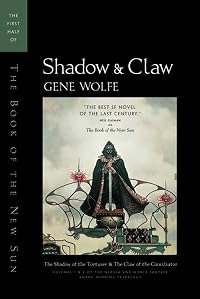
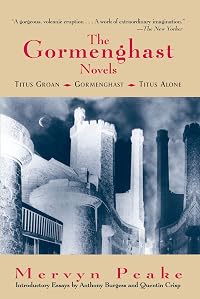


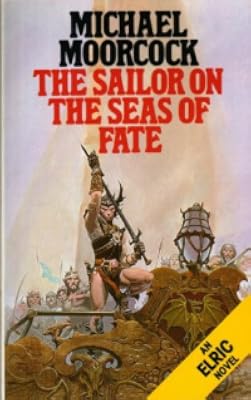
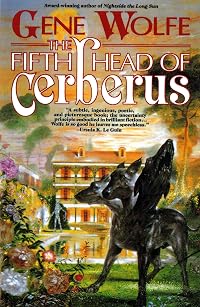





Member Recommendations

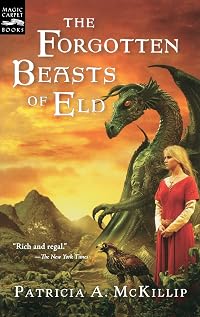
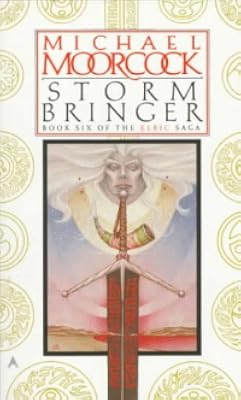
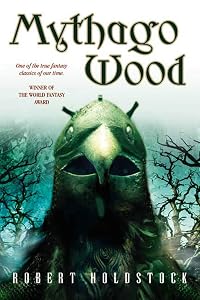
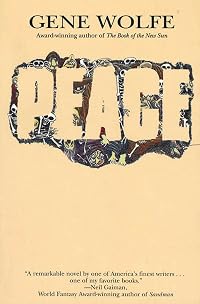
reading_fox Same basic plot although the writing style is quite different.

Member Reviews
I‘d first read it when I was around 13 and picked it up again now. At the first chapter in “Demonland”, I was sure I wouldn’t get through it and didn’t understand how my younger self had managed. Then, with the wrestling match, I was captured, and read on in sheer delight. This time round, what’s outstanding is the way the sexual relations implied are consensual and very discreet as would be standard in most literature of the time. There is a stronger sensuality in these books which evokes the atmosphere of sex, rather than references or allusions to the act itself.
You might like to consider E. R. Eddison, unfortunately almost forgotten these days, but in his time counted among one of the premier fantasy writers -- the man show more who Tolkien's publisher asked for a blurb for “The Lord of the Rings”. His novel “The Worm Ourobouros” and the three novels of the Zimiamvian series deserve to be rediscovered. They're not easy reads, and maybe not for a contemporary reader of SF. But for lovers of language, they're a must-read.
“The Worm Ourobouros” is a fine example of a feudal fantasy not in decline, where the heroes are thoroughly heroic and entirely human, where magic is real and as deadly to its practitioners as to those who suffer its effects, where sex is vitally important, omnipresent but not explicit, where violence is conducted on a massive, monstrous scale, but is again not explicit in its descriptions.
After reading this, I don’t look forward to another sloppily paced contemporary Fantasy novel, full of characters (who will disappear for 4-5 episode stretches) making frustrating decisions and being treated along the way to pages worth of exposition, some of which will be be delivered during sex scenes, just because. And when some Fantasy novels are afraid your attention may be waning, it will jolt you back with some extreme violence. Thank God we still have stuff like “The Worm Ourobouros” to get back to when we want to treat ourselves to something good SF-wise.
NB: This blog is mainly is for the books that slipped through the net of full-length “reviews” and normally one or maybe two people read them, grumbling that there's fantasy in what was a fantasy-horror-SF grab-bag…This time, because it's the Post-Summer doldrums, this review might become a bit more noticeable (or not).
SF = Speculative Fiction. show less
You might like to consider E. R. Eddison, unfortunately almost forgotten these days, but in his time counted among one of the premier fantasy writers -- the man show more who Tolkien's publisher asked for a blurb for “The Lord of the Rings”. His novel “The Worm Ourobouros” and the three novels of the Zimiamvian series deserve to be rediscovered. They're not easy reads, and maybe not for a contemporary reader of SF. But for lovers of language, they're a must-read.
“The Worm Ourobouros” is a fine example of a feudal fantasy not in decline, where the heroes are thoroughly heroic and entirely human, where magic is real and as deadly to its practitioners as to those who suffer its effects, where sex is vitally important, omnipresent but not explicit, where violence is conducted on a massive, monstrous scale, but is again not explicit in its descriptions.
After reading this, I don’t look forward to another sloppily paced contemporary Fantasy novel, full of characters (who will disappear for 4-5 episode stretches) making frustrating decisions and being treated along the way to pages worth of exposition, some of which will be be delivered during sex scenes, just because. And when some Fantasy novels are afraid your attention may be waning, it will jolt you back with some extreme violence. Thank God we still have stuff like “The Worm Ourobouros” to get back to when we want to treat ourselves to something good SF-wise.
NB: This blog is mainly is for the books that slipped through the net of full-length “reviews” and normally one or maybe two people read them, grumbling that there's fantasy in what was a fantasy-horror-SF grab-bag…This time, because it's the Post-Summer doldrums, this review might become a bit more noticeable (or not).
SF = Speculative Fiction. show less
The Worm Ouroboros might be called world-building fantasy in the tradition of The Lord of the Rings but for two details: it was published 22 years before Tolkien's trilog, and it is much darker. In fact, though Tolkien himself called Eddison "the greatest and most convincing writer of 'invented worlds' that I have read," he also said Eddison "was certainly not an 'influence.'" The Worm Ouroboros definitely deserves its place in Moorcock's Fantasy: The 100 Best Books, and there were moments in the book that really captivated me, but overall it took quite an effort to finish the book.
Part of the problem for me was the Elizabethan prose Eddison employed, and part of it was the fact that I could not get used to the names of the characters show more and the lands. It's not that I couldn't pronounce the names, but rather that they seemed so arbitrary and disconnected, invented with little thought: Juss, Spitfire, Goldry Bluszco, Gro, and Gorice, for example. And none of them interested me as people. Most of them seemed small-minded and petty.
The names of the lands, too, seemed to be arbitrary. They certainly had little to do with the inhabitants. Demons do not dwell in Eddison's Demonland, nor do witches dwell in Witchland, imps in Impland, or pixies in Pixyland.
Still, all criticism aside, I'm glad I read The Worm Ouroboros, and not just for historical or academic reasons. It was adventurous, imaginative, and well-told. It is a flawed fantasy classic, but still a classic. Here is what Tolkien himself had to say about it, in a letter to Caroline Everette, dated June 24, 1957:
I read the works of Eddison, long after they appeared; and I once met him. I heard him in Mr. Lewis's room in Magdalen College read aloud some of his works--from the Mistress of Mistresses, as far as I remember. He did it extremely well. I read his works with great enjoyment for their sheer literary merit. My opinion of them is almost the same as that expressed by Mr. Lewis on p. 104 of the Essays presented to Charles Williams. Except that I disliked his characters (always excepting the Lord Gro) and despised what he appeared to admire more intensely than Mr. Lewis at any rate saw fit to say of himself. Eddison thought what I admire 'soft' (his word: one of complete condemnation, I gathered); I thought that, corrupted by an evil and indeed silly 'philosophy', he was coming to admire, more and more, arrogance and cruelty. Incidentally, I thought his nomenclature slipshod and often inept. In spite of all of which, I still think of him as the greatest and most convincing writer of 'invented worlds' that I have read. But he was certainly not an 'influence'.
Eddison may not have influenced Tolkien, but I think you can certainly see his mark on dark fantasy characters like Conan the Barbarian, Fafhrd and the Gray Mouser, and Elric of Melniboné, not to mention more modern works of dark fantasy like Martin's Game of Thrones or King's Dark Tower series. If you're a fan of any of those characters or works, then The Worm Ouroboros is a must read. show less
Part of the problem for me was the Elizabethan prose Eddison employed, and part of it was the fact that I could not get used to the names of the characters show more and the lands. It's not that I couldn't pronounce the names, but rather that they seemed so arbitrary and disconnected, invented with little thought: Juss, Spitfire, Goldry Bluszco, Gro, and Gorice, for example. And none of them interested me as people. Most of them seemed small-minded and petty.
The names of the lands, too, seemed to be arbitrary. They certainly had little to do with the inhabitants. Demons do not dwell in Eddison's Demonland, nor do witches dwell in Witchland, imps in Impland, or pixies in Pixyland.
Still, all criticism aside, I'm glad I read The Worm Ouroboros, and not just for historical or academic reasons. It was adventurous, imaginative, and well-told. It is a flawed fantasy classic, but still a classic. Here is what Tolkien himself had to say about it, in a letter to Caroline Everette, dated June 24, 1957:
I read the works of Eddison, long after they appeared; and I once met him. I heard him in Mr. Lewis's room in Magdalen College read aloud some of his works--from the Mistress of Mistresses, as far as I remember. He did it extremely well. I read his works with great enjoyment for their sheer literary merit. My opinion of them is almost the same as that expressed by Mr. Lewis on p. 104 of the Essays presented to Charles Williams. Except that I disliked his characters (always excepting the Lord Gro) and despised what he appeared to admire more intensely than Mr. Lewis at any rate saw fit to say of himself. Eddison thought what I admire 'soft' (his word: one of complete condemnation, I gathered); I thought that, corrupted by an evil and indeed silly 'philosophy', he was coming to admire, more and more, arrogance and cruelty. Incidentally, I thought his nomenclature slipshod and often inept. In spite of all of which, I still think of him as the greatest and most convincing writer of 'invented worlds' that I have read. But he was certainly not an 'influence'.
Eddison may not have influenced Tolkien, but I think you can certainly see his mark on dark fantasy characters like Conan the Barbarian, Fafhrd and the Gray Mouser, and Elric of Melniboné, not to mention more modern works of dark fantasy like Martin's Game of Thrones or King's Dark Tower series. If you're a fan of any of those characters or works, then The Worm Ouroboros is a must read. show less
Well, it took me 15 months and a stack of dictionaries, but I've finally finished this epic! I feel as much a sense of accomplishment in the reading as Eddison might have felt in the writing of it!
I don't recall it having been so laborious from my first time of reading back in my teenage years, but I guess without internet reference rabbit-holes to fall down, it would be faster, though somewhat more archaic and obscure.
Anyway, the plot takes precedence over character, and there's barely any plot to speak of, so what you are left with is a framework over which Eddison drapes his sumptuous language, weaving moods and reveries, sometimes loud, brash and theatrical, at othertimes delicate fretworks of bejewelled, gilded traceries. It's show more definitely a love/hate book, and I've needed my own mood to be right to enter into Eddison's world, but I was happy to take my time and approach it as a feast of many courses, rather than a fast food binge. show less
I don't recall it having been so laborious from my first time of reading back in my teenage years, but I guess without internet reference rabbit-holes to fall down, it would be faster, though somewhat more archaic and obscure.
Anyway, the plot takes precedence over character, and there's barely any plot to speak of, so what you are left with is a framework over which Eddison drapes his sumptuous language, weaving moods and reveries, sometimes loud, brash and theatrical, at othertimes delicate fretworks of bejewelled, gilded traceries. It's show more definitely a love/hate book, and I've needed my own mood to be right to enter into Eddison's world, but I was happy to take my time and approach it as a feast of many courses, rather than a fast food binge. show less
Prendiamo un azzimato signore inglese di inizio 900: studia ad Eton ed al Trinity College di Oxford, è membro della Viking Society for Northern Research, frequenta gli Inklings dove conosce Tolkien e C.S. Lewis, lavora per il governo britannico nella Board of Trade ed ottiene ben due cavalierati (quello dell’Ordine di San Michele e San Giorgio e del Molto Onorevole Ordine del Bagno).
Questo signore ha tre grandi passioni letterarie: le saghe nordiche (tanto da tradurre in inglese la Egil’s Saga e scrivere un romanzo su un personaggio dell’epoca vichinga, Styrbjörn the Strong), Saffo ed Omero ed il teatro dell’epoca Giacobiana (Shakespeare e Webster)
Mettiamo che nel tempo libero questo signore decida di scrivere lui stesso un show more romanzo ambientato in un mondo fantastico (il pianeta Mercurio) dove mescola tutte le sue passioni letterarie usando (sicuramente in maniera voluta) un inglese arcaico inframmezzato da sonetti e poemi reali dell’epoca giacobiana.
Ne esce fuori un mondo nobile e barbaro allo stesso tempo, pieno di intrighi machiavellici, cruente battaglie ed atti eroici popolato da creature della mitologia classica e abitato da personaggi che nulla hanno da invidiare a Omero e Shakespeare: malvagi re stregoni, filosofi, spietati guerrieri, nobili principi e splendide dame. Un mondo i cui palazzi superano in splendore e magnificenza o terrore quelli del nostro mondo, e le cui minuziose descrizioni lasciano senza fiato.
Questo è l’ambientazione in cui il nostro scrittore, Eric Rucker Eddison, fa svolgere le intricate ed avventurose vicende dei tre fratelli Juss, Spitfire e Goldry Bluszco, signori di Demonland e dei loro arcinemici, i re Gorice di Witchland.
Parliamoci chiaro: non è un libro semplice, vuoi per la lingua, lo stile, i temi e così via. Non lo si può leggere tutto d’un fiato anche se si vorrebbe andare avanti ed ancora avanti. Volendo fare un paragone lo si può considerare come un buon vino da meditazione o un distillato invecchiato, uno di quelli da bere a piccole sorsi e a piccole dosi ma i cui aromi, le sue sfumature incantano e sorpendono.
In definitiva un libro fuori dagli schemi che dovrebbe essere letto da tutti gli amanti del fantastico. show less
Questo signore ha tre grandi passioni letterarie: le saghe nordiche (tanto da tradurre in inglese la Egil’s Saga e scrivere un romanzo su un personaggio dell’epoca vichinga, Styrbjörn the Strong), Saffo ed Omero ed il teatro dell’epoca Giacobiana (Shakespeare e Webster)
Mettiamo che nel tempo libero questo signore decida di scrivere lui stesso un show more romanzo ambientato in un mondo fantastico (il pianeta Mercurio) dove mescola tutte le sue passioni letterarie usando (sicuramente in maniera voluta) un inglese arcaico inframmezzato da sonetti e poemi reali dell’epoca giacobiana.
Ne esce fuori un mondo nobile e barbaro allo stesso tempo, pieno di intrighi machiavellici, cruente battaglie ed atti eroici popolato da creature della mitologia classica e abitato da personaggi che nulla hanno da invidiare a Omero e Shakespeare: malvagi re stregoni, filosofi, spietati guerrieri, nobili principi e splendide dame. Un mondo i cui palazzi superano in splendore e magnificenza o terrore quelli del nostro mondo, e le cui minuziose descrizioni lasciano senza fiato.
Questo è l’ambientazione in cui il nostro scrittore, Eric Rucker Eddison, fa svolgere le intricate ed avventurose vicende dei tre fratelli Juss, Spitfire e Goldry Bluszco, signori di Demonland e dei loro arcinemici, i re Gorice di Witchland.
Parliamoci chiaro: non è un libro semplice, vuoi per la lingua, lo stile, i temi e così via. Non lo si può leggere tutto d’un fiato anche se si vorrebbe andare avanti ed ancora avanti. Volendo fare un paragone lo si può considerare come un buon vino da meditazione o un distillato invecchiato, uno di quelli da bere a piccole sorsi e a piccole dosi ma i cui aromi, le sue sfumature incantano e sorpendono.
In definitiva un libro fuori dagli schemi che dovrebbe essere letto da tutti gli amanti del fantastico. show less
Summary: A heroic fantasy of the warfare between Witchland and Demonland, including the quest to rescue Goldry Bluszco, after he is banished by spell to a remote mountain top in revenge for defeating and killing King Gorice XI of the Witches in a wrestling match.
This is a work of heroic fantasy that was praised by the likes of J. R. R. Tolkien, C. S. Lewis, and Ursula LeGuin as inspiration for their own work. And certainly the ideas of transport to an alien world, heroic quests, and great, and often seemingly hopeless, contests against evil powers find their roots in this work.
I came across this work first around the time I discovered The Lord of the Rings and saw Tolkien’s commendation. I never picked it up until recently, perhaps show more because of the obscurity of the title. Ouroboros refers to the worm (a term often used for dragons or serpents) who swallow their own tail, forming an endless ring. It is a symbol worn by the king of Witchland, and the idea of an endless cycle figures in the conclusion of the work, which I will not give away for those who haven’t read it.
The story is told through the eyes of one “Lessingham” who is transported from Earth to Mercury, where this story takes place. After the early chapters, Lessingham disappears from the story, not to reappear at the conclusion. The story really begins with brothers Juss, Spitfire, and Goldry Bluszco, and Brandoch Daha, the Lords of Demonland receiving the diminutive ambassador of Witchland who asserts the Kingship of Gorice XI, King of Witchland over Demonland. The Lords of Demonland decide to contest this via a wrestling match between Gorice, famed for his wrestling prowess, and Goldry, a formidable wrestler in his own right. If Goldry wins, they submit; if not, they retain their independence. Goldry defeats and kills Gorice XI, and in vengence, his son casts a spell that transports and imprisons Goldry on a distant icy mountain top. Juss and Brandoch think he is being held in Carce, the capitol of Witchland, and only learn in defeat and escape through an ally, of the spell that has sent him far away.
This sets up the remainder of the book, divided between the quest to rescue Goldry, and the wars against Witchland. Juss and Brandoch Daha pursue a year-long quest, including a battle against a terrifying manticore taking them to the mountain castle of Queen Sophonisba, who tells them Goldry can only be reached by finding the egg of a hippogriff, back in Demonland. Meanwhile, Spitfire unsuccessfully resists an attack by Duke Corsus on Witchland. He takes the castle, Krothering, of Brandoch Daha, and lays it waste. Brandoch’s sister escapes when Gro, a spurned adviser of Corsus turns traitor and helps her get free. Ultimately, Gro will turn traitor once more. Juss and Brandoch return in time to expel Corsus and the forces of Witchland, then Juss finds the hippogriff egg, rescues Goldry, leading, after defeat of the fleet of Witchland, to the climactic battle before the gates of Carce.
The book is not an easy read. The language is influenced by Elizabethan English (an odd choice for events taking place on Mercury), including written texts in period English (which sometimes look like the writing of someone who is spelling challenged–which may help in deciphering it). Some may contend that this is far simpler than Tolkien’s passages in Elvish, the languages of Dwarves, Orcs, and the Dark Tower. Some might complain about all the different names and kingdoms (in addition to Witchland and Demonland, there are Ghouls, Goblins, Imps and Pixies!). Eddison helps us somewhat with a chronology summarizing the relations of all of these at the end of the work.
What I struggled with, and perhaps it is an artifact of the heroic fantasy genre, is that I do not see any of the characters grow through the quests and battles they face. Courage and heroism there is in abundance, as is deceit, betrayal, and dark arts. But in the end, the horrors and travails of war, and the conquest of evil do not seem to eventuate in the love of peace or the wise pursuit of a better world. The main characters only seem to be defined by the quests and battles, perhaps an earlier version of Klingons who think it a shame to die a peaceful death.
On the one hand, it raises the question of whether tension, or some threat, is necessary to out the best in human beings, or whatever human-like races these beings are. And yet, these figures cannot envision quests that don’t involve killing or dying or battle. Is there not also a heroism that heals, that pursues peace, goodness, truth, and beauty–sometimes in the resistance of evil and deceit and ugliness–but also in the creation of cultural goods? As influential as this story was, what I saw in Tolkien that I miss in Eddison is a richer heroism, one capable of growth, that fights evil when it must but loves hearth, home, song, and good food, and a world where these might flourish. show less
This is a work of heroic fantasy that was praised by the likes of J. R. R. Tolkien, C. S. Lewis, and Ursula LeGuin as inspiration for their own work. And certainly the ideas of transport to an alien world, heroic quests, and great, and often seemingly hopeless, contests against evil powers find their roots in this work.
I came across this work first around the time I discovered The Lord of the Rings and saw Tolkien’s commendation. I never picked it up until recently, perhaps show more because of the obscurity of the title. Ouroboros refers to the worm (a term often used for dragons or serpents) who swallow their own tail, forming an endless ring. It is a symbol worn by the king of Witchland, and the idea of an endless cycle figures in the conclusion of the work, which I will not give away for those who haven’t read it.
The story is told through the eyes of one “Lessingham” who is transported from Earth to Mercury, where this story takes place. After the early chapters, Lessingham disappears from the story, not to reappear at the conclusion. The story really begins with brothers Juss, Spitfire, and Goldry Bluszco, and Brandoch Daha, the Lords of Demonland receiving the diminutive ambassador of Witchland who asserts the Kingship of Gorice XI, King of Witchland over Demonland. The Lords of Demonland decide to contest this via a wrestling match between Gorice, famed for his wrestling prowess, and Goldry, a formidable wrestler in his own right. If Goldry wins, they submit; if not, they retain their independence. Goldry defeats and kills Gorice XI, and in vengence, his son casts a spell that transports and imprisons Goldry on a distant icy mountain top. Juss and Brandoch think he is being held in Carce, the capitol of Witchland, and only learn in defeat and escape through an ally, of the spell that has sent him far away.
This sets up the remainder of the book, divided between the quest to rescue Goldry, and the wars against Witchland. Juss and Brandoch Daha pursue a year-long quest, including a battle against a terrifying manticore taking them to the mountain castle of Queen Sophonisba, who tells them Goldry can only be reached by finding the egg of a hippogriff, back in Demonland. Meanwhile, Spitfire unsuccessfully resists an attack by Duke Corsus on Witchland. He takes the castle, Krothering, of Brandoch Daha, and lays it waste. Brandoch’s sister escapes when Gro, a spurned adviser of Corsus turns traitor and helps her get free. Ultimately, Gro will turn traitor once more. Juss and Brandoch return in time to expel Corsus and the forces of Witchland, then Juss finds the hippogriff egg, rescues Goldry, leading, after defeat of the fleet of Witchland, to the climactic battle before the gates of Carce.
The book is not an easy read. The language is influenced by Elizabethan English (an odd choice for events taking place on Mercury), including written texts in period English (which sometimes look like the writing of someone who is spelling challenged–which may help in deciphering it). Some may contend that this is far simpler than Tolkien’s passages in Elvish, the languages of Dwarves, Orcs, and the Dark Tower. Some might complain about all the different names and kingdoms (in addition to Witchland and Demonland, there are Ghouls, Goblins, Imps and Pixies!). Eddison helps us somewhat with a chronology summarizing the relations of all of these at the end of the work.
What I struggled with, and perhaps it is an artifact of the heroic fantasy genre, is that I do not see any of the characters grow through the quests and battles they face. Courage and heroism there is in abundance, as is deceit, betrayal, and dark arts. But in the end, the horrors and travails of war, and the conquest of evil do not seem to eventuate in the love of peace or the wise pursuit of a better world. The main characters only seem to be defined by the quests and battles, perhaps an earlier version of Klingons who think it a shame to die a peaceful death.
On the one hand, it raises the question of whether tension, or some threat, is necessary to out the best in human beings, or whatever human-like races these beings are. And yet, these figures cannot envision quests that don’t involve killing or dying or battle. Is there not also a heroism that heals, that pursues peace, goodness, truth, and beauty–sometimes in the resistance of evil and deceit and ugliness–but also in the creation of cultural goods? As influential as this story was, what I saw in Tolkien that I miss in Eddison is a richer heroism, one capable of growth, that fights evil when it must but loves hearth, home, song, and good food, and a world where these might flourish. show less
Let's be perfectly clear, I am not giving this book four stars because it's a great novel. It's not even a good novel. It's a terrible goddamn novel. But sometimes being unique, interesting, weird and precious is more important than actually being any good.
Before I read this, I had thought Lord of the Rings was a unique and unprecedented literary event, and the primal fountainhead from which the modern high fantasy genre flowed. Reading Dunsany did not sway me of this opinion, but reading Eddison has. Most of what is special about the Lord of the Rings, in particular the faux-archaic prose style evoking the rhythms of the pagan epics that inspired it, is right here, published over a decade before Tolkien's famous novel was begun.
Unlike show more the Lord of the Rings though, this book is not an exercise in carefully constructed world-building. In fact, it's a goddamn mess - there's some kind of weird frame story about a modern Englishman astrally projecting to the planet Mercury that's summarily discarded and then never mentioned again in the second chapter, all of the people and place names are weird apparently random nonsense strings that the author came up with when he was 10 and refused to change when the story was later committed to novel form, the author can't make up his mind whether the peoples of his world are human or not, everyone worships the Greek pantheon for some reason, and the supposed protagonists are sketched so poorly that Tolkien, of all people, was able to lambast the novel's characterization with no fear of being accused of hypocrisy.
What is so lovable about the book is its sheer force of idiosyncrasy. The descriptive prose so rococo you'd swear the author was having you on. The verbatim-reproduced letters of the characters who, in medieval style, lack standardized spelling. Two whole chapters of mountain climbing - not of things happening while ascending a mountain, but about nothing but the mechanics of getting up there. The way the characters will recite 16th century poems and songs that the author meticulously attributes in his end-notes. The way the characters will recite ancient Greek poems that the author meticulously attributes in his end-notes making sure to let you know the translation is his. YOU WILL NEVER FIND ANOTHER HIGH FANTASY NOVEL ANYTHING LIKE THIS ONE. show less
Before I read this, I had thought Lord of the Rings was a unique and unprecedented literary event, and the primal fountainhead from which the modern high fantasy genre flowed. Reading Dunsany did not sway me of this opinion, but reading Eddison has. Most of what is special about the Lord of the Rings, in particular the faux-archaic prose style evoking the rhythms of the pagan epics that inspired it, is right here, published over a decade before Tolkien's famous novel was begun.
Unlike show more the Lord of the Rings though, this book is not an exercise in carefully constructed world-building. In fact, it's a goddamn mess - there's some kind of weird frame story about a modern Englishman astrally projecting to the planet Mercury that's summarily discarded and then never mentioned again in the second chapter, all of the people and place names are weird apparently random nonsense strings that the author came up with when he was 10 and refused to change when the story was later committed to novel form, the author can't make up his mind whether the peoples of his world are human or not, everyone worships the Greek pantheon for some reason, and the supposed protagonists are sketched so poorly that Tolkien, of all people, was able to lambast the novel's characterization with no fear of being accused of hypocrisy.
What is so lovable about the book is its sheer force of idiosyncrasy. The descriptive prose so rococo you'd swear the author was having you on. The verbatim-reproduced letters of the characters who, in medieval style, lack standardized spelling. Two whole chapters of mountain climbing - not of things happening while ascending a mountain, but about nothing but the mechanics of getting up there. The way the characters will recite 16th century poems and songs that the author meticulously attributes in his end-notes. The way the characters will recite ancient Greek poems that the author meticulously attributes in his end-notes making sure to let you know the translation is his. YOU WILL NEVER FIND ANOTHER HIGH FANTASY NOVEL ANYTHING LIKE THIS ONE. show less
The language is delightful, but one can't help but agree with Tolkien's assessment that what underlies the entire saga is "an evil and indeed silly 'philosophy'" and the ending has one wondering indeed if Eddison admired "arrogance and cruelty."
Members
- Recently Added By
Lists

Best Fantasy Novels
821 works; 361 members

Unread books
1,063 works; 83 members

Survey of Fantasy Classics
111 works; 23 members
Favourite High Fantasy Books
113 works; 22 members

Stories About Other Worlds
145 works; 13 members

Mythical Monsters of the World
199 works; 79 members

Best Science Fiction Novels
816 works; 430 members

Ballantine Adult Fantasy Series
85 works; 8 members

Top Five Books of 2014
1,064 works; 398 members
Cawthorn and Moorcock's Fantasy: The 100 Best Books
110 works; 7 members

Fantasy Masterworks
66 works; 5 members

Classics of Fantasy
14 works; 2 members

Books Read in 2023
5,638 works; 147 members

Fantastical/Mythological Creatures in the Title
37 works; 2 members

Animals in the Title
498 works; 11 members

Best Neglected Fantasy Books 1900-1955
30 works; 6 members
Read These Too
458 works; 9 members

Mustich's 1000 Books to Read Before You Die: A Life Changing List
1,001 works; 20 members

Books Read in 2025
4,128 works; 98 members

Books talked about in Pamela Dean's Tam Lin
74 works; 1 member
Author Information

Some Editions
Awards and Honors
Distinctions
Series
Belongs to Publisher Series
Work Relationships
Is contained in
Has as a commentary on the text
Common Knowledge
- Canonical title
- The Worm Ouroboros
- Original title
- The Worm Ouroboros
- Alternate titles
- The Dragon Ouroboros
- Original publication date
- 1922
- People/Characters
- Edward Lessingham; Lord Juss; Lord Brandoch Daha; Lord Spitfire; Lady Mevrian; Lord Goldry Bluszco (show all 33); Lord Gro; King Gorice XI; Lord Corinius; Lord Corund; Lord Heming; Lady Prezmyra; Lady Sriva; Lord Corsus; King Gaslark; Queen Sophonisba; King Gorice XII; Lord Volle; Lord Vizz; Lord Zigg; The Red Foliot; La Fireez; Lady Zenambria; Lord Hacmon; Helteranius; Zeldornius; Jalcanaius Fostus; Mivarsh Faz; Fay Fax Faz; Philpritz Faz; Ravnor; Lord Laxus; Arnod
- Important places
- Demonland; Witchland; Outer Impland; Upper Impland; Pixyland; Goblinland (show all 26); Zimiamvia; Mercury; Carcë, Witchland; Owlswick, Demonland; Wasdale, Cumbria, England, UK (Wastdale); Galing, Demonland; Lookinghaven-ness, Demonland; Foliot Isles; Tenemos, Witchland; Zarjë Zaculo, Goblinland; Orpish, Impland; Tormerish, Archery, Impland; Ishnain Nemartra, Impland; Eshgrar Ogo, Impland; Ogo Morveo, Impland; Morna Moruna; Zimiamvian Mountains; Koshtra Pivrarcha; Koshtra Belorn; Krothering, Demonland
- Dedication
- To W. G. E. and to my friends K. H.
and G. C. L. M. I dedicate this book - First words
- There was a man named Lessingham dwelt in an old low house in Wastdale, set in a gray old garden where yew-trees flourished that had seen Vikings in Copeland in their seedling time.
- Last words
- (Click to show. Warning: May contain spoilers.)No sound was there in that high presence chamber in Galing till in a minute's space the serving man returned with startled countenance, and, bowing before Lord Juss, said, "Lord, it is an Ambassador from Witchland and his train. He craveth present audience."
- Blurbers
- Prescott, Orville
- Original language
- English
- Canonical DDC/MDS
- 823.087661
Classifications
- Genres
- Fantasy, Fiction and Literature, General Fiction
- DDC/MDS
- 823.087661 — Literature & rhetoric English & Old English literatures English fiction By type Genre fiction Adventure fiction Speculative fiction Fantasy fiction High fantasy
- LCC
- PR6009 .D3 .W67 — Language and Literature English English Literature 1900-1960
- BISAC
Statistics
- Members
- 2,610
- Popularity
- 7,289
- Reviews
- 48
- Rating
- (3.62)
- Languages
- 8 — Czech, Dutch, English, French, German, Italian, Spanish, Turkish
- Media
- Paper, Audiobook, Ebook
- ISBNs
- 79
- ASINs
- 53