

On This Page
Description
The third and final book in the Galactic Empire series, the spectacular precursor to the classic Foundation series, by one of history’s most influential writers of science fiction, Isaac AsimovAfter years of bitter struggle, Trantor had at last completed its work—its Galactic Empire ruled all 200 million planets of the Galaxy . . . all but one. On a backward planet called Earth were those who nurtured bitter dreams of a mythical, half-remembered past when the planet was show more humanity’s only home. The other worlds despised it or merely patronized it—until a man from the past miraculously stepped through a time fault that spanned a millennium, living proof of Earth’s most preposterous claims.
Joseph Schwartz was a happily retired Chicago tailor circa 1949. Trapped in an incredible future he could barely comprehend, the unlikely time traveler would soon become a pawn in a desperate conspiracy to bring down the Empire in a twist of agony and death—a mad plan to restore Earth’s tarnished glory by ending human life on every other world. show less
Tags
Recommendations










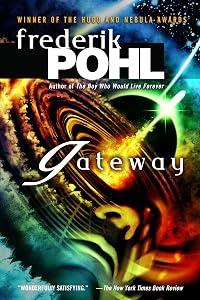
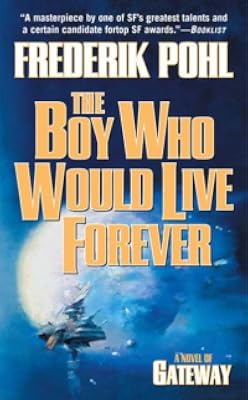
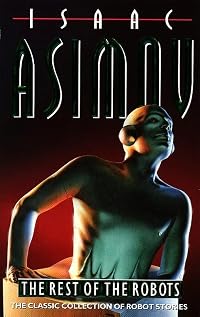

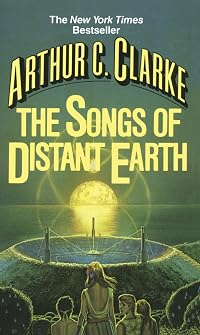




Member Recommendations
br77rino Pebble in the Sky is the first book Asimov wrote regarding the Galactic Empire, a subject he used in his later masterpiece trilogy, Foundation.
30
Member Reviews
I have to be completely honest about how this particular book came to my notice. I was watching Star Trek: The Next Generation and I got to an episode about a planet where the inhabitants were not allowed to live past a certain age due to resource control (the old people were a drag on the society). I looked at the trivia for this episode (Season 4, Episode 22 "Half a Life" if you're curious) and discovered that the story was inspired by Isaac Asimov's Pebble in the Sky. Naturally, I needed to read this book. Some of you might recall that I reviewed I, Robot two years ago and loved it. I'm sad it's taken me this long to get to reading another book by him honestly... Now without further ado, the review! I LOVED IT, YA'LL. This book has show more it all: time travel, space-y drama, and RADIOACTIVITY. Seriously, radioactivity is a major plot device. The time period which this book was written definitely plays a role in the tenor of this book (I'm looking at you, atomic bomb). Asimov blends reality with scientific innovation to create a world where Earth is but one of thousands of planets which comprise the Galactic Empire. (Actually I fell into a trap here because it turns out that Pebble in the Sky is a part of Asimov's Galactic Empire series so...) There's Joseph Schwartz who finds himself taking a giant leap into the future. (This is only funny once you've read the book.) Bel Arvardan is your typical Galactic citizen and archaeologist who wants to uncover the mystery of humanity's beginning...on Earth of all places. Who would have thought that a backwards Earthman like Dr. Shekt could invent a device that could help to thwart a revolt and simultaneously give one man unimaginable powers? In a world where the Earth is seen as 'other' and the Earthman is treated as inferior there is intrigue, burgeoning love, and institutionalized racism. The reader follows multiple storylines that weave together to form a narrative that is compelling, thought provoking, and imaginative. If you haven't ready any of Isaac Asimov's writing and you want to read truly excellent sci-fi then you should start here. 10/10 highly recommend show less
Asimov's FIRST novel - though he'd been writing many stories, some stitched later into books (eg. the Foundation trilogy).
I enjoyed this a lot - like the other Galactic Empire books, there are some creaky bits. (Let's just say romance isn't his forte). I appreciate a far-flung future with newspapers still around! Even with comics and sport sections.
The idea of Earth as an almost mythical place, forgotten as the birthplace of humanity seems to be one of the most interesting ideas in this series (as well as the Foundation). Troubling too is that Earth, while still inhabited has glowing regions of high radioactivity - presumably from past wars.
I enjoyed this a lot - like the other Galactic Empire books, there are some creaky bits. (Let's just say romance isn't his forte). I appreciate a far-flung future with newspapers still around! Even with comics and sport sections.
The idea of Earth as an almost mythical place, forgotten as the birthplace of humanity seems to be one of the most interesting ideas in this series (as well as the Foundation). Troubling too is that Earth, while still inhabited has glowing regions of high radioactivity - presumably from past wars.
“—Para o resto da Galáxia, se é que notam a nossa existência, a Terra é apenas uma pedra no céu. Para nós é o nosso lar, e o único que conhecemos. No entanto, não somos diferentes de vocês dos mundos siderais; somos apenas mais desafortunados. Estamos apinhados em um mundo morto, imersos entre paredes de radiação que nos prendem, cercados por uma imensa Galáxia que nos rejeita. O que podemos fazer contra o sentimento de frustração que nos consome?”
Honestamente, eu não faço ideia do motivo que me fez ler esse livro, ou até mesmo o que me fez chegar até ele. Não sabia sobre o nome-duplo (Era Galática ou A Pedra no Céu), nem que fazia parte de uma série de livros (#3 do Império Galático) ou, o principal, que show more tinha sido o primeiro livro escrito pelo Asimov. Por isso, talvez essa tenha sido uma das experiências literárias mais puras ― no quesito de não ser influenciado externamente ― que tive nos últimos tempos.
É um livro meio cafona, principalmente por causa do romance e final novelesco, mas que aborda diversos assuntos interessantes e pertinentes, pendendo entre o mediano e o bom ao longo de quase toda sua extensão. Entretanto, não há como negar que é um impressionante livro de estreia para o Asimov, bem escrito e altamente imaginativo, ainda não li as obras vitais do autor, mas imagino que esse seja um vislumbre do gigantesco potencial que ele mostrará nas próximas décadas.
Apesar dos problemas, com certeza não falta entretenimento, até mesmo os acontecimentos mais imaginativos e improváveis são no mínimo divertidos. Há também muito conflito, de todos os tipos, desde o conflito interno quando Joseph, o protagonista, questiona sua própria sanidade repetidamente, até conflitos planetários, pessoais, e sociais. Isso tudo junto com as ótimas pinceladas de construção de mundo feitas pelo Asimov, alancavam a leitura e conseguem manter o livro ainda apreciável mesmo após quase setenta anos desde sua publicação.
Pedra no Céu, no entanto, é curto pro escopo que tenta abarcar, não tem o comprimento necessário para fazer justiça às ideias jogadas no livro, que provavelmente serão expandidas em outros trabalhos do autor.
Por exemplo, temos a questão da radioatividade que influenciou Asimov, permeou o livro e origina o seu título (a terra radioativa desprezada pelo vasto império galático); a teoria (esquecida no período que o livro se passa) de um arqueólogo do Império de que toda a vida se originou na terra; e até questões como discriminação, eutanásia e superpopulação, velhice (estas são as que mais sofrem). Tudo isso é abordado muito por alto, de modo que não chega a ser um grande problema, mas é um tremendo desperdício de potencial.
Por fim, o livro não é uma experiência ruim, a primeira parte possui um tom de mistério que faz bem em prender o leitor, a escrita é bastante boa e divertida, e nem o final irritante e insosso consegue estragar a experiência totalitária do livro (ao menos para mim). No geral, novelesco, mas um bom livro. show less
Honestamente, eu não faço ideia do motivo que me fez ler esse livro, ou até mesmo o que me fez chegar até ele. Não sabia sobre o nome-duplo (Era Galática ou A Pedra no Céu), nem que fazia parte de uma série de livros (#3 do Império Galático) ou, o principal, que show more tinha sido o primeiro livro escrito pelo Asimov. Por isso, talvez essa tenha sido uma das experiências literárias mais puras ― no quesito de não ser influenciado externamente ― que tive nos últimos tempos.
É um livro meio cafona, principalmente por causa do romance e final novelesco, mas que aborda diversos assuntos interessantes e pertinentes, pendendo entre o mediano e o bom ao longo de quase toda sua extensão. Entretanto, não há como negar que é um impressionante livro de estreia para o Asimov, bem escrito e altamente imaginativo, ainda não li as obras vitais do autor, mas imagino que esse seja um vislumbre do gigantesco potencial que ele mostrará nas próximas décadas.
Apesar dos problemas, com certeza não falta entretenimento, até mesmo os acontecimentos mais imaginativos e improváveis são no mínimo divertidos. Há também muito conflito, de todos os tipos, desde o conflito interno quando Joseph, o protagonista, questiona sua própria sanidade repetidamente, até conflitos planetários, pessoais, e sociais. Isso tudo junto com as ótimas pinceladas de construção de mundo feitas pelo Asimov, alancavam a leitura e conseguem manter o livro ainda apreciável mesmo após quase setenta anos desde sua publicação.
Pedra no Céu, no entanto, é curto pro escopo que tenta abarcar, não tem o comprimento necessário para fazer justiça às ideias jogadas no livro, que provavelmente serão expandidas em outros trabalhos do autor.
Por exemplo, temos a questão da radioatividade que influenciou Asimov, permeou o livro e origina o seu título (a terra radioativa desprezada pelo vasto império galático); a teoria (esquecida no período que o livro se passa) de um arqueólogo do Império de que toda a vida se originou na terra; e até questões como discriminação, eutanásia e superpopulação, velhice (estas são as que mais sofrem). Tudo isso é abordado muito por alto, de modo que não chega a ser um grande problema, mas é um tremendo desperdício de potencial.
Por fim, o livro não é uma experiência ruim, a primeira parte possui um tom de mistério que faz bem em prender o leitor, a escrita é bastante boa e divertida, e nem o final irritante e insosso consegue estragar a experiência totalitária do livro (ao menos para mim). No geral, novelesco, mas um bom livro. show less
This was the earliest published novel in Asimov's Galactic Empire trilogy, but set after the other two. It is a little under a millennium into the rule of the Galactic Empire centred on the planet Trantor, and Earth is a backward, radiation-soaked planet, its population of only 20 million inhabitants despised and looked down on by the rest of the Galaxy. This is in part because of its audacious and ridiculous claim to be the original planet on which human beings first originated, against the conventional belief that humans arose separately on myriads of parents and then intermarried to become one species. Some extreme forces on Earth have a radical and horrible plan to change this situation and take their revenge on the Galaxy whom they show more spawned and who have now rejected them. An extra element in the pack is Joseph Schwartz, a man from the 20th century who has somehow been transported forward millennia in time...it was interesting to reflect on the thoughts and reactions of a man from contemporary (1949) Earth against the utterly strange world he finds himself in, though this element was not essential to the main plot. This is a good dramatic novel with much to say about the nature of mutual prejudice between peoples and is my favourite of the Galactic Empire trilogy and for me probably the only one of the trilogy that is comparable in standards and impact to Asimov's better known work. show less
Science fiction novel from the 50’s, in fact from 1950 and a good one. Reading some science fiction from this era can feel a bit like wading through sexist, racist even misogynist, viewpoints with cheap and nasty gung-ho nationalism thrown in for good measure, but you are relatively safe from all this with Asimov: in fact Pebble in the Sky has some important things to say about racial prejudice.
The story has an unlikely premise to start with: a sixty two year old man (Schwartz) is walking past a building where a scientist is messing around with crude uranium, there is some sort of reaction and Schwartz is transported far into the future. He is still on earth which is now part of the galactic empire, but everyone seems to hate the show more earthlings and they in their turn hate all outsiders. Revolution is in the air and Schwartz is used as a guinea pig for a new procedure which can increase brain power exponentially. Schwarz survives the synapsifier and Asimov spends a couple of pages explaining how it might work. A leading demagogue is stirring things up and Schwartz and his new friends find themselves locked in a battle to save the Empire.
Asimov’s characters main function is to move the plot along and they do this well enough in this novel. There are themes about who can and can’t be trusted, how a planet and its people can be ostracised to such an extent that they want to bring everything else crashing down, a love story where racial divides have to be crossed, colonialism, subject races and the need for understanding. There is very little world building and Asimov does not go out of his way to create any atmosphere, however the story is a good one and there are moments of tension and some surprise plot twists. Asimov tries to explain some of the science in simple terms and there is a couple of pages devoted to a chess match. An enjoyable science fiction novel from the 1950’s and so 3.5 stars. show less
The story has an unlikely premise to start with: a sixty two year old man (Schwartz) is walking past a building where a scientist is messing around with crude uranium, there is some sort of reaction and Schwartz is transported far into the future. He is still on earth which is now part of the galactic empire, but everyone seems to hate the show more earthlings and they in their turn hate all outsiders. Revolution is in the air and Schwartz is used as a guinea pig for a new procedure which can increase brain power exponentially. Schwarz survives the synapsifier and Asimov spends a couple of pages explaining how it might work. A leading demagogue is stirring things up and Schwartz and his new friends find themselves locked in a battle to save the Empire.
Asimov’s characters main function is to move the plot along and they do this well enough in this novel. There are themes about who can and can’t be trusted, how a planet and its people can be ostracised to such an extent that they want to bring everything else crashing down, a love story where racial divides have to be crossed, colonialism, subject races and the need for understanding. There is very little world building and Asimov does not go out of his way to create any atmosphere, however the story is a good one and there are moments of tension and some surprise plot twists. Asimov tries to explain some of the science in simple terms and there is a couple of pages devoted to a chess match. An enjoyable science fiction novel from the 1950’s and so 3.5 stars. show less
Joseph Schwartz, a retired tailor, is mysteriously catapulted to a mysterious world between one step and the next. The mysterious world turns out to be the Earth 50,000 years into the future. He gets caught up in the politics of Earth versus the Galactic Empire and plot and counterplot to cause or stave off a war which will result in the deaths of quadrillions.
It's a cracking good yarn with deliberate echoes of the relations between the Roman Empire and the Jews in Judaea. But the parallels, while close enough for recognition, are not close enough to make the course of the story predictable or to be certain whether there is any deeper message for the early 1950s, when Asimov wrote it.
It's a cracking good yarn with deliberate echoes of the relations between the Roman Empire and the Jews in Judaea. But the parallels, while close enough for recognition, are not close enough to make the course of the story predictable or to be certain whether there is any deeper message for the early 1950s, when Asimov wrote it.
Interesting yet somewhat disappointing for Asimov. I liked the story telling and the plot twist near the end. The problem that I have with the story is that it combines too many improbabilities. The transfer of a human through time into the future is one idea that makes for an interesting theoretical analysis. The idea of a device to enhance mental capabilities for telepathy and mind control is another interesting theoretical concept. The concept of intergalatic biological warfare is another. The combination of these concepts to intersect for problem resolution is unreasonable. The effectiveness of the biological warfare is logically overestimated as well.
Members
- Recently Added By
Lists

Nifty Fifties
129 works; 14 members

Book Riot's 100 must-read works of Jewish Fiction
100 works; 8 members

Books Read in 2016
4,666 works; 199 members

First Novels
373 works; 16 members

Books Read in 2018
4,360 works; 110 members

Books We Loved As Children
603 works; 252 members
Author Information

2,389+ Works 292,571 Members
Isaac Asimov was born in Petrovichi, Russia, on January 2, 1920. His family emigrated to the United States in 1923 and settled in Brooklyn, New York, where they owned and operated a candy store. Asimov became a naturalized U.S. citizen at the age of eight. As a youngster he discovered his talent for writing, producing his first original fiction at show more the age of eleven. He went on to become one of the world's most prolific writers, publishing nearly 500 books in his lifetime. Asimov was not only a writer; he also was a biochemist and an educator. He studied chemistry at Columbia University, earning a B.S., M.A. and Ph.D. In 1951, Asimov accepted a position as an instructor of biochemistry at Boston University's School of Medicine even though he had no practical experience in the field. His exceptional intelligence enabled him to master new systems rapidly, and he soon became a successful and distinguished professor at Columbia and even co-authored a biochemistry textbook within a few years. Asimov won numerous awards and honors for his books and stories, and he is considered to be a leading writer of the Golden Age of science fiction. While he did not invent science fiction, he helped to legitimize it by adding the narrative structure that had been missing from the traditional science fiction books of the period. He also introduced several innovative concepts, including the thematic concern for technological progress and its impact on humanity. Asimov is probably best known for his Foundation series, which includes Foundation, Foundation and Empire, and Second Foundation. In 1966, this trilogy won the Hugo award for best all-time science fiction series. In 1983, Asimov wrote an additional Foundation novel, Foundation's Edge, which won the Hugo for best novel of that year. Asimov also wrote a series of robot books that included I, Robot, and eventually he tied the two series together. He won three additional Hugos, including one awarded posthumously for the best non-fiction book of 1995, I. Asimov. "Nightfall" was chosen the best science fiction story of all time by the Science Fiction Writers of America. In 1979, Asimov wrote his autobiography, In Memory Yet Green. He continued writing until just a few years before his death from heart and kidney failure on April 6, 1992. (Bowker Author Biography) show less
Some Editions
Awards and Honors
Awards
Series


Belongs to Publisher Series
Goldmanns Zukunftsromane (Z 7)
Alpha science fiction (1979)
Bantam Pathfinder Edition (FP47)
Galaxy SF Novel (14)
Goldmann Science Fiction (039)
Colecção Argonauta (28)
J'ai lu (552)
Gli Oscar [Mondadori] (2070)
Work Relationships
Is contained in
Has the adaptation
Is an expanded version of
Common Knowledge
- Canonical title
- Pebble in the Sky
- Original title
- Pebble in the Sky
- Original publication date
- 1950
- People/Characters
- Joseph Schwartz; Dr. Shekt; Pola Shekt; Bel Arvadan
- Important places
- Chicago, Illinois, USA
- Dedication
- To my father, who first introduced me to science fiction
- First words
- Two minutes before he disappeared forever from the face of the Earth he knew, Joseph Schwartz strolled along the pleasant streets of suburban Chicago quoting Browning to himself.
- Quotations
- Not exactly... It had been *something* like a touch, but not anywhere on his body. It was in his mind...
- Last words
- (Click to show. Warning: May contain spoilers.)"The best is yet to be, / The last of life, for which the first was made..."
- Original language
- English
- Disambiguation notice
- Contents: 1. Between One Footstep and the Next -- 2. The Disposal of a Stranger -- 3. One World--Or Many? -- 4. The Royal Road -- 5. The Involuntary Volunteer -- 6. Apprehension in the Night -- 7. Conversation with Madmen? --... (show all) 8. Convergence at Chica -- 9. Conflict at Chica -- 10. Interpretations of Events -- 11. The Mind that Changed -- 12. The Mind that Killed -- 13. Spider Web at Washenn -- 14. Second Meeting -- 15. The Odds that Vanished -- 16. Choose Your Side! -- 17. Change Your Side! -- 18. Duel! -- 19. The Deadline That Approached -- 20. The Deadline That was Reached -- 21. The Deadline That Passed -- 22. The Best is Yet to Be -- Afterword
Classifications
Statistics
- Members
- 4,231
- Popularity
- 3,585
- Reviews
- 73
- Rating
- (3.66)
- Languages
- 17 — Chinese, Czech, Dutch, English, French, German, Hungarian, Italian, Polish, Portuguese, Romanian, Russian, Slovak, Slovenian, Spanish, Swedish, Turkish
- Media
- Paper, Audiobook, Ebook
- ISBNs
- 63
- ASINs
- 72