On This Page
Description
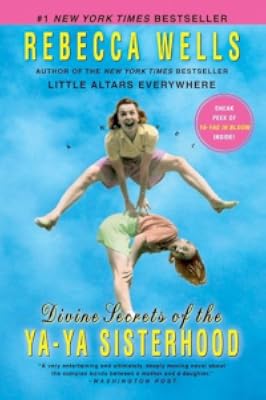
"A big, blowzy romp through the rainbow eccentricities of three generations of crazy bayou debutantes."—Atlanta Journal-Constitution
"A very entertaining and, ultimately, deeply moving novel about the complex bonds between mother and daughter."
—Washington Post
"Mary McCarthy, Anne Rivers Siddons, and a host of others have portrayed the power and value of female friendships, but no one has done it with more grace, charm, talent, and power than Rebecca Wells."
—Richmond Times-Dispatch
show more The incomparable #1 New York Times bestseller—a book that reigned at the top of the list for an remarkable sixty-eight weeks—Rebecca Wells's Divine Secrets of the Ya-Ya Sisterhood is a classic of Southern women's fiction to be read and reread over and over again. A poignant, funny, outrageous, and wise novel about a lifetime friendship between four Southern women, Divine Secrets of the Ya-Ya Sisterhood brilliantly explores the bonds of female friendship, the often-rocky relationship between mothers and daughters, and the healing power of humor and love, in a story as fresh and uplifting as when it was first published a decade and a half ago. If you haven't yet met the Ya-Yas, what are you waiting for?
. Literature. Fiction. show less
Tags
Recommendations



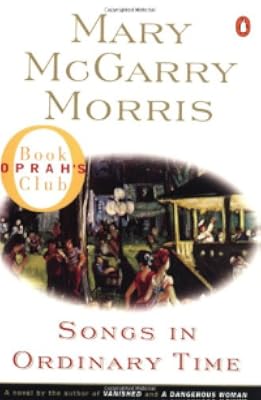
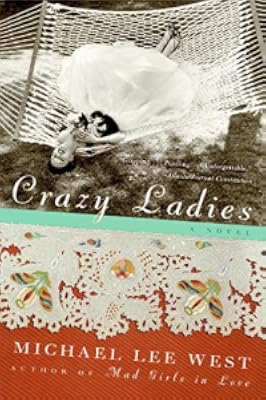
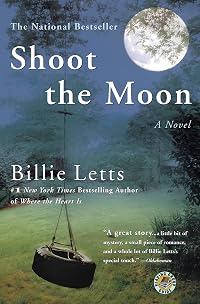
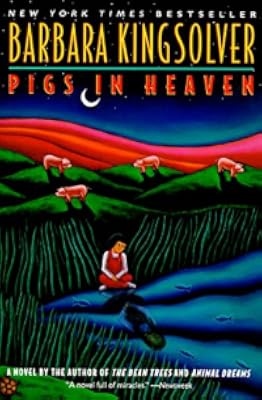
Member Recommendations

Member Reviews
I loved this book. It's a wonderful story about friendship between women, and the closeness of a small town.
But. But. It's the story of the friendship of white, well-off Louisiana women, at least one of whom from a plantation background, and at least two of whom had black maids and wet nurses in their homes. I would really like the text to give more acknowledgment to the black women whose labour made their lives possible. The characters are for the most part oblivious, although there is a little more thought from Sidda, the younger generation character.
There's this one exchange right at the end, where the younger-generation lovers are staying in converted slave quarters. Sidda says she feels guilty, staying in luxury within walls that show more had seen such misery. Her lover replies that they must have seen a lot of joy as well, and then no more is said. I really dislike that kind of casual excusing of slavery as "not all bad all the time". It added a sour note to a beautiful book. show less
But. But. It's the story of the friendship of white, well-off Louisiana women, at least one of whom from a plantation background, and at least two of whom had black maids and wet nurses in their homes. I would really like the text to give more acknowledgment to the black women whose labour made their lives possible. The characters are for the most part oblivious, although there is a little more thought from Sidda, the younger generation character.
There's this one exchange right at the end, where the younger-generation lovers are staying in converted slave quarters. Sidda says she feels guilty, staying in luxury within walls that show more had seen such misery. Her lover replies that they must have seen a lot of joy as well, and then no more is said. I really dislike that kind of casual excusing of slavery as "not all bad all the time". It added a sour note to a beautiful book. show less
When Siddalee Walker, oldest daughter of Vivi Abbott Walker, Ya-Ya extraordinaire, is interviewed in the New York Times about a hit play she's directed, her mother gets described as a "tap-dancing child abuser." Enraged, Vivi disowns Sidda. Devastated, Sidda begs forgiveness, and postpones her upcoming wedding. All looks bleak until the Ya-Yas step in and convince Vivi to send Sidda a scrapbook of their girlhood mementos, called "Divine Secrets of the Ya-Ya Sisterhood." As Sidda struggles to analyze her mother, she comes face to face with the tangled beauty of imperfect love, and the fact that forgiveness, more than understanding, is often what the heart longs for.
I was glad to be done with this book. It was one of the most irritating books I’ve ever forced myself to finish. Yet, it did keep me reading. Someone should write a book that reflects the realities of female friendship, complete with petty jealousies, divided loyalties, growing apart, etc., as well as the good times. This sugar-coated, bourbon-soaked Oprah-pleaser, about four lifelong female friends who don’t mature emotionally beyond age 12, does not reflect any reality I’ve ever heard of. It contained a lot of sentimental New Age religion (contrasted with a distinctly anti-Catholic message), anachronistic entreaties against racism (to appeal to modern sensibilities and Oprah, I guess), and a scene that hinges on embarrassing show more bodily functions. On top of that, the characters other than the supposedly-charming Vivi and her uninteresting daughter Sidda were not developed enough to tell apart. I’m glad it’s over, and I don’t think I will be reading the prequel. show less
The main character is actually Vivi walker, not her daughter as you would have thought in the beginning. I felt the author did a fantastic job if making you hate Vivi, then love her, then cry for her, then want to kick her teeth in. I've never felt so many different things towards a single character in a book before. It's not necessarily my type of book, but I'm glad I read it.
I have made a special place in my heart for both the movie and the book. While I would have loved for them to put everything in the movie, over time I can understand why they didn't. It did not matter whether or not it was an elephant or an airplane that got Sidda to a place of understanding, all that mattered was the journey there. I am sorry they left out why Buggy was the way she was, and the whole episode in the institution after Vivvy's birthday party, because to me, that was a HUGE turning point in the book. But cest le viv. What I loved most about the movie is the friendship between the Ya Ya's. In the book you get a sense of it, but seeing it played out by those amazing actresses was a treat. So, I love them both, but in show more different ways. Together, they make a bright beautiful portrait of friendships that last. show less
In a way I feel like I'm being stingy giving this only two and a half stars. This is the last book on a list of over twenty I've tried from a chicklit/women's fiction recommendation list. Style-wise, this is at the top. I'd say that, along with The Girl's Guide to Hunting and Fishing, this was the only book listed that had the quality that approaches literary fiction--it's lyrical at times, witty, quotable, with a narrative that mixes first and third person, letters and newspaper clippings from the scrapbook of "Ya-Ya-rabilia." It's a novel that celebrates a friendship of nearly 60 years from 1934 to 1993, and a rocky mother/daughter relationship.
It's also about forgiveness, the subject of one of the three quotations that front the show more book that tells us we all "need to forgive and be forgiven every day, every hour." That could make for a very moving book, but I remained unmoved because I absolutely hated the central character, the "Queen" of the "Ya-Ya Sisterhood," Vivi Walker. When the book begins in 1993, she's just cut her daughter, Sidda, out of her life for the crime of telling the New York Times "lies" about how Vivi beat her with a belt. They're not lies though, as we learn just pages in. They're not even "exaggerated" as Ya-Ya sister Necie claims to Sidda. They're minimized. Vivi beat ten-year-old Sidda and her younger sister and two brothers with a belt until they were bloody. Sidda still bears the physical (and emotional) scars thirty years later. And, as we learn just a few pages in, to the present day Vivi blames Sidda for not stopping her. Sadly, so does Sidda. And not only is Vivi still drinking all these years later after her abuse of her children fueled by drink, pages into the book in the present day of the novel, she's handing over a Bloody Mary to her fellow senior citizen Ya-Ya Teensy for her to drink as Teensy drives the car.
*SPOILERS BE HERE BELOW IF YOU CARE*
Sidda is constantly begging her mother for forgiveness through out the book, celebrating her mother's friendship with the Ya-Ya sisterhood, excusing and worshiping her mother for her "vivid" and "vivacious" spirit. It's all very "Ya-Ya-No." (Ya-Ya speak for "pathetic" we're told.) Yes, if you've reached 40 years old, it's way past time to let go of the anger and stop blaming your parents for your problems. But that's different from forgiveness and reconciliation. To really forgive, the person who hurt you needs to be sorry and say so and stop hurting you. It sucks sure if they die and never give you that, and if they don't, you have to move on. But if that doesn't happen that doesn't mean they should get a pass just because they'll be the only parents you'll ever have. Not when the abuse is this extreme and still ongoing.
I mean, I know. I've read that Philip Larken poem "This Be the Verse." It's true. Parents screw you up, but they were screwed up first. They're human. And the book makes Vivi understandable, and therefore potentially forgivable. But I don't think she (and the book) come anywhere near earning the Hallmark moment ending. show less
It's also about forgiveness, the subject of one of the three quotations that front the show more book that tells us we all "need to forgive and be forgiven every day, every hour." That could make for a very moving book, but I remained unmoved because I absolutely hated the central character, the "Queen" of the "Ya-Ya Sisterhood," Vivi Walker. When the book begins in 1993, she's just cut her daughter, Sidda, out of her life for the crime of telling the New York Times "lies" about how Vivi beat her with a belt. They're not lies though, as we learn just pages in. They're not even "exaggerated" as Ya-Ya sister Necie claims to Sidda. They're minimized. Vivi beat ten-year-old Sidda and her younger sister and two brothers with a belt until they were bloody. Sidda still bears the physical (and emotional) scars thirty years later. And, as we learn just a few pages in, to the present day Vivi blames Sidda for not stopping her. Sadly, so does Sidda. And not only is Vivi still drinking all these years later after her abuse of her children fueled by drink, pages into the book in the present day of the novel, she's handing over a Bloody Mary to her fellow senior citizen Ya-Ya Teensy for her to drink as Teensy drives the car.
*SPOILERS BE HERE BELOW IF YOU CARE*
Sidda is constantly begging her mother for forgiveness through out the book, celebrating her mother's friendship with the Ya-Ya sisterhood, excusing and worshiping her mother for her "vivid" and "vivacious" spirit. It's all very "Ya-Ya-No." (Ya-Ya speak for "pathetic" we're told.) Yes, if you've reached 40 years old, it's way past time to let go of the anger and stop blaming your parents for your problems. But that's different from forgiveness and reconciliation. To really forgive, the person who hurt you needs to be sorry and say so and stop hurting you. It sucks sure if they die and never give you that, and if they don't, you have to move on. But if that doesn't happen that doesn't mean they should get a pass just because they'll be the only parents you'll ever have. Not when the abuse is this extreme and still ongoing.
I mean, I know. I've read that Philip Larken poem "This Be the Verse." It's true. Parents screw you up, but they were screwed up first. They're human. And the book makes Vivi understandable, and therefore potentially forgivable. But I don't think she (and the book) come anywhere near earning the Hallmark moment ending. show less
What a wonderful surprise! A lovely book about the complicated relationships among the sisterhood of human experience. The characters, while colorful and eccentric to the point of almost achieving unbelievability, end up being all that more believable because of who they are. Who among us having lived in the South hasn't known a Viva or Necie or Shep or Teensy? Rebecca Wells has captured the complexity of women united and divided as only a woman can do.
Members
- Recently Added By
Lists

Favourite Women's Prize for Fiction, Orange & Bailey's Prize contenders
132 works; 52 members

Southern Fiction
212 works; 52 members

Female Friendship
54 works; 12 members

Best Friendship Stories
205 works; 16 members

Books Set in Louisiana
29 works; 8 members

Books Featured on Gilmore Girls
307 works; 21 members

Unread books
1,063 works; 87 members
Overdue Podcast
806 works; 9 members

Carole's List
445 works; 13 members

NPRs audience picks: 100 best beach reads
105 works; 12 members
Women's Stories
88 works; 13 members

A Novel Cure
742 works; 23 members

Rory Gilmore Challenge 101-200
33 works; 1 member

The Complete Rory Gilmore Reading List
506 works; 5 members
Author Information

6+ Works 18,060 Members
Rebecca Wells is an American playwright and author. She is best known for her Ya-Ya series of novels. Well's novel, The Crowning Glory of Calla Lily Ponder, made the New York Times Bestseller list in 2016. Wells was born in Central Louisiana and grew up on a working plantation where her family lived since 1795. She currently lives on an island show more near Seattle. (Bowker Author Biography) show less
Some Editions
Awards and Honors
Awards
Notable Lists
Series

Work Relationships
Common Knowledge
- Canonical title
- Divine Secrets of the Ya-Ya Sisterhood
- Original title
- Divine Secrets of the Ya-Ya Sisterhood
- Original publication date
- 1996-05-22
- People/Characters
- Viviane Joan Abbott Walker (Vivi); Aimee Whitman-Claiborne (Teensy); Denise Rose Kelleher (Necie); Caroline Eliza Bennett (Caro); Siddalee Walker (Sidda); Connor McGill (show all 9); Shepard James Walker (Big Shep); Mary Katherine Bowman Abbott (Buggy); Taylor Charles Abbott
- Important places
- Louisiana, USA
- Related movies
- Divine Secrets of the Ya-Ya Sisterhood (2002 | IMDb)
- Epigraph
- We are not born all at once, but by bits. The body first, and the spirit later...Our mothers are racked with the pains of our physical birth; we ourselves suffer the longer pains of our spiritual growth.
--Mary Antin
<... (show all)br>Forgiveness is the name of love practiced among people who love poorly. The hard truth is that all of us love poorly. We need to forgive and be forgiven every day, every hour--unceasingly. That is the great work of love among the fellowship of the weak that is the human family.
--Henri Nouwen
Penetrating so many secrets, we cease to believe in the unknowable. But there it sits, nevertheless, calmly licking its chops.
--H. L. Mencken - Dedication
- This book is dedicated to
TOM SCHWORER, my husband, helpmate, and best friend
MARY HELEN CLARKE, midwife of this book and steadfast buddy
JONATHAN DOLGER, my agent, who keeps the faith.
And to the Ya-Ya Sisterhood... (show all), in all its incarnations. - First words
- Sidda is a girl again in the hot heart of Louisiana, the bayou world of Catholic saints and voodoo queens.
- Quotations
- Piney pitch is the secret to starting a fire. Unless you have kerosene, of course.
I believe that God doesn’t give you more than one little piece of the story at once. You know, the story of your life. Otherwise your heart would crack wider than you could handle. He only cracks it enough so you can still ... (show all)walk, like someone wearing a cast. But you’ve still got a crack running up your side, big enough for a sapling to grow out of. Only no one sees it. Nobody sees it. Everybody thinks you’re one whole piece, and so they treat you maybe not so gentle as they would if they could see that crack. - Last words
- (Click to show. Warning: May contain spoilers.)All that was left was love and wonder.
Classifications
Statistics
- Members
- 11,472
- Popularity
- 781
- Reviews
- 120
- Rating
- (3.58)
- Languages
- 13 — Danish, Dutch, English, Estonian, Finnish, French, German, Hungarian, Italian, Norwegian (Bokmål), Polish, Spanish, Swedish
- Media
- Paper, Audiobook, Ebook
- ISBNs
- 73
- UPCs
- 2
- ASINs
- 31