On This Page
Description
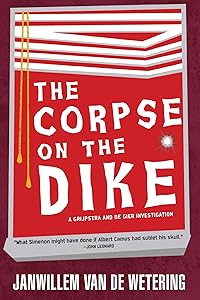
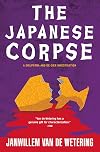
A recluse has been shot right between the eyes as he stood looking out of his bedroom window. His neighbor, a schoolteacher who is a pistol shot champion, admits she discovered the body and failed to report it. Is she really guilty of murder?Tags
Recommendations













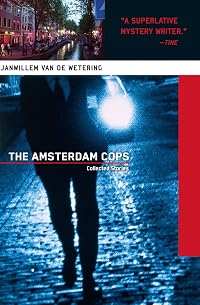









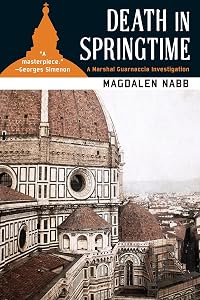
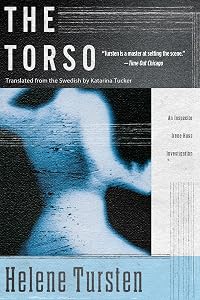





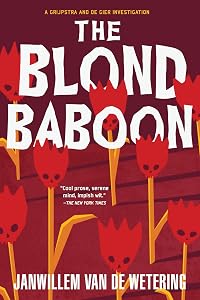




Member Recommendations

Member Reviews
Il libro è godibilissimo, ben scritto, i personaggi balzano fuori dalla pagina coi loro tic e le loro idiosincrasie, i buoni hanno un giusto sottofondo meschino che li rende umani, e i cattivi hanno molto fascino.
Amsterdam perde molto del suo mito di città cosmopolita in cui tutto è permesso, in compenso diventa un luogo che si ha voglia di visitare per, chissà mai, andarci a vivere, sperando di incontrare da qualche parte qualcuno dei personaggi.
Se vuoi conoscere i dettagli più reconditi che formano il carattere di una città, devi leggere i suoi scrittori noir, questo è vero per la Milano di Colaprico ed è vero per l'Amsterdam di Van de Wetering.
Amsterdam perde molto del suo mito di città cosmopolita in cui tutto è permesso, in compenso diventa un luogo che si ha voglia di visitare per, chissà mai, andarci a vivere, sperando di incontrare da qualche parte qualcuno dei personaggi.
Se vuoi conoscere i dettagli più reconditi che formano il carattere di una città, devi leggere i suoi scrittori noir, questo è vero per la Milano di Colaprico ed è vero per l'Amsterdam di Van de Wetering.
Third in the Grijpstra & De Gier series, another very entertaining police story. Our heroes stumble upon a corpse in a dodgy neighbourhood of Amsterdam North where the locals believe that good fences make good neighbours — which is fortunate, since one of their neighbours (who sounds suspiciously like a self-portrait of the author as villain) is a supremely talented fence. As usual, the story maunders along for a while in a cloud of music, metaphysics and local colour, and we get a slightly tongue-in-cheek bit of excitement at the end, when the Amsterdammers have to call in the assistance of the local police in Middelburg (who haven't written out a summons since before the war...) for a nighttime raid to arrest an armed suspect.
A recluse who lived like a slob despite having a home crammed full of valuable antiques is found dead, shot between the eyes by someone with the skills of a professional marksman. The most likely suspect appears to be the man's lesbian neighbor, who may have been jealous of her beautiful housemate's interest in the man and who also had the skills necessary to pull off the shot.
This book wasn't a good fit for me at all. I don't know where I got the willpower necessary to finish it, but somehow I managed it.
It seems that this may have at least partly been a cultural issue - this excellent review on Goodreads explains how Grijpstra and De Gier's policing style incorporates the Dutch concept of gezelligheid. I could definitely tell that show more they had a more laid-back approach to policing than I expected, and I recall being intrigued by the negative way characters, even (especially?) police officers, responded to things phrased as orders.
That said, this book made for excruciatingly slow reading, and I couldn't bring myself to care about any of the characters (in fact, I had trouble remembering which one was Grijpstra and which one was De Gier most of the time). I haven't read the previous two books in the series, but I don't think that was as much of an issue as the characters' overall attitude. It probably didn't help that the way the various police characters leered at female witnesses made my skin crawl. The best part was when this hilariously backfired on De Gier and left him stranded without gas, stuck with an annoying child and a troublesome woman.
Not a series I plan on revisiting.
(Original review posted on A Library Girl's Familiar Diversions.) show less
This book wasn't a good fit for me at all. I don't know where I got the willpower necessary to finish it, but somehow I managed it.
It seems that this may have at least partly been a cultural issue - this excellent review on Goodreads explains how Grijpstra and De Gier's policing style incorporates the Dutch concept of gezelligheid. I could definitely tell that show more they had a more laid-back approach to policing than I expected, and I recall being intrigued by the negative way characters, even (especially?) police officers, responded to things phrased as orders.
That said, this book made for excruciatingly slow reading, and I couldn't bring myself to care about any of the characters (in fact, I had trouble remembering which one was Grijpstra and which one was De Gier most of the time). I haven't read the previous two books in the series, but I don't think that was as much of an issue as the characters' overall attitude. It probably didn't help that the way the various police characters leered at female witnesses made my skin crawl. The best part was when this hilariously backfired on De Gier and left him stranded without gas, stuck with an annoying child and a troublesome woman.
Not a series I plan on revisiting.
(Original review posted on A Library Girl's Familiar Diversions.) show less
Within just a page or two of his books, the late Janwillem Wetering transports me back to that glorious city of Amsterdam and I get a boost of nostalgia and affection for both the city and his strong, quirky and nearly-believable characters.
I am sure that the Amsterdam I knew was never quite so intriguingly zen-religious and metaphysical as the Commissaris feels, or as criminally exciting as the Adjutant and Sergeants always discover. But I can believe that even today the Dutch police are shocked and repulsed to find guns on the streets, let alone one being used in the execution of a crime.
In Corpse on the Dike, the third in Wetering’s series about the Dutch Detectives Grijpstra and de Gier, the plot opens not only with a gun, but a show more murder – by a crack-shot. The story unfolds through Wetering’s usual clever and misleading scenarios and we are enticed then repelled by his crooked characters, and we are led further down the ‘garden paths’ of his plot twists by his evocative descriptions of this beautiful city of green shaded gravel walks along canal and dike.
The cops, of course, get their villains, the gardens are tended, the cats fed, and justice is served along with those small, fragrant, Dutch cigars and deliciously strong Dutch coffee. The lightest fiction that I read, in fact about the only Roman books I can open these days, the Dutch detective series of Wetering continues to please with its impish humor and addictive atmosphere – and great cops of course! show less
I am sure that the Amsterdam I knew was never quite so intriguingly zen-religious and metaphysical as the Commissaris feels, or as criminally exciting as the Adjutant and Sergeants always discover. But I can believe that even today the Dutch police are shocked and repulsed to find guns on the streets, let alone one being used in the execution of a crime.
In Corpse on the Dike, the third in Wetering’s series about the Dutch Detectives Grijpstra and de Gier, the plot opens not only with a gun, but a show more murder – by a crack-shot. The story unfolds through Wetering’s usual clever and misleading scenarios and we are enticed then repelled by his crooked characters, and we are led further down the ‘garden paths’ of his plot twists by his evocative descriptions of this beautiful city of green shaded gravel walks along canal and dike.
The cops, of course, get their villains, the gardens are tended, the cats fed, and justice is served along with those small, fragrant, Dutch cigars and deliciously strong Dutch coffee. The lightest fiction that I read, in fact about the only Roman books I can open these days, the Dutch detective series of Wetering continues to please with its impish humor and addictive atmosphere – and great cops of course! show less
A recluse had been shot right between the eyes as he stood looking out of the bedroom window. His neighbour, a schoolteacher who is a pistol shot champion, admits she discovered the body and failed to report it. Is she guilty? Grijpstra, de Gier and the commisaris are forced to use their psychological acumen to solve this mystery.
This book grabs you and won't let go until the very end. Even then it is reluctant. You immediately bond with the two quirky detectives as they discover clues concerning a rare homicide in Amsterdam, and they discover themselves.
Outstanding, interesting, offbeat and just plain fun. Worth the time…
This book grabs you and won't let go until the very end. Even then it is reluctant. You immediately bond with the two quirky detectives as they discover clues concerning a rare homicide in Amsterdam, and they discover themselves.
Outstanding, interesting, offbeat and just plain fun. Worth the time…
John Leonard said of Janwillem van de Wetering, “He is doing what Simenon [author of the wonderful Maigret stories:] might have done if Albert Camus had sublet his skull.” There is a great resemblance to Simenon — high praise, indeed. Wetering, who served in the Amsterdam Reserve Constabulary but now lives in the United States, ensconces his detective stories in Amsterdam. The commisaris, Amsterdam’s chief of detectives, is a wily, philosophical old man who wields subtle techniques to bring out the best in Adjutant Grijpstra and Sergeant De Gier, who suffer from the normal human catastrophes and ensorcellments.
I like police procedurals, and Dutch and Swedish are some of the best. These from Amsterdam are very satisfying. In The show more Corpse on the Dike , a man is shot dead in his back yard with a bullet between the eyes. The sole suspect, in what otherwise seems a motiveless murder, is the lesbian next door who, they suspect, might have been jealous of her fetching roomer’s interest in the dead man. She was a crack shot, a gun enthusiast and sportswoman in a country where guns are difficult to obtain legally. She vehemently and convincingly denies having committed the crime. The dead man had no apparent friends and was not involved in any crimes. A couple of motorcycle police stumble on the key to the case when they witness several men unloading a truck of stolen goods. Soon it is apparent that the residents of the dike are all involved in some prodigious thievery led by the “Cat,” but the motive for the killing still eludes the authorities — for a while.
Updated 6/19/09 show less
I like police procedurals, and Dutch and Swedish are some of the best. These from Amsterdam are very satisfying. In The show more Corpse on the Dike , a man is shot dead in his back yard with a bullet between the eyes. The sole suspect, in what otherwise seems a motiveless murder, is the lesbian next door who, they suspect, might have been jealous of her fetching roomer’s interest in the dead man. She was a crack shot, a gun enthusiast and sportswoman in a country where guns are difficult to obtain legally. She vehemently and convincingly denies having committed the crime. The dead man had no apparent friends and was not involved in any crimes. A couple of motorcycle police stumble on the key to the case when they witness several men unloading a truck of stolen goods. Soon it is apparent that the residents of the dike are all involved in some prodigious thievery led by the “Cat,” but the motive for the killing still eludes the authorities — for a while.
Updated 6/19/09 show less
A Rare Classic: I didn't know what to expect, as this was my first introduction to this author or any dutch author for that matter. This book grabs you and won't let go until the very end. Even then it is reluctant. You immeadiately bond with the two qwirky detectives as they discover clues concerning a rare homicide in Amsterdam, and they discover themselves.
Outstanding, interesting, offbeat and just plain fun. Worth the time.
Members
- Recently Added By
Lists

Top Cops (Detectives in Fiction)
86 works; 24 members

Books Read in 2016
4,666 works; 197 members

Global Mysteries
90 works; 6 members
Author Information

94+ Works 6,390 Members
Janwillem Van de Wetering was born in Rotterdam, Netherlands on February 12, 1931. He traveled extensively, both geographically and philosophically, his adventures ranging from being a motorcycle gang member to a Buddhist, a real estate salesman in Australia to an exporter in Holland. He was a police officer in Amsterdam from 1966 to 1975 and his show more crime novels featuring detectives Grijpstra and De Gier were based on his experiences. He also wrote a trilogy based on the time he spent at a Japanese Zen Buddhist monastery and wrote children's books about a porcupine named Hugh Pine. In 1984, he received the French Grand Prix de Littérature Policière. He died on July 4, 2008 at the age of 77. (Bowker Author Biography) show less
Some Editions
Series

Belongs to Publisher Series
rororo thriller (2451)
SaPo (245)
Work Relationships
Is contained in
Common Knowledge
- Canonical title
- The Corpse on the Dike
- Original title
- The Corpse on the Dike
- Original publication date
- 1976
- People/Characters
- Rinus de Gier; Henk Grijpstra
- Important places
- Amsterdam, North Holland, Netherlands; The Netherlands; North Holland, Netherlands
- Dedication
- for my friend Austin Olney
- First words
- The late summer evening was hot and heavy.
- Last words
- (Click to show. Warning: May contain spoilers.)"In the name of Allah," the young Arab said slowly, "the Compassionate, the Merciful."
- Original language*
- Amerikanisch
*Some information comes from Common Knowledge in other languages. Click "Edit" for more information.
Classifications
- Genres
- Fiction and Literature, Mystery
- DDC/MDS
- 839.31364 — Literature & rhetoric German & related literatures Other Germanic literatures Netherlandish literatures Dutch Dutch fiction 20th Century 1945-1999
- LCC
- PS3572 .A4292 .C67 — Language and Literature American literature American literature Individual authors 1961-
- BISAC
Statistics
- Members
- 341
- Popularity
- 92,463
- Reviews
- 9
- Rating
- (3.75)
- Languages
- 9 — Dutch, English, Finnish, French, German, Italian, Portuguese, Spanish, Swedish
- Media
- Paper, Ebook
- ISBNs
- 22
- ASINs
- 5