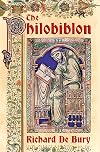
The Love of Books: The Philobiblon of Richard de Bury
by Richard de Bury
On This Page
Description
Distinguished above all for his zeal for learning, Richard de Bury (1287-1345) was an influential figure during the reign of Edward III, becoming bishop of Durham and serving on several diplomatic missions abroad, during which time he accumulated many rare works. The Philobiblon is his passionate treatise on learning and book collecting. Lodging a complaint in the voice of books themselves, Richard expresses his frank views on the current state of learning and scholarly practice. This show more translation, the first such into English, was prepared anonymously in 1832 by the scholar and linguist John Bellingham Inglis (1780-1870). Unlike other book collectors, Inglis was noted for actually having read the books he acquired. The present work contains a brief preface discussing previous scholarship and editions of the text, and ends with extensive notes by Inglis on the original text and his editorial decisions. show lessTags
Recommendations



























Member Recommendations

Member Reviews
A classic in the genre of books about books is Richard de Bury's Philobiblion (French version) or Philobiblon (Latin and English). My French text was acquired at a bookshop in Paris in 2005. It is a small book and I bought it thinking it would be fun to read in French. However, I let it sit too long, my French vocabulary has become rusty from disuse and so it has languished on my shelves. Recently I stumbled on the Project Gutenberg version in English and determined to read it sooner rather than later.
It is not surprising that this little book is not much read today. It is a characteristically 14th-15th century text (written in 1344 but not published until 1473), full of moralizing and sententious pronouncements. It's author Richard de show more Bury was, after all, Bishop of Durham. And his purposes for writing it were, first, to instill a love of learning and of books in the clergy; second, to justify to his peers the time and money he devoted to acquiring and studying books; and third, to outline his plan for installing and managing a new library at Durham College, Oxford. Alas, he did not live long enough to see that third objective fulfilled. His rules for the lending of books from said library are charming nonetheless.
The Philobiblon is a paean to knowledge and learning as presented and preserved in books, both old and new. Some of the chapter headings provide the flavor:
– That the treasure of wisdom is chiefly contained in books
– The degree of affection that is properly due to books
– What we are to think of the price in the buying of books
– The complaint of books against wars
– Of the gradual perfecting of books
– Who ought to be special lovers of books
– Of the advantages of the love of books
With all his love of books and learning, which he goes into with the determination of a medieval disputation after "having first invoked the Sevenfold Spirit, that it may burn in our musings as an illuminating fire," including presumably the spirit of wisdom, understanding, counsel, might and knowledge (see Isaiah 11:2), he amusingly picks to pieces the behavior of students towards books, which in de Bury's time were mighty tomes that rested permanently on lecturns or tables:
Wherefore we deem it expedient to warn our students of various negligences, which might always be easily avoided and do wonderful harm to books.
And in the first place as to the opening and closing of books, let there be due moderation, that they be not unclasped in precipitate haste, nor when we have finished our inspection be put away without being duly closed. For it behoves us to guard a book much more carefully than a boot.
But the race of scholars is commonly badly brought up, and unless they are bridled in by the rules of their elders they undulge in infinite puerilities. They behave with petulance, and are puffed up with presumption, judging of everything as if they were certain, though they are altogether inexperienced.
You may happen to see some headstrong youth lazily lounging over his studies, and when the winter's frost is sharp, his nose running from the nipping cold drips down, nor does he think of wiping it with his pocket-handkerchief until he has bedewed the book before him with the ugly moisture. Would that he had before him no book, but a cobbler's apron! His nails are stuffed with fetid filth as black as jet, with which he marks any passage that pleases him. He distributes a multitude of straws, which he inserts to stick out in different places, so that the halm [a stalk or stem] may remind him of what his memory cannot retain. These straws, because the book has no stomach to digest them, and no one takes them out, first distend the book from its wonted closing, and at length, being carelessly abandoned to oblivion, go to decay. He does not fear to eat fruit or cheese over an open book, or carelessly to carry a cup to and from his mouth; and because he has no wallet at hand he drops into books the fragments that are left. . . .
And it goes on.
Quotable quotes are in near endless supply in this amusing if somewhat stilted little book. It has a definite appeal for readers who enjoy books about the love of books and reading. show less
It is not surprising that this little book is not much read today. It is a characteristically 14th-15th century text (written in 1344 but not published until 1473), full of moralizing and sententious pronouncements. It's author Richard de show more Bury was, after all, Bishop of Durham. And his purposes for writing it were, first, to instill a love of learning and of books in the clergy; second, to justify to his peers the time and money he devoted to acquiring and studying books; and third, to outline his plan for installing and managing a new library at Durham College, Oxford. Alas, he did not live long enough to see that third objective fulfilled. His rules for the lending of books from said library are charming nonetheless.
The Philobiblon is a paean to knowledge and learning as presented and preserved in books, both old and new. Some of the chapter headings provide the flavor:
– That the treasure of wisdom is chiefly contained in books
– The degree of affection that is properly due to books
– What we are to think of the price in the buying of books
– The complaint of books against wars
– Of the gradual perfecting of books
– Who ought to be special lovers of books
– Of the advantages of the love of books
With all his love of books and learning, which he goes into with the determination of a medieval disputation after "having first invoked the Sevenfold Spirit, that it may burn in our musings as an illuminating fire," including presumably the spirit of wisdom, understanding, counsel, might and knowledge (see Isaiah 11:2), he amusingly picks to pieces the behavior of students towards books, which in de Bury's time were mighty tomes that rested permanently on lecturns or tables:
Wherefore we deem it expedient to warn our students of various negligences, which might always be easily avoided and do wonderful harm to books.
And in the first place as to the opening and closing of books, let there be due moderation, that they be not unclasped in precipitate haste, nor when we have finished our inspection be put away without being duly closed. For it behoves us to guard a book much more carefully than a boot.
But the race of scholars is commonly badly brought up, and unless they are bridled in by the rules of their elders they undulge in infinite puerilities. They behave with petulance, and are puffed up with presumption, judging of everything as if they were certain, though they are altogether inexperienced.
You may happen to see some headstrong youth lazily lounging over his studies, and when the winter's frost is sharp, his nose running from the nipping cold drips down, nor does he think of wiping it with his pocket-handkerchief until he has bedewed the book before him with the ugly moisture. Would that he had before him no book, but a cobbler's apron! His nails are stuffed with fetid filth as black as jet, with which he marks any passage that pleases him. He distributes a multitude of straws, which he inserts to stick out in different places, so that the halm [a stalk or stem] may remind him of what his memory cannot retain. These straws, because the book has no stomach to digest them, and no one takes them out, first distend the book from its wonted closing, and at length, being carelessly abandoned to oblivion, go to decay. He does not fear to eat fruit or cheese over an open book, or carelessly to carry a cup to and from his mouth; and because he has no wallet at hand he drops into books the fragments that are left. . . .
And it goes on.
Quotable quotes are in near endless supply in this amusing if somewhat stilted little book. It has a definite appeal for readers who enjoy books about the love of books and reading. show less
Para quem curte história (ou história dos livros) é ótimo, com passagens incríveis e com um legítimo escárnio aos estudantes e consulentes.
A primeira parte é em português do Brasil, a segunda diretamente em Latim para deleite daqueles que nunca se aventuraram entre as pernas de alguma donzela formosa e portanto se dedicaram ao estudo avançado deste idioma.
A primeira parte é em português do Brasil, a segunda diretamente em Latim para deleite daqueles que nunca se aventuraram entre as pernas de alguma donzela formosa e portanto se dedicaram ao estudo avançado deste idioma.
You immediately love the man who loves books
Inget är nytt under solen, och liksom idag har det alltid funnits de som älskade böckerna mer än allt annat här i världen. Så också Richard de Bury, biskop av Durham i kung Edvard III:s dagar. Kungen utnyttjade sin biskop för såväl att hålla lugn i den oroliga nordändan av sitt rike som diplomatiska uppdrag till påvestolen och franske kungen; det är troligen att biskopen uppskattade de senare mer, då de lär ha gett honom större möjligheter att utöka sitt bibliotek, en syssla vars iver noterades av samtiden, bland annat av Petrarca som mötte honom i Avignon.
En prelat, hur duglig och bokhungrig han må varit, skulle dock knappast varit ihågkommen idag om det inte varit för att hans kärlek till böckerna fick honom show more att producera en själv, med det självmedvetna namnet Philobiblon. I boken försvarar han böckerna som högst nyttiga ting som bevarar och lär ut världens vishet, i synnerhet i form av västkyrkans lära, även om också vissa antika filosofer anses godkända.
Det är en varierad skrift, som ibland försvarar böckerna som sådana, ibland far ut i angrepp på dem som inte ärar dem (angrepp dock hållna i en lätt skämtsam ton), ibland förklarar hur Richard lyckas samla sitt bibliotek. Roligast läsning idag är dock det kapitel där han förfasas över hur unga studenter hanterar dyrgriparna: de äter och dricker vid läsningen, tvättar inte händerna, kluddar i marginalen, använder böckerna för att pressa blommor, lämnar dem i närheten av småbarn, slår inte ihop dem ordentligt – en litania av en sort man möjligen skulle kunna få ur vissa bibliotekarier än idag. I paritet med detta är den inledning där han förklarar att böcker bör värderas över allt annat, och köpas så fort möjlighet ges, så länge priset är någorlunda billigt.
Den svenska översättning signerad Axel Nelson jag har är vid det här laget kraftigt åldrad: när den gjordes var stilen möjligen endast lätt arkaiserad, i linje med vad man kunde hitta i Karl XII:s Bibel, som då nyligen ersatts. Idag framstår dock den som rejält åldrig, om än fortfarande läsbar.
Richard skulle nog ha hållit med om att jordisk odödlighet inte är möjlig, men att de ting som kommer närmast är böckerna. Att han också därmed fått sitt minne förlängt må anses fullt rättvist. show less
En prelat, hur duglig och bokhungrig han må varit, skulle dock knappast varit ihågkommen idag om det inte varit för att hans kärlek till böckerna fick honom show more att producera en själv, med det självmedvetna namnet Philobiblon. I boken försvarar han böckerna som högst nyttiga ting som bevarar och lär ut världens vishet, i synnerhet i form av västkyrkans lära, även om också vissa antika filosofer anses godkända.
Det är en varierad skrift, som ibland försvarar böckerna som sådana, ibland far ut i angrepp på dem som inte ärar dem (angrepp dock hållna i en lätt skämtsam ton), ibland förklarar hur Richard lyckas samla sitt bibliotek. Roligast läsning idag är dock det kapitel där han förfasas över hur unga studenter hanterar dyrgriparna: de äter och dricker vid läsningen, tvättar inte händerna, kluddar i marginalen, använder böckerna för att pressa blommor, lämnar dem i närheten av småbarn, slår inte ihop dem ordentligt – en litania av en sort man möjligen skulle kunna få ur vissa bibliotekarier än idag. I paritet med detta är den inledning där han förklarar att böcker bör värderas över allt annat, och köpas så fort möjlighet ges, så länge priset är någorlunda billigt.
Den svenska översättning signerad Axel Nelson jag har är vid det här laget kraftigt åldrad: när den gjordes var stilen möjligen endast lätt arkaiserad, i linje med vad man kunde hitta i Karl XII:s Bibel, som då nyligen ersatts. Idag framstår dock den som rejält åldrig, om än fortfarande läsbar.
Richard skulle nog ha hållit med om att jordisk odödlighet inte är möjlig, men att de ting som kommer närmast är böckerna. Att han också därmed fått sitt minne förlängt må anses fullt rättvist. show less
Apr 29, 2019Swedish
Non è solo una dichiarazione d'amore ma un doppio decalogo con furiose invettive (contro i chierici sacerdoti o i monaci che "esercitano il possesso" o contro gli ordini mendicanti o contro le guerre: tutti pericoli tremendi per l'incolumità dei volumi amati), con precise indicazioni e regole ferree su come atteggiarsi e come trattare i libri, nell'ipotesi di costruire (come tentò davvero il Nostro) una biblioteca pubblica cui avessero accesso gli studenti, compresi i meccanismi dei prestiti, con la dovuta cautela: "In effetti gli studenti sono una tale razza di disutili maleducati che, se non li si obbliga a forza a rispettare le regole, finisce che mostrano tutta la loro infantile insolenza come un fiore all'occhiello [...] Non show more smette un minuto di starnazzare con i suoi soci e, mentre blatera una marea di nonsensi svuotati anche del suono fisico delle parole, innaffia con una sputazzella aspersoria quella povera legatura che gli langue sul grembo. Ma, non fatemi continuare!"(pagg 97-98). Un bel lavoro (anche del traduttore), non recentissimo (1344) ma da consigliare. show less
Feb 13, 2009Italian
Riccardo de Bury (1287–1345) fu un monaco benedettino, studioso, statista e bibliofilo inglese, noto soprattutto per il suo trattato "Philobiblon" (1345), un'opera che celebra l'amore per i libri e offre consigli pratici sulla loro cura. Nato nel 1287, ricoprì ruoli di prestigio sotto il re Edoardo III d'Inghilterra, tra cui Cancelliere del Regno (1329) e Vescovo di Durham (1333). Fu anche precettore del re durante la sua giovinezza, consolidando la sua influenza politica e culturale. De Bury fu un collezionista accanito, viaggiando in Europa per acquisire manoscritti rari. La sua biblioteca personale era tra le più grandi d'Inghilterra, con testi di teologia, filosofia, diritto e scienze.
Il "Philobiblon". Scritto in latino show more medievale e completato nel 1345 (un anno prima della sua morte), il testo è un ibrido tra un trattato morale, un manuale di bibliofilia e un'apologia della cultura scritta. Temi principali: elogio della lettura e del sapere. I libri sono "tesori dello spirito", strumenti di salvezza e ponti tra generazioni. La conoscenza libera l'uomo dall'ignoranza e lo avvicina a Dio. Conservazione dei libri: critica la negligenza di chierici e studiosi nel preservare i manoscritti. Raccomanda pratiche come proteggere i libri da umidità, polvere e danni fisici. Promuove la condivisione dei libri, condannando chi li tiene nascosti. Sottolinea l'importanza delle biblioteche come beni comuni. Attacca l'avarizia dei potenti e l'ignoranza del clero, colpevoli di trascurare i libri.
Diviso in 20 capitoli, alterna prosa lirica, argomentazioni filosofiche e istruzioni pratiche. Alcuni passaggi celebri: Capitolo 1 : I libri sono maestri che ci istruiscono senza bastone". Capitolo 17: Descrizione delle sofferenze dei libri maltrattati (metafora della loro "voce soffocata"). Capitolo 19: Esortazione a pregare per l'anima dell'autore, legando la sua eredità spirituale ai libri.
Il contesto storico-culturale. Era pre-stampa: Nel XIV secolo, i libri erano manoscritti rari e costosi, copiati da amanuensi. La cura dei testi era cruciale per la trasmissione del sapere. Crisi del Medioevo. L'opera riflette tensioni tra fede e ragione, ma anche l'emergere di un'élite intellettuale laica. Eredità e influenza. Bibliofilia moderna: Il "Philobiblon" è considerato uno dei primi testi a codificare l'amore per i libri come virtù, anticipando figure come Umberto Eco o Jorge Luis Borges. Tradotto in inglese nel XV secolo e poi in altre lingue europee, divenne un riferimento per eruditi e collezionisti.
Alcuni studiosi moderni lo accusano di ipocrisia, poiché De Bury, nonostante le sue parole, non lasciò disposizioni chiare per preservare la sua collezione, dispersa dopo la morte. L'edizione standard è curata da Michael MacLagan (1960), con note filologiche. Traduzioni italiane. Disponibili in versioni commentate, spesso con saggi sul contesto medievale. Citato in dibattiti sulla conservazione digitale e l'accesso alla cultura, il "Philobiblon" resta un simbolo della passione per il sapere scritto. De Bury utilizzò la sua posizione politica per ottenere libri, sfruttando contatti diplomatici e donazioni. Il titolo "Philobiblon" deriva dal greco ("amante dei libri"), scelta che riflette l'umanesimo incipiente del XIV secolo. show less
Il "Philobiblon". Scritto in latino show more medievale e completato nel 1345 (un anno prima della sua morte), il testo è un ibrido tra un trattato morale, un manuale di bibliofilia e un'apologia della cultura scritta. Temi principali: elogio della lettura e del sapere. I libri sono "tesori dello spirito", strumenti di salvezza e ponti tra generazioni. La conoscenza libera l'uomo dall'ignoranza e lo avvicina a Dio. Conservazione dei libri: critica la negligenza di chierici e studiosi nel preservare i manoscritti. Raccomanda pratiche come proteggere i libri da umidità, polvere e danni fisici. Promuove la condivisione dei libri, condannando chi li tiene nascosti. Sottolinea l'importanza delle biblioteche come beni comuni. Attacca l'avarizia dei potenti e l'ignoranza del clero, colpevoli di trascurare i libri.
Diviso in 20 capitoli, alterna prosa lirica, argomentazioni filosofiche e istruzioni pratiche. Alcuni passaggi celebri: Capitolo 1 : I libri sono maestri che ci istruiscono senza bastone". Capitolo 17: Descrizione delle sofferenze dei libri maltrattati (metafora della loro "voce soffocata"). Capitolo 19: Esortazione a pregare per l'anima dell'autore, legando la sua eredità spirituale ai libri.
Il contesto storico-culturale. Era pre-stampa: Nel XIV secolo, i libri erano manoscritti rari e costosi, copiati da amanuensi. La cura dei testi era cruciale per la trasmissione del sapere. Crisi del Medioevo. L'opera riflette tensioni tra fede e ragione, ma anche l'emergere di un'élite intellettuale laica. Eredità e influenza. Bibliofilia moderna: Il "Philobiblon" è considerato uno dei primi testi a codificare l'amore per i libri come virtù, anticipando figure come Umberto Eco o Jorge Luis Borges. Tradotto in inglese nel XV secolo e poi in altre lingue europee, divenne un riferimento per eruditi e collezionisti.
Alcuni studiosi moderni lo accusano di ipocrisia, poiché De Bury, nonostante le sue parole, non lasciò disposizioni chiare per preservare la sua collezione, dispersa dopo la morte. L'edizione standard è curata da Michael MacLagan (1960), con note filologiche. Traduzioni italiane. Disponibili in versioni commentate, spesso con saggi sul contesto medievale. Citato in dibattiti sulla conservazione digitale e l'accesso alla cultura, il "Philobiblon" resta un simbolo della passione per il sapere scritto. De Bury utilizzò la sua posizione politica per ottenere libri, sfruttando contatti diplomatici e donazioni. Il titolo "Philobiblon" deriva dal greco ("amante dei libri"), scelta che riflette l'umanesimo incipiente del XIV secolo. show less
Apr 13, 2025Italian
Un religioso tardomedievale ci racconta del suo amore e della sua ammirazione per i libri (depositari di sapienza e saggezza e sostegno della fede), della gioia del cercarli, scoprirli e collezionarli, del suo desiderio di lasciare una biblioteca ad uso degli studenti di Oxford. Non c'è nulla di profondo o di originale, mi sembra, in ciò che dice. Ma due cose me lo hanno fatto molto piacere: lo stile ricco ed elaborato (che mi pare molto ben reso dalla traduzione), e la passione per i libri che sgorga da ogni pagina. Si può averne un'idea dalle citazioni che ho pubblicato qui: http://it.wikiquote.org/wiki/Richard_de_Bury.
Jul 19, 2009Italian
Members
- Recently Added By
Lists

Bibliomania at Gutenberg
32 works; 1 member
Author Information

5 Works 322 Members
Some Editions
Series
Belongs to Publisher Series
Common Knowledge
- Canonical title
- The Love of Books: The Philobiblon of Richard de Bury
- Original publication date
- 1344
- Epigraph
- "TAKE THOU A BOOK INTO THINE HANDS AS SIMON THE JUST TOOK THE CHILD JESUS INTO HIS ARMS TO CARRY HIM AND KISS HIM. AND WHEN THOU HAST FINISHED READING, CLOSE THE BOOK AND GIVE THANKS FOR EVERY WORD OUT OF THE MOUTH OF GOD; BE... (show all)CAUSE IN THE LORD'S FIELD THOU HAST FOUND A HIDDEN TREASURE."
THOMAS A KEMPIS: Doctrinale Juvenum - First words
- The desirable treasure of wisdom and science, which all men desire by an instinct of nature, infinitely surpasses all the riches of the world; in respect of which precious stones are worthless; in comparison with which silver... (show all) is as clay and pure gold is as a little sand; at whose splendour the sun and moon are dark to look upon; compared with whose marvellous sweetness honey and manna are bitter to the taste.
- Quotations
- In books I find the dead as if they were alive; in books I foresee things to come; in books warlike affairs are set forth; from books come forth the laws of peace. All things are corrupted and decay in time; Saturn ceases not... (show all) to devour the children that he generates; all the glory of the world would be buried in oblivion, unless God had provided mortals with the remedy of books.
Finally we must consider what pleasantness of teaching there is in books, how easy, how secret! How safely we lay bare the poverty of human ignorance to books without feeling any shame! They are masters who instruct us withou... (show all)t rod or ferule, without angry words, without clothes or money. If you come to them they are not asleep; if you ask and inquire of them they do not withdraw themselves; they do not chide if you make mistakes; they do not laugh at you if you are ignorant. O books, who alone are liberal and free, who give to all who ask of you and enfranchise all who serve you faithfully!
And, again, no one doubts that happiness is to be preferred to riches. But happiness consists in the operation of the noblest and diviner of the faculties that we possess—when the whole mind is occupied in contemplating the... (show all) truth of wisdom, which is the most delectable of all our virtuous activities, as the prince of philosophers declares in the tenth book of the Ethics, on which account it is that philosophy is held to have wondrous pleasures in respect of purity and solidity, as he goes on to say. But the contemplation of truth is never more perfect than in books, where the act of imagination perpetuated by books does not suffer the operation of the intellect upon the truths that it has seen to suffer interruption. Wherefore books appear to be the most immediate instruments of speculative delight, and therefore Aristotle, the sun of philosophic truth, in considering the principles of choice, teaches that in itself to philosophize is more desirable than to be rich, although in certain cases, as where for instance one is in need of necessaries, it may be more desirable to be rich than to philosophize.
From what has been said we draw this corollary welcome to us, but (as we believe) acceptable to few: namely, that no dearness of price ought to hinder a man from the buying of books, if he has the money that is demanded for t... (show all)hem, unless it be to withstand the malice of the seller or to await a more favourable opportunity of buying. For if it is wisdom only that makes the price of books, which is an infinite treasure to mankind, and if the value of books is unspeakable, as the premises show, how shall the bargain be shown to be dear where an infinite good is being bought? Wherefore, that books are to be gladly bought and unwillingly sold, Solomon, the sun of men, exhorts us in the Proverbs: Buy the truth, he says, and sell not wisdom.
To him who recollects what has been said before, it is plain and evident who ought to be the chief lovers of books. For those who have most need of wisdom in order to perform usefully the duties of their position, they are wi... (show all)thout doubt most especially bound to show more abundantly to the sacred vessels of wisdom the anxious affection of a grateful heart. Now it is the office of the wise man to order rightly both himself and others, according to the Phoebus of philosophers, Aristotle, who deceives not nor is deceived in human things. Wherefore princes and prelates, judges and doctors, and all other leaders of the commonwealth, as more than others they have need of wisdom, so more than others ought they to show zeal for the vessels of wisdom.
Books delight us, when prosperity smiles upon us; they comfort us inseparably when stormy fortune frowns on us. They lend validity to human compacts, and no serious judgments are propounded without their help. Arts and scienc... (show all)es, all the advantages of which no mind can enumerate, consist in books. How highly must we estimate the wondrous power of books, since through them we survey the utmost bounds of the world and time, and contemplate the things that are as well as those that are not, as it were in the mirror of eternity. In books we climb mountains and scan the deepest gulfs of the abyss; in books we behold the finny tribes that may not exist outside their native waters, distinguish the properties of streams and springs and of various lands; from books we dig out gems and metals and the materials of every kind of mineral, and learn the virtues of herbs and trees and plants, and survey at will the whole progeny of Neptune, Ceres, and Pluto. - Last words
- (Click to show. Warning: May contain spoilers.)inally, let them pray God with holy prayers as well of body as of soul, that He will restore the spirit created in the image of the Trinity, after its sojourn in this miserable world, to its primordial prototype, and grant to it for ever to enjoy the sight of His countenance: through our Lord Jesus Christ. Amen.
Classifications
Statistics
- Members
- 319
- Popularity
- 99,607
- Reviews
- 9
- Rating
- (3.78)
- Languages
- 12 — Catalan, Dutch, English, Estonian, Finnish, French, German, Italian, Latin, Portuguese, Spanish, Swedish
- Media
- Paper, Ebook
- ISBNs
- 50
- UPCs
- 1
- ASINs
- 17