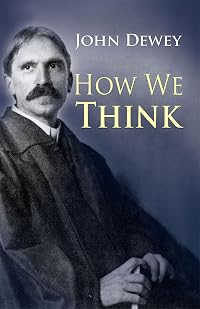
How We Think: A Restatement of the Relation of Reflective Thinking to the Educative Process
by John Dewey
On This Page
Description
The dean of American philosophers shares his views on methods of training students to think well. His considerations include inductive and deductive logic, interpreting facts, concrete and abstract thinking, the roles of activity, language, and observation, and many other aspects of thought training. This volume is essential reading for teachers and other education professionals.Tags
Recommendations














Member Recommendations
by anonymous user
by anonymous user
Member Reviews
An excellent book. The only thing lacking is a societal/political context in which thinking, learning and teaching take place, and how that context affects all of the above. But still, many ideas that are incredibly relevant after all of these years.
This worthy book is a reminder of how much times change but some things still stubbornly stay the same. Written over a hundred years ago, the book opens by describing the basic problems facing Western education today: the mushrooming of subjects, the chaos of curricula and the clamour of intransience, prejudice and flippancy.
Dewy explains why it is important to think clearly – sadly a rarely exercised skill. Then he argues that effective thinking should be education’s primary goal. Furthermore he goes on to explain what effective thinking amounts to and how it can be accomplished.
This is indeed a classic work from a noble and sensible era. In contrast much of modern philosophy seems to have surrendered its soul to celebrity, dogma show more and pride. Consequently it is refreshing to read an author who takes the time to explain his terms and to argue his points rationally. For modern audiences, some definitions might benefit from further finessing. Nonetheless his language is clear and moderate, and it is accompanied by many apt analogies. Thus this book was well worth resurrecting as a paperback. show less
Dewy explains why it is important to think clearly – sadly a rarely exercised skill. Then he argues that effective thinking should be education’s primary goal. Furthermore he goes on to explain what effective thinking amounts to and how it can be accomplished.
This is indeed a classic work from a noble and sensible era. In contrast much of modern philosophy seems to have surrendered its soul to celebrity, dogma show more and pride. Consequently it is refreshing to read an author who takes the time to explain his terms and to argue his points rationally. For modern audiences, some definitions might benefit from further finessing. Nonetheless his language is clear and moderate, and it is accompanied by many apt analogies. Thus this book was well worth resurrecting as a paperback. show less
This is a outstanding theory of the process of thinking. Dewey's explanation separates the idea of thoughts from the process of thinking. Thinking, not something we turn on or off, is constantly refining itself. What we believe is a structure of gaps between information we have secured and the next thought we wish to secure. And we decide how secure each becomes. Each gap is a leap of faith from one perceived secure footing to the next. The journey never ends.
PDFDE51 |
Contents
PART I
THE PROBLEM OF TRAINING THOUGHT
I. WHAT IS THOUGHT? i
II. THE NEED FOR TRAINING THOUGHT ... 14
III. NATURAL RESOURCES IN THE TRAINING OF THOUGHT 29
IV. SCHOOL CONDITIONS AND THE TRAINING OF THOUGHT 45
V. THE MEANS AND END OF MENTAL TRAINING: THE
PSYCHOLOGICAL AND THE LOGICAL ... 56
PART II
LOGICAL CONSIDERATIONS
VI. THE ANALYSIS OF A COMPLETE ACT OF THOUGHT. 68
VII. SYSTEMATIC INFERENCE: INDUCTION AND DEDUCTION ......... 79
VIII. JUDGMENT: THE INTERPRETATION OF FACTS . . 101
IX. MEANING: OR CONCEPTIONS AND UNDERSTANDING . 116
X. CONCRETE AND ABSTRACT THINKING . . . 135
XL EMPIRICAL AND SCIENTIFIC THINKING ... 145
PART III
THE TRAINING OF THOUGHT
XII. ACTIVITY AND THE TRAINING OF THOUGHT . . 157
XIII. LANGUAGE AND THE TRAINING OF show more THOUGHT . .170
XIV. OBSERVATION AND INFORMATION IN THE TRAINING
OF MIND 188
XV. THE RECITATION AND THE TRAINING OF THOUGHT 201
XVI. SOME GENERAL CONCLUSIONS . . . . ,214
Portable Document Format has 242 pages.
SA - https://www.librarything.com/work/32433223/book/266244407 | https://www.librarything.com/work/13996188/book/254691083 | https://www.librarything.com/work/33345113/book/277288636 | https://www.librarything.com/work/557598/book/242310960 | https://www.librarything.com/work/13996188/book/254691083 | https://www.librarything.com/work/32432598/book/266234364 | https://www.librarything.com/work/8950437/book/266202790 | https://www.librarything.com/work/10029698/book/266142554 | https://www.librarything.com/work/1720352/book/266136829 | https://www.librarything.com/work/28622/book/261885605
RT - Education
BT - Philosophy
NT - Thinking
UF - Epistemology
SN - This PDF was downloaded from the internet server/database where the work is stored. (This entry does not reference a hierarchical list) show less
Contents
PART I
THE PROBLEM OF TRAINING THOUGHT
I. WHAT IS THOUGHT? i
II. THE NEED FOR TRAINING THOUGHT ... 14
III. NATURAL RESOURCES IN THE TRAINING OF THOUGHT 29
IV. SCHOOL CONDITIONS AND THE TRAINING OF THOUGHT 45
V. THE MEANS AND END OF MENTAL TRAINING: THE
PSYCHOLOGICAL AND THE LOGICAL ... 56
PART II
LOGICAL CONSIDERATIONS
VI. THE ANALYSIS OF A COMPLETE ACT OF THOUGHT. 68
VII. SYSTEMATIC INFERENCE: INDUCTION AND DEDUCTION ......... 79
VIII. JUDGMENT: THE INTERPRETATION OF FACTS . . 101
IX. MEANING: OR CONCEPTIONS AND UNDERSTANDING . 116
X. CONCRETE AND ABSTRACT THINKING . . . 135
XL EMPIRICAL AND SCIENTIFIC THINKING ... 145
PART III
THE TRAINING OF THOUGHT
XII. ACTIVITY AND THE TRAINING OF THOUGHT . . 157
XIII. LANGUAGE AND THE TRAINING OF show more THOUGHT . .170
XIV. OBSERVATION AND INFORMATION IN THE TRAINING
OF MIND 188
XV. THE RECITATION AND THE TRAINING OF THOUGHT 201
XVI. SOME GENERAL CONCLUSIONS . . . . ,214
Portable Document Format has 242 pages.
SA - https://www.librarything.com/work/32433223/book/266244407 | https://www.librarything.com/work/13996188/book/254691083 | https://www.librarything.com/work/33345113/book/277288636 | https://www.librarything.com/work/557598/book/242310960 | https://www.librarything.com/work/13996188/book/254691083 | https://www.librarything.com/work/32432598/book/266234364 | https://www.librarything.com/work/8950437/book/266202790 | https://www.librarything.com/work/10029698/book/266142554 | https://www.librarything.com/work/1720352/book/266136829 | https://www.librarything.com/work/28622/book/261885605
RT - Education
BT - Philosophy
NT - Thinking
UF - Epistemology
SN - This PDF was downloaded from the internet server/database where the work is stored. (This entry does not reference a hierarchical list) show less
SUMARIO
Prefacio a la nueva edición 9
Prefacio a la primera edición 11
Introducción a la edición española 13
PRIMERA PARTE
EL PROBLEMA DE LA FORMACIÓN DEL PENSAMIENTO
1. ¿Qué es pensar? 19
2. Por qué el pensamiento reflexivo tiene que constituir un
objetivo de la educación 33
3. Recursos innatos en la formación del pensamiento 51
4. Las condiciones escolares y la formación del pensamiento 69
SEGUNDA PARTE
CONSIDERACIONES LÓGICAS
5. Proceso y producto de la actividad reflexiva:
proceso psicológico y forma lógica 85
6. Ejemplos de inferencia y de comprobación 103
7. Análisis del pensamiento reflexivo 113
8. El lugar del juicio en la actividad reflexiva 129
9. Comprensión: ideas y significados 141
10. Comprensión: concepto y definición show more 157
11. Método sistemático: control de los datos yevidencia 171
12. Método sistemático: control de razonamiento y conceptos 183
13. Pensamiento empírico y científico 193
8 CÓMO PENSAMOS
TERCERA PARTE
FORMACIÓN DEL PENSAMIENTO
14. Actividad y la formación del pensamiento 207
15. De lo concreto a lo abstracto 221
16. El lenguaje y la formación del pensamiento 231
17. Observación e información en el adiestramiento mental 247
18. La recitación y la formación del pensamiento 259
19. Algunas conclusiones generales 277
Índice analítico y de nombres 289 show less
Prefacio a la nueva edición 9
Prefacio a la primera edición 11
Introducción a la edición española 13
PRIMERA PARTE
EL PROBLEMA DE LA FORMACIÓN DEL PENSAMIENTO
1. ¿Qué es pensar? 19
2. Por qué el pensamiento reflexivo tiene que constituir un
objetivo de la educación 33
3. Recursos innatos en la formación del pensamiento 51
4. Las condiciones escolares y la formación del pensamiento 69
SEGUNDA PARTE
CONSIDERACIONES LÓGICAS
5. Proceso y producto de la actividad reflexiva:
proceso psicológico y forma lógica 85
6. Ejemplos de inferencia y de comprobación 103
7. Análisis del pensamiento reflexivo 113
8. El lugar del juicio en la actividad reflexiva 129
9. Comprensión: ideas y significados 141
10. Comprensión: concepto y definición show more 157
11. Método sistemático: control de los datos yevidencia 171
12. Método sistemático: control de razonamiento y conceptos 183
13. Pensamiento empírico y científico 193
8 CÓMO PENSAMOS
TERCERA PARTE
FORMACIÓN DEL PENSAMIENTO
14. Actividad y la formación del pensamiento 207
15. De lo concreto a lo abstracto 221
16. El lenguaje y la formación del pensamiento 231
17. Observación e información en el adiestramiento mental 247
18. La recitación y la formación del pensamiento 259
19. Algunas conclusiones generales 277
Índice analítico y de nombres 289 show less
Apr 25, 2022Spanish
Ratings
Members
- Recently Added By
Lists

Filosofía - Clásicos
217 works; 1 member

How to Read a Book's Recommended Reading List
309 works; 10 members
Author Information

244+ Works 9,981 Members
John Dewey was born in 1859 in Burlington, Vermont. He founded the Laboratory School at the University of Chicago in 1896 to apply his original theories of learning based on pragmatism and "directed living." This combination of learning with concrete activities and practical experience helped earn him the title, "father of progressive education." show more After leaving Chicago he went to Columbia University as a professor of philosophy from 1904 to 1930, bringing his educational philosophy to the Teachers College there. Dewey was known and consulted internationally for his opinions on a wide variety of social, educational and political issues. His many books on these topics began with Psychology (1887), and include The School and Society (1899), Experience and Nature (1925), and Freedom and Culture (1939).Dewey died of pneumonia in 1952. (Bowker Author Biography) show less
Common Knowledge
- Canonical title
- How We Think: A Restatement of the Relation of Reflective Thinking to the Educative Process
- Original title
- How We Think
- Original publication date
- 1910
- First words
- Preface to the New Edition -- To say that a text is 'revised' my signifiy slight verbal changes or extensive rewriting. The new edition of How We Think, which is presented herewith, is a revision of the latter sort. It is, as... (show all) its subtitle indicates, a 'restatement' of How We Think. -- In the first place, although some material found in the original edition has been excised, there has been considerable expansion. The present book contains nearly a quarter more than did the older account.
- Last words
- (Click to show. Warning: May contain spoilers.)Genuine communication involves contagion; its name should not be taken in vain by terming communication that which produces no community of thought and purpose between the child and the race of which he is the heir.
Classifications
- Genres
- Philosophy, Nonfiction, General Nonfiction
- DDC/MDS
- 153.42 — Philosophy & psychology Psychology Conscious mental processes and intelligence Thought, thinking, reasoning, intuition, value, judgment Critical Thinking
- LCC
- BF441 .D43 — Philosophy, Psychology and Religion Psychology Psychology Consciousness. Cognition
- BISAC
Statistics
- Members
- 683
- Popularity
- 42,097
- Reviews
- 6
- Rating
- (3.74)
- Languages
- 6 — English, French, German, Italian, Polish, Spanish
- Media
- Paper, Audiobook, Ebook
- ISBNs
- 77
- UPCs
- 2
- ASINs
- 24