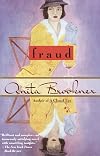
Fraud
by Anita Brookner
On This Page
Description
'Oh, she'll turn up all right. Somewhere or other. Trouble is, we won't know where to look.' Slowly, almost imperceptibly, Anna Durrant's acquaintances realize that Anna has gone missing. Normally so reliable, so helpful, she has neglected what duties remain to her after the death of her mother and taken flight. Lawrence Halliday, the family doctor, trapped in a trying marriage to the predatory Vickie, is the first to notice Anna's disappearance. Mrs Marsh, a critical friend of Anna's show more mother, had hoped that her arrogant son Nick might take an interest in Anna, but he is seeking greater sophistication and worldliness. And as for Anna herself, she has not so much disappeared as ceased to exist as the woman they all thought they knew. show lessTags
Recommendations










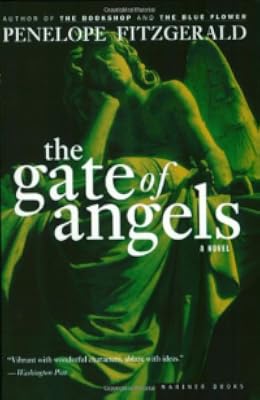


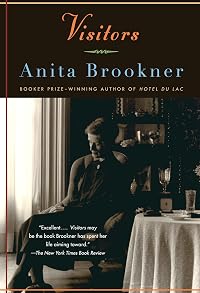
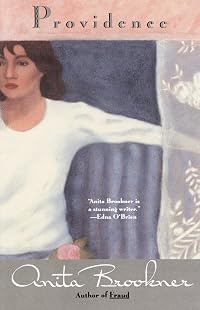
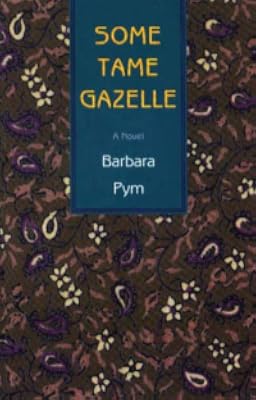









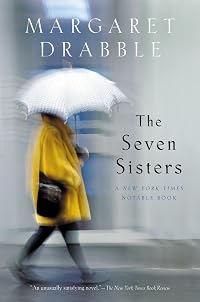

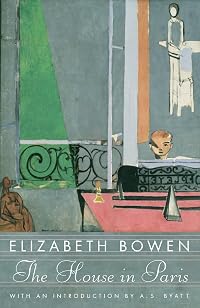

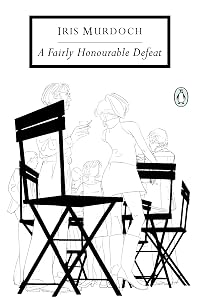
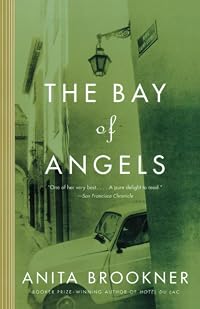

Member Recommendations

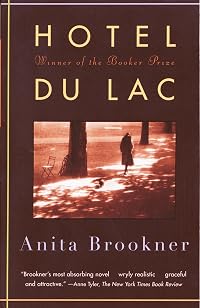
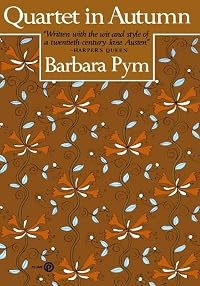
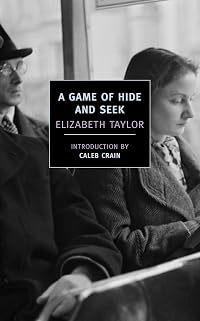
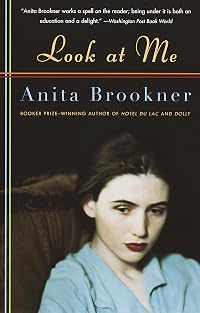
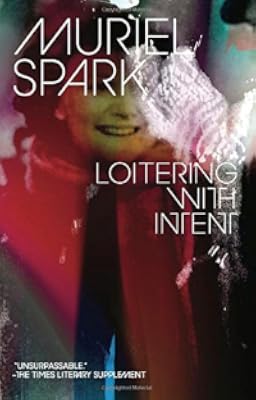
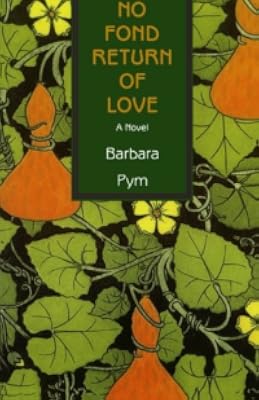
electronicmemory Two beautifully crafted books with a slow, languid pace of writing which nonetheless manage to wrap you up in the mysteries of their characters' lives. While one is set in upper-class London and the other in New York society, both explore the lives of people struggling with the roles dictated to them by their birth and social circle.
Member Reviews
"She had noticed old people in supermarkets, hesitating over their frugal purchases, treating themselves to something sweet, an indulgence remembered from remote childhood, and smelt their careful poverty as she passed them. She had put this down to poor diet, poor hygiene, to the fatigue of old age, but now she knew that what she had witnessed was ineluctable decline, that inching nearer to the abyss against which one had no defense. She had, at the time, felt closer to the poor old men, the pugnacious old women, with their woolen hats, without knowing why. Now...she realized that both she and her friend were at one with those old people, instantly recognizable to the young, who would wrinkle their noses and long to escape from them." show more (Page 181)
Anna Durant is a spinster of sixty who has spent her life looking after her mother until her death. She's a wanna be clothing designer but hasn't worked a day in her life. And she's left to wonder what am I going to do with all this time on my hands? She'll need to take bold steps if she really wants to remedy the situation but does she really have the courage to do so?
Anita Brookner depicts loneliness better than any author I've read. She is an absolute master at creating the sense of desolation and depression that often accompany it. And she does it with the smoothest, most beautiful prose that often has me rereading passages on a regular basis. This was her thirteenth novel and I've enjoyed them all, but this one really resonated. show less
Anna Durant is a spinster of sixty who has spent her life looking after her mother until her death. She's a wanna be clothing designer but hasn't worked a day in her life. And she's left to wonder what am I going to do with all this time on my hands? She'll need to take bold steps if she really wants to remedy the situation but does she really have the courage to do so?
Anita Brookner depicts loneliness better than any author I've read. She is an absolute master at creating the sense of desolation and depression that often accompany it. And she does it with the smoothest, most beautiful prose that often has me rereading passages on a regular basis. This was her thirteenth novel and I've enjoyed them all, but this one really resonated. show less
I've read at least two other Anita Brookner novels, A Friend in England and Hotel Du Lac come to mind, so I had a good idea of what to expect from Fraud. And since I didn't really have a good experience with either of the previous novels, I almost passed this one by, and would have but for the fact that Brookner has her fans and that they speak so highly of this novel that I had to satisfy my curiosity about it.
That Anita Brookner is a talented writer is beyond question. She creates a world and characters that, depressing as they may be, are believable, if not always sympathetic. Fraud is no exception. Anna Durrant, on whom the book centers, is a woman who has devoted her entire life to taking care of her semi-invalid mother. Despite show more her university degree, Anna is content to sacrifice any career aspirations or private life that she may ever have had in order to better care for her mother. It is when her mother finally dies that Anna realizes how empty her life really is and she seeks a substitute to whom she can devote her care. Unfortunately for both of them, the woman chosen to receive her attention neither likes Anna Durrant nor really appreciates the extra attention and the relationship turns into a burden for both women.
The book begins with Anna's disappearance and the police inquiry that involves the few acquaintances who might have some idea as to what has happened to her. From that point, the novel flashes back to the months preceding the disappearance and the reader learns just how sterile a life Anna has lived in service to her mother. Alternating chapters tell Anna's story through her own eyes, through the eyes of her mother's friend, Mrs. Marsh, and through the eyes of her mother's doctor, the only man for whom Anna ever really cared.
Anna finally comes to the conclusion that she is indeed a fraud and that her entire life has been based on the expectations and perceptions of others. The problem for me as a reader is that I was almost as depressed with the novel by the time that I finished it as Anna was depressed with her life. For me at least, a Brookner novel demands a certain amount of concentration, an effort I'm willing to give in expectation that the experience will have been worth that effort. That is perhaps why I found the book's ending to be so abrupt and disappointing. I've come to the conclusion that I don't enjoy entering the world in which Anita Brookner places her female characters and that I'm unlikely to enter that world again soon.
Rated at: 3.0 show less
That Anita Brookner is a talented writer is beyond question. She creates a world and characters that, depressing as they may be, are believable, if not always sympathetic. Fraud is no exception. Anna Durrant, on whom the book centers, is a woman who has devoted her entire life to taking care of her semi-invalid mother. Despite show more her university degree, Anna is content to sacrifice any career aspirations or private life that she may ever have had in order to better care for her mother. It is when her mother finally dies that Anna realizes how empty her life really is and she seeks a substitute to whom she can devote her care. Unfortunately for both of them, the woman chosen to receive her attention neither likes Anna Durrant nor really appreciates the extra attention and the relationship turns into a burden for both women.
The book begins with Anna's disappearance and the police inquiry that involves the few acquaintances who might have some idea as to what has happened to her. From that point, the novel flashes back to the months preceding the disappearance and the reader learns just how sterile a life Anna has lived in service to her mother. Alternating chapters tell Anna's story through her own eyes, through the eyes of her mother's friend, Mrs. Marsh, and through the eyes of her mother's doctor, the only man for whom Anna ever really cared.
Anna finally comes to the conclusion that she is indeed a fraud and that her entire life has been based on the expectations and perceptions of others. The problem for me as a reader is that I was almost as depressed with the novel by the time that I finished it as Anna was depressed with her life. For me at least, a Brookner novel demands a certain amount of concentration, an effort I'm willing to give in expectation that the experience will have been worth that effort. That is perhaps why I found the book's ending to be so abrupt and disappointing. I've come to the conclusion that I don't enjoy entering the world in which Anita Brookner places her female characters and that I'm unlikely to enter that world again soon.
Rated at: 3.0 show less
There is something slightly anachronistic about Anita Brookner's novels. She often writes about this world of British widows. But I don't think such a community of widows really exists today as much as it did in the 50s. Health care is better. Husbands are living longer. It's interesting, she's so careful to keep current events and real people out of the novels as a means of not dating her prose, yet this world of widows dates her books as much as anything. There are cars in her novels, but no microwaves or cell phones. There is television, but no GPS or PCs. Her characters are almost always in late midlife or elderly. And she has absolutely no qualms about taking on "grim" subjects such as aging, infirmity and death; if anything, she show more embraces these topics. They are her subject matter. All that considered, Brookner is a wonderful writer. Her grammar is precise. Her vocabulary possesses these wonderful throwbacks to Victorian literature: words like ineluctable and hieratic, equanimity and homage (which one finds oneself reading with the aspirated aitch, in the British manner). Her diction is relatively formal. Though she is a complete original she has models like any writer, and these include Henry James and sometimes Marcel Proust with perhaps a touch of Simenon's plotting. Generally set in London, with jaunts to Paris, the south of France and sometimes Spain, the novels are nothing if not British. For this stateside reader they provide that essential requisite that all reading matter must meet: it must reveal another, almost alien world. Brookner with her very British stories, well, one might as well be reading of life in Sumatra or Valparaíso. FRAUD begins with the disappearance of Anna Durrant. Anna, a do-gooder who seems to annoy those she helps by way of an overbearing cheer, is alone in the world. She was last seen 3 months ago. Anna has grown up caring for a sickly and self-centered mother who could not let her go. Anna's life was supposed to take place conveniently after her mother's death. They love each other, of that there can be no question, but it is a strangulating love. Anna dutifully caries out her obligations. She had given up everything for her mother. The result is isolation and loneliness yet a resolute good nature that this reader saw as alternately a sign of strength and one of sheer madness. Then one day her supposedly frail mother collapses in a public place and is brought home by a man by the name of Ainsworth, who subsequently becomes the mother's lover. Anna is aghast that this almost shut-in mother is suddenly leading an athletic sex life; something she has never had herself. "He was too glossy," Brookner writes, "too plausible, and her mother too flushed, too pretty. She was aware of a disturbed scent in the air, as if her mother were warm and excited, just as she was to be aware, later, of Ainsworth's brutal stink in the bathroom and the bottles of cologne he poured over himself in order to become the lover and to dispel the natural man." The novel is for the most part a recounting of the lives of those who knew Anna in the weeks and months leading up to her disappearance. There is the "pale, goodlooking" Dr Halliday for whom women are a curse and who follows his penis into a horrible marriage. There is Mrs. Marsh, one of the elderly people Anna helps from time to time, whose views on the world around her are so stoic and blunt that we can't help but come to admire her as she continues to age and run down toward death fully aware of her decay. Vickie is the sexpot wife of Dr Halliday whom he slowly comes to hate. She and her father being walking talking Freudian case studies come to life with such vividness that the new husband is appalled. Halliday knows he should have married Anna. He knows they would have been good for each other, but follows his penis instead. This is one of Brookner's best novels. I think it is surpassed only by LATECOMERS, HOTEL DU LAC, BRIEF LIVES, and INCIDENTS IN THE RUE L'AUGIER. show less
"I had become what people wanted me to be....I decided not to be that person anymore....I rather think I have stopped being one, a fraud I mean. Fraud was what was perpetrated on me by the expectations of others. They fashioned me in their own image, according to their needs. Fraud, in that sense, is alarmingly prevalent."
Anna has devoted her life to caring for her invalid mother. Her social circle is small--her mother's few friends, and her mother's doctor, who her mother fantasizes that Anna will one day marry. Several months after Anna's mother's death, the doctor (married to someone else, a fact Anna hid from her mother) realizes that no one has seen or heard from Anna for weeks, even months. The police are brought in, though there show more is no evidence of foul play.
The book opens with Anna's disappearance, and most of the book is the long flashback describing Anna's life with her mother. This is not a crime novel, but an exquisite character study of a woman who has lived her entire life subjugating her needs to the wants of others.
Recommended.
3 1/2 stars show less
Anna has devoted her life to caring for her invalid mother. Her social circle is small--her mother's few friends, and her mother's doctor, who her mother fantasizes that Anna will one day marry. Several months after Anna's mother's death, the doctor (married to someone else, a fact Anna hid from her mother) realizes that no one has seen or heard from Anna for weeks, even months. The police are brought in, though there show more is no evidence of foul play.
The book opens with Anna's disappearance, and most of the book is the long flashback describing Anna's life with her mother. This is not a crime novel, but an exquisite character study of a woman who has lived her entire life subjugating her needs to the wants of others.
Recommended.
3 1/2 stars show less
I have read somewhere that Anita Brookner was a somewhat overlooked master stylist and so I decided to read one of the novels. Fraud was written in 1992 and it is ostensibly about Anna Durant, a mature woman, single, and now living alone, as her mother whom she cared for throughout adult life had died. She goes missing, but is not missed for weeks. She has few friends and she appears to have just disappeared.
It sounds like a mystery, but it is really a story about choices and opportunities taken and not taken. Brookner writes clean clear prose in a style I’m not used – she seamlessly floats from one characters’ point of view to another.
The story is all told in flashback before Anna disappears. There is some great understated show more humor. In one scene Anna is invited to dinner by the wife of the man she should have married. She spend three pages fulminating on what she wants to say to this woman and then responds, “I’d be delighted.”
The New York Times tagline was “An immensely satisfying novel with unsettling insights.” I agree. show less
It sounds like a mystery, but it is really a story about choices and opportunities taken and not taken. Brookner writes clean clear prose in a style I’m not used – she seamlessly floats from one characters’ point of view to another.
The story is all told in flashback before Anna disappears. There is some great understated show more humor. In one scene Anna is invited to dinner by the wife of the man she should have married. She spend three pages fulminating on what she wants to say to this woman and then responds, “I’d be delighted.”
The New York Times tagline was “An immensely satisfying novel with unsettling insights.” I agree. show less
This book follows the theme of a number of Brookner books: Now that I'm old, how do I make sense of my life? That appeals to me, because the same thought occurs to me every day. One of the characters is an angry person (me too), who reads the death notices in the newspaper (that's almost all I read), and just wants to be left alone (yep, me again). She thinks about the practical aspects of dying (don't we all?).
It's quite good reading - there's enough action to keep the reader interested, and yet its focus is on the internal events in the characters' minds, and the relationships which aren't quite really relationships at all. They're could-have-been relationships and once-were relationships. I reckon that's what life is mostly about, show more especially for the aging. show less
It's quite good reading - there's enough action to keep the reader interested, and yet its focus is on the internal events in the characters' minds, and the relationships which aren't quite really relationships at all. They're could-have-been relationships and once-were relationships. I reckon that's what life is mostly about, show more especially for the aging. show less
Once again, Anita Brookner delves into the lives of unattached and isolated women with the parallel story lines of Anna Durrant and Vera Marsh. Anna, the only child of widowed Amy is left with the shards of her life when her mother dies. "They had loved one another despairingly: that was their undoing. And despair in love merely prolongs its intensity, as well as its duration which is forever". Vera on the other hand has had a satisfying marriage but with the death of her husband and old age beginning to take its toll, she must cope with loneliness and loss without falling into the trap of dependence on her adult children. Neither of the women are memorable characters but the mysterious disappearance of Anna and the final unfolding of show more its mystery did not seem to to fit in with the behavior patterns which Anna had developed from half a lifetime of practical and emotional dependence on her mother. show less
Members
- Recently Added By
Lists

Top Five Books of 2013
1,562 works; 715 members
Author Information

35+ Works 12,798 Members
Anita Brookner was born in London, England on July 16, 1928. She received a BA in history from King's College London in 1949 and a doctorate in art history from the Courtauld Institute of Art in 1953. She went on to lecture in art at Reading University and the Courtauld Institute, where she specialized in eighteenth- and nineteenth-century French show more art. She became the first woman to be named as Slade Professor of Art at Cambridge University in 1967. Her first novel, A Start in Life, was published in 1981. Some of her other works include The Bay of Angels, The Next Big Thing, The Rules of Engagement, Latecomers, Leaving Home, Incidents in the Rue Laugier, Look at Me, and Strangers. Hotel du Lac won the Booker Prize for Fiction in 1984 and was adapted for television in 1986. She has also written scholarly works about Jacques Louis David, Jean Baptiste Greuze, and Jean-Antoine Watteau. She died on March 10, 2016 at the age of 87. (Bowker Author Biography) show less
Common Knowledge
- Canonical title
- Fraud
- Original publication date
- 1992
- People/Characters
- Anna Durrant
- Important places
- London, England, UK; Paris, France; Norwich, Norfolk, England, UK
- First words
- The facts, as far as they could be ascertained, were as follows.
- Blurbers
- Busch, Frederick
Classifications
Statistics
- Members
- 417
- Popularity
- 74,141
- Reviews
- 15
- Rating
- (3.72)
- Languages
- Dutch, English, French, Greek
- Media
- Paper, Audiobook, Ebook
- ISBNs
- 19
- ASINs
- 6