Behind the Scenes: or, Thirty Years a Slave and Four Years in the White House
by Elizabeth Keckley
On This Page
Description
An autobiographical narrative, BEHIND THE SCENES traces Elizabeth Keckley's life from her enslavement in Virginia and North Carolina to her time as seamstress to Mary Todd Lincoln in the White House during Abraham Lincoln's administration. It was quite controversial at the time of its release-an uncompromising work that transgressed Victorian boundaries between public and private life, and lines of race, gender, and society.Tags
Recommendations
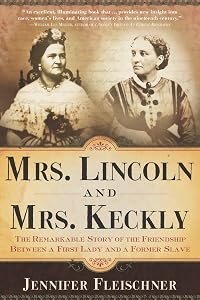

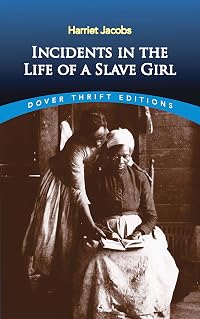







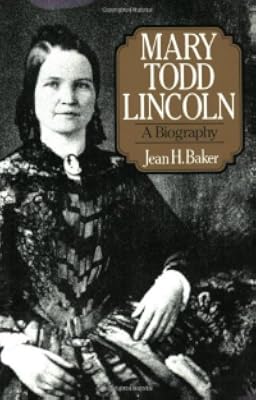
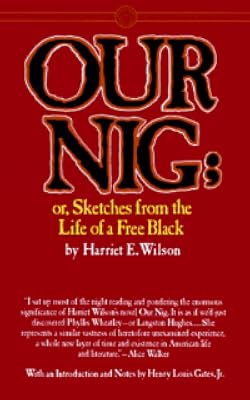

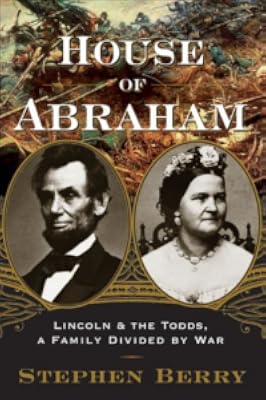



Member Recommendations
krazy4katz Another work by a former slave, but a much darker perspective on the lives of women who were slaves. For readers who thought Elizabeth Keckley's autobiography would be more about slavery.
Member Reviews
Sadly, the author spends far too little time on her years in slavery and far too much time on the efforts she made on Mrs. Lincoln's behalf after the assassination. To give you an idea: one sentence on the death of Keckley's only child in a chapter dedicated to the death of the Lincoln's child. No doubt this reflects the interest of the public and the author when the book was written, but it just made me sad for her that she couldn't devote more time to her own life, which is fascinating.
Still, a worthwhile read for the brief and highly discrete version of her years in slavery, and a glimpse at how she bought her way out. The casualness with which she informs the reader that she was single-handedly supporting herself, and her child, as show more well as the entire family of her white owners with her dress-making in St Louis, is just gobsmacking.
Overall a much stronger effect on me as a white reader in the 21st century than the work of fiction that inspired me to give it a go.
Free copy for Kindle show less
Still, a worthwhile read for the brief and highly discrete version of her years in slavery, and a glimpse at how she bought her way out. The casualness with which she informs the reader that she was single-handedly supporting herself, and her child, as show more well as the entire family of her white owners with her dress-making in St Louis, is just gobsmacking.
Overall a much stronger effect on me as a white reader in the 21st century than the work of fiction that inspired me to give it a go.
Free copy for Kindle show less
My previous book led me to pick up Behind the Scenes, a memoir written by Elizabeth Keckley in 1868 about her life of enslavement, how she bought her freedom, and how she made a life for herself subsequently.
Keckley was born a slave in Virginia in 1818. The first part of her memoir details her life a slave - the splitting up of her family, the abuse she faced, included rape that led to a pregnancy, and how she strove to keep her dignity. She eventually was able to purchase her freedom through her skill as a seamstress, learned through being forced to keep her owner's family of 17 clothed. While she was in St. Louis with this family, she was able to earn $1500 with her seamstress skills to purchase her freedom and that of her son's. She show more moved to Washington, D.C. and began a seamstress business, sewing dresses for the most well-known women of the day, such as Varina Davis, wife of Jefferson Davis who was soon to be President of the Confederacy. After the Lincolns came to the White House, she became Mary Lincoln's modiste and confidant. The two developed a close relationship - a friendship from Keckley's account. The middle of the book details her exclusive access to the Lincoln family. After Lincoln's assassination, she helps Mary Todd Lincoln sell some of her dresses to make money and the book becomes a bit of an exposé that Mary Lincoln apparently never forgave her for. She includes full letters written to her from Mary Lincoln. Unfortunately, this book seems to have hurt Keckley's reputation and she never financially recovered.
My feelings on this book are mixed. It's beautifully written and I want to know more. I want to know where she learned to read and write, how she managed to become so skilled as to be the best dress designer in Washington on her own, and more about the struggles and triumphs she faced personally. Unfortunately, a lot of the book is overshadowed by the Lincoln family, and especially by Mary Todd Lincoln's financial and emotional troubles after her husband's death.
I'm glad I read this because it's an important first person account of a woman's journey through and out of slavery and to personal success. But I think it's also good to know before you read it that Keckley's own intention in writing this was not just to tell her story, but also to give another view of the Lincolns. She does it well, but at 150 years removed, I personally wanted more of HER story - I can read about the Lincolns plenty of other places. show less
Keckley was born a slave in Virginia in 1818. The first part of her memoir details her life a slave - the splitting up of her family, the abuse she faced, included rape that led to a pregnancy, and how she strove to keep her dignity. She eventually was able to purchase her freedom through her skill as a seamstress, learned through being forced to keep her owner's family of 17 clothed. While she was in St. Louis with this family, she was able to earn $1500 with her seamstress skills to purchase her freedom and that of her son's. She show more moved to Washington, D.C. and began a seamstress business, sewing dresses for the most well-known women of the day, such as Varina Davis, wife of Jefferson Davis who was soon to be President of the Confederacy. After the Lincolns came to the White House, she became Mary Lincoln's modiste and confidant. The two developed a close relationship - a friendship from Keckley's account. The middle of the book details her exclusive access to the Lincoln family. After Lincoln's assassination, she helps Mary Todd Lincoln sell some of her dresses to make money and the book becomes a bit of an exposé that Mary Lincoln apparently never forgave her for. She includes full letters written to her from Mary Lincoln. Unfortunately, this book seems to have hurt Keckley's reputation and she never financially recovered.
My feelings on this book are mixed. It's beautifully written and I want to know more. I want to know where she learned to read and write, how she managed to become so skilled as to be the best dress designer in Washington on her own, and more about the struggles and triumphs she faced personally. Unfortunately, a lot of the book is overshadowed by the Lincoln family, and especially by Mary Todd Lincoln's financial and emotional troubles after her husband's death.
I'm glad I read this because it's an important first person account of a woman's journey through and out of slavery and to personal success. But I think it's also good to know before you read it that Keckley's own intention in writing this was not just to tell her story, but also to give another view of the Lincolns. She does it well, but at 150 years removed, I personally wanted more of HER story - I can read about the Lincolns plenty of other places. show less
I had first heard of Elizabeth Keckley at the Lincoln Presidential Library and Museum. Born a slave, yet ended up modiste and confidant of Mary Todd Lincoln in the White House. Now THAT has to be a story, I thought. So when I saw her book in the museum gift shop, I had to buy it.
The only frustrating thing about this book is that it is so short, and so narrowly focused on Keckley's motivation for writing it in the first place: which was a defense of the widowed Mrs. Lincoln's attempts to sell her gowns to provide for her family, which caused a significant scandal at the time. It hardly seems to occur to Keckley that it could be HER life that people would find interesting, a possibility she undermines by telling so few stories directly show more about herself, except where she feels they establish her character to make her a trustworthy narrator.
But some of the stories she tells! I can't possibly fit all of my favorite incidents here (or my feelings about them!), but I would be remiss to not mention the time she cooly decides that the curt summons she receives from Mrs. General McClellan on a Sunday afternoon can wait until Monday morning (not knowing Mrs. McClellan was inviting Keckley, who dreamed of working at the White House, to meet Mrs. Lincoln). Or that one of her first clients in D.C. was Mrs. Jefferson Davis! Who, when war is imminent, offers to take Keckley South with her, with a delusional speech about how Mrs. Davis herself will soon be living in the White House!
Keckley also founded what became the Ladies' Freedman and Soldier's Relief Association, organizing and raising funds to help the recently freed fleeing North, something so few were doing.
If only there were an expanded edition of this book, telling Keckley's story outside of and after Mrs. Lincoln's dress scandal! But even without, I found this book absolutely remarkable, and everyone I have talked to in the past three weeks has gotten an earful or more about her life. show less
The only frustrating thing about this book is that it is so short, and so narrowly focused on Keckley's motivation for writing it in the first place: which was a defense of the widowed Mrs. Lincoln's attempts to sell her gowns to provide for her family, which caused a significant scandal at the time. It hardly seems to occur to Keckley that it could be HER life that people would find interesting, a possibility she undermines by telling so few stories directly show more about herself, except where she feels they establish her character to make her a trustworthy narrator.
But some of the stories she tells! I can't possibly fit all of my favorite incidents here (or my feelings about them!), but I would be remiss to not mention the time she cooly decides that the curt summons she receives from Mrs. General McClellan on a Sunday afternoon can wait until Monday morning (not knowing Mrs. McClellan was inviting Keckley, who dreamed of working at the White House, to meet Mrs. Lincoln). Or that one of her first clients in D.C. was Mrs. Jefferson Davis! Who, when war is imminent, offers to take Keckley South with her, with a delusional speech about how Mrs. Davis herself will soon be living in the White House!
Keckley also founded what became the Ladies' Freedman and Soldier's Relief Association, organizing and raising funds to help the recently freed fleeing North, something so few were doing.
If only there were an expanded edition of this book, telling Keckley's story outside of and after Mrs. Lincoln's dress scandal! But even without, I found this book absolutely remarkable, and everyone I have talked to in the past three weeks has gotten an earful or more about her life. show less
Elizabeth Keckley gives us an interesting look at life in US in the 1800's, the politics of the time and her relationship with the people of the era. There's a little snapshot of Fredrick Douglas and a larger analysis of Mary Todd Lincoln in which the reader is both annoyed with the frippery of the president's wife and dismayed at her treatment. Perhaps the most amazing aspect was Keckley's statement that there was both a bad and good aspect to the practice of slavery. Keckley details her beatings and the selling off of family from each other, also the fact that she was "interfered with" by a white man who fathered her only child. But she professed profound love for her former masters, the ones whom she supported with her sewing and who show more would not grant freedom to herself and her son until she managed to pay them $1200. She says people don't understand how a former slave can have fond memories of her days in servitude but that people always remember the days of childhood with fond nostalgia, even when those days involve slavery. This book left me wanting to know more and with the utmost respect for the ambition and accomplishments of its author. show less
An amazing tale. I was often startled by the things Elizabeth Keckley was asked to do (sit by Willie's deathbed, deal with the sales of Ms Lincoln's clothes). I was also surprised to hear that Ms Keckley was able to shame her slave masters into ceasing to beat her by fighting them off and not crying out. An interesting look at an interesting time in history. I did struggle to find it completely believable. Possibly my ignorance.
This is one of the most remarkable memoirs I have read. Keckley speaks frankly about having been beaten as a slave, being ofrced to take a white slave owner as a lover, baring his child, and then traveling to Washington to set up a dress shop. It was there she met the Lincolns. Her time spent with them was the most interesting part of this tale so I won’t spoiler the eye openers. The memoir was completely engrossing. A remarkable book.
Elizabeth Keckley wrote BEHIND THE SCENES OR, THIRTY YEARS A SLAVE, AND FOUR YEARS IN THE WHITE HOUSE in 1868. While the book received a great deal of attention when it was published, both she and the book were largely forgotten until the recent publication of MRS. LINCOLN’S DRESSMAKER by Jennifer Chiaverini in which she both bases and quotes much of her book.
In short, this book is about Mrs. Keckley’s life from her birth as a slave through her years as a seamstress and entrepreneur to her relationship with Mrs. Lincoln following President Lincoln’s assassination. The second focus is on the character, relationships, and actions of Mrs. Lincoln from her time in the White House to a year after President Lincoln’s assassination. show more It is not at all what one would expect to read from a woman born into slavery.
However, there is so much literary beauty in this book that I am including many examples of what I found that fueled my interest.
In the preface, Mrs. Keckley explained that she wrote the book to “place Mrs. Lincoln in a better light before the world.” She continues that both their characters are “at stake, since I have been intimately associated with that lady in the most eventful periods of her life. I have been her confidant...and have been party to all her movements.” The book includes several letters from Mrs. Lincoln to Mrs. Keckley verifying their close relationship. One, sent from Chicago after the assassination reads, “My Dear Lizzie,...I consider you my best living friend....Always truly yours, M. L.”
She began by telling the story of her childhood as a slave, born in Virginia. Her father lived on another plantation and was cruelly moved further away. She never saw him again but hoped to see him in heaven. She wrote, “We who are crushed to earth with heavy chains, who travel a weary, rugged, thorny road, groping through midnight darkness on earth, earn our right to enjoy the sunshine in the great hereafter.”
Speaking of life as a slave, she observed having what could be interpreted as a negative attitude could result in punishment. “The sunny face of the slave is not always an indication of sunshine in the heart.”
She did not want to marry and have children because she did not think want to bring a child into slavery. Her son was the result of rape. “The Anglo-Saxon blood as well as the African flowed in his veins; the two commingled–one singing of freedom, the other silent and sullen with generations of despair....By the laws of God and nature, as interpreted by man, one-half of my boy was free, and why should not this fair birthright of freedom remove the curse from the other half...?” But she did marry into a troubling relationship.
Mrs. Keckley writes about a visit she made to the plantation where she had been a slave following her White House years. She was greeted warmly, as she expected to be because of the “warm attachment between master and slave.”
She was an accomplished seamstress and was able to use her skills to help support her family and to buy freedom for herself and her son for $1200. She borrowed the money from her patrons in St. Louis, and was able to repay it.
She then moved to Baltimore, then to Washington City, now known as Washington, D.C. There she found a different life, being treated with respect by merchants and establishing a dressmaking shop serving women such as the wives of Jefferson Davis and Robert E. Lee. When Abraham Lincoln became President, her skills brought her to the attention of Mrs. Lincoln. Mrs. Lincoln relied on her not only for her needle skills but also as a confident and friend. (Many in the capital avoided Mrs. Lincoln for many reasons: She was from the West; she was opinionated ;she was jealous; she was suspicious; she was moody.)
Following the death of Willie Lincoln, the second of her sons to die, Mrs. Lincoln entered into a deep depression, she was adamant against allowing her older son Robert enlist in the Army. She thought she had sacrificed enough and that his services were not needed. Eventually he did enlist but was assigned to a less dangerous position.
Mrs. Keckley observed that freedmen came North “looking for liberty, and many of them not knowing it when they found it.” People weren’t as friendly as they were in the South and many former slaves had difficulty coping with independence. Their helplessness was branded idleness. “Charity is never kind,” she wrote. .Freedom brought poverty.
She wrote that “Colored people are wedded to associations and when you destroy these you destroy half the happiness in their lives.” They would rather live in poor, familiar surroundings with those they knew than travel and find what, to others, would be a better life. Many slaves believed they had “earned our right to enjoy the sunshine in the great hereafter.”
Education was very important to her. She learned to read and write, against the wishes of her masters, and her son attended college. She began an association to help poor colored people, especially soldiers. In the process, she became acquainted with people such as Frederick Douglass.
When Richmond fell, she and the girls who worked for her were “elated” because “the rebel capital had surrendered to colored troops.” When President Lincoln and his party went there by boat, he asked the band to play one of his favorite tunes, “Dixie.”
After Willie’s death Mary Lincoln went into a deep depression. When Abraham Lincoln was assassinated it got worse; Mrs. Keckley and the Lincoln children were her only companions. She refused to see any other callers.
Even though she had a seamstress business to run in Washington, Mrs. Lincoln insisted that Mrs. Keckley accompany her to Chicago where Mrs. Lincoln continued her isolation. While there, Tad’s lack of education becomes very apparent when he refuses to admit that A-p-e doesn’t spell monkey. Mrs. Keckley observed, “Had Tad been a negro boy, not the son of a President, and so difficult to instruct, he would have been called thick-skulled, and would have been held up as an example of the inferiority of race....If a colored boy appears dull, so does a white boy sometimes; and if a whole race is judged by a single example of apparent dullness, another race should be judged by a similar example.”
At the time of President Lincoln’s death, Mrs. Lincoln owed $70,000 for her extravagant personal purchases. She tried several methods to raise money and eventually moved to Chicago. “The colored people...intend to take up collections in their churches for the benefit of Mrs. Lincoln.” When told about it, “Mrs. Lincoln...declined to receive aid from the colored people.” Mrs. Keckley also consulted with Frederick Douglass about ways to help Mrs. Lincoln.
Mrs. Keckley was given several personal items from both President and Mrs. Lincoln. Many were donated to Wilberforce University, a colored college in Ohio, which had been destroyed by fire the night of the assassination. A quilt made from pieces of Mrs. Lincoln’s dresses was donated to Kent State University.
BEHIND THE SCENES OR, THIRTY YEARS A SLAVE, AND FOUR YEARS IN THE WHITE HOUSE is a wonderful, very personal memoire of a remarkable woman living in and reporting on an important part of American history. I heartily recommend it.
This book was an e-book.
FOLLOW-UP: Following the publication of this memoir, Mary Todd Lincoln never spoke to Elizabeth Keckley again. Mrs.Keckley was abandoned by many white patrons, shunned by some blacks for being disloyal to President Lincoln and was no longer able to support herself as a seamstress and designer. She became head of Wilberforce University’s Department of Sewing and Domestic Arts until she was felled by a stroke. She died in the District of Columbia Home for Destitute Colored Women and Children in 1907. (Information from CAPITAL DAMES) by Cokie Roberts. show less
In short, this book is about Mrs. Keckley’s life from her birth as a slave through her years as a seamstress and entrepreneur to her relationship with Mrs. Lincoln following President Lincoln’s assassination. The second focus is on the character, relationships, and actions of Mrs. Lincoln from her time in the White House to a year after President Lincoln’s assassination. show more It is not at all what one would expect to read from a woman born into slavery.
However, there is so much literary beauty in this book that I am including many examples of what I found that fueled my interest.
In the preface, Mrs. Keckley explained that she wrote the book to “place Mrs. Lincoln in a better light before the world.” She continues that both their characters are “at stake, since I have been intimately associated with that lady in the most eventful periods of her life. I have been her confidant...and have been party to all her movements.” The book includes several letters from Mrs. Lincoln to Mrs. Keckley verifying their close relationship. One, sent from Chicago after the assassination reads, “My Dear Lizzie,...I consider you my best living friend....Always truly yours, M. L.”
She began by telling the story of her childhood as a slave, born in Virginia. Her father lived on another plantation and was cruelly moved further away. She never saw him again but hoped to see him in heaven. She wrote, “We who are crushed to earth with heavy chains, who travel a weary, rugged, thorny road, groping through midnight darkness on earth, earn our right to enjoy the sunshine in the great hereafter.”
Speaking of life as a slave, she observed having what could be interpreted as a negative attitude could result in punishment. “The sunny face of the slave is not always an indication of sunshine in the heart.”
She did not want to marry and have children because she did not think want to bring a child into slavery. Her son was the result of rape. “The Anglo-Saxon blood as well as the African flowed in his veins; the two commingled–one singing of freedom, the other silent and sullen with generations of despair....By the laws of God and nature, as interpreted by man, one-half of my boy was free, and why should not this fair birthright of freedom remove the curse from the other half...?” But she did marry into a troubling relationship.
Mrs. Keckley writes about a visit she made to the plantation where she had been a slave following her White House years. She was greeted warmly, as she expected to be because of the “warm attachment between master and slave.”
She was an accomplished seamstress and was able to use her skills to help support her family and to buy freedom for herself and her son for $1200. She borrowed the money from her patrons in St. Louis, and was able to repay it.
She then moved to Baltimore, then to Washington City, now known as Washington, D.C. There she found a different life, being treated with respect by merchants and establishing a dressmaking shop serving women such as the wives of Jefferson Davis and Robert E. Lee. When Abraham Lincoln became President, her skills brought her to the attention of Mrs. Lincoln. Mrs. Lincoln relied on her not only for her needle skills but also as a confident and friend. (Many in the capital avoided Mrs. Lincoln for many reasons: She was from the West; she was opinionated ;she was jealous; she was suspicious; she was moody.)
Following the death of Willie Lincoln, the second of her sons to die, Mrs. Lincoln entered into a deep depression, she was adamant against allowing her older son Robert enlist in the Army. She thought she had sacrificed enough and that his services were not needed. Eventually he did enlist but was assigned to a less dangerous position.
Mrs. Keckley observed that freedmen came North “looking for liberty, and many of them not knowing it when they found it.” People weren’t as friendly as they were in the South and many former slaves had difficulty coping with independence. Their helplessness was branded idleness. “Charity is never kind,” she wrote. .Freedom brought poverty.
She wrote that “Colored people are wedded to associations and when you destroy these you destroy half the happiness in their lives.” They would rather live in poor, familiar surroundings with those they knew than travel and find what, to others, would be a better life. Many slaves believed they had “earned our right to enjoy the sunshine in the great hereafter.”
Education was very important to her. She learned to read and write, against the wishes of her masters, and her son attended college. She began an association to help poor colored people, especially soldiers. In the process, she became acquainted with people such as Frederick Douglass.
When Richmond fell, she and the girls who worked for her were “elated” because “the rebel capital had surrendered to colored troops.” When President Lincoln and his party went there by boat, he asked the band to play one of his favorite tunes, “Dixie.”
After Willie’s death Mary Lincoln went into a deep depression. When Abraham Lincoln was assassinated it got worse; Mrs. Keckley and the Lincoln children were her only companions. She refused to see any other callers.
Even though she had a seamstress business to run in Washington, Mrs. Lincoln insisted that Mrs. Keckley accompany her to Chicago where Mrs. Lincoln continued her isolation. While there, Tad’s lack of education becomes very apparent when he refuses to admit that A-p-e doesn’t spell monkey. Mrs. Keckley observed, “Had Tad been a negro boy, not the son of a President, and so difficult to instruct, he would have been called thick-skulled, and would have been held up as an example of the inferiority of race....If a colored boy appears dull, so does a white boy sometimes; and if a whole race is judged by a single example of apparent dullness, another race should be judged by a similar example.”
At the time of President Lincoln’s death, Mrs. Lincoln owed $70,000 for her extravagant personal purchases. She tried several methods to raise money and eventually moved to Chicago. “The colored people...intend to take up collections in their churches for the benefit of Mrs. Lincoln.” When told about it, “Mrs. Lincoln...declined to receive aid from the colored people.” Mrs. Keckley also consulted with Frederick Douglass about ways to help Mrs. Lincoln.
Mrs. Keckley was given several personal items from both President and Mrs. Lincoln. Many were donated to Wilberforce University, a colored college in Ohio, which had been destroyed by fire the night of the assassination. A quilt made from pieces of Mrs. Lincoln’s dresses was donated to Kent State University.
BEHIND THE SCENES OR, THIRTY YEARS A SLAVE, AND FOUR YEARS IN THE WHITE HOUSE is a wonderful, very personal memoire of a remarkable woman living in and reporting on an important part of American history. I heartily recommend it.
This book was an e-book.
FOLLOW-UP: Following the publication of this memoir, Mary Todd Lincoln never spoke to Elizabeth Keckley again. Mrs.Keckley was abandoned by many white patrons, shunned by some blacks for being disloyal to President Lincoln and was no longer able to support herself as a seamstress and designer. She became head of Wilberforce University’s Department of Sewing and Domestic Arts until she was felled by a stroke. She died in the District of Columbia Home for Destitute Colored Women and Children in 1907. (Information from CAPITAL DAMES) by Cokie Roberts. show less
Members
- Recently Added By
Lists

500 Great Books by Women
507 works; 60 members
Author Information

3+ Works 658 Members
Some Editions
Awards and Honors
Notable Lists
Series
Belongs to Publisher Series
Work Relationships
Common Knowledge
- Canonical title
- Behind the Scenes: or, Thirty Years a Slave and Four Years in the White House
- Original publication date
- 1868
- People/Characters
- Elizabeth Keckly (Elizabeth "Lizzie" Hobbs Keckley); Elizabeth Keckley; Mary Todd Lincoln; Louisa May Alcott; Adele Logan Alexander; John A. Andrew (show all 118); Paul Angle; Aunt Bella; Aunt Charlotte; Edward Dickinson Baker (as Edward D. Baker); Jean H. Baker; Julia Baker; David Rankin Barbee; Henry Ward Beecher; Mr. Bingham (schoolmaster); John Wilkes Booth; W. E. Brady; Mrs. John Brooks; Hallie Q. Brown; William Wells Brown; Charles G. Browne; Joseph Bunn; Anna Burwell (Robert's wife); Anne P. Burwell Garland; Armistead Burwell; Armistead Burwell (son); Elizabeth M. Burwell Putnam; Mary Cole Burwell; Robert Burwell; G. W. Carleton; Thomas Carlyle; Francis B. Carpenter; Kate Chase Sprague (as Kate Chase); Salmon P. Chase; Lydia Maria Child; Ellen Craft; William Craft; David Davis; Jefferson Davis; Varina Howell Davis; Adele Cutts Douglas; Stephen A. Douglas; Frederick Douglass; W. E. B. Du Bois; Elizabeth Edwards (Mary Todd Lincoln's niece); Elizabeth Todd Edwards; Julia Edwards Baker; Hugh A. Garland; Maggie Garland; 'Spot' Garland; Henry Highland Garnet; Harry Gilmore; Ulysses S. Grant; Horace Greeley; Francis J. Grimke; Elizabeth Todd Grimsley; Phineas Densmore Gurley; Charles G. Halpine; Ann Peck Harlan (as Mrs. Secretary Harlan | wife of James Harlan); Frances Ellen Watkins Harper; Pamela Harriman; James D. Hart; Anson G. Henry; Josiah Herrson; William Henry Herndon; Agnes Hobbs; George Pleasant Hobbs; Stonewall Jackson; Andrew Johnson; James Keckly (as James Keckley); Margaret Todd Kellogg; Alexander Kirkland; George W. D. Kirkland; Ward Hill Lamon; Amelia Lancaster; Elizabeth Blair Lee; Robert E. Lee; Walker Lewis; Mrs. Walker Lewis; Alberta Elizabeth Lewis-Savoy; Abraham Lincoln; Eddie Lincoln (Edward Baker Lincoln); Robert Todd Lincoln; Tad Lincoln; Willie Lincoln; Little Joe; James Longstreet; Maria Garland Longstreet ('Bettie'); Joseph Lovejoy; Owen Lovejoy [Abolitionist, lawyer, minister]; Margaret Sumner McClean; George B. McClellan; Gilbert Simrall Meem (as General Meem); 'Nannie' Garland Meem; Prince Napoleon (brother of Napoleon I); Martha Johnson Patterson; Daniel A. Payne; Wendell Phillips; James R. Putnam; Henry J. Raymond; Miss Ringold; Ann Rutledge; William Henry Seward; Josephine Slade; William Slade; Edwin M. Stanton (as Edward McMasters Stanton); Ellen Hutchinson Stanton (as Mrs. Stanton); Alexander H. Stephens; Mary Johnson Stover; Charles Sumner; Arthur Swazey; Alexander Todd; John E. Washington; Thurlow Weed; Edgar Welles; Mary Jane Hale Welles (as Mary Jane Welles); Mary Welsh; Nathaniel P. Willis
- Important places
- White House, Washington, D.C., USA; Washington, D.C., USA; Hillsborough, North Carolina, USA
- Important events
- American Civil War; American Civil War (1861 | 1865)
- First words
- I have often been asked to write my life, as those who know me know that it has been an eventful one.
- Last words
- (Click to show. Warning: May contain spoilers.)The letters appended from Mrs. Lincoln to myself throw a flood of light upon the history of the "old clothes" speculation in New York.
- Original language
- English
Classifications
- Genres
- Nonfiction, Biography & Memoir, History, General Nonfiction
- DDC/MDS
- 973.7092 — History & geography History of North America United States Civil War Era (1857-1865) Civil War
- LCC
- E457.15 .K26 — History of the United States United States Civil War period, 1861-1865 Lincoln's administrations, 1861-April 15, 1865
- BISAC
Statistics
- Members
- 653
- Popularity
- 44,135
- Reviews
- 21
- Rating
- (3.77)
- Languages
- English, French, Portuguese (Portugal)
- Media
- Paper, Audiobook, Ebook
- ISBNs
- 90
- ASINs
- 29