
Failure Is Not an Option: Mission Control from Mercury to Apollo 13 and Beyond
by Eugene Kranz
On This Page
Description
Gene Kranz was present at the creation of America's manned space program and was a key player in it for three decades. As a flight director in NASA's Mission Control, Kranz witnessed firsthand the making of history. He participated in the space program from the early days of the Mercury program to the last Apollo mission, and beyond. He endured the disastrous first years when rockets blew up and the United States seemed to fall further behind the Soviet Union in the space race. He helped to show more launch Alan Shepard and John Glenn, then assumed the flight director's role in the Gemini program, which he guided to fruition. With his teammates, he accepted the challenge to carry out President John F. Kennedy's commitment to land a man on the moon before the end of the 1960s. Kranz was flight director for both Apollo 11, the mission in which Neil Armstrong fulfilled President Kennedy's pledge, and Apollo 13. He headed the Tiger Team that had to figure out how to bring the three Apollo 13 astronauts safely back to Earth. (In the film Apollo 13, Kranz was played by the actor Ed Harris, who earned an Academy Award nomination for his performance.) In Failure Is Not an Option, Gene Kranz recounts these thrilling historic events and offers new information about the famous flights. What appeared as nearly flawless missions to the moon were, in fact, a series of hair-raising near misses. When the space technology failed, as it sometimes did, the controllers' only recourse was to rely on their skills and those of their teammates. Kranz takes us inside Mission Control and introduces us to some of the whiz kids-still in their twenties, only a few years out of college-who had to figure it all out as they went along, creating a great and daring enterprise. He reveals behind-the-scenes details to demonstrate the leadership, discipline, trust, and teamwork that made the space program a success. Finally, Kranz reflects on what has happened to the space program and offers his own bold suggestions about what we ought to be doing in space now. This is a fascinating firsthand account written by a veteran mission controller of one of America's greatest achievements. show lessTags
Recommendations
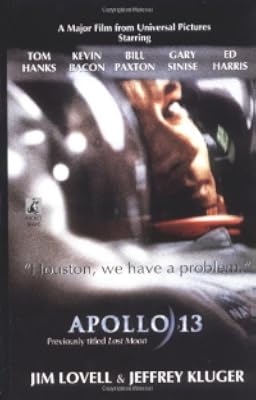

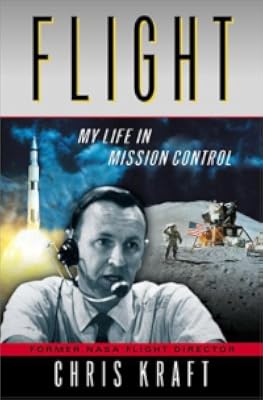

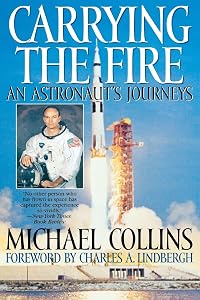

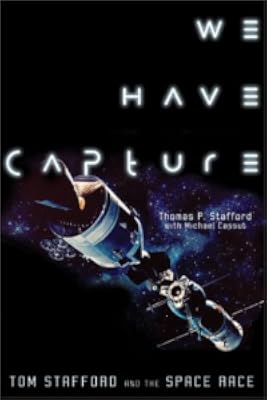
































Member Recommendations

by bertilak

Member Reviews
The Right Stuff this was not. Dipped into this because I (like most?) know him as Ed Harris' cool, calm & collected character in Apollo 13. The book has a lot of play by play operational logistics, which - fair enough - is exactly his role in the NASA machine, but directing a long series of people saying "go" or "no go" and the collected wisdom of the sea of blinking status lights, is a bit too much "Railroad Tycoon" autism for me.
Now I appreciate that this is a great source and POV in the overall story of NASA operations, and as such the more details the better, so this critique is just from a place of storytelling; can you jump into this and read it with fascination? Probably not.
Apollo 13 is just one (surprisingly brief) chapter in show more this, it's the man's entire career (in charge both before and after said disaster) and you get a better sense of just how often and to what extent they had major issues with the vehicles and launches. The big event no longer seems like an extreme anomaly but more like one of the million things that could go wrong and did. I found him talking about learning the unique quirks of each vehicle especially illuminating for how seat of their pants these missions actually were despite the testing and checklists. And to be fair to the dull, systematic way of describing the bureaucracy of problem solving, that's also what the famous work the problem line is all about (unlike the titular "failure is not an option" which was made up for the movie). show less
Now I appreciate that this is a great source and POV in the overall story of NASA operations, and as such the more details the better, so this critique is just from a place of storytelling; can you jump into this and read it with fascination? Probably not.
Apollo 13 is just one (surprisingly brief) chapter in show more this, it's the man's entire career (in charge both before and after said disaster) and you get a better sense of just how often and to what extent they had major issues with the vehicles and launches. The big event no longer seems like an extreme anomaly but more like one of the million things that could go wrong and did. I found him talking about learning the unique quirks of each vehicle especially illuminating for how seat of their pants these missions actually were despite the testing and checklists. And to be fair to the dull, systematic way of describing the bureaucracy of problem solving, that's also what the famous work the problem line is all about (unlike the titular "failure is not an option" which was made up for the movie). show less
FAILURE IS NOT AN OPTION
Gene Kranz
You don’t get much more eyewitness-to-history than Gene Kranz. As a member (later leader) of the Mission Control team for America’s space program, Kranz participated in every Mercury, Gemini, and Apollo launch, from the humiliating failures of the early Mercury tests through the heart-pounding Apollo 13 journey, to the demoralizing end of our active participation in manned exploration of space.
Kranz has a straight-up style, and the book’s only real flaw is that it may be overpacked with detail. In his attempt to ensure that every member of the ground and flight teams are acknowledged, and the technical details of the missions explained, there are a lot of names swimming around in the alphabet-soup show more of program acronyms.
The reader who can get through those gets a front-row seat to the missions, including descriptions of mission- (and life-) threatening glitches and problems solved on the fly. Most of the American public, even those of us who followed the flights with great interest, had no idea of problems that didn’t rise to the Apollo-13 level of magnitude.
As the Apollo program itself draws to an end, the emotional impact of the book strikes a deep and troubling chord. Kranz does a bit of soap-boxing at the end, acknowledging the short-sightedness of allowing apathy and changes in political support to fritter away the momentum we had at the height of the program. It remains one of the most devastating events in human history that we, as a country, turned away from space exploration and research just as we had battered the door open.
The shuttle and space station missions are not within the purview of Kranz’ book and so are not addressed. While undoubtedly providing valuable information, neither has the impact of the moon landings, and it’s heartbreaking to recognize what we lost.
Kranz’ viewpoint is a valuable part of the history of America’s man-in-space program, and an enthralling read as well. show less
Gene Kranz
You don’t get much more eyewitness-to-history than Gene Kranz. As a member (later leader) of the Mission Control team for America’s space program, Kranz participated in every Mercury, Gemini, and Apollo launch, from the humiliating failures of the early Mercury tests through the heart-pounding Apollo 13 journey, to the demoralizing end of our active participation in manned exploration of space.
Kranz has a straight-up style, and the book’s only real flaw is that it may be overpacked with detail. In his attempt to ensure that every member of the ground and flight teams are acknowledged, and the technical details of the missions explained, there are a lot of names swimming around in the alphabet-soup show more of program acronyms.
The reader who can get through those gets a front-row seat to the missions, including descriptions of mission- (and life-) threatening glitches and problems solved on the fly. Most of the American public, even those of us who followed the flights with great interest, had no idea of problems that didn’t rise to the Apollo-13 level of magnitude.
As the Apollo program itself draws to an end, the emotional impact of the book strikes a deep and troubling chord. Kranz does a bit of soap-boxing at the end, acknowledging the short-sightedness of allowing apathy and changes in political support to fritter away the momentum we had at the height of the program. It remains one of the most devastating events in human history that we, as a country, turned away from space exploration and research just as we had battered the door open.
The shuttle and space station missions are not within the purview of Kranz’ book and so are not addressed. While undoubtedly providing valuable information, neither has the impact of the moon landings, and it’s heartbreaking to recognize what we lost.
Kranz’ viewpoint is a valuable part of the history of America’s man-in-space program, and an enthralling read as well. show less
Very well written. This book tells the story of the creation of Mission Control and the role of the flight director. Gene Kranz was a part of the space program from its beginnings. Detailing problems and obstacles from Mercury to Gemini through Apollo.
This read like a good novel, with the suspense of problems encountered by our space pioneers. Gene relates the stories of the space programs and the real people doing the work necessary to sustain those programs.
If you enjoyed Hollywood's Apollo 13, meet the real Gene Cranz and the other real men and women who ultimately out mankind on the moon.
This read like a good novel, with the suspense of problems encountered by our space pioneers. Gene relates the stories of the space programs and the real people doing the work necessary to sustain those programs.
If you enjoyed Hollywood's Apollo 13, meet the real Gene Cranz and the other real men and women who ultimately out mankind on the moon.
When it comes to the space program, most books focus on the astronauts, but the readers do themselves an incredible injustice by skipping the other 95% of the action. This book covers those heroes. I had always thought of Mission Control as similar to Air Traffic Controllers. If the tower isn't open, planes can still land on their own with a specific set of procedures. But Mission Control is just that - they are as integral to the mission as the astronauts and the rockets - every one of them.
For every action of the astronauts - from docking, to EVAs, to even taking a poop, there was someone on the ground whose job it was to worry about that specific aspect of it and how it impacted every other part of the mission. These amazing show more specialist controllers worked and trained with the primary and the backup astronaut crews to develop the specific procedures for performing every action (potential and planned) the whole team might foreseeably encounter. When it came time to perform those actions, the makeup of the shift of controllers would be the specialists in those areas. So when the action changed from launch to docking rendezvous, the controller shift changed, too.
The Apollo 14 mission is one great example. Paraphrasing a chapter, one of the controllers had detected a problem with the ABORT switch. After a quick conference with other specialists, they called a backroom of other experts who was there to specifically back him up. Behind that back room of specialists was a software team from MIT on the line waiting just in case. While the astronauts were preparing and proceeding with their lunar descent, the MIT team had written a software patch, the back room team had tested it with the backup astronaut crew in the SIM and then transmitted to the crew. Without their efforts, the landing would have been scrubbed.
As another example, every time the launch was put on hold, there was a trajectory controller who performed the calculations for the new trajectory and upload it to the computers. You have to think, every minute means a new trajectory!
The Apollo 13 movie only hints at the immense pressure these guys were under. No rocket was perfect and every mission required troubleshooting (and fixing) one set of problems after another. Live. Thanks to Gene for giving these guys their due.
Another book that I think of as essential is Deke Slayton's book, "Deke!" This bridges the gap between astronauts and admin and how many of the decisions were made (such as who was first in space or on the moon). show less
For every action of the astronauts - from docking, to EVAs, to even taking a poop, there was someone on the ground whose job it was to worry about that specific aspect of it and how it impacted every other part of the mission. These amazing show more specialist controllers worked and trained with the primary and the backup astronaut crews to develop the specific procedures for performing every action (potential and planned) the whole team might foreseeably encounter. When it came time to perform those actions, the makeup of the shift of controllers would be the specialists in those areas. So when the action changed from launch to docking rendezvous, the controller shift changed, too.
The Apollo 14 mission is one great example. Paraphrasing a chapter, one of the controllers had detected a problem with the ABORT switch. After a quick conference with other specialists, they called a backroom of other experts who was there to specifically back him up. Behind that back room of specialists was a software team from MIT on the line waiting just in case. While the astronauts were preparing and proceeding with their lunar descent, the MIT team had written a software patch, the back room team had tested it with the backup astronaut crew in the SIM and then transmitted to the crew. Without their efforts, the landing would have been scrubbed.
As another example, every time the launch was put on hold, there was a trajectory controller who performed the calculations for the new trajectory and upload it to the computers. You have to think, every minute means a new trajectory!
The Apollo 13 movie only hints at the immense pressure these guys were under. No rocket was perfect and every mission required troubleshooting (and fixing) one set of problems after another. Live. Thanks to Gene for giving these guys their due.
Another book that I think of as essential is Deke Slayton's book, "Deke!" This bridges the gap between astronauts and admin and how many of the decisions were made (such as who was first in space or on the moon). show less
Książka “Porażka nie wchodzi w grę” opowiada o początkach podboju kosmosu przez NASA, a dokładnie o programach Mercury, Gemini i Apollo. Autorem jest Gene Kranz, jeden z emerytowanych już kontrolerów lotów w Centrum Kontroli Misji (ang. MCC). Zanim owa książka trafiła w moje ręce o lotach na Księżyc wiedziałem .. niewiele (teraz to wiem). Początkowo byłem sceptycznie nastawiony do formy (bardzo amerykański punkt widzenia), jednak po kilkunastu stronach wciągnąłem się bez reszty, doceniając szczerość autora i szczegółowość narracji.
Autor, jako jeden z pierwszych kontrolerów w MCC (szkolony bezpośrednio przez Chrisa Krafta), zabiera nas na wyprawę po historii wszystkich misji, od Mercury aż do Apollo show more 17. Przykłada przy tym dużą wagę do przedstawienia wszystkich ludzi biorących udział w wydarzeniach, nie tylko astronautów i kontrolerów. Poznajemy zatem dyrektorów, inżynierów, naukowców, programistów, ludzi z tzw. "Okopów" (spece od trajektorii), a nawet sekretarki i strażników w MCC. Gene wspomina wszystkich, którzy przyczynili się do sukcesów programów kosmicznych. Specjalne miejsce zostawia też dla swojej żony, Marty, która wspierała go podczas częstych nadgodzin lub sytuacji kryzysowych. Sam opis misji czyta się jak najlepszą sensację, autor nie pomija, a wręcz zasypuje czytelnika szczegółami technicznymi oraz opisami i analizami usterek statków, na które się natknęli podczas lotów. Nie próbuje znajdować winnych niepowodzeń, raczej dość trafnie pokazuje złożoność problemów, z jakimi mieli wtedy do czynienia. Całość na prawdę trzyma w napięciu.
Książka pokazuje, że pomimo wielu skomplikowanych procedur wymaganych podczas lotów, zespoły w MCC potrafiły dość szybko reagować na nieoczekiwane problemy i zreorganizować sprawnie swoją pracę. Pamiętajmy, że musieli oni rozwiązywać problemy na statkach oddalonych kilkaset tysięcy kilometrów od Ziemi mając do dyspozycji komputery o wiele słabsze niż w dzisiejszych smartfonach.
Kranz nie ukrywa, że sporym bodźcem do działania były też sukcesy Rosjan, którzy w początkowej fazie (program Merkury) prowadzili w wyścigu. W tle lotów kosmicznych zostaje czytelnikowi zarysowana ówczesna sytuacja polityczna w Ameryce. Kryzys na Kubie, zamach na Kennedy'ego, wojna w Wietnamie. Te wydarzenia sprawiły, że kontrolerzy mogli z jednej strony czuć się oderwani od rzeczywistości, z drugiej jednak, czuli, że program kosmiczny daje ludziom na całym świecie nowy, wspólny punkt widzenia naszej planety.
Reasumując - polecam wszystkim fanom podboju kosmosu i nie tylko. show less
Autor, jako jeden z pierwszych kontrolerów w MCC (szkolony bezpośrednio przez Chrisa Krafta), zabiera nas na wyprawę po historii wszystkich misji, od Mercury aż do Apollo show more 17. Przykłada przy tym dużą wagę do przedstawienia wszystkich ludzi biorących udział w wydarzeniach, nie tylko astronautów i kontrolerów. Poznajemy zatem dyrektorów, inżynierów, naukowców, programistów, ludzi z tzw. "Okopów" (spece od trajektorii), a nawet sekretarki i strażników w MCC. Gene wspomina wszystkich, którzy przyczynili się do sukcesów programów kosmicznych. Specjalne miejsce zostawia też dla swojej żony, Marty, która wspierała go podczas częstych nadgodzin lub sytuacji kryzysowych. Sam opis misji czyta się jak najlepszą sensację, autor nie pomija, a wręcz zasypuje czytelnika szczegółami technicznymi oraz opisami i analizami usterek statków, na które się natknęli podczas lotów. Nie próbuje znajdować winnych niepowodzeń, raczej dość trafnie pokazuje złożoność problemów, z jakimi mieli wtedy do czynienia. Całość na prawdę trzyma w napięciu.
Książka pokazuje, że pomimo wielu skomplikowanych procedur wymaganych podczas lotów, zespoły w MCC potrafiły dość szybko reagować na nieoczekiwane problemy i zreorganizować sprawnie swoją pracę. Pamiętajmy, że musieli oni rozwiązywać problemy na statkach oddalonych kilkaset tysięcy kilometrów od Ziemi mając do dyspozycji komputery o wiele słabsze niż w dzisiejszych smartfonach.
Kranz nie ukrywa, że sporym bodźcem do działania były też sukcesy Rosjan, którzy w początkowej fazie (program Merkury) prowadzili w wyścigu. W tle lotów kosmicznych zostaje czytelnikowi zarysowana ówczesna sytuacja polityczna w Ameryce. Kryzys na Kubie, zamach na Kennedy'ego, wojna w Wietnamie. Te wydarzenia sprawiły, że kontrolerzy mogli z jednej strony czuć się oderwani od rzeczywistości, z drugiej jednak, czuli, że program kosmiczny daje ludziom na całym świecie nowy, wspólny punkt widzenia naszej planety.
Reasumując - polecam wszystkim fanom podboju kosmosu i nie tylko. show less
This book is a lot more than just a rehash of Apollo 13. In fact, it discusses pretty much all of the Mercury, Gemini and Apollo missions (but mostly the ones that Gene Kranz was flight director for). I appreciated how each mission was made interesting by the narrative, even if they were flights that have otherwise been pretty much forgotten. In less capable hands, this would have been a monotonous, boring book. It wasn't.
Gene Kranz was a flight director at NASA, working in mission control in the pioneering days of the US space program, from the first Mercury flights all the way through the final Apollo mission. (If you've seen the movie Apollo 13, he's the guy who was played by Ed Harris. You might remember him wearing an eye-catching white vest, a detail that, like many of that movie's details, was commendably accurate.)
Kranz talks in great detail about his time in mission control, about all the personal and technological requirements of the job, all the things that went right and the things that went wrong, the emotional moments and the times when everybody had to shove their emotions aside and concentrate on their jobs. It's interesting stuff, at show more least if, like me, you're the sort of person who can never get enough when it comes to this exciting (and, sadly, perhaps never to be repeated) era of humanity's exploration of space. And it's left me with a new and deeper appreciation of all these guys on the ground who made the whole thing work. Clearly they, too, had their own brand of the right stuff.
I will say that I wouldn't exactly recommend this book as a first introduction to the subject of early manned spaceflight in the US. For that, I'd suggest Andrew Chaikin's A Man on the Moon, or perhaps Michael Collins' 1970s memoir Carrying the Fire. But if it's a topic you're interested in and already know a little bit about, and particularly if you're interested on a rather different perspective on it, it is very much worth a read. show less
Kranz talks in great detail about his time in mission control, about all the personal and technological requirements of the job, all the things that went right and the things that went wrong, the emotional moments and the times when everybody had to shove their emotions aside and concentrate on their jobs. It's interesting stuff, at show more least if, like me, you're the sort of person who can never get enough when it comes to this exciting (and, sadly, perhaps never to be repeated) era of humanity's exploration of space. And it's left me with a new and deeper appreciation of all these guys on the ground who made the whole thing work. Clearly they, too, had their own brand of the right stuff.
I will say that I wouldn't exactly recommend this book as a first introduction to the subject of early manned spaceflight in the US. For that, I'd suggest Andrew Chaikin's A Man on the Moon, or perhaps Michael Collins' 1970s memoir Carrying the Fire. But if it's a topic you're interested in and already know a little bit about, and particularly if you're interested on a rather different perspective on it, it is very much worth a read. show less
Members
- Recently Added By
Lists

Simon & Schuster
136 works; 4 members
Author Information

4 Works 1,527 Members
Awards and Honors
Distinctions
Common Knowledge
- Canonical title
- Failure Is Not an Option: Mission Control from Mercury to Apollo 13 and Beyond
- Original publication date
- 2000
- People/Characters
- John Aaron; Arnold Aldrich; Buzz Aldrin; Bill Anders (William Anders); Andy Anderson; David Anderton (show all 229); Don Arabian; Neil Armstrong; Steve Bales; Charles A. Bassett (Charlie); Alan Bean; Hal Beck; Jules Bergman; Charles E. Berry (Chuck); Nelson Bland; Dana Boatman; Frank Borman; Jerry Bostick; Maureen Bowen; Vance Brand; Don Brav; Mel Brooks (assistant for systems, Flight Control Division); Bob Brown; Bill Bucholz (Big Shoes); Walter Burke; Clint Burton; Mary Shep Burton; Richard Byrd; Martin Caidin; Larry Canin; Eugene Cargill; Bob Carlton; M. Scott Carpenter; Gerry Carr; Harry Carroll; Chuck Casey; Fidel Castro; Eugene Cernan; Roger B. Chaffee; Cliff Charlesworth; Gary Coen; Aaron Cohen; Jack Coleman; Michael Collins, astronaut; Charles L. 'Pete' Conrad, junior; Dwight Coons; Leroy Gordon Cooper, junior; Jack Craven; Chris Critzos; Walter Cunningham (Walt); Richard Daley; Bill Dana; Joe De Arkine; Chuck Deiterich; George Doerner; Bill Douglas; Jack Dowling; Charles Duke (Charlie); Donn F. Eisele; Dwight D. Eisenhower; Bob Ernull; Jack Ernst; Sue Erwin; Eshelman (teletype operator); Ron Evans; Maxime Faget (Max); Ed Fendell; Will Fenner; Pete Frank; Ted Freeman; Jim Fucci; Yuri Gagarin; Spencer Gardner; Jack Garman; Robert Gilruth; John H. Glenn, Jr.; Robert Goddard; Harry Goett; Daniel Goldin; Dick Gordon; Jay Greene; Gerry Griffin; Gerry Griffith; Virgil I. 'Gus' Grissom; Chuck Grubby; George Hage; Fred Haise (Freddo); Scott Hamner; Jim Hannigan; Charlie Harlan; John Hatcher; Paul Havenstein; John Hibbert; Arthur Hill; Al Hirt; John Hodge (Bermuda flight director); Tommy Holloway; Shirley Hunt; Dan Hunter; Carl Huss; Neil Hutchinson; Jim I'Anson; Jim Irwin; Lyndon Baines Johnson; Paul Johnson; Jack Kamman; Walt Kapryan; Tom Kelly; John F. Kennedy; Robert F. Kennedy; Edward M. Kennedy; Joe Kerwin; Martin Luther King, Jr.; Vladimir Komarov; Dick Koos; Chris Kraft (Christopher C. Kraft); Gene Kranz (Eugene F. Kranz); Helen Kranz; Leo Peter Kranz; Louise Kranz; Marta Cadena Kranz; Peter Joseph Kranz; Keith Kundel; Howard Kyle; Al Layton; Alexey Leonov (as Aleksei Leonov); Chuck Lewis (Skinny); Willy Ley; Sy Leibergot; Charles A. Lindbergh; Johann von Littrow; John Llewellyn; Hal Loden; Jack Lousma; Jim Lovell; George Low; Glynn Lunney; Bob McCall; James A. McDivitt (Jim); Jim McDowell; Harold Macmillan; Jim Maloney; Chuck Mathews; Fred Matthews; Thomas Kenneth 'Ken' Mattingly II; John Maver; Ed Mitchell; Owen Morris; Bill Moyers; William Muehlberger; George E. Mueller; Dale Myers; Bob Nance; Ed Nieman; Adrian Nikolavev; Richard M. Nixon; Milt Norsworthy; Gerard O'Neill; John O'Neill; Cathy Osgood; George Page; Thomas Paine; Oliver Parks; Andrew Patnesky; Gran Paules; Ed Pavelka; Al Perssons; Bill Peters; Rocco Petrone; Sam Phillips; Pavel Popovich; Shorty Powers; Warren Prescott; Will Presley; G. Merritt Preston; Don Puddy; Lois Ransdell; Dave Reed; Gary Renick; Hyman G. Rickover; Tecwyn Roberts (Tec); Stu Roosa; Rodney Rose; Jim Saultz; Ira Saxe; Ralph Saylor; Walter 'Wally' Schirra; Jack Schnutt; William Schneider; Rusty Schweickart; David Randolph Scott (Dave Scott); Gary Scott; Elliot See; Phil Shaffer; Joe Shea; Alan B. Shepard, Jr.; Lee Silver; Sigurd Sjoberg; Donald 'Deke' Slayton (Donald Kent Slayton); John Philip Sousa; Tom Stafford; Jim Stokes; Chuck Stough; Bill Stoval; Jack Swigert; Albert Thomas; Dylan Thomas; Bob Thompson; Floyd Thompson; Dick Thorson; Bill Tindall; Gherman Titov; Jim Tomberlin; Harold Urey; Wernher von Braun; Manfred von Ehrenfried (Dutch); Doug Ward; James E. Webb; Ed White; John Williams; Walt Williams; Buck Willoughby; Milt Windler; Alfred Worden (Al); John Yardley; Chuck Yeager; John Young; John Zieglschnud; Anthony Zielinski (Zeke)
- Important places
- Africa (tracking sites); Australia (tracking station); Bermuda (tracking station); California, USA (tracking station); Canary Islands, Spain (tracking site); Kanton Island, Phoenix Islands (as Canton Island tracking site) (show all 27); Cape Canaveral, Florida, USA; Carnarvon, Western Australia, Australia (tracking site); Caribbean Region; Cuba; Goddard Space Flight Center, Greenbelt, Maryland, USA; Greenbelt, Maryland, USA; Guaymas, Sonora, Mexico; Hawai'i, USA; Holloman Air Force Base, New Mexico, USA; Houston, Texas, USA; Huntsville, Alabama, USA; Kennedy Space Center, Florida, USA; Maryland, USA; Massachusetts Institute of Technology; The Moon (Luna); Myrtle Beach, South Carolina, USA; Osan Air Force Base, Korea; South Carolina, USA; USSR; Western Australia, Australia; White Sands, New Mexico, USA
- Important events
- Apollo 1 fire (1967-01-27); Apollo 7 (1968-10-11 | 1968-10-22); Apollo 8 (1968-12-21 | 1968-12-27); Apollo 9 (1969-03-03 | 1969-03-13); Apollo 10 (1969-05-18 | 1969-05-26); Apollo 11 (1969-07-16 | 1969-07-24) (show all 13); Apollo 11 Moon Landing (1969-07-20); Apollo 12 (1969-11-14 | 1969-11-24); Apollo 13 (1970-04-11 | 1970-04-17); Apollo 14 (1971-01-31 | 1971-02-09); Apollo 15 (1971-07-26 | 1971-08-07); Apollo 16 (1972-04-16 | 1972-04-27); Apollo 17 (1972-12-07 | 1972-12-19)
- Dedication
- With love to my wife, Marta, and our children, Carmen, Lucy, Joan, Mark, Bridid, and Jean
- First words
- "Houston, we have a problem."
- Last words
- (Click to show. Warning: May contain spoilers.)We were all members of the Brotherhood who opened the door to space.
- Original language
- English
Classifications
- Genres
- Nonfiction, Science & Nature, General Nonfiction, Biography & Memoir, History, Technology
- DDC/MDS
- 629.4530973 — Applied science & technology Engineering Transportation Vehicles Spacecraft & Vehicles Manned space flight
- LCC
- TL873 .K73 — Technology Motor vehicles. Aeronautics. Astronautics Motor vehicles. Aeronautics. Astronautics Astronautics. Space travel
- BISAC
Statistics
- Members
- 1,521
- Popularity
- 15,199
- Reviews
- 30
- Rating
- (4.16)
- Languages
- English, Hungarian, Polish
- Media
- Paper, Audiobook, Ebook
- ISBNs
- 15
- ASINs
- 12