The Icarus Girl
by Helen Oyeyemi
On This Page
Description
Jessamy Harrison is eight years old. Sensitive, whimsical, possessed of a powerful imagination, she spends hours writing, reading or simply hiding in the dark warmth of the airing cupboard. As the half-and-half child of an English father and a Nigerian mother, Jess just can't shake off the feeling of being alone wherever she goes, and other kids are wary of her terrified fits of screaming. When she is taken to her mother's family compound in Nigeria, she encounters Titiola, a ragged little show more girl her own age. It seems that at last Jess has found someone who will understand her. TillyTilly knows secrets both big and small. But as she shows Jess just how easy it is to hurt those around her, Jess begins to realise that she doesn't know who TillyTilly is at all.. show less
Tags
Recommendations
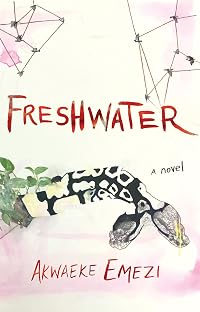
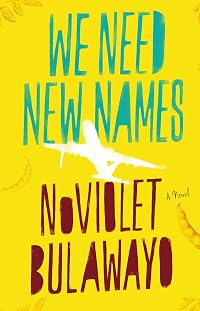
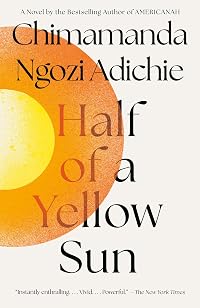

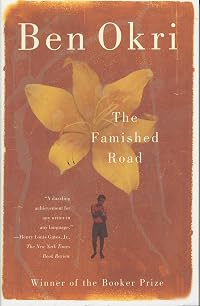

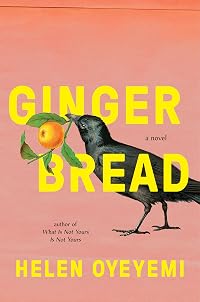
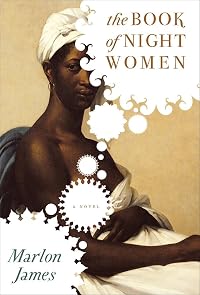
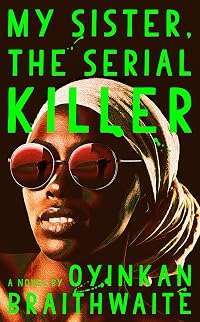
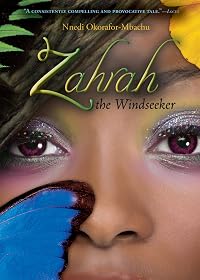
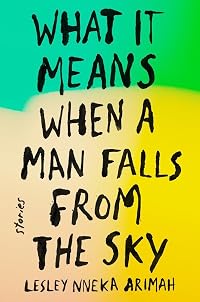
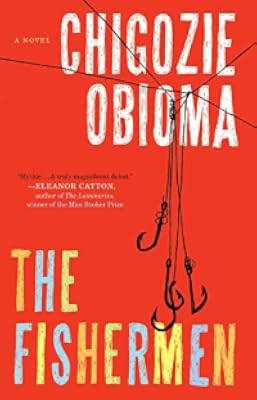
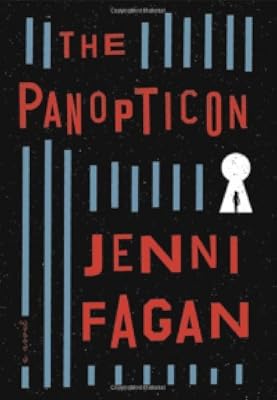

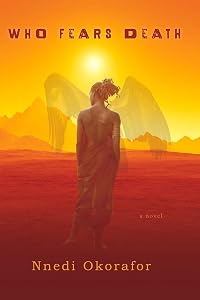
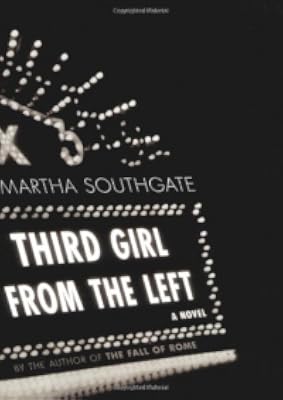
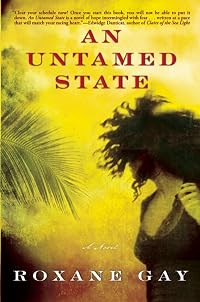
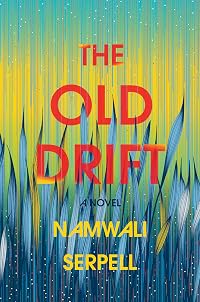
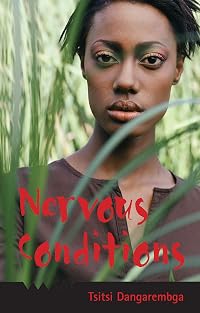
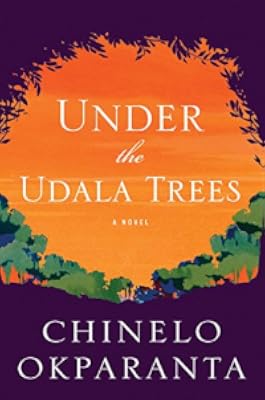

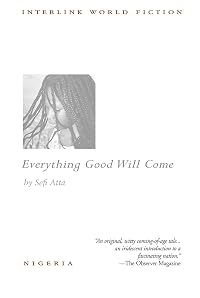
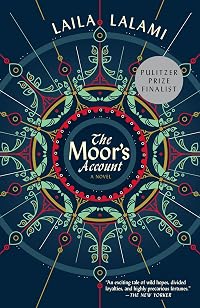
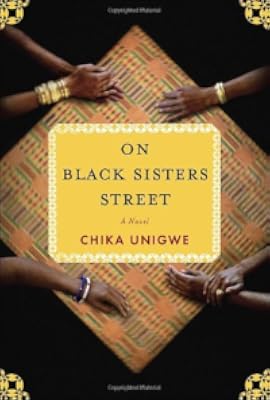
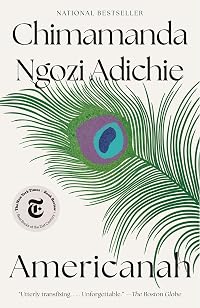
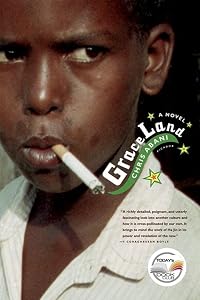
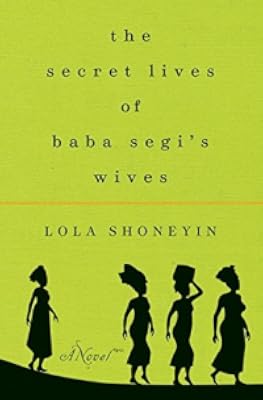
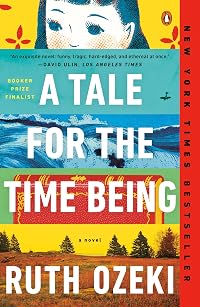

Member Recommendations
Member Reviews
Jessamy Harrison, the child of a British father and a Nigerian mother, is a sensitive, intelligent, and altogether difficult child. Prone to reading Shakespeare and writing haiku at the tender age of 8, she is also antisocial and regularly throws screaming tantrums that literally make her feverish and ill. Her mother, concerned that her mixed-race child has no connection to Nigeria, takes Jess to visit her extended family there. Making few connections other than to her beloved grandfather, Jess feels almost as isolated in Nigeria as in England. When she meets a Nigerian girl about her own age, therefore, Jess is desperate to make friends. Nicknaming her new friend TillyTilly because she has trouble pronouncing her Yoruba name, Jess show more throws herself wholeheartedly into making TillyTilly like her. After Jess and her family return to England, however, the strange and fey TillyTilly shows up there as well, claiming her family has moved into the area. Jess is too thrilled by having her friend back to really question that story, or even to question why no one but she herself ever seems to see TillyTilly. Soon, their friendship turns cruel and obsessive as TillyTilly demonstrates a strange knowledge of dark magic and darker secrets and Jess begins to realize that her friend is no friend at all, but might just be a spirit out of Yoruba myth—or might be a repressed part of Jess’s own psyche.
Dark, disturbing, and creepily ambiguous, “The Icarus Girl” adroitly captures the confusion and fear of an intelligent, but young, child thrust into situations beyond her ability to grasp. The mingling of Yoruba myth and Western psychology is apt and compelling. show less
Dark, disturbing, and creepily ambiguous, “The Icarus Girl” adroitly captures the confusion and fear of an intelligent, but young, child thrust into situations beyond her ability to grasp. The mingling of Yoruba myth and Western psychology is apt and compelling. show less
I seem to have gone in reverse order, reading Oyeyemi’s latest book first, and reading her first novel second, but at least I was a bit more prepared for the oddness of her narratives this time around. Once again, her chosen protagonist is a young, troubled girl, but the supernatural elements of the story played a more central role in exploring the themes around psychology and childhood behaviour. It is unclear whether Jessamy is truly schizophrenic (I don’t think so), or whether her demons are a part of the outside world and have latched on to her since she is the only person who can see them. Her story starts out simply enough, with a trip to Nigeria to visit her mother’s extended family, but Jessamy develops a friendship with a show more girl who it seems pretty clear to readers is not of this world. I’m no expert on African mythology, but the idea of deceased family members (especially twins) coming back as ghostly beings of varying power is common to most mythos and it was immediately clear that Titiola was some sort of familiar spirit who had latched on to Jessamy. At the beginning of the story she seems friendly enough, but Jess is an isolated child at this point, and once she begins to stand up for herself against the schoolyard bully, get counselling for her behavioural problems, and makes a real friend the behavior of Titiola becomes increasingly unpredictable and selfish. The climax of the story comes in waves of sorts, as Jessamy realizes that Titiola is not looking out for her best interests and is uncontrollable, but Oyeyemi leaves readers on the edge of their seats as the story ends with Jess gathering her psychological strength to face her rival in the midst of a coma but not revealing the outcome. In some ways I’m annoyed by this ending, but it leaves me in mind of the often unrealized finales of most fairytales whose conclusions have been lost to time, so ultimately I’m left rather enjoying this tale. show less
Jessamy Wuraola Harrison is eight, the child of a Nigerian immigrant author, Sarah, and an English accountant father, Daniel. Jess is precocious, intensely verbal and disarmingly sensitive. She is awash with feelings and emotions that she doesn’t understand or even accept. And she can’t even put into words the depths of her fears. So when, while on a visit to her Nigerian grandfather’s compound, she meets a little girl who seems to just ‘get’ her, Jess is understandably delighted and a bit in awe. Moreover, Titiola, who Jess calls TillyTilly, appears to have remarkable powers. TillyTilly can open locked doors, float in the air, appear at an instant and is willing to put her powers to use at Jessy’s behest (even if Jessy show more doesn’t say she wants this) in order for Jess’s enemies to be ‘got’. When TillyTilly shows up in London after Jess’s Nigerian summer holiday, Jess is at first over the moon. But soon she is a bit frightened at what TillyTilly is capable of. And soon enough, terrified.
Bracketed by sections set in Nigeria, the lengthy middle section of this intriguing novel takes place in London. We follow Jess through her unhappy school year, her tantrums and friendships, and her numerous ‘illnesses’. Clearly something is wrong with Jess, but her parents are at a loss as to what it might be. And while light begins to shine on various areas of her life, the source of Jess’s internal strife remains obscure. This might be an account of childhood mental illness. Or it might be an intrusion into the real world by the not entirely real. Or, it might be ancient Nigerian spirits wreaking havoc.
This is Helen Oyeyemi’s first novel, which was written when she was a teenager. As such, it displays remarkable agility and imaginative power. It may also suffer from a certain degree of exuberance and meandering (in the middle section). But if you set aside the precociousness of the writing, you’ll still be left with a remarkable tale of cross-cultural conflicts and anxieties, and a sensitive treatment of the switchback emotional confusions of childhood. In the end, the reader is left bemused, perhaps, and possibly a bit anxious. But not disappointed. Oyeyemi’s career will be a pleasure to watch develop. Gently recommended. show less
Bracketed by sections set in Nigeria, the lengthy middle section of this intriguing novel takes place in London. We follow Jess through her unhappy school year, her tantrums and friendships, and her numerous ‘illnesses’. Clearly something is wrong with Jess, but her parents are at a loss as to what it might be. And while light begins to shine on various areas of her life, the source of Jess’s internal strife remains obscure. This might be an account of childhood mental illness. Or it might be an intrusion into the real world by the not entirely real. Or, it might be ancient Nigerian spirits wreaking havoc.
This is Helen Oyeyemi’s first novel, which was written when she was a teenager. As such, it displays remarkable agility and imaginative power. It may also suffer from a certain degree of exuberance and meandering (in the middle section). But if you set aside the precociousness of the writing, you’ll still be left with a remarkable tale of cross-cultural conflicts and anxieties, and a sensitive treatment of the switchback emotional confusions of childhood. In the end, the reader is left bemused, perhaps, and possibly a bit anxious. But not disappointed. Oyeyemi’s career will be a pleasure to watch develop. Gently recommended. show less
Truly creepy and definitely not something I’ve read before. I was very interested in the glimpses of Yoruban Nigerian culture and system of beliefs. Jessamy’s point of view was compelling, and my feelings toward her went from tender to traumatized to terrified and back again. Though I found the narrative oddly meandering and episodic and the ending abrupt and unsatisfying, I would still recommend this for its utterly believable child’s narrative voice and its utterly believable horror.
Garota Ícaro é um livro que comprei há quase 10 anos num sebo da universidade porque era um livro de terror baseado na mitologia nigeriana, e assim ficou na temida Estante por anos a fio até um dia que eu decidi que ao ir viajar com a firma para o Club Med, valia ter um livrinho pra ler e terror é um bom gênero pra tal.
A escritora é nigeriana de origem, agora mora em Londres, e escreveu esse livro aos 18 anos nos fins de semana, o que é de fato bastante impressionante. Naturalmente, como seu primeiro livro, ainda tem muito o que lapidar aqui, mas o livro é legalzinho, e me deu vontade de revisitar a autora eventualmente.
O enredo se centra em torno de Jessamy, uma criança inglesa filha de mãe nigeriana e pai inglês, e show more naturalmente gira em torno das questões de identidade da garota, que passa a ser assombrada após uma viagem à Nigéria para conhecer a família materna. Jessamy tem frequentes ataques na escola, com muita dificuldade de fazer amigas e sofrendo bullying por suas origens raciais mistas. Com a viagem, porém, os problemas pioram, pois Jess passa a ter uma entidade chamada TillyTilly como amiga. Inicialmente dada como imaginária por seus pais, TillyTilly passa a gerar comportamentos cada vez mais problemáticos em Jess, o que por sua vez fissura o casamento de seus pais. O pai, inglês, quer pegar leve com a garota e buscar soluções médicas, enquanto a mãe crê que é a magia nigeriana ou um tapa que podem dar solução. Eventualmente, Jess descobre que tinha uma irmã gêmea, Fern, através das visões que TillyTilly lhe fornece; aparentemente, TillyTilly está na mesma situação, sendo a gêmea remanescente. O folclore nigeriano dos iorubás define que, quando um dos gêmeos morre, uma estátua ibeji deve ser feita em sua homenagem, e os pais devem tratá-la como o filho perdido, sob a pena de terem punições divinas caso não o façam. Naturalmente, os pais de Jess estão agora às voltas com essa assombração, que passa a possuir sua filha cada vez mais, tendo até que trancá-la no porão. A mãe eventualmente começa a entender que há algo de errado, eles voltam para a Nigéria e no fim Jessamy parece finalmente tomar conta da situação.
O livro acaba se tornando meio repetitivo, e o fim é meio sem sal, mas eu de fato em alguns momentos fiquei meio assustadinho, o que é foda, nunca tinha lido terror, e me deu vontade de ler mais do gêner, da autora e de literatura de origem africana no geral. show less
A escritora é nigeriana de origem, agora mora em Londres, e escreveu esse livro aos 18 anos nos fins de semana, o que é de fato bastante impressionante. Naturalmente, como seu primeiro livro, ainda tem muito o que lapidar aqui, mas o livro é legalzinho, e me deu vontade de revisitar a autora eventualmente.
O enredo se centra em torno de Jessamy, uma criança inglesa filha de mãe nigeriana e pai inglês, e show more naturalmente gira em torno das questões de identidade da garota, que passa a ser assombrada após uma viagem à Nigéria para conhecer a família materna. Jessamy tem frequentes ataques na escola, com muita dificuldade de fazer amigas e sofrendo bullying por suas origens raciais mistas. Com a viagem, porém, os problemas pioram, pois Jess passa a ter uma entidade chamada TillyTilly como amiga. Inicialmente dada como imaginária por seus pais, TillyTilly passa a gerar comportamentos cada vez mais problemáticos em Jess, o que por sua vez fissura o casamento de seus pais. O pai, inglês, quer pegar leve com a garota e buscar soluções médicas, enquanto a mãe crê que é a magia nigeriana ou um tapa que podem dar solução. Eventualmente, Jess descobre que tinha uma irmã gêmea, Fern, através das visões que TillyTilly lhe fornece; aparentemente, TillyTilly está na mesma situação, sendo a gêmea remanescente. O folclore nigeriano dos iorubás define que, quando um dos gêmeos morre, uma estátua ibeji deve ser feita em sua homenagem, e os pais devem tratá-la como o filho perdido, sob a pena de terem punições divinas caso não o façam. Naturalmente, os pais de Jess estão agora às voltas com essa assombração, que passa a possuir sua filha cada vez mais, tendo até que trancá-la no porão. A mãe eventualmente começa a entender que há algo de errado, eles voltam para a Nigéria e no fim Jessamy parece finalmente tomar conta da situação.
O livro acaba se tornando meio repetitivo, e o fim é meio sem sal, mas eu de fato em alguns momentos fiquei meio assustadinho, o que é foda, nunca tinha lido terror, e me deu vontade de ler mais do gêner, da autora e de literatura de origem africana no geral. show less
The Icarus Girl is a strange story about a lonely eight-year-old girl named Jessamy (Jess) who acquires an imaginary friend/double/doppelganger/ghost twin/personal demon/evil spirit she calls TillyTilly. Like most such beings, TillyTilly can be a good companion when she wants to be, but, more often than not, she is jealous and destructive. Lots of mysterious things happen and there is always plenty of screaming when TillyTilly's around. Only Jess can see TillyTilly, and the girl's British father and Nigerian mother believe that Jess does all the bad things she blames on her invisible friend, such as smashing her mother's computer and pushing another girl down the stairs.
I have mixed feelings about this novel, which according to the show more jacket copy "draws on Nigerian mythology to present a strikingly original variation on a classic literary theme, the existence of 'doubles', both real and spiritual, who play havoc with our perceptions and our lives." I feel sorry for young Jess. TillyTilly is an impossible burden to bear, and Jess's distracted parents are clueless about their daughter's anguish. The writing is generally good, and I particularly liked the descriptions of Jess's mother's family's everyday life in Nigeria (where soft drinks are called "minerals" and a delicacy called "puff-puff" is considered a real treat), but the scenes involving TillyTilly are over-the-top. Despite its literary aspirations, The Icarus Girl is essentially a rewrite of "Living Doll," the Twilight Zone episode in which a character played by Telly Savalas is tormented by his stepdaughter's doll/doppelganger "Talky Tina".
A final note: although the title "The Icarus Girl" implies a story of overreaching ambition and failure, these themes are not present in the book. There are no references to Greek mythology that I could find, either.
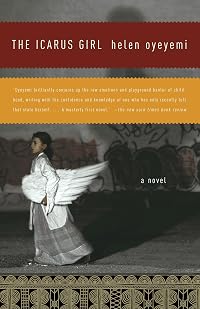
I chose this book because I liked the cover, which depicts a young, resolute girl carrying feathered wings. However, unless I'm missing something, the cover, like the title, has nothing to do with the book's content. show less
I have mixed feelings about this novel, which according to the show more jacket copy "draws on Nigerian mythology to present a strikingly original variation on a classic literary theme, the existence of 'doubles', both real and spiritual, who play havoc with our perceptions and our lives." I feel sorry for young Jess. TillyTilly is an impossible burden to bear, and Jess's distracted parents are clueless about their daughter's anguish. The writing is generally good, and I particularly liked the descriptions of Jess's mother's family's everyday life in Nigeria (where soft drinks are called "minerals" and a delicacy called "puff-puff" is considered a real treat), but the scenes involving TillyTilly are over-the-top. Despite its literary aspirations, The Icarus Girl is essentially a rewrite of "Living Doll," the Twilight Zone episode in which a character played by Telly Savalas is tormented by his stepdaughter's doll/doppelganger "Talky Tina".
A final note: although the title "The Icarus Girl" implies a story of overreaching ambition and failure, these themes are not present in the book. There are no references to Greek mythology that I could find, either.
I chose this book because I liked the cover, which depicts a young, resolute girl carrying feathered wings. However, unless I'm missing something, the cover, like the title, has nothing to do with the book's content. show less
The story of a precocious 8 year-old girl seemingly unable to cope with the pressures of skipping a grade, The Icarus Girl opened strong and certainly captured my interest. Told from the perspective of the main character Jess, the story unfolds in an appropriately disjointed fashion as she moves between England and Nigeria. Her internalization of Nigerian folk-tales as she attempts to process emerging family secrets is well-drawn, and I certainly felt her pain as her world fractures around her. Ultimately though, I was disappointed with the deus-ex-machina ending and the total lack of resolution of any of the questions raised in the novel. The story was haunting, and Oyeyemi skillfully built tension with her talented prose, but those show more skills seemed to evaporate in the final 25-page section of the book. Regardless, the book was a good read, and probably rates 3.5 stars. show less
Members
- Recently Added By
Published Reviews
ThingScore 85
''The Icarus Girl'' explores the melding of cultures and the dream time of childhood, as well as the power of ancient lore to tint the everyday experiences of a susceptible little girl's seemingly protected life. Deserving of all its praise, this is a masterly first novel -- and a nightmarish story that will haunt Oyeyemi's readers for months to come.
added by PhoenixFalls
As Tilly's visits become more insinuating and her pranks more threatening, the mystery and suspense of the story grow. But as Oyeyemi toys with our perceptions, she also strains credulity and ''The Icarus Girl" gets a bit far-fetched and tedious after a while. It's a beautifully written and hauntingly memorable debut novel that gets mired in mysticism.
added by PhoenixFalls
When older writers create child narrators, they often either romanticize childhood as a time when everything seemed possible, or cast it in an obscuring shadow -- "kids can be so cruel to each other" -- from the safety of middle age. But Oyemi writes about childhood as if she were not inventing but truly remembering it, not through the distancing lens of time, but as scary and magical as it show more really was. show less
added by PhoenixFalls
Lists

Recommend the 20 best books you've read in the last five years
2,168 works; 606 members

Best Fantasy Novels
821 works; 358 members

Scary Stories for the Season
160 works; 94 members

Top Five Books of 2018
802 works; 264 members

Literature by People of Color
81 works; 9 members

Black Authors
384 works; 32 members

75 Books Challenge Halloween Read "Official" Selections
71 works; 7 members

75 Books Challenge 2015 Halloween Read long list
45 works; 4 members

Books Read in 2015
3,299 works; 126 members

First Novels
373 works; 17 members

Recommended Speculative Fiction by Women and People of Color
298 works; 45 members

Diverse Horror
262 works; 6 members

Speculative Fiction from around the World
610 works; 18 members

Books I read in high school
52 works; 1 member
Books I Wrote Essays on
34 works; 1 member
Best Audiobooks
240 works; 114 members
Author Information

14+ Works 9,044 Members
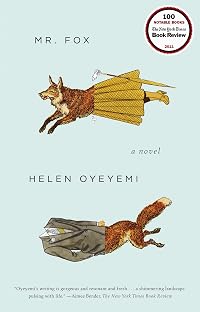
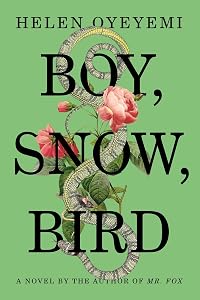
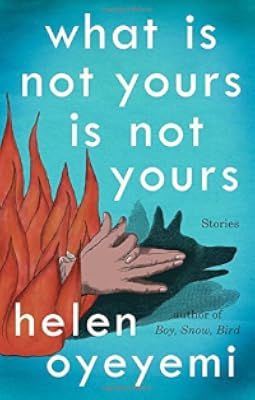
Helen Oyeyemi was born on December 10, 1984 in Nigeria. She attended Corpus Christie College and later graduated form Cambridge University in 2006. She has authored seven books including: Boy, Snow, Bird, What is Not Yours in Not Yours, Mr. Fox and The Icarus Girl. She won the PEN/Open Book Award in 2017 for "What is Not Yours is Not Yours". show more (Bowker Author Biography) show less
Some Editions
Awards and Honors
Awards
Notable Lists
Common Knowledge
- Canonical title
- The Icarus Girl
- Original publication date
- 2005-01-17
- People/Characters
- Jessamy Wuraola Harrison; TillyTilly; Sarah Harrison; Daniel Harrison; Siobhan MacKenzie; Dr. Colin MacKenzie (show all 7); Gbenga Oyegbebi
- Important places
- Ibadan, Nigeria; London, England, UK
- Epigraph
- Alone I cannot be -
For Hosts - do visit me -
Recordless Company...
Emily Dickinson
The Complete Poems of Emily Dickinson - Dedication
- This is all for
Mary Oyeyemi
'Tony
and the other 'Tony, from before. - First words
- "Jess?"
- Last words
- (Click to show. Warning: May contain spoilers.)Jessamy Harrison woke up and up and up and up.
- Blurbers
- Sakamoto, Kerri; Abani, Chris
Classifications
Statistics
- Members
- 1,029
- Popularity
- 25,167
- Reviews
- 30
- Rating
- (3.44)
- Languages
- 10 — Dutch, English, French, German, Greek, Italian, Korean, Portuguese, Spanish, Swedish
- Media
- Paper, Audiobook, Ebook
- ISBNs
- 29
- ASINs
- 5