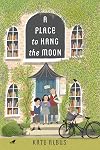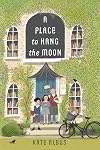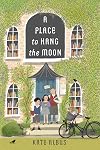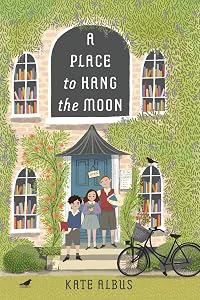
A Place to Hang the Moon
by Kate Albus
On This Page
Description
In World War II England, orphaned siblings William, Edmund, and Anna are evacuated from London to live in the countryside, where they bounce from home to home in search of someone willing to adopt them permanently.Tags
Recommendations
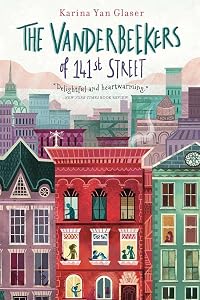

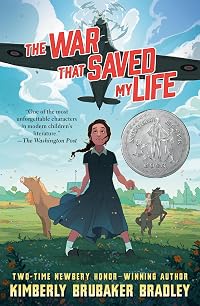
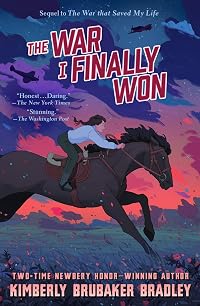

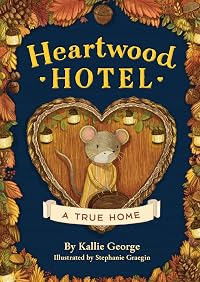
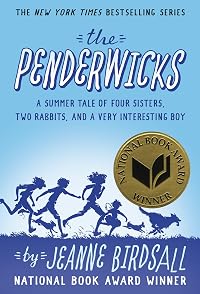

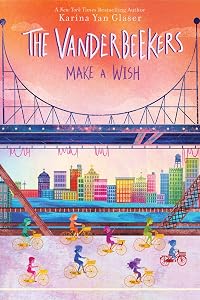

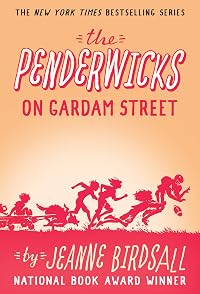
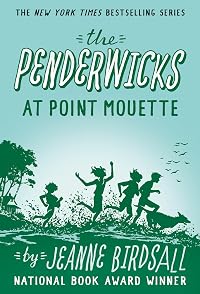
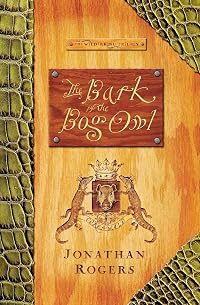
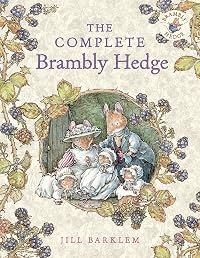
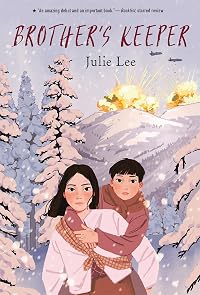
Member Recommendations
Member Reviews
I heard this middle-grade novel about WWII evacuees discussed on a podcast recently, and it sounded worth a go. I absolutely loved it. It's sweet but not overly so, and the dangers, perils, and hardships that face William, Edmund, and Anna, three bookish orphaned siblings, as they are sent away from London to the countryside just before the height of the Blitz are not shied away from. There's a lot here about how the library and their love of stories got them through (which made me snuggle happily into the book), as well as run-ins with unkind (or simply overburdened) adults who don't quite understand them. The children have hidden the fact that they're orphans and are hoping that one of their billets will turn out to contain a family show more that will want to keep them forever. The older children (the boys) in particular do some growing up that is pleasant to watch and not preachy. And of course there is one really good adult (who is the most good primarily because she understands these particular children, not because she is actually any better than most of the other adults in the story, and I loved that bit), and of course things work out as they should in the end. Recommended. show less
The three young Pearce children have no one left to care for them when their custodial grandmother dies, leaving them her substantial estate. The grandmother's elderly housekeeper, Miss Collins, and the family solicitor, Mr. Engersoll, arrange to have William, Anna and Edmund evacuated from London with a group of children from a nearby school...it's 1940, and the countryside is considered a safer place for children, with German bombing raids a major concern. They even dare to hope the children might end up with a family willing to take them in permanently. With the help of the Women's Voluntary Service and a local school teacher, the children are billeted with a family in an unnamed village several hours' train ride from the city. The show more family includes two young sons, who are not best pleased to be hosting "filthy vackies", and are right nasty about it. The Collins/Engersoll "preposterous plan" looks more preposterous than ever, but the children do their best to get along. A very kind and intuitive librarian is a big help, and we are treated to her recommendations for 12-year old William and his younger sibs. From the beginning, the author makes us feel that somehow things will work out for these three, and seeing how that happens makes for a very comforting read. If you enjoy well-done juvenile fiction this one ought to ring your bell. show less
This middle grade, historical fiction is a debut gem by Kate Albus. Three siblings are sent to the countryside at the beginning of the London Blitz—but no one knows they're orphans. They were raised by a cold-hearted grandmother after their parents died, and now she's deceased, too, leaving no other relatives and no one named in their grandmother's will to raise them. Since so many other children are being sent away from the city, the solicitor of the estate suggests the "preposterous plan" of having them join a group of evacuees and look for a family who might take them in forever, but without revealing their wealth.
The children face hardships with resilience, and often with humor, but each in their own way as 12-year-old William, show more 11-year-old Edmund, and 9-year-old Anna have distinct personalities. But what all three want most is just for someone to love them. Sounds a bit sappy when I say it, but Albus has written authentic dialogue and scenes true to the period.
Happily adding this to our grade 4/5 school library, but I'd encourage it as an adult read also. We all deserve to have someone in our lives who thinks we hang the moon. show less
The children face hardships with resilience, and often with humor, but each in their own way as 12-year-old William, show more 11-year-old Edmund, and 9-year-old Anna have distinct personalities. But what all three want most is just for someone to love them. Sounds a bit sappy when I say it, but Albus has written authentic dialogue and scenes true to the period.
Happily adding this to our grade 4/5 school library, but I'd encourage it as an adult read also. We all deserve to have someone in our lives who thinks we hang the moon. show less
You know how Elizabeth George has written like 50 mysteries about England, but she herself is American? Perhaps you don't. But Kate Albus is from America, and this story is about England. So much about England. The nostalgia is palpable. It's like Disneyland's idea of England. Enid Blyton and Harry Potter, and every 1940s evacuee novel you've ever, ever read. It's not bad. It just makes me want to reread Carrie's War, which was written by a Brit, much closer in time to the 1940s.
Juvenile historical fiction with lots of heart!
WWII-era wealthy London siblings William, Edmund and Anna, twice orphaned (first their parents died, followed by the death of their grandmother seven years later) are evacuated to the English countryside with other children. Their secondary goal, besides surviving the war, is to use the evacuation to possibly find a forever family to be their new guardians.
The children are met with various difficulties during their billeting in the countryside. Books play an important part of this comforting story.
WWII-era wealthy London siblings William, Edmund and Anna, twice orphaned (first their parents died, followed by the death of their grandmother seven years later) are evacuated to the English countryside with other children. Their secondary goal, besides surviving the war, is to use the evacuation to possibly find a forever family to be their new guardians.
The children are met with various difficulties during their billeting in the countryside. Books play an important part of this comforting story.
I can't remember the last time a book made me cry with joy. What a lovely, lovely story! A Place to Hang the Moon made me remember why I fell in love with books and reading as a young child.
The unique personalities of all three children were so well rounded out I felt as though I knew all of them. I found myself thinking "I bet William is going to grow up to be a fine man and a wonderful dad some day." and "I'll bet Edmund grows up to be a teacher." The three orphans are all book lovers and avid readers and there are plenty of references to the children's literature that I read as a child. As evacuees during the Blitz they're outsiders in the small country village they evacuate to, and to find a place that feels like 'home' to them show more they gravitate to the library. There they find and befriend the librarian, Mrs. Muller, herself an outsider for being married to a German man. I can't say more without spoiling the story...just that this was a breath of fresh air in the manner of the old-school Newbery winners of the 50's and 60's.
Well developed characters - 1 star
Literary children - 1 star
Hero/Librarian! - YES! 3 stars! show less
The unique personalities of all three children were so well rounded out I felt as though I knew all of them. I found myself thinking "I bet William is going to grow up to be a fine man and a wonderful dad some day." and "I'll bet Edmund grows up to be a teacher." The three orphans are all book lovers and avid readers and there are plenty of references to the children's literature that I read as a child. As evacuees during the Blitz they're outsiders in the small country village they evacuate to, and to find a place that feels like 'home' to them show more they gravitate to the library. There they find and befriend the librarian, Mrs. Muller, herself an outsider for being married to a German man. I can't say more without spoiling the story...just that this was a breath of fresh air in the manner of the old-school Newbery winners of the 50's and 60's.
Well developed characters - 1 star
Literary children - 1 star
Hero/Librarian! - YES! 3 stars! show less
Recommended by Ethel
William, Edmund, and Anna Pearce's parents died when William was five, and their grandmother, who was nominally taking care of them, has passed away. The affectionate housekeeper is too old to care for three children, so the family solicitor comes up with a plan: the three children will evacuate London along with thousands of other British school children, and hope that their host family will want to adopt them - permanently. Even the children can see that this is an unlikely idea, but it's their only choice; determined to stay together, the three of them board a train out of London.
The three children are taken in first by a family whose sons call them "filthy vackies"; their next billet is with a poor woman whose show more husband is at the front, and who has no affection for additional children; and finally, when she slaps Edward, the three of them reveal their predicament to the kind librarian, Mrs. Müeller, who is shunned in the town for having married a German. In a Christmas miracle, Mrs. Müeller takes them in, but they still aren't sure if they can trust her with their true story - that they haven't got a relative to return to in London, even when it's safe to do so.
Absolute catnip for book-lovers and librarians, or anyone who likes WWII fiction set in England. The three children are easy to root for, and Nora's kindness is evident from the first time they meet her.
See also: The War That Saved My Life by Kimberly Brubaker Bradley, A Talent for Trouble by Natasha Farrant, A Little Princess by Frances Hodgson Burnett, The Enchanted Wood by Enid Blyton, The Children of Green Knowe by L.M. Boston, Orphan Train by Christina Baker Kline, Greenglass House by Kate Milford
Quotes
Hope and imagination. How funny that the dour old solicitor should choose those words. For children - above all other creatures - are naturally endowed with extraordinary capacities for both. (17)
Fibs, you must know, are entirely acceptable when they serve the purpose of getting one to the library. (69)
"To be blamed for something one did not do is a painful injustice indeed." (Mrs. Müeller to Edmund, 125)
"I believe it was the poet, Mr. Yeats, who said that the world is full of magic things, patiently waiting for our senses to grow sharper?" (Mrs. Müeller to Edmund, 243)
Anna might not have known what to say, but she knew what to do. (267)
The librarian studied Anna and Edmund the way she had so often - as if she had been painting their portraits and suddenly realized she had got the colors all wrong. (273) show less
William, Edmund, and Anna Pearce's parents died when William was five, and their grandmother, who was nominally taking care of them, has passed away. The affectionate housekeeper is too old to care for three children, so the family solicitor comes up with a plan: the three children will evacuate London along with thousands of other British school children, and hope that their host family will want to adopt them - permanently. Even the children can see that this is an unlikely idea, but it's their only choice; determined to stay together, the three of them board a train out of London.
The three children are taken in first by a family whose sons call them "filthy vackies"; their next billet is with a poor woman whose show more husband is at the front, and who has no affection for additional children; and finally, when she slaps Edward, the three of them reveal their predicament to the kind librarian, Mrs. Müeller, who is shunned in the town for having married a German. In a Christmas miracle, Mrs. Müeller takes them in, but they still aren't sure if they can trust her with their true story - that they haven't got a relative to return to in London, even when it's safe to do so.
Absolute catnip for book-lovers and librarians, or anyone who likes WWII fiction set in England. The three children are easy to root for, and Nora's kindness is evident from the first time they meet her.
See also: The War That Saved My Life by Kimberly Brubaker Bradley, A Talent for Trouble by Natasha Farrant, A Little Princess by Frances Hodgson Burnett, The Enchanted Wood by Enid Blyton, The Children of Green Knowe by L.M. Boston, Orphan Train by Christina Baker Kline, Greenglass House by Kate Milford
Quotes
Hope and imagination. How funny that the dour old solicitor should choose those words. For children - above all other creatures - are naturally endowed with extraordinary capacities for both. (17)
Fibs, you must know, are entirely acceptable when they serve the purpose of getting one to the library. (69)
"To be blamed for something one did not do is a painful injustice indeed." (Mrs. Müeller to Edmund, 125)
"I believe it was the poet, Mr. Yeats, who said that the world is full of magic things, patiently waiting for our senses to grow sharper?" (Mrs. Müeller to Edmund, 243)
Anna might not have known what to say, but she knew what to do. (267)
The librarian studied Anna and Edmund the way she had so often - as if she had been painting their portraits and suddenly realized she had got the colors all wrong. (273) show less
Members
- Recently Added By
Lists

Best Summer Read Alouds
6 works; 1 member

Books for Tori
11 works; 1 member

Lucy 2023 Golden Sower Nominees
30 works; 1 member

Books Read in 2026
1,905 works; 66 members

Found Family
32 works; 1 member
Author Information

2 Works 1,014 Members
Some Editions
Awards and Honors
Awards
Distinctions
Notable Lists
Common Knowledge
- Original publication date
- 2021-02-02
- People/Characters
- Edmund Pearce; Anna Pearce; William Pearce; Nora Müller
- Important events
- World War II
- Dedication
- For Luke and Olivia... who hung the moon
- First words
- Funeral receptions can be tough spots to find enjoyment, but eleven-year-old Edmund Pearce was doing his best.
- Last words
- (Click to show. Warning: May contain spoilers.)"It's time to start a new story."
- Publisher's editor
- Putter, Raina; Ferguson, Margaret
- Blurbers
- Giff, Patricia Reilly
- Original language
- English
Classifications
- Genres
- Kids, Tween, Children's Books, Fiction and Literature
- DDC/MDS
- 813.6 — Literature & rhetoric American literature in English American fiction in English 2000-
- LCC
- PZ7.1 .A432 .P — Language and Literature Fiction and juvenile belles lettres Fiction and juvenile belles lettres Juvenile belles lettres
- BISAC
Statistics
- Members
- 896
- Popularity
- 30,012
- Reviews
- 24
- Rating
- (4.47)
- Languages
- Chinese, English
- Media
- Paper, Audiobook, Ebook
- ISBNs
- 8
- ASINs
- 3