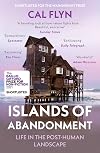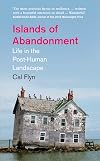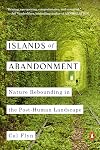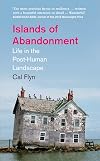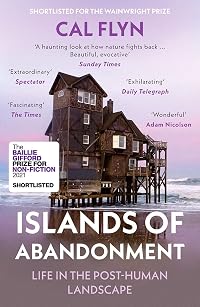
Islands of Abandonment: Life in the Post-Human Landscape
by Cal Flyn
On This Page
Description
"As if Annie Dillard walked into THE WORLD WITHOUT US: a beautiful, lyrical exploration of the places where nature is flourishing in our absence Some of the only truly feral cattle in the world wander a long-abandoned island off the northernmost tip of Scotland. A variety of wildlife not seen in many lifetimes has rebounded on the irradiated grounds of Chernobyl. A lush forest supports thousands of species that are extinct or endangered everywhere else on earth in the Korean peninsula's show more narrow DMZ. Cal Flyn, an investigative journalist, exceptional nature writer, and promising new literary voice visits the eeriest and most desolate places on Earth that due to war, disaster, disease, or economic decay, have been abandoned by humans. What she finds every time is an "island" of teeming new life: nature has rushed in to fill the void faster and more thoroughly than even the most hopeful projections of scientists. ISLANDS OF ABANDONMENT is a tour through these new ecosystems, in all their glory, as sites of unexpected environmental significance, where the natural world has reasserted its wild power and promise. And while it doesn't let us off the hook for addressing environmental degradation and climate change, it's a case that hope is far from lost, and is ultimately a story of redemption. The most polluted spots on Earth can be rehabilitated through ecological processes, and in fact they already are"-- show lessTags
Recommendations
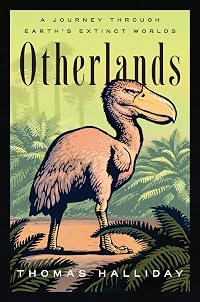
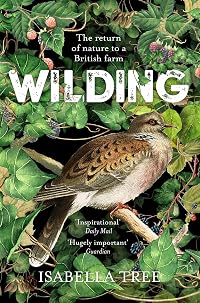
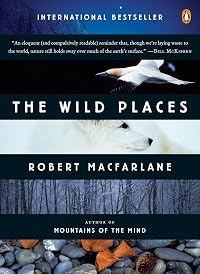
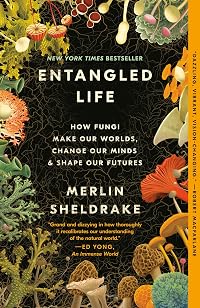

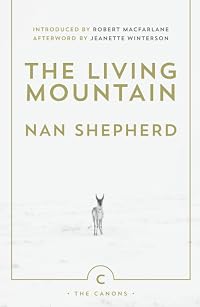
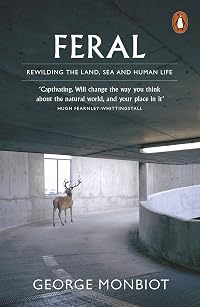
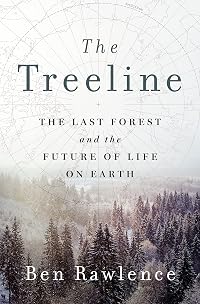
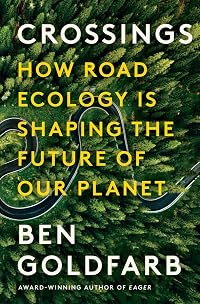
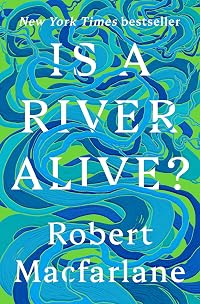
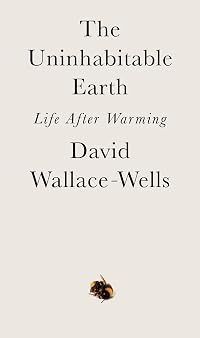
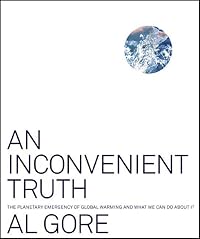
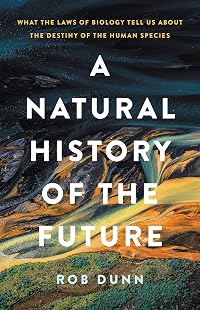
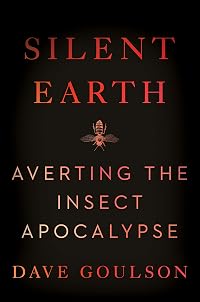
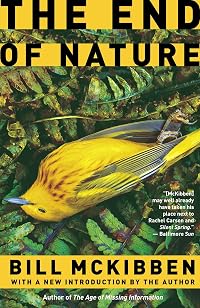
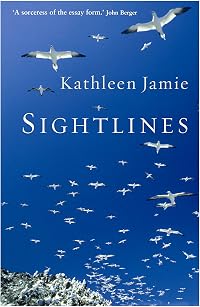


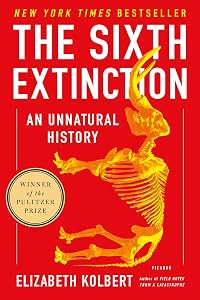


Member Recommendations
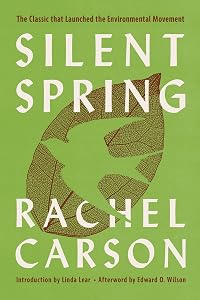
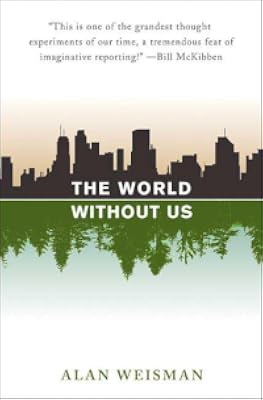
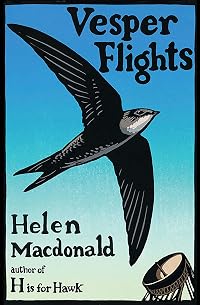
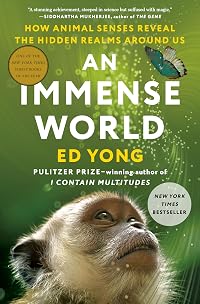
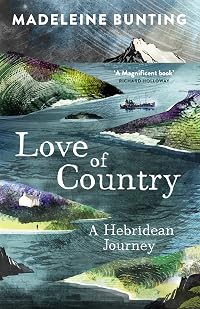
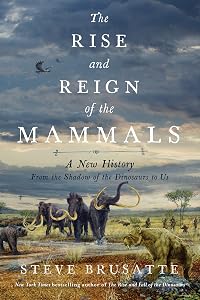
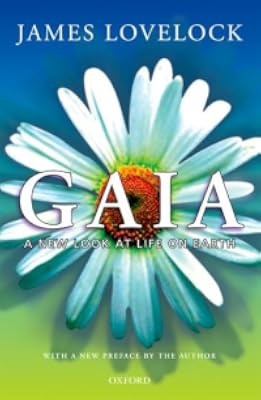
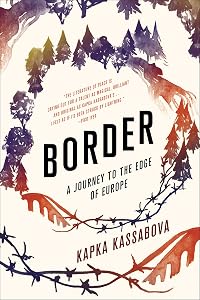
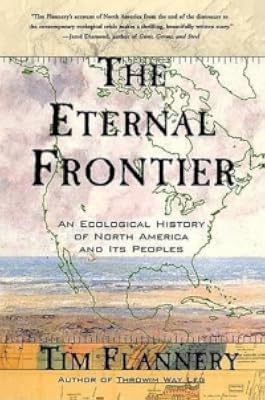
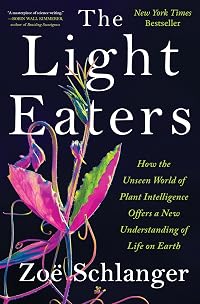
Heather39 Both books are about nature recovering in the absence of humans.
Member Reviews
This is quite good, and unusual. Cal graduated from Oxford University in experimental psychology, with a focus on the 'psychology of abandoned places'. A fancy way of saying, she has thought deeply about the many dimensions of abandonment. She has literary sensibilities, an eye for the poignant, and is a great writer. Cal visits a dozen places around the world and riffs on different themes. My favorite is about the herd of feral cows on an abandoned Scottish island farm - what does it mean to be feral, when will they revert to a fully wild species, will they ever be rid of vestiges of domestication? How do cows live when divorced from humans - it turns out, they are pretty interesting, unlike domestic cows. Their lives are legendary, show more with battles between males for dominance, the landscapes scarred by fights, the rise and fall of "kings", hermits, bone graveyard visits. Definitely in need of a Watership Down treatment.
Ultimately you get a sense that the human/nature divide doesn't really exist, humans are a part of the natural processes. This might seem obvious, but for many, humans are a weed, an invasive species. She mentions that invasive often go through a boom and bust cycle, the bigger the boom the harder they fall. Well, much to consider, nothing definitive or preachy, just some thoughts bravely exposed while exploring abandoned places. show less
Ultimately you get a sense that the human/nature divide doesn't really exist, humans are a part of the natural processes. This might seem obvious, but for many, humans are a weed, an invasive species. She mentions that invasive often go through a boom and bust cycle, the bigger the boom the harder they fall. Well, much to consider, nothing definitive or preachy, just some thoughts bravely exposed while exploring abandoned places. show less
What happens when we humans stop intervening in a place that we've previously been exploiting in some benign or (more often) harmful way? Bad things, you would expect, as our poisons and displacements of nature continue to take their effect, and a lot of the time that's clearly true, but Cal Flyn sets out to show in this book that nature is often a lot more resilient than we give it credit for. Or, to put it another way, that the simple presence of humans is usually more destructive to the ecology of a place than any nastiness we leave behind. She shows us the exceptional biodiversity to be found in places like Scottish oil-shale spoil heaps, the Cyprus ceasefire line, the Chernobyl exclusion zone, or abandoned agricultural land in the show more former Soviet Union. Rare species can sometimes recolonise a place astonishingly quickly on their own, and more effectively than happens in some managed nature reserves. Of course, that doesn't happen everywhere, and there are some poisons so harmful that it's very unlikely that life will ever find a way to work around them.
Flyn also looks at social effects of abandonment: the way "blight" spreads in a declining city like Detroit, damaging the physical and mental health of the community. But also at the way abandoned sites can provide a haven — albeit not a very safe one — for artistic and political expression by people who don't feel they belong in bourgeois society. She meets junkies in abandoned mills in New Jersey and survivalists on a former military base in the California desert, and tries to show us what they are about, even though she herself clearly doesn't feel very comfortable in their company.
Flyn makes it clear that she doesn't want to be read as an apologist for environmental recklessness, and that it is always better not to break things in the first place than to hope they will repair themselves, but she does seem to be arguing that an unrelieved pessimistic note in discourse about the environment can be even more damaging than false optimism. If we are convinced that life on earth is doomed anyway, there's not much incentive to change things. Flyn is clearly sure that life on earth will continue, with or without us, and that the best way to improve the odds is to stop whatever it is we are doing... show less
Flyn also looks at social effects of abandonment: the way "blight" spreads in a declining city like Detroit, damaging the physical and mental health of the community. But also at the way abandoned sites can provide a haven — albeit not a very safe one — for artistic and political expression by people who don't feel they belong in bourgeois society. She meets junkies in abandoned mills in New Jersey and survivalists on a former military base in the California desert, and tries to show us what they are about, even though she herself clearly doesn't feel very comfortable in their company.
Flyn makes it clear that she doesn't want to be read as an apologist for environmental recklessness, and that it is always better not to break things in the first place than to hope they will repair themselves, but she does seem to be arguing that an unrelieved pessimistic note in discourse about the environment can be even more damaging than false optimism. If we are convinced that life on earth is doomed anyway, there's not much incentive to change things. Flyn is clearly sure that life on earth will continue, with or without us, and that the best way to improve the odds is to stop whatever it is we are doing... show less
Islands of Abandonment is an exploration and meditation on how nature has recovered and reclaimed many abandoned and damaged sites around the world. Author Cal Flyn explores both well-known sites, such as Chernobyl and the DMZ between North and South Korea, and many more lesser-known ones, such as abandoned farmland in Estonia regrowing as forest and a tiny island in Scotland dominated by a herd of feral cows. She also explores the human history that led to such places being abandoned and meets those at the fringes of society who have chosen to make these places their homes. At turns both horrifying and hopeful, Islands of Abandonment is a fascinating, provocative, and sometimes disturbing read. It is encouraging to read about species show more adapting to and reclaiming even the most highly disturbed sites (and who knew that forest cover is actually increasing in some countries?), yet more than a little unsettling to see the damage that humans have done (and continue to do) to their environments. I think this is one of the best non-fiction books that I have read in some time, and it has given me much to think about. Highly recommended. show less
Once plastered white, the walls are marbled with grime, misted here and there in deep mold-green. Soon, though, it's too dark to tell. Despite stern words, spoken inward, I feel my pulse quicken.
At every corner, where the unknown looms tenebrous and forbidding, I need to force myself forward--take a breath, touch my fingers to the wall, feel my way around. I smell wet stone, soil, decay; the smell of the crypt....
The wind is moving fast through empty space: mighty currents of air, sucking the breath form my lungs. And the birds--the birds rise up as one great moving, wheeling mass. Screaming, squalling, outraged to see me-- here, now, on this island of abandonment.
While I expected the subject matter to be fascinating, I was unprepared show more for how lyrical and intimate Cal Flyn's writing is. I absolutely love this book.
The introduction, with the above excerpt, details Ms. Flyn's exploration of Inchkeith:
an island in the Firth of Forth, just four miles across the water from Edinburgh. In its time Inchkeith has been many things: the remote site for an early Christian "school of the prophets," later a quarantine island for those stricken with syphilis (banished there "till God provided for their health"), then a plague hospital and even an island prison, with water for walls.
It was also home to King James IV's "forbidden experiment". Last abandoned after WWII, it's become a breeding ground for dozens of bird species, as well as birthing grounds for seals, and home to various butterflies and moths.
In the first chapter, she also stays close to home, exploring the spoil heaps (bings) left behind in Scotland after the collapse of the oil industry, tying in lines from T.S. Eliot's Wasteland with the flora and fauna that have gradually taken root (literally and figuratively) in this former wasteland.
The second chapter, about the Buffer Zone in Cyprus, blew me away. Did everyone except me know about this? The Atlantic covered it in 2014. In addition to an exploration of what has happened physically in this "No Man's Land," she tells the story of Yiannakis Rousos, whose family fled their successful citrus farm in 1974 and (although they still own the land on paper) have been unable to return since.
From there, she explores an abandoned Soviet farming collective in Estonia, Chernobyl, Detroit, Paterson and Arthur Kill in New Jersey, the Zone Rouge, the Amani Imperial Biological-Agricultural Institute in Tanzania (where invasive species have spread outside an essentially abandoned botanical garden), then back to Scotland, to the island of Swona (home to some of the only truly feral cows in the world), to Plymouth, Montserrat (buried by volcanic flows in 1995), and finally to the Salton Sea in California.
Along the way, she explores what happens when humans abandon an area, often after leaving it virtually uninhabitable, and what that could mean for the planet in the long run.
It's a fascinating read -- one that I enthusiastically recommend and will read again.
Nonfiction November 2021: Book #1 show less
At every corner, where the unknown looms tenebrous and forbidding, I need to force myself forward--take a breath, touch my fingers to the wall, feel my way around. I smell wet stone, soil, decay; the smell of the crypt....
The wind is moving fast through empty space: mighty currents of air, sucking the breath form my lungs. And the birds--the birds rise up as one great moving, wheeling mass. Screaming, squalling, outraged to see me-- here, now, on this island of abandonment.
While I expected the subject matter to be fascinating, I was unprepared show more for how lyrical and intimate Cal Flyn's writing is. I absolutely love this book.
The introduction, with the above excerpt, details Ms. Flyn's exploration of Inchkeith:
an island in the Firth of Forth, just four miles across the water from Edinburgh. In its time Inchkeith has been many things: the remote site for an early Christian "school of the prophets," later a quarantine island for those stricken with syphilis (banished there "till God provided for their health"), then a plague hospital and even an island prison, with water for walls.
It was also home to King James IV's "forbidden experiment". Last abandoned after WWII, it's become a breeding ground for dozens of bird species, as well as birthing grounds for seals, and home to various butterflies and moths.
In the first chapter, she also stays close to home, exploring the spoil heaps (bings) left behind in Scotland after the collapse of the oil industry, tying in lines from T.S. Eliot's Wasteland with the flora and fauna that have gradually taken root (literally and figuratively) in this former wasteland.
The second chapter, about the Buffer Zone in Cyprus, blew me away. Did everyone except me know about this? The Atlantic covered it in 2014. In addition to an exploration of what has happened physically in this "No Man's Land," she tells the story of Yiannakis Rousos, whose family fled their successful citrus farm in 1974 and (although they still own the land on paper) have been unable to return since.
From there, she explores an abandoned Soviet farming collective in Estonia, Chernobyl, Detroit, Paterson and Arthur Kill in New Jersey, the Zone Rouge, the Amani Imperial Biological-Agricultural Institute in Tanzania (where invasive species have spread outside an essentially abandoned botanical garden), then back to Scotland, to the island of Swona (home to some of the only truly feral cows in the world), to Plymouth, Montserrat (buried by volcanic flows in 1995), and finally to the Salton Sea in California.
Along the way, she explores what happens when humans abandon an area, often after leaving it virtually uninhabitable, and what that could mean for the planet in the long run.
It's a fascinating read -- one that I enthusiastically recommend and will read again.
Nonfiction November 2021: Book #1 show less
Islands of Abandonment: Nature Rebounding in the Post-Human Landscape by Cal Flynn is not an easy read, but it is a thought-provoking one. Flynn visits sites that have been abandoned by humans, whether it’s due to industry, nuclear meltdown, a volcanic eruption, or war. These places represent no man’s land, and yet they aren’t deserted. Life in a myriad of forms has returned, from flowers on the side of a slag heap to plants on chemically toxic soil. In some cases, people have returned – outcasts finding safety in a desolate landscape. The book raises difficult questions about human destruction and a future apocalypse, about the transition from wild to domesticated to feral, and about whether humans should desist in their show more efforts to manage the earth, including reparation for human-induced damage, and let the earth heal itself. show less
Best for:
Readers interested in climate change, abandonment, natural disasters, and nature.
In a nutshell:
Author Flyn explores a variety of places across the world where humans have left a space - either because of their own damage, or natural disaster, or change in the way of living - and looks at how the earth renews itself, sometimes coming back stronger than before.
Worth quoting:
“We weed out plants well suited to the ground and conditions, and insist on propping up expensive, ill-suited, ornamental ones. Better, perhaps, to resist the impulse. Step back.”
“In an urban environment, entering an abandoned space is the nearest thing we have to stepping off the map.”
Why I chose it:
I find abandoned and/or remote areas to be really show more interesting. I’ve always lived in either dense suburbs (growing up) or major cities, so the idea of just … leaving an area to be reclaimed by the earth is hard to imagine. My partner spotted this book in a shop and I knew I would enjoy it.
Review:
What if you had to up and leave your home because of a volcano? Or a meltdown at a nuclear power plant? Or the creation of a buffer zone between warring nations? What if your home was slowly degraded, due to industry leaving it, or due to the poisoning of the area by the industry that you relied on for income? Or maybe the way of life you and your family grew up with changed, and you had to abandon your home on a tiny island?
Flyn explores all of these scenarios - and more - in her interesting and descriptive book. In all, she looks at a dozen different areas where humans once were. In a few, humans are still there, adjusting to a new way of living, but in most, people have had to leave, relinquishing the land to flora and fauna, who in many cases have made amazing and unexpected comebacks.
In one chapter, she looks at Ukraine and Chernobyl, which obviously retains a lot of radiation but not enough to necessarily kill many of the plants and animals that remain. In another, she explores a tiny island in Scotland, where the last family left nearly 50 years ago. A couple of buildings remain, but what’s most interesting are the many generations of domestic cattle that have slowly been returning to their wild roots.
As I have lived in densely populated areas my whole life (and generally choose that because I like, for example, being able to walk to the grocery store, not need a car, and have access to public transit), I find any large spaces no longer touched by humans to be fascinating. I picture the people who lived there, and then think how quickly it can change, sometimes through the actions of those very people, but sometimes completely outside their control. Especially in the chapters discussing post-war landscapes, I couldn’t help but think of the current conflicts going on around the world, and what is happening to the people being forced out, and what will happen to the places they once lived.
If we did 1/2 stars, I’d probably give it 3.5, but the topic and the way Flyn covers it caused me to round it up. My hesitation is that the writing is a bit flowery, in that the descriptions of the wildlife and vegetation are EXTREMELY detailed, to the point that for someone like me, who isn’t really knowledgeable of that topic, it all starts to blur together. I think some editing might have been beneficial here. But really that’s my only criticism.
Recommend to a Friend / Keep / Donate it / Toss it:
Recommend to a Friends and Keep show less
Readers interested in climate change, abandonment, natural disasters, and nature.
In a nutshell:
Author Flyn explores a variety of places across the world where humans have left a space - either because of their own damage, or natural disaster, or change in the way of living - and looks at how the earth renews itself, sometimes coming back stronger than before.
Worth quoting:
“We weed out plants well suited to the ground and conditions, and insist on propping up expensive, ill-suited, ornamental ones. Better, perhaps, to resist the impulse. Step back.”
“In an urban environment, entering an abandoned space is the nearest thing we have to stepping off the map.”
Why I chose it:
I find abandoned and/or remote areas to be really show more interesting. I’ve always lived in either dense suburbs (growing up) or major cities, so the idea of just … leaving an area to be reclaimed by the earth is hard to imagine. My partner spotted this book in a shop and I knew I would enjoy it.
Review:
What if you had to up and leave your home because of a volcano? Or a meltdown at a nuclear power plant? Or the creation of a buffer zone between warring nations? What if your home was slowly degraded, due to industry leaving it, or due to the poisoning of the area by the industry that you relied on for income? Or maybe the way of life you and your family grew up with changed, and you had to abandon your home on a tiny island?
Flyn explores all of these scenarios - and more - in her interesting and descriptive book. In all, she looks at a dozen different areas where humans once were. In a few, humans are still there, adjusting to a new way of living, but in most, people have had to leave, relinquishing the land to flora and fauna, who in many cases have made amazing and unexpected comebacks.
In one chapter, she looks at Ukraine and Chernobyl, which obviously retains a lot of radiation but not enough to necessarily kill many of the plants and animals that remain. In another, she explores a tiny island in Scotland, where the last family left nearly 50 years ago. A couple of buildings remain, but what’s most interesting are the many generations of domestic cattle that have slowly been returning to their wild roots.
As I have lived in densely populated areas my whole life (and generally choose that because I like, for example, being able to walk to the grocery store, not need a car, and have access to public transit), I find any large spaces no longer touched by humans to be fascinating. I picture the people who lived there, and then think how quickly it can change, sometimes through the actions of those very people, but sometimes completely outside their control. Especially in the chapters discussing post-war landscapes, I couldn’t help but think of the current conflicts going on around the world, and what is happening to the people being forced out, and what will happen to the places they once lived.
If we did 1/2 stars, I’d probably give it 3.5, but the topic and the way Flyn covers it caused me to round it up. My hesitation is that the writing is a bit flowery, in that the descriptions of the wildlife and vegetation are EXTREMELY detailed, to the point that for someone like me, who isn’t really knowledgeable of that topic, it all starts to blur together. I think some editing might have been beneficial here. But really that’s my only criticism.
Recommend to a Friend / Keep / Donate it / Toss it:
Recommend to a Friends and Keep show less
The subject is locales that have been abandoned by human beings, whether because of disaster (Chernobyl, Uktraine) or technological change (the mills of Paterson, New Jersey), or urban decay (Detroit, Michigan, which is still inhabited but only at one-third its former population, leaving thousands of empty buildings and vacant lots). In most of these places, nature has rebounded in astonishing ways, giving hope to those who worry that humans have broken the natural world beyond recovery. The author visits these places and discusses her impressions in a highly thoughtful and often poetic way, noting not just the natural impact of human abandonment, but the psychological impact on the people who remain.
The book is a fine meditation and show more intelligently done, but I found myself wishing that the science of natural recovery had been better investigated and explained, and that at least one example of undersea ecosystems had been included. show less
The book is a fine meditation and show more intelligently done, but I found myself wishing that the science of natural recovery had been better investigated and explained, and that at least one example of undersea ecosystems had been included. show less
Members
- Recently Added By
Lists

Top Five Books of 2021
604 works; 181 members

Books Read in 2021
5,361 works; 114 members

Books Read in 2022
5,166 works; 114 members

BBC Radio 4 Bookclub
340 works; 13 members

Books Read in 2023
5,547 works; 145 members

Top Five Books of 2023
767 works; 317 members
Author Information

3+ Works 569 Members
Awards and Honors
Awards
Common Knowledge
- Canonical title
- Islands of Abandonment: Life in the Post-Human Landscape
- Original title
- Islands of Abandonment: Life in the Post-Human Landscape
- Original publication date
- 2021
- Dedication
- For Rich,
who makes me so very happy - First words
- It is cool in the tunnels, not cold as it was outside.
- Last words
- (Click to show. Warning: May contain spoilers.)For in one hour is they judgement come.
- Blurbers
- Jamie, Kathleen; Francis, Gavin; Lee, Jessica J; Nicolson, Adam; Weymouth, Adam; Tallack, Malachy (show all 11); Foster, Charles; McCallum, Will; Farrier, David; Massie, Alex; Stuart-Smith, Sue
- Original language
- English
Classifications
Statistics
- Members
- 533
- Popularity
- 55,816
- Reviews
- 17
- Rating
- (4.10)
- Languages
- Dutch, English, French, Spanish
- Media
- Paper, Audiobook, Ebook
- ISBNs
- 16
- ASINs
- 7