
The Mask of Apollo
by Mary Renault
On This Page
Description
This novel of ancient Greece, featuring Plato and a young actor, by the bestselling author of the Novels of Alexander the Great, is "a shining light" (Hilary Mantel, Man Booker Award-winning author of Wolf Hall and Bring Up the Bodies). In the fourth century BC, Nikeratos is an actor, a devotee of Plato, and a friend of Dion of Syracuse. Their relationship gives Nikeratos rare proximity to the Greek political stage at a moment when ambitions are about to collide. In Syracuse, the young show more tyrant Dionysios the Younger rules, but Dion is determined to bring democracy and strength to the city. In an effort to curb Dionysios's excesses, Dion has Plato pose as a tutor--only to learn that the corrupt youth won't be so easily contained. With a combination of erudition and storytelling force, Renault immerses the reader in intrigue and crafts a vibrant Syracuse that leaps off the page. This ebook features an illustrated biography of Mary Renault including rare images of the author. show lessTags
Recommendations









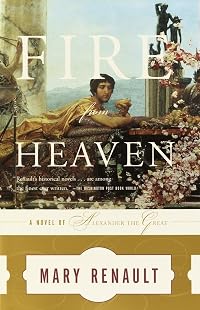
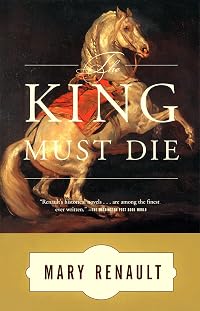





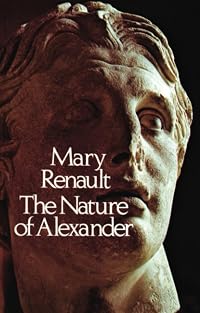



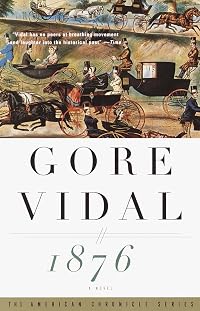
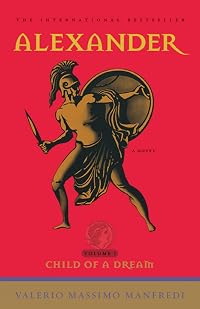


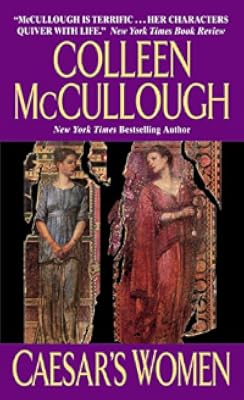
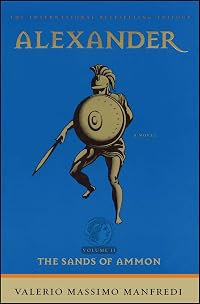
Member Recommendations

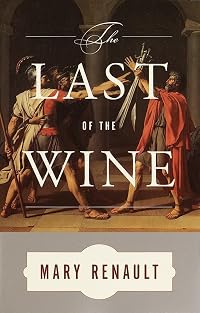
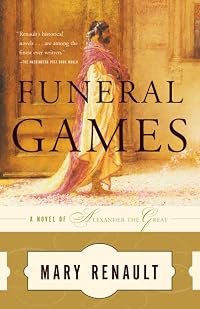
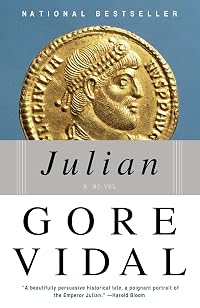
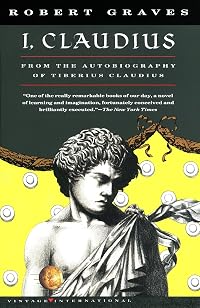
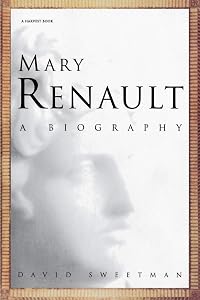
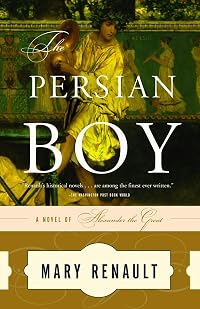
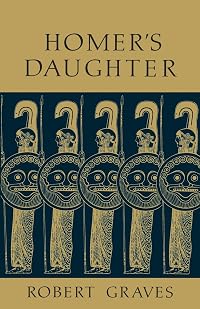
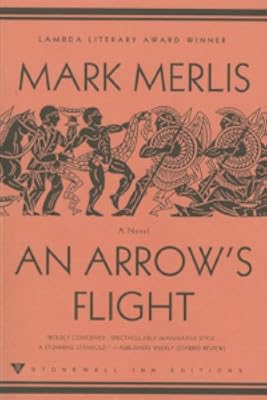
Thorwald_Franke Both books tell the same story, but from a different perspective.
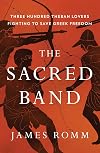
themulhern The two books cover the same period, after the Peloponnesian War and through the rise of Macedon. One is fiction and one is history.
Member Reviews
Following the life of actor Nikeratos and his various adventures touring the classical world, in particular his friendship with Dion of Syracuse and Plato the philosopher as they try to forge a Republic in Syracuse.
Once again Renault creates and inhabits a character who seems to in turn inhabits and evokes his world perfectly, and more than that who lives and breathes the theatre, which informs every aspect of his life and outlook. It's a breathtaking achievement, seemingly effortless, utterly absorbing the reader and bringing the ancient world to life. It's odd, though that the tone of a book about art and which views art as a mode of worship of he gods, should feel so pragmatic and grounded in the craft of the actor and the show more mechanisms and logistics of production and touring, in contrast with the Theseus novels, about heroism and kingship, which have an almost dream-like quality to them with the feeling that of the divine ready to manifest around every rock and tree. Niko communes with Apollo via an old mask, and often feels the eyes of the god upon him and receives oracles as he wrestles with issues of conscience and obligation, but Niko makes his offerings to a god, he doesn't feel and act as if he is half a god himself.
Niko is a good and decent man trying to do right by his own talents and maybe contribute something to the larger events he finds himself a small part of. His voice is bold and confident and self-assured and his first and second-hand accounts of the story of Syracuse and Dion and Plato are wonderful. Another brilliant book by Renault. show less
Once again Renault creates and inhabits a character who seems to in turn inhabits and evokes his world perfectly, and more than that who lives and breathes the theatre, which informs every aspect of his life and outlook. It's a breathtaking achievement, seemingly effortless, utterly absorbing the reader and bringing the ancient world to life. It's odd, though that the tone of a book about art and which views art as a mode of worship of he gods, should feel so pragmatic and grounded in the craft of the actor and the show more mechanisms and logistics of production and touring, in contrast with the Theseus novels, about heroism and kingship, which have an almost dream-like quality to them with the feeling that of the divine ready to manifest around every rock and tree. Niko communes with Apollo via an old mask, and often feels the eyes of the god upon him and receives oracles as he wrestles with issues of conscience and obligation, but Niko makes his offerings to a god, he doesn't feel and act as if he is half a god himself.
Niko is a good and decent man trying to do right by his own talents and maybe contribute something to the larger events he finds himself a small part of. His voice is bold and confident and self-assured and his first and second-hand accounts of the story of Syracuse and Dion and Plato are wonderful. Another brilliant book by Renault. show less
Ha egy görögökről szóló jó történelmi regény ismérve, hogy az ember egy picit görög akar lenni utána, akkor ez egy jó történelmi regény. Mary Renault a műfaj klasszikus hagyományaiból építkezik – regénye egyfelől útikönyv egy eltűnt időről és helyről, gusztusos időutazás, másfelől pedig egy jelentős (bár nem feltétlenül közismert) történelmi esemény eredeti interpretációja. És nem mellesleg celebspotting, amiben a jelenkori olvasó belebámulhat bizonyos azóta elporladt hírességek sorsába is. E könyv fő celebje maga Platón, a cselekmény gócpontjában pedig az áll, ahogy a kaporszakállú bölcs megkísérli filozófiai elméletét az államról a valóságba integrálni, és a show more vajgerincű, gyenge jellemű szicíliai zsarnok, Dionüsziosz mentoraként kialakítani a tökéletes kormányzatot. Itt már tetten érhető a kötet első ellentétpárja: a letisztult filozófia meg a racionális ész áll szemben az egyéni gyarlósággal, no meg a politikai machinációk, a kétszínűség futóhomokjával. Akik vettek részt ókortörténeti vagy filozófiai szigorlaton, talán emlékeznek, sikeres volt-e a platóni nekifeszülés, a többieknek meg elspoilerezem: nem. Hihetetlenül érdekes téma, remek diktátor-arckép, sallangmentes ábrázolása annak, mit tesz a hatalom az ember lelkével, és hogy rágja le róla mindazt, amit a jó szándéknak addig sikerült felépítenie.
Mindez azonban csak egy lyukas garast érne (lyukatlant semmiképp), ha az elbeszélő személye nem lenne ilyen jól megcsinálva. Renault hőse Nikératosz, aki athéni és aki színész – ezzel a két jelzővel pedig a szerző újabb ellentéteket is beemel a szövegbe. Egyfelől Nikératosz athéniként demokrata, és ösztönösen ellenérzésekkel viseltetik a zsarnokság mindenféle megnyilvánulása iránt (igen, még Platón esetleges zsarnoksága iránt is), másfelől meg színész, ami azért is praktikus, mert így 1.) van ürügye végigturnézni az akkori ismert világot 2.) módot ad Renaultnak arra, hogy fitogtathassa széles körű tudását a korszak színművészetéről, amely színművészet baromi érdekes dolog ám. De ami a legfontosabb: Nikératosz emellett talpig becsületes is, mentes az irigységtől, elkötelezett mind barátai, mind hivatása iránt – és ha ez a két elköteleződés szembe kerül egymással, akkor nem rest bátor döntést hozni, olyat, ami ha kényelmetlen vagy veszedelmes is, de mindig felismerni benne a lelkiismeret parancsát. Minden ízében szimpatikus fazon, én nagyon bírtam.
Jól össze van rakva a könyv, számos olyan síkot futtat, amiben öröm volt elmerülni. Ahogy az egyszeri moly-értékelő mondaná: „fogok még a szerzőtől olvasni”. show less
Mindez azonban csak egy lyukas garast érne (lyukatlant semmiképp), ha az elbeszélő személye nem lenne ilyen jól megcsinálva. Renault hőse Nikératosz, aki athéni és aki színész – ezzel a két jelzővel pedig a szerző újabb ellentéteket is beemel a szövegbe. Egyfelől Nikératosz athéniként demokrata, és ösztönösen ellenérzésekkel viseltetik a zsarnokság mindenféle megnyilvánulása iránt (igen, még Platón esetleges zsarnoksága iránt is), másfelől meg színész, ami azért is praktikus, mert így 1.) van ürügye végigturnézni az akkori ismert világot 2.) módot ad Renaultnak arra, hogy fitogtathassa széles körű tudását a korszak színművészetéről, amely színművészet baromi érdekes dolog ám. De ami a legfontosabb: Nikératosz emellett talpig becsületes is, mentes az irigységtől, elkötelezett mind barátai, mind hivatása iránt – és ha ez a két elköteleződés szembe kerül egymással, akkor nem rest bátor döntést hozni, olyat, ami ha kényelmetlen vagy veszedelmes is, de mindig felismerni benne a lelkiismeret parancsát. Minden ízében szimpatikus fazon, én nagyon bírtam.
Jól össze van rakva a könyv, számos olyan síkot futtat, amiben öröm volt elmerülni. Ahogy az egyszeri moly-értékelő mondaná: „fogok még a szerzőtől olvasni”. show less
Nikeratos, born into an acting family in Athens at the time of Plato, tells the story of his life. An actor's peripatetic life brings him into contact with all types of men (and even occasionally women) and gives him a walk on part in the doomed attempts to build a Platonic system of virtuous government in tyrant ridden Syracuse. Greece is evoked beautifully and Renault's imaginative retelling of one of the most important periods in western history is seamless between fact and very credible imaginings. I never quite, however, engaged with Nikos - and as this is a very linear first person narrative that was a bit of a problem. As an actor he is essentially a passer by, a player on the stage but not in real events and this was mirrored in show more a rather detached way of narrating. This perhaps also mirrored the conventions of Greek drama that the real action takes place off stage, regardless of the splendid events on it. Recommended, but not - I think - in the same class as her Alexander trilogy (as readers of the last few pages when he blazes over the book will see..) show less
The hands that had traced my painted wounds lifted me gently. I was gathered into the arms of Hecuba: the wrinkled mask with its down-turned mouth bent close above. The flute, which had been moaning softly through the speech, getting a clue, wailed louder. Under its sound, Queen Hecuba whispered in my ear, "Be quiet, you little bastard. You're dead."
In one quintessentially Greek moment from this superb novel, the narrator recalls the story of a father of two Olympic champions. At the moment when his sons are crowned, the crowd chants to him to "Die now," because, of course, no moment of his life could ever again be so good.
So, in finishing The Mask of Apollo am I tempted to chant to myself: "Give up reading historical fiction now."
'Nuff said.
So, in finishing The Mask of Apollo am I tempted to chant to myself: "Give up reading historical fiction now."
'Nuff said.
Top notch fun! A real page turner that had me up well past my bed time, that took me back to Plato's world and helped me understand some of those issues. I'm no classical scholar so I can't judge the historical accuracy, but on the other hand I have read a few of Plato's dialogues and this book seemed to catch the right flavor.
Curiously relevant to modern times, too, sad to say. Politics doesn't really change over the millennia, nor human nature.
This was my introduction to Mary Renault. I am just delighted to have this territory open up for me!
Curiously relevant to modern times, too, sad to say. Politics doesn't really change over the millennia, nor human nature.
This was my introduction to Mary Renault. I am just delighted to have this territory open up for me!
I love the fiction of Mary Renault and this is the first of her novels that I read. At the time I already had begun to acquire a passion for ancient Greece from a wonderful Latin teacher in high school. Luckily for us in addition to teaching us Latin our teacher imbued in us an interest in learning about everything classical that grew for me into more reading and led me to the discovery of Mary Renault and her historical fiction set in ancient Greece. The story of The Mask of Apollo involves the world of live theater and political intrigue in the Mediterranean at the time.
The narrator, Nikeratos is a successful professional actor, and Renault vividly evokes the technologies and traditions of classic Greek Tragedy. With detailed show more recreations of what might have been involved in the staging of a theatrical production of the time, she describes the music, scenery, mechanical special effects devices, and especially the practice of the three principal actors sharing the various roles in a performance, along with authentic gossip involved in these casting decisions.
Nikeratos, is an invented character, but real historical figures such as Dion of Syracuse and Plato make appearances. It is Renault's seamless blend of real historical characters within her fictional stories that makes her novels come alive for me. I even sometimes think, being an inveterate play-goer, what would it be like to pray or prepare a sacrifice for the success of the play before-hand. Some plays could use the help. I would recommend Mary Renault's novels of Ancient Greece to anyone who has an interest in our classical Greek heritage. show less
The narrator, Nikeratos is a successful professional actor, and Renault vividly evokes the technologies and traditions of classic Greek Tragedy. With detailed show more recreations of what might have been involved in the staging of a theatrical production of the time, she describes the music, scenery, mechanical special effects devices, and especially the practice of the three principal actors sharing the various roles in a performance, along with authentic gossip involved in these casting decisions.
Nikeratos, is an invented character, but real historical figures such as Dion of Syracuse and Plato make appearances. It is Renault's seamless blend of real historical characters within her fictional stories that makes her novels come alive for me. I even sometimes think, being an inveterate play-goer, what would it be like to pray or prepare a sacrifice for the success of the play before-hand. Some plays could use the help. I would recommend Mary Renault's novels of Ancient Greece to anyone who has an interest in our classical Greek heritage. show less
Members
- Recently Added By
Lists

Best Historical Fiction
620 works; 257 members

Best historical fiction set in the ancient world
126 works; 40 members

Pre-1969 LGBTQ Literature
182 works; 69 members

Historical Fiction
889 works; 91 members
Author Information

25+ Works 18,969 Members
Awards and Honors
Distinctions
Series
Belongs to Publisher Series
Virago Modern Classics (639)
Common Knowledge
- Canonical title
- The Mask of Apollo
- Original title
- The Mask of Apollo
- Original publication date
- 1966
- People/Characters
- Nikeratos (Niko); Dion; Plato, ca. 428-347 BC; Dionysios II of Syracuse; Thettalos; Alexander the Great (show all 7); Hephaestion
- Important places
- Syracuse, Sicily; Athens, Greece; Ancient Greece
- Epigraph
- Tears were for Hekabe, friend, and for Ilion's women,
Spun into the dark Web on the day of their birth,
But for you our hopes were great, and great the triumph,
Cancelled alike by the gods at the point of glory.
N... (show all)ow you lie in your own land, now all men honor you --
But I loved you, O Dion!
--Plato
(Translated by Dudley Fitts) - First words
- Not many people remember Lamprias now in Athens.
- Last words
- (Click to show. Warning: May contain spoilers.)No one will ever make a tragedy--and that is as well, for one could not bear it--whose grief is that the principals never met.
- Original language
- English
Classifications
- Genres
- Fiction and Literature, General Fiction, Historical Fiction
- DDC/MDS
- 823.912 — Literature & rhetoric English & Old English literatures English fiction 1900- 1901-1999 1901-1945
- LCC
- PZ3 .R2913 — Language and Literature Fiction and juvenile belles lettres Fiction and juvenile belles lettres Fiction in English
- BISAC
Statistics
- Members
- 1,505
- Popularity
- 15,347
- Reviews
- 24
- Rating
- (4.00)
- Languages
- 9 — Czech, English, French, German, Italian, Lithuanian, Russian, Spanish, Swedish
- Media
- Paper, Audiobook, Ebook
- ISBNs
- 37
- UPCs
- 1
- ASINs
- 34