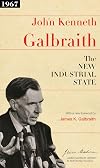
The New Industrial State
by John Kenneth Galbraith
On This Page
Description
With searing wit and incisive commentary, John Kenneth Galbraith redefined America's perception of itself in The New Industrial State, one of his landmark works. The United States is no longer a free-enterprise society, Galbraith argues, but a structured state controlled by the largest companies. Advertising is the means by which these companies manage demand and create consumer "need" where none previously existed. Multinational corporations are the continuation of this power system on an show more international level. The goal of these companies is not the betterment of society, but immortality through an uninterrupted stream of earnings. First published in 1967, The New Industrial State continues to resonate today. show lessTags
Recommendations

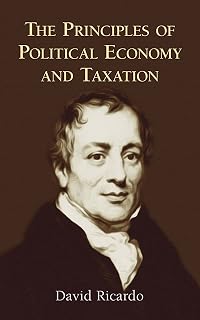
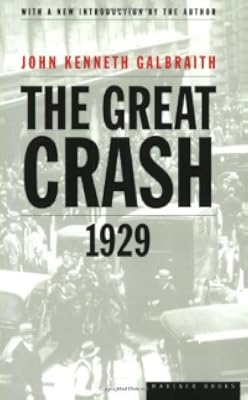

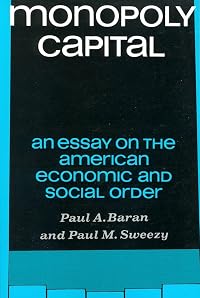
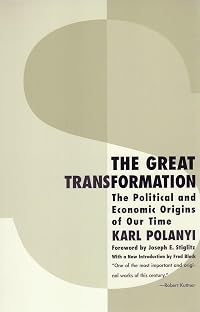
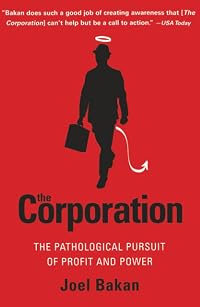
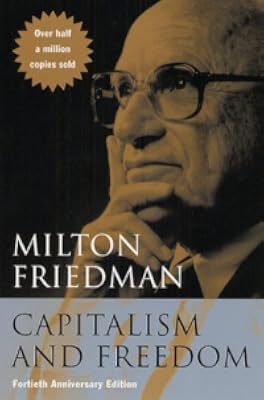


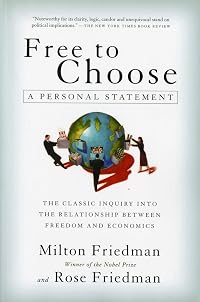


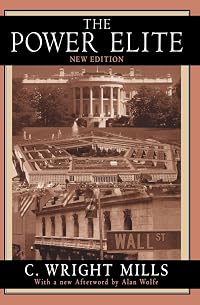






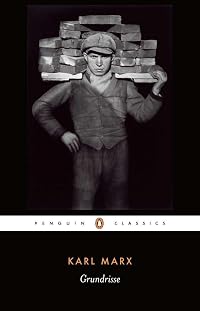


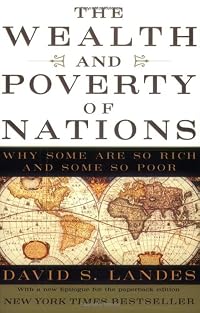


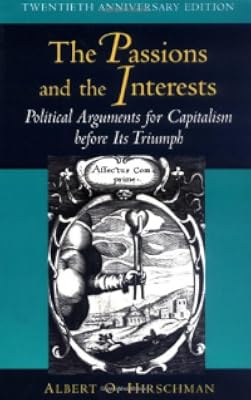



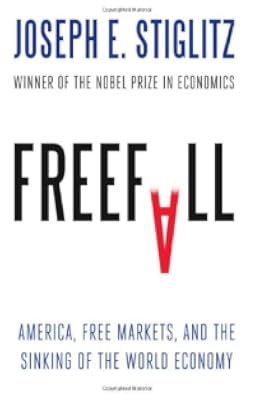

Member Recommendations
Member Reviews
I read this when it was first published in 1967. As part of my freshman Honors Econ course I wrote a blistering critique of what I still consider one of the worst books I have ever read. I argued from the point of view shared by Milton Friedman and other free market thinkers that Galbraith believes in the superiority of aristocracy and in its paternalistic authority, that consumers should not be allowed choice, and that all should be determined by those with "higher minds" - never mind the choices of the individual consumer. Today Paul Krugman, who in ironic fashion criticized Galbraith as well, represents a similar strain in aristocratic economic thought. In this book Galbraith demonstrates the best example of an advocate of "bad" show more economics. show less
I would go so far as to say that this is the sort of book that makes understanding modern economics possible. Give it a shot. It's not your ordinary economics book.
Galbraith’s influence was once strong enough to inspire Congressional hearings to discuss the implications of his book The New Industrial State (1967). Clearly that stature has waned. But Paul Samuelson was on to something when he wrote, “Ken Galbraith, like Thorstein Veblen, will be remembered and read when most of us Nobel Laureates will be buried in footnotes down in dusty library stacks.âÂ?
50 years out of date Austrian economics
Remains amazingly relevant nearly 40 years after publication.
8475307949
Personalmente, la teoría de la planificación y de la tecnoestructura me han fascinado, sobre todo la primera. Porque ya en 1967 afirmó que los sistemas económicos comunista y liberal no se diferenciaban mucho, algo que hoy está plenamente asumido. Y eso tenía su mérito. Pero es que sigue siendo verdad. Las grandes corporaciones dominan todos los aspectos de la economía, desde la producción hasta el consumo final, y eso lo hacen a través de una minuciosa planificación a largo y muy largo plazo, realizada por grupos de personas muy tecnificadas. De ahí que lo que se busque no sea tanto maximizar los beneficios, como enseñaba el mítico capitalismo tradicional, sino mantener estos en un nivel aceptable mientras la empresa se show more expande y aumenta su poder. Después, incluso pueden plantearse otros objetivos, como la protección del medio ambiente, el apoyo a los partidos políticos o cualquier iniciativa social. Por eso, además, estas empresas no maximizan unos beneficios que irían a parar a accionistas anónimos, sino que aumentan los sueldos de sus técnicos y ejecutivos hasta niveles tan opacos como obscenos.
El autor anuncia que su libro no tiene la estructura lineal característica de la literatura académica, sino que volverá una y otra vez a los mismos conceptos, aunque cada vez con una perspectiva diferente. Consigue que eso no resulte aburrido ni pesado, sino todo lo contrario: permite al lector que, si se ha perdido en algún momento, continúe la lectura sabiendo que más tarde volverán las mismas ideas, expresadas de otro modo y en otro contexto, y entonces probablemente las entenderá. Por lo demás, Galbraith escribe con apabullante sencillez, huyendo de todo tecnicismo (la comparación con el libro de Keynes es inevitable), lo que también sirve a su propósito desenmascarador. Y es que lo que se enseña en las facultades de económicas o en las escuelas de negocios sigue siendo el mito del mercado libre. Galbraith desmonta este mito, aunque hay que reconocer que no ha tenido mucho éxito porque aún hoy, a cuarenta años vista de la primera edición del libro, hay mucha gente que se lo cree.
En fin, a destacar que en la última parte del libro propone algunas ideas para resistirse a este capitalismo industrial que pueden resultar interesantes. No se trataría de intentar derribarlo, sino de convivir con él. El capitalismo industrial ha traído grandes beneficios, pero necesitamos encontrar también márgenes suficientes, espacios no dominados por la tecnoestructura. Debemos preservar la posibilidad de independencia de las universidades, debemos dejar espacio al arte y la estética. En definitiva, debemos dejar a la tecnoestructura su espacio, pero preservar el de otras formas de entender la vida. show less
El autor anuncia que su libro no tiene la estructura lineal característica de la literatura académica, sino que volverá una y otra vez a los mismos conceptos, aunque cada vez con una perspectiva diferente. Consigue que eso no resulte aburrido ni pesado, sino todo lo contrario: permite al lector que, si se ha perdido en algún momento, continúe la lectura sabiendo que más tarde volverán las mismas ideas, expresadas de otro modo y en otro contexto, y entonces probablemente las entenderá. Por lo demás, Galbraith escribe con apabullante sencillez, huyendo de todo tecnicismo (la comparación con el libro de Keynes es inevitable), lo que también sirve a su propósito desenmascarador. Y es que lo que se enseña en las facultades de económicas o en las escuelas de negocios sigue siendo el mito del mercado libre. Galbraith desmonta este mito, aunque hay que reconocer que no ha tenido mucho éxito porque aún hoy, a cuarenta años vista de la primera edición del libro, hay mucha gente que se lo cree.
En fin, a destacar que en la última parte del libro propone algunas ideas para resistirse a este capitalismo industrial que pueden resultar interesantes. No se trataría de intentar derribarlo, sino de convivir con él. El capitalismo industrial ha traído grandes beneficios, pero necesitamos encontrar también márgenes suficientes, espacios no dominados por la tecnoestructura. Debemos preservar la posibilidad de independencia de las universidades, debemos dejar espacio al arte y la estética. En definitiva, debemos dejar a la tecnoestructura su espacio, pero preservar el de otras formas de entender la vida. show less
Mar 2, 2013 (Edited)Spanish
Members
- Recently Added By
Lists

LT picks: Blue Books
197 works; 40 members

Books Referenced by Izetbegovic's Islam Between East and West
233 works; 2 members
Author Information

77+ Works 11,284 Members
John Kenneth Galbraith is a Canadian-born American economist who is perhaps the most widely read economist in the world. He taught at Harvard from 1934-1939 and then again from 1949-1975. An adviser to President John F. Kennedy, he served from 1961 to 1963 as U.S. ambassador to India. His style and wit in writing and his frequent media appearances show more have contributed greatly to his fame as an economist. Galbraith believes that it is not sufficient for government to manage the level of effective demand; government must manage the market itself. Galbraith stated in American Capitalism (1952) that the market is far from competitive, and governments and labor unions must serve as "countervailing power." He believes that ultimately "producer sovereignty" takes the place of consumer sovereignty and the producer - not the consumer - becomes ruler of the marketplace. (Bowker Author Biography) John Kenneth Galbraith, born in 1908, is the Paul M. Warburg Professor of Economics Emeritus at Harvard University and a past president of both the American Academy of Arts and Letters and the American Economic Association. He is the author of thirty-one books spanning five decades. He has received honorary degrees from, among others, Harvard University, Oxford University, the University of Paris, the University of Toronto, and Moscow State University. He is Commandeur de la Legion d'Honneur in France, and in 1997 he was inducted into the Order of Canada. In 2000, at a White House ceremony, he was given the Presidential Medal of Freedom. He lives in Cambridge, Massachusetts. (Publisher Provided) show less
Awards and Honors
Distinctions
Series
Belongs to Publisher Series
Work Relationships
Common Knowledge
- Canonical title
- The New Industrial State
- Original title
- The New Industrial State
- Original publication date
- 1967; 1972 Second edition (revised) (revised)
- Dedication
- for Andrea Williams
- First words
- A curiosity of modern economic life is the role of change.
Classifications
- Genres
- Economics, Nonfiction, General Nonfiction, Sociology, Politics and Government, Business, History
- DDC/MDS
- 338.0973 — Society, government, & culture Economics Production Biography And History North America United States
- LCC
- HC106.5 .G33 — Social sciences Economic history and conditions Economic history and conditions By region or country
- BISAC
Statistics
- Members
- 875
- Popularity
- 31,127
- Reviews
- 7
- Rating
- (3.59)
- Languages
- 11 — Danish, Dutch, English, Finnish, French, German, Hungarian, Italian, Portuguese, Spanish, Swedish
- Media
- Paper, Ebook
- ISBNs
- 34
- UPCs
- 1
- ASINs
- 34