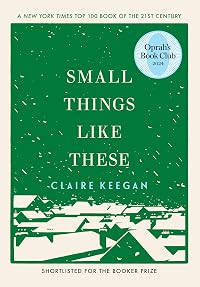
Small Things Like These
by Claire Keegan
On This Page
Description
Fiction. Literature. The landmark new novel from award-winning author Claire Keegan It is 1985 in a small Irish town. During the weeks leading up to Christmas, Bill Furlong, a coal merchant and family man, faces into his busiest season. Early one morning, while delivering an order to the local convent, Bill makes a discovery which forces him to confront both his past and the complicit silences of a town controlled by the church. Already an international bestseller, Small Things Like These is show more a deeply affecting story of hope, quiet heroism, and empathy from one of our most critically lauded and iconic writers. show lessTags
Recommendations
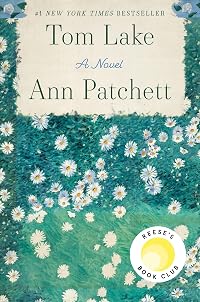
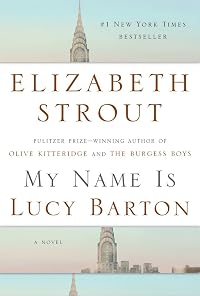
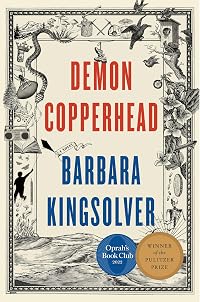
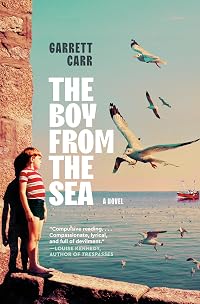
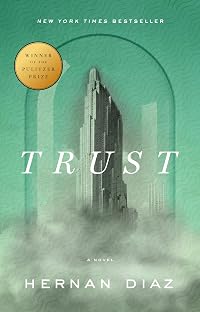
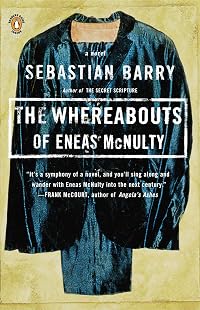
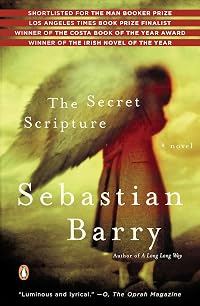
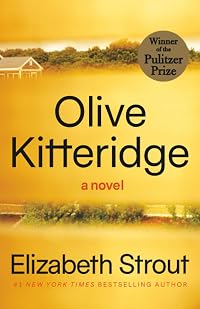
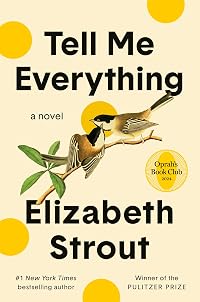


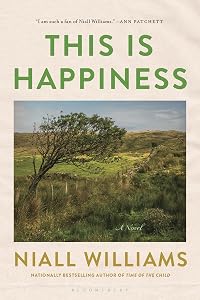
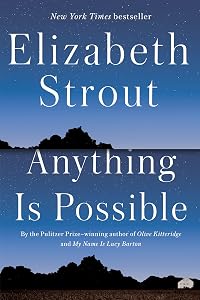
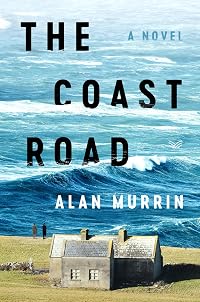


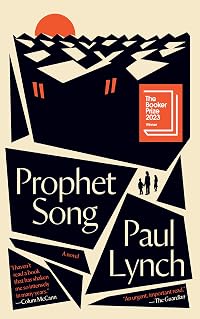
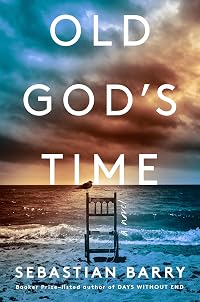
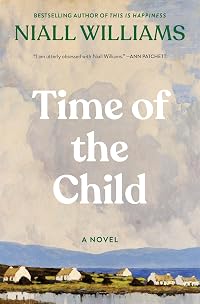
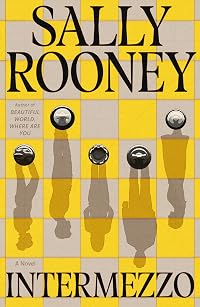


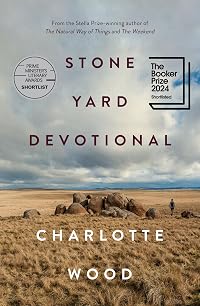
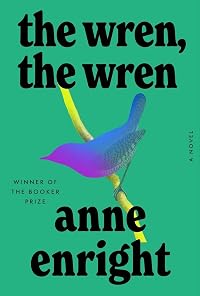
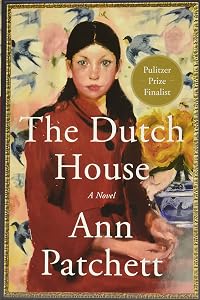

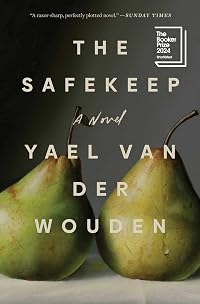

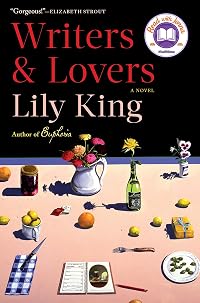
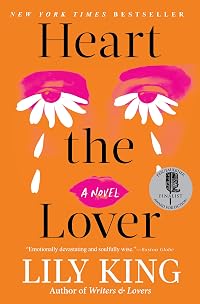

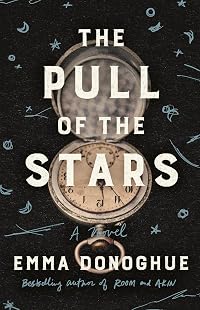
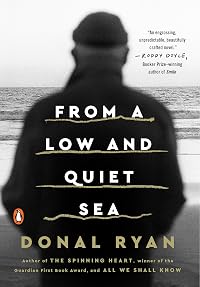

Member Recommendations

Member Reviews
This book deserves to be the next A Christmas Carol in the English language. Surely, even Charles Dickens cannot outdo Claire Keegan. In this work, she touches on themes of religious hypocrisy in the Roman Catholic church in Ireland. The message of Christmas and of the Christian Gospel, with their themes of oppressed things becoming great, is juxtaposed against an entrenched church beholden to money, power, and a corrupt socioeconomic system.
This month of March, my Sunday School class is reading and discussing this book together. I started it in anticipation of finishing one or two chapters before our first class. Instead, I became engrossed in the story and read it through to the entire end in one afternoon. At 116 pages, it’s show more power-packed with action – and more importantly, movements of the heart. In a jeremiad of sorts, Keegan appeals to the true meaning of religious faith, in this story’s case a Christian faith, to speak out against historical abuses and perversions.
Around Christmastime in 1980s Ireland, Bill Furlong, an orphan, merchant, and father, learns about a convent next door to him. It had always been whispered about, but firsthand, he newly sees the abuses. Though tempted to go along with the economic and religious workings of society, his conscience pangs him via a renewed self-understanding. He comes to realize that the only consistent thing to do is to act in a way consistent with the message of the season. He chooses compassion.
Ireland has Roman Catholicism strongly embedded into its culture. Because of historical oppression by the British, the church is deeply intertwined with society’s functioning. As with any culture, that mixing of politics and religion, however, is ripe for abuse by those interested in nefarious power. Keegan argues this viewpoint, present in recent decades, misses the very essence of Christianity.
This novella just got more and more intriguing until the last sentence. The prose is tightly constructed and meaningful. Although the events’ specifics are not historical, they speak to real issues in current events. This political aspect, however, only points to a larger, timeless theme. An attentive reader will be provoked about what Christmas is about and contemplate whether they themselves are offering their best humanity in the season. Well done! Since this is my first work of Keegan’s, I want to read more of her. My class will have a feast discussing this book. show less
This month of March, my Sunday School class is reading and discussing this book together. I started it in anticipation of finishing one or two chapters before our first class. Instead, I became engrossed in the story and read it through to the entire end in one afternoon. At 116 pages, it’s show more power-packed with action – and more importantly, movements of the heart. In a jeremiad of sorts, Keegan appeals to the true meaning of religious faith, in this story’s case a Christian faith, to speak out against historical abuses and perversions.
Around Christmastime in 1980s Ireland, Bill Furlong, an orphan, merchant, and father, learns about a convent next door to him. It had always been whispered about, but firsthand, he newly sees the abuses. Though tempted to go along with the economic and religious workings of society, his conscience pangs him via a renewed self-understanding. He comes to realize that the only consistent thing to do is to act in a way consistent with the message of the season. He chooses compassion.
Ireland has Roman Catholicism strongly embedded into its culture. Because of historical oppression by the British, the church is deeply intertwined with society’s functioning. As with any culture, that mixing of politics and religion, however, is ripe for abuse by those interested in nefarious power. Keegan argues this viewpoint, present in recent decades, misses the very essence of Christianity.
This novella just got more and more intriguing until the last sentence. The prose is tightly constructed and meaningful. Although the events’ specifics are not historical, they speak to real issues in current events. This political aspect, however, only points to a larger, timeless theme. An attentive reader will be provoked about what Christmas is about and contemplate whether they themselves are offering their best humanity in the season. Well done! Since this is my first work of Keegan’s, I want to read more of her. My class will have a feast discussing this book. show less
⭐⭐⭐⭐⭐
One of the most explosively quiet novels I've ever read.
At 128 pages, it feels deceptively small—a coal merchant in 1985 Ireland discovers something terrible at a convent and makes a choice. That's it. Simple, spare, perfectly controlled.
But the more you sit with it, the larger the ripples become. Keegan doesn't shout or explain. She shows you a moment of moral crisis and lets you feel the weight of it. What does it cost to do the right thing? What does silence cost?
The prose is restrained, almost understated, but underneath there's this quiet devastation building. It's a book that feels small while you're reading it and then expands in your mind afterward, revealing more of itself the longer you think about show more it.
Explosively quiet. That's the only way to describe it. show less
One of the most explosively quiet novels I've ever read.
At 128 pages, it feels deceptively small—a coal merchant in 1985 Ireland discovers something terrible at a convent and makes a choice. That's it. Simple, spare, perfectly controlled.
But the more you sit with it, the larger the ripples become. Keegan doesn't shout or explain. She shows you a moment of moral crisis and lets you feel the weight of it. What does it cost to do the right thing? What does silence cost?
The prose is restrained, almost understated, but underneath there's this quiet devastation building. It's a book that feels small while you're reading it and then expands in your mind afterward, revealing more of itself the longer you think about show more it.
Explosively quiet. That's the only way to describe it. show less
Now I need a good cry.
This small novel is quiet and soft-spoken, like the protagonist Furlong himself. A beautiful, powerful work about a not beautiful time in Irish history, a history that lasted up until nearly the end of the 20th century, now exposed for what it really was.
Actually, it wasn't exclusively part of Ireland's history. My mother, now deceased, was sent to a "girls home" and orphanage in New Mexico, run by Good Shepherd nuns. She was just 12 and was sent there by my grandmother to keep her out of trouble. I suspect the trouble was her step-father. Her older sister, also a young teen, had just taken a job as a live-in babysitter for another family. Interesting.
My mother hated her time there, 200 miles from home, and hated show more the nuns who ran it. They were not kind and not good shepherds. Mom said she was hungry most of the time and would volunteer for washing pots and pans just to scrape a little more food from them. The meager food they were served was sometimes cabbage or potatoes, but mostly beans, and often the beans would be reheated until they began to go sour but still served to the children. The nuns straight away taught her to embroider. The nuns sold the girls' best embroidered handkerchiefs all over the world where they are now on display in museums. They also had a laundry. I guess my mother was spared that terrible labor being so young. But, truth is, there is much I don't know for certain because she seldom talked about that time.
Finally she was able to return home for a visit, when that older sister was killed in a tragic car crash, for her funeral. Before she could be shipped back to the girls home, she met the brother-in-law of a friend, a handsome 19 year old, and married him at just 14. She had escaped the girls home, and home home.
Many years later, in her late 50s, my mom made a solo pilgrimage to Los Cruses and had a long cry at, or maybe near, the original school site. Imagine. After all those years, she still had tears and trauma.
I would like to lay down some harsh words about the hidden histories of the Catholic Church but we all know the horrors too well now. Not a continent has been spared the trauma, not even a small New Mexico town, so proud of their "Good Shepherd" nuns. Reading Keegan's book, I've had my cry too, for my mom. She suffered life-long depression and while I was growing up she made several suicide attempts with subsequent hospitalizations that lasted months. I've carried those experiences also, all my life. I'm not laying this generational trauma all at the feet of the Catholic Church but clearly they knew they were not offering enlightened Christ-like love to my mother or any of the children there. How could they not know?
We all need a good cry. I hope Small Things Like These helps bring out cathartic tears for and by countless Irish, the Irish who suffered perhaps most under the many interlocked tyrannies of Church and State. show less
This small novel is quiet and soft-spoken, like the protagonist Furlong himself. A beautiful, powerful work about a not beautiful time in Irish history, a history that lasted up until nearly the end of the 20th century, now exposed for what it really was.
Actually, it wasn't exclusively part of Ireland's history. My mother, now deceased, was sent to a "girls home" and orphanage in New Mexico, run by Good Shepherd nuns. She was just 12 and was sent there by my grandmother to keep her out of trouble. I suspect the trouble was her step-father. Her older sister, also a young teen, had just taken a job as a live-in babysitter for another family. Interesting.
My mother hated her time there, 200 miles from home, and hated show more the nuns who ran it. They were not kind and not good shepherds. Mom said she was hungry most of the time and would volunteer for washing pots and pans just to scrape a little more food from them. The meager food they were served was sometimes cabbage or potatoes, but mostly beans, and often the beans would be reheated until they began to go sour but still served to the children. The nuns straight away taught her to embroider. The nuns sold the girls' best embroidered handkerchiefs all over the world where they are now on display in museums. They also had a laundry. I guess my mother was spared that terrible labor being so young. But, truth is, there is much I don't know for certain because she seldom talked about that time.
Finally she was able to return home for a visit, when that older sister was killed in a tragic car crash, for her funeral. Before she could be shipped back to the girls home, she met the brother-in-law of a friend, a handsome 19 year old, and married him at just 14. She had escaped the girls home, and home home.
Many years later, in her late 50s, my mom made a solo pilgrimage to Los Cruses and had a long cry at, or maybe near, the original school site. Imagine. After all those years, she still had tears and trauma.
I would like to lay down some harsh words about the hidden histories of the Catholic Church but we all know the horrors too well now. Not a continent has been spared the trauma, not even a small New Mexico town, so proud of their "Good Shepherd" nuns. Reading Keegan's book, I've had my cry too, for my mom. She suffered life-long depression and while I was growing up she made several suicide attempts with subsequent hospitalizations that lasted months. I've carried those experiences also, all my life. I'm not laying this generational trauma all at the feet of the Catholic Church but clearly they knew they were not offering enlightened Christ-like love to my mother or any of the children there. How could they not know?
We all need a good cry. I hope Small Things Like These helps bring out cathartic tears for and by countless Irish, the Irish who suffered perhaps most under the many interlocked tyrannies of Church and State. show less
I recently finished reading two short novellas with religious themes, both taking place at Christmas. The first, Small Things Like These, is about a Catholic man whose own background affords him a keen sensitivity to the social and religious injustice, and especially the hypocrisy, of the pious members in his community. The other novella, The Only Daughter by A.B. Yehoshua, is told through the eyes of a young Italian Jewish girl, entitled and precocious, who is struggling with her mixed religious heritage and the devastating news of her father's brain tumor. Both take place circa early 1980's but feel like much earlier, post WWII. The latter bears all the appearance of religious and community tolerance, but feels more like show more self-aggrandizing gentiles wishing to distance themselves from [their] WWII actions/complicity by bending over backwards to be polite and kind to the Jewish members in the community...
Small Things Like These, is told through the eyes of Furlong, a businessman who was born and raised in a small Irish Catholic village circa 1946. Through the grace of his mother’s Protestant employer, Mrs. Wilson, Furlong had the good fortune to be raised in the household of the latter, a gentle, enlightened woman. When Furlong’s mother gave birth to him out of wedlock, her employer did not dismiss her, but rather showed true Christian spirit, allowing the two to remain in her household and continuing to care for Furlong and give him the advantage of her benevolence by seeing to his education and welfare throughout childhood and adolescence, even after his mother’s death.
This Christian spirit is offset by the cruel and unusual punishment dealt to young pregnant girls and unwed mothers at the hands of (un)pious nuns in the local convent, under the silent cognizance of the Catholic Church. No one is more keenly aware and sensitive to what he witnesses, than Furlong, by virtue of his own background.
Furlong is a successful coal merchant, though none forget his own “blemished” history. He enjoys a kind of respectable standing in his community as do his wife and five daughters. However, his heart and mind are disturbed when he encounters the harsh reality endured by the young girls, soon to be unwed mothers, who are farmed out to the convent to be forgotten and disposed of like so much trash. A charitable man by nature, he is troubled by what he sees, though his unpopular Christian sympathy is not shared by others and he is censured by his wife when he tries to express his feelings.
While making a delivery to the convent on Christmas eve, Furlong discovers the girl Sarah locked in a coal shed, barefoot and filthy, starved and terrified, with milk draining from her breasts onto her shirt. He brings her to the front door of the Convent where the Mother Superior puts on a grand performance. feigning shock, intended to fool no one. Her unveiled threats to curtail his daughters’ education if he were to voice his obvious outrage in public is truly infuriating. Indeed, the community condoles and perpetrates the behavior of the nuns, scorning the young unfortunate girls at worst, or turning a blind eye at best.
If you have read the reviews, you will know that Furlong’s actions are truly Christian, which is why when I read the reviews by GR Friends, my first thoughts were of a righteous man in Sodom. Although I know little of the Christian Faith (and I hope my friends will forgive my ignorance and perhaps incorrect observances coming up), after reading the book, my thoughts are changed. I think that Furlong’s actions were more akin to that of the Good Samaritan, and his long walk home with Sarah perhaps symbolized the Via Dolorosa.
The first thing I did when I finished this book (after looking up Good Samaritan and Via Dolorosa), was to download another book by this author! show less
Small Things Like These, is told through the eyes of Furlong, a businessman who was born and raised in a small Irish Catholic village circa 1946. Through the grace of his mother’s Protestant employer, Mrs. Wilson, Furlong had the good fortune to be raised in the household of the latter, a gentle, enlightened woman. When Furlong’s mother gave birth to him out of wedlock, her employer did not dismiss her, but rather showed true Christian spirit, allowing the two to remain in her household and continuing to care for Furlong and give him the advantage of her benevolence by seeing to his education and welfare throughout childhood and adolescence, even after his mother’s death.
This Christian spirit is offset by the cruel and unusual punishment dealt to young pregnant girls and unwed mothers at the hands of (un)pious nuns in the local convent, under the silent cognizance of the Catholic Church. No one is more keenly aware and sensitive to what he witnesses, than Furlong, by virtue of his own background.
Furlong is a successful coal merchant, though none forget his own “blemished” history. He enjoys a kind of respectable standing in his community as do his wife and five daughters. However, his heart and mind are disturbed when he encounters the harsh reality endured by the young girls, soon to be unwed mothers, who are farmed out to the convent to be forgotten and disposed of like so much trash. A charitable man by nature, he is troubled by what he sees, though his unpopular Christian sympathy is not shared by others and he is censured by his wife when he tries to express his feelings.
While making a delivery to the convent on Christmas eve, Furlong discovers the girl Sarah locked in a coal shed, barefoot and filthy, starved and terrified, with milk draining from her breasts onto her shirt. He brings her to the front door of the Convent where the Mother Superior puts on a grand performance. feigning shock, intended to fool no one. Her unveiled threats to curtail his daughters’ education if he were to voice his obvious outrage in public is truly infuriating. Indeed, the community condoles and perpetrates the behavior of the nuns, scorning the young unfortunate girls at worst, or turning a blind eye at best.
If you have read the reviews, you will know that Furlong’s actions are truly Christian, which is why when I read the reviews by GR Friends, my first thoughts were of a righteous man in Sodom. Although I know little of the Christian Faith (and I hope my friends will forgive my ignorance and perhaps incorrect observances coming up), after reading the book, my thoughts are changed. I think that Furlong’s actions were more akin to that of the Good Samaritan, and his long walk home with Sarah perhaps symbolized the Via Dolorosa.
The first thing I did when I finished this book (after looking up Good Samaritan and Via Dolorosa), was to download another book by this author! show less
I have a few Tiny Perfect Songs that I enjoy, and also a couple of Tiny Perfect Books. This is almost one of the latter. It is a quick little story that is full of life. I've read a few books about Ireland (the Finfarran series, in particular) and it appears to be a fairly quaint place, with good-natured citizens and lovely places. But Bill Furlong makes a discovery in his own back yard that makes him question everything he knows about his town and his country. Bill is a pretty down to earth guy, working his coal yard, providing for his family, going about his business. Perhaps he knows about the seedy underbelly he inadvertently uncovers, and only chooses to turn a blind eye (as, he learns, lots of other people do), or maybe he show more genuinely had no idea. Either way, he is profoundly affected by the revelation, and while the story doesn't really end, I got the sense that what he chooses to do about his newfound knowledge will change the course of his life. It's a lovely, simple story, with all kinds of hidden depths. show less
Small Things Like These is a tolerable, well-written short novella, but it is nevertheless hard to shake the feeling that author Claire Keegan has mishandled her topic. Not mishandled it badly, for the book does move the reader slightly, but the topic of the depraved, abuse-riddled 'Magdalene laundries' which existed in Ireland until the 1990s has much more to it than Keegan delivers – and deserved something more substantial.
Her short novella is told from the perspective of an unassuming man who encounters an abused young girl at one of these convents, and then must wrestle with his conscience as he encounters implicit social pressure to forget what he has seen. Keegan traces this rather well, in a subtle, understated way that is show more rather effective, and also draws analogues to the man's own struggles to be recognised and accepted by his community.
Nevertheless, one is left with a slightly bitter taste when the book's end quickly arrives (it can be read in a single sitting). We are left with no knowledge or insight into what the Magdalene laundries were, and the dynamics between the abuses there and the complicity of the wider society is barely even hinted at, let alone explored. The topic demanded a full novel, unpacking the story and leaving the society uncomfortable and the perpetrators skewered and with nowhere to hide. Instead Keegan provides a misdirected fancy, a sketch rather than a story, that turns this massive, multi-generational suffering into a slight – and slightly twee – Christmas fable that keeps the victims hidden and unheard, its perpetrators unnamed and in the shadows, while seeking to absolve Irish society for its long complicity by giving them a rough Atticus Finch copy who does in the story what they did not do in reality.
The book relies on a reader's foreknowledge of the controversy (which no one outside of Ireland will have) and records none for posterity. And with its story of a quietly courageous citizen speaking up, it provides a comforting fiction for Irish society to draw a line under the atrocities while keeping them at a safe, sanitised distance. It is a book insubstantial enough that it will be forgotten in time, but with its false narrative catharsis and absolution having performed the sin of short-circuiting a true cultural reckoning in favour of its own few underwhelming sparks. show less
Her short novella is told from the perspective of an unassuming man who encounters an abused young girl at one of these convents, and then must wrestle with his conscience as he encounters implicit social pressure to forget what he has seen. Keegan traces this rather well, in a subtle, understated way that is show more rather effective, and also draws analogues to the man's own struggles to be recognised and accepted by his community.
Nevertheless, one is left with a slightly bitter taste when the book's end quickly arrives (it can be read in a single sitting). We are left with no knowledge or insight into what the Magdalene laundries were, and the dynamics between the abuses there and the complicity of the wider society is barely even hinted at, let alone explored. The topic demanded a full novel, unpacking the story and leaving the society uncomfortable and the perpetrators skewered and with nowhere to hide. Instead Keegan provides a misdirected fancy, a sketch rather than a story, that turns this massive, multi-generational suffering into a slight – and slightly twee – Christmas fable that keeps the victims hidden and unheard, its perpetrators unnamed and in the shadows, while seeking to absolve Irish society for its long complicity by giving them a rough Atticus Finch copy who does in the story what they did not do in reality.
The book relies on a reader's foreknowledge of the controversy (which no one outside of Ireland will have) and records none for posterity. And with its story of a quietly courageous citizen speaking up, it provides a comforting fiction for Irish society to draw a line under the atrocities while keeping them at a safe, sanitised distance. It is a book insubstantial enough that it will be forgotten in time, but with its false narrative catharsis and absolution having performed the sin of short-circuiting a true cultural reckoning in favour of its own few underwhelming sparks. show less
Ew. I saw several people on LT talking about this book - saying it was a beautiful story and so on. So I got it, read it - and ew. The protagonist is a good person, which means he spends a great deal of his time worrying vaguely about all the people who need help (the boy he picked up in the truck, the various people on his Christmas Eve deliveries...). And then he gets slapped with someone who's in desperate need, with an indirect link to him and his life - and he finally decides to help her, in a way that's going to cause him, and his family, and his business, and everyone linked to him in any way a great deal of trouble. At which point the book ends (without going into what happens or how he deals, or doesn't deal, with it). What show more about all the other girls? What about...ghahh. Utterly depressing, pointless, and the worst thing is that it's (somewhat) true. I'm sorry I read this. It's well-written, but not a story I wanted to know at all. show less
Members
- Recently Added By
Lists

Top Five Books of 2022
736 works; 272 members

Best 21st Century Books (So Far)
670 works; 86 members

Books Read in 2023
5,638 works; 147 members

Booker Prize
491 works; 62 members

Favourite Books
1,819 works; 316 members

Books featuring monks and/or nuns
166 works; 33 members

Favorite Short Fiction
228 works; 99 members

Irish writers
87 works; 17 members
Small Town Fiction
66 works; 13 members

Books Read in 2022
5,226 works; 115 members

Maybe This Year? Books to Look Forward To
412 works; 9 members

Anticipated 2021 Reads
231 works; 7 members

Indie Next Picks
196 works; 4 members

FT Best books of 2021: Fiction
12 works; 1 member

Library ebooks and electronic audio books
52 works; 1 member

Fiction: Historical
288 works; 3 members

READ 2025
190 works; 1 member

Top Five Books of 2025
954 works; 303 members

Books We Discovered On LibraryThing
530 works; 130 members

.
184 works; 1 member

Books We Couldn't Put Down
443 works; 197 members

Still to Read 2021
7 works; 1 member

Top Five Books of 2023
767 works; 317 members

Book Club read
9 works; 1 member
Top Five Books of 2024
795 works; 264 members

top 100
39 works; 1 member

NYT Readers best of 21st C
100 works; 8 members
NYT 100 best books of 21st C
100 works; 31 members

Books Read in 2021
5,361 works; 113 members
Dublin Literary Award 2023 Longlist
67 works; 5 members

Fiction: Crime, Detective, Mystery
350 works; 3 members

The Guardian’s 20 brilliant books you can read in a day
20 works; 2 members
Author Information

17+ Works 9,081 Members
Claire Keegan comes from County Wicklow. She has won several awards for her work including the William Trevor Prize, the Martin Healy Prize, the Francis MacManus Award, the Tom Gallon Award, the Kilkenny Prize, the Olive Cook Award, the Hugh Leonard Bursary, the Macaulay Fellowship, and the Rooney Prize for Irish Literature. She was also a Wingate show more scholar. Her debut, Antarctica, was a Los Angeles Times Book of the Year. She lives in rural Ireland show less
Some Editions
Awards and Honors
Work Relationships
Is contained in
Has the adaptation
Common Knowledge
- Canonical title*
- Piccole cose da nulla
- Original publication date
- 2021-12-14
- People/Characters
- Bill Furlong (husband of Eileen Furlong); Eileen Furlong (wife of Bill Furlong); Mrs. Wilson; Ned (employee of Mrs. Wilson); Kathleen Furlong (daughter of Bill and Eileen Furlong); Joan Furlong (daughter of Bill and Eileen Furlong) (show all 12); Sheila Furlong (daughter of Bill and Eileen Furlong); Grace Furlong (daughter of Bill and Eileen Furlong); Loretta Furlong (daughter of Bill and Eileen Furlong); Sarah Furlong (mother of Bill Furlong); Sarah Redmond; Mrs. Kehoe (diner owner)
- Important places
- New Ross, Ireland
- Important events
- Christmas
- Related movies
- Small Things Like These (2024 | IMDb)
- Epigraph
- 'The Irish Republic is entitled to, and hereby claims, the allegiance of every Irishman and Irishwoman. The Republic guarantees religious and civil liberty, equal rights and equal opportunities to all its citizens, and declar... (show all)es its resolve to pursue the happiness and prosperity of the whole nation and of all its parts, cherishing all of the children of the nation equally.'
Excerpt from 'The Proclamation of the Irish Republic', 1916 - Dedication
- This story is dedicated to the women and children who suffered time in Ireland's mother and baby homes and Magdalen laundries.
And for Mary McCay, teacher. - First words
- In October there were yellow trees.
- Quotations
- As they carried on along and met more people Furlong did and did not know, he found himself asking was there any point in being alive without helping one another? Was it possible to carry on along through all the years, the d... (show all)ecades, through an entire life, without once being brave enough to go up against what was there and yet call yourself a Christian, and face yourself in the mirror?
Always it was the same, Furlong thought; always they carried mechanically on without pauses, to the next job at hand.What would life be like, he wondered, if they were given time to think and reflect on things? (18%)
What most tormented him was not so much how she'd been left in the coal shed or the stance of the Mother Superior; the worst was how the girl had been handled while he was present and how he'd allowed that and had not asked a... (show all)bout her baby -- the one thing she had asked him to do -- and how he had taken the money and left her there at the table with nothing before her and the breast milk leaking under the little cardigan and staining her blouse, and how he'd gone on, like a hypocrite, to Mass. (77%)
Why were the things that were closest so often the hardest to see? (87%)
Already he could feel a world of trouble waiting for him behind the next door, but the worst that could have happened was also already behind him; the thing not done, which could have been -- which he would have had to live w... (show all)ith for the rest of his life. (95%)
'If you don't slow down, you'll meet yourself coming back, Eileen.'
'No more than yourself.'
'At least I've Sundays off.'
'You have them off but do you take them, is the question.'
'The years don't slow down any as they pass.'
He was touching forty but didn't feel himself to be getting anywhere or making any kind of headway and could not but sometimes wonder what the days were for.
But people said lots of things – and a good half of what was said could not be believed; never was there any shortage of idle minds or gossips about town.
'Not one thing,' she said. 'What have we to answer for?'
'Well, I didn't think there was anything but listening to you now, I'm not so sure.'
'If you want to get on in life, there's things you have to ignore, so you can keep on.'
The blow was cheap but it was the first he'd heard from her, in all their years together. Something small and hard gathered in his throat then which he tired but felt unable to voice or swallow. In the finish, he could neithe... (show all)r swallow it down nor find any words to ease what had come between them.
It seemed both proper and at the same time deeply unfair that so much of life was left to chance.
it was a matter of learning how to manage and balance the give-and-take in a way that let you get on with others as well as your own. But as soon as the thought came to him, he knew the thought itself was privileged and wonde... (show all)red why he hadn't given the sweets and other things he'd been gifted at some of the houses to the less well-off he had met in others. Always, Christmas brought out the best and the worst in people. - Last words
- (Click to show. Warning: May contain spoilers.)Climbing the street towards his own front door with the barefooted girl and the box of shoes, his fear more than outweighed every other feeling but in his foolish heart he not only hoped but legitimately believed that they would manage.
- Blurbers
- King, Lily; Toibin, Colm; Mantel, Hilary; Stuart, Douglas
- Original language
- English
- Canonical DDC/MDS
- 823.92
- Canonical LCC
- PR6061.E329
*Some information comes from Common Knowledge in other languages. Click "Edit" for more information.
Classifications
Statistics
- Members
- 4,361
- Popularity
- 3,450
- Reviews
- 236
- Rating
- (4.18)
- Languages
- 14 — Catalan, Czech, Danish, Dutch, English, Estonian, Finnish, French, German, Italian, Polish, Portuguese, Spanish, Turkish
- Media
- Paper, Audiobook, Ebook
- ISBNs
- 38
- ASINs
- 13