On This Page
Description
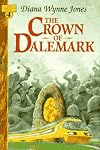
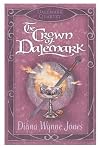
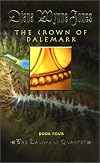
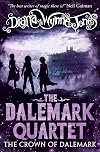
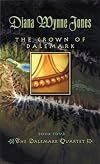
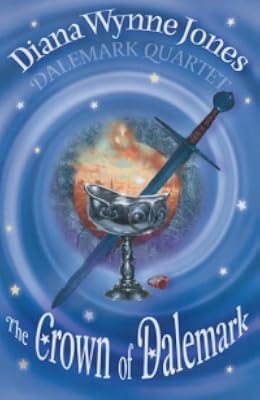
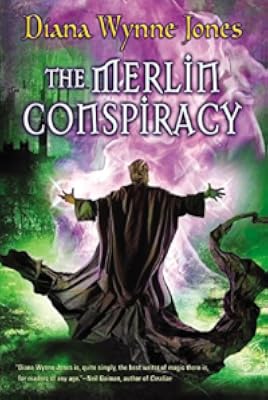
The Countess and Lord Keril send Mitt to kill a young woman Noreth Onesdaughter, who claims to know where the lost crown is hidden.Tags
Recommendations

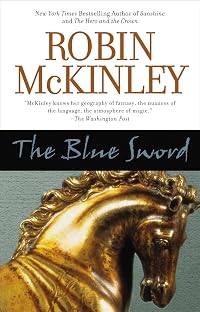

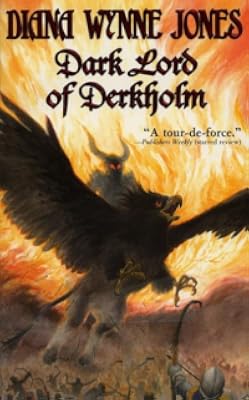
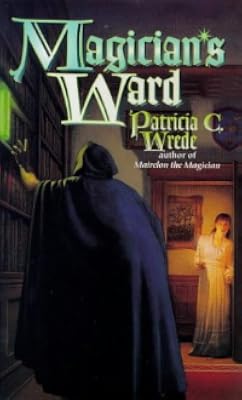
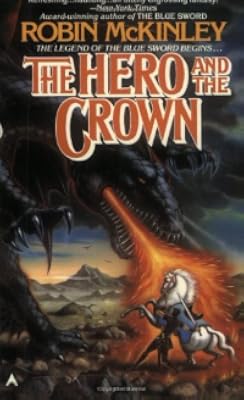
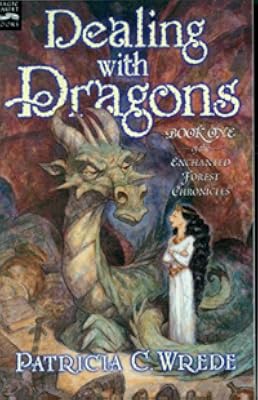
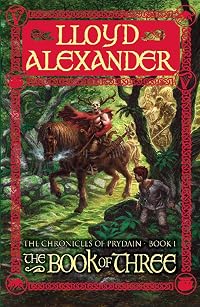
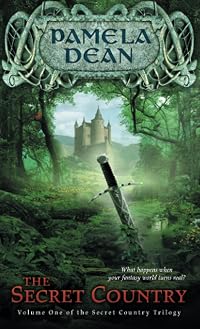
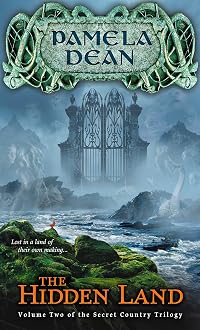
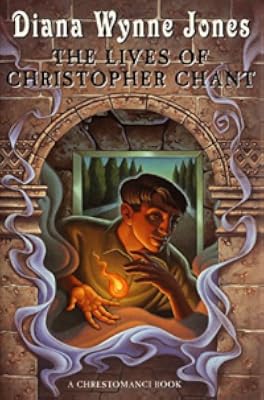

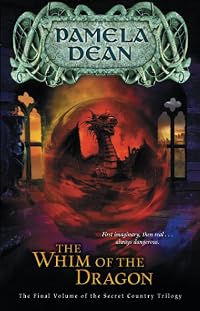
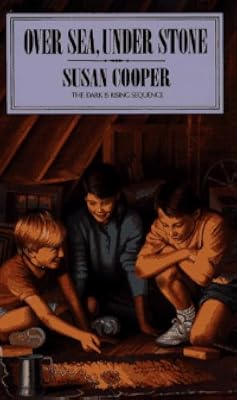
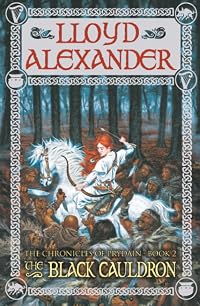
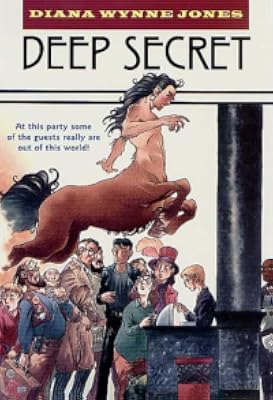

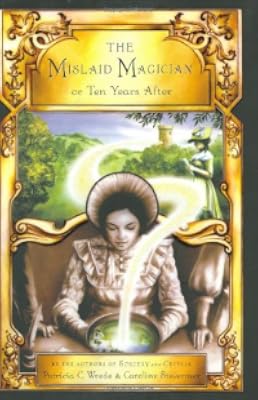

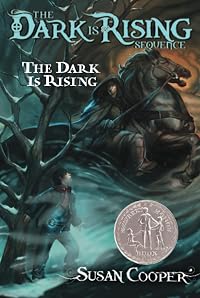
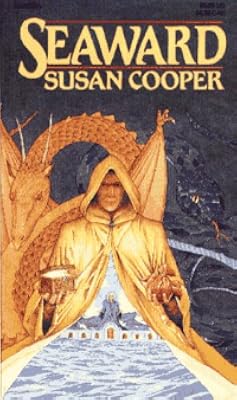
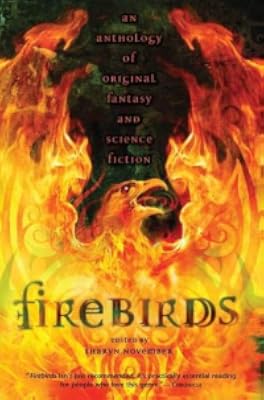
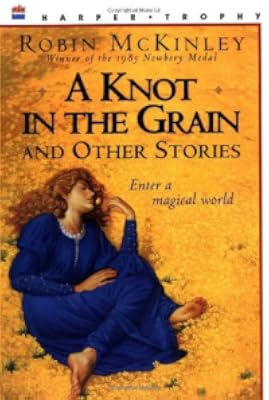
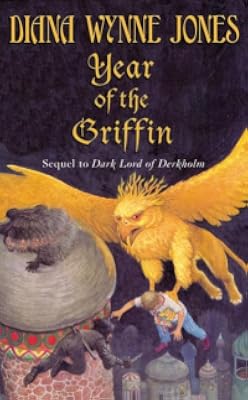
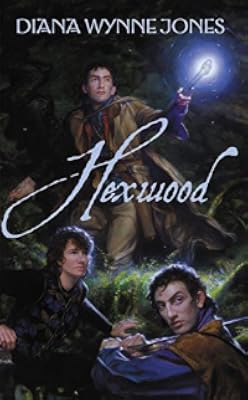
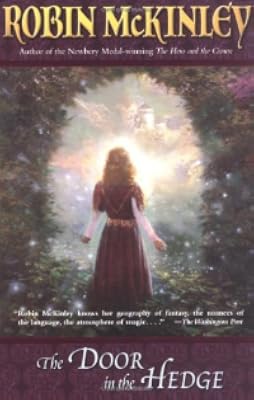
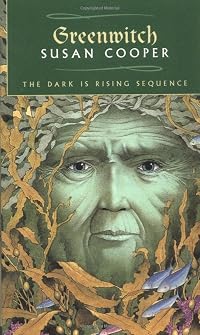

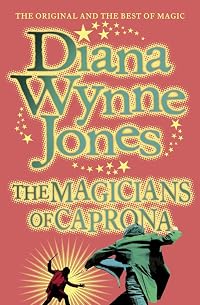

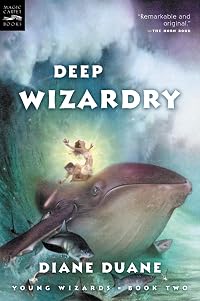
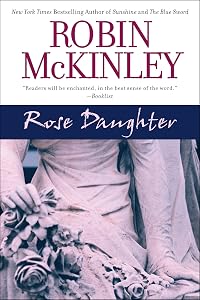
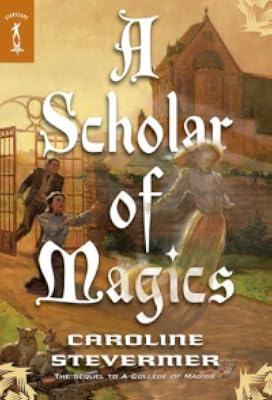
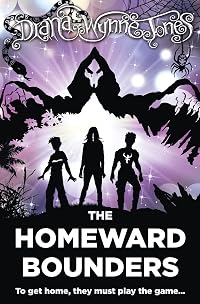
Member Recommendations
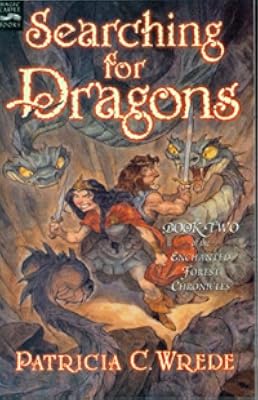
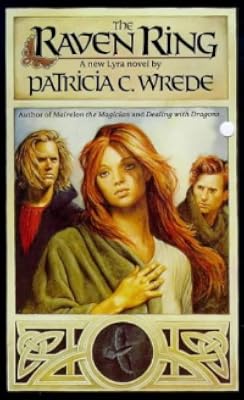
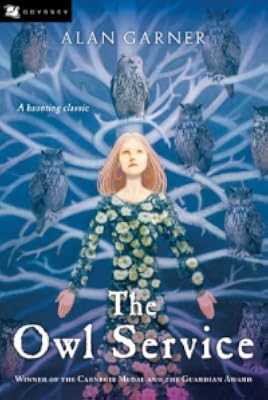
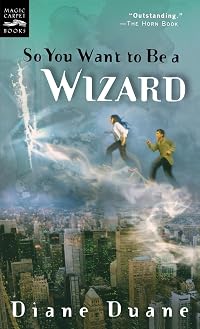
ed.pendragon The Spellcoats and The Crown of Dalemark provide the frame for the Dalemark Quartet.
30
ed.pendragon These two novels in the Dalemark sequence introduce the principal characters who re-appear in the final novel of the quartet, The Crown of Dalemark
31
Member Reviews
Finale volume | where past and present meet and, | maybe, all’s resolved.
Young Mitt is from South Dalemark, but when he escapes its politics and intrigues he finds that the North is equally dangerous because he is manoeuvred into an assassination attempt on a pretender to the crown of Dalemark. The plot also turns on a present-day girl, Maewen, who gets propelled into Dalemark’s past to play a role not of her own choosing, in a narrative that is reminiscent of the premise in Mark Twain’s The Prince and the Pauper. And the Crown? That turns out not just to be a metaphor for gaining a throne but also part of a theme that mingles together motifs of modern Tarot imagery and the medieval quest for the Grail.
As in the previous titles of show more the series the reader is treated to extensive exploration of the troubled realm of Dalemark, and key themes as well as characters from The Spellcoats, Cart and Cwidder and Drowned Ammet re-emerge to play crucial parts in the unfolding story. Along with the tying-together of some unresolved threads curiosity grows concerning how characters such as Mitt and Moril, whom we learnt to sympathise with in the intermediate books, will interact with Maewen, especially now that they growing from adolescence in adulthood, and whether they will retain our sympathy.
With so many of Jones’ young adult fantasies there, as here, are a few blemishes, inconsistencies, loose ends perhaps, that mar her superb story-telling skills. Endings are so often confusing, eliciting responses along the lines of “Whoa, what just happened here?” when the final resolution involves obscure verbal logic that even several re-readings rarely make clear. She also frequently hints at things without being explicit so that you are left to fill in the gaps without ever being sure that your gut feelings ultimately are correct. This comes largely from her using familiar folk- and fairy-tale types and motifs which raise our expectations, only to have them dashed or circumvented when she subverts the conventional tropes.
Having said all that, I must say I really enjoyed The Crown of Dalemark on several levels. I engaged with the main protagonists, Maewen, Mitt and Moril, all three with their very human strengths and failings, as well with most of the rest of the cast of characters, some of whom we have met previously and whose personalities have evolved (not always for the better). I loved the chance to explore the geography of Dalemark and to relate the present-day state of the region with the Late Medieval / Early Modern feel of the chronologically intermediate novels, a modern Dalemark which is both familiar and more magical compared to our own world. I savoured Jones’ usual little wordgames and puns; typical of these is the entity Kankredin (wonderfully but chillingly conjured up in the novel and reminiscent of a malevolent djinn from The Arabian Nights) whose name has echoes of the Middle East (Aladdin, Saladin) combined with ‘canker’, a malign growth. Above all there was a strong sense of a Northern European milieu, from the mix of Scandinavian- and Celtic-influenced names to the physical features of the polities and emerging industrial innovations.
For me, one of the proofs of an enjoyable novel is that the answer to “Would I read this again?” is always in the affirmative; on that basis I can confirm that I’m looking forward to revisiting Dalemark in the not too distant future.
http://wp.me/p2oNj1-n6 show less
Young Mitt is from South Dalemark, but when he escapes its politics and intrigues he finds that the North is equally dangerous because he is manoeuvred into an assassination attempt on a pretender to the crown of Dalemark. The plot also turns on a present-day girl, Maewen, who gets propelled into Dalemark’s past to play a role not of her own choosing, in a narrative that is reminiscent of the premise in Mark Twain’s The Prince and the Pauper. And the Crown? That turns out not just to be a metaphor for gaining a throne but also part of a theme that mingles together motifs of modern Tarot imagery and the medieval quest for the Grail.
As in the previous titles of show more the series the reader is treated to extensive exploration of the troubled realm of Dalemark, and key themes as well as characters from The Spellcoats, Cart and Cwidder and Drowned Ammet re-emerge to play crucial parts in the unfolding story. Along with the tying-together of some unresolved threads curiosity grows concerning how characters such as Mitt and Moril, whom we learnt to sympathise with in the intermediate books, will interact with Maewen, especially now that they growing from adolescence in adulthood, and whether they will retain our sympathy.
With so many of Jones’ young adult fantasies there, as here, are a few blemishes, inconsistencies, loose ends perhaps, that mar her superb story-telling skills. Endings are so often confusing, eliciting responses along the lines of “Whoa, what just happened here?” when the final resolution involves obscure verbal logic that even several re-readings rarely make clear. She also frequently hints at things without being explicit so that you are left to fill in the gaps without ever being sure that your gut feelings ultimately are correct. This comes largely from her using familiar folk- and fairy-tale types and motifs which raise our expectations, only to have them dashed or circumvented when she subverts the conventional tropes.
Having said all that, I must say I really enjoyed The Crown of Dalemark on several levels. I engaged with the main protagonists, Maewen, Mitt and Moril, all three with their very human strengths and failings, as well with most of the rest of the cast of characters, some of whom we have met previously and whose personalities have evolved (not always for the better). I loved the chance to explore the geography of Dalemark and to relate the present-day state of the region with the Late Medieval / Early Modern feel of the chronologically intermediate novels, a modern Dalemark which is both familiar and more magical compared to our own world. I savoured Jones’ usual little wordgames and puns; typical of these is the entity Kankredin (wonderfully but chillingly conjured up in the novel and reminiscent of a malevolent djinn from The Arabian Nights) whose name has echoes of the Middle East (Aladdin, Saladin) combined with ‘canker’, a malign growth. Above all there was a strong sense of a Northern European milieu, from the mix of Scandinavian- and Celtic-influenced names to the physical features of the polities and emerging industrial innovations.
For me, one of the proofs of an enjoyable novel is that the answer to “Would I read this again?” is always in the affirmative; on that basis I can confirm that I’m looking forward to revisiting Dalemark in the not too distant future.
http://wp.me/p2oNj1-n6 show less
This is unquestionably my favorite of the quartet. Primarily this is because of Mitt and Maewen, but the book is also full of adventure, humor, and magic. There is a lot of ambiguity in this series, not all of which is resolved to my satisfaction. But in a way this makes it a better series, there are holes in the plot that make you think long after you've finished reading. I love that DWJ has invented a linguistics which explains most but not all of the inter-relation between characters.
In the conclusion to her Dalemark quartet, Diana Wynne Jones again creates a compelling story with sympathetic characters to carry it along. This book brings together all the disparate threads from the first three books, and we finally get to see our beloved characters from each of those stories again. It's great fun to see them together!
In this story, we've fast-forwarded 200 years and all the events and people from the first two books are artifacts and legend now. When Maewen is sent to the past by Wend, a caretaker at the museum, she is immediately thrust into the place of a princess who has vanished — a princess who was just about to ride the King's Road and seek to unify the country's warring earldoms into a kingdom once more. show more Maewen finds herself under a strange compulsion to make sure Noreth's vision does not die.
Helping Maewen (and quite unaware of her true identity) are Moril, Mitt, Navis, and other characters from the earlier stories. Again, Jones brilliantly depicts the complexities of human relationships, and upsets a few expectations set up in the other books.
Though I found the end a little confusing and need to reread it for clarity, I found the story overall to be a very satisfying conclusion to the series. I'm glad I reread the Dalemark quartet as a adult; it's quite good fantasy that manages to avoid most of the genre's besetting clichés. Recommended. show less
In this story, we've fast-forwarded 200 years and all the events and people from the first two books are artifacts and legend now. When Maewen is sent to the past by Wend, a caretaker at the museum, she is immediately thrust into the place of a princess who has vanished — a princess who was just about to ride the King's Road and seek to unify the country's warring earldoms into a kingdom once more. show more Maewen finds herself under a strange compulsion to make sure Noreth's vision does not die.
Helping Maewen (and quite unaware of her true identity) are Moril, Mitt, Navis, and other characters from the earlier stories. Again, Jones brilliantly depicts the complexities of human relationships, and upsets a few expectations set up in the other books.
Though I found the end a little confusing and need to reread it for clarity, I found the story overall to be a very satisfying conclusion to the series. I'm glad I reread the Dalemark quartet as a adult; it's quite good fantasy that manages to avoid most of the genre's besetting clichés. Recommended. show less
Jones' epic quartet is concluded in this book, which brings together the past, present, and future inhabitants of Dalemark to bring about the reign of King Amil and the ultimate defeat of Kankredin. We are told the story from the perspective of Maeqin, a girl from the future who is sent back in time by Wend (of the Undying and one of the four siblings from the Spellcoats) to play the part of the girl who would unite Dalemark under one crown. It seems like an easy replacement - she does know what the future looks like after all - but the plot is much more complicated than that! Jones' storytelling abilities are put to the ultimate test as she must miraculously make all of the various torylines make sense, and as per usual she does not show more disappoint! show less
Interesting story that also looks at the nature of mythology and how time warps the true story.
Mitt is blackmailed into hunting down a young woman who claims to be the heir of the crown of Dalemark but little does he realise that she is a time-traveller who looks very much like that girl. Maewen is following a voice who is guiding her to the treasures of Dalemark and to claiming the throne, but can the voice be trusted? Is her own intuition better?
It's an interesting story with some interesting characters, the end did feel a bit rushed though after ages of travel but altogether a satisfying end to the series.
Mitt is blackmailed into hunting down a young woman who claims to be the heir of the crown of Dalemark but little does he realise that she is a time-traveller who looks very much like that girl. Maewen is following a voice who is guiding her to the treasures of Dalemark and to claiming the throne, but can the voice be trusted? Is her own intuition better?
It's an interesting story with some interesting characters, the end did feel a bit rushed though after ages of travel but altogether a satisfying end to the series.
Oh, DWJ! You started out with a girl savior and then of course it has to be the boy after all!
I always enjoy DWJ's books, and this is no exception. She keeps plots humming along nicely, with lots of interesting observations. I will say this was not my FAVORITE of the Dalemark Quartet, but it was good to wrap it all up.
I always enjoy DWJ's books, and this is no exception. She keeps plots humming along nicely, with lots of interesting observations. I will say this was not my FAVORITE of the Dalemark Quartet, but it was good to wrap it all up.
http://nwhyte.livejournal.com/2163201.html
I had not realised that this is actually the fourth and final novel in a sequence of which I had read only the third, and that more than thirty years ago, so I found myself struggling a bit with events which were carried over from the previous volume. But it is certainly enjuoyable on its own, and I suspect is a good climax to the whole sequence of novels - our heroine, Maewen, is snatched two hundred years back in time to find herself playing a key role in the closing phase of a dynastic struggle between (fairly small) kingdoms, one of a small group who appear to have come together accidentally but actually are part of a larger plan of manipulation by the gods. A lot of DWJ's trademark humanity show more in the face of awful challenges, and then an ending which brings the story back to Maewen's present day. I wished I had read the others in the series, and now perhaps I shall. show less
I had not realised that this is actually the fourth and final novel in a sequence of which I had read only the third, and that more than thirty years ago, so I found myself struggling a bit with events which were carried over from the previous volume. But it is certainly enjuoyable on its own, and I suspect is a good climax to the whole sequence of novels - our heroine, Maewen, is snatched two hundred years back in time to find herself playing a key role in the closing phase of a dynastic struggle between (fairly small) kingdoms, one of a small group who appear to have come together accidentally but actually are part of a larger plan of manipulation by the gods. A lot of DWJ's trademark humanity show more in the face of awful challenges, and then an ending which brings the story back to Maewen's present day. I wished I had read the others in the series, and now perhaps I shall. show less
Members
- Recently Added By
Lists

Favourite books by Diana Wynne Jones
35 works; 3 members

1990s
309 works; 16 members

Mythopoeic fantasy award winners - children literature
24 works; 1 member

Main Character is aged 10-19
361 works; 6 members

Best Library Reads of 2013
114 works; 1 member

Five star books
1,755 works; 107 members

Books Read in 2018
4,360 works; 110 members
Author Information

111+ Works 80,244 Members
Diana Wynne Jones was born in London on August 16, 1934. In 1953, she began school at St. Anne's College Oxford and attended lectures by J. R. R. Tolkien and C. S. Lewis. After graduation, she created plays for children that were performed at the London Arts Theatre. Her first book was published in 1973. She wrote over 40 books during her lifetime show more including Dark Lord of Derkholm, Earwig and the Witch, and the Chrestomanci series. She won numerous awards including the Guardian Award for Children's Books in 1977 for Charmed Life, the Boston Globe-Horn Book Award in 1984 for Archer's Goon, the Mythopeic Award in 1999, the Karl Edward Wagner Award in 1999, and the Life Achievement Award from the World Fantasy Organization in 2007. Her book Howl's Moving Castle was adapted into an animated film by director Hayao Miyazaki, and the film was nominated for an Academy Award for Best Animated Feature. She died from lung cancer on March 26, 2011 at the age of 76. (Bowker Author Biography) show less
Some Editions
Awards and Honors
Awards
Series

Belongs to Publisher Series
Bastei Lübbe - Science Fiction (20468)
Work Relationships
Common Knowledge
- Canonical title
- The Crown of Dalemark
- Original publication date
- 1993
- People/Characters
- Mitt; Osfameron Tanamoril (Moril); Maleybridwen Singer (Maewen); Cennoreth Manaliabrid (Brid); Dastgandlen Handagner (Dagner); Cennoreth (show all 12); Kankredin; Noreth; Enblith (Biffa); Hildrida Navisdaughter (Hildy); Hestefan; Fenna
- Important places
- Dalemark
- Dedication
- For Rachel
- First words
- The Earl of Hannart arrived in Aberath two days before Midsummer.
- Last words
- (Click to show. Warning: May contain spoilers.)She was going to get the train to Dropthwaite tomorrow, and somehow, she was going to find Cennoreth there.
- Original language
- English
Classifications
- Genres
- Fiction and Literature, Fantasy, Tween, Teen, Young Adult
- DDC/MDS
- 823.914 — Literature & rhetoric English & Old English literatures English fiction 1900- 1901-1999 1945-1999
- LCC
- PZ7 .J684 .C — Language and Literature Fiction and juvenile belles lettres Fiction and juvenile belles lettres Juvenile belles lettres
- BISAC
Statistics
- Members
- 935
- Popularity
- 28,383
- Reviews
- 16
- Rating
- (3.95)
- Languages
- Dutch, English, German
- Media
- Paper, Audiobook, Ebook
- ISBNs
- 18
- ASINs
- 7