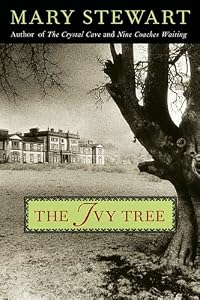
The Ivy Tree
by Mary Stewart
On This Page
Description
Mary Grey had come from Canada to the land of her forebears: Northumberland. As she savored the ordered, spare beauty of England's northern fells, the silence was shattered by the shout of a single name: "Annabel!" And there stood one of the angriest, most threatening young men Mary had ever seen. His name was Connor Winslow, and Mary quickly discovered that he thought she was his cousin-a girl supposedly dead these past eight years. Alive, she would be heiress to an inheritance Connor was show more determined to have for himself. This remarkably atmospheric novel is one of bestselling-author Mary Stewart's richest, most tantalizing, and most surprising efforts, proving her a rare master of the genre. show lessTags
Recommendations


















Member Recommendations
Member Reviews
Fieldnotes:
UK-Northumberland, Whitescar Farm, Contemporary (p.
1 Case of Mistaken Identity
1 Farm in Northumberland at the Heart of It All
1 Ailing and Rather Tyrannical Grandfather
3 Potential Heirs, of which:
1 Long-Missing
1 Rather Flighty
1 Hard-working but Entitled and Menacing Cousin
Scheming Over the Will
1 Symbolic Ivy-Choked Oak Tree
1 Estate Destroyed by Fire
1 Secret Love Affair
1 Moonlight Meeting
Letters Hidden in a Tree
3 (?) Attempted Murders (maybe)
1 Charming and Kindhearted Scot with a fondness for Kittens
1 Excellent Scene with Cats and Sandwiches
Roman Stones
1 Race Through the Sodden Countryside
1 Wild Horse
The Short Version:
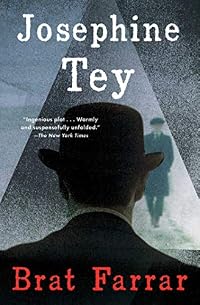
When a young woman hiking by Hadrian's Wall (by the Sycamore Gap - which made me a bit melancholy) is taken by show more a menacing Irishman to be his long-absent cousin Annabel Winslow, a scheme unfolds between them. Mary agrees to come to Whitescar farm and pretend to be Annabel to steer their grandfather to leave the inheritance to (the aptly named) Con. With copious references to the novel Brat Farrar (where something similar takes place), the scheme seems successful, but there is far more at stake here - why did Annabel leave in such a tizzy? how can Mary/Annabel keep her cousin Julie safe? will the irascible grandfather stop playing games with them over the inheritance before he dies? Can Mary/Annabel pull off the deception long term?
It's a twisty Gothic romance as Mary Stewart excels with menacing menfolk, a house/estate, storms that create high drama, and a rather charming scene slipping sandwiches to a cat hiding underneath an armchair. I wanted the love interest to be Donald Seton, the kind-hearted archaeologist with a tendre for Julie, as I wanted to see more of him. The actual reunited lovers are fine if uninspiring. There is an excellent amount of barely-contained menace, and I enjoyed puzzling my way through the novel. show less
UK-Northumberland, Whitescar Farm, Contemporary (p.
1 Case of Mistaken Identity
1 Farm in Northumberland at the Heart of It All
1 Ailing and Rather Tyrannical Grandfather
3 Potential Heirs, of which:
1 Long-Missing
1 Rather Flighty
1 Hard-working but Entitled and Menacing Cousin
Scheming Over the Will
1 Symbolic Ivy-Choked Oak Tree
1 Estate Destroyed by Fire
1 Secret Love Affair
1 Moonlight Meeting
Letters Hidden in a Tree
3 (?) Attempted Murders (maybe)
1 Charming and Kindhearted Scot with a fondness for Kittens
1 Excellent Scene with Cats and Sandwiches
Roman Stones
1 Race Through the Sodden Countryside
1 Wild Horse
The Short Version:
When a young woman hiking by Hadrian's Wall (by the Sycamore Gap - which made me a bit melancholy) is taken by show more a menacing Irishman to be his long-absent cousin Annabel Winslow, a scheme unfolds between them. Mary agrees to come to Whitescar farm and pretend to be Annabel to steer their grandfather to leave the inheritance to (the aptly named) Con. With copious references to the novel Brat Farrar (where something similar takes place), the scheme seems successful, but there is far more at stake here - why did Annabel leave in such a tizzy? how can Mary/Annabel keep her cousin Julie safe? will the irascible grandfather stop playing games with them over the inheritance before he dies? Can Mary/Annabel pull off the deception long term?
It's a twisty Gothic romance as Mary Stewart excels with menacing menfolk, a house/estate, storms that create high drama, and a rather charming scene slipping sandwiches to a cat hiding underneath an armchair. I wanted the love interest to be Donald Seton, the kind-hearted archaeologist with a tendre for Julie, as I wanted to see more of him. The actual reunited lovers are fine if uninspiring. There is an excellent amount of barely-contained menace, and I enjoyed puzzling my way through the novel. show less
I was so enamored of Mary Stewart’s writing when I was a teenager that I would hide when I read them so that I could pretend not to hear my older sister calling me to do chores. I am almost that enchanted with them this second time around, but it is now a husband who keeps trying to pry me away.
The Ivy Tree can easily be placed among my favorites of the mystery/romances. It is complicated enough to keep you guessing and every time you think you have figured it out for sure, Mary Stewart makes you guess again. It is based on a fairly common device, the virtual twin stranger who impersonates the real heiress, but while the device might be common the writing and the deft handling of the situation is not. On a trip to Northumberland, Mary show more Grey of Canada is assailed by a handsome, but somewhat frightening, Connor Winslow, who mistakes her for his cousin, Annabel, who has been missing and believed dead for some eight years. At loose ends and down on her luck, Mary is persuaded to impersonate the aforesaid Annabel and help Connor get the inheritance he is (in his eyes) entitled to.
What ensues is a thrilling, twisting ride in the style that only Mary Stewart can conjure. Few writers can engage all the senses in their writing, but for me Mary Stewart does this consistently.
I was very still. Close overhead I heard the scratch and rattle on the sloping roof tiles, then the throaty murmur as the pigeons settled back again to sleep. From the garden below came the smell of lilac. A moth fluttered past my cheek, and a bat cut the clear sky like a knife. Down in the neglected garden-grass the black and white cat crouched, tail whipping, then sprang. Something screamed in the grass.
And, one might certainly think of Mary Stewart’s work as more fun than thought, but I find that is a deception. She peppers her work with literary allusions, thoughtful humor, and tidbits of wisdom.
People ought to avoid pain if they can, like disease...but if they have to stand it, its best use might be that it makes them kinder. I think that is a pretty astute observation.
There are a couple of incidents in this novel involving a cat that I truly delighted in. They made the book stand apart for me as being quite special. Who doesn’t love an author who shows an affinity with the animal kingdom, and the quickest way to make me trust a character is make him kind to animals. Which might explain why I was so taken with a fairly minor character, by name of Donald Seton, who added warmth, humor, steadiness and dignity to the tale.
Finally, there is the symbolism of the Ivy Tree itself, a prodigious oak that has been suffocated by the parasitic ivy that covers it. A thing that is beautiful on the outside, but rotten within (like a certain character in this book), evidence that something that appears strong may just be a crumbling weakness, and a reminder that love and desires that cannot be shown publicly, but must be hidden away, can be dangerous.
In my quest to re-read all the Mary Stewart canon, I am glad I did not miss The Ivy Tree. If I were stranded on a desert island with a trunk containing all the works of only two authors, knowing I would have to read them over and over again for the rest of my life, I might well pick Shakespeare and Mary Stewart and be a happy camper. show less
The Ivy Tree can easily be placed among my favorites of the mystery/romances. It is complicated enough to keep you guessing and every time you think you have figured it out for sure, Mary Stewart makes you guess again. It is based on a fairly common device, the virtual twin stranger who impersonates the real heiress, but while the device might be common the writing and the deft handling of the situation is not. On a trip to Northumberland, Mary show more Grey of Canada is assailed by a handsome, but somewhat frightening, Connor Winslow, who mistakes her for his cousin, Annabel, who has been missing and believed dead for some eight years. At loose ends and down on her luck, Mary is persuaded to impersonate the aforesaid Annabel and help Connor get the inheritance he is (in his eyes) entitled to.
What ensues is a thrilling, twisting ride in the style that only Mary Stewart can conjure. Few writers can engage all the senses in their writing, but for me Mary Stewart does this consistently.
I was very still. Close overhead I heard the scratch and rattle on the sloping roof tiles, then the throaty murmur as the pigeons settled back again to sleep. From the garden below came the smell of lilac. A moth fluttered past my cheek, and a bat cut the clear sky like a knife. Down in the neglected garden-grass the black and white cat crouched, tail whipping, then sprang. Something screamed in the grass.
And, one might certainly think of Mary Stewart’s work as more fun than thought, but I find that is a deception. She peppers her work with literary allusions, thoughtful humor, and tidbits of wisdom.
People ought to avoid pain if they can, like disease...but if they have to stand it, its best use might be that it makes them kinder. I think that is a pretty astute observation.
There are a couple of incidents in this novel involving a cat that I truly delighted in. They made the book stand apart for me as being quite special. Who doesn’t love an author who shows an affinity with the animal kingdom, and the quickest way to make me trust a character is make him kind to animals. Which might explain why I was so taken with a fairly minor character, by name of Donald Seton, who added warmth, humor, steadiness and dignity to the tale.
Finally, there is the symbolism of the Ivy Tree itself, a prodigious oak that has been suffocated by the parasitic ivy that covers it. A thing that is beautiful on the outside, but rotten within (like a certain character in this book), evidence that something that appears strong may just be a crumbling weakness, and a reminder that love and desires that cannot be shown publicly, but must be hidden away, can be dangerous.
In my quest to re-read all the Mary Stewart canon, I am glad I did not miss The Ivy Tree. If I were stranded on a desert island with a trunk containing all the works of only two authors, knowing I would have to read them over and over again for the rest of my life, I might well pick Shakespeare and Mary Stewart and be a happy camper. show less
In this book, there is a palpable thread of evil and danger permeating throughout. It flashes and fades but you feel it there always, under the surface, simmering and you find yourself almost holding your breath, wondering when it will finally erupt and who will be the victims.
A woman sitting by a cliff is mistaken for someone else and convinced to participate in a scheme to impersonate the person she looks so much like, in order to fool a dying man pining for his granddaughter who ran away 8 years ago and who has been thought to have died, so that 2 siblings can inherit an old family estate and farm.
It's not easy impersonating someone ... you've got to get their history correct, adopt mannerisms that they favored, be ready to not only show more recognize people who would have been part of your life and have knowledge of inside jokes, fights and perhaps even affairs. So can she pull it off?
The wonderful thing about this book is that the reader is kept in an ever changing flux, as one version of the truth after another are unveiled as disguised truths, and some truths deliberately hidden behind fabrications. So what and who are we to believe? And that simmering malice... was there a hand in a death or did the death occur naturally?
And by the way, I loved the ending! show less
A woman sitting by a cliff is mistaken for someone else and convinced to participate in a scheme to impersonate the person she looks so much like, in order to fool a dying man pining for his granddaughter who ran away 8 years ago and who has been thought to have died, so that 2 siblings can inherit an old family estate and farm.
It's not easy impersonating someone ... you've got to get their history correct, adopt mannerisms that they favored, be ready to not only show more recognize people who would have been part of your life and have knowledge of inside jokes, fights and perhaps even affairs. So can she pull it off?
The wonderful thing about this book is that the reader is kept in an ever changing flux, as one version of the truth after another are unveiled as disguised truths, and some truths deliberately hidden behind fabrications. So what and who are we to believe? And that simmering malice... was there a hand in a death or did the death occur naturally?
And by the way, I loved the ending! show less
In The Ivy Tree, Mary Stewart spins an engrossing tale of impersonation, fraud, family secrets, and murder in the beautiful north English countryside. The story is told by Mary Grey, a young woman who shares a startling resemblance to the heiress of the ancient farm Whitescar, owned by the Winslows. When old Matthew Winslow's nephew, the magnetic Connor, sees an opportunity to put this resemblance to good use, Mary finds herself taking part in a dangerous deception. She must navigate the passions and plots of each competing party, dealing with the ghosts of Annabel's past in the form of old lovers and broken hopes. But in a game like this, alliances are constantly shifting, and soon Mary becomes a target of Con's ruthless ambition.
The show more twist is good. I did guess it before it was revealed, but I still found it a clever and entertaining plot point. Stewart uses the benefits and limitations of the first-person narrative perfectly, twining her story with events from the past that loom up to haunt Mary. The past is full of secrets: no one knows the real reason that Annabel Winslow ran away eight years ago. And is she really dead?
As in all good Gothic novels, there are some time-honored archetypal symbols of the genre scattered throughout the story. The ivy tree, for one thing, is very like the oak that splits in Jane Eyre, a symbol of the doomed love affair that nevertheless survives. There is adultery and passion (never explicitly described), with a dutiful husband who serves his mad wife (who ends up killing herself). As in Jane Eyre and Rebecca, there is a house fire that devastates the family estate of the local nobility. The whole tale is atmospheric and tense, character-driven and bathed in convoluted motives and dark secrets. But somehow, these common elements don't feel overly recycled in this story. Perhaps it is the creative way in which these events and symbols are juxtaposed; it could also be the immediacy of the first-person narrative.
I noticed the dated attitude toward women; in one conversation Mary says that she will start acting like "a reasonable human being — that is, not like a woman." This idea, of women being creatures of instinct, incapable of rational thought and action, is repeated several times throughout the book. Also, every time Con appears we are reminded of his amazing, aggressive, fatal good looks and virility, and the power this exerts over the female sex (though interestingly enough, the two young women in the story don't fall for his charm in the least).
On the other hand, Stewart portrays the unthanked, devoted servitude of Con's sister Lisa as a decidedly bad thing. Despite their acceptance of the women-are-always-irrational view, the female characters are active participants in the plot, with plans and motives of their own. If they are bounded by the ideas of their times, I suppose that lends an air of authenticity to the period. And you really could argue the case both ways — just how honest was Mary being when she talked about being a reasonable human being (not a woman)? Was she just playing to Con's male ego? In any case, so much has changed since 1961 when this was first published.
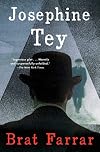
On the mystery side, I was reminded of another impersonation story, Josephine Tey's exquisitely crafted mystery Brat Farrar. The Ivy Tree is certainly more suspenseful and tense, but I think Tey's style is more graceful. Stewart has some lovely phrases and descriptions, but she is overfond of ellipses. Her dialogue is excellent, however. You fall right into the conversations and don't see how good the dialogue is until you realize your immersion.
I think The Ivy Tree will be even more enjoyable as a reread, to savor the little hints dropped here and there in the course of the tale. I look forward to reading more of Stewart's contributions to the Gothic romance tradition. show less
The show more twist is good. I did guess it before it was revealed, but I still found it a clever and entertaining plot point. Stewart uses the benefits and limitations of the first-person narrative perfectly, twining her story with events from the past that loom up to haunt Mary. The past is full of secrets: no one knows the real reason that Annabel Winslow ran away eight years ago. And is she really dead?
As in all good Gothic novels, there are some time-honored archetypal symbols of the genre scattered throughout the story. The ivy tree, for one thing, is very like the oak that splits in Jane Eyre, a symbol of the doomed love affair that nevertheless survives. There is adultery and passion (never explicitly described), with a dutiful husband who serves his mad wife (who ends up killing herself). As in Jane Eyre and Rebecca, there is a house fire that devastates the family estate of the local nobility. The whole tale is atmospheric and tense, character-driven and bathed in convoluted motives and dark secrets. But somehow, these common elements don't feel overly recycled in this story. Perhaps it is the creative way in which these events and symbols are juxtaposed; it could also be the immediacy of the first-person narrative.
I noticed the dated attitude toward women; in one conversation Mary says that she will start acting like "a reasonable human being — that is, not like a woman." This idea, of women being creatures of instinct, incapable of rational thought and action, is repeated several times throughout the book. Also, every time Con appears we are reminded of his amazing, aggressive, fatal good looks and virility, and the power this exerts over the female sex (though interestingly enough, the two young women in the story don't fall for his charm in the least).
On the other hand, Stewart portrays the unthanked, devoted servitude of Con's sister Lisa as a decidedly bad thing. Despite their acceptance of the women-are-always-irrational view, the female characters are active participants in the plot, with plans and motives of their own. If they are bounded by the ideas of their times, I suppose that lends an air of authenticity to the period. And you really could argue the case both ways — just how honest was Mary being when she talked about being a reasonable human being (not a woman)? Was she just playing to Con's male ego? In any case, so much has changed since 1961 when this was first published.
On the mystery side, I was reminded of another impersonation story, Josephine Tey's exquisitely crafted mystery Brat Farrar. The Ivy Tree is certainly more suspenseful and tense, but I think Tey's style is more graceful. Stewart has some lovely phrases and descriptions, but she is overfond of ellipses. Her dialogue is excellent, however. You fall right into the conversations and don't see how good the dialogue is until you realize your immersion.
I think The Ivy Tree will be even more enjoyable as a reread, to savor the little hints dropped here and there in the course of the tale. I look forward to reading more of Stewart's contributions to the Gothic romance tradition. show less
Mary Grey had only arrived in England, from Canada, a few days ago but she already felt at home, she was already a little in love with the English countryside.
But she found out that she wasn’t alone. A man approached her, convinced that she was his cousin Annabel, who had disappeared nine years ago. She assured him that she wasn’t. That he was mistaken.
The man was Connor Winslow, Con, and he was the manager of his great-uncle’s estate, Whitescar. He looked after the land and his half-sister, Lisa managed the house. And Con had an extraordinary idea: Mary should impersonate Annabel.
Matthew Winslow was dying, and he refused to believe that his grand-daughter was dead. Annabel was still named as the heir to his estate and his fortune show more in his will. Con wanted Mary to pose as Annabel, to claim her inheritance. She would be paid a substantial amount of money from the estate and he would save the family home he loved.
The idea seemed ludicrous. And yet …
Mary went to Whitescar. But she soon that realised, for all that Con and Lisa had told her, there were things she didn’t know. Things they had chosen not to tell her. And things that they didn’t know.
Who was Annabel? Who was Mary?
Mary Stewart wraps up a mystery and an emotional family drama with some lovely gothic touches
Yes, the plot does sound unbelievable, but she makes it work.
She attends to the practical details. Only a few people need be deceived for a very short time, and Annabel has been away for a long time. You can change a great detail, forget a certain amount, between the ages of nineteen and twenty-eight, and Mary’s own life history can be used to account for Annabel’s ‘lost years’.
And she writes it beautifully. Descriptions of the house and the country are beautifully and naturally written, the characters and their conversations are utterly real, the motions rang true, and I found it very easy to be drawn in.
There were so many gentle plot twists, so many emotional changes, and my involvement with the story never faltered.
There were lovely details too. Annabel’s cousin, Julie, was the same age that Annabel when she disappeared. Julie’s boyfriend, Donald, was an archaeologist involved with a project at a Roman fort in the area. And the plotters themselves note the similarity of their plan to Josephine Tey’s Brat Farrar …
The romance that I expected in a Mary Stewart novel arrived a little late, and the grand finale was everything a finale should be.
Having Mary tell the story was a wise decision. I questioned her reliability, and I wondered what she might be holding back, but now that her story is done I can’t fault her narration. I understand the reasons for everything she said and did; and for everything that she didn’t say and didn’t do.
I wonder if it’s significant that the author gave her leading lady her own name … ?
I had an idea how the plot would be resolved, and I got a lot of it but not everything.
A couple of small niggles: a few women characters a little too accepting of their situations, a few male characters a little undeveloped, and the unbelievability of the deception at the centre of the plot.
That leaves me incline to say that this is a book to read when you want to be entertained, but not when you want to be too analytical.
But, having said that, I can’t fault the logic. Now I look back I can see that there were clues. And I think that if I went back to the beginning and read The Ivy Tree all over again the logic would still hold up, and I would admire the cleverness of the construction.
I probably will one day show less
But she found out that she wasn’t alone. A man approached her, convinced that she was his cousin Annabel, who had disappeared nine years ago. She assured him that she wasn’t. That he was mistaken.
The man was Connor Winslow, Con, and he was the manager of his great-uncle’s estate, Whitescar. He looked after the land and his half-sister, Lisa managed the house. And Con had an extraordinary idea: Mary should impersonate Annabel.
Matthew Winslow was dying, and he refused to believe that his grand-daughter was dead. Annabel was still named as the heir to his estate and his fortune show more in his will. Con wanted Mary to pose as Annabel, to claim her inheritance. She would be paid a substantial amount of money from the estate and he would save the family home he loved.
The idea seemed ludicrous. And yet …
Mary went to Whitescar. But she soon that realised, for all that Con and Lisa had told her, there were things she didn’t know. Things they had chosen not to tell her. And things that they didn’t know.
Who was Annabel? Who was Mary?
Mary Stewart wraps up a mystery and an emotional family drama with some lovely gothic touches
Yes, the plot does sound unbelievable, but she makes it work.
She attends to the practical details. Only a few people need be deceived for a very short time, and Annabel has been away for a long time. You can change a great detail, forget a certain amount, between the ages of nineteen and twenty-eight, and Mary’s own life history can be used to account for Annabel’s ‘lost years’.
And she writes it beautifully. Descriptions of the house and the country are beautifully and naturally written, the characters and their conversations are utterly real, the motions rang true, and I found it very easy to be drawn in.
There were so many gentle plot twists, so many emotional changes, and my involvement with the story never faltered.
There were lovely details too. Annabel’s cousin, Julie, was the same age that Annabel when she disappeared. Julie’s boyfriend, Donald, was an archaeologist involved with a project at a Roman fort in the area. And the plotters themselves note the similarity of their plan to Josephine Tey’s Brat Farrar …
The romance that I expected in a Mary Stewart novel arrived a little late, and the grand finale was everything a finale should be.
Having Mary tell the story was a wise decision. I questioned her reliability, and I wondered what she might be holding back, but now that her story is done I can’t fault her narration. I understand the reasons for everything she said and did; and for everything that she didn’t say and didn’t do.
I wonder if it’s significant that the author gave her leading lady her own name … ?
I had an idea how the plot would be resolved, and I got a lot of it but not everything.
A couple of small niggles: a few women characters a little too accepting of their situations, a few male characters a little undeveloped, and the unbelievability of the deception at the centre of the plot.
That leaves me incline to say that this is a book to read when you want to be entertained, but not when you want to be too analytical.
But, having said that, I can’t fault the logic. Now I look back I can see that there were clues. And I think that if I went back to the beginning and read The Ivy Tree all over again the logic would still hold up, and I would admire the cleverness of the construction.
I probably will one day show less
Well written and absorbing. Had to overlook some good old fashioned sexism and gender stereotypes probably typical of its time (yes yes, women are hysterical and irrational beings, and marrying at 19 after being together for a few weeks is totally reasonable). The premise is ridiculous of course, but Stewart really knows how to tell a story hung together by tenuous threads with interesting characters and atmospheric descriptions that transport you to a different world and time. I guess I have a weakness for the type of writing well demonstrated by this paragraph:
"The flooding moonlight; the backcloth, as motionless and silent as paint, of the ruined house and towering trees; the little sundial with its sharply etched shadow thrown show more beside our own, these lent the scene an air of complete unreality. We were not people who ate and worked and talked through the sunlit days: we were beings from a fantasy world, creatures of a moonlit stage, living only by our passions, able to talk about love and death and pain, only in the subtle and rarefied voices of poetry. This was the world of the doomed black sail, the enchanted cup, the swallow flying through the casement with the single gold hair in his beak. We were Pervaneh and Rafi, floating like ghosts through the night-time garden, and to us the death of love would come as poetry; not fear, and quarrelling, the grimy commonplaces of the station platform, the unanswered telephone, the letter gone astray, the years of dragging loneliness . . . The moonlight struck the sundial as sharply as the sun. Time was."
As purple as it gets, but I love it. Definitely a great comfort read for me, and a story I'll probably revisit from time to time. show less
"The flooding moonlight; the backcloth, as motionless and silent as paint, of the ruined house and towering trees; the little sundial with its sharply etched shadow thrown show more beside our own, these lent the scene an air of complete unreality. We were not people who ate and worked and talked through the sunlit days: we were beings from a fantasy world, creatures of a moonlit stage, living only by our passions, able to talk about love and death and pain, only in the subtle and rarefied voices of poetry. This was the world of the doomed black sail, the enchanted cup, the swallow flying through the casement with the single gold hair in his beak. We were Pervaneh and Rafi, floating like ghosts through the night-time garden, and to us the death of love would come as poetry; not fear, and quarrelling, the grimy commonplaces of the station platform, the unanswered telephone, the letter gone astray, the years of dragging loneliness . . . The moonlight struck the sundial as sharply as the sun. Time was."
As purple as it gets, but I love it. Definitely a great comfort read for me, and a story I'll probably revisit from time to time. show less
This book proves to me how far ahead of her time Mary Stewart was.
A very well crafted suspense novel involving impersonation of a woman thought to be dead. Will she be able to pull in off? Mary Grey takes on the role of Annabelle Winslow in an attempt to claim the woman's inheritance. But, she finds her conscience pierced by the deception and she also finds her life in danger.
Mary Stewart's prose is lush and original. The story has many twist and turns and authentic Gothic atmosphere. Over all an A
A very well crafted suspense novel involving impersonation of a woman thought to be dead. Will she be able to pull in off? Mary Grey takes on the role of Annabelle Winslow in an attempt to claim the woman's inheritance. But, she finds her conscience pierced by the deception and she also finds her life in danger.
Mary Stewart's prose is lush and original. The story has many twist and turns and authentic Gothic atmosphere. Over all an A
Members
- Recently Added By
Lists

Comfort Reads
221 works; 41 members

Best Love Stories
107 works; 14 members

Books Set in Great Britain
191 works; 13 members

Unshelved Book Clubs
579 works; 5 members

Best Horse Stories or "Back in the Saddle Again"
82 works; 14 members

Books Read in 2017
4,248 works; 130 members

Recommended Horror and Dark Fiction by Women
81 works; 13 members

Books Read in 2021
5,361 works; 114 members

Books Read in 2023
5,547 works; 145 members
Author Information

51+ Works 40,210 Members
Mary Stewart was born on September 17, 1916 in Sunderland, County Durham, England. She received a First Class Honours B.A. in English from Durham University in 1938 and a teaching certificate in 1939. She taught in elementary school until 1941 when she was offered a post at Durham University. She taught there until 1945 and received a M.A. in show more English during that time. Her first book, Madam, Will You Talk?, was published in 1955. Her other works included My Brother Michael, Touch Not the Cat, This Rough Magic, Nine Coaches Waiting, Thornyhold, Rose Cottage, and the Merlin Trilogy. She also wrote children's books including Ludo and the Star Horse and A Walk in Wolf Wood. She died on May 9, 2014 at the age of 97. (Bowker Author Biography) show less
Some Editions
Awards and Honors
Distinctions
Series
Belongs to Publisher Series
Work Relationships
Common Knowledge
- Canonical title*
- Liefde komt terug
- Original publication date
- 1961
- People/Characters
- Mary Grey; Annabel Winslow; Connor Winslow; Adam Forrest; Rowan; Julie Winslow (show all 7); Lisa Dermott
- Important places
- Northumberland, England, UK
- Epigraph
- A north country maid up to London had stray'd,
Although with her nature it did not agree;
She wept, and she sighed, and she bitterly cried:
"I wish once again in the North I could be!
Oh! the oak a... (show all)nd the ash, and bonny ivy tree,
They flourish at home in the North Country.
"No doubt, did I please, i could marry with ease;
Where maidens are fair many lovers will come:
But he whom I wed must be North country bred,
And carry me back to my North Country home.
Oh! the oak and the ash, and the bonny ivy tree,
They flourished at home in my own country." - Dedication
- For Fredith and Thomas Kemp
- First words
- I might have been alone in a painted landscape.
- Last words
- (Click to show. Warning: May contain spoilers.)Time is to come...
- Original language
- English US
*Some information comes from Common Knowledge in other languages. Click "Edit" for more information.
Classifications
Statistics
- Members
- 1,446
- Popularity
- 16,119
- Reviews
- 36
- Rating
- (3.81)
- Languages
- 5 — Dutch, English, Finnish, French, German
- Media
- Paper, Audiobook, Ebook
- ISBNs
- 24
- UPCs
- 1
- ASINs
- 35