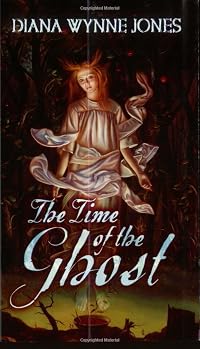
The Time of the Ghost
by Diana Wynne Jones
On This Page
Description
A ghost, uncertain of her identity, watches the four Melford sisters hatch a plan to get their parents' attention and slowly becomes aware of the danger from a supernatural power unleashed by the the girls and their friends from the boys boarding school run by the Melfords.Tags
Recommendations
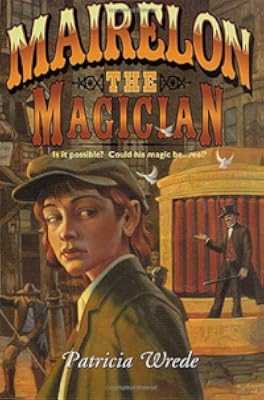

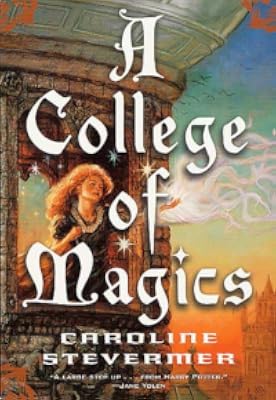
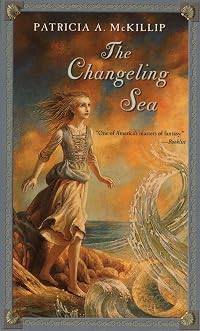
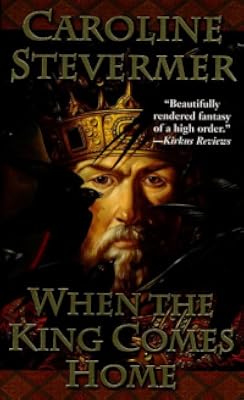


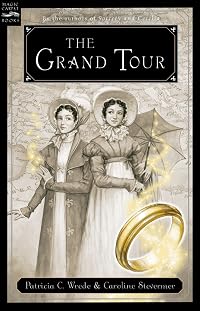
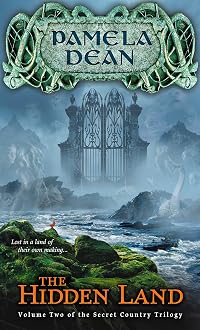
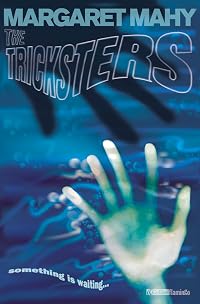

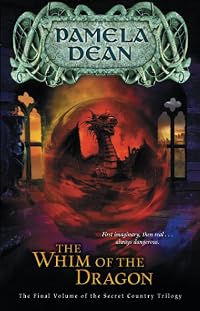

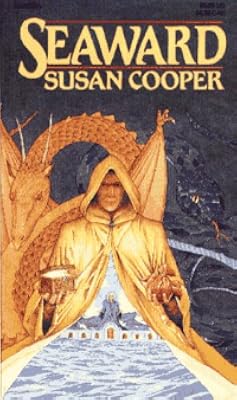

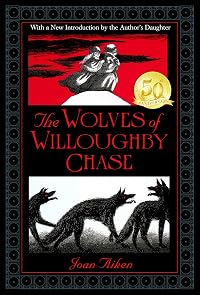
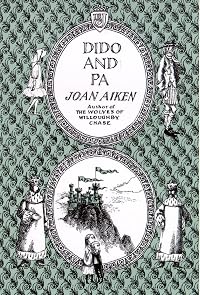
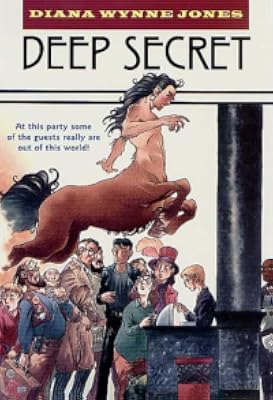




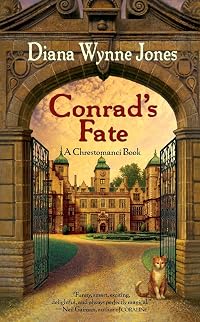
Member Recommendations
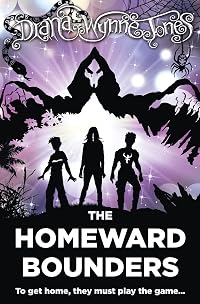
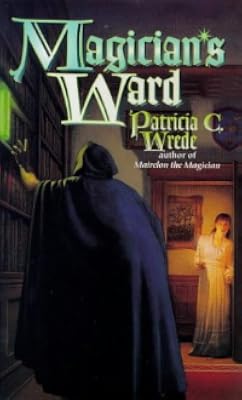
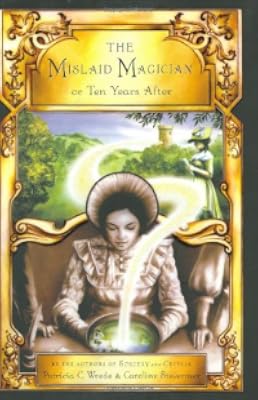
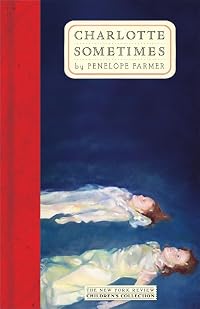
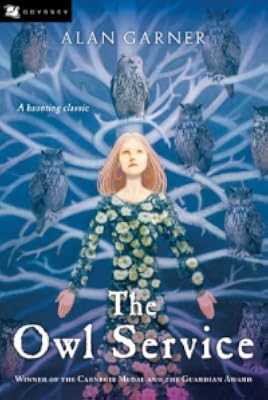
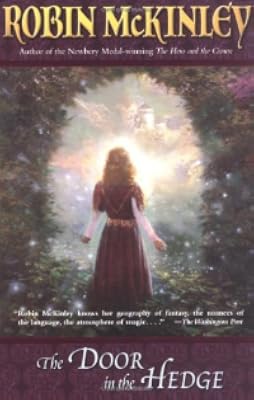
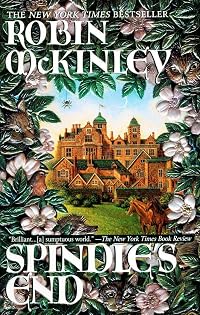
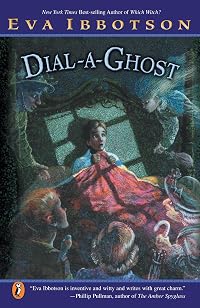
Aquila Both feature weird happenings that the main character presumes to be a haunting.
20

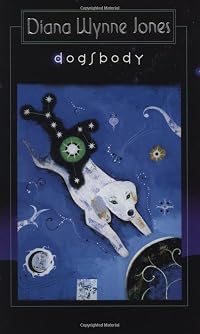
ed.pendragon Both titles narrate the story from the point of view of a female ghost trying to work out how and why she has become a disembodied spirit.
Member Reviews
I am haunted by Diana Wynne Jones' The Time of the Ghost which is quite fitting since the book is about ghost haunting her sisters and trying to figure out her identity.
The book starts with an unusual beginning: the confused wanderings of a panicked ghost who doesn’t know who she is or what exactly has happened. The unnamed, bodiless narrator knows only two things: that she is one of four sisters, and that there's been a terrible accident. This creates quite a fascinating mystery for the reader. Abd yet, for what seems like a long while, we simply follow the ghost around, perceiving the memories that awaken (in a sort of time slip) as she stumbles across the people and places that she knows once had so much meaning to her. Early on show more it could be frustrating to read, because a ghost doesn’t have much agency when she can’t talk to anyone or move any objects. However, our ghost learns a few tricks that get her noticed by her sisters and their friends, and the plot rolls along, especially when worship games and blood sacrifices give way to an ancient, evil spirit with a mortal grasp on the living. And this spirits name is Monigan.
The Worship of Monigan is a game that the four sisters made up, in which an old rag doll supposedly represents the goddess Monigan. Throughout the story, the sisters vary from treating the Worship of Monigan as a game to believing in it quite seriously. Could Monigan been the cause of the accident of our unnamed, bodiless narrator? Well, you'll have to read The Time of the Ghost to find out.
This was an unsettling, supernatural English novel for young adults, one that combines elements of mystery literature, time-travel, and the horror genre to create a story about the perils of messing with the unknown, the horrors of abuse, and the struggle between familiar bonds. The bonds between the sisters are portrayed realistically. And the goddess Monigan (which is a creepy doll) was horrifically rendered as well as some of the pagan rites attached to conjuring Monigan. Some have claimed that the abusive nature of the parents and the boyfriend is not becoming of children's/young adult literature but children and teens are quite aware of the evils within this world and it is not necessarily creepy dolls and goddesses that freak them out. It's those they are close to: parents, friends, lovers abusing them that causes nightmares. I know personally this horror.
As with many of DWJ's novels, the ending is complex and satisfying, and actually has a nice twist that I did not see coming. I was literally shocked at the last few sentences (as well as satisfied). The solution to the problem of Monigan's hold over the ghost is brilliant.
I plan to re-read this one. I may need to purchase my own copy because according to WorldCat, The Time of the Ghost is not among the twenty works by Jones that are most widely held in participating libraries, and this is a shame. show less
The book starts with an unusual beginning: the confused wanderings of a panicked ghost who doesn’t know who she is or what exactly has happened. The unnamed, bodiless narrator knows only two things: that she is one of four sisters, and that there's been a terrible accident. This creates quite a fascinating mystery for the reader. Abd yet, for what seems like a long while, we simply follow the ghost around, perceiving the memories that awaken (in a sort of time slip) as she stumbles across the people and places that she knows once had so much meaning to her. Early on show more it could be frustrating to read, because a ghost doesn’t have much agency when she can’t talk to anyone or move any objects. However, our ghost learns a few tricks that get her noticed by her sisters and their friends, and the plot rolls along, especially when worship games and blood sacrifices give way to an ancient, evil spirit with a mortal grasp on the living. And this spirits name is Monigan.
The Worship of Monigan is a game that the four sisters made up, in which an old rag doll supposedly represents the goddess Monigan. Throughout the story, the sisters vary from treating the Worship of Monigan as a game to believing in it quite seriously. Could Monigan been the cause of the accident of our unnamed, bodiless narrator? Well, you'll have to read The Time of the Ghost to find out.
This was an unsettling, supernatural English novel for young adults, one that combines elements of mystery literature, time-travel, and the horror genre to create a story about the perils of messing with the unknown, the horrors of abuse, and the struggle between familiar bonds. The bonds between the sisters are portrayed realistically. And the goddess Monigan (which is a creepy doll) was horrifically rendered as well as some of the pagan rites attached to conjuring Monigan. Some have claimed that the abusive nature of the parents and the boyfriend is not becoming of children's/young adult literature but children and teens are quite aware of the evils within this world and it is not necessarily creepy dolls and goddesses that freak them out. It's those they are close to: parents, friends, lovers abusing them that causes nightmares. I know personally this horror.
As with many of DWJ's novels, the ending is complex and satisfying, and actually has a nice twist that I did not see coming. I was literally shocked at the last few sentences (as well as satisfied). The solution to the problem of Monigan's hold over the ghost is brilliant.
I plan to re-read this one. I may need to purchase my own copy because according to WorldCat, The Time of the Ghost is not among the twenty works by Jones that are most widely held in participating libraries, and this is a shame. show less
The Time of the Ghost was unexpected. I knew it was about a ghost, one of four neglected sisters, watching her sisters, trying to work out who she is and what exactly was the accident which precipitated her becoming a ghost – and it is that. So I am not sure exactly why it was unexpected, but it was.
The sisters are believably rounded, original and flawed people. Jones really captures sibling relationships – that mixture of love, exasperation, tolerance and anger. These girls do not get along in perfect harmony, because they have foibles and irritating quirks; they don’t always say the right things and are not always likeable. There is something unsettling about this – initially, the ghost is critical of her family, and there is show more the uncomfortable possibility of discovering that she has been disliked, or unlikeable, or wrong. But by the end, the story had convinced me that not only were these sisters likeable, they genuinely liked each other, and it made me wish that the story went on. The girls’ lives felt real and vividly so, from their circumstances and how they deal with being neglected or ignored by their parents, to their friendships with boys who attend the school their parents run, and their dreams and plans and occasionally crazy antics.
As a mystery, it is compelling, and as a tale of adolescents who become caught up in something evil, it was seriously eerie. I think the evil supernatural aspect of the plot would have bothered me had I read it when I was much younger. Now, I do not know exactly what I think about it. I was disappointed when it ended – it wasn’t a bad ending; by Jones’ standards, it wasn’t even a particularly confusing ending, but I wanted more about these characters and their world. So it was a good sort of disappointment… which suggests it was a good sort of book.
“If you’re ready to listen to me—I didn’t mean that,” Fenella said, and still very portentous, she turned in a swirl of crooked green sack and marched away.
“Then what was it about?” Cart said to Imogen.
Imogen spread her hands. “Fenella being Fenella.” She raised her hands to the ceiling. “Oh, why am I cursed with sisters?”
“You’re not the only one!” snarled Cart. show less
The sisters are believably rounded, original and flawed people. Jones really captures sibling relationships – that mixture of love, exasperation, tolerance and anger. These girls do not get along in perfect harmony, because they have foibles and irritating quirks; they don’t always say the right things and are not always likeable. There is something unsettling about this – initially, the ghost is critical of her family, and there is show more the uncomfortable possibility of discovering that she has been disliked, or unlikeable, or wrong. But by the end, the story had convinced me that not only were these sisters likeable, they genuinely liked each other, and it made me wish that the story went on. The girls’ lives felt real and vividly so, from their circumstances and how they deal with being neglected or ignored by their parents, to their friendships with boys who attend the school their parents run, and their dreams and plans and occasionally crazy antics.
As a mystery, it is compelling, and as a tale of adolescents who become caught up in something evil, it was seriously eerie. I think the evil supernatural aspect of the plot would have bothered me had I read it when I was much younger. Now, I do not know exactly what I think about it. I was disappointed when it ended – it wasn’t a bad ending; by Jones’ standards, it wasn’t even a particularly confusing ending, but I wanted more about these characters and their world. So it was a good sort of disappointment… which suggests it was a good sort of book.
“If you’re ready to listen to me—I didn’t mean that,” Fenella said, and still very portentous, she turned in a swirl of crooked green sack and marched away.
“Then what was it about?” Cart said to Imogen.
Imogen spread her hands. “Fenella being Fenella.” She raised her hands to the ceiling. “Oh, why am I cursed with sisters?”
“You’re not the only one!” snarled Cart. show less
Possibly my favorite DWJ book. The story is creepy, funny, and complex. The characters are memorable and distinctive. A bit on the darker side as far as mentions of more serious issues like abuse, but it works well and I get something new out it with every reread since I first read it as a teenager.
An interesting short novel of Jones' which I had not read before. This takes the idea of the unreliable narrator to a new level by starting in the (third person) viewpoint of a character walking down a country lane and unable to remember what has happened apart from a strong sense of there having been a serious accident - and then realising that she no longer has a body. From there the 'ghost' finds her way to a boys' school run by the parents of four young girls and where she has an increasing sense that she is one of them. But apart from the family dog, no one can see or hear her.
Despite the ghost's confusion she gradually learns that the girls, fed up with the gross neglect of their parents - which during the course of the book show more descends into downright abuse - have hit on the idea that one of them should disappear for a while (staying at a friend's in the area) and they will force the parents to notice and acknowledge that absence.
The ghost decides she must be the missing girl and that she is dead after an accident - but then it transpires that nothing has happened to the fourth girl. And from there develops the complexity of the novel, with its shifts in time and its involvement with the worship of a supposedly imaginary being which has had the undesired effect of stirring up something powerful, ancient and evil ....
The real strength of this book is in the characters of the girls and to a lesser extent of the parents, some of the boys with whom the girls have formed an alliance, and the ghastly cook from whom the girls are forced to "steal" food which has otherwise been denied them. The dynamics between the sisters, their love/hate relationships, and their mutual dependence in adversity is what drives the book forward. I only felt it flagged a bit towards the fairly rushed endingwhen it flashes forward in time intermittently so that we see how things had turned out and who the 'ghost' really was - and learned how the evil which would catch up with that person had to be averted in the past . But there are some creepy sections and this story is quite dark given the parental abuse. My only real problem is that the way the girls turn out is not quite consistent with their younger selves. So an enjoyable read but not quite a 4 star for me. show less
Despite the ghost's confusion she gradually learns that the girls, fed up with the gross neglect of their parents - which during the course of the book show more descends into downright abuse - have hit on the idea that one of them should disappear for a while (staying at a friend's in the area) and they will force the parents to notice and acknowledge that absence.
The ghost decides she must be the missing girl and that she is dead after an accident - but then it transpires that nothing has happened to the fourth girl. And from there develops the complexity of the novel, with its shifts in time and its involvement with the worship of a supposedly imaginary being which has had the undesired effect of stirring up something powerful, ancient and evil ....
The real strength of this book is in the characters of the girls and to a lesser extent of the parents, some of the boys with whom the girls have formed an alliance, and the ghastly cook from whom the girls are forced to "steal" food which has otherwise been denied them. The dynamics between the sisters, their love/hate relationships, and their mutual dependence in adversity is what drives the book forward. I only felt it flagged a bit towards the fairly rushed ending
Anyone who has read a couple of books by Diana Wynne Jones knows that anything can happen and the explanation in the end is almost never the one you expected it to be in the beginning. This is true for Time of the Ghost, too, and although it certainly is not Diana Wynne Jones' best book, it was nonetheless great fun to watch the story unfold and find out what's behind all the strange goings-on.
I agree that it is to a certain amount darker than her other books, a little more disturbing, too. I've always felt that she doesn't shy away from darker themes or ideas, and I've always liked that, actually. I think even (or especially!) if you write children's or YA books, it's a good thing to admit to at least the potential for cruelty and show more violence in humans. (That said, this book is neither cruel nor violent and I wouldn't have any doubts about giving it to my 10 year old nephew.)
Confusion-wise I felt it is roughly on a level with Hexwood (which I love dearly), and it has a similar twist in the middle that leaves you with a bunch of question marks floating over your head. But, as usual with DWJ, things get cleared up in the end (and rather quickly). At no point in the book it felt exasperating to me, it only added to the need to read on!
What fascinated me was the great characterization, as DWJ leaves enough room for interpretation, change and imperfections in the characters to make them thoroughly real in their strangeness (Fenella must be one of the coolest characters I've come across in a while). Due to the nature of the protagonist it was a bit difficult to follow through with the old relatin', but it didn't stop me from enjoying the book and offered a refreshing change of method to explore the story. The ending was a bit rushed, as Mrs Jones tends to wrap up things quickly, but personally I don't mind - it's as if she's saying "here's my explanation, now think about it yourself". show less
I agree that it is to a certain amount darker than her other books, a little more disturbing, too. I've always felt that she doesn't shy away from darker themes or ideas, and I've always liked that, actually. I think even (or especially!) if you write children's or YA books, it's a good thing to admit to at least the potential for cruelty and show more violence in humans. (That said, this book is neither cruel nor violent and I wouldn't have any doubts about giving it to my 10 year old nephew.)
Confusion-wise I felt it is roughly on a level with Hexwood (which I love dearly), and it has a similar twist in the middle that leaves you with a bunch of question marks floating over your head. But, as usual with DWJ, things get cleared up in the end (and rather quickly). At no point in the book it felt exasperating to me, it only added to the need to read on!
What fascinated me was the great characterization, as DWJ leaves enough room for interpretation, change and imperfections in the characters to make them thoroughly real in their strangeness (Fenella must be one of the coolest characters I've come across in a while). Due to the nature of the protagonist it was a bit difficult to follow through with the old relatin', but it didn't stop me from enjoying the book and offered a refreshing change of method to explore the story. The ending was a bit rushed, as Mrs Jones tends to wrap up things quickly, but personally I don't mind - it's as if she's saying "here's my explanation, now think about it yourself". show less
A challenging read for the target audience I would think. The point of view character is a ghost, but with no memory of why she's a ghost. She's not even sure who she's the ghost of. There are four sisters, living an odd life with neglectful parents. Father is a headmaster prone to rage who can't remember which daughter is which. First, Sally (possibly) has to find out who she is, then why she's a ghost. It becomes clear she hasn't died yet -- the cover makes clear she's a ghost from the future -- but she still doesn't know why. Eventually dark secrets are revealed.
The story for me is hurt by how mean the characters are to each other. This is deliberate and part of the story, but it means that this remains more a puzzle tale than one show more with emotional heft.
Not my favorite Jones but one of the more interestingly constructed books. Recommended. show less
The story for me is hurt by how mean the characters are to each other. This is deliberate and part of the story, but it means that this remains more a puzzle tale than one show more with emotional heft.
Not my favorite Jones but one of the more interestingly constructed books. Recommended. show less
One of DWJ’s darkest books; its portrait of parents so neglectful as to constitute actual abuse is more frightening than the malevolent spirit that manifests itself.
A ghost finds herself in what she knows was her childhood home, amongst three of her sisters. She knows she’s one of the siblings, but has no idea which one. All she knows is that there’s been an accident, something terrible has happened, and, if she only knew how, she could stop it from happening. But there has to be a sacrifice …
Not at all an easy or a comfortable read, but – fantasy elements aside – painfully true to life: the four sisters come across as real people. So, unfortunately, do their parents.
A ghost finds herself in what she knows was her childhood home, amongst three of her sisters. She knows she’s one of the siblings, but has no idea which one. All she knows is that there’s been an accident, something terrible has happened, and, if she only knew how, she could stop it from happening. But there has to be a sacrifice …
Not at all an easy or a comfortable read, but – fantasy elements aside – painfully true to life: the four sisters come across as real people. So, unfortunately, do their parents.
Members
- Recently Added By
Lists

Favourite books by Diana Wynne Jones
35 works; 3 members

Novels featuring siblings
133 works; 8 members

1980s
356 works; 23 members

Top Five Books of 2019
387 works; 111 members

Ghosts
278 works; 16 members

Best Library Reads of 2013
114 works; 1 member

Children's Mystery
43 works; 5 members

Toy Stories: Living Dolls, Bears and Other Toys
129 works; 7 members

Books Read in 2011
684 works; 19 members

Best Books With Sisters
130 works; 30 members

Death of human -- children's/young adult fiction
86 works; 5 members

Gateway Horror
496 works; 3 members

Contemporary Fantasy to Read
63 works; 5 members

Ghost Stories That Thrill Us
256 works; 115 members
Author Information

112+ Works 80,343 Members
Diana Wynne Jones was born in London on August 16, 1934. In 1953, she began school at St. Anne's College Oxford and attended lectures by J. R. R. Tolkien and C. S. Lewis. After graduation, she created plays for children that were performed at the London Arts Theatre. Her first book was published in 1973. She wrote over 40 books during her lifetime show more including Dark Lord of Derkholm, Earwig and the Witch, and the Chrestomanci series. She won numerous awards including the Guardian Award for Children's Books in 1977 for Charmed Life, the Boston Globe-Horn Book Award in 1984 for Archer's Goon, the Mythopeic Award in 1999, the Karl Edward Wagner Award in 1999, and the Life Achievement Award from the World Fantasy Organization in 2007. Her book Howl's Moving Castle was adapted into an animated film by director Hayao Miyazaki, and the film was nominated for an Academy Award for Best Animated Feature. She died from lung cancer on March 26, 2011 at the age of 76. (Bowker Author Biography) show less
Some Editions
Common Knowledge
- Canonical title*
- La hora del fantasma
- Original publication date
- 1981
- People/Characters
- Selina Melford (Sally); Charlotte Melford (Cart); Imogen Melford; Fenella Melford; Monigan; Julian Addiman (show all 11); Ned Jenkins; Will Howard; Phyllis Melford; Mr. Melford (Himself); Oliver
- Dedication
- To my sister Isobel and to Hat
- First words
- There's been an accident! she thought.
- Last words
- (Click to show. Warning: May contain spoilers.)In the silence, while Mrs. Gill stood enjoying the impression she had made, the nurse pulled herself together and told them they must all be going now.
*Some information comes from Common Knowledge in other languages. Click "Edit" for more information.
Classifications
- Genres
- Fiction and Literature, Fantasy, Teen, Young Adult
- DDC/MDS
- 823.914 — Literature & rhetoric English & Old English literatures English fiction 1900- 1901-1999 1945-1999
- LCC
- PZ7 .J684 .T — Language and Literature Fiction and juvenile belles lettres Fiction and juvenile belles lettres Juvenile belles lettres
- BISAC
Statistics
- Members
- 1,015
- Popularity
- 25,625
- Reviews
- 22
- Rating
- (3.69)
- Languages
- English, Spanish, Turkish
- Media
- Paper, Ebook
- ISBNs
- 18
- ASINs
- 3