On This Page
Description
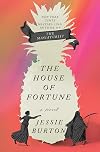
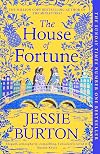
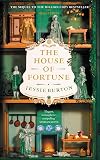
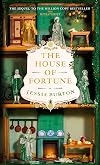
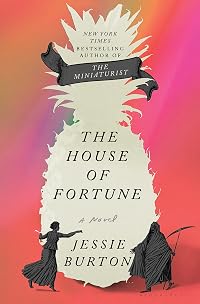
Amsterdam in the year 1705. It is Thea Brandt's eighteenth birthday. She is ready to welcome adulthood with open arms, but life at home is increasingly difficult. Her father Otto and her Aunt Nella argue endlessly over their financial fate, selling off furniture in a desperate attempt to hold on to the family home. As catastrophe threatens to engulf the household, Thea seeks refuge in Amsterdam's playhouses. She loves the performances, and the stolen moments afterwards are even better. In show more the backrooms of her favorite theater, Thea can spend a few precious minutes with her secret lover, Walter, the chief set-painter, a man adept at creating the perfect environments for comedies and tragedies to flourish. The thrill of their hidden romance offers Thea an exciting distraction from home. But it also puts her in mind of another secret that threatens to overwhelm the present: Thea knows her birthday marks the day her mother, Marin, died in labor. Thea's family refuses to share the details of this story, just as they seem terrified to speak of "the miniaturist" - a shadowy figure from their past who is possessed of uncanny abilities to capture that which is hidden. Aunt Nella believes the solution to all Thea's problems is to find her a husband who will guarantee her future. An unexpected invitation to Amsterdam's most exclusive ball seems like a golden opportunity. But when Thea finds, on her doorstep, a parcel containing a miniature figure of Walter, it becomes clear that someone out there has another fate in mind for the family. show lessTags
Recommendations























Member Reviews
"You cannot ever be certain that lying within a person is the only seed of your life’s next chapter."
1705. Amsterdam. As Thea Brandt turns 18, she endures the family celebration that has been the same since childhood wishing her family would see her as an adult. Thea is a Dutch-African woman raised by her father Otto, Aunt Nella, and Cornelia, once her nursemaid and now the family cook. Her mother, Marin, died in childbirth, and just once on her birthday, Thea would like to learn something – anything about her mother. Her mother’s name is never spoken.
Retreating to the world of the local theater, Thea befriends Rebecca. Thea also believes she has found the love of her life, Walter. All too aware of the increasing financial show more distress, Aunt Nella has been working on a plan to save them all. A plan to give Thea a future and stability for all of them.
A coming of age story. A young woman’s first love that she believes is her lifetime love. But the young woman is also a child. A child yearning to learn of her mother. Friendship. Secrets. Adults protecting their dearly loved child. Financial distress hidden behind the cloak of a well-known address and exterior walls. Each family member loves one another. Each with different expressions of their love. Each with a different solution for their path forward. The reader is spellbound to learn if they can converge to a path of happiness, lighter air, and financial sufficiency.
I realized the title was a sequel when adding the book on GoodReads and enjoyed it as a stand-alone. It was so mesmerizing; I will read "The Miniaturist. show less
1705. Amsterdam. As Thea Brandt turns 18, she endures the family celebration that has been the same since childhood wishing her family would see her as an adult. Thea is a Dutch-African woman raised by her father Otto, Aunt Nella, and Cornelia, once her nursemaid and now the family cook. Her mother, Marin, died in childbirth, and just once on her birthday, Thea would like to learn something – anything about her mother. Her mother’s name is never spoken.
Retreating to the world of the local theater, Thea befriends Rebecca. Thea also believes she has found the love of her life, Walter. All too aware of the increasing financial show more distress, Aunt Nella has been working on a plan to save them all. A plan to give Thea a future and stability for all of them.
A coming of age story. A young woman’s first love that she believes is her lifetime love. But the young woman is also a child. A child yearning to learn of her mother. Friendship. Secrets. Adults protecting their dearly loved child. Financial distress hidden behind the cloak of a well-known address and exterior walls. Each family member loves one another. Each with different expressions of their love. Each with a different solution for their path forward. The reader is spellbound to learn if they can converge to a path of happiness, lighter air, and financial sufficiency.
I realized the title was a sequel when adding the book on GoodReads and enjoyed it as a stand-alone. It was so mesmerizing; I will read "The Miniaturist. show less
NOTE: I was given early access to this manuscript in exchange for writing an impartial review. Thank you netgalley and Bloomsbury Publishing. Publication: August 30, 2022. I'd give THE HOUSE OF FORTUNE 4.5 stars if I could.
This sequel to Jessie Burton's novel THE MINIATURIST exceeded my expectations. Her skill in incorporating rich historical detail, her subtle insights into genuine human emotion, and her ability to make each character vivid, believable, and distinct makes this a deeply engaging read.
It's NOT that this is an ACTION-packed piece of historical fiction. It's just a story about everyday life in 1700s Amsterdam where one family wrestles with financial difficulties, social standing, and the need to find a suitable husband for show more an eligible young woman. For those of you familiar with THE MINIATURST, this "family" consists of:
• Nella, the young bride in THE MINIATURIST, now in her mid 30s, is still living in her late husband's prestigious home in central Amsterdam.
• Otto, the intelligent and loyal former family slave, now acts as man of the house.
• Cornelia continues to maintain their home -- as housekeeper, cook, and all around caretaker.
• Thea, the 18 year-old daughter of Otto and Nella's deceased sister-in-law (Marin), is now everyone's central object of love in this unusually constructed family unit.
Typical for this era, Thea's marital eligibility is seen as the key to making the Brandt family financially solvent again. But just what ARE the prospects for a mixed-race girl whose family has already suffered public shame? And how cooperative is Thea likely to be when the others try to put responsibility for the entire family's future onto her shoulders? Might she not have romantic dreams of her own?
It's a wonderful and cleverly-constructed story about the limitations and expectations of women in this time period. About the ways we are all influenced by our histories and too often, try to impose our deepest wishes on those we love most. And about the damage than can be done by those who keep secrets. Highly recommended. show less
This sequel to Jessie Burton's novel THE MINIATURIST exceeded my expectations. Her skill in incorporating rich historical detail, her subtle insights into genuine human emotion, and her ability to make each character vivid, believable, and distinct makes this a deeply engaging read.
It's NOT that this is an ACTION-packed piece of historical fiction. It's just a story about everyday life in 1700s Amsterdam where one family wrestles with financial difficulties, social standing, and the need to find a suitable husband for show more an eligible young woman. For those of you familiar with THE MINIATURST, this "family" consists of:
• Nella, the young bride in THE MINIATURIST, now in her mid 30s, is still living in her late husband's prestigious home in central Amsterdam.
• Otto, the intelligent and loyal former family slave, now acts as man of the house.
• Cornelia continues to maintain their home -- as housekeeper, cook, and all around caretaker.
• Thea, the 18 year-old daughter of Otto and Nella's deceased sister-in-law (Marin), is now everyone's central object of love in this unusually constructed family unit.
Typical for this era, Thea's marital eligibility is seen as the key to making the Brandt family financially solvent again. But just what ARE the prospects for a mixed-race girl whose family has already suffered public shame? And how cooperative is Thea likely to be when the others try to put responsibility for the entire family's future onto her shoulders? Might she not have romantic dreams of her own?
It's a wonderful and cleverly-constructed story about the limitations and expectations of women in this time period. About the ways we are all influenced by our histories and too often, try to impose our deepest wishes on those we love most. And about the damage than can be done by those who keep secrets. Highly recommended. show less
NOTE: I was given early access to this manuscript in exchange for writing an impartial review. Thank you netgalley and Bloomsbury Publishing. Publication: August 30, 2022. I'd give THE HOUSE OF FORTUNE 4.5 stars if I could.
This sequel to Jessie Burton's novel THE MINIATURIST exceeded my expectations. Her skill in incorporating rich historical detail, her subtle insights into genuine human emotion, and her ability to make each character vivid, believable, and distinct makes this a deeply engaging read.
It's NOT that this is an ACTION-packed piece of historical fiction. It's just a story about everyday life in 1700s Amsterdam where one family wrestles with financial difficulties, social standing, and the need to find a suitable husband for show more an eligible young woman. For those of you familiar with THE MINIATURST, this "family" consists of:
• Nella, the young bride in THE MINIATURIST, now in her mid 30s, is still living in her late husband's prestigious home in central Amsterdam.
• Otto, the intelligent and loyal former family slave, now acts as man of the house.
• Cornelia continues to maintain their home -- as housekeeper, cook, and all around caretaker.
• Thea, the 18 year-old daughter of Otto and Nella's deceased sister-in-law (Marin), is now everyone's central object of love in this unusually constructed family unit.
Typical for this era, Thea's marital eligibility is seen as the key to making the Brandt family financially solvent again. But just what ARE the prospects for a mixed-race girl whose family has already suffered public shame? And how cooperative is Thea likely to be when the others try to put responsibility for the entire family's future onto her shoulders? Might she not have romantic dreams of her own?
It's a wonderful and cleverly-constructed story about the limitations and expectations of women in this time period. About the ways we are all influenced by our histories and too often, try to impose our deepest wishes on those we love most. And about the damage than can be done by those who keep secrets. Highly recommended. show less
This sequel to Jessie Burton's novel THE MINIATURIST exceeded my expectations. Her skill in incorporating rich historical detail, her subtle insights into genuine human emotion, and her ability to make each character vivid, believable, and distinct makes this a deeply engaging read.
It's NOT that this is an ACTION-packed piece of historical fiction. It's just a story about everyday life in 1700s Amsterdam where one family wrestles with financial difficulties, social standing, and the need to find a suitable husband for show more an eligible young woman. For those of you familiar with THE MINIATURST, this "family" consists of:
• Nella, the young bride in THE MINIATURIST, now in her mid 30s, is still living in her late husband's prestigious home in central Amsterdam.
• Otto, the intelligent and loyal former family slave, now acts as man of the house.
• Cornelia continues to maintain their home -- as housekeeper, cook, and all around caretaker.
• Thea, the 18 year-old daughter of Otto and Nella's deceased sister-in-law (Marin), is now everyone's central object of love in this unusually constructed family unit.
Typical for this era, Thea's marital eligibility is seen as the key to making the Brandt family financially solvent again. But just what ARE the prospects for a mixed-race girl whose family has already suffered public shame? And how cooperative is Thea likely to be when the others try to put responsibility for the entire family's future onto her shoulders? Might she not have romantic dreams of her own?
It's a wonderful and cleverly-constructed story about the limitations and expectations of women in this time period. About the ways we are all influenced by our histories and too often, try to impose our deepest wishes on those we love most. And about the damage than can be done by those who keep secrets. Highly recommended. show less
Jessie Burton's House of Fortune is a follow-up to The Miniaturist, which made a splash when it was released in 2014. I began reading House of Fortune without going back to read the review I'd written of the Miniaturist, so I can attest that it works as a stand-alone title, but the stories are so rich and so connected that I'd recommend starting with The Miniaturist regardless.
The central characters of House of Fortune are the remains of a rather unusual family, teetering on the brink of financial ruin in 18th Century Amsterdam. Thea, whose mother died giving birth to her, is a young woman coming into her own, a theatre aficionado who is experiencing her first love. Otto, her father, is originally from Dahomey, making Thea mixed race, show more and putting the family on the fringes of the "best" social circles. Nella was once married to Thea's uncle, for whom Otto worked. (There's a back story there that comprises most of The Miniaturist.) Having been widowed young, Nella is painfully aware of the way marriage can—or can't—provide a woman with security and has little patience with Thea's romanticism. Cornelia is the family's single servant, a woman who shoulders most of the work of the household. She's an employee, but also a family member, able to speak freely to other members of the household.
House of Fortune focuses on the tensions within this family group. Class hierarchy and piety are everything in their Amsterdam, and each of them carries secrets—some truly secret, others known—and each struggles both in pursuit of their own goals and in their concerns for the security and happiness of the others.
This might sound like the set-up for a typical period romance, but House of Fortune is much more than that, given the uncertain positions and complex identities of the central characters and a thread of more-or-less-magical realism that also ran through The Miniaturist.
It took me a while to warm to Thea, whose story provides the backbone of this novel. She's young, she's sure she knows things her elders don't, she's naive, she's combative in ways one expects of an eighteen-year-old. But once the first few chapters laid out the context of the novel and the plotting expanded to embrace other characters I found myself much more engaged—and less impatient with Thea.
If you enjoy historical fiction—especially historical fiction that looks beyond the normal conventions of the time in which its set—you're certain to enjoy House of Fortune.
I received a free electronic review copy of this title from the publisher via NetGalley; the opinions are my own. show less
The central characters of House of Fortune are the remains of a rather unusual family, teetering on the brink of financial ruin in 18th Century Amsterdam. Thea, whose mother died giving birth to her, is a young woman coming into her own, a theatre aficionado who is experiencing her first love. Otto, her father, is originally from Dahomey, making Thea mixed race, show more and putting the family on the fringes of the "best" social circles. Nella was once married to Thea's uncle, for whom Otto worked. (There's a back story there that comprises most of The Miniaturist.) Having been widowed young, Nella is painfully aware of the way marriage can—or can't—provide a woman with security and has little patience with Thea's romanticism. Cornelia is the family's single servant, a woman who shoulders most of the work of the household. She's an employee, but also a family member, able to speak freely to other members of the household.
House of Fortune focuses on the tensions within this family group. Class hierarchy and piety are everything in their Amsterdam, and each of them carries secrets—some truly secret, others known—and each struggles both in pursuit of their own goals and in their concerns for the security and happiness of the others.
This might sound like the set-up for a typical period romance, but House of Fortune is much more than that, given the uncertain positions and complex identities of the central characters and a thread of more-or-less-magical realism that also ran through The Miniaturist.
It took me a while to warm to Thea, whose story provides the backbone of this novel. She's young, she's sure she knows things her elders don't, she's naive, she's combative in ways one expects of an eighteen-year-old. But once the first few chapters laid out the context of the novel and the plotting expanded to embrace other characters I found myself much more engaged—and less impatient with Thea.
If you enjoy historical fiction—especially historical fiction that looks beyond the normal conventions of the time in which its set—you're certain to enjoy House of Fortune.
I received a free electronic review copy of this title from the publisher via NetGalley; the opinions are my own. show less
In Amsterdam in 1705, Thea Brandt has just turned eighteen, and is having an affair with the set painter at a nearby playhouse, where she is also friends with the actress Rebecca. Thea lives at home with her father Otto Brandt, aunt Nella, and cook and nursemaid Cornelia; the house once belonged to Thea's uncle Johannes (Nella's husband; see The Miniaturist) and her mother, Marin, who died in childbirth. The family's finances are in trouble, and Nella sees only one solution: Thea must marry, and marry rich. To that end, she gets them invited to the Sarragon ball, where they meet Jacob van Loos, and Nella pins her hopes on Thea's marriage to him; but Thea, of course, is distracted by Walter, though Rebecca warns her away.
*Spoiler show more alert*
Walter turns out to be married, and his wife is blackmailing Thea, with Walter's knowledge. Heartsick, Thea comes around to Nella's point of view and agrees to marry Jacob, but on the morning of the wedding, she disappears.
Throughout, the Miniaturist leaves gifts on the doorstep: Walter the painter with an empty palette, a tiny golden house, a pineapple. Who is the miniaturist, and how does she know so much about Thea's life? Thea's parental figures have never shared much about their own lives or her mother's, so Thea is in the dark, and makes what are perhaps otherwise avoidable mistakes.
Slow-paced and sumptuous.
Quotes
It was a decision formed from the panic of living in a judgmental society. (14)
...it seems impossible not to bring up the past when trying to wrangle a future. (18)
They are standing on the edge of precipice, and yet the only way is up. (45)
She is interested in nothing but herself, has no idea how the years will come upon her like a cat, waiting slyly round the corner. (Nella on Thea, 90)
Nella also knows how memory will prune your life, enlarge it, diminish it. None of what you recall is exact. (96)
"Love doesn't come into it! You know nothing of what it's like to be a woman. To be powerless." (Nella to Otto, 141)
This is what happens when you start telling your story....They think they understand, that they have the measure of you. But they don't. (148)
She has lost so much and doesn't know how to get it back. (186)
"I don't want you to be any part of that world," he says.
"There is only one world," Thea replies. "And we're in it." (195)
You cannot have two stories. You can end with only one. (271) show less
*Spoiler show more alert*
Walter turns out to be married, and his wife is blackmailing Thea, with Walter's knowledge. Heartsick, Thea comes around to Nella's point of view and agrees to marry Jacob, but on the morning of the wedding, she disappears.
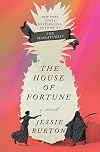
Throughout, the Miniaturist leaves gifts on the doorstep: Walter the painter with an empty palette, a tiny golden house, a pineapple. Who is the miniaturist, and how does she know so much about Thea's life? Thea's parental figures have never shared much about their own lives or her mother's, so Thea is in the dark, and makes what are perhaps otherwise avoidable mistakes.
Slow-paced and sumptuous.
Quotes
It was a decision formed from the panic of living in a judgmental society. (14)
...it seems impossible not to bring up the past when trying to wrangle a future. (18)
They are standing on the edge of precipice, and yet the only way is up. (45)
She is interested in nothing but herself, has no idea how the years will come upon her like a cat, waiting slyly round the corner. (Nella on Thea, 90)
Nella also knows how memory will prune your life, enlarge it, diminish it. None of what you recall is exact. (96)
"Love doesn't come into it! You know nothing of what it's like to be a woman. To be powerless." (Nella to Otto, 141)
This is what happens when you start telling your story....They think they understand, that they have the measure of you. But they don't. (148)
She has lost so much and doesn't know how to get it back. (186)
"I don't want you to be any part of that world," he says.
"There is only one world," Thea replies. "And we're in it." (195)
You cannot have two stories. You can end with only one. (271) show less
This is a follow up book to Burton's The Miniaturist, which I read and enjoyed back in 2017. I'm utterly useless at remembering the plots of books more than five minutes after finishing them, and often that felt a bit of a drawback when reading The House of Fortune as Burton only hints at what had happened in the past, and darned if I could remember what had actually happened or who was who in the original book. I sort of figured out bits of it by the end, but certainly it would have been better to have read them closer together.
I wasn't sure about this one for the first 50 pages or so. It felt a bit clunky and too try-hard with the characters, but eventually Burton found her rhythm with it and as the story unfolded it started to grip show more me. The family have fallen onto hard times in this second instalment, and as the daughter has come of age the household is divided on whether to quickly pursue a good marriage for her which will secure the futures of them all. The daughter has other ideas, and there are various plot twists as her future goes down a path none of them could have foreseen.
I really enjoyed the setting of 18th century Amsterdam in the first book, and that drew me in again a second time with this follow up. Highbrow literary fiction it's not, and there's more than a whiff of mass market fiction about it, but it's one of those books I class as 'just a good read', and they have there place for me every now and then, especially when life is busy.
4 stars - ticks the box of when you just need a good story to keep you turning the pages. show less
I wasn't sure about this one for the first 50 pages or so. It felt a bit clunky and too try-hard with the characters, but eventually Burton found her rhythm with it and as the story unfolded it started to grip show more me. The family have fallen onto hard times in this second instalment, and as the daughter has come of age the household is divided on whether to quickly pursue a good marriage for her which will secure the futures of them all. The daughter has other ideas, and there are various plot twists as her future goes down a path none of them could have foreseen.
I really enjoyed the setting of 18th century Amsterdam in the first book, and that drew me in again a second time with this follow up. Highbrow literary fiction it's not, and there's more than a whiff of mass market fiction about it, but it's one of those books I class as 'just a good read', and they have there place for me every now and then, especially when life is busy.
4 stars - ticks the box of when you just need a good story to keep you turning the pages. show less
This book is marketed as a standalone companion to The Miniaturist, but readers who have not read the first book will miss a great deal of background needed to understand characters.
This book is set in 1705, eighteen years after the end of The Miniaturist. Thea Brandt, who lives with her father Otto and her Aunt Nella, turns eighteen. The family lives in a large house in a prestigious Amsterdam neighbourhood but they have major financial concerns. Nella decides that it is time for Thea to marry and sets out to arrange a high status, lucrative marriage, though finding a suitable husband for her illegitimate, mixed-race niece whose family has suffered public shame may be difficult. In the meantime, Thea is spending time at the theatre show more enjoying performances and spending time with Walter, a set painter and her secret lover. She also begins receiving miniature figurines which seem to be the work of the miniaturist, a shadowy figure from Nella’s past who seems to have the ability to see people’s secrets and to steer their future.
The inclusion of the miniaturist is one reason for this book not really being a standalone. Her presence is one reason why readers who have not read The Miniaturist will be confused. She is mentioned over and over again, though no additional information is given about her. A major mystery in the first book is how the miniaturist knows so much about Nella, especially when sometimes the objects she sends seem prophetic? All that has changed is that Thea is now the recipient of her figurines. Is a third book being planned?
Thea, who is the age Nella is in The Miniaturist, and Nella are foil characters. Thea is the romantic. She wants to find true love and yearns for adventure, escape from her cold, austere home which is full of secrets. She is willful and self-centred; she thinks she knows everything and her aunt knows nothing. The irony of her comment to her aunt that “’You were never like me’” can only be fully appreciated by those who have read The Miniaturist. Even after remembering her age, I found Thea very annoying at the beginning. Of course, she does gain maturity since experience is a harsh teacher. I did, however, think that her behaviour does not fit that of a young woman in the early 18th century. In her attitude to sex, she behaves like a woman from the 20th or 21st centuries.
Nella is the pragmatist. Her wants stability and security for herself and her family. Maintaining the veneer of gentility and respectability and being accepted by society are important to her. In The Miniaturist, Nella, a timid and naïve girl, develops independence, determination, and resourcefulness over the course of the three months of her marriage. She has lost those traits? Yet though she is very conventional, Nella has a surprisingly open-minded attitude to Thea’s sex life?
The plot is not complicated; in fact, it is predictable. Certainly, it is not difficult to guess where everyone will end up at the end. Some of the foreshadowing is certainly heavy-handed. When lovers meet surrounded by “fake crumbling castles looming over their heads” in a “room of make-believe,” it doesn’t take a genius to figure out what is going to happen!
There is one plot element that is problematic. When a marriage is arranged, a dowry is an inevitable part of the arrangement, but Nella never worries about how they will find the money for a dowry, even if the amount requested is paltry? The pragmatic woman stops thinking sensibly and realistically? Even Thea comments about the maid spending all of her dowry at the market preparing an elaborate feast for the groom-to-be!
The message of the book is that “Things can change” and new beginnings are possible. The ending for all the characters clearly indicates this hopeful message. Another message is that “The past always comes to meet the present,” a message that is also emphasized at the end. Again, those who have read The Miniaturist will see more clearly how the ending completes a circle begun when Nella was 18.
When I read The Miniaturist, I wasn’t particularly impressed and, unfortunately, The House of Fortune also falls short in my estimation.
Note: I received a digital galley from the publisher via NetGalley.
Please check out my reader's blog (https://schatjesshelves.blogspot.com/) and follow me on Twitter (@DCYakabuski). show less
This book is set in 1705, eighteen years after the end of The Miniaturist. Thea Brandt, who lives with her father Otto and her Aunt Nella, turns eighteen. The family lives in a large house in a prestigious Amsterdam neighbourhood but they have major financial concerns. Nella decides that it is time for Thea to marry and sets out to arrange a high status, lucrative marriage, though finding a suitable husband for her illegitimate, mixed-race niece whose family has suffered public shame may be difficult. In the meantime, Thea is spending time at the theatre show more enjoying performances and spending time with Walter, a set painter and her secret lover. She also begins receiving miniature figurines which seem to be the work of the miniaturist, a shadowy figure from Nella’s past who seems to have the ability to see people’s secrets and to steer their future.
The inclusion of the miniaturist is one reason for this book not really being a standalone. Her presence is one reason why readers who have not read The Miniaturist will be confused. She is mentioned over and over again, though no additional information is given about her. A major mystery in the first book is how the miniaturist knows so much about Nella, especially when sometimes the objects she sends seem prophetic? All that has changed is that Thea is now the recipient of her figurines. Is a third book being planned?
Thea, who is the age Nella is in The Miniaturist, and Nella are foil characters. Thea is the romantic. She wants to find true love and yearns for adventure, escape from her cold, austere home which is full of secrets. She is willful and self-centred; she thinks she knows everything and her aunt knows nothing. The irony of her comment to her aunt that “’You were never like me’” can only be fully appreciated by those who have read The Miniaturist. Even after remembering her age, I found Thea very annoying at the beginning. Of course, she does gain maturity since experience is a harsh teacher. I did, however, think that her behaviour does not fit that of a young woman in the early 18th century. In her attitude to sex, she behaves like a woman from the 20th or 21st centuries.
Nella is the pragmatist. Her wants stability and security for herself and her family. Maintaining the veneer of gentility and respectability and being accepted by society are important to her. In The Miniaturist, Nella, a timid and naïve girl, develops independence, determination, and resourcefulness over the course of the three months of her marriage. She has lost those traits? Yet though she is very conventional, Nella has a surprisingly open-minded attitude to Thea’s sex life?
The plot is not complicated; in fact, it is predictable. Certainly, it is not difficult to guess where everyone will end up at the end. Some of the foreshadowing is certainly heavy-handed. When lovers meet surrounded by “fake crumbling castles looming over their heads” in a “room of make-believe,” it doesn’t take a genius to figure out what is going to happen!
There is one plot element that is problematic. When a marriage is arranged, a dowry is an inevitable part of the arrangement, but Nella never worries about how they will find the money for a dowry, even if the amount requested is paltry? The pragmatic woman stops thinking sensibly and realistically? Even Thea comments about the maid spending all of her dowry at the market preparing an elaborate feast for the groom-to-be!
The message of the book is that “Things can change” and new beginnings are possible. The ending for all the characters clearly indicates this hopeful message. Another message is that “The past always comes to meet the present,” a message that is also emphasized at the end. Again, those who have read The Miniaturist will see more clearly how the ending completes a circle begun when Nella was 18.
When I read The Miniaturist, I wasn’t particularly impressed and, unfortunately, The House of Fortune also falls short in my estimation.
Note: I received a digital galley from the publisher via NetGalley.
Please check out my reader's blog (https://schatjesshelves.blogspot.com/) and follow me on Twitter (@DCYakabuski). show less
Members
- Recently Added By
Published Reviews
ThingScore 100
Bold and thrilling sequel to The Miniaturist..In The House of Fortune, Burton has done that rare thing, following up a successful debut with a novel that is superior in both style and substance. What’s cheering is that, after a host of adventures, Thea and Nella are left staring out on a new world, suggesting there is more to be told of this boldly unconventional Dutch family.
added by vancouverdeb
Lists

Books published and read in 2022
82 works; 5 members

Maybe This Year? Books to Look Forward To
412 works; 9 members

Library ebooks and electronic audio books
52 works; 1 member

New Books Fall/Winter 2022
32 works; 1 member

Books Read in 2022
5,218 works; 114 members

Dublin Literary Award 2024 Longlist
66 works; 4 members

Which house?
423 works; 16 members
Author Information

9 Works 7,734 Members
Awards and Honors
Awards
Distinctions
The Guardian Book of the Day (2022-07-05)
The Guardian Book of the Day (2022-06-23)
Series

Common Knowledge
- Canonical title
- The House of Fortune
- Dedication
- For my son,
to whom I read this story
before either of us understood it - First words
- At eighteen, Thea is too old to be celebrating birthdays.
- Last words
- (Click to show. Warning: May contain spoilers.)Ready in this wilderness, to begin again.
Classifications
Statistics
- Members
- 465
- Popularity
- 65,605
- Reviews
- 18
- Rating
- (3.68)
- Languages
- 6 — Dutch, English, Finnish, German, Spanish, Swedish
- Media
- Paper, Audiobook, Ebook
- ISBNs
- 18
- ASINs
- 6