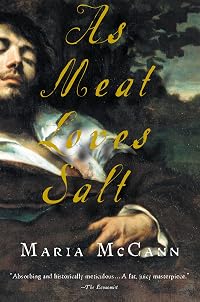
As Meat Loves Salt
by Maria McCann
On This Page
Description
Set during the 17th century English revolution, Jacob Cullen flees his wedding to avoid murder charges only to join Cromwell's army where he begins a relationship with Christopher and togther they try and begin a farming colony.Tags
Recommendations




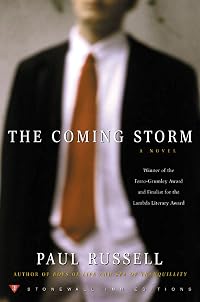
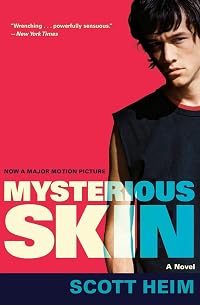
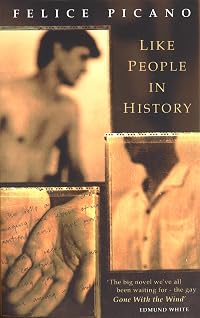

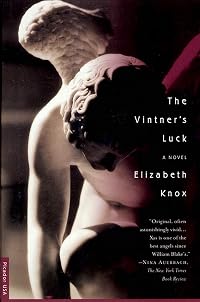
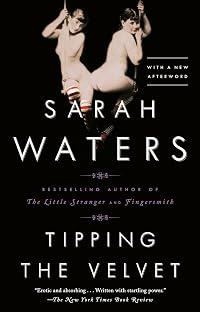
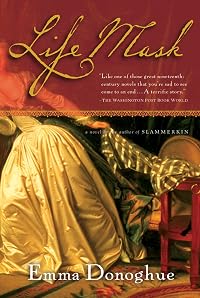
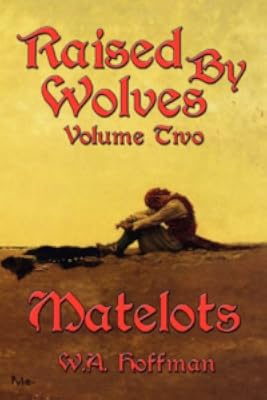
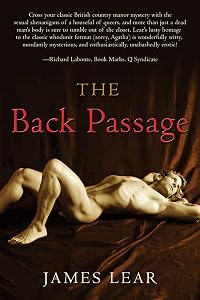
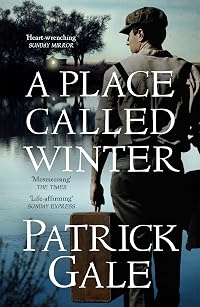
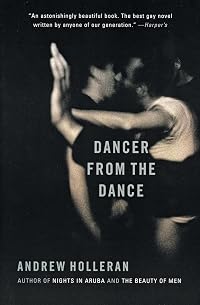

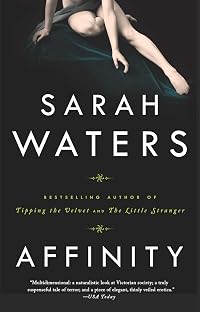
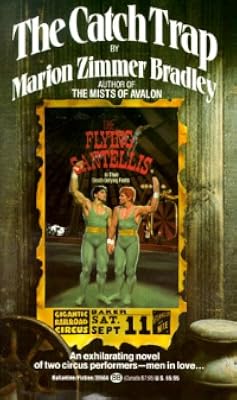



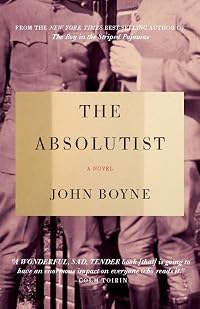
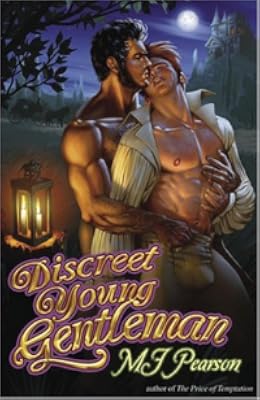
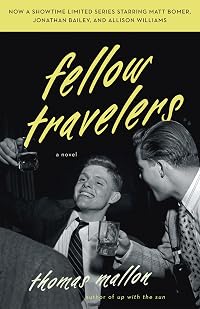

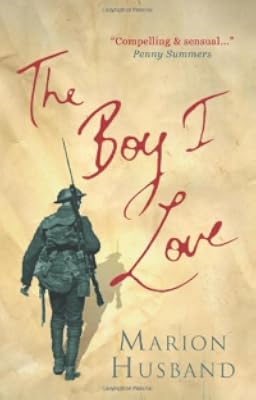
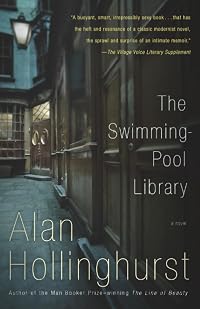
Member Recommendations
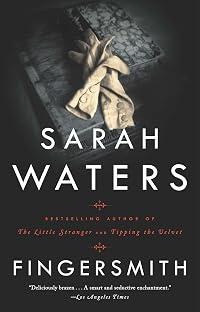
1Owlette Similarities in the unreliable perspective and opacity of the main characters, who also share common ground in their sexual and violent tendencies. In other ways, these are very different reads, with Highsmith adopting a very detached, effectively estranging tone for Ripley. As Meat Loves Salt, moreover, covers a much broader canvas.

ladymacbeth1 Not as dark as As Meat Loves Salt, but every bit as uncomfortable and compelling to read.
Member Reviews
It feels cruel to give such a monumental achievement fewer than five stars, but I can't go higher than four. It's just a little too long, and a little too filled with misery.
The book takes place during the English Civil War and focuses on themes of social mobility and belonging, utopianism, domination, and guilt/forgiveness. Jacob begins as a servant, then serves briefly as a soldier in the New Model Army, and ends up living in a commune of Diggers led by his lover Christopher Ferris. These two, who meet in the army, have a toxic relationship in which both are abusive to each other. Jacob's abuse is mostly physical/sexual, while Ferris's is emotional/gaslighting/withholding. The characters are well done, as we slowly come to see that show more Ferris is not all sweetness and light and that Jacob is, in fact, trying to be a better person.
But Jacob is so damaged and traumatized from coming to grips with and trying to hide his Queer identity, everything he does is motivated by a fear/guilt response. He does some horrible things throughout the book, most of which can be explained by confusion about his sexuality, fear of being found out, and self loathing/religious guilt (see: 17th century England). Unfortunately this makes it all very "tragic gay."
Jacob's "fight or flight" response is always "fight" (overreacting to minor slights and lashing out at people, often injuring them badly). This is sad, and it's successfully evoked, but it gets surprisingly boring after a while. There is no growth or redemption or much reflection. So at the end we are basically back where we started, which feels unsatisfying after spending nearly 600 pages in his head.
This is certainly an extremely accomplished historical novel and I am glad that I read it. But I admired it more than I enjoyed it. show less
The book takes place during the English Civil War and focuses on themes of social mobility and belonging, utopianism, domination, and guilt/forgiveness. Jacob begins as a servant, then serves briefly as a soldier in the New Model Army, and ends up living in a commune of Diggers led by his lover Christopher Ferris. These two, who meet in the army, have a toxic relationship in which both are abusive to each other. Jacob's abuse is mostly physical/sexual, while Ferris's is emotional/gaslighting/withholding. The characters are well done, as we slowly come to see that show more Ferris is not all sweetness and light and that Jacob is, in fact, trying to be a better person.
But Jacob is so damaged and traumatized from coming to grips with and trying to hide his Queer identity, everything he does is motivated by a fear/guilt response. He does some horrible things throughout the book, most of which can be explained by confusion about his sexuality, fear of being found out, and self loathing/religious guilt (see: 17th century England). Unfortunately this makes it all very "tragic gay."
Jacob's "fight or flight" response is always "fight" (overreacting to minor slights and lashing out at people, often injuring them badly). This is sad, and it's successfully evoked, but it gets surprisingly boring after a while. There is no growth or redemption or much reflection. So at the end we are basically back where we started, which feels unsatisfying after spending nearly 600 pages in his head.
This is certainly an extremely accomplished historical novel and I am glad that I read it. But I admired it more than I enjoyed it. show less
My lord but Jacob Cullen is a disturbed and dangerous soul! - Something you should know before reading this book because he draws you into his world and makes you love him, hate him, weep for him by turns as he destroys everything he loves and - for what?
The lovers are two halves of a coin, light and dark, one as honest and easy to read as the other is secretive and Machiavellian – or are they? Because there’s a cruel twist that had me aching and an end that made me cry half the night (and that doesn’t happen very often, believe me).
Dark, cruel, all too believable, terribly real (in a literal sense) and highly recommended.
The lovers are two halves of a coin, light and dark, one as honest and easy to read as the other is secretive and Machiavellian – or are they? Because there’s a cruel twist that had me aching and an end that made me cry half the night (and that doesn’t happen very often, believe me).
Dark, cruel, all too believable, terribly real (in a literal sense) and highly recommended.
I waited and waited before reading this book; I found all the possible excuses, like it was out of stock… and they released a paperback version! Like it was too expensive for the shipping cost… and they released an ebook version! It really seemed “they” wanted for me to read it… who they are? My conscience, my heart and my damn love for good historical novels that of course overcome the small voice that was saying, be careful, this book will haunt you. Oh, how much it was right! And unfortunately my voice was not as strong as Jacob’s voice, that made this man the devil that he was.
The book is set during the English revolution of Cromwell and Jacob Cullen is what today you will define a psychopath. For how much I liked him, show more yes, I did, I was probably liking the man I wanted him to be, the man he could have been if his illness was not making him a monster. When he was able to not listen to his devil inner voice, Jacob was almost a romantic hero; and even if he commits ugly actions, even uglier since they are against the ones he loves more, he is in pain after that… is it enough to make him a good man? No, unfortunately it’s not, since the other Jacob, the one who is following the voice, is like the puppy who bites the hand that is feeding him, for no apparent reason if not that he believes that hand was feeding/loving someone else.
Jacob falls in love for Christopher, and Christopher for him; I truly believe it was love, and I truly believe Jacob is regretting the end of this love (and please don’t be angry, this is not a real spoiler, it’s enough to read any review, or even the blurb, to understand this is not an happily ever after story). Only a man in love could say to the voice (yes, Jacob “talks” with the voice…): “Why did You bid me drown the letter? I have lost something that he touched, and the destruction of it has gained You nothing, for now I no longer read the words, I hear them, as if he implored me face to face: Speak to me, Jacob, do not play the tyrant. Speak to me.” Almost as a precise surgeon, the author chose these words, “Speak to me”, to open and close the first time Jacob went to Christopher, exactly in the middle of the novel, and to close the book, right the last words before the End. Speak to me, Jacob, maybe Christopher was saying, Speak to me and not to your voice? Was Christopher aware that Jacob was crazy, that there was nothing to do to save him?
But there is nothing much to say, Jacob is ill, completely crazy, and for how much Christopher loves him, the other man has dreams that in the end he realizes cannot include Jacob, and that is the moment when Jacob will bite the hand who is feeding him, feeding him love.
You want passion, wrenching love, wonderful and original characters, perfectly carved setting? As Meat Loves Salt is your novel. You want sweet and romance, frilly dresses and comfortable feelings? Avoid this novel as a plague.
http://www.amazon.com/dp/0007429266/?tag=elimyrevandra-20 show less
The book is set during the English revolution of Cromwell and Jacob Cullen is what today you will define a psychopath. For how much I liked him, show more yes, I did, I was probably liking the man I wanted him to be, the man he could have been if his illness was not making him a monster. When he was able to not listen to his devil inner voice, Jacob was almost a romantic hero; and even if he commits ugly actions, even uglier since they are against the ones he loves more, he is in pain after that… is it enough to make him a good man? No, unfortunately it’s not, since the other Jacob, the one who is following the voice, is like the puppy who bites the hand that is feeding him, for no apparent reason if not that he believes that hand was feeding/loving someone else.
Jacob falls in love for Christopher, and Christopher for him; I truly believe it was love, and I truly believe Jacob is regretting the end of this love (and please don’t be angry, this is not a real spoiler, it’s enough to read any review, or even the blurb, to understand this is not an happily ever after story). Only a man in love could say to the voice (yes, Jacob “talks” with the voice…): “Why did You bid me drown the letter? I have lost something that he touched, and the destruction of it has gained You nothing, for now I no longer read the words, I hear them, as if he implored me face to face: Speak to me, Jacob, do not play the tyrant. Speak to me.” Almost as a precise surgeon, the author chose these words, “Speak to me”, to open and close the first time Jacob went to Christopher, exactly in the middle of the novel, and to close the book, right the last words before the End. Speak to me, Jacob, maybe Christopher was saying, Speak to me and not to your voice? Was Christopher aware that Jacob was crazy, that there was nothing to do to save him?
But there is nothing much to say, Jacob is ill, completely crazy, and for how much Christopher loves him, the other man has dreams that in the end he realizes cannot include Jacob, and that is the moment when Jacob will bite the hand who is feeding him, feeding him love.
You want passion, wrenching love, wonderful and original characters, perfectly carved setting? As Meat Loves Salt is your novel. You want sweet and romance, frilly dresses and comfortable feelings? Avoid this novel as a plague.
http://www.amazon.com/dp/0007429266/?tag=elimyrevandra-20 show less
Excellent character study of a morally disturbed man. Being in Jacob’s mind was a fascinating experience, if not exactly a pleasant one (because of his religious guilt). He was a very peculiar MC, ‘savage’ in both anger and love, impulsive and prone to obsession. I’m still not sure if he suffered from a mental disorder or if his ‘Voice’ was just the manifestation of his fear and shame… Definitely not a ‘good’ man, however you look at it, but his story still broke my heart.
The writing here was just stunning, very descriptive, and even if it was a little overlong in places after the 50% mark (mostly the colony-related bits), I skipped nothing. I give credit where credit’s due, and this debut deserves the highest rating.
The writing here was just stunning, very descriptive, and even if it was a little overlong in places after the 50% mark (mostly the colony-related bits), I skipped nothing. I give credit where credit’s due, and this debut deserves the highest rating.
McCann stunningly captures the loneliness of both the visionary and that of the traumatized fugitive.
She expertly portrayes the flight of both the guilty fugitive and the innocent victimized fugitive,
using her setting as metaphor for the internal struggles of her main characters. Most of all,
she shows the confusion of our anti-hero, and the frustration of how he just does not get it,
seeming incapable of recognising his alternately self-righteous/justifying and then self-pitying attitudes
which lead to his bullying behaviors. She makes us feel how the fear and rejection this causes only
seems to highten his fear of isolation, leading to further and worse outbursts, rather than
understanding. Both saddening and maddening as one asks show more over and over again, how the hell
can he be so blind, why does he not get it? Each inkling of his own instanity or wrong is
rejected, preventing him from resolving the underlying problem, despite his repeated "repentances."
ShiraDestinie
MEOW Date Tuesday, June 19. 12014 H.E. (Holocene Era) show less
She expertly portrayes the flight of both the guilty fugitive and the innocent victimized fugitive,
using her setting as metaphor for the internal struggles of her main characters. Most of all,
she shows the confusion of our anti-hero, and the frustration of how he just does not get it,
seeming incapable of recognising his alternately self-righteous/justifying and then self-pitying attitudes
which lead to his bullying behaviors. She makes us feel how the fear and rejection this causes only
seems to highten his fear of isolation, leading to further and worse outbursts, rather than
understanding. Both saddening and maddening as one asks show more over and over again, how the hell
can he be so blind, why does he not get it? Each inkling of his own instanity or wrong is
rejected, preventing him from resolving the underlying problem, despite his repeated "repentances."
ShiraDestinie
MEOW Date Tuesday, June 19. 12014 H.E. (Holocene Era) show less
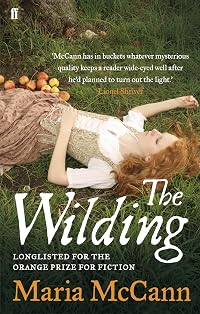
I read Maria McCann’s novel The Wilding several years ago, in just a couple of sittings (most of it was read on a flight to Italy so I had little else to distract me). I had quite enjoyed that book so expected much of the same of As Meat Loves Salt, which was McCann’s debut novel. However, apart from the genre of historical fiction, there was little similar about these books. I far preferred As Meat Loves Salt, which is easily the darker of the two novels.
Set in the early years of the English Civil War, the anti-hero and narrator is Jacob Cullen, a man who is in domestic service with his two brothers, although they were originally born into wealth. Having committed murder (don’t worry, this is revealed in the first few pages and show more is not a spoiler), Jacob flees with his new wife and one of his brothers, but when things go wrong he finds himself joining the New Model Army fighting in the ongoing war, and befriending the enigmatic fellow soldier Christopher Ferris.
After they leave the New Model Army, Ferris returns to his home in London and offers Jacob a home there. For fear of spoiling the story for anyone who wants to read this book, I’ll not reveal more, except to say that things get very dark very quickly. Emotions run extremely high and Jacob in particular has little success in controlling his feelings. To say he is quick to anger is an understatement. He is a large, strong man, capable of committing much physical harm, and almost a slave to his own violent tendencies. He always acts without thinking and no matter how much he regrets his outbursts later, he is seeming unable to control his rage when it bubbles up inside him.
For all that he is a man who one would wish to avoid, he’s not the only one in this book. Ferris is charming and well meaning, but mercurial and manipulative. I actually cared for him very little, but the relationship between him and Jacob was a fascinating one. (It has just occurred to me that the women in this book come across by and large far better than the men.)
The one thing I would have liked to have known more about was the fate of Zeb – without giving anything away, I did think he would feature more than he did, and that there was an interesting story. If Maria McCann ever feels like writing the story from his point of view, I would definitely be interested in reading it.
Overall I would definitely recommend this book. It’s not an easy read, and there are a few very violent scenes. But it’s well written with a not very likeable but always interesting narrator – if this is the kind of book that appeals to you, I would give this one a try. show less
Set in the early years of the English Civil War, the anti-hero and narrator is Jacob Cullen, a man who is in domestic service with his two brothers, although they were originally born into wealth. Having committed murder (don’t worry, this is revealed in the first few pages and show more is not a spoiler), Jacob flees with his new wife and one of his brothers, but when things go wrong he finds himself joining the New Model Army fighting in the ongoing war, and befriending the enigmatic fellow soldier Christopher Ferris.
After they leave the New Model Army, Ferris returns to his home in London and offers Jacob a home there. For fear of spoiling the story for anyone who wants to read this book, I’ll not reveal more, except to say that things get very dark very quickly. Emotions run extremely high and Jacob in particular has little success in controlling his feelings. To say he is quick to anger is an understatement. He is a large, strong man, capable of committing much physical harm, and almost a slave to his own violent tendencies. He always acts without thinking and no matter how much he regrets his outbursts later, he is seeming unable to control his rage when it bubbles up inside him.
For all that he is a man who one would wish to avoid, he’s not the only one in this book. Ferris is charming and well meaning, but mercurial and manipulative. I actually cared for him very little, but the relationship between him and Jacob was a fascinating one. (It has just occurred to me that the women in this book come across by and large far better than the men.)
The one thing I would have liked to have known more about was the fate of Zeb – without giving anything away, I did think he would feature more than he did, and that there was an interesting story. If Maria McCann ever feels like writing the story from his point of view, I would definitely be interested in reading it.
Overall I would definitely recommend this book. It’s not an easy read, and there are a few very violent scenes. But it’s well written with a not very likeable but always interesting narrator – if this is the kind of book that appeals to you, I would give this one a try. show less
This book is stunning. Probably the best that I've read all year. I loved it so much that I read it as slowly as I could, dragging the pleasure and pain over several days, because I knew that if I read it all at once, it would make me sick like eating too much candy. Not that As Meat Loves Salt is candy-like in any way. Far from it; this book is violent, gritty, erotic, and harrowing. It hits you until you have trouble breathing, and when I finished it, I would have cried if I hadn't felt so sapped of energy.
As Meat Loves Salt takes places during England's civil war. It is the story of Jacob Cullen, a violent and jealous man who cannot seem to control his baser nature. After leaving the manor where he works as a servant, Jacob is show more drafted into Cromwell's New Model Army and meets Ferris, a fellow soldier. They develop a bond and abandon the army together for London, where Ferris plies his idealism by distributing political pamphlets, and Jacob becomes his lover.
This book is part historical drama, part psychological portrait, but at its heart, it is a love story between two flawed men. Jacob is severely troubled to the point where if you met him on the street, you'd probably call him a psycho. But he's a compelling character and aware of his own flaws, especially when they lead to his downfall. There are passages of incredible beauty and eroticism when Jacob and Ferris are together, but they only make the ending harder to bear. Yet the ending is what pushes As Meat Loves Salt to greatness. It's the only plausible ending in a story about love, obsession, and the violence of human experience, but oh did it hurt. I knew it was coming, but it ran me over anyway. show less
As Meat Loves Salt takes places during England's civil war. It is the story of Jacob Cullen, a violent and jealous man who cannot seem to control his baser nature. After leaving the manor where he works as a servant, Jacob is show more drafted into Cromwell's New Model Army and meets Ferris, a fellow soldier. They develop a bond and abandon the army together for London, where Ferris plies his idealism by distributing political pamphlets, and Jacob becomes his lover.
This book is part historical drama, part psychological portrait, but at its heart, it is a love story between two flawed men. Jacob is severely troubled to the point where if you met him on the street, you'd probably call him a psycho. But he's a compelling character and aware of his own flaws, especially when they lead to his downfall. There are passages of incredible beauty and eroticism when Jacob and Ferris are together, but they only make the ending harder to bear. Yet the ending is what pushes As Meat Loves Salt to greatness. It's the only plausible ending in a story about love, obsession, and the violence of human experience, but oh did it hurt. I knew it was coming, but it ran me over anyway. show less
Members
- Recently Added By
Lists

Historical Fiction
889 works; 90 members

Stories of War and Revolution
143 works; 54 members

infjsarah's wishlist
408 works; 2 members

Queer Fiction (Owned TBR)
142 works; 1 member
Author Information

3+ Works 1,449 Members
Awards and Honors
Distinctions
Common Knowledge
- Canonical title
- As Meat Loves Salt
- Original publication date
- 2001
- People/Characters
- Jacob Cullen; Christopher Ferris
- Important places
- England, UK
- Important events
- English Civil War
- Dedication
- For my parents
- First words
- There was once a king who wished to know how much his three daughters loved him.
- Last words
- (Click to show. Warning: May contain spoilers.)Speak to me.
- Blurbers
- Clarke, Gillian
- Canonical DDC/MDS
- 823.92
- Canonical LCC
- PR6113.C36
Classifications
Statistics
- Members
- 1,163
- Popularity
- 21,551
- Reviews
- 52
- Rating
- (4.01)
- Languages
- English, German
- Media
- Paper, Ebook
- ISBNs
- 7
- ASINs
- 6