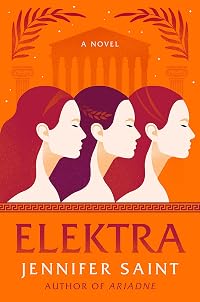
Elektra
by Jennifer Saint
On This Page
Description
"Elektra is a spellbinding reimagining of the story of one of Greek mythology's most infamous heroines, from Jennifer Saint, the author of the beloved international bestseller, Ariadne. Three women, tangled in an ancient curse. When Clytemnestra marries Agamemnon, she ignores the insidious whispers about his family line, the House of Atreus. But when, on the eve of the Trojan War, Agamemnon betrays Clytemnestra in the most unimaginable way, she must confront the curse that has long ravaged show more their family. In Troy, Princess Cassandra has the gift of prophecy, but carries a curse of her own: no one will ever believe what she sees. When she is shown what will happen to her beloved city when Agamemnon and his army arrives, she is powerless to stop the tragedy from unfolding. Elektra, Clytemnestra and Agamemnon's youngest daughter, wants only for her beloved father to return home from war. But can she escape her family's bloody history, or is her destiny bound by violence, too?"-- show lessTags
Recommendations
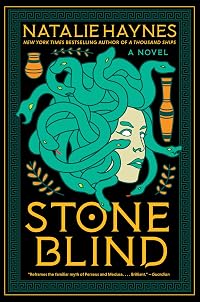
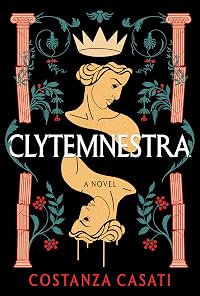
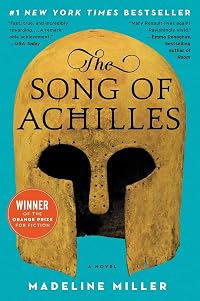
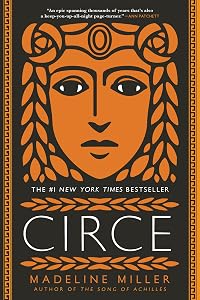
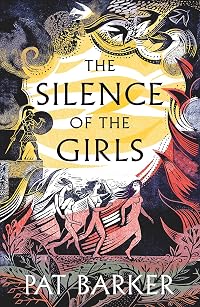

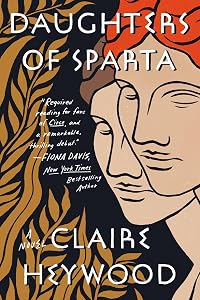
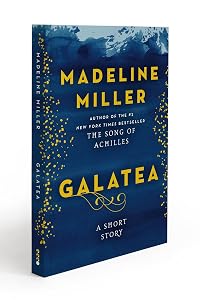

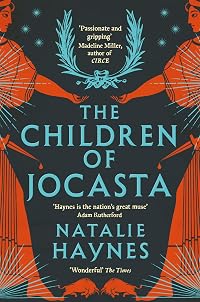
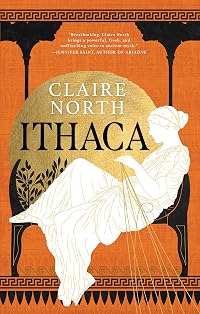



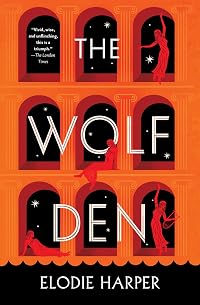
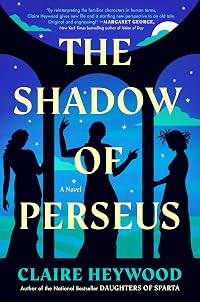
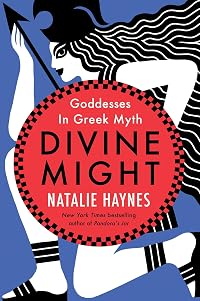
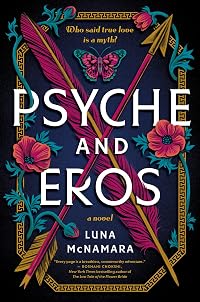
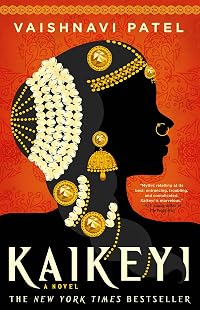

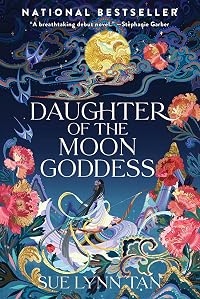
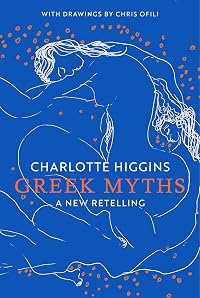

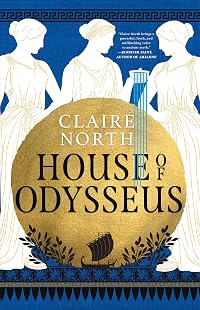
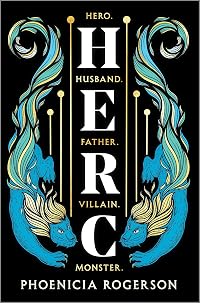
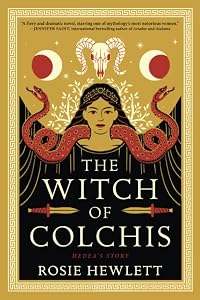
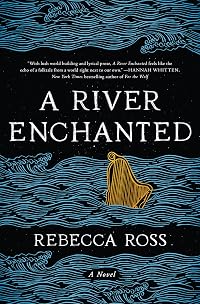
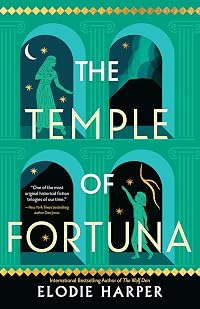
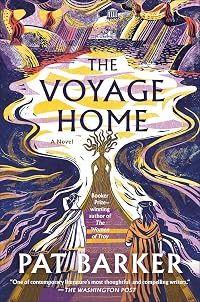
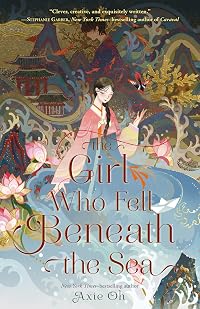
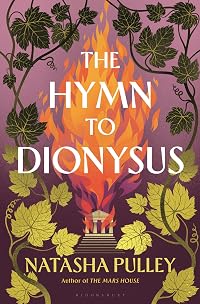
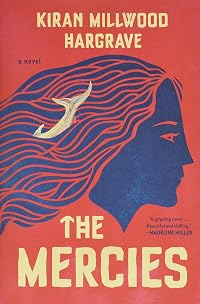

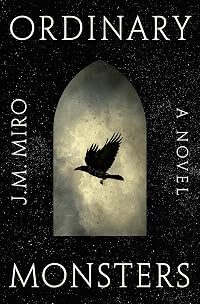
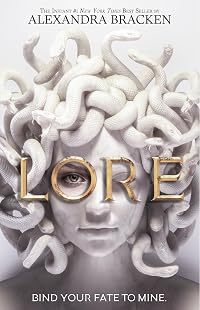
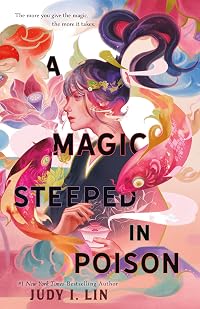

Member Reviews
It's no secret by now that I enjoy retellings, especially ones of myths and legends and those focusing on female characters, and with the current burst in Greek myth retellings, I'm certainly spoilt for choice! I had enjoyed Jennifer Saint's previous book, Ariadne, even if I had some issues with it so I was quite curious to see how she would approach a retelling of Elektra's story, one which I thought offered even more potential than Ariadne's.
I saw Aeschylus' original play performed in theatre all the way back when I was in high school and I read Colm Tóibín's House of Names a few years ago, so I knew there would hardly be any surprises in the plot, but I was looking forward to a more feminist take on the story, giving these women show more more of a voice. This time, the author chose to tell the story through three POVs, giving a voice to Cassandra, princess of Troy; Clytemnestra, wife of Agamemnon; and the titular Elektra, her daughter. If you're familiar with the original story, you'll know that all three women had the potential for being very complex characters as they slowly move through life to fulfil their tragic destinies. Unfortunately, this book didn't quite bring that out for me.
I did like the idea to have multiple POVs and particularly enjoyed following Cassandra's and Clytemnestra's perspectives. They took up most of the narrative, leaving Elektra's to actually be the least developed point of view, both from a narrative perspective and from a character development one. There was really very little insight into Elektra as a character, with her coming across mostly as a whiny, angry, spoiled child who acts exclusively on the basis of her hatred for her mother and the idolisation of her father. It felt as though she did very little beyond sulking and trying to find ways to hurt her mother.
Clytemnestra and Cassandra were slightly more developed and appeared more complex, which is probably what made their sections more enjoyable than Elektra's. Clytemnestra's grief, in particular, hit hard, as did Cassandra's frustration with her situation. In both cases, the ways in which their being women limited their options were nicely drawn out, but still did little to make this feel more than a more modern way to tell the exact same story. It didn't really feel like a feminist retelling, only like a retelling from a female character's point of view.
I did appreciate the way the author re-wrote Helen's character though! One thing that often annoys me in Trojan war retellings is the constant woman-on-woman hate when it comes to Helen, so I was happy to see that for once she was not described as a mean girl and there were multiple displays of solidarity between women.
I listened to the audiobook for part of this, alternating it with the e-arc, and it definitely improved the experience as all three narrators did an absolutely wonderful job of bringing the characters to life!
Despite my issues with the characters in Elektra, I still really enjoyed the author's writing so I'll be curious to check out her future work to see if this was just a second-book problem.
CW:This book contains mentions of death, child death, war, sexual violence and slavery.
I received an e-arc of this book from the publisher via NetGalley in exchange for my honest review. This did not affect my opinion of the book in any way. show less
I saw Aeschylus' original play performed in theatre all the way back when I was in high school and I read Colm Tóibín's House of Names a few years ago, so I knew there would hardly be any surprises in the plot, but I was looking forward to a more feminist take on the story, giving these women show more more of a voice. This time, the author chose to tell the story through three POVs, giving a voice to Cassandra, princess of Troy; Clytemnestra, wife of Agamemnon; and the titular Elektra, her daughter. If you're familiar with the original story, you'll know that all three women had the potential for being very complex characters as they slowly move through life to fulfil their tragic destinies. Unfortunately, this book didn't quite bring that out for me.
I did like the idea to have multiple POVs and particularly enjoyed following Cassandra's and Clytemnestra's perspectives. They took up most of the narrative, leaving Elektra's to actually be the least developed point of view, both from a narrative perspective and from a character development one. There was really very little insight into Elektra as a character, with her coming across mostly as a whiny, angry, spoiled child who acts exclusively on the basis of her hatred for her mother and the idolisation of her father. It felt as though she did very little beyond sulking and trying to find ways to hurt her mother.
Clytemnestra and Cassandra were slightly more developed and appeared more complex, which is probably what made their sections more enjoyable than Elektra's. Clytemnestra's grief, in particular, hit hard, as did Cassandra's frustration with her situation. In both cases, the ways in which their being women limited their options were nicely drawn out, but still did little to make this feel more than a more modern way to tell the exact same story. It didn't really feel like a feminist retelling, only like a retelling from a female character's point of view.
I did appreciate the way the author re-wrote Helen's character though! One thing that often annoys me in Trojan war retellings is the constant woman-on-woman hate when it comes to Helen, so I was happy to see that for once she was not described as a mean girl and there were multiple displays of solidarity between women.
I listened to the audiobook for part of this, alternating it with the e-arc, and it definitely improved the experience as all three narrators did an absolutely wonderful job of bringing the characters to life!
Despite my issues with the characters in Elektra, I still really enjoyed the author's writing so I'll be curious to check out her future work to see if this was just a second-book problem.
CW:
I received an e-arc of this book from the publisher via NetGalley in exchange for my honest review. This did not affect my opinion of the book in any way. show less
4.5⭐️
For readers who are familiar with the Classics and/or enjoy the plethora of retellings revolving around the Trojan War, it should not surprise you that there is not much about the Trojan War itself in the retellings that will strike you as completely new. But the beauty of Jennifer Saint’s Elektra lies in how the author chooses to highlight the perspectives of the women from these stories as told from their different vantage points. In Elektra, the author focuses on the “tainted” bloodline of the cursed House of Atreus and three women whose “fates inextricably tied to this curse, and the fickle nature of men and gods”. Our narrators are not on the battlefield and they don’t share the same loyalties or motivations - show more but Cassandra, Clytemnestra and Elektra are three women whose lives and destinies are irrevocably impacted by the events preceding, during and after the fall of Troy.
Cassandra, daughter of King Priam of Troy and Hecabe , blessed with prophetic vision that nobody believes, her warnings and pleas fall on deaf ears as Troy falls.
“Every word I speak is unwelcome. My throat is raw from the words that are torn from me when I touch someone, when I look into their eyes and see the blinding white truth. My prophecies rip out my insides, but still they come, unbidden, even as I quake at the consequences.”
Clytemnestra, wife of Agamemnon, King of Mycenae of the House of Atreus, mother of Iphigenia, Elektra and Orestes. Her rage resulting from Agamemnon’s sacrifice of her firstborn daughter Iphigenia in Aulis before the Trojan War wreaks havoc in Mycenae and the cursed House of Atreus
“In the light of the rising sun, I prayed that my husband would survive this war and come home safe to me. I wanted no Trojan soldier to take what was mine; no glory-seeking warrior to seize his chance of fame by plunging his sword into Agamemnon’s heart Let him come back, I hissed into the empty sky. Let him come back so that I can see his eyes as the light drains from them. Let him come back and die at the hands of his bitterest enemy. Let him come back so that I can watch him suffer. And let me make it slow.”
Elektra, daughter of Agamemnon and Clytemnestra, unflinching in her loyalty to her father chooses to justify his actions as the will of the Gods and will do anything to exact revenge on those who were responsible for her father’s demise.
“ I have always wanted to grow up to be the woman he thought I would become, the woman I could have been, if only he had been able to stay. To live up to the name he gave me.”
A major part of the narrative is shared between Elektra, Cassandra and Clytemnestra- each of whom gives us a brief picture of the significant events that impact their lives before, during and after the fall of Troy. Only after almost ¾ of the novel does Elektra’s voice become stronger in the narrative. There is a lot packed into the novel without it becoming too tedious. There is a certain amount of repetition but given that each of the narrators tells the story from different vantage points, nowhere did I lose interest. Cassandra’s narrative was heartbreaking as was Clytemnestra’s agony in witnessing Iphigenia’s death. The author is brilliant in her portrayal of the strong emotions and complexities in these women- Clytemnestra’s rage and agony, Cassandra’s innocence, despair and frustration and Elektra’s loyalty, anger and desire for revenge. The scenes between Cassandra and Clytemnestra were stunning in their emotional depth despite rarely anything being said between the two. The complicated mother-daughter relationship between Clytemnestra and Elektra, each obsessed with their respective quest for revenge, was brilliantly penned. Elektra does not come across as very likable but I think hers was probably the most complicated character to develop, a task that the author does expertly. Many of her actions and motivations might not feel justified but she is her father’s daughter and is unapologetic in her quest to avenge her father’s death and willing to sacrifice and bear the consequences of her actions.
Author Jennifer Saint masterfully weaves the multiple PoVs together with elegant prose and superb characterizations in a well-paced and intense narrative. While I enjoyed Jennifer Saint’s Ariadne, which I thought was an impressive debut, I found Elektra to be a more powerful and absorbing novel. I would not hesitate to recommend this to those with a fondness for feminist retellings of stories from the Greek myths. I thoroughly enjoyed this novel and eagerly look forward to more from this author in the future. show less
For readers who are familiar with the Classics and/or enjoy the plethora of retellings revolving around the Trojan War, it should not surprise you that there is not much about the Trojan War itself in the retellings that will strike you as completely new. But the beauty of Jennifer Saint’s Elektra lies in how the author chooses to highlight the perspectives of the women from these stories as told from their different vantage points. In Elektra, the author focuses on the “tainted” bloodline of the cursed House of Atreus and three women whose “fates inextricably tied to this curse, and the fickle nature of men and gods”. Our narrators are not on the battlefield and they don’t share the same loyalties or motivations - show more but Cassandra, Clytemnestra and Elektra are three women whose lives and destinies are irrevocably impacted by the events preceding, during and after the fall of Troy.
Cassandra, daughter of King Priam of Troy and Hecabe , blessed with prophetic vision that nobody believes, her warnings and pleas fall on deaf ears as Troy falls.
“Every word I speak is unwelcome. My throat is raw from the words that are torn from me when I touch someone, when I look into their eyes and see the blinding white truth. My prophecies rip out my insides, but still they come, unbidden, even as I quake at the consequences.”
Clytemnestra, wife of Agamemnon, King of Mycenae of the House of Atreus, mother of Iphigenia, Elektra and Orestes. Her rage resulting from Agamemnon’s sacrifice of her firstborn daughter Iphigenia in Aulis before the Trojan War wreaks havoc in Mycenae and the cursed House of Atreus
“In the light of the rising sun, I prayed that my husband would survive this war and come home safe to me. I wanted no Trojan soldier to take what was mine; no glory-seeking warrior to seize his chance of fame by plunging his sword into Agamemnon’s heart Let him come back, I hissed into the empty sky. Let him come back so that I can see his eyes as the light drains from them. Let him come back and die at the hands of his bitterest enemy. Let him come back so that I can watch him suffer. And let me make it slow.”
Elektra, daughter of Agamemnon and Clytemnestra, unflinching in her loyalty to her father chooses to justify his actions as the will of the Gods and will do anything to exact revenge on those who were responsible for her father’s demise.
“ I have always wanted to grow up to be the woman he thought I would become, the woman I could have been, if only he had been able to stay. To live up to the name he gave me.”
A major part of the narrative is shared between Elektra, Cassandra and Clytemnestra- each of whom gives us a brief picture of the significant events that impact their lives before, during and after the fall of Troy. Only after almost ¾ of the novel does Elektra’s voice become stronger in the narrative. There is a lot packed into the novel without it becoming too tedious. There is a certain amount of repetition but given that each of the narrators tells the story from different vantage points, nowhere did I lose interest. Cassandra’s narrative was heartbreaking as was Clytemnestra’s agony in witnessing Iphigenia’s death. The author is brilliant in her portrayal of the strong emotions and complexities in these women- Clytemnestra’s rage and agony, Cassandra’s innocence, despair and frustration and Elektra’s loyalty, anger and desire for revenge. The scenes between Cassandra and Clytemnestra were stunning in their emotional depth despite rarely anything being said between the two. The complicated mother-daughter relationship between Clytemnestra and Elektra, each obsessed with their respective quest for revenge, was brilliantly penned. Elektra does not come across as very likable but I think hers was probably the most complicated character to develop, a task that the author does expertly. Many of her actions and motivations might not feel justified but she is her father’s daughter and is unapologetic in her quest to avenge her father’s death and willing to sacrifice and bear the consequences of her actions.
Author Jennifer Saint masterfully weaves the multiple PoVs together with elegant prose and superb characterizations in a well-paced and intense narrative. While I enjoyed Jennifer Saint’s Ariadne, which I thought was an impressive debut, I found Elektra to be a more powerful and absorbing novel. I would not hesitate to recommend this to those with a fondness for feminist retellings of stories from the Greek myths. I thoroughly enjoyed this novel and eagerly look forward to more from this author in the future. show less
Elektra by Jennifer Saint tells the story from the perspective of three women: Elektra, Cassandra and Clytemnestra. These are all tragic stories and the book drips with their anguish, whichever side they were on. Women were prizes to be won and either enslaved or killed.
Born into the House of Atreus, Elektra knows her family is cursed but she is helpless to prevent further tragedy occurring. Clytemnestra marries into the house of Atreus and when her husband commits an atrocity she is bound for vengeance. Cassandra cursed by the god she spurned is unable to prevent the horrors of Troy.
This is a brilliant read. I loved Saint's first novel and, if anything, this is even better. There is a trend for re-imagined Greek myths from a more feminist perspective but this is no cliche. Each of the three female characters has a personality and motivations for their actions yet all is set into the context where women are mere chattels of the men around them. The writing is appealing to the modern reader, the plot show more complex but beautifully put together and the whole is just a joy from start to finish. show less
This is a brilliant read. I loved Saint's first novel and, if anything, this is even better. There is a trend for re-imagined Greek myths from a more feminist perspective but this is no cliche. Each of the three female characters has a personality and motivations for their actions yet all is set into the context where women are mere chattels of the men around them. The writing is appealing to the modern reader, the plot show more complex but beautifully put together and the whole is just a joy from start to finish. show less
Good characterisation and an impressive ability to make you feel the very contradictory interpretations of reality among the three protagonists, but it never quite manages to overcome the inherent inertia in having a decade long war seen from the viewpoints of two people left back at home and one person stuck behind the besieged walls. I found a lack of forward momentum until the very end, when events suddenly wrap up very quickly (and, even had I no knowledge of Greek myth, predictably). The ending as a result didn't quite land with me -- admittedly a hard thing to do for a tragedy, especially one with this much foreshadowing. But overall, an enjoyable book, which is no small feat for a novel about three so epically tragic figures.
Although you'd think this book is about Elektra, Agememnon's daughter known for being obsessed with him (hence the term Elektra complex), this book offers perspectives of three women: Elektra, her mother Clytemnestra - who murdered Agememnon, and Cassandra, sister of Paris from Troy. Now these are three unique personalities, Elektra being this father-obsessed creature, to the point of siding with her father over rape/taking of a slave, Brisius. I think this was just one instance of her being blindly obsessed with her dad. Then, Clytemnestra, filled with rage over the death of her daughter at the hands of her husband, and Cassandra, ignored by everyone around her yet sees prophesies.
As much as I love Greek mythology retellings, this show more book's writing fell flat and bored me out. Plugging in so many adjectives, adverbs and trying to add poetry to the writing made it come off as unimaginative, in fact, a drag! I just wanted the book to end.
Elektra as a character is extremely unlikeable. Her obsession with Agememnon - who, let's be honest, is a tyrant, barbarian war-lord and deserved to be murdered the way he was - pissed me off to no end. This man murdered his own daughter, Elektra's sister, for this damn war, and all she could say in the book was that she wished she was murdered the same way. Siding and sympathising with him, combined with the flowerly language, made this book not for me. show less
As much as I love Greek mythology retellings, this show more book's writing fell flat and bored me out. Plugging in so many adjectives, adverbs and trying to add poetry to the writing made it come off as unimaginative, in fact, a drag! I just wanted the book to end.
Elektra as a character is extremely unlikeable. Her obsession with Agememnon - who, let's be honest, is a tyrant, barbarian war-lord and deserved to be murdered the way he was - pissed me off to no end. This man murdered his own daughter, Elektra's sister, for this damn war, and all she could say in the book was that she wished she was murdered the same way. Siding and sympathising with him, combined with the flowerly language, made this book not for me. show less
I am 100% here for feminist retellings of mythology, and Elektra is no exception. As I read this, I was trying to remember what Natalie Haynes said about the story in Pandora’s Jar, so that extra background work in my head pulled me out of the story somewhat. That being said, I liked this retelling very much. I’ve been waffling on whether to call this a 3.5 or a 4, but it’s probably more like a 3.75, so I’ll round up to 4.
Members
- Recently Added By
Lists

Agamemnon's legacy
38 works; 4 members
Author Information

9 Works 6,686 Members
Awards and Honors
Awards
Common Knowledge
- Canonical title
- Elektra
- Original publication date
- 2022
Classifications
Statistics
- Members
- 1,475
- Popularity
- 15,780
- Reviews
- 27
- Rating
- (3.72)
- Languages
- 8 — Dutch, English, German, Italian, Polish, Russian, Spanish, Turkish
- Media
- Paper, Audiobook, Ebook
- ISBNs
- 22
- ASINs
- 7