On This Page
Description
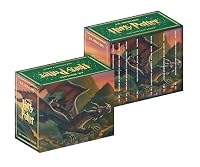
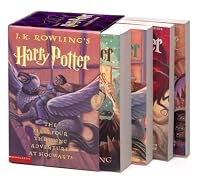
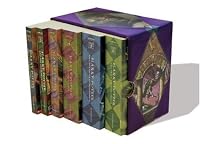
Collects the complete series that relates the adventures of young Harry Potter, who attends Hogwarts School of Witchcraft and Wizardry, where he and others of his kind learn their craft.Tags
Recommendations
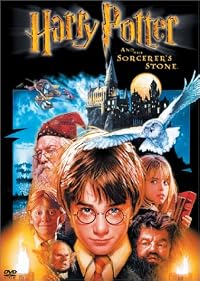

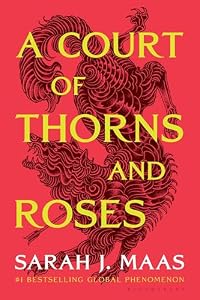
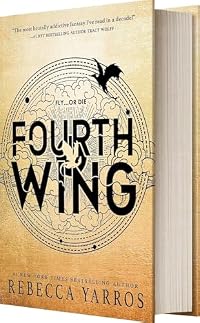
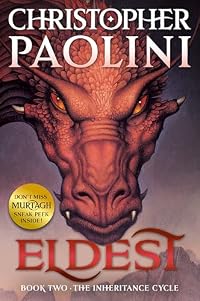
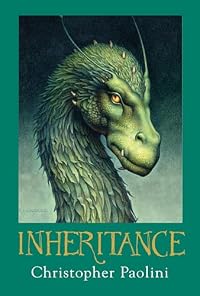
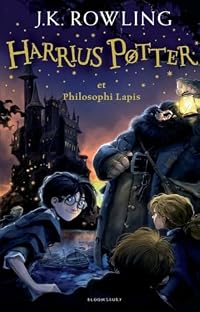

Member Recommendations
LongDogMom Very similar
Member Reviews
There is literally no way to adequately describe this series in a review. If I had to try, I would start by saying how complex the storyline is. It's complex, yet not difficult to understand (they were originally aimed at children, after all). Everything is woven together so intricately and intelligently, that it all falls into place. J.K. Rowling will keep you guessing throughout each book as well as through the series as a whole. She'll give you all the information to make educated guesses, but you can't be sure until the end. Love it.
One of the things that I love about the series is the characters growth. Eleven year olds are very different than seventeen year olds. J.K. Rowling doesn't ignore this fact. She lets the characters grow show more in developmentally appropriate ways as well as taking them on the psychological and emotional journey of the story.
The rereadability of this series is nuts. There so much you get out of reading the books more than once. You'll notice things casually mentioned in book 1 are important in book 3, book 7, etc. You'll make connections you never thought possible (ie, how could she have known that this tiny fact would be important 4 books later?!).
Overall: You need to read these books. Seriously good for all ages. show less
One of the things that I love about the series is the characters growth. Eleven year olds are very different than seventeen year olds. J.K. Rowling doesn't ignore this fact. She lets the characters grow show more in developmentally appropriate ways as well as taking them on the psychological and emotional journey of the story.
The rereadability of this series is nuts. There so much you get out of reading the books more than once. You'll notice things casually mentioned in book 1 are important in book 3, book 7, etc. You'll make connections you never thought possible (ie, how could she have known that this tiny fact would be important 4 books later?!).
Overall: You need to read these books. Seriously good for all ages. show less
This has been my favorite of the series so far. Surprising considering I spent a majority of it frustrated beyond belief. Umbridge was an AMAZING villain, I hated her even more than Voldemort.
I love books that make me feel more than just mild emotions and this well...the ending is like a punch to the throat. So SAD. Despite expecting it, I wasn't prepared for Sirius' death. He had become one of my favorite characters.
I love books that make me feel more than just mild emotions and this well...the ending is like a punch to the throat. So SAD. Despite expecting it, I wasn't prepared for Sirius' death. He had become one of my favorite characters.
It's difficult to rate the Harry Potter series because they were more than just books, they were events and discussion topics and a whole lot more, since their release coincided with most of my childhood. I even have a signed copy of the third volume on my shelf, having waited hours in line to see Rowling sign it. Thus the Harry Potter books mean something more to me than the material itself might merit based on quality. For the purpose of this review, though, I'll be focusing on the quality of the books alone.
The Harry Potter series has several virtues, its greatest being that the series is very readable. You can go through hundreds of pages of Harry Potter in a day with ease, and the constant forward momentum of the plot makes every show more volume a page turner. There are few times when the books slow down, but in the overall scheme of things they are quickly forgotten. This makes the series ideal for anyone looking for an entertaining read, or for people who haven't read much before. Another of the major virtues is the concept that Rowling explores with these books resonates universally- we'd all like to be whisked away from mundanity into a world that's more magical, we'd all like to think that there's a wonderland hidden behind back alleys and thick forests that someday we'll uncover. We'd all like to somehow be special. Rowling gives this to the reader (indeed, with the titular character Rowling gives us a character who's not only special, he's The Chosen One special, another rank of special above all the other special people), but she couches this magical world filled with special people in a relatable format: grade school. We've all been through it, and so even though the classes are potions and charms we can still relate to the experiences. Combined, the readability and strong central concept, as well as giving readers a battle between good and evil, makes for a very fun book series that well deserves its popularity.
On the other hand, there are also many flaws in this series that detract from its greatness, and which make me doubt whether I will still enjoy the books as much when a few more decades of my life has passed. First, the characters and their relationships. Harry Potter, at first a sympathetic reader surrogate, goes through long stretches of the series spewing teenage angst at everyone around him. Perhaps this was Rowling trying to communicate that teenagers can be unpleasant, self-centered jerks, but she went a bit overboard with this lesson for my taste. Harry’s friend Ron shares this trait, going through a significant portion of the fourth book being a jerk to Harry more for the sake of dramatic tension than any reason that makes real sense. Hermione is defined merely as “the smart one who follows rules” far beyond the point where she should have a more nuanced character. All of these are relatively minor complaints, though, compared to my main one: Rowling rarely makes these characters actually feel like friends. Over 90% of their interactions with each other are aimed at solving the mystery of that year, or preparing for the next big challenge presented by Voldemort or the school, and very rarely do we see them actually enjoying each other’s company. We’re left to assume that such things happen between the lines, but often it seems more like we’re reading about Detective Harry and his two assistants rather than about three teenage friends.
Other aspects of the characters are also noticeably weak. The villains are pure evil, with almost no nuance, to the point where Slytherin is exclusively populated by assholes, and the adult villains are basically magical Nazis. There’s room for nuance here, but besides the character of Snape (whose death renders his allegiance a largely moot point, as he would have been killed regardless of what side he was fighting for) Rowling mostly blows past the possibility of differing perspectives to tell a simple good vs. bad story. Toward the end of the series characters start to pair off in romantic couples as well, an aspect of characterization Rowling seems particularly weak at writing. Harry and Ginny just felt shoehorned together at the last moment, as Ginny had appeared very rarely for the books before Harry suddenly decides he is in love with her. Recently Rowling has revealed that Ron and Hermione would have made a bad couple, and it stuns me that she’s just realizing this now. To anyone who was paying attention it was blatantly obvious that the guy with major self-confidence issues, a bitterness streak against those with wealth or fame, and probably with an inferiority complex probably wasn’t a good match for the brilliant overachiever who everyone constantly praises. Nevertheless, Rowling had planted the seeds, and she was either incapable of analyzing whether the two characters made sense together or wasn’t willing to deviate from the planned course even though she knew it wouldn’t make sense.
Beyond the characters, the world of Harry Potter, though fascinating and richly depicted, often felt as though Rowling was making things up as she went. This was epitomized in the sixth book when Rowling reveals that there is a spell that can be performed that makes a person keep a promise, and if the person breaks that promise that person dies. Well, that spell apparently solves everything, right? Don’t want people using the unforgivable curses? Make everyone promise not to, and they never will again! Don’t want people killing muggles? Make everyone promise not to, and all the muggles will be safe! Don’t want death eaters trying to oust the government? Have everyone promise not to be a death eater, or an evil wizard, and problem solved! This spell, much like with the truth serum that makes an occasional appearance before disappearing for books at a time, would seem to completely change the world of Harry Potter, but it’s never clear that Rowling has bothered to think of all the implications of the new aspects of the world that she is introducing. As such, it feels like a patchwork universe as often as it feels like a living, breathing realm.
Finally, there are a couple structural problems to the series. The fifth book was flat out bad. Overlong and completely forgettable, when reading the sixth and seventh books years later I would be able to remember all the characters and occurrences except those introduced in book five. Whatever, 6 out of 7 isn’t too shabby. I’m saying that prematurely however, because the single worst segment of the series is located at the very end, in the form of the epilogue. Wow is that thing poorly written. I expect it’s the case that long ago Rowling wrote out the epilogue, and after the series became successful this epilogue became a sacred cow to her that no editor could touch. She certainly had the juice to keep it any way she wanted it at that point, but the series would have been better off if she had had someone to give her some constructive criticism.
So yeah, the Harry Potter series has some issues. I’m not prepared to say, however, that they outweigh the virtues of the books, despite the fact that I talked about the flaws for so much longer. I’m sure that when I have kids I’ll be buying them the Harry Potter series, perhaps rationing them out so that they don’t reach the darker volumes too soon. The key is that after they read them, though, I’m going to buy them books where readability isn’t the chief virtue. show less
The Harry Potter series has several virtues, its greatest being that the series is very readable. You can go through hundreds of pages of Harry Potter in a day with ease, and the constant forward momentum of the plot makes every show more volume a page turner. There are few times when the books slow down, but in the overall scheme of things they are quickly forgotten. This makes the series ideal for anyone looking for an entertaining read, or for people who haven't read much before. Another of the major virtues is the concept that Rowling explores with these books resonates universally- we'd all like to be whisked away from mundanity into a world that's more magical, we'd all like to think that there's a wonderland hidden behind back alleys and thick forests that someday we'll uncover. We'd all like to somehow be special. Rowling gives this to the reader (indeed, with the titular character Rowling gives us a character who's not only special, he's The Chosen One special, another rank of special above all the other special people), but she couches this magical world filled with special people in a relatable format: grade school. We've all been through it, and so even though the classes are potions and charms we can still relate to the experiences. Combined, the readability and strong central concept, as well as giving readers a battle between good and evil, makes for a very fun book series that well deserves its popularity.
On the other hand, there are also many flaws in this series that detract from its greatness, and which make me doubt whether I will still enjoy the books as much when a few more decades of my life has passed. First, the characters and their relationships. Harry Potter, at first a sympathetic reader surrogate, goes through long stretches of the series spewing teenage angst at everyone around him. Perhaps this was Rowling trying to communicate that teenagers can be unpleasant, self-centered jerks, but she went a bit overboard with this lesson for my taste. Harry’s friend Ron shares this trait, going through a significant portion of the fourth book being a jerk to Harry more for the sake of dramatic tension than any reason that makes real sense. Hermione is defined merely as “the smart one who follows rules” far beyond the point where she should have a more nuanced character. All of these are relatively minor complaints, though, compared to my main one: Rowling rarely makes these characters actually feel like friends. Over 90% of their interactions with each other are aimed at solving the mystery of that year, or preparing for the next big challenge presented by Voldemort or the school, and very rarely do we see them actually enjoying each other’s company. We’re left to assume that such things happen between the lines, but often it seems more like we’re reading about Detective Harry and his two assistants rather than about three teenage friends.
Other aspects of the characters are also noticeably weak. The villains are pure evil, with almost no nuance, to the point where Slytherin is exclusively populated by assholes, and the adult villains are basically magical Nazis. There’s room for nuance here, but besides the character of Snape (whose death renders his allegiance a largely moot point, as he would have been killed regardless of what side he was fighting for) Rowling mostly blows past the possibility of differing perspectives to tell a simple good vs. bad story. Toward the end of the series characters start to pair off in romantic couples as well, an aspect of characterization Rowling seems particularly weak at writing. Harry and Ginny just felt shoehorned together at the last moment, as Ginny had appeared very rarely for the books before Harry suddenly decides he is in love with her. Recently Rowling has revealed that Ron and Hermione would have made a bad couple, and it stuns me that she’s just realizing this now. To anyone who was paying attention it was blatantly obvious that the guy with major self-confidence issues, a bitterness streak against those with wealth or fame, and probably with an inferiority complex probably wasn’t a good match for the brilliant overachiever who everyone constantly praises. Nevertheless, Rowling had planted the seeds, and she was either incapable of analyzing whether the two characters made sense together or wasn’t willing to deviate from the planned course even though she knew it wouldn’t make sense.
Beyond the characters, the world of Harry Potter, though fascinating and richly depicted, often felt as though Rowling was making things up as she went. This was epitomized in the sixth book when Rowling reveals that there is a spell that can be performed that makes a person keep a promise, and if the person breaks that promise that person dies. Well, that spell apparently solves everything, right? Don’t want people using the unforgivable curses? Make everyone promise not to, and they never will again! Don’t want people killing muggles? Make everyone promise not to, and all the muggles will be safe! Don’t want death eaters trying to oust the government? Have everyone promise not to be a death eater, or an evil wizard, and problem solved! This spell, much like with the truth serum that makes an occasional appearance before disappearing for books at a time, would seem to completely change the world of Harry Potter, but it’s never clear that Rowling has bothered to think of all the implications of the new aspects of the world that she is introducing. As such, it feels like a patchwork universe as often as it feels like a living, breathing realm.
Finally, there are a couple structural problems to the series. The fifth book was flat out bad. Overlong and completely forgettable, when reading the sixth and seventh books years later I would be able to remember all the characters and occurrences except those introduced in book five. Whatever, 6 out of 7 isn’t too shabby. I’m saying that prematurely however, because the single worst segment of the series is located at the very end, in the form of the epilogue. Wow is that thing poorly written. I expect it’s the case that long ago Rowling wrote out the epilogue, and after the series became successful this epilogue became a sacred cow to her that no editor could touch. She certainly had the juice to keep it any way she wanted it at that point, but the series would have been better off if she had had someone to give her some constructive criticism.
So yeah, the Harry Potter series has some issues. I’m not prepared to say, however, that they outweigh the virtues of the books, despite the fact that I talked about the flaws for so much longer. I’m sure that when I have kids I’ll be buying them the Harry Potter series, perhaps rationing them out so that they don’t reach the darker volumes too soon. The key is that after they read them, though, I’m going to buy them books where readability isn’t the chief virtue. show less
my parents got this set for me from the scholastic book fair in the 4th grade and i was THE coolest kid in school because of that. I read through the series and would reread my favorite books constantly. i am also definitely the person that turns the 19 hour movie marathon into a 40 hour marathon because i will not shut up about the differences between the books and the movies (this does not mean i do not like the movies. i adore the movies. to an extent haha). im not sure if i would still enjoy the books now, as an adult, but i will always remember fondly on how magical the world was to little 10 y/o me
There are countless reviews about the HP book out there, so I'll try to be brief. After all, who hasn't read at least some of the books or seen the movies?
I began to read the books after watching the first movie because I loved it..and well, why deny it? Because everybody else was doing so. But I was ten years old and I had nothing to compare it with. After reading Harry Potter, I realized how different they are. The movies are OK, entertaining but nothing more. They lack the magic of the books.
Rowling prose is agile, fluent, easy to read yet beautiful and detailed enough. I've never read any other author who can balance both aspects so well without finishing with a bunch of flat characters and a too foreseeable plot. The history show more becomes darker and more dramatic with each book. Harry Potter would have not appealed to me so much to if there were seven Philosopher's Stone-like books. The characters matured, changed; the readers also did. It's the Harry Potter generation: kids who grew up with him.
Some people will say Rowliing can't write, that it's pure marketing. I'll answer that she must have done something right if she can keep me reading until 3AM (believe, it's not easy). show less
I began to read the books after watching the first movie because I loved it..and well, why deny it? Because everybody else was doing so. But I was ten years old and I had nothing to compare it with. After reading Harry Potter, I realized how different they are. The movies are OK, entertaining but nothing more. They lack the magic of the books.
Rowling prose is agile, fluent, easy to read yet beautiful and detailed enough. I've never read any other author who can balance both aspects so well without finishing with a bunch of flat characters and a too foreseeable plot. The history show more becomes darker and more dramatic with each book. Harry Potter would have not appealed to me so much to if there were seven Philosopher's Stone-like books. The characters matured, changed; the readers also did. It's the Harry Potter generation: kids who grew up with him.
Some people will say Rowliing can't write, that it's pure marketing. I'll answer that she must have done something right if she can keep me reading until 3AM (believe, it's not easy). show less
It's hard to express how big of an impact the Harry Potter series had on me. Harry Potter and the Philosopher's Stone was one o the first novels I read in English, and since then I was hooked. I read all the books the moment they were available to me, researched fan theories, and had a near-religious experience when I went to Harry Potter World. I love all the symbolism in the novels, and how real the people seem. I love the mystery and adventure aspects.
Currently, I'm struggling with my relationships with Harry Potter, due to JKR's consistent offensive, transphobic comments. I don't know that it changes the substance of the books (though it did make me think more about how problematic the portrayal of house elves was). JKR's show more commentary makes it difficult for me to do anything that supports her, and I expect this is a struggle I will continue to have for a long time. show less
Currently, I'm struggling with my relationships with Harry Potter, due to JKR's consistent offensive, transphobic comments. I don't know that it changes the substance of the books (though it did make me think more about how problematic the portrayal of house elves was). JKR's show more commentary makes it difficult for me to do anything that supports her, and I expect this is a struggle I will continue to have for a long time. show less
Harry Potter holds a place dear in my heart. Reading the first book in the afternoon in second grade, when I had seen the package for it arrive in front of my house was the kickstart to a journey of a childhood through many years. It turned out that the two illustrated large print editions of the first two harry potter books had not been intended for me, they had actually been meant for a family friend's daughter, but when my mother saw the look on my face, she let me have them. As a series, the worldbuilding is something that fantasy has never seen. It is both complex and detailed, yet simple to understand. There is a good, and there is a bad, and sometimes simplicity has its benefits, it makes things easier for the reader.
The way show more Rowling wrote the books, we as readers could clearly tell that we were to root for Harry and has gang, and despise Voldemort and his followers. When there is a clear evil, it makes it easy for us, and for a children's book, that's important. If I were to read this series now, yes I would marvel at the magical spectacles, but I would say that it is pretty simple when it comes to the conflict, yet there's a certain charm that no author has never been able to replicate when it comes to fantasy. This series birthed a franchies, a loyal following of fans, and I must say that is impressive.
Yet we must not seperate the art from the artist, and though I am glad for reading the series, I will in no way support it ever again. show less
The way show more Rowling wrote the books, we as readers could clearly tell that we were to root for Harry and has gang, and despise Voldemort and his followers. When there is a clear evil, it makes it easy for us, and for a children's book, that's important. If I were to read this series now, yes I would marvel at the magical spectacles, but I would say that it is pretty simple when it comes to the conflict, yet there's a certain charm that no author has never been able to replicate when it comes to fantasy. This series birthed a franchies, a loyal following of fans, and I must say that is impressive.
Yet we must not seperate the art from the artist, and though I am glad for reading the series, I will in no way support it ever again. show less
Members
- Recently Added By
Lists

Best Fantasy Novels
820 works; 358 members

Favorite Series
238 works; 94 members

Best Children's Books You've Read
197 works; 74 members

Favorite Childhood Books
1,602 works; 516 members

Recommend the 20 best books you've read in the last five years
2,152 works; 603 members

Books I've Read More Than Once
602 works; 49 members

BBC's 100 Novels That Shaped Our World
100 works; 22 members
1001 Children's Books You Must Read Before You Grow Up
774 works; 100 members

Books tagged favorites
390 works; 30 members
Wish List
3 works; 1 member
Test List
8 works; 1 member
Test list
2 works; 1 member

Elevenses
316 works; 88 members
Fantasy Books I have read or want to read
3 works; 1 member

Top Five Books of 2017
757 works; 230 members

Top 100 to Read before you Die
109 works; 7 members

Satori Smiles Children's Book List
262 works; 7 members

Mythopoeic fantasy award winners - children literature
24 works; 1 member
Stories of Good Versus Evil
22 works; 7 members
Favourite books by Female Authors
43 works; 4 members
The Guardian's best novels in English: Readers' alternative list
15 works; 2 members
Lit Lattes Ep 001
9 works; 1 member

Fake Top 100 Fiction
81 works; 4 members

Books you should read before you die
12 works; 1 member

Elementary Reads
15 works; 1 member

The Complete Rory Gilmore Reading List
506 works; 5 members
My 100 Favorite Books of All Time
57 works; 2 members

Vlogbrothers Book Recommendations
307 works; 4 members

Vulture's 100 Best Books of the 21st Century (So Far)
98 works; 9 members

Books We Loved As Children
603 works; 252 members
Robin
21 works; 2 members
Reliably Good Series
45 works; 2 members

Favourite Books
50 works; 1 member
Read
28 works; 1 member

Books recommended by Barack Obama
295 works; 28 members

27 Books Parents Should Read to Their Kids Before They Grow Up
27 works; 7 members

Books I've read
87 works; 2 members

The League of Extraordinary Gentlemen
87 works; 4 members
Honey For a Child's Heart
1,152 works; 25 members
Put a Bird On It
75 works; 12 members

You Couldn't Pay Me to Read That (Take 2)
203 works; 86 members

Oh no, my house burnt down ...
20 works; 13 members

Favorite Kids Books (chapter, middle grade)
168 works; 4 members
Best School Stories
219 works; 22 members
Favourite Books
1,817 works; 310 members
Talk Discussions
Past Discussions
Welcome all! in School of Hogwarts (January 2020)
Author Information

341+ Works 1,024,875 Members
J. K. (Joanne Kathleen) Rowling was born in Gloucestershire, U. K. on July 31, 1965. She also writes fiction novels under the name of Robert Galbraith. Rowling attended Tutshill Primary and then went on to Wyedean Comprehensive where she was made Head Girl in her final year. She received a degree in French from Exeter University. She later took show more some teaching classes at Moray House Teacher Training College and a teacher-training course in Manchester, England. This extensive education created a perfect foundation to spark the Harry Potter series that Rowling is renowned for. After college, Rowling moved to London to work for Amnesty International, where she researched human rights abuses in Francophone Africa, and worked as a bilingual secretary. In 1992, Rowling quit office work to move to Portugal and teach English as a Second Language. There she met and married her husband, a Portuguese TV journalist. But the marriage dissolved soon after the birth of their daughter. It was after her stint teaching in Portugal that Rowling began to write the premise for Harry Potter. She returned to Britain and settled in Edinburgh to be near her sister, and attempted to at least finish her book, before looking for another teaching job. Rowling was working as a French teacher when her book, Harry Potter and the Philosopher's Stone was published in June of 1997 and was an overnight sensation. Harry Potter and the Philosopher's Stone won the British Book Awards Children's Book of the Year, was shortlisted for the Guardian Fiction Award, and received a Commended citation in the Carnegie Medal awards. She also received 8,000 pounds from the Scottish Arts Council, which contributed to the finishing touches on The Chamber of Secrets. Rowling continued on to win the Smarties Book Prize three years in a row, the only author ever to do so. At the Bologna Book Fair, Arthur Levine from Scholastic Books, bought the American rights to Harry Potter and the Philosopher's Stone for the unprecedented amount of $105,000.00. The book was retitled Harry Potter and the Sorcerer's Stone for it's American release, and proceeded to top the Best Seller's lists for children's and adult books. The American edition won Best of the Year in the School Library Journal, Publishers Weekly, Parenting Magazine and the Cooperative Children's Book Center. It was also noted as an ALA Notable Children's Book as well as Number One on the Top Ten of ALA's Best Books for Young Adults. The Harry Potter Series consists of seven books, one for each year of the main character's attendance at the Hogwarts School of Witchcraft and Wizardry. All of the books in the series have been made into successful movies. She is number 1 on the Hollywood Reporter's '25 Most Powerful Authors' 2016 list. She has also written Fantastic Beasts and Where to Find Them, Quidditch Through the Ages, and The Tales of Beedle the Bard. She won the 2016 PEN/Allen Foundation Literary Service Award. In 2016 she, along with Jack Thorne and John Tiffany, published the script of the play Harry Potter and the cursed child. It became an instant bestseller. Rowling's first novel for an adult audience,The Casual Vacancy, was published by Little Brown in September 2012. She made The New York Times Best Seller List with her title Very Good Lives: The Fringe Benefits of Failure and the Importance of Imagination. She published two bestselling fiction novels under the name of Robert Galbraith: The Cuckoo's Calling and The Silkworm. (Bowker Author Biography) show less
Some Editions
Awards and Honors
Awards
Notable Lists
Series

Harry Potter (Collections and Selections — 1-7)
Work Relationships
Contains
Is parodied in
Inspired
Has as a reference guide/companion
Common Knowledge
- Canonical title
- Harry Potter - The Complete Series
- Original publication date
- 2007
- People/Characters
- Albus Percival Wulfric Brian Dumbledore; Harry James Potter; Hermione Granger; Ron Weasley
- Important places
- Hogwarts School of Witchcraft and Wizardry, Scotland, UK
- Original language
- English
- Disambiguation notice
- On the descriptions page for this set, several of the descriptions are for other boxed sets than this. Some apply to the earlier boxed set which contains only the first four volumes, some are for audio books. Only the descrip... (show all)tion which applies to the full seven volume set should be there. The other descriptions belong on other pages.
Classifications
Statistics
- Members
- 14,323
- Popularity
- 509
- Reviews
- 185
- Rating
- (4.64)
- Languages
- 16 — Chinese, Danish, English, Finnish, French, German, Greek, Italian, Japanese, Norwegian, Polish, Spanish, Thai, Turkish, Ukrainian, Portuguese (Portugal)
- Media
- Paper, Audiobook, Ebook
- ISBNs
- 97
- UPCs
- 15
- ASINs
- 90