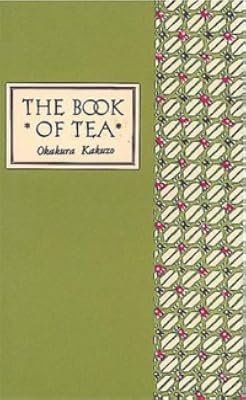
The Book of Tea
by Kakuzō Okakura
On This Page
Description
The Book of Tea discusses the impact of "Teaism" on all aspects of Japanese culture and life. Kakuzo elaborates on the relationship between tea ceremony and Zen and Taoism. He also talks about the tea masters and their contribution to the tea ceremony. Kakuzo spoke English from an early age, and so was able to make his writings accessible to the Western mind..
Tags
Recommendations

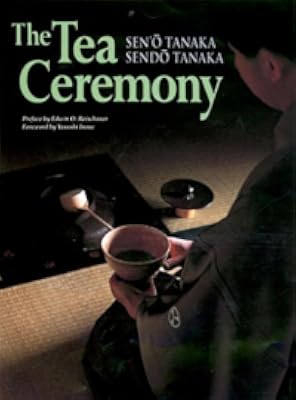


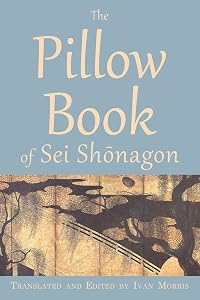
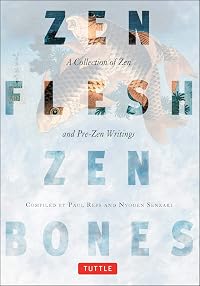
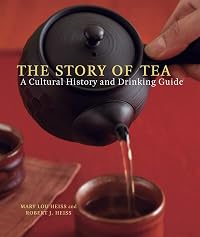
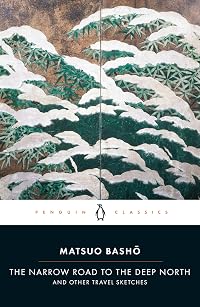
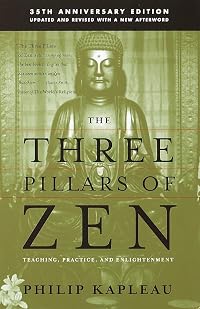
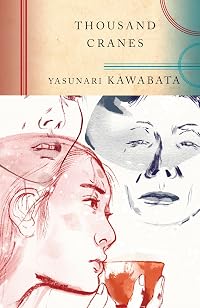
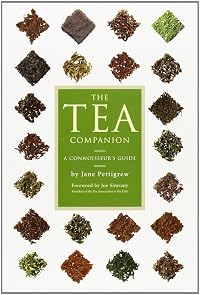
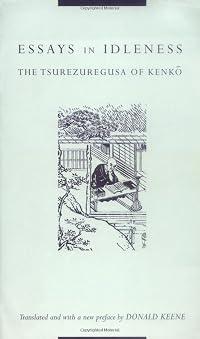

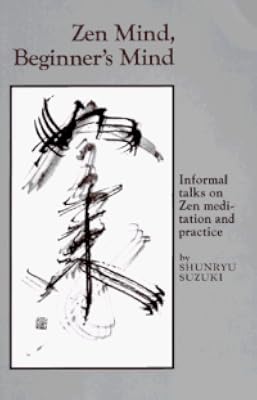

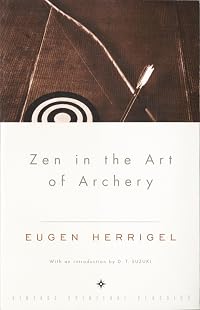

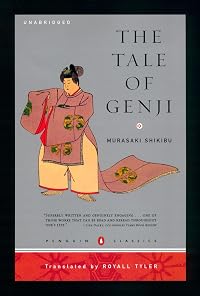
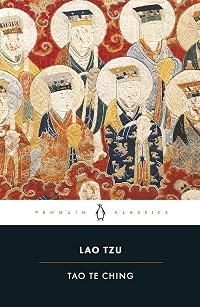
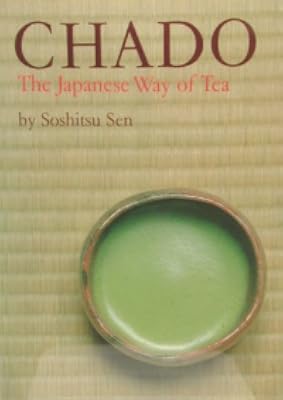
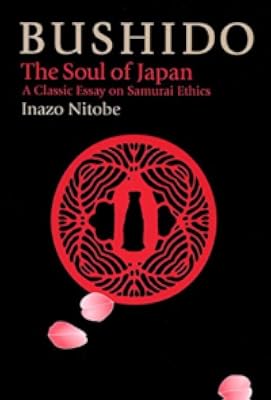
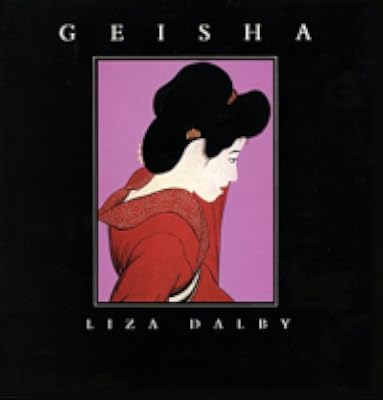


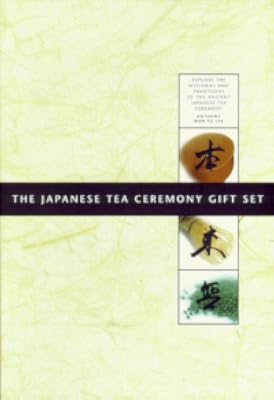
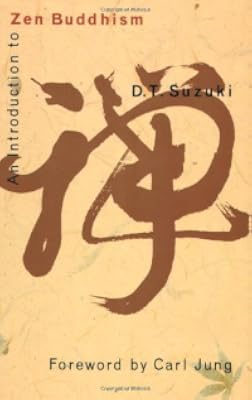
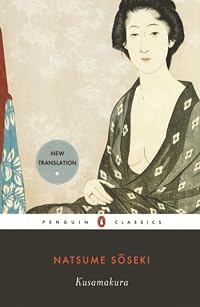
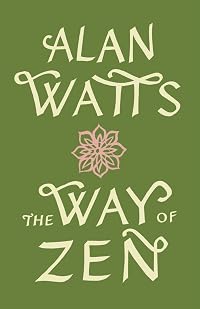

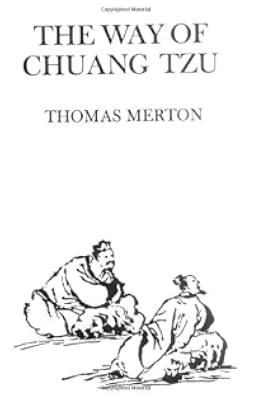
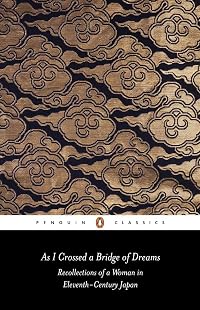

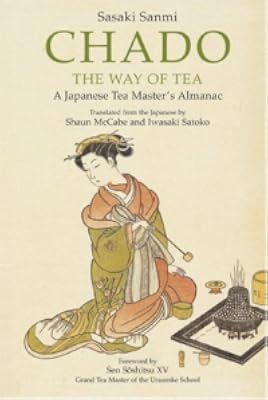
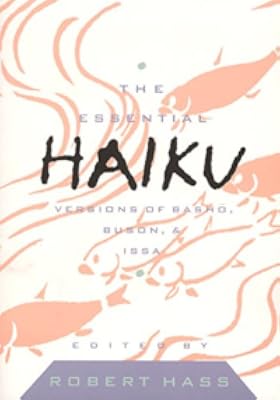



Member Recommendations

aulsmith Two books which appear to be about mundane matters on the surface, but are really about how to live life to the fullest
31

Member Reviews
Who am I to critique or rate this book? Nobody.
The Book of Tea continues to be in print since 1906, written by a well-educated and influential scholar. The book has gone on to famously influence a number of twentieth century artists and introduced this 2022 humble reader to a rich and long history of Eastern aesthetics, especially those that relate to the tea room and the tea ceremony. A most inspirational subject!
Respectfully I confess, though, I was glad The Book of Tea was a slim volume. I have no doubt Okakura knew his stuff -- but he also had a beef with the West and sprinkled his displeasure throughout. It's very easy to imagine the ugly resistance to the Asian aesthetic (and to the Asian, himself) he encountered during his show more lifetime. He spent years with Western teachers in Tokyo and had an academic career in Boston, so plenty of opportunity for it. We know how imperialistic Imperialism can be and it's easy to imagine the sort of racism and ignorance he must have experienced.
You will find among the pages many lovely passages written to educate and elevate readers (just read some of the quotes here in Goodreads to get the flavor). Also within the book you will find his anger that is defensive and dogmatic.
For me, his five star star material introducing Chinese and Japanese history of a unique mindset of beauty, simplicity, humbleness and "now-ness" was undermined by the inclusion of his battle against the West, sometimes to the point of hyperbole. (Did the Western aesthetic really ever think that a flower stripped of its leaves was the epitome of its beauty? Was that a thing? I can't think of an example.) That is the same ugly ignorance I'm sure that Okakura encountered and attempted to set straight in The Book of Tea. Along with a little academic vengeance, perhaps? Apparently his other writings also include setting Western thought straight about a few things, as well as to remind his Asian readers of their long and well-developed sensibilities that are far from inferior.
Seems like even when we reach out specifically for understanding, there it is, even in The Book of Tea -- the ugliness when humans mistreat, mistrust, and misunderstand one another. It marred my enjoyment of the bigger message.
Or is Beauty a bigger message after all? Very hard to say these days. show less
The Book of Tea continues to be in print since 1906, written by a well-educated and influential scholar. The book has gone on to famously influence a number of twentieth century artists and introduced this 2022 humble reader to a rich and long history of Eastern aesthetics, especially those that relate to the tea room and the tea ceremony. A most inspirational subject!
Respectfully I confess, though, I was glad The Book of Tea was a slim volume. I have no doubt Okakura knew his stuff -- but he also had a beef with the West and sprinkled his displeasure throughout. It's very easy to imagine the ugly resistance to the Asian aesthetic (and to the Asian, himself) he encountered during his show more lifetime. He spent years with Western teachers in Tokyo and had an academic career in Boston, so plenty of opportunity for it. We know how imperialistic Imperialism can be and it's easy to imagine the sort of racism and ignorance he must have experienced.
You will find among the pages many lovely passages written to educate and elevate readers (just read some of the quotes here in Goodreads to get the flavor). Also within the book you will find his anger that is defensive and dogmatic.
For me, his five star star material introducing Chinese and Japanese history of a unique mindset of beauty, simplicity, humbleness and "now-ness" was undermined by the inclusion of his battle against the West, sometimes to the point of hyperbole. (Did the Western aesthetic really ever think that a flower stripped of its leaves was the epitome of its beauty? Was that a thing? I can't think of an example.) That is the same ugly ignorance I'm sure that Okakura encountered and attempted to set straight in The Book of Tea. Along with a little academic vengeance, perhaps? Apparently his other writings also include setting Western thought straight about a few things, as well as to remind his Asian readers of their long and well-developed sensibilities that are far from inferior.
Seems like even when we reach out specifically for understanding, there it is, even in The Book of Tea -- the ugliness when humans mistreat, mistrust, and misunderstand one another. It marred my enjoyment of the bigger message.
Or is Beauty a bigger message after all? Very hard to say these days. show less
Kakuzō Okakura's The Book of Tea starts off, funnily enough, as an ode to the 'cup of humanity' (the title of its first chapter). It is as you would expect, extolling the virtues of that remarkable drink with its 'delicate bitterness' (pg. 25) and none of "the arrogance of wine, the self-consciousness of coffee, nor the simpering innocence of cocoa" (pg. 12). It is written from a turn-of-the-century Japanese perspective, but Okakura was also an observer of the West. This book – written in English, for "translation is always a treason" (pg. 34) – serves as a nice bridge between those of us who drink tea in the West (I am British, so of course I quaff gallons of tea) and its roots in Eastern culture and ceremony. Tea, perhaps, is show more where East and West meet.
And this is where The Book of Tea really begins to surprise and astonish. The early chapters covered tea-making (though it is never a simple 'how-to-make-the-perfect-cuppa' guide) but subsequent chapters go on to outline the 'philosophy of tea', or 'Teaism'. I am inclined to be dismissive of so-called Eastern mysticism, having lived through years of exposure to witless, patronizing wishy-washy New Age psychobabble permeated through Western media, and I was all too ready to scoff at Okakura's attempt to turn a nice hot beverage into a way of life. "Tea with us became more than an idealisation of the form of drinking; it is a religion of the art of life," Okakura informs us on page 28, and my scepticism and cynicism was primed.
However, Okakura's ethos actually makes a lot of sense. He roots the tea ceremony in Taoism and Zennism: Zen, he contends, conceives of "greatness in the smallest incidents of life" (pg. 47). The aesthetic reigns supreme; artistic appreciation is key and dedicated efforts must be undertaken to draw out and emphasise the beauty in things. Okakura goes on to offer thoughts on art and aesthetics in general, as well as some rather astute observations on philosophy. Considering I prize rationality and don't understand our contemporary Western culture's obsession with self-flagellation and anti-materialism, I was really surprised at just how much wisdom and thought went into the philosophy Okakura relates. (It is also worth noting at this point that the short little book is beautifully written, with some fine poetic lines.) I used to look on this Eastern spirituality and Taoism as so much flannel, particularly in its dumbed-down New Age form, so it is a testament to Okakura's articulation that after reading The Book of Tea – on a mere whim, not in search of any enlightenment – that I now have a lot more time for it. Even if I remain sceptical and unwilling to study mystics and oneness and whatnot, I am prepared to accept the viability of some of these elements and ideas. And that's not a bad result to get from a book supposedly just about brewing up. show less
And this is where The Book of Tea really begins to surprise and astonish. The early chapters covered tea-making (though it is never a simple 'how-to-make-the-perfect-cuppa' guide) but subsequent chapters go on to outline the 'philosophy of tea', or 'Teaism'. I am inclined to be dismissive of so-called Eastern mysticism, having lived through years of exposure to witless, patronizing wishy-washy New Age psychobabble permeated through Western media, and I was all too ready to scoff at Okakura's attempt to turn a nice hot beverage into a way of life. "Tea with us became more than an idealisation of the form of drinking; it is a religion of the art of life," Okakura informs us on page 28, and my scepticism and cynicism was primed.
However, Okakura's ethos actually makes a lot of sense. He roots the tea ceremony in Taoism and Zennism: Zen, he contends, conceives of "greatness in the smallest incidents of life" (pg. 47). The aesthetic reigns supreme; artistic appreciation is key and dedicated efforts must be undertaken to draw out and emphasise the beauty in things. Okakura goes on to offer thoughts on art and aesthetics in general, as well as some rather astute observations on philosophy. Considering I prize rationality and don't understand our contemporary Western culture's obsession with self-flagellation and anti-materialism, I was really surprised at just how much wisdom and thought went into the philosophy Okakura relates. (It is also worth noting at this point that the short little book is beautifully written, with some fine poetic lines.) I used to look on this Eastern spirituality and Taoism as so much flannel, particularly in its dumbed-down New Age form, so it is a testament to Okakura's articulation that after reading The Book of Tea – on a mere whim, not in search of any enlightenment – that I now have a lot more time for it. Even if I remain sceptical and unwilling to study mystics and oneness and whatnot, I am prepared to accept the viability of some of these elements and ideas. And that's not a bad result to get from a book supposedly just about brewing up. show less
Charles Lamb-i, një ithtar i deklaruar i çajit, ka rrokur thelbin e çajizmit kur shkroi se kënaqësia më e madhe që njihte ishte bërja e një vepre të mirë tinëzisht, që më pas do të dilte në dritë rastësisht. Sepse çajizmi është arti i fshehjes së bukurisë ashtu që të mund ta zbuloni rastësisht, i sugjerimit të asaj që nuk guxoni ta shfaqni. Është sekreti fisnik i të qeshurit me veten, qetë por plotësisht, ndaj është, pra, vetë humori: buzëqeshja e filozofisë. Në këtë kuptim, të gjithë komediografët e vërtetë mund të quhen filozofë të çajit: Thackeray, për shembull, dhe, sigurisht, Shekspiri. Poetët e dekadencës (dhe kur s’ka qenë bota ndonjëherë në dekadencë?), në protestat e show more tyre kundër materializmit, në një farë mase, kanë elur gjithashtu udhën për çajizmin. Në ditët e sotme, mbase Perëndimi dhe Lindja mund të gjejnë një ngushëllim të ndërsjellë në soditjen tonë të ndrojtur të së Papërsosurës.
Taoistët rrëfejnë se në fillimin e madh të JoFillimit, Fryma dhe Materia u përballën në një dyluftim vdekjeprurës. Në fund, Perandori i Verdhë, Dielli i Qiellit, ngadhënjeu ndaj Zhu Rongut, demonit të territ dhe tokës. Në grahmën e tij të fundit, ky titan e përplasi kokën te qemeri diellor, duke e thërrmuar kubenë kaltëroshe prej nefriti. Yjet humbën foletë e tyre, hëna u end kuturu nëpër humnerat e shkreta të natës. I dëshpëruar, Perandori i Verdhë kërkoi gjerë e gjatë për ndreqësin e Qiejve. Kërkimi nuk i nuk shkoi kot. Nga deti i Lindjes buthtoi një mbretëreshë, Nyvaja e shenjtë, brikurorë dhe bishtdragua, shkëlqimtare në parzmoren e saj prej zjarri. Ajo lentoi ylberin pesëngjyrësh në kazanin e saj magjik dhe arnoi qiellin kinez. Por thuhet se Nyvaja harroi të mbushë dy plasa të imëta në kupën qiellore. Kështu filloi dualizmi i dashurisë: dy shpirtra që vërtiten në hapësirë, pa gjetur kurrë prehje, gjersa kur të bashkohen për të plotësuar universin. Çdokush duhet ta ndërtojë nga e para qiellin e vet të shpresës dhe paqes. Qielli i njerëzimit modern përnjëmend është copëtuar në përleshjen titanike për pasuri dhe pushtet. Bota po zvarritet këmbadoras në errësirën e kultit të unit dhe harbutërisë. Dija po blihet përmes një ndërgjegjeje të keqe, bujaria po praktikohet për hir të leverdisë. Lindja dhe Perëndimi, si dy dragonj të flakur në një det tallazesh, më kot përpiqen të rifitojnë xhevahirin e jetës. Na duhet sërish një Nyvaja për të meremetuar rrënimin e madh; presim Avatarin e madh. Ndërkohë, le të pijmë nga një gllënjkë çaj. Kuqëlimi i pasdites po shndrit bambutë, shatërvanët gurgullojnë me ëndje, shushurima e pishave dëgjohet në çajnikun tonë. Le të ëndërrojmë për shuarjen, dhe të eglendisemi në marrëzinë e bukur të gjërave. show less
Taoistët rrëfejnë se në fillimin e madh të JoFillimit, Fryma dhe Materia u përballën në një dyluftim vdekjeprurës. Në fund, Perandori i Verdhë, Dielli i Qiellit, ngadhënjeu ndaj Zhu Rongut, demonit të territ dhe tokës. Në grahmën e tij të fundit, ky titan e përplasi kokën te qemeri diellor, duke e thërrmuar kubenë kaltëroshe prej nefriti. Yjet humbën foletë e tyre, hëna u end kuturu nëpër humnerat e shkreta të natës. I dëshpëruar, Perandori i Verdhë kërkoi gjerë e gjatë për ndreqësin e Qiejve. Kërkimi nuk i nuk shkoi kot. Nga deti i Lindjes buthtoi një mbretëreshë, Nyvaja e shenjtë, brikurorë dhe bishtdragua, shkëlqimtare në parzmoren e saj prej zjarri. Ajo lentoi ylberin pesëngjyrësh në kazanin e saj magjik dhe arnoi qiellin kinez. Por thuhet se Nyvaja harroi të mbushë dy plasa të imëta në kupën qiellore. Kështu filloi dualizmi i dashurisë: dy shpirtra që vërtiten në hapësirë, pa gjetur kurrë prehje, gjersa kur të bashkohen për të plotësuar universin. Çdokush duhet ta ndërtojë nga e para qiellin e vet të shpresës dhe paqes. Qielli i njerëzimit modern përnjëmend është copëtuar në përleshjen titanike për pasuri dhe pushtet. Bota po zvarritet këmbadoras në errësirën e kultit të unit dhe harbutërisë. Dija po blihet përmes një ndërgjegjeje të keqe, bujaria po praktikohet për hir të leverdisë. Lindja dhe Perëndimi, si dy dragonj të flakur në një det tallazesh, më kot përpiqen të rifitojnë xhevahirin e jetës. Na duhet sërish një Nyvaja për të meremetuar rrënimin e madh; presim Avatarin e madh. Ndërkohë, le të pijmë nga një gllënjkë çaj. Kuqëlimi i pasdites po shndrit bambutë, shatërvanët gurgullojnë me ëndje, shushurima e pishave dëgjohet në çajnikun tonë. Le të ëndërrojmë për shuarjen, dhe të eglendisemi në marrëzinë e bukur të gjërave. show less
This was a fascinating book, at least in part because of the difference between what I had expected it to be, and what it was. Honestly, with a title like "the book of tea" I had expected it to be more about, well, tea. Instead, the focus was at least as much on the "zen aesthetic" mentioned in the subtitle. There's still plenty of information about tea, but a lot of it goes into the Japanese tea ceremony and not just tea as a drink. I've never participated in a Japanese tea ceremony, but after reading about everything that goes into one, I'd like to experience it for myself.
There is also more in here about the history of tea, and the differences in Eastern vs. Western aesthetics (as observed by the author) but I feel like the true show more focus was on the ceremony that goes with tea. It can be a very meditative read if you let it, and I enjoyed my time with this book a lot.
I have to say, however: I found the foreword and introduction distracted greatly from the main body of the book. I would have preferred them to come at the end, personally, as a retrospective look at the book. They feel like they are meant for readers who already know the book's material, so putting them at the front felt awkward to me when I read them. I almost wish I had skipped them entirely, since I don't feel like they added anything to my experience of the book. show less
There is also more in here about the history of tea, and the differences in Eastern vs. Western aesthetics (as observed by the author) but I feel like the true show more focus was on the ceremony that goes with tea. It can be a very meditative read if you let it, and I enjoyed my time with this book a lot.
I have to say, however: I found the foreword and introduction distracted greatly from the main body of the book. I would have preferred them to come at the end, personally, as a retrospective look at the book. They feel like they are meant for readers who already know the book's material, so putting them at the front felt awkward to me when I read them. I almost wish I had skipped them entirely, since I don't feel like they added anything to my experience of the book. show less
Kakuzō merr shkas nga një analizë e imtësishme e ritualit të pirjes së çajit në kulturën japoneze – që nga përgatitja e përzierjes së bimëve, enët, shërbimi, e deri te arkitektura dhe arredimi i dhomës së çajit – për të na folur për disa nga çështjet më themelore të botëkuptimit e filozofisë së “Lindjes”. Në kapërcyell të shekujve XIX-XX, kohë në të cilën jetoi dhe shkroi autori, sundimi i gjatë kolonial i perëndimit tashmë i kishte dhënë frytet e veta në gjithë Azinë. Kakuzō, si njeri në kapërcyell të dy botëve, përpiqet t’i kundërvendosë kulturës perëndimore thelbin e “Lindjes”, deri aty sa të pohojë madje epërsinë e kësaj të fundit.
Ndonëse Kakuzō shkroi show more vëllime të shumta për artin e Azisë, “Libri i çajit”, i shkruar në anglisht dhe i botuar më 1906, mbetet libri i tij më i shquar në perëndim. show less
Ndonëse Kakuzō shkroi show more vëllime të shumta për artin e Azisë, “Libri i çajit”, i shkruar në anglisht dhe i botuar më 1906, mbetet libri i tij më i shquar në perëndim. show less
The Book of Tea does, of course, deal with what the author, Okakura Kakuzō, calls Teaism and the history of the tea ceremony in Japan; however, this elegiac, philosophical work deals with much more: the influences of Taoism on Zen Buddhism, the unquestioning embrace of everything Western during the Meiji Restoration, the perfection of imperfection and much more.
This short book really made me think about the Western emphasis on the novel and faddish at the expense of the tried and true. Naturally, there is a middle ground between hidebound traditionalism and perpetual upheaval; the problem, of course, is determining where that sweet spot should reside.
I was completely unfamiliar with both this treatise and Okakura, and The Book of Tea show more impelled me to find out more about the art historian Okakura, his mentor Ernest Fenollosa and various others who interacted with them in Tokyo and Boston. I never realized that it was Fenollosa and Okakura who introduced Japanese art to the Western world. Most interesting was that, while fiercely defending the East, all or nearly all of Okakura’s works were written in English and later translated into Japanese. I definitely want to know more about Okakura and read more by him.
This book is free in the Kindle format, but it would be well worth it if I had had to pay. show less
This short book really made me think about the Western emphasis on the novel and faddish at the expense of the tried and true. Naturally, there is a middle ground between hidebound traditionalism and perpetual upheaval; the problem, of course, is determining where that sweet spot should reside.
I was completely unfamiliar with both this treatise and Okakura, and The Book of Tea show more impelled me to find out more about the art historian Okakura, his mentor Ernest Fenollosa and various others who interacted with them in Tokyo and Boston. I never realized that it was Fenollosa and Okakura who introduced Japanese art to the Western world. Most interesting was that, while fiercely defending the East, all or nearly all of Okakura’s works were written in English and later translated into Japanese. I definitely want to know more about Okakura and read more by him.
This book is free in the Kindle format, but it would be well worth it if I had had to pay. show less
I’ll admit I requested The Book of Tea by mistake. Blame old age, rush, or whathaveyou, but I misread something, I understood something else, and I went in expecting tea-related pictures.
Imagine my surprise when those traditional Japanese kettles I was dreaming of never materialized. My tea fields? Sorry, wrong book. Still, my perplexity was short-lived: The Book of Tea turned out to be an informative tale, steeped in history and culture. All in all, a lucky mistake.
[Keeo reading @ Bookshelves & Teacups]
Imagine my surprise when those traditional Japanese kettles I was dreaming of never materialized. My tea fields? Sorry, wrong book. Still, my perplexity was short-lived: The Book of Tea turned out to be an informative tale, steeped in history and culture. All in all, a lucky mistake.
[Keeo reading @ Bookshelves & Teacups]
Members
- Recently Added By
Lists

Top Five Books of 2013
1,562 works; 721 members

Books That Changed Me
158 works; 47 members

Fiction and Non-Fiction about Tea
2 works; 3 members

Favourite Books
1,820 works; 316 members

Books Read in 2013
1,630 works; 51 members

Classic Food and Cooking Works
13 works; 2 members

1900s (Decade, not century)
73 works; 17 members

Japanese Literature
230 works; 40 members

Life and How to Live It
21 works; 4 members

Five star books
1,767 works; 110 members

Books Read in 2020
4,379 works; 124 members

Mustich's 1000 Books to Read Before You Die: A Life Changing List
1,001 works; 20 members
Reading LIst
648 works; 1 member

Unread books
1,063 works; 87 members
Author Information

19 Works 3,425 Members
Okakura Kakuzo was born near Tokyo and learned English in his infancy, refining his linguistic skills at the Institute for Foreign Studies in Tokyo. Later he went on to study Oriental Arts at the Tokyo Imperial University. Okakura lived in America for several years where he served as Curator of the Department of Chinese and Japanese art at the show more Boston Museum of Fine Arts. He was instrumental in the acquisition of much of that museum's exemplary collection of Eastern art. show less
Some Editions
Awards and Honors
Notable Lists
Series
Belongs to Publisher Series
Insel-Bücherei (Nr. 274)
Kodansha Academic Library (1138)
Common Knowledge
- Canonical title
- The Book of Tea
- Original title
- 茶の本; Cha no Hon
- Original publication date
- 1906
- Important places
- Japan
- First words
- Tea began as a medicine and grew into a beverage.
- Quotations
- The whole idea of Teaism is a result of this Zen conception of greatness in the smallest incidents of life.
One day Soshi was walking on the bank of a river with a friend. "How delightfully the fishes are enjoying themselves in the water!" exclaimed Soshi. His friend spake to him thus: "You are not a fish; how do you know that the ... (show all)fishes are enjoying themselves?" "You are not myself," returned Soshi; "how do you know that I do not know that the fishes are enjoying themselves?"
Rikiu was watching his son Shoan as he swept and watered the garden path. "Not clean enough," said Rikiu, when Shoan had finished his task, and bade him try again. After a weary hour the son returned to Rikiu: "Father, there ... (show all)is nothing more to be done. The steps have been washed for the third time, the stone lanterns and the trees are well sprinkled with water, moss and lichens are shining with a fresh verdure; not a twig, not a leaf have I left on the ground." "Young fool," chided the tea-master, "that is not the way a garden path should be swept." Saying this, Rikiu stepped into the garden, shook a tree and scattered over the garden gold and crimson leaves, scraps of the brocade of autumn! What Rikiu demanded was not cleanliness alone, but the beautiful and the natural also. - Last words
- (Click to show. Warning: May contain spoilers.)With a smile upon his face Rikiu passed forth into the unknown.
- Original language
- Japanese
Classifications
- Genres
- Nonfiction, Philosophy, General Nonfiction, Religion & Spirituality, History, Food & Cooking, Art & Design
- DDC/MDS
- 394.1 — Society, government, & culture Customs, etiquette & folklore General customs Eating, drinking, using drugs
- LCC
- GT2910 .O6 — Geography, Anthropology and Recreation Manners and customs (General) Manners and customs (General) Customs relative to private life
- BISAC
Statistics
- Members
- 3,264
- Popularity
- 5,276
- Reviews
- 77
- Rating
- (3.85)
- Languages
- 18 — Catalan, Czech, Danish, Dutch, English, Esperanto, Finnish, French, German, Greek, Italian, Japanese, Norwegian (Bokmål), Polish, Portuguese, Russian, Spanish, Swedish
- Media
- Paper, Audiobook, Ebook
- ISBNs
- 254
- UPCs
- 2
- ASINs
- 72