On This Page
Description
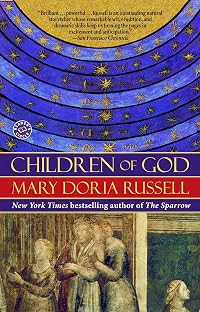
In Children of God, Mary Doria Russell further establishes herself as one of the most innovative, entertaining and philosophically provocative novelists writing today. The only member of the original mission to the planet Rakhat to return to Earth, Father Emilio Sandoz has barely begun to recover from his ordeal when the So-ciety of Jesus calls upon him for help in preparing for another mission to Alpha Centauri. Despite his objections and fear, he cannot escape his past or the future. Old show more friends, new discoveries and difficult questions await Emilio as he struggles for inner peace and understanding in a moral universe whose boundaries now extend beyond the solar system and whose future lies with children born in a faraway place. Strikingly original, richly plotted, replete with memorable characters and filled with humanity and humor, Children of God is an unforgettable and uplifting novel that is a potent successor to The Sparrow and a startlingly imaginative adventure for newcomers to Mary Doria Russell's special literary magic. show lessTags
Recommendations
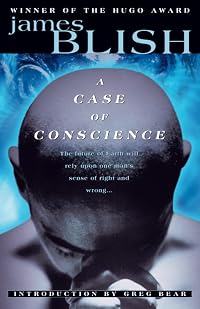


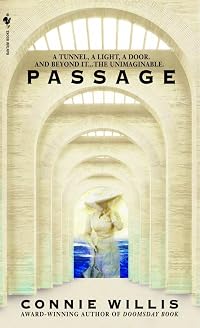
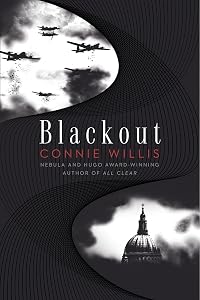
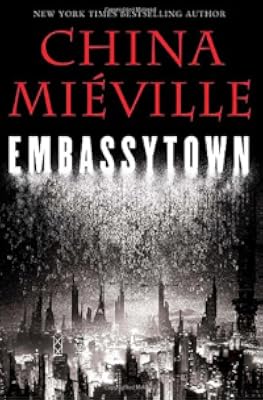


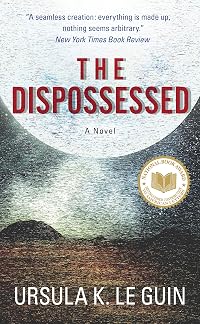
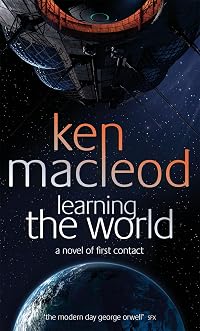
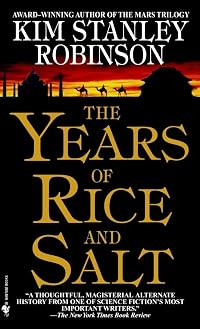

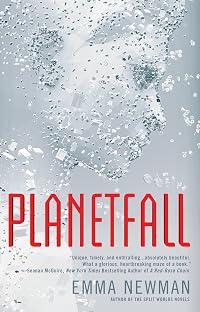
Member Recommendations
Member Reviews
To read more reviews in this series and others, check out keikii eats books!
95 points, 5 STARS!
In the sequel to The Sparrow, we find Emilio Sandoz on Earth, only still barely recovering from his ordeals on the planet Rakhat. The Jesuits want him to return, and despite Emilio's objections he cannot escape that planet. Meanwhile on Rakhat, the original mission has sparked something in the people.
WARNING: UNDER NO CIRCUMSTANCES READ THE SPARROW AND CHILDREN OF GOD BACK TO BACK!
"I don't need that kind of pain in my life twice." That's what I said at the end of my review for the Sparrow.
Apparently I did need that kind of pain twice, because in some ways Children of God was even more painful to get through than The Sparrow. How the hell was show more this worse than the last for Emilio?! I don't rightly know! I thought the previous book was as bad as it was going to get. I was wrong. I was so wrong.
I really should not have read this so soon after The Sparrow. Learn from my pain! Take a break between the two!
FUCK.
I feel like I'm dying inside.
Where The Sparrow went back and forth in time between chapters, Children of God goes back and forth between planets. There are two stories going on between the two planets: Emilio's continued healing, and Rakhat's cultural revolution. I believe The Sparrow stands alone very well. However, I really needed to get Emilio to a point where he is as healthy and happy as he can be, for my own piece of mind. I really love Children of God simply because it exists for that reason alone. However, the reverse isn't true: Children of God would be meaningless without The Sparrow, and should not really be attempted without having read the first book.
The story of Emilio on earth is exactly what I wanted out of Children of God. He has gotten some time behind him from the events that destroyed him. He still doesn't believe himself to be a priest anymore, but he is healing. He is capable of taking care of himself. His body is getting stronger. It is everything that comes after Earth that broke me. And everything about it is deeply enough spoilers that I refuse to speak more of it. It isn't as shocking as what happened in the Sparrow, but it hurt me even more, probably because it wasn't shocking, just heartbreaking.
The story of Rakhat and the revolution isn't actually anything that is unexpected. From The Sparrow, you learn that the Runa are a prey sentient race and the Jana'ata feed on them. You know that the presence of the exploration party Emilio was a part of managed to change the views of the Runa about themselves and spark a change in thinking. When you already know this, it is easy to see that revolution is coming. However, there is a surprise waiting on Rakhat.
Both stories combined to make me fall in love with Children of God just as much as I loved The Sparrow. I was wrapped up in both of them. There weren't as many people to fall in love with this time around, though. Emilio stays away from most people, now. The story on Rakhat never really gave me anyone to love because of how it jumped around. There are a few people to love, and I love them even more dearly for what they became for me. There are even more people that I hated. It was a good balance.
I've heard someone, somewhere (I don't remember) say that Children of God was to give Emilio restitution. To which I say emphatically: no. It is to break you down even further. It ties up loose ends, but it is to show that just when you think nothing else could possibly go wrong for a soul so wrongly hurt already, more could go wrong.
I fucking loved reading Children of God. I just wish I had waited a week between books instead of a few hours. show less
95 points, 5 STARS!
In the sequel to The Sparrow, we find Emilio Sandoz on Earth, only still barely recovering from his ordeals on the planet Rakhat. The Jesuits want him to return, and despite Emilio's objections he cannot escape that planet. Meanwhile on Rakhat, the original mission has sparked something in the people.
WARNING: UNDER NO CIRCUMSTANCES READ THE SPARROW AND CHILDREN OF GOD BACK TO BACK!
"I don't need that kind of pain in my life twice." That's what I said at the end of my review for the Sparrow.
Apparently I did need that kind of pain twice, because in some ways Children of God was even more painful to get through than The Sparrow. How the hell was show more this worse than the last for Emilio?! I don't rightly know! I thought the previous book was as bad as it was going to get. I was wrong. I was so wrong.
I really should not have read this so soon after The Sparrow. Learn from my pain! Take a break between the two!
FUCK.
I feel like I'm dying inside.
Where The Sparrow went back and forth in time between chapters, Children of God goes back and forth between planets. There are two stories going on between the two planets: Emilio's continued healing, and Rakhat's cultural revolution. I believe The Sparrow stands alone very well. However, I really needed to get Emilio to a point where he is as healthy and happy as he can be, for my own piece of mind. I really love Children of God simply because it exists for that reason alone. However, the reverse isn't true: Children of God would be meaningless without The Sparrow, and should not really be attempted without having read the first book.
The story of Emilio on earth is exactly what I wanted out of Children of God. He has gotten some time behind him from the events that destroyed him. He still doesn't believe himself to be a priest anymore, but he is healing. He is capable of taking care of himself. His body is getting stronger. It is everything that comes after Earth that broke me. And everything about it is deeply enough spoilers that I refuse to speak more of it. It isn't as shocking as what happened in the Sparrow, but it hurt me even more, probably because it wasn't shocking, just heartbreaking.
The story of Rakhat and the revolution isn't actually anything that is unexpected. From The Sparrow, you learn that the Runa are a prey sentient race and the Jana'ata feed on them. You know that the presence of the exploration party Emilio was a part of managed to change the views of the Runa about themselves and spark a change in thinking. When you already know this, it is easy to see that revolution is coming. However, there is a surprise waiting on Rakhat.
Both stories combined to make me fall in love with Children of God just as much as I loved The Sparrow. I was wrapped up in both of them. There weren't as many people to fall in love with this time around, though. Emilio stays away from most people, now. The story on Rakhat never really gave me anyone to love because of how it jumped around. There are a few people to love, and I love them even more dearly for what they became for me. There are even more people that I hated. It was a good balance.
I've heard someone, somewhere (I don't remember) say that Children of God was to give Emilio restitution. To which I say emphatically: no. It is to break you down even further. It ties up loose ends, but it is to show that just when you think nothing else could possibly go wrong for a soul so wrongly hurt already, more could go wrong.
I fucking loved reading Children of God. I just wish I had waited a week between books instead of a few hours. show less
Oh. My. I had some trepidation about reading this sequel, and while holding back for a while was a wise decision, eventually I had to know what happened to Emilio and the Jesuit-led expedition to Rakhat.
This decision was a good one, and led me to re-read "Sparrow" for the third time. And this book also covers two separate timeframes, actually three, while incorporating a whole lotta human arrogance cloaked in the guise of helping. Or concluding. Or something like that.
This book still remains in the head of Emilio and also deals with the second Jesuit voyage to Rakhat to put things right. Emilio serves as a linguist to teach the new group the languages and customs, and he also specifies the language proficiency he needs to be able to show more teach within a framework that will stand. He begins to heal his heart and falls for a young woman in Naples who has a young daughter. And then he is kidnapped.
Meanwhile, on Rakhat, Sophia Mendes has survived the attack on the Runa town that took away Emilio and Fr. Robineaux, and she gives birth to her and Jimmy's son. Time passes, the Runa form an enclave where they can live separate from the predations of the Jana'ata, and they begin to revolutionize their society. And Supaari finds that his new status is not what he thought it would be upon the birth of his daughter. So he leaves. And Hlavin Kitheri plots more intricately, and soon the entire Jana'ata culture is changed.
There are subtle twists and turns and plotlines, all of which lead to unexpected places. Some are beautiful, some are tragic, and all are heart-tugging in a way that I did not think a sequel could achieve. show less
This decision was a good one, and led me to re-read "Sparrow" for the third time. And this book also covers two separate timeframes, actually three, while incorporating a whole lotta human arrogance cloaked in the guise of helping. Or concluding. Or something like that.
This book still remains in the head of Emilio and also deals with the second Jesuit voyage to Rakhat to put things right. Emilio serves as a linguist to teach the new group the languages and customs, and he also specifies the language proficiency he needs to be able to show more teach within a framework that will stand. He begins to heal his heart and falls for a young woman in Naples who has a young daughter. And then he is kidnapped.
Meanwhile, on Rakhat, Sophia Mendes has survived the attack on the Runa town that took away Emilio and Fr. Robineaux, and she gives birth to her and Jimmy's son. Time passes, the Runa form an enclave where they can live separate from the predations of the Jana'ata, and they begin to revolutionize their society. And Supaari finds that his new status is not what he thought it would be upon the birth of his daughter. So he leaves. And Hlavin Kitheri plots more intricately, and soon the entire Jana'ata culture is changed.
There are subtle twists and turns and plotlines, all of which lead to unexpected places. Some are beautiful, some are tragic, and all are heart-tugging in a way that I did not think a sequel could achieve. show less
I put off reading this for some time because I was afraid it wouldn't measure up to The Sparrow (afraid, in fact, that it would spoil the novel for me). It is not obvious at the end of The Sparrow how the story could continue, much less what could possibly drive Sandroz to go back to Rakhat.
Russell makes it work. There are a few surprises for the reader here, which I won't spoil by giving them away, a couple of disappointments (we never find out what happened to the second expedition to Rakhat), and more of Russell's gorgeous, thoughtful writing and wonderful characterization.
While The Sparrow focuses on the individual tragedy which resulted from the expedition, Children of God takes up a broader canvas to follow the effects of the show more fateful meeting of two cultures. The planet of Rakhat is swept by revolution which completely overturns a social order which has existed for centuries. The prey turn on their masters. On Earth, we get a glimpse of the politics which drove the first expedition, and which eventually captures the unwilling Sandroz in its web and brings him back to Rakhat. The ship arrives in time to intervene in some delicate negotiations, and the story ends on a hopeful, almost utopian note.
A fitting companion to The Sparrow, but not, I found, quite as compelling or powerful. The multiple threads of the plot and retrospective narration, while deftly handled, are occasionally distracting; the technique is not nearly as effective as in The Sparrow, where it is integral to the reader's gradual realization of what happened. I found the ending, with its themes of reconciliation and the suggestion of the larger pattern of God's will, slightly forced and inauthentic, too much of a requisite happy ending after Sandroz' suffering and the horrors of the massacres on the planet. As hurt as he had been, I'm not convinced it's so easy to simply move on with one's life. show less
Russell makes it work. There are a few surprises for the reader here, which I won't spoil by giving them away, a couple of disappointments (we never find out what happened to the second expedition to Rakhat), and more of Russell's gorgeous, thoughtful writing and wonderful characterization.
While The Sparrow focuses on the individual tragedy which resulted from the expedition, Children of God takes up a broader canvas to follow the effects of the show more fateful meeting of two cultures. The planet of Rakhat is swept by revolution which completely overturns a social order which has existed for centuries. The prey turn on their masters. On Earth, we get a glimpse of the politics which drove the first expedition, and which eventually captures the unwilling Sandroz in its web and brings him back to Rakhat. The ship arrives in time to intervene in some delicate negotiations, and the story ends on a hopeful, almost utopian note.
A fitting companion to The Sparrow, but not, I found, quite as compelling or powerful. The multiple threads of the plot and retrospective narration, while deftly handled, are occasionally distracting; the technique is not nearly as effective as in The Sparrow, where it is integral to the reader's gradual realization of what happened. I found the ending, with its themes of reconciliation and the suggestion of the larger pattern of God's will, slightly forced and inauthentic, too much of a requisite happy ending after Sandroz' suffering and the horrors of the massacres on the planet. As hurt as he had been, I'm not convinced it's so easy to simply move on with one's life. show less
This book is the sequel to The Sparrow, which should definitely be read first. At the end of The Sparrow, Emilio has returned to earth, emotionally and physically shattered from his experiences on the planet Rakhat. He has turned away from God and is consumed with guilt. In Children of God, Emilio begins to heal but is “recruited” for another mission to Rakhat.
This book clears up several questions left at the end of The Sparrow. We learn more about the history of the planet and how human intervention changed it dramatically. Was it for the better? Well, that’s part of the enjoyment of the novel – figuring out if the human perspective is valid for a planet of alien life forms. We learn more about the cultures of the Runa and show more Jana'ata and find there is a blended community trying to work together. But there are also extremes at each end of the political spectrum, each trying to exterminate the other. These factions seem realistic and believable. There are quite a few large jumps in time, introducing new characters to provide context, which can get a little disorienting at times.
It is filled with thought-provoking topics – faith, compassion, ethics, cultural interference. I thoroughly enjoyed returning to Rakhat. I appreciate the thoroughness of the linguistic details of the languages, and the sociological analysis of the two alien species. It is certainly a more optimistic book than its predecessor. Taken together, this duology is quite an accomplishment.
4.5 show less
This book clears up several questions left at the end of The Sparrow. We learn more about the history of the planet and how human intervention changed it dramatically. Was it for the better? Well, that’s part of the enjoyment of the novel – figuring out if the human perspective is valid for a planet of alien life forms. We learn more about the cultures of the Runa and show more Jana'ata and find there is a blended community trying to work together. But there are also extremes at each end of the political spectrum, each trying to exterminate the other. These factions seem realistic and believable. There are quite a few large jumps in time, introducing new characters to provide context, which can get a little disorienting at times.
It is filled with thought-provoking topics – faith, compassion, ethics, cultural interference. I thoroughly enjoyed returning to Rakhat. I appreciate the thoroughness of the linguistic details of the languages, and the sociological analysis of the two alien species. It is certainly a more optimistic book than its predecessor. Taken together, this duology is quite an accomplishment.
4.5 show less
Children of God - Mary Doria Russell
4 stars
“Philosophy, I discovered, is now more of an attitude than a career path - the job market has fallen off somewhat, since the Enlightenment. Fat Frans ”
This is the sequel to Russell’s shattering debut novel, The Sparrow. The first book tells the tragic story of a first contact space mission funded by The Society of Jesus. This book continues the story of the broken Father Emilio Sandoz . It begins on Earth with his recovery and follows his reluctant return to the planet Rakhat.
In some ways this is a time travel story. Russell doesn’t spend a lot of time on the technology of her near future, but she makes good use of the relative effects of acceleration on time. Each time Sandoz or show more any other character is in space, time on their respective planets gallops ahead of them. The story unfolds on two planets and in space, all in different time frames. And it works. It’s not confusing. She is truly an incredible writer.
The book is full of wonderful, engaging characters. They struggle, they suffer, and they have articulate, thought provoking conversations. Not one character, even the ones that I loved to hate, turns out to be completely evil. (And just for fun, Russell throws an autistic savant into the mix.) I lost count of the ongoing human and cultural conflicts that this story tackled, from the existence of God to planetary ecology. In conversation the characters struggle with forgiveness and redemption, loss, grief, and moral responsibility. The only complaint I have, and it’s a minor one, is that with so many serious issues to contemplate, I was distracted from the action of the plot. The ending of this book leaves me much more satisfied than I was with the tragic ending of the first one. I wish I hadn’t waited so long to get to this one. show less
4 stars
“Philosophy, I discovered, is now more of an attitude than a career path - the job market has fallen off somewhat, since the Enlightenment. Fat Frans ”
This is the sequel to Russell’s shattering debut novel, The Sparrow. The first book tells the tragic story of a first contact space mission funded by The Society of Jesus. This book continues the story of the broken Father Emilio Sandoz . It begins on Earth with his recovery and follows his reluctant return to the planet Rakhat.
In some ways this is a time travel story. Russell doesn’t spend a lot of time on the technology of her near future, but she makes good use of the relative effects of acceleration on time. Each time Sandoz or show more any other character is in space, time on their respective planets gallops ahead of them. The story unfolds on two planets and in space, all in different time frames. And it works. It’s not confusing. She is truly an incredible writer.
The book is full of wonderful, engaging characters. They struggle, they suffer, and they have articulate, thought provoking conversations. Not one character, even the ones that I loved to hate, turns out to be completely evil. (And just for fun, Russell throws an autistic savant into the mix.) I lost count of the ongoing human and cultural conflicts that this story tackled, from the existence of God to planetary ecology. In conversation the characters struggle with forgiveness and redemption, loss, grief, and moral responsibility. The only complaint I have, and it’s a minor one, is that with so many serious issues to contemplate, I was distracted from the action of the plot. The ending of this book leaves me much more satisfied than I was with the tragic ending of the first one. I wish I hadn’t waited so long to get to this one. show less
Audiobook performed by Anna Fields
In the sequel to Russell’s stellar The Sparrow, Father Emilio Sandoz has made significant progress in recovering from his injuries suffered on the first mission to the planet Rakhat. His body may be healed but his soul is still in turmoil, and the last thing he wants is to return to the place where all other members of the mission met their deaths. But then ….
Once again Russell gives us a morality play in a science fiction setting. I marvel at how richly imagined and intricately detailed the world of Rakhat and its inter-dependent species are. We learn what those first explorers – as well as the Runa and Jana’ata – misunderstood about these new cultures and how small mistakes led to show more devastating consequences. Russell shows that the influence of the humans, despite their original intention to merely observe, has drastically changed the natural balance that had existed and even led to civil war.
Even more than the first book, Russell plays with time and location, moving back and forth between Earth and Rakhat, between the “present” and the future. Time is relative, after all. This is a difficult technique to pull of and Russell does is marvelously well. However … there is one segment where she takes the characters into the future to have one of the Jana’ata explain what had happened when the humans were still traveling. This automatically lessens some of the suspense because we know the humans live. Was this done to give us hope? To reinforce the message that bad things can happen to good people? I found it jarring and felt I had missed something important until I recognized the jump in time.
This novel is also much more philosophical than her first book. The characters have significant conversations about their purpose and beliefs; they consider and are sometimes forced to listen to “the other side of the story,” changing their (and the reader’s) initial impressions of what has happened and why. And, as is suggested by the title, the story is very spiritual. I am reminded of the closing lines of John Gillespie Magee Jr’s poem High Flight
“And, while with silent lifting mind I've trod
The high untrespassed sanctity of space,
Put out my hand, and touched the face of God.”
It’s a fascinating story, and gave me much to think about, so why not 5 stars? Somehow the novel lacked the impact of Russell’s first work. I think that was because too much time was spent on the civil war and various Runa and Jana’ata characters, and less time was spent with Sandoz and Mendes. THAT was the story I really wanted to know about and I felt a little disappointed in how little of the novel involved them. Additionally, as a sequel I cannot really recommend it to everyone I meet … you must have read The Sparrow first.
Anna Fields does a marvelous job performing the audio book. She has good pacing and her ease with pronouncing all those different names and foreign phrases is admirable. Her gift for voices and dialect makes it very easy to differentiate the many characters (mostly male) in the novel. Makes me wonder if Russell had the potential for audio in mind when she created the multi-cultural cast of characters. show less
In the sequel to Russell’s stellar The Sparrow, Father Emilio Sandoz has made significant progress in recovering from his injuries suffered on the first mission to the planet Rakhat. His body may be healed but his soul is still in turmoil, and the last thing he wants is to return to the place where all other members of the mission met their deaths. But then ….
Once again Russell gives us a morality play in a science fiction setting. I marvel at how richly imagined and intricately detailed the world of Rakhat and its inter-dependent species are. We learn what those first explorers – as well as the Runa and Jana’ata – misunderstood about these new cultures and how small mistakes led to show more devastating consequences. Russell shows that the influence of the humans, despite their original intention to merely observe, has drastically changed the natural balance that had existed and even led to civil war.
Even more than the first book, Russell plays with time and location, moving back and forth between Earth and Rakhat, between the “present” and the future. Time is relative, after all. This is a difficult technique to pull of and Russell does is marvelously well. However … there is one segment where she takes the characters into the future to have one of the Jana’ata explain what had happened when the humans were still traveling. This automatically lessens some of the suspense because we know the humans live. Was this done to give us hope? To reinforce the message that bad things can happen to good people? I found it jarring and felt I had missed something important until I recognized the jump in time.
This novel is also much more philosophical than her first book. The characters have significant conversations about their purpose and beliefs; they consider and are sometimes forced to listen to “the other side of the story,” changing their (and the reader’s) initial impressions of what has happened and why. And, as is suggested by the title, the story is very spiritual. I am reminded of the closing lines of John Gillespie Magee Jr’s poem High Flight
“And, while with silent lifting mind I've trod
The high untrespassed sanctity of space,
Put out my hand, and touched the face of God.”
It’s a fascinating story, and gave me much to think about, so why not 5 stars? Somehow the novel lacked the impact of Russell’s first work. I think that was because too much time was spent on the civil war and various Runa and Jana’ata characters, and less time was spent with Sandoz and Mendes. THAT was the story I really wanted to know about and I felt a little disappointed in how little of the novel involved them. Additionally, as a sequel I cannot really recommend it to everyone I meet … you must have read The Sparrow first.
Anna Fields does a marvelous job performing the audio book. She has good pacing and her ease with pronouncing all those different names and foreign phrases is admirable. Her gift for voices and dialect makes it very easy to differentiate the many characters (mostly male) in the novel. Makes me wonder if Russell had the potential for audio in mind when she created the multi-cultural cast of characters. show less
Mary Doria Russell’s sequel to The Sparrow is another thoughtful, thought-provoking book, well-crafted and dynamic. I felt immediately reconnected to the characters I had left behind far too long ago. If there were anything I would have had differently, it would have been to have read this book immediately after reading The Sparrow. They are so interconnected that they are almost the same book, seamlessly continued.
We find Emilio Sandoz where we left him, on earth and struggling with his relationship to God, his fellow man, the fate of those he has left on Rakhat and how to live a life devoid of the faith he has so long trusted and relied upon. If there is one theme that I believe recurs over and over again in these books, it is the show more theme of faith. How much of what happens to us is God’s doing, how much has purpose, how much is our failure to listen closely enough and understand God’s voice when he is speaking to us?
There is a moment toward the end of the book when one of the priests makes an observance that I believe sums up what we are meant to take away from this story:
“There’s a passage in Deuteronomy--God tells Moses, ‘No one can see My face, but I will protect you with My hand until I have passed by you, and then I will remove My hand and you will see My back.’ Remember that?
Emilio nodded, listening.
“Well, I always thought that was a physical metaphor,” John said, “but, you know--I wonder now if it isn’t really about time? Maybe that was God’s way of telling us that we can never know His intentions, but as time goes on...we’ll understand. We’ll see where He was: we’ll see His back.”
I had personally never thought about that passage in that way, so it had a profound impact upon me and I saw it immediately as the core truth, a tenet of faith. And, what can thrill more than to find a core truth in the pages of a book?
I will not expound on the story that is here, other than to say it is riveting and perhaps as allegorical as Pilgrim’s Progress without ever seeming to be so. I could relate so much of what happens to events we have seen time and again here on earth. I could feel the anguish and confusion of Sandoz, who has given wholly of himself and feels that God has rejected his offering. It is the feeling that sparked the hatred in Cain to kill Abel, it is the most basic of needs--to have our love returned, it is the thing that makes us human and can make us inhumane.
If you have not read The Sparrow, I cannot urge you strongly enough to do so. If you read The Sparrow, you will read Children of God. Who could leave Sandoz without knowing his fate? show less
We find Emilio Sandoz where we left him, on earth and struggling with his relationship to God, his fellow man, the fate of those he has left on Rakhat and how to live a life devoid of the faith he has so long trusted and relied upon. If there is one theme that I believe recurs over and over again in these books, it is the show more theme of faith. How much of what happens to us is God’s doing, how much has purpose, how much is our failure to listen closely enough and understand God’s voice when he is speaking to us?
There is a moment toward the end of the book when one of the priests makes an observance that I believe sums up what we are meant to take away from this story:
“There’s a passage in Deuteronomy--God tells Moses, ‘No one can see My face, but I will protect you with My hand until I have passed by you, and then I will remove My hand and you will see My back.’ Remember that?
Emilio nodded, listening.
“Well, I always thought that was a physical metaphor,” John said, “but, you know--I wonder now if it isn’t really about time? Maybe that was God’s way of telling us that we can never know His intentions, but as time goes on...we’ll understand. We’ll see where He was: we’ll see His back.”
I had personally never thought about that passage in that way, so it had a profound impact upon me and I saw it immediately as the core truth, a tenet of faith. And, what can thrill more than to find a core truth in the pages of a book?
I will not expound on the story that is here, other than to say it is riveting and perhaps as allegorical as Pilgrim’s Progress without ever seeming to be so. I could relate so much of what happens to events we have seen time and again here on earth. I could feel the anguish and confusion of Sandoz, who has given wholly of himself and feels that God has rejected his offering. It is the feeling that sparked the hatred in Cain to kill Abel, it is the most basic of needs--to have our love returned, it is the thing that makes us human and can make us inhumane.
If you have not read The Sparrow, I cannot urge you strongly enough to do so. If you read The Sparrow, you will read Children of God. Who could leave Sandoz without knowing his fate? show less
Members
- Recently Added By
Lists

Best Science Fiction Novels
816 works; 426 members

Favorite Science Fiction by Women Authors
754 works; 203 members

Broderick and Di Filippo's Science Fiction: The 101 Best Novels 1985-2010
103 works; 7 members

Religious Science Fiction
70 works; 20 members

Space Colonization
100 works; 26 members

Shannon's Read-Alikes List
71 works; 8 members

Top Five Books of 2015
811 works; 241 members

Books Set in Outer Space
39 works; 9 members
Best Books With Aliens
67 works; 10 members

Best Books About Journeys and Quests
117 works; 30 members

Christianity
19 works; 3 members

Books Read in 2013
1,630 works; 51 members

Dishonourable Mentions of 2013
189 works; 62 members

Carole's List
445 works; 13 members
Books Set on Extraterrestrial Planets
27 works; 5 members
Author Information

8+ Works 17,837 Members
Some Editions
Awards and Honors
Series

Belongs to Publisher Series
Common Knowledge
- Canonical title
- Children of God
- Original title
- Children of God
- Original publication date
- 1998-03
- People/Characters
- Emilio Sandoz; Sofia Mendes; Celestina; Gina Giuliani; Sean Fein; Danny Iron Horse (show all 13); John Candotti; Carlo; Isaac; Ha'anala; Supaari VaGayjur; Ariane Fiore; Tommaso
- Important places
- Rakhat (planet); Giordano Bruno (spaceship); Alpha Centauri; Naples, Campania, Italy
- Dedication
- For
KATE SWEENEY
and
JENNIFER TUCKER
hermanas de mi alma - First words
- Sweating and nauseated, Father Sandoz sat on the edge of his bed with his head in what was left of his hands.
- Last words
- (Click to show. Warning: May contain spoilers.)'Yes,' he said finally, amazed and resigned and somehow content. 'Yes. I would like that very much.'
Classifications
Statistics
- Members
- 3,272
- Popularity
- 5,263
- Reviews
- 137
- Rating
- (3.99)
- Languages
- Dutch, English, German, Turkish
- Media
- Paper, Audiobook, Ebook
- ISBNs
- 17
- ASINs
- 9