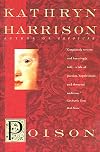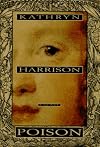
Poison
by Kathryn Harrison
On This Page
Description
The interwoven lives of two doomed women during the Spanish Inquisition, both accused of being witches. One is Francesca, a merchant's daughter who had an affair with a priest, the other is Queen Maria Luisa who has failed to produce an heir. One will perish at the stake, the other by being poisoned. By the author of Exposure.Tags
Recommendations









Member Reviews
In Poison, Kathryn Harrison tells two parallel tales, one historical, one fictitious, both set in Spain in the late 1600s. The historical plot line involves the ill-fated arranged marriage of French princess Marie-Louise to Carlos II, the physically and mentally feeble scion of the Spanish Hapsburg dynasty. The fictitious story is about Francisca, a poor silk farmer's daughter, who falls in love with a priest and runs afoul of the Spanish Inquisition. The two narrative threads are only tangentially connected, yet both illustrate the misogyny of Baroque-era Spain.
Harrison deserves credit for not reducing Marie-Louise and Carlos’s story to a retelling of “Beauty and the Beast”. Carlos is frail, childlike, and clueless about sex; his show more deformed physique and limited intellect are the result of many years of Hapsburg family coddling and inbreeding. Marie-Louise finds his habits, especially his penchant for drinking human milk, nauseating. When she fails to produce an heir, the royal court, led by her evil mother-in-law Marianna, conspires to get rid of her.
Both narratives rely to some extent on clichés. Tragic, forbidden love between a young woman and a priest has been done before, as has the mother-in-law from hell trope. The reader also must accept that as the narrator, Francisca somehow knows the intimate details of Marie-Louise's life, even though the two characters never meet.
Nonetheless, the book contains some wonderful details related to taste and scent, including, for example, the unpalatable egg dishes served at every meal because after one hundred years of dynastic decline, the royal household can no longer afford a variety of food. The narrative also contains heart-rending scenes of torture, animal cruelty, and death. Yet for those who can handle the sadness, injustice and suffering that are vividly described in this book, as well as the occasional overused plot device, it is a rewarding read. show less
Harrison deserves credit for not reducing Marie-Louise and Carlos’s story to a retelling of “Beauty and the Beast”. Carlos is frail, childlike, and clueless about sex; his show more deformed physique and limited intellect are the result of many years of Hapsburg family coddling and inbreeding. Marie-Louise finds his habits, especially his penchant for drinking human milk, nauseating. When she fails to produce an heir, the royal court, led by her evil mother-in-law Marianna, conspires to get rid of her.
Both narratives rely to some extent on clichés. Tragic, forbidden love between a young woman and a priest has been done before, as has the mother-in-law from hell trope. The reader also must accept that as the narrator, Francisca somehow knows the intimate details of Marie-Louise's life, even though the two characters never meet.
Nonetheless, the book contains some wonderful details related to taste and scent, including, for example, the unpalatable egg dishes served at every meal because after one hundred years of dynastic decline, the royal household can no longer afford a variety of food. The narrative also contains heart-rending scenes of torture, animal cruelty, and death. Yet for those who can handle the sadness, injustice and suffering that are vividly described in this book, as well as the occasional overused plot device, it is a rewarding read. show less
Set in 17th Century Spain, Poison has two threads running through the narrative. The first follows the daughter of a silk worm farmer, a young woman called Francisca who is currently in the clutches of the inquisition. Her fate is tied with that of the Spanish royal family, the young French wife of Carlos II is still not pregnant.
Francisca's story is her fall from grace, seduced by a priest and thought of as a witch, it is only a matter of time that she would come to the attention of the Inquisition. Her lover also passed on his knowledge to her, an educated woman only attracts more suspicion in the village she is from.
Francisca shares a link with Maria Luisa, both are similar in age, there paths have even crossed. Maria Luisa gives up show more everything on her marriage, her homeland, her name, and even the right to control her own body. As hopes for an heir are still running high, despite an impotent husband, she is scrutinised even more closely, with her only, rather unlikely, confidante, a court dwarf.
Poison is entertaining, with lots of historical detail, it had a rather different tone from the other books I have read by the same author. Harrison takes us into the heart of the silk industry and also into lives of two very different women, both isolated. Just right for a lazy end of summer weekend of reading. show less
Francisca's story is her fall from grace, seduced by a priest and thought of as a witch, it is only a matter of time that she would come to the attention of the Inquisition. Her lover also passed on his knowledge to her, an educated woman only attracts more suspicion in the village she is from.
Francisca shares a link with Maria Luisa, both are similar in age, there paths have even crossed. Maria Luisa gives up show more everything on her marriage, her homeland, her name, and even the right to control her own body. As hopes for an heir are still running high, despite an impotent husband, she is scrutinised even more closely, with her only, rather unlikely, confidante, a court dwarf.
Poison is entertaining, with lots of historical detail, it had a rather different tone from the other books I have read by the same author. Harrison takes us into the heart of the silk industry and also into lives of two very different women, both isolated. Just right for a lazy end of summer weekend of reading. show less
An age of cruelty and fear is the truth. Both of these women are doomed by circumstance. F is headstrong & greedy and her affair with the priest starts innocently and ends in abrupt disaster – betrayed by her own sister. I can see her smug face now as she watches F being taken away by the white hoods. ML is the queen and she could have flexed her muscles if she had any. She doesn’t though and is bullied by the queen mother into playing second fiddle. Her life is so unbearable to her that she gets an illicit supply of laudanum which she uses to get through her days and her nights with the King.
The only thing I didn’t like was the fact that the story seemed to be told by F – even the parts about the Queen. How did she know all show more that?? About the Queen’s letters from her mother being taken by the Queen Mother before they can get to ML. How did she know that the Queen faked miscarriages on 3 separate occasions? How did F know about the dwarf and how he helped her?
The 2 women did have one tenuous thread tying their lives together. F’s mother went out to be a wet-nurse to the King. F’s father’s silkworm farming failed & her mother was forced to do this. Unfortunately the King was 8 years old at the time and still took milk from the breast and couldn’t walk!! In his adult life he at human milk-sopped bread and ML was nauseous every time she had to dine with him.
We are never told what happens to F. She was sentenced to life in prison. Considering the pain of losing her son, this didn’t seem like too much for her. The burning and the rack and the torture of tying your arms behind your back & then dropping you down from a great height. None of it seemed to touch her. She went away in her mind and would say anything they wanted her to say. Oh yeah – the torturers kept asking her about her mother and whether or not she ate babies. This was never really explained. Oh well. show less
The only thing I didn’t like was the fact that the story seemed to be told by F – even the parts about the Queen. How did she know all show more that?? About the Queen’s letters from her mother being taken by the Queen Mother before they can get to ML. How did she know that the Queen faked miscarriages on 3 separate occasions? How did F know about the dwarf and how he helped her?
The 2 women did have one tenuous thread tying their lives together. F’s mother went out to be a wet-nurse to the King. F’s father’s silkworm farming failed & her mother was forced to do this. Unfortunately the King was 8 years old at the time and still took milk from the breast and couldn’t walk!! In his adult life he at human milk-sopped bread and ML was nauseous every time she had to dine with him.
We are never told what happens to F. She was sentenced to life in prison. Considering the pain of losing her son, this didn’t seem like too much for her. The burning and the rack and the torture of tying your arms behind your back & then dropping you down from a great height. None of it seemed to touch her. She went away in her mind and would say anything they wanted her to say. Oh yeah – the torturers kept asking her about her mother and whether or not she ate babies. This was never really explained. Oh well. show less
POISON, the explosive period novel by Kathryn Harrison, tells in elegant prose the intertwined stories of Francisca de Luarca and Queen Marie Louise of Spain during the Spanish Inquisition. Francisca, a young woman and a daring dreamer, describes her passionate love affair with the village priest, Father Alvaro, who teaches her both to read and to love. The novel also explores Francisca's tumultuous relationship with the sister who ultimately betrays her, and the girls' bond with their deceased mother. Queen Marie Louise is wed to an impotent king, in a time when strong women are suspect and those in power highly vulnerable. The novel seamlessly weaves through time and place to tell the stories of remarkable women and those who touch show more their lives and shape their destinies. Highly recommended.
Jenna Kim show less
Jenna Kim show less
Fascinating account of the Spanish Inquisition and how people dealt with it. It's a dark tale about hopelessness and the dangers of intolerance. The differences between the two women's lives is strikingly portrayed.
La España del siglo XVII olía a cadáver amortajado en seda. El subsuelo de Madrid era una inmensa mazmorra, y el reino entero, su antesala. Hambrunas, sequías, pestes y tributos acobardaban menos que el rigor persecutorio del Santo Oficio.
Saber leer, lo mismo que saber curar, resultaba tan peligroso como disfrutar del sexo fuera del matrimonio, en especial para una mujer. El terror se infiltraba como veneno en la sangre de todos y hacía de cada cual una víctima y un delator en potencia. Ése fue el país que halló María Luisa de Borbón, tras abandonar las dulzuras de Versalles para casarse con el monarca español Carlos II el Hechizado, un hombre enclenque y medio inválido, que dormía en un lecho sembrado de reliquias y se show more alimentaba con pan bendito remojado en leche humana. La existencia de María Luisa corrió en misterioso paralelo con la de Francisca de Luarca -nacida en idéntica fecha pero cerca de Burgos-, una plebeya de espíritu rebelde que no dudó en arriesgar su suerte por amor al clérigo que le había abierto las puertas del conocimiento y la sexualidad. De estas dos vidas nos habla Veneno, una novela donde la Historia se muestra a través de las trágicas historias de sus víctimas femeninas. show less
Saber leer, lo mismo que saber curar, resultaba tan peligroso como disfrutar del sexo fuera del matrimonio, en especial para una mujer. El terror se infiltraba como veneno en la sangre de todos y hacía de cada cual una víctima y un delator en potencia. Ése fue el país que halló María Luisa de Borbón, tras abandonar las dulzuras de Versalles para casarse con el monarca español Carlos II el Hechizado, un hombre enclenque y medio inválido, que dormía en un lecho sembrado de reliquias y se show more alimentaba con pan bendito remojado en leche humana. La existencia de María Luisa corrió en misterioso paralelo con la de Francisca de Luarca -nacida en idéntica fecha pero cerca de Burgos-, una plebeya de espíritu rebelde que no dudó en arriesgar su suerte por amor al clérigo que le había abierto las puertas del conocimiento y la sexualidad. De estas dos vidas nos habla Veneno, una novela donde la Historia se muestra a través de las trágicas historias de sus víctimas femeninas. show less
Feb 5, 2011Spanish
Min of meer het verhaal van Marie-Louise de Bourbon, maar verweven met het verhaal van een meisje uit dezelfde tijd; Francisca de Luarca, dochter van een zijdeteler. Het verhaal wordt ook verteld vanuit Francisca. De schrijfster kan in de beschrijving van de rupsenteelt wat doorslaan; die eerste bladzijden waren saai. Ik neem aan dat ze een beeld wilde neerzetten van de leefwereld van de hoofdpersoon, en dat doet ze door het boek heen ook heel goed, maar soms is het wat overdreven waardoor het de vaart uit het verhaal haalt. Boeiend verhaal.
Aug 31, 2013Dutch
Members
- Recently Added By
Lists

Authors from the United States
245 works; 3 members
Author Information

18+ Works 4,219 Members
Kathryn Harrison lives in New York with her husband and their children.
Common Knowledge
- Canonical title
- Poison
- Original publication date
- 1995
- People/Characters
- Marie Louise of Orléans, Queen of Spain; Francisca de Luarca; Father Alvaro Gajardo; Carlos II, King of Spain; Olympe Mancini; Concepcion de Luarca (show all 7); Dolores de Luarca
- Important places
- Madrid, Spain
- Epigraph
- I die because I do not die. -Saint John of the Cross
- Dedication
- In memory of my grandmother, who told me tales.
- First words
- In a year of ample rain, one hectare, carefully tended, would sustain enough mulberry trees to feed about one hundred and forty-four thousand silkworms.
- Last words
- (Click to show. Warning: May contain spoilers.)Of his possible successors, Carlos chose the duke of Anjou because he believed he would prove a strong ruler who would keep the empire intact, and because Philip had assured the dying king that he would make his home in Spain.
Classifications
Statistics
- Members
- 363
- Popularity
- 86,496
- Reviews
- 7
- Rating
- (3.45)
- Languages
- Dutch, English, Norwegian (Bokmål), Spanish
- Media
- Paper, Audiobook, Ebook
- ISBNs
- 12
- UPCs
- 1
- ASINs
- 5