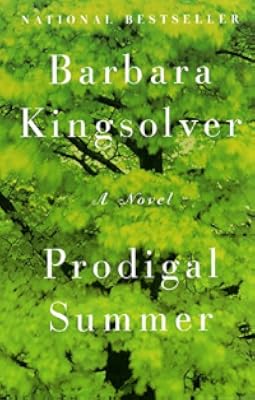
Prodigal Summer
by Barbara Kingsolver
On This Page
Description
Triumphing once again, Barbara Kingsolver has written a beautiful new novel: a hymn to wildness that celebrates the prodigal spirit of human nature, and of nature itself Prodigal Summer weaves together three stories of human love within a larger tapestry of lives in southern Appalachia. At the heart of these intertwined narratives is a den of coyotes that have recently migrated into the region. Deanna Wolfe, a reclusive wildlife biologist, watches them from an isolated mountain cabin where show more she is caught off-guard by Eddie Bondo, a young hunter who comes to invade her most private spaces and her solitary life. Down the mountain, another web of lives unfolds as Lusa Maluf Landowski, a bookish city girl turned farmer's wife, finds herself in a strange place where she must declare or lose her attachment to the land that has become her own. And a few more miles down the road, a pair of elderly, feuding neighbors tend their respective farms and wrangle about God, pesticides, and the possibilities the future holds. Over the course of one long summer, these characters find connections to one another, and to the land, and the final, urgent truth that humans are only one piece of life on earth.Read by the author. show lessTags
Recommendations


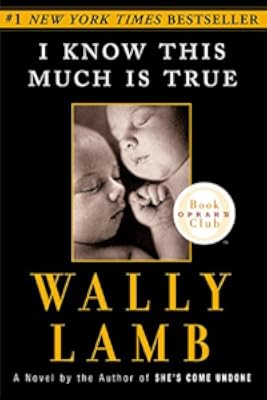
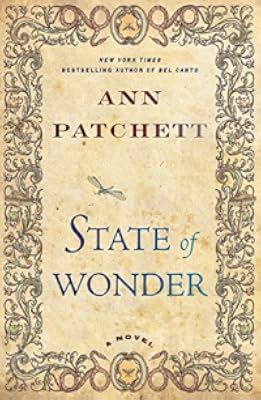
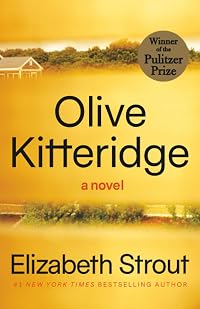
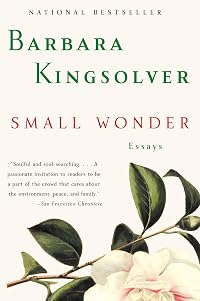



Member Recommendations
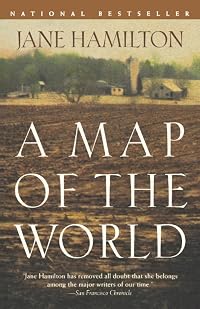
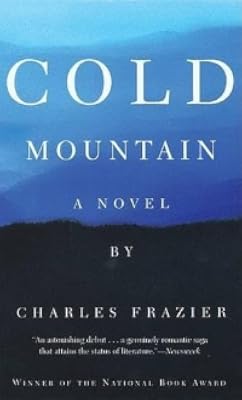
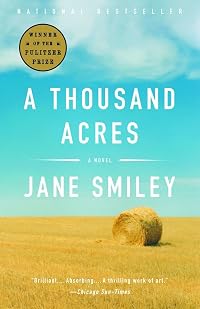
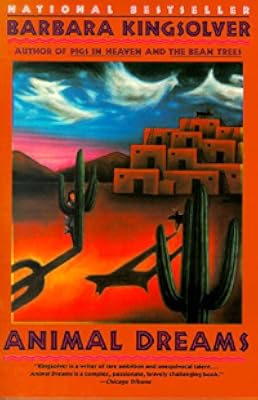
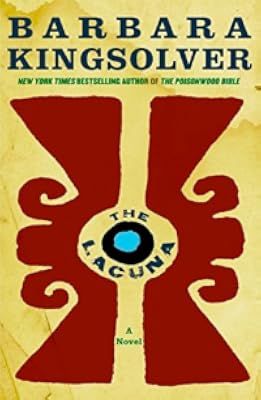
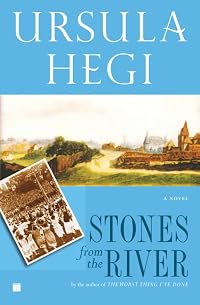
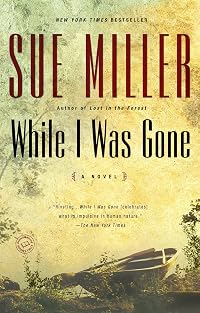
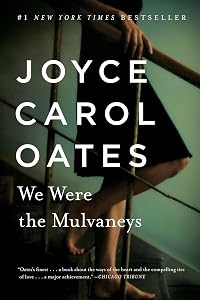
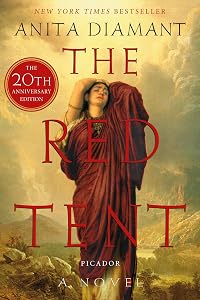
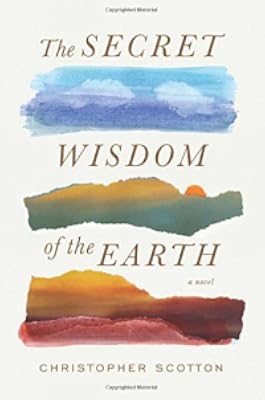
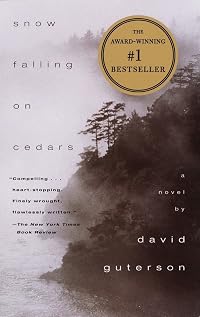
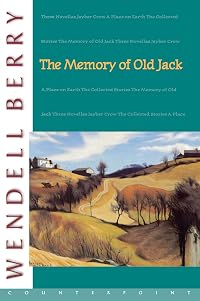
BillPilgrim I heard the comparison/recommendation here: http://minnesota.publicradio.org/display/web/2011/07/25/midmorning2/
40
JenMDB trees
Member Reviews
Oh, I did love this book and the title says it all - the reckless use of resources and disregard for anything other than themselves - as local people make their way in rural America.
Told through three strands: Deanna a ranger in the forest, living alone; Lusa married to the only son of one of the farming families and Garnett Walker, an elderly man who is attempting to breed a chestnut tree that is not affected by the blight which has wiped them all out.
What Kingsolver does so well is demonstrate that diversity is necessary which is shown through the multiple perspectives in the book, the need for diversity in nature as shown through the chestnut trees and diversity of ideas as shown by Lusa who married into the local family but brings show more perspectives from Palastine and Poland into a community who rarely travel far.
The three stories run in parallel but with hints and objects and finally relationships spilling over into each story with you, the reader, having to track them down.
When I started reading the book I felt that Deanna was the person who Kingsolver most identified with (this changed as I read on) because she was living alone in the forest, there to protect it but also a believer in the fact that people should be kept out of it.
This mountain would be a superior place if people stayed off it altogether.
p250
The idea of nature being left alone with little to no human interaction. This is a problem because there is a coyote hunt every year and Deanna is tracking and watching a coyote family raise their young. She meets a younger man, Eddie, who stays with her for three months, a hunter after coyote. Her need for Eddie destroys the idea of isolationism and points us to the fact that nature and humans need to co-exist as one. The coyotes have migrated to the hills and forest but will restore the imbalance caused by the loss of large predators. And this starts the dialogue that also runs through the book about the conflict between native and non-native species both in the animal and plant worlds as well as with humans.
Lusa lives in the family farm house but not long after her marriage, her husband, Cole, is killed in a road accident and she is left to find her own way. She is an outsider, a non-native, and does things differently, all of which are commented on by the large family and community. The farm is losing money and she alone has to find a way out of the situation which she does by bringing her knowledge of other cultures to bear on her situation. But alongside these differences, she also has to call on local knowledge to help her. The answer is local to local problems but informed by the wider world. However, running through her story is the strand of honeysuckle which her husband is in constant battle with. Lusa doesn't see the importance of this battle, it's only a bit of honeysuckle, until after he has died and the plant takes over their garage - it is a rampant and an invasive plant in the Appalachians, just like Kudzu. So here again we have the idea that one point of view is insufficient and that we need both to move forwards. This was the strand of the book I enjoyed most.
Garnett Walker was older than the other characters, swayed by God and the bible but with a desire to find a chestnut that would survive in the current conditions. Throughout the book are examples where the hunting or killing means other populations increase, including the one you are hunting but not for the chestnuts. Garnett's father cut down all the chestnuts in the forest to prevent them getting the disease but this means that ones which might have been resistant to the blight were also removed. There remain trees across the landscape that have survived but they do not live near enough to each other to pollnate and produce more trees. They are left alone, isolated, becoming older and dying out. Shades here of Deanna in her forest and of rural communities. It does raise the question of what we should be doing with Ash trees in the UK with Ash die back. There are places where all the Ash have been cut down but we will also have lost those that are resistant to the virus and so lost our ability to repopulate the growing spaces.
Every species has its extremes, little pockets of resistance that give it an edge on survival.
p176
There are also the people in this story. Jewel the sister-in-law dying of cancer along with Garnett's wife - we are left to wonder whether the chemicals used on the land caused this. Jewel's children will need looking after but Kingsolver shows them as completely ignorant about their own land and what lives on it. Traces here of the much later book The Lost Words by Robert Macfarlane and Jackie Morris.
The book began as a response to the removal of everyday nature words - among them "acorn", "bluebell", "kingfisher" and "wren" - from a widely used children’s dictionary, because those words were not being used enough by children to merit inclusion. But The Lost Words then grew to become a much broader protest at the loss of the natural world around us, as well as a celebration of the creatures and plants with which we share our lives, in all their wonderful, characterful glory
https://www.thelostwords.org/lostwordsbook/
The interweaving of what happens in the natural world also happening in the human world, after all, despite what we do we are all part of one world together, is a real strength of the story. The Widener family, whose farm much of the story takes place on, is in danger of becoming extinct, particularly if it doesn't change or adapt and for that it needs someone from the outside to help. The book shows us that the black and white contrasts between rural vs urban, native vs non-native, humans vs non-humans and local vs global are not helpful in finding a way forwards. It is the chaos of all ideas coming together and impacting on each other that finds a way forwards, not the exclusion of some. A lesson that is as apposite today as it was in 2000 when the book was written. show less
Told through three strands: Deanna a ranger in the forest, living alone; Lusa married to the only son of one of the farming families and Garnett Walker, an elderly man who is attempting to breed a chestnut tree that is not affected by the blight which has wiped them all out.
What Kingsolver does so well is demonstrate that diversity is necessary which is shown through the multiple perspectives in the book, the need for diversity in nature as shown through the chestnut trees and diversity of ideas as shown by Lusa who married into the local family but brings show more perspectives from Palastine and Poland into a community who rarely travel far.
The three stories run in parallel but with hints and objects and finally relationships spilling over into each story with you, the reader, having to track them down.
When I started reading the book I felt that Deanna was the person who Kingsolver most identified with (this changed as I read on) because she was living alone in the forest, there to protect it but also a believer in the fact that people should be kept out of it.
This mountain would be a superior place if people stayed off it altogether.
p250
The idea of nature being left alone with little to no human interaction. This is a problem because there is a coyote hunt every year and Deanna is tracking and watching a coyote family raise their young. She meets a younger man, Eddie, who stays with her for three months, a hunter after coyote. Her need for Eddie destroys the idea of isolationism and points us to the fact that nature and humans need to co-exist as one. The coyotes have migrated to the hills and forest but will restore the imbalance caused by the loss of large predators. And this starts the dialogue that also runs through the book about the conflict between native and non-native species both in the animal and plant worlds as well as with humans.
Lusa lives in the family farm house but not long after her marriage, her husband, Cole, is killed in a road accident and she is left to find her own way. She is an outsider, a non-native, and does things differently, all of which are commented on by the large family and community. The farm is losing money and she alone has to find a way out of the situation which she does by bringing her knowledge of other cultures to bear on her situation. But alongside these differences, she also has to call on local knowledge to help her. The answer is local to local problems but informed by the wider world. However, running through her story is the strand of honeysuckle which her husband is in constant battle with. Lusa doesn't see the importance of this battle, it's only a bit of honeysuckle, until after he has died and the plant takes over their garage - it is a rampant and an invasive plant in the Appalachians, just like Kudzu. So here again we have the idea that one point of view is insufficient and that we need both to move forwards. This was the strand of the book I enjoyed most.
Garnett Walker was older than the other characters, swayed by God and the bible but with a desire to find a chestnut that would survive in the current conditions. Throughout the book are examples where the hunting or killing means other populations increase, including the one you are hunting but not for the chestnuts. Garnett's father cut down all the chestnuts in the forest to prevent them getting the disease but this means that ones which might have been resistant to the blight were also removed. There remain trees across the landscape that have survived but they do not live near enough to each other to pollnate and produce more trees. They are left alone, isolated, becoming older and dying out. Shades here of Deanna in her forest and of rural communities. It does raise the question of what we should be doing with Ash trees in the UK with Ash die back. There are places where all the Ash have been cut down but we will also have lost those that are resistant to the virus and so lost our ability to repopulate the growing spaces.
Every species has its extremes, little pockets of resistance that give it an edge on survival.
p176
There are also the people in this story. Jewel the sister-in-law dying of cancer along with Garnett's wife - we are left to wonder whether the chemicals used on the land caused this. Jewel's children will need looking after but Kingsolver shows them as completely ignorant about their own land and what lives on it. Traces here of the much later book The Lost Words by Robert Macfarlane and Jackie Morris.
The book began as a response to the removal of everyday nature words - among them "acorn", "bluebell", "kingfisher" and "wren" - from a widely used children’s dictionary, because those words were not being used enough by children to merit inclusion. But The Lost Words then grew to become a much broader protest at the loss of the natural world around us, as well as a celebration of the creatures and plants with which we share our lives, in all their wonderful, characterful glory
https://www.thelostwords.org/lostwordsbook/
The interweaving of what happens in the natural world also happening in the human world, after all, despite what we do we are all part of one world together, is a real strength of the story. The Widener family, whose farm much of the story takes place on, is in danger of becoming extinct, particularly if it doesn't change or adapt and for that it needs someone from the outside to help. The book shows us that the black and white contrasts between rural vs urban, native vs non-native, humans vs non-humans and local vs global are not helpful in finding a way forwards. It is the chaos of all ideas coming together and impacting on each other that finds a way forwards, not the exclusion of some. A lesson that is as apposite today as it was in 2000 when the book was written. show less
Listening to this was like a visit home. The interwoven stories are quite enjoyable in their own right. But it is Kingsolver's unerring touch with the language -- the rhythms and the idioms of the southern Blue Ridge -- that lift this book above a mere character study. The ecological lessons woven into the stories and dialog are icing on the cake.
[Audiobook note: Kingsolver herself narrates the book. This, too, is a gift because an outsider can never quite get the southern Appalachian accent right.]
[Audiobook note: Kingsolver herself narrates the book. This, too, is a gift because an outsider can never quite get the southern Appalachian accent right.]
After hearing Barbara Kingsolver speak in Cambridge last week about her new book, Animal, Vegetable, Miracle (to be read and reviewed in its own right soon) I decided I'd like to try one of her novels, so on a friend's recommendation I picked up a copy of Prodigal Summer at the shop. I found it one of those books where I was torn between wanting to read slowly, rationing chapters to prolong the experience, and wanting to just settle in with it for a few sustained hours and read the whole thing at once. On a lazy Memorial Day weekend, you can probably guess which won out.
Prodigal Summer tells the stories of three very different people whose lives end up intricately connected by the time the book - but not their stories - comes to a show more close. Kingsolver's style is simple and easy to understand, but at the same time she's expertly captured the essences of rural life and the important connections between and among people and their environment. She writes of the natural world - of birdsong and ginseng, chestnut blight and blacksnakes - with the ease and detail of someone who's experienced it. I could practically hear the wood thrushes and magnolia warblers, and was delighted to find that this book dredged up a few memories from my own childhood, of wandering on my grandpa's hillsides looking for ginseng and admiring our few remaining chestnut trees.
Beyond the beautiful descriptive prose and emotion-rich narratives, Kingsolver's book also contains a strong and recurring environmental message. I noticed several precursors of the "locavore" (eat local) philosophy she discusses more fully in the new book, and many of the characters in Prodigal Summer grapple with questions of pesticide and resource use, food chains and the like. If these themes seem to be a bit heavy-handed at times, it's because they haven't sunk in for us yet, and we need every reminder we can get. As Kingsolver writes, in a line I've already memorized, "Every choice is a world made new for the chosen."
This is an important book, both for its message(s) and for its simple, elegant prose. I'm glad I read it.
http://philobiblos.blogspot.com/2007/05/book-review-prodigal-summer.html show less
Prodigal Summer tells the stories of three very different people whose lives end up intricately connected by the time the book - but not their stories - comes to a show more close. Kingsolver's style is simple and easy to understand, but at the same time she's expertly captured the essences of rural life and the important connections between and among people and their environment. She writes of the natural world - of birdsong and ginseng, chestnut blight and blacksnakes - with the ease and detail of someone who's experienced it. I could practically hear the wood thrushes and magnolia warblers, and was delighted to find that this book dredged up a few memories from my own childhood, of wandering on my grandpa's hillsides looking for ginseng and admiring our few remaining chestnut trees.
Beyond the beautiful descriptive prose and emotion-rich narratives, Kingsolver's book also contains a strong and recurring environmental message. I noticed several precursors of the "locavore" (eat local) philosophy she discusses more fully in the new book, and many of the characters in Prodigal Summer grapple with questions of pesticide and resource use, food chains and the like. If these themes seem to be a bit heavy-handed at times, it's because they haven't sunk in for us yet, and we need every reminder we can get. As Kingsolver writes, in a line I've already memorized, "Every choice is a world made new for the chosen."
This is an important book, both for its message(s) and for its simple, elegant prose. I'm glad I read it.
http://philobiblos.blogspot.com/2007/05/book-review-prodigal-summer.html show less
Reads like a master class in writing about ordinary, yet passionate folks in such a loveable, engaging, and realistic way that it is hard not be drawn in and identify with the struggles, passions, tears and fate of every character. Somehow Kingsolver creates suspense, with the reader pining for her carefully developed and layered characters to meet each other and become friends, tap each other’s founts of knowledge and capabilities, and storm off into the future. This desire is left unfulfilled in the end, leaving space for a part 2 (dunno whether Kingsolver actually wrote a sequel).
So why not 5 stars – Errr… What it lacks is greed, violence, race, extremists, hunger. It is quite an idyllic rural setting, despite all the misery show more and misfortune befalling its characters. It feels like a bubble, disconnected from the wider world. The valley, its farmer folk, its forest and all the animals in it, become a place to wallow in, away from the madding crowd. Not that the novel lacks pretence or engagement with some of the big Questions befuddling humankind: there is ecology, biological versus industrial farming, the future of family farming and the role of the next generation in that, Hunters and the Hunted (Predators and cannon fodder) and the fate befalling each, there is even a bit of climate change. And finally there is the Coyote, in whose skin we walk in the closing episode of the book.
As with all books by Kingsolver I have read so far, the individual characters, besides being layered, humane, passionate and frail, also represent a theme, ideal or normative value. Hence the lifeworld and drives, urges, passions of each character represent a bigger concern in the world that you as a reader can identify with or abhor. To create tension, Kingsolver juxtaposes an opposite value or ideal in the shape of a side-kick or partnering character next to her protagonists. Opposites attract, but they also cause friction, and that’s how Kingsolver keeps us going in a relatively mundane setting, where nothing much happens (though of course the summer she describes is ‘prodigal’, pregnant with new life and unexpected death).
Of the three main protagonists (and their shadows/sidekicks): Deanna’s theme is ecology and evolution, which translates into isolation from the human world, conservationism, anti-hunting (her sidekick Eddy Bondo represents human supremacy, pro-hunting, masculine pride of place, youth and competitive bravado, who ultimately becomes her link to jump back into the human world); Lusa’s theme is recovery, transformation, becoming an insider into an initially hostile community, learning a new trade (foster mother, farmer, using your hands instead of head). Her husband Cole who features briefly before his tragic demise is her opposite in many ways, but he is also representing values and attitudes she comes to appreciate and learn. Lusa’s opposites are many, Cole’s sisters who envy and despise the urbane Lusa; their husbands who are outsiders like Lusa, but fit better as tobacco farmers or factory workers in a rural setting; and there is the youngster, cousin Rick who is the puppy, representing new masculine strength who becomes Lusa’s apprentice; and there is of course Jewel and her kids, who draw Lusa in and at the same time get transformed by her. Finally there are the two ‘old chestnuts’ who have been added for comic effect and represent two radically different ways of farming: Garnett Walker, a retired widower, who worked his life as extension worker promoting high-input agriculture, yet pursues a private passion of reviving the American chestnut by inter-breeding it with a Japanese resistant strain; and there is his equally old female neighbour, Nannie Rawley, who graces every social setting with her down to earth humour and cheerfulness, pursues a biological apple orchard and has spent a hard life as solitary mother raising a child with Down syndrome who was doomed to die. Garnett is the least credible of all characters in this cast (Kingsolver paints him as an old fool, sticking to old world values of productivity and (racial) purity, while I suspect a more humane, realistic elaboration of a Tea Party type of personality would have given the novel more depth, and menace). show less
So why not 5 stars – Errr… What it lacks is greed, violence, race, extremists, hunger. It is quite an idyllic rural setting, despite all the misery show more and misfortune befalling its characters. It feels like a bubble, disconnected from the wider world. The valley, its farmer folk, its forest and all the animals in it, become a place to wallow in, away from the madding crowd. Not that the novel lacks pretence or engagement with some of the big Questions befuddling humankind: there is ecology, biological versus industrial farming, the future of family farming and the role of the next generation in that, Hunters and the Hunted (Predators and cannon fodder) and the fate befalling each, there is even a bit of climate change. And finally there is the Coyote, in whose skin we walk in the closing episode of the book.
As with all books by Kingsolver I have read so far, the individual characters, besides being layered, humane, passionate and frail, also represent a theme, ideal or normative value. Hence the lifeworld and drives, urges, passions of each character represent a bigger concern in the world that you as a reader can identify with or abhor. To create tension, Kingsolver juxtaposes an opposite value or ideal in the shape of a side-kick or partnering character next to her protagonists. Opposites attract, but they also cause friction, and that’s how Kingsolver keeps us going in a relatively mundane setting, where nothing much happens (though of course the summer she describes is ‘prodigal’, pregnant with new life and unexpected death).
Of the three main protagonists (and their shadows/sidekicks): Deanna’s theme is ecology and evolution, which translates into isolation from the human world, conservationism, anti-hunting (her sidekick Eddy Bondo represents human supremacy, pro-hunting, masculine pride of place, youth and competitive bravado, who ultimately becomes her link to jump back into the human world); Lusa’s theme is recovery, transformation, becoming an insider into an initially hostile community, learning a new trade (foster mother, farmer, using your hands instead of head). Her husband Cole who features briefly before his tragic demise is her opposite in many ways, but he is also representing values and attitudes she comes to appreciate and learn. Lusa’s opposites are many, Cole’s sisters who envy and despise the urbane Lusa; their husbands who are outsiders like Lusa, but fit better as tobacco farmers or factory workers in a rural setting; and there is the youngster, cousin Rick who is the puppy, representing new masculine strength who becomes Lusa’s apprentice; and there is of course Jewel and her kids, who draw Lusa in and at the same time get transformed by her. Finally there are the two ‘old chestnuts’ who have been added for comic effect and represent two radically different ways of farming: Garnett Walker, a retired widower, who worked his life as extension worker promoting high-input agriculture, yet pursues a private passion of reviving the American chestnut by inter-breeding it with a Japanese resistant strain; and there is his equally old female neighbour, Nannie Rawley, who graces every social setting with her down to earth humour and cheerfulness, pursues a biological apple orchard and has spent a hard life as solitary mother raising a child with Down syndrome who was doomed to die. Garnett is the least credible of all characters in this cast (Kingsolver paints him as an old fool, sticking to old world values of productivity and (racial) purity, while I suspect a more humane, realistic elaboration of a Tea Party type of personality would have given the novel more depth, and menace). show less
Kingsolver’s career as a science writer is at the forefront in this novel. Set in the tobacco growing region of Appalachia, she uses four women and a retired geneticist to discuss evolution, predator-prey relationships and modern farming practices.
I have enjoyed other of Kingsolver’s novels, but I read them for enjoyment – not for a lecture. Even though I agree with many of her arguments, this one did not work for me on any level.
This tale offered sanctimonious female characters who give new meaning to the word annoying; science that is weak and sometimes suspect; and writing so tedious, so rambling, and so lacking in plot or drama that it took me considerable effort to finish the thing. She got on her high horse at the start of show more this novel - and stayed on it. Kingsolver’s ecological message was drummed into us again and again and again. In the past, she has brought her political agenda to the table with a light touch, in subtle and even moving ways. This time, she uses a sledgehammer.
All in all, this book struck me as a lazy work, where the basic elements of fiction have been abandoned in favour of feeble ideological bleating. show less
I have enjoyed other of Kingsolver’s novels, but I read them for enjoyment – not for a lecture. Even though I agree with many of her arguments, this one did not work for me on any level.
This tale offered sanctimonious female characters who give new meaning to the word annoying; science that is weak and sometimes suspect; and writing so tedious, so rambling, and so lacking in plot or drama that it took me considerable effort to finish the thing. She got on her high horse at the start of show more this novel - and stayed on it. Kingsolver’s ecological message was drummed into us again and again and again. In the past, she has brought her political agenda to the table with a light touch, in subtle and even moving ways. This time, she uses a sledgehammer.
All in all, this book struck me as a lazy work, where the basic elements of fiction have been abandoned in favour of feeble ideological bleating. show less
Deanna is an ecologist focused on predators, especially coyotes. Two years before, she created a job maintaining trails and chasing away poachers on a mountain overlooking the Appalachian town she grew up in. A coyote pack has appeared on the mountain, welcome because counterintuitively top level predators can improve an ecosystem. She has caught only glimpses. One day in May, as she is following barely visible coyote tracks, she encounters a man who is evasive about why he is there. She suspects he is there because of a bounty on coyotes; he is from a sheep ranch in the west, where coyotes are enemies. She is strongly attracted regardless, and invites him to her cabin, disturbing the equilibrium of isolation.
Lusa is an entomologist show more who taught a course on natural pest control at the nearby university. The only child of Jewish and Muslim parents whose family farms were taken by force, she has dreamed about farming since childhood. The year before, a farmer from the Appalachian town at the base of the mountain, interested in alternatives to pesticides, enrolled. After a whirlwind courtship, they married and she moved to his farm. One day in May, he takes a side job delivering grain, and is killed when the truck jackknifes. She inherits a struggling farm and a set of sisters-in-law who resent her position, and wonders how to keep the farm viable without tobacco, the only crop that both land and economics will support.
This Appalachian town is tiny; everyone is related to everyone else somehow, but Deana and Lusa are unaware of each other’s existence. The novel alternates between these two women with compatible perspectives and complementary paths. A third strand, initially minor then of increasing importance, has clashing neighbors: an elderly man with traditional views about women and religion and evolution, who is patiently reconstructing an American Chestnut tree resistant to the blight that destroyed the forest of his youth, and an elderly woman with newfangled views inspired by Rachel Carson, who manages a remarkably successful organic orchard.
The counterpoint of traditional views seems an unnecessary setup; I would’ve preferred more nuance. The plot may be a tad heavy on women lecturing men. Still, the eco-lessons are a primary reason to read, and the flaws are redeemed by the descriptions of place, nature and community, and the interior lives of the two main characters. show less
Lusa is an entomologist show more who taught a course on natural pest control at the nearby university. The only child of Jewish and Muslim parents whose family farms were taken by force, she has dreamed about farming since childhood. The year before, a farmer from the Appalachian town at the base of the mountain, interested in alternatives to pesticides, enrolled. After a whirlwind courtship, they married and she moved to his farm. One day in May, he takes a side job delivering grain, and is killed when the truck jackknifes. She inherits a struggling farm and a set of sisters-in-law who resent her position, and wonders how to keep the farm viable without tobacco, the only crop that both land and economics will support.
This Appalachian town is tiny; everyone is related to everyone else somehow, but Deana and Lusa are unaware of each other’s existence. The novel alternates between these two women with compatible perspectives and complementary paths. A third strand, initially minor then of increasing importance, has clashing neighbors: an elderly man with traditional views about women and religion and evolution, who is patiently reconstructing an American Chestnut tree resistant to the blight that destroyed the forest of his youth, and an elderly woman with newfangled views inspired by Rachel Carson, who manages a remarkably successful organic orchard.
The counterpoint of traditional views seems an unnecessary setup; I would’ve preferred more nuance. The plot may be a tad heavy on women lecturing men. Still, the eco-lessons are a primary reason to read, and the flaws are redeemed by the descriptions of place, nature and community, and the interior lives of the two main characters. show less
Deanna is a lone wolf living and working on a mountain in protected lands, ever since her ex-husband left her. Lusa is in a tempestuous but loving relationship with her farmer husband, Cole, though as a "city girl" with an interest in moths she doesn't quite fit in with his loud, rambunctious family. And Garnett just wants to be left alone to grow his chestnuts, but his annoying next door neighbor Nannie has all these newfangled ideas about organic gardening that are driving him crazy.
These three stories intertwine to tell the story of one prodigal summer in Egg Fork, a small Appalachian town. I almost read it as the author writing with love and exasperation about this place and these people. The women in the story especially are show more strong, opinionated, sexual beings. In fact, you'd hardly think this book came out 18 years ago, because other than a lack of cell phones you'd think it was talking about the present. I know I read the story closer to when it came out, but when my book club read it this month I found myself reading with absolutely no memory of what happened, and wondering if some of the subtext about sex and procreation and nature even made sense to me at the time. I enjoyed the three plotlines, especially Lusa as she comes to realize that there's more to her husband's family than she realized. This was an excellent book club read that provoked a lot of discussion. show less
These three stories intertwine to tell the story of one prodigal summer in Egg Fork, a small Appalachian town. I almost read it as the author writing with love and exasperation about this place and these people. The women in the story especially are show more strong, opinionated, sexual beings. In fact, you'd hardly think this book came out 18 years ago, because other than a lack of cell phones you'd think it was talking about the present. I know I read the story closer to when it came out, but when my book club read it this month I found myself reading with absolutely no memory of what happened, and wondering if some of the subtext about sex and procreation and nature even made sense to me at the time. I enjoyed the three plotlines, especially Lusa as she comes to realize that there's more to her husband's family than she realized. This was an excellent book club read that provoked a lot of discussion. show less
Members
- Recently Added By
Published Reviews
ThingScore 63
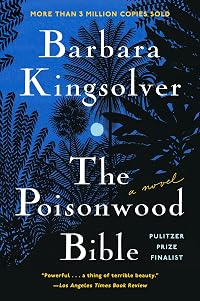
Readers hoping for the emotional intensity and wide-angle vision of ''The Poisonwood Bible,'' Kingsolver's magnificent 1998 epic about a self-destructing missionary family in the newly independent Congo, will most likely be disappointed. But the legions of fans primed on earlier books like ''Animal Dreams'' and ''The Bean Trees'' will find themselves back on familiar, well-cleared ground of show more plucky heroines, liberal politics and vivid descriptions of the natural world. show less
added by jlelliott
In an improbably appealing book with the feeling of a nice stay inside a terrarium, Ms. Kingsolver means to illustrate the nature of biological destiny and provide enlightened discourse on various ecological matters.
added by jlelliott
Lists

Favourite Books
1,820 works; 311 members

Best Contemporary Literary Fiction (Around the Last 30 Years)
400 works; 124 members

Recommend the 20 best books you've read in the last five years
2,168 works; 604 members

Female Author
1,234 works; 67 members

Best 21st Century Books (So Far)
679 works; 86 members

Garden-fiction
67 works; 20 members

Pleasant Surprises: Books That Exceeded Our Expectations
418 works; 142 members

Top Five Books of 2021
604 works; 181 members

The American Experience
173 works; 18 members
Literature About Women and Girls
426 works; 40 members

NPRs audience picks: 100 best beach reads
105 works; 12 members
American Lit for Eng 11 Research Project
368 works; 6 members

Book Worlds We'd Like To Visit
322 works; 158 members

Top Five Books of 2025
954 works; 304 members
Books We Love to Reread
695 works; 298 members

Book Ideas
3 works; 1 member

Ghost Stories That Thrill Us
256 works; 115 members

Top Five Books of 2024
795 works; 264 members

Recommended Nature Writing
346 works; 180 members

Florida
366 works; 3 members

Llibres que he llegit el 2023
38 works; 1 member

Nature Writing
33 works; 3 members

BingoDOG - Scientists in Fiction
111 works; 17 members

Blue Pyramid 1,276 Best Books of All Time
1,248 works; 32 members

Unread books
1,063 works; 88 members
Author Information

47+ Works 99,452 Members
Barbara Kingsolver was born on April 8, 1955 in Annapolis, Maryland and grew up in Eastern Kentucky. As a child, Kingsolver used to beg her mother to tell her bedtime stories. She soon started to write stories and essays of her own, and at the age of nine, she began to keep a journal. After graduating with a degree in biology form De Pauw show more University in Indiana in 1977, Kingsolver pursued graduate studies in biology and ecology at the University of Arizona in Tucson. She earned her Master of Science degree in the early 1980s. A position as a science writer for the University of Arizona soon led Kingsolver into feature writing for journals and newspapers. Her articles have appeared in a number of publications, including The Nation, The New York Times, and Smithsonian magazines. In 1985, she married a chemist, becoming pregnant the following year. During her pregnancy, Kingsolver suffered from insomnia. To ease her boredom when she couldn't sleep, she began writing fiction Barbara Kingsolver's first fiction novel, The Bean Trees, published in 1988, is about a young woman who leaves rural Kentucky and finds herself living in urban Tucson. Since then, Kingsolver has written other novels, including Holding the Line, Homeland, and Pigs in Heaven. In 1995, after the publication of her essay collection High Tide in Tucson: Essays from Now or Never, Kingsolver was awarded an Honorary Doctorate of Letters from her alma mater, De Pauw University. Her latest works include The Lacuna and Flight Behavior. Barbara's nonfiction book, Animal, Vegetable, Miracle was written with her family. This is the true story of the family's adventures as they move to a farm in rural Virginia and vow to eat locally for one year. They grow their own vegetables, raise their own poultry and buy the rest of their food directly from farmers markets and other local sources. (Bowker Author Biography) show less
Some Editions
Awards and Honors
Distinctions
Notable Lists
Series
Belongs to Publisher Series
Work Relationships
Is contained in
Has as a student's study guide
Common Knowledge
- Canonical title
- Prodigal Summer
- Original title
- Prodigal Summer
- Original publication date
- 2000 (1e édition originale américaine, HarperCollins, New York) (1e édition originale américaine, HarperCollins, New York); 2002-03-31 (1e traduction et édition française, Littérature étrangère, Rivages) (1e traduction et édition française, Littérature étrangère, Rivages); 2004-05-07 (Réédition française, Poche, Littérature étrangère, Rivages) (Réédition française, Poche, Littérature étrangère, Rivages); 2020-08-19 (Réédition française, Poche, Littérature étrangère, Rivages) (Réédition française, Poche, Littérature étrangère, Rivages)
- People/Characters
- Deanna Wolfe; Eddie Bondo; Lusa Maluf Landowski; Garnett Walker; Nannie Rawley
- Important places
- Appalachia, USA; Egg Fork, Kentucky, USA; Arizona, USA
- Epigraph
- Prothalamium
Come, all you who are not satisfied
as ruler in a lone, wallpapered room
full of mute birds, and flowers that falsely bloom,
and closets choked with dreams that long ago died!
Come, let us sweep th... (show all)e old streets--like a bride:
sweep out dead leaves with a relentless broom;
prepare for Spring, as though he were our greem
for whose light footstep eagerly we bide.
We'll sweep out shadows, where the rats long fed;
sweep out our shame--and in its place we'll make
a bower for love, a splendid marriage-bed
fragrant with flowers aquiver for the Spring.
And when he comes, our murdered dreams shall wake;
and when he comes, all the mute birds shall sing.
--Aaron Kramer - Dedication
- --for Steven, Camille, and Lily,
and for wildness, where it lives - First words
- Her body moved with the frankness that comes from solitary habits.
- Quotations
- Arguments could fill a marriage like water, running through everything, always, with no taste or color but lots of noise.
- Last words
- (Click to show. Warning: May contain spoilers.)Solitude is a human presumption. Every quiet step is thunder to beetle life underfoot, a tug of impalpable thread on the web pulling mate to mate and predator to prey, a beginning or an end. Every choice is a world made new for the chosen.
- Original language
- English
Classifications
Statistics
- Members
- 9,758
- Popularity
- 1,051
- Reviews
- 204
- Rating
- (4.00)
- Languages
- 12 — Catalan, Danish, Dutch, English, Finnish, French, German, Greek, Italian, Norwegian, Spanish, Swedish
- Media
- Paper, Audiobook, Ebook
- ISBNs
- 53
- UPCs
- 2
- ASINs
- 17