On This Page
Description
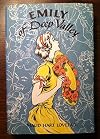
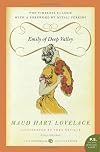
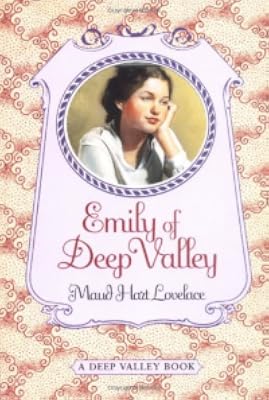
"I re-read these books every year, marveling at how a world so quaint-shirtwaists! Pompadours! Merry Widow hats!-can feature a heroine who is undeniably modern." -Laura Lippman "There are three authors whose body of work I have reread more than once over my adult life: Charles Dickens, Jane Austen and Maud Hart Lovelace." -Anna Quindlen Often considered Maud Hart Lovelace's best novel, Emily of Deep Valley is now back in print. This gorgeous volume includes a new foreword by acclaimed young show more adult author Mitali Perkins, and compelling historical material about the real people who inspired Lovelace's beloved characters. Emily of Deep Valley joins the Harper Perennial Modern Classics library next to other enduring favorites like A Tree Grows in Brooklyn, To Kill a Mockingbird, and Lovelace's Betsy-Tacy books. show lessTags
Recommendations








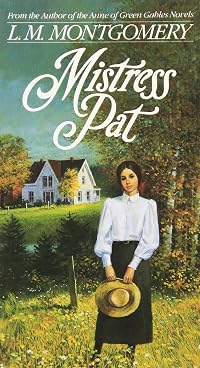

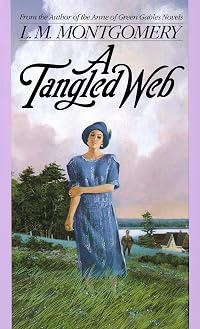
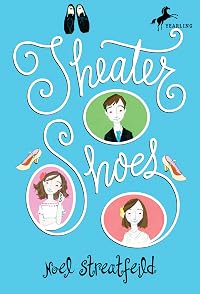

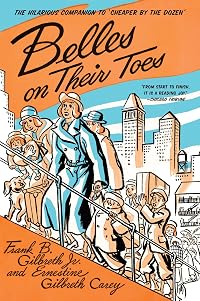

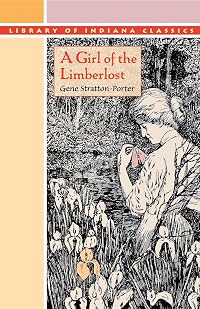
Member Recommendations

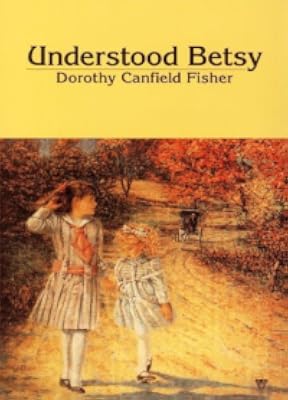
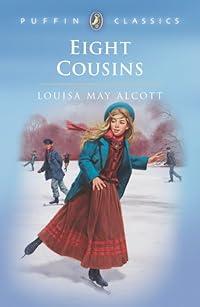
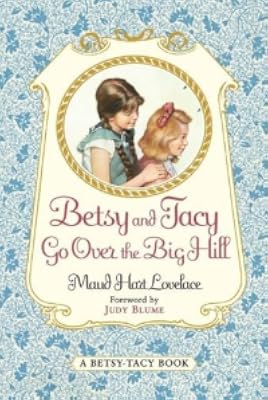
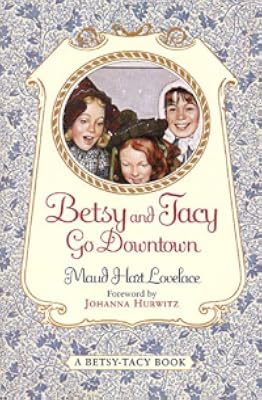
Bjace Both Emilys were ambitious young women who were forced by circumstances to stay home with older relatives and had to find creative ways to shape their own lives.
40
Member Reviews
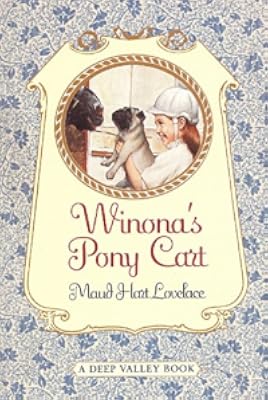
The second of Maud Hart Lovelace's Deep Valley books - tangentially related to her immensely popular ten-installment Betsy~Tacy series, which is centered upon the same fictional Minnesota town - Emily of Deep Valley was originally published in 1950, and depicts a year in the life of a young woman of 1912/13. Unlike Carney's House Party, another of the Deep Valley books, its heroine plays no part in the storyline of the main series, and - although Betsy Ray and Winona Root do make very brief appearances - the story is the most independent of any of Lovelace's books that I have read thus far (only Winona's Pony Cart left!).
A quiet, reserved girl, Emily Webster always felt a little "out of things," particularly when it came to boys. show more Included in all of her cousin Annette's parties, she was well-liked, but not popular. When the Class of 1912 graduated from Deep Valley High School, and almost all of her peers headed off to college - whether at the state university in Minneapolis, West Point Military Academy, or Vassar College in the east - Emily was a little lost. She loved her Grandpa Webster, the kindly old Civil War veteran who had raised her, and was happy to take care of him, but also longed to continue her education, and to follow in the footsteps of her hero, social reformer Jane Addams.
But as the saying goes, "When God closes a door, somewhere he opens a window," and Emily soon found herself continuing her education less formally, right in Deep Valley. Learning about Abraham Lincoln, while reading with her grandfather, studying the poetry of Robert Browning, in a small group set up with Miss Fowler, and becoming involved in social reform, through her friendship with the Syrian immigrants living in Deep Valley, Emily was soon as active as she could have hoped. Despite the absence of so many of her friends, her social also life began to improve, as she attended some dances with Cab Edwards (another Betsy-Tacy favorite!), and formed a friendship with the new Deep Valley High School teacher, southerner Jed Wakeman.
Emily of Deep Valley offers an immensely engaging story, in a setting I have come to love! I found myself wondering, as I read it, whether it too was based on Maud Hart Lovelace's life (I know most of the Betsy~Tacy books were), or if Emily was a completely "original" creation. In any case, I loved the story, I loved the characters, and I appreciated some of the social observations, from Grandpa's Webster's Civil War reminisces, to the depiction of the mistrust and prejudice with which the Syrians had to contend. If everything was wrapped up a little too easily, thanks to Emily's immense debating talent, I was nevertheless willing to go along... show less
A quiet, reserved girl, Emily Webster always felt a little "out of things," particularly when it came to boys. show more Included in all of her cousin Annette's parties, she was well-liked, but not popular. When the Class of 1912 graduated from Deep Valley High School, and almost all of her peers headed off to college - whether at the state university in Minneapolis, West Point Military Academy, or Vassar College in the east - Emily was a little lost. She loved her Grandpa Webster, the kindly old Civil War veteran who had raised her, and was happy to take care of him, but also longed to continue her education, and to follow in the footsteps of her hero, social reformer Jane Addams.
But as the saying goes, "When God closes a door, somewhere he opens a window," and Emily soon found herself continuing her education less formally, right in Deep Valley. Learning about Abraham Lincoln, while reading with her grandfather, studying the poetry of Robert Browning, in a small group set up with Miss Fowler, and becoming involved in social reform, through her friendship with the Syrian immigrants living in Deep Valley, Emily was soon as active as she could have hoped. Despite the absence of so many of her friends, her social also life began to improve, as she attended some dances with Cab Edwards (another Betsy-Tacy favorite!), and formed a friendship with the new Deep Valley High School teacher, southerner Jed Wakeman.
Emily of Deep Valley offers an immensely engaging story, in a setting I have come to love! I found myself wondering, as I read it, whether it too was based on Maud Hart Lovelace's life (I know most of the Betsy~Tacy books were), or if Emily was a completely "original" creation. In any case, I loved the story, I loved the characters, and I appreciated some of the social observations, from Grandpa's Webster's Civil War reminisces, to the depiction of the mistrust and prejudice with which the Syrians had to contend. If everything was wrapped up a little too easily, thanks to Emily's immense debating talent, I was nevertheless willing to go along... show less
This has been on my to-read list for so many years that I can’t remember what particularly motivated me to add to it that list. But I am very glad to finally have read it! It’s delightful.
It begins in May 1912, as Emily graduates high school. Her friends are all headed for college, but Emily doesn’t want to leave her grandfather on his own. So instead, Emily finds her own way to purposefully fill her time, to build connections beyond her school friends, and further her education.
This offers a fascinating insight into community life in a Minnesotan town in 1912. I was surprised by things like the size of her graduating class and the number of girls going off to university.
I also thought it effectively captured the emotional show more experience of navigating a period of transition in one’s life, something that’s far more timeless -- and more relatable -- than details about debating or dances, to pick a couple of alliterative examples.
She wrote more letters than she received.
“They certainly are slow in answering,” she thought, beginning a letter to Nell who already owed her a letter. “But then,” she admitted to herself, “they’re not living in my life in the way I’m living in theirs.”
That was what she was doing, she realised. It was wrong, but what else was she to do? show less
It begins in May 1912, as Emily graduates high school. Her friends are all headed for college, but Emily doesn’t want to leave her grandfather on his own. So instead, Emily finds her own way to purposefully fill her time, to build connections beyond her school friends, and further her education.
This offers a fascinating insight into community life in a Minnesotan town in 1912. I was surprised by things like the size of her graduating class and the number of girls going off to university.
I also thought it effectively captured the emotional show more experience of navigating a period of transition in one’s life, something that’s far more timeless -- and more relatable -- than details about debating or dances, to pick a couple of alliterative examples.
She wrote more letters than she received.
“They certainly are slow in answering,” she thought, beginning a letter to Nell who already owed her a letter. “But then,” she admitted to herself, “they’re not living in my life in the way I’m living in theirs.”
That was what she was doing, she realised. It was wrong, but what else was she to do? show less
This is an unassumingly brilliant book, filled with lovely stories for the introvert in your life.
Emily's life is not going the way she would like. She wants to go to college, have a social life, date her long-time crush. Instead, she is forced to watch her friends leave her small town, while she stays home to care for her ailing grandfather. In some ways, this is a Cinderella story but, in other ways, it is not. No fairy godmother comes, there is no castle ball, and no stepmother. Instead, there is a slice of life as it was and as it is.
I was amazed by how relevant it is today. It addresses immigration, education, equality, and growth. I absolutely loved the depth to Emily's character, the old friends, the lessons on growing up,the show more way Don gets pushed aside at the end , and the old-fashioned love of tradition. I highly recommend this book. show less
Emily's life is not going the way she would like. She wants to go to college, have a social life, date her long-time crush. Instead, she is forced to watch her friends leave her small town, while she stays home to care for her ailing grandfather. In some ways, this is a Cinderella story but, in other ways, it is not. No fairy godmother comes, there is no castle ball, and no stepmother. Instead, there is a slice of life as it was and as it is.
I was amazed by how relevant it is today. It addresses immigration, education, equality, and growth. I absolutely loved the depth to Emily's character, the old friends, the lessons on growing up,
This was such a good story—nostalgic in the best way, with realistic, well-drawn characters. I loved that the heroine is “restfully quiet” and “builds her life out of what materials she has.” And it’s not surprising that a novel framed by Memorial Day grave-tending would win my heart.
The theme of this book is encapsulated in Emily's saying, "Muster your wits in defense of yourself." While the frame of the story is teenage romance, and the happy ending allows the author to stay true to the genre, the heft of the story lies in Emily's growing ability to define her own identity, rather than allowing others to define her. That she chose Jane Adams as a role model underscores both Emily's integrity and her independence.
While characters from Maud Hart Lovelace's Betsy-Tacy series make guest appearances in this novel, Emily of Deep Valley stands on its own; perhaps that's why I'd never read it until now, although I've read nearly all of the author's other books multiple times. This is genuinely a case of "better late than never," though. I'm pleased to have finally made the acquaintance of Emily Webster. We met while I was nursing a dislocated shoulder for the second time this year, and her story was a perfect comfort read.
Emily isn't another version of Betsy Ray, and her Deep Valley, Minnesota isn't the same as Betsy's either. Orphaned Emily was raised by her grandparents, and is her grandfather's primary caretaker now that her grandmother has passed show more on. She has plenty of girl friends, but is neither boy-crazy nor a boy-magnet, although she is respected by her fellow members of the Deep Valley High School debate team, where she's the only girl. As she approaches the end of senior year, Emily has reluctantly accepted that her responsibilities at home will keep her from going off to college like the rest of her crowd, but she's really not sure what to expect from life after high school. Struggling to keep her wits and spirits up as the summer ends and her friends leave town, Emily hatches a few projects that take her in unanticipated directions, enlarging her world and bringing new people into it.
Because she's grown up in different circumstances, Emily has a maturity that Betsy didn't have at the same age, although she still has some growing up to do, and her first year after high school affords her many opportunities to do that, even without college. Her challenges are different from Betsy's as well, as is the way she rises to meet them. I found her to be determined, sympathetic, and endearing, and I was particularly charmed by her relationship with her grandfather, who seems to be as energized by Emily's projects as she is. Lovelace introduces some memorable characters in this novel as she writes about life in her well-known town from a new perspective, but she allows Emily to mingle with some familiar players as well. As noted, this is a stand-alone novel, but if you've read the Betsy-Tacy books, it's enjoyable to see how some of the characters from those become part of Emily's story.
Emily of Deep Valley is a coming-of-age novel for all ages, and despite its early-20th-century setting, doesn't feel dated. I found it a joy to read, and it will go on my "keeper" shelf with my other Maud Hart Lovelace books. show less
Emily isn't another version of Betsy Ray, and her Deep Valley, Minnesota isn't the same as Betsy's either. Orphaned Emily was raised by her grandparents, and is her grandfather's primary caretaker now that her grandmother has passed show more on. She has plenty of girl friends, but is neither boy-crazy nor a boy-magnet, although she is respected by her fellow members of the Deep Valley High School debate team, where she's the only girl. As she approaches the end of senior year, Emily has reluctantly accepted that her responsibilities at home will keep her from going off to college like the rest of her crowd, but she's really not sure what to expect from life after high school. Struggling to keep her wits and spirits up as the summer ends and her friends leave town, Emily hatches a few projects that take her in unanticipated directions, enlarging her world and bringing new people into it.
Because she's grown up in different circumstances, Emily has a maturity that Betsy didn't have at the same age, although she still has some growing up to do, and her first year after high school affords her many opportunities to do that, even without college. Her challenges are different from Betsy's as well, as is the way she rises to meet them. I found her to be determined, sympathetic, and endearing, and I was particularly charmed by her relationship with her grandfather, who seems to be as energized by Emily's projects as she is. Lovelace introduces some memorable characters in this novel as she writes about life in her well-known town from a new perspective, but she allows Emily to mingle with some familiar players as well. As noted, this is a stand-alone novel, but if you've read the Betsy-Tacy books, it's enjoyable to see how some of the characters from those become part of Emily's story.
Emily of Deep Valley is a coming-of-age novel for all ages, and despite its early-20th-century setting, doesn't feel dated. I found it a joy to read, and it will go on my "keeper" shelf with my other Maud Hart Lovelace books. show less
I always say I don't like this book, and it's one of the few in the series I have not read countless times. This time through, I wanted to analyze that assertion, and I can say with conviction that I like the book just fine. It's Emily I don't like. There's very little I find congenial about her, and I am pretty sure we couldn't ever be friends. All this time I thought it was Grandpa Webster who rubbed me the wrong way but, no. It's Emily.
My friend Wendy is absolutely right, Grandpa Webster would have happily gone along with anything Emmy wanted. He would have signed checks and engaged a day nurse so that Emily could go off to college. But no, martyr-like, she needs must stay at home with him. I could enumerate the things I don't like show more about Emily (I took notes!) but it doesn't matter.
I enjoyed the book very much as a return to Deep Valley. I loved visiting with familiar, well-loved characters. I especially liked Miss Bangeter smiling and hugging Emily. There's a lot to love about this book, I realize belatedly. It's just that the main character isn't one of those things for me. show less
My friend Wendy is absolutely right, Grandpa Webster would have happily gone along with anything Emmy wanted. He would have signed checks and engaged a day nurse so that Emily could go off to college. But no, martyr-like, she needs must stay at home with him. I could enumerate the things I don't like show more about Emily (I took notes!) but it doesn't matter.
I enjoyed the book very much as a return to Deep Valley. I loved visiting with familiar, well-loved characters. I especially liked Miss Bangeter smiling and hugging Emily. There's a lot to love about this book, I realize belatedly. It's just that the main character isn't one of those things for me. show less
Members
- Recently Added By
Lists

not at the library
17 works; 1 member

Books We Love to Reread
688 works; 296 members

Books That Changed Our Perspective
423 works; 168 members
Author Information

40+ Works 14,128 Members
All Editions
Series

Work Relationships
Is contained in
Common Knowledge
- Canonical title
- Emily of Deep Valley
- Original publication date
- 1950
- Dedication
- For Elizabeth Riley
- First words
- "It's the last day of high school. . .ever," Annette said.
- Last words
- (Click to show. Warning: May contain spoilers.)"He was!"
Classifications
Statistics
- Members
- 499
- Popularity
- 60,363
- Reviews
- 16
- Rating
- (4.33)
- Languages
- English
- Media
- Paper, Ebook
- ISBNs
- 8
- ASINs
- 5