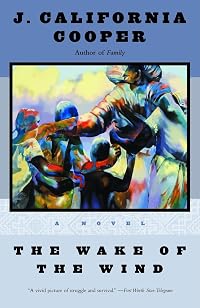
The Wake of the Wind
by J. California Cooper
On This Page
Description
A novel on freed slaves after the Civil War. The protagonists are a young couple who buy a ruined plantation and begin to prosper. But racism returns and they have to flee. By the author of Family.Tags
Recommendations
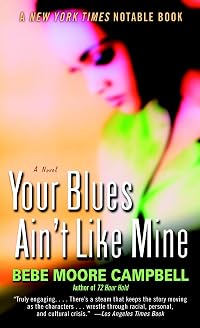
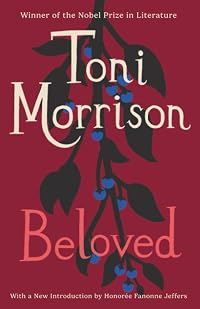
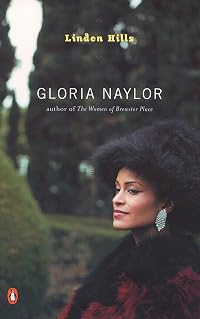
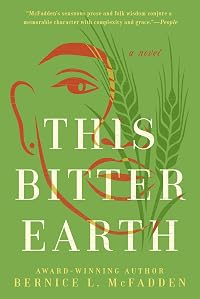



Member Recommendations
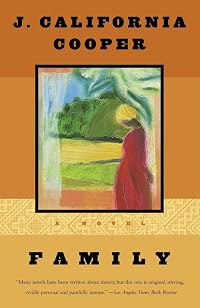
petersonvl I recommend reading Family first since it deals with slavery during the Civil War, then follow-up with Wake of the Wind b/c it addresses the plight of "emancipated" slaves during the early antebellum period.
Member Reviews
Again, Cooper blew me away. This was my second time reading this one, and it gave me a beautiful aching feeling. It's hard to describe. I'm not a crier, but I cried two times while reading this. First, when hungry run-away slaves insisted on overeating despite the prospect of suffering stomach aches since they hadn't eaten a decent, warm meal in five years. In fact, I both laughed and cried at that. I laughed b/c Cooper has mastered the art of what is almost impossible: successfully invoking a little humor in the most dire of predicaments. And I cried again when a character with a slavery-related physical deformity experienced love and intimacy for the first time ever - in old age. Really touching. There is so much that is right about show more this novel: the dialect, cadence, lyricism, story line, characters. It's literary perfection, and it's profound subject matter. show less
A group of former slaves come together as family, striving to live as free people in a post-civil war world.
Mor, Lifee and their adopted relatives want to live free in peace. Doing this meant staying one step ahead of the whites, who felt former slaves didn't deserve anything but poverty and servitude.
As I read this novel I was bracing myself for the moment when all they worked for would be taken away by the whites. Buying property, attempting to leave town, or having a prosperous farm brought unwanted attention from bitter whites. Mor and family were hard workers who used their skills to live well off the land. Instead of focusing on the violence of the post-civil war world, Cooper depicted a peaceful, loving family who simply wanted show more to be left alone to love each other and give their children the opportunities they were denied as slaves.
What the author does is show how former slaves were able to develop loving relationships and families despite a world that refused to accept them as human beings. show less
Mor, Lifee and their adopted relatives want to live free in peace. Doing this meant staying one step ahead of the whites, who felt former slaves didn't deserve anything but poverty and servitude.
As I read this novel I was bracing myself for the moment when all they worked for would be taken away by the whites. Buying property, attempting to leave town, or having a prosperous farm brought unwanted attention from bitter whites. Mor and family were hard workers who used their skills to live well off the land. Instead of focusing on the violence of the post-civil war world, Cooper depicted a peaceful, loving family who simply wanted show more to be left alone to love each other and give their children the opportunities they were denied as slaves.
What the author does is show how former slaves were able to develop loving relationships and families despite a world that refused to accept them as human beings. show less
[Written in November 2001]
Finally finished 'The Wake of the Wind' by J. California Cooper.
One concept that touched home with me was with the sons of Mor and Lifee. They went away, bought property, returned to get their parents and take them there.
I have an account of my great-grandfather, James Jeter, doing the same for his parents. This was made apparent in his mother's, Emma Jeter, obituary.
So, this book resonates with my Ancestor's possible trials and tribulations - and gives me clues to what they might have done and why.
Two thumbs up!
Peace,
"Guided by the Ancestors"
http://geder.wordpress.com
Finally finished 'The Wake of the Wind' by J. California Cooper.
One concept that touched home with me was with the sons of Mor and Lifee. They went away, bought property, returned to get their parents and take them there.
I have an account of my great-grandfather, James Jeter, doing the same for his parents. This was made apparent in his mother's, Emma Jeter, obituary.
So, this book resonates with my Ancestor's possible trials and tribulations - and gives me clues to what they might have done and why.
Two thumbs up!
Peace,
"Guided by the Ancestors"
http://geder.wordpress.com
*♾/5. woahhhh. I honestly thought I was gonna despise this book. I decided to go into it open-minded and am so glad I did. this one is definitely a new favorite. can't wait to come back to it
Ratings
Members
- Recently Added By
Author Information

13+ Works 2,330 Members
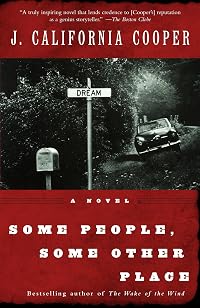
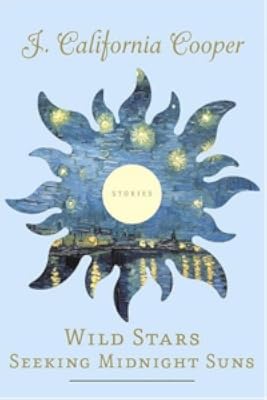
J. California Cooper was born in Berkeley, California in 1932. She was an award-winning playwright, novelist, and short story writer. She wrote 17 plays and received a 1978 Black Playwright Award for Strangers. She wrote several short story collections including A Piece of Mine, Wild Stars Seeking Midnight Suns, and The Future Has a Past. Homemade show more Love received the 1989 American Book Award and Funny Valentine was made into a 1999 TV movie. Her novels included Family, The Wake of the Wind, Life Is Short but Wide, and Some People, Some Other Place. She received the James Baldwin Award and the Literary Lion Award from the American Library Association in 1988. She died on September 20, 2014 at the age of 82. (Bowker Author Biography) J. California Cooper is the author of five collections of short stories, including Homemade Love, winner of the 1989 American Book Award, and the novels The Wake of the Wind, Family, and In Search of Satisfaction. She lives in northern California. (Publisher Provided) show less
Awards and Honors
Awards
Common Knowledge
- Canonical title
- The Wake of the Wind
- Important events
- Reconstruction
- Dedication
- Joseph C. and Maxine "Mimi" Cooper, my parents
Paris A. Williams, my chile
OTHER IMPORTANT PEOPLE
Every Black, Brown, Yellow, Red, or White person in life who tried to help any slave, particularly the African-A... (show all)merican slave. AND those who have tried to help the Poor of all colors because it is true: The root of all evil is money.
There are so many names I have discovered during my research I cannot write them all down, but they are in my heart. I will name a few: Quakers of the Underground Railroad. Abolitionists who stood to gain nothing but God or death. And Adam Clayton Powell, Martin Luther King, Ronald Dellum, Beverly Smith of "Our Voices," the United Negro College Fund, Mary McLeod Bethuen, all African-American Colleges, Booker T. Washington, Malcolm X, Lyndon B. Johnson, Maxine Walters, John F. Kennedy, SNCC, SCLC, CORE, the NAACP, NAG, CMFC, the Black Panthers, Stokeley Carmichael, Eleanor Roosevelt, Paul Robeson, Franklin D. Roosevelt, Septima Clark, Thurgood Marshall, Bayard Rustin, Jon Carew, Richard Rodgers, W. E. B. DuBois, Marcus Garvey, Alice Walker, Angela Davis, Jesse Jackson. And others, others, others.
ESPECIALLY
ALL THE SLAVES WHO HAD TO LIVE THROUGH THIS AMERICAN BLOODY HISTORY AND OTHER BLOODY HISTORIES OF THE WORLD. THEY ARE THE REASON "WE" ARE HERE TODAY. I WILL NEVER BE ASHAMED OF MY ANCESTORS. IF YOU ARE...YOU ARE A FOOL. - First words
- Prologue: "I am Africa. I am a place. I am a state of mind."
Chapter one: "Once upon a certain year, 1764 or so, over 200 yers ago, someone in the world requested a number of African longhorn steer and teh Africa... (show all)n men who knew these cattle and could breed and raise them on a foreign soil; the southern states of America." - Last words
- (Click to show. Warning: May contain spoilers.)"But...it was the story that was the most important anyway, in the wake of the wind."
- Blurbers
- Alice Walker
Classifications
Statistics
- Members
- 207
- Popularity
- 157,065
- Reviews
- 4
- Rating
- (4.14)
- Languages
- English
- Media
- Paper
- ISBNs
- 3
- ASINs
- 1