On This Page
Description
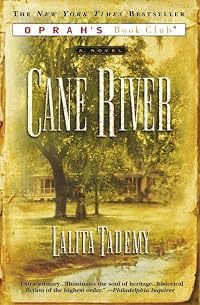
A New York Times bestseller and Oprah's Book Club Pick-the unique and deeply moving saga of four generations of African-American women whose journey from slavery to freedom begins on a Creole plantation in Louisiana.Beginning with her great-great-great-great grandmother, a slave owned by a Creole family, Lalita Tademy chronicles four generations of strong, determined black women as they battle injustice to unite their family and forge success on their own terms. They are women whose lives show more begin in slavery, who weather the Civil War, and who grapple with contradictions of emancipation, Jim Crow, and the pre-Civil Rights South. As she peels back layers of racial and cultural attitudes, Tademy paints a remarkable picture of rural Louisiana and the resilient spirit of one unforgettable family.
There is Elisabeth, who bears both a proud legacy and the yoke of bondage... her youngest daughter, Suzette, who is the first to discover the promise-and heartbreak-of freedom... Suzette's strong-willed daughter Philomene, who uses a determination born of tragedy to reunite her family and gain unheard-of economic independence... and Emily, Philomene's spirited daughter, who fights to secure her children's just due and preserve their dignity and future.
Meticulously researched and beautifully written, Cane River presents a slice of American history never before seen in such piercing and personal detail. show less
Tags
Recommendations


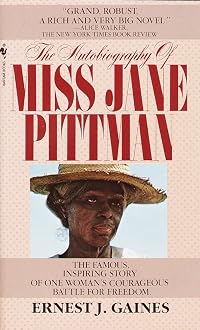
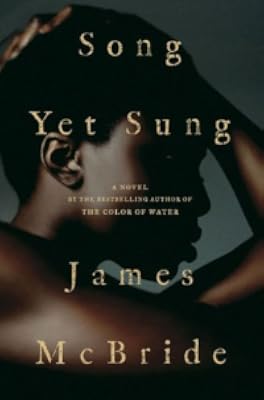
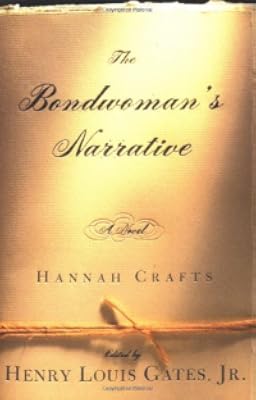

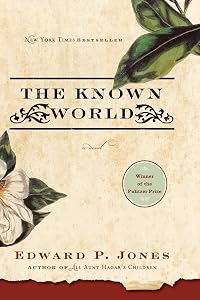


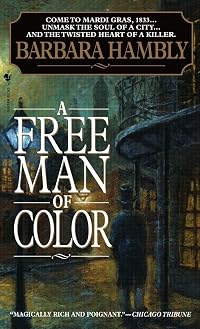


Member Recommendations

Boobalack Not the usual Anne Rice book. It's about free people of color in New Orleans.

Free by Marsha Hunt
Boobalack It's about freed slaves living in Pennsylvania. The ending made me gasp and say out loud, "Oh, no!"
Manthepark An interesting coming-of-age story of a Jewish girl’s connections with the African-American and white communities in Richmond, Virginia, and how those connections carried forward into her adult life.

Member Reviews
A beautifully told family history about four generations of slave women on a Louisiana plantation in the nineteenth century. Lalita Tademy takes the dry dates and pieces of paper that go into genealogy research and crafts them into a story of strong women, family and the trials of slavery and freedom. Her writing is powerful and poetic - 'She watched words float past, plump and ripe, before they burst just outside her line of vision' - but never purple, and she effortlessly recreates another time and place with evocative descriptions of Cane River in the 1800s.
It is jarring to read about the lives of these vividly drawn 'characters' in a story, coming to know and care about them, only to turn the page and find a facsimile of a bill of show more sale for a slave auction and find their names listed, or look into the eyes of Narcisse and Emily in a photograph after imagining them. Combining fact and fiction, or grounding a poignant slave narrative in the shameful reality of history, somehow makes more of an impact than reference books and novels. But the saddest part of this family saga is not the vicious circle of illegitimate children or the 'bleaching of the line' when Suzette, Philomene and Emily had children with white men, whether by force of choice, but that nothing really changed for them after risking their lives for a hundred years to break free of slavery and provide for their families. In 1936, an elderly Emily takes the bus into town to buy her own snuff and some peppermint candy for her grandchildren. The store owner doesn't know her, but takes her for a white woman, long the ambition of her mother Philomene and her grandmother Suzette, because she is only one-quarter black. When another customer recognises her 'colour', however, the man turns on her and rudely makes her wait, at over seventy years of age, while he serves the white customers. She 'knows her place', he tells another woman who offers to let Emily go first. Emily leaves without her snuff, and returns to the house by the river - sitting at the front of the bus. The importance of colour, and the treatment of the women and the white fathers of their children, both distressed and angered me, more, if truth be told, than their lives on the plantation.
This is how family history should be told, with heart, pride and affection. show less
It is jarring to read about the lives of these vividly drawn 'characters' in a story, coming to know and care about them, only to turn the page and find a facsimile of a bill of show more sale for a slave auction and find their names listed, or look into the eyes of Narcisse and Emily in a photograph after imagining them. Combining fact and fiction, or grounding a poignant slave narrative in the shameful reality of history, somehow makes more of an impact than reference books and novels. But the saddest part of this family saga is not the vicious circle of illegitimate children or the 'bleaching of the line' when Suzette, Philomene and Emily had children with white men, whether by force of choice, but that nothing really changed for them after risking their lives for a hundred years to break free of slavery and provide for their families. In 1936, an elderly Emily takes the bus into town to buy her own snuff and some peppermint candy for her grandchildren. The store owner doesn't know her, but takes her for a white woman, long the ambition of her mother Philomene and her grandmother Suzette, because she is only one-quarter black. When another customer recognises her 'colour', however, the man turns on her and rudely makes her wait, at over seventy years of age, while he serves the white customers. She 'knows her place', he tells another woman who offers to let Emily go first. Emily leaves without her snuff, and returns to the house by the river - sitting at the front of the bus. The importance of colour, and the treatment of the women and the white fathers of their children, both distressed and angered me, more, if truth be told, than their lives on the plantation.
This is how family history should be told, with heart, pride and affection. show less
This book gave me not just food for thought but a banquet for thought. The first big thing my brain had to chew over was the family tree of the author tucked at the beginning of the book. Although this book is historical fiction, it is based on a significant amount of research that the author did on her own family. The thing about her family tree that really got me was to see how close the author, who resigned as a Vice-President of Sun Microsystems to take on this project, was to a generation born into slavery. Her great-grandmother was the first generation of her family that was not born into slavery. This brought a whole new dimension to my thoughts about those sociology classes I took in college that discussed the link between show more slavery and some of the difficulties faced by modern African-Americans.
Aside from fueling my interests in social issues, this book also provided a very emotional, multi-generational story of a fantastic family of women. Although we all know, factually, the horrors that accompanied slavery and that continued after the Civil War, it is a whole different thing to experience these horrors through the eyes of characters that you have come to care so much about.
I would highly recommend this book to anyone who is interested in African-American or southern history or anyone who just loves a good sprawling family novel. show less
Aside from fueling my interests in social issues, this book also provided a very emotional, multi-generational story of a fantastic family of women. Although we all know, factually, the horrors that accompanied slavery and that continued after the Civil War, it is a whole different thing to experience these horrors through the eyes of characters that you have come to care so much about.
I would highly recommend this book to anyone who is interested in African-American or southern history or anyone who just loves a good sprawling family novel. show less
A novelization of the author’s own family and a portrait of her grandmother, great-grandmother and great-great grandmother and the lives they carved out for themselves on plantations along the Cane River near Natchitoches, Louisiana
An interesting examination of how complicated our intersections with race are in this country.
An interesting examination of how complicated our intersections with race are in this country.
This being an Oprah book club book I didn’t have much hope for it at first. But it came highly rated from my Aunt Patricia. I was pleasantly surprised by the book. It’s about several generations of women as slaves to the same family in Louisiana, and into their emancipation and learning to make it in the world on their own. It was really well written, and although these “chick” books aren’t normally my thing I ended up liking it. Part of why I think I liked it was that it had been thoroughly researched, was based on the real lives of the authors ancestors, and had a lot of historical data in it.
This is a fabulous family memoir beginning in the early 1800s in Louisianna up until 1936. The characters were fascinating, the storytelling and novellisation was beautiful and it gave me a few new insights into the period. Truly memorable.
Narrated by Robin Miles. The author took leave from her Silicon Valley job to research her family tree and this book is a fictionalized account of her family's history. A female-dominated "Roots," it follows the lives of four generations of women from slavery times through the 1930s in Louisiana: Elizabeth, Suzette, Philomene, and Emily. Their lives are full of struggle and tragedy. When freedom comes, Philomene shrewdly uses Narcisse, the French (?) father of several of her children, to provide her with land upon which she builds a house for her family. Provides a view of Creole society and life on small plantations.
In some ways, this was a good novel. The injustices of slavery is starkly written about in here - husbands and wives being sold apart, or children being sold apart from parents, or white men who casually force themselves on slaves and don't bother to free the children.
I only wish the author had gone more into how the slaves felt when the Civil War was over and they were freed. For a novel that centered so much on freedom and equality, I expected more in this aspect.
I did like the family pictures and other information that the author put in here.
I only wish the author had gone more into how the slaves felt when the Civil War was over and they were freed. For a novel that centered so much on freedom and equality, I expected more in this aspect.
I did like the family pictures and other information that the author put in here.
Members
- Recently Added By
Lists

Best Historical Fiction
620 works; 262 members

Historical Fiction
889 works; 91 members

Oprah's Book Club (original and 2.0)
91 works; 21 members

Best African American Literature
53 works; 9 members

Best family sagas
244 works; 34 members
Black Authors
386 works; 28 members

Five star books
1,767 works; 110 members

Deena's Favorites--How Many have you read?
102 works; 3 members
Racism and Race Relations in Literature
48 works; 9 members

Books Read in 2001
199 works; 4 members

San Francisco One City One Book Selections
15 works; 2 members

Genealogy
11 works; 1 member
Author Information

6+ Works 4,160 Members
Lalita Tademy lives in Menlo Park, California. (Publisher Provided) Lalita Tademy is the New York Times Bestselling author of two historical novels. Her debut, Cane River, was Oprah¿s summer Book Pick in 2001, and her second novel, Red River, was selected as San Francisco¿s One City, One Book in 2007. Her third novel, Citizens Creek was show more published in November 2014. Before writing full-time, Lalita was Vice President and General Manager of several high technology companies in Silicon Valley. She was featured in Fortune¿s People on the Rise list, as well as Black Enterprise and Ebony. But her own interest led her to focus on her second career - writing. She has been featured in People Magazine, O Magazine, More Magazine, Good Housekeeping and The Today Show. She has also appeared as a speaker for the Library of Congress and National Book Festival. (Bowker Author Biography) show less
Awards and Honors
Distinctions
Series

Common Knowledge
- Canonical title
- Cane River
- Original title
- Cane River
- Original publication date
- 2001-04-17
- People/Characters
- Elisabeth; Suzette; Philomene; Emily Fredieu; Narcisse Fredieu; Palmire
- Important places
- Cane River, Louisiana, USA
- Important events
- American Civil War (1861-1865); Reconstruction (1863 | 1877)
- Epigraph*
- Roman over vier generaties Afro-Amerikaanse vrouwen op de plantages van Louisiana.
- Dedication
- Dedicated to my mother, Willie Dee Billes Tademy
- First words
- On the morning of her ninth birthday, the day after Madame Francoise Derbanne slapped her, Suzette peed on the rosebushes.
- Last words
- (Click to show. Warning: May contain spoilers.)She shook off the dust of Colfax, raised her chin slightly, dropped her nickels into the driver's waiting palm, and walked deliberately to the front seat, composing herself for the ride home.
- Publisher's editor
- Raab, Jamie
- Blurbers
- Letts, Billie ; Ball, Edward
*Some information comes from Common Knowledge in other languages. Click "Edit" for more information.
Classifications
Statistics
- Members
- 3,267
- Popularity
- 5,271
- Reviews
- 57
- Rating
- (3.90)
- Languages
- 5 — Dutch, English, French, Spanish, Swedish
- Media
- Paper, Audiobook, Ebook
- ISBNs
- 41
- ASINs
- 14