On This Page
Description
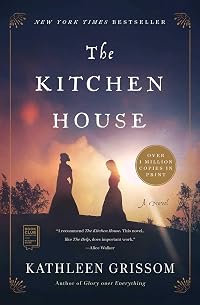
Kathleen Grissom, New York Times bestselling author of the highly anticipated Glory Over Everything, established herself as a remarkable new talent with The Kitchen House, now a contemporary classic. In this gripping novel, a dark secret threatens to expose the best and worst in everyone tied to the estate at a thriving plantation in Virginia in the decades before the Civil War.Orphaned during her passage from Ireland, young, white Lavinia arrives on the steps of the kitchen house and is show more placed, as an indentured servant, under the care of Belle, the master's illegitimate slave daughter. Lavinia learns to cook, clean, and serve food, while guided by the quiet strength and love of her new family.
In time, Lavinia is accepted into the world of the big house, caring for the master's opium-addicted wife and befriending his dangerous yet protective son. She attempts to straddle the worlds of the kitchen and big house, but her skin color will forever set her apart from Belle and the other slaves.
Through the unique eyes of Lavinia and Belle, Grissom's debut novel unfolds in a heartbreaking and ultimately hopeful story of class, race, dignity, deep-buried secrets, and familial bonds. show less
Tags
Recommendations


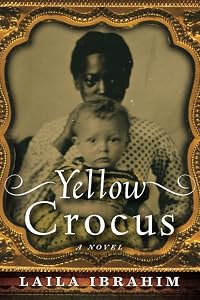
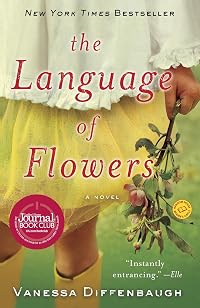
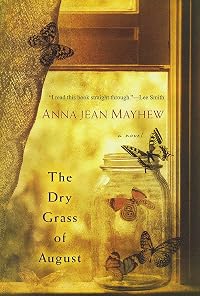
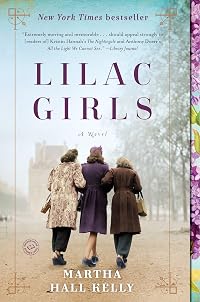
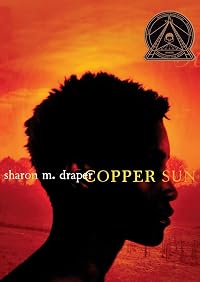
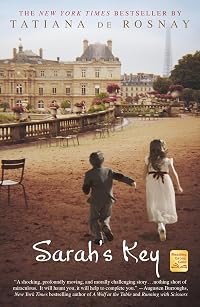
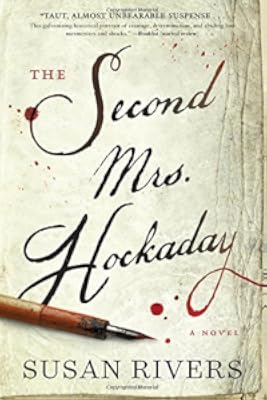
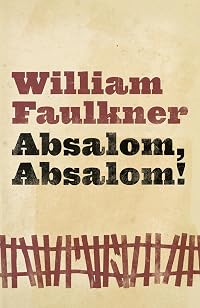



Member Recommendations
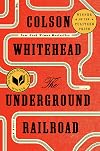
Blogletter Zowel Het Keukenhuis door Kathleen Grissom als Een keukenmeidenroman door Kathryn Stocket gaan over slavernij in Amerika.
60

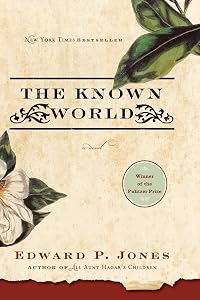
anonymous user Both The Kitchen House and the Book of Negroes are about Black Slavery in the South. They are different, but provide an eye opening look at Black Slavery.
Also recommended by vancouverdeb
40

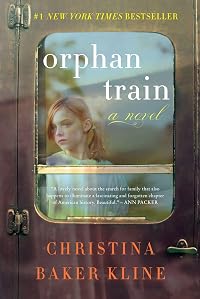
Iudita Historical fiction about indentured servants.
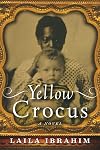
vancouverdeb Similar themes: black slaves, a young woman who works within the "White Master's" Plantation house.Slavery,Freedom from slavery; both wonderfully written. Divided loyalities, a fiesty female slave.
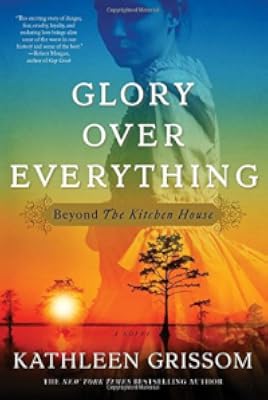
susiesharp this is also a tale of the south and slavery but this one is not as depressing as The Kitchen House but has a similar feel.

Member Reviews
"This world is not the only home. This world is for practice to get things right."
"What the color is, who the daddy be, who the mama is don’t mean nothin’. We a family, carin’ for each other. Family make us strong in times of trouble. We all stick together, help each other out. That the real meanin’ of family. When you grow up, you take that family feelin’ with you.”
"You look at today, chil’. You say, ‘Thank you, Lawd, for everythin’ you gives me today.’ Then you worries about the next day when the next day come.”
I wasn't expecting to like The Kitchen House very much, but once I got all the characters figured out, I struggled to put it down at times. It is a reminder of how cruel we are to other humans and how kind show more we can be to them. The story was fast paced with plenty of highs and lows, twists and turns. I was heartbroken with the ending(the death of Mama Mae) and while I know there is a sequel, I wish it was about Lavinia. show less
"What the color is, who the daddy be, who the mama is don’t mean nothin’. We a family, carin’ for each other. Family make us strong in times of trouble. We all stick together, help each other out. That the real meanin’ of family. When you grow up, you take that family feelin’ with you.”
"You look at today, chil’. You say, ‘Thank you, Lawd, for everythin’ you gives me today.’ Then you worries about the next day when the next day come.”
I wasn't expecting to like The Kitchen House very much, but once I got all the characters figured out, I struggled to put it down at times. It is a reminder of how cruel we are to other humans and how kind show more we can be to them. The story was fast paced with plenty of highs and lows, twists and turns. I was heartbroken with the ending
Every so often a book just reaches out and grabs you. The Kitchen House by Kathleen Grissom was one of those books for me.
It's 1791. Lavinia is 7 yrs old and her entire family has perished on the boat from Ireland to America. The captain takes her to his own plantation as an indentured servant. She is sent to live with the slaves who run the kitchen house. Abinia, as she comes to be known, is welcomed into the hearts and homes of Mama Mae, her daughter Belle (who is the captain's illegitimate daughter) and their extended families. They love her as one of their own, despite the fact that she is white.
As Lavinia grows, she is taken to the big house to help with the captain's wife, who is battling an addiction to opium. It is here that show more Lavinia finally has to acknowledge the chasm between black and white, master and slave. And where her place is. As she grows older, circumstances conspire and she is forced to make difficult choices that have grievous repercussions. This is s a very bare bones synopsis as there is so much more to this book.
Grissom forced me to break one of my cardinal rules. I never, ever, read ahead in a book. I got so caught up in the story, the characters and the hurtling plot that I was reading way too fast to take it all in. I had to find out what happened, then go back and slowly take the journey to the event.
Grissom's descriptions of the settings, social life, characters and dialogue truly had them jumping off the page. Indeed, Grissom herself says that "For the most part, Lavinia and Belle dictated the story to me. From the beginning it became quite clear that if I tried to embellish or change their story, their narration would stop." I became invested in each and every character, loving some and hating others, but each evoking emotion is this reader.
The Kitchen House is told in alternating chapters from Lavinia and Belle's viewpoints The same event takes on very different hues when seen through another set of eyes.
Slavery is a main theme of the book. But slavery in many different forms - addictions, societal expectations and mores as well as racial. But so is strength, again in many forms.
I literally could not put The Kitchen House down. It's destined to be a keeper in my library. show less
It's 1791. Lavinia is 7 yrs old and her entire family has perished on the boat from Ireland to America. The captain takes her to his own plantation as an indentured servant. She is sent to live with the slaves who run the kitchen house. Abinia, as she comes to be known, is welcomed into the hearts and homes of Mama Mae, her daughter Belle (who is the captain's illegitimate daughter) and their extended families. They love her as one of their own, despite the fact that she is white.
As Lavinia grows, she is taken to the big house to help with the captain's wife, who is battling an addiction to opium. It is here that show more Lavinia finally has to acknowledge the chasm between black and white, master and slave. And where her place is. As she grows older, circumstances conspire and she is forced to make difficult choices that have grievous repercussions. This is s a very bare bones synopsis as there is so much more to this book.
Grissom forced me to break one of my cardinal rules. I never, ever, read ahead in a book. I got so caught up in the story, the characters and the hurtling plot that I was reading way too fast to take it all in. I had to find out what happened, then go back and slowly take the journey to the event.
Grissom's descriptions of the settings, social life, characters and dialogue truly had them jumping off the page. Indeed, Grissom herself says that "For the most part, Lavinia and Belle dictated the story to me. From the beginning it became quite clear that if I tried to embellish or change their story, their narration would stop." I became invested in each and every character, loving some and hating others, but each evoking emotion is this reader.
The Kitchen House is told in alternating chapters from Lavinia and Belle's viewpoints The same event takes on very different hues when seen through another set of eyes.
Slavery is a main theme of the book. But slavery in many different forms - addictions, societal expectations and mores as well as racial. But so is strength, again in many forms.
I literally could not put The Kitchen House down. It's destined to be a keeper in my library. show less
I had high hopes with this book after I read the reviews, and at first I was really enjoying it. Little Lavinia has found herself on a Virginia tobacco plantation after she lost both her parents and a brother in steerage on their trip to America from Ireland. The book begins in 1791, and it follows Lavinia through her life on the plantation to the city of Williamsburg and back to the plantation. Lavinia is a quiet and lonely little girl, and, even though she is white, she is handed over to the black house servants to be raised. She finds a real home here and a family that she loves. The captain is a fair master, even if he is not around very much. Due to unfortunate circumstances, Lavinia is moved to Williamsburg at age 15, to the home show more of the sister of the mistress of Tall Oaks. She finds another happy home there and gains an education from Mr. and Mrs. Madden and their daughter Meg, although she misses her Tall Oaks family very much. Lavinia does come back to Tall Oaks, but this time as the wife of the son of the Captain and Miss Martha. She finds herself at odds with her new life, and the life that she had as a child in the kitchen house. Lavinia makes some unfortunate choices as she is trying to adjust to her volatile husband and to being mistress of the manor. The story is told through two points of view--Lavinia's and Belle's (who is a woman who actually is the daughter of the Captain from the big house) and a Negro servant). These two points of view, and Lavinia's difficulties in trying to assimilate two very different cultures illustrates clearly the pitfalls and moral dilemmas of slavery. I found that the book slipped into melodrama about 1/2 way through, and I was very disappointed with weak, timid Lavinia. After tragedy strikes, she finally realizes that she has made some very big mistakes, and she begins to take charge of her life, and the lives of her Negro family. I don't think this book is destined to be a classic on the topic of slavery like, for example, Roots or The Color Purple, but it is worth a read as the two differing points of view add substance to the story, and lift it out of melodrama. show less
I truly enjoyed The Kitchen House by Kathleen Grissom. When Lavinia, a young Irish orphan is brought by Captain Pyke as an indentured servant to Tall Oaks, his Virginia plantation, she is placed among the slaves who nurtured and love her. She grows up to feel that these black folks are her family. Unfortunately she also learns to envy and admire the highly dysfunctional white family who own Twelve Oaks. She doesn’t sense the seething hatred and the lies that shape everyone’s life on the plantation.
As a young woman she marries the son of the family, who is a cruel, bad-tempered bully, who all too soon shows her his true colours. As more and more past secrets are revealed, she realizes that she has married a monster and for women in show more that day, there was no easy escape. As her husband spirals into madness, she dulls reality with laudanum. Finally realizing that living in this drugged state isn’t the answer, she gives up the opiate but nevertheless, her husband now in danger of losing the plantation amps up his cruel behaviour. The story moves at a quick pace and although a little melodramatic totally drew me in. The story is narrated in alternating chapters by Lavinia and by Belle, a slave who happens to also be the daughter of Captain Pyke.
The Kitchen House is a well-written, interesting story that gives us a slightly different spin on plantation life and doesn’t shy away from showing the unspeakable horror that slavery was. It also shows the strong bonds of love and responsibility that we form with the people that we choose to call family. show less
As a young woman she marries the son of the family, who is a cruel, bad-tempered bully, who all too soon shows her his true colours. As more and more past secrets are revealed, she realizes that she has married a monster and for women in show more that day, there was no easy escape. As her husband spirals into madness, she dulls reality with laudanum. Finally realizing that living in this drugged state isn’t the answer, she gives up the opiate but nevertheless, her husband now in danger of losing the plantation amps up his cruel behaviour. The story moves at a quick pace and although a little melodramatic totally drew me in. The story is narrated in alternating chapters by Lavinia and by Belle, a slave who happens to also be the daughter of Captain Pyke.
The Kitchen House is a well-written, interesting story that gives us a slightly different spin on plantation life and doesn’t shy away from showing the unspeakable horror that slavery was. It also shows the strong bonds of love and responsibility that we form with the people that we choose to call family. show less
The Kitchen House is a deeply emotional and unforgettable historical fiction novel that completely pulled me in. Set in the antebellum South, the story follows Lavinia, an orphaned indentured servant raised in the kitchen house alongside enslaved people on a Virginia plantation. The complex family dynamics and relationships are beautifully written and incredibly powerful.
Kathleen Grissom does an amazing job portraying the harsh realities of slavery, race, and abuse while still creating deeply human, layered characters you cannot help but care about. The story is heartbreaking, gripping, and impossible to put down.
This is an excellent book club pick with so many emotional and thought-provoking themes. A powerful and moving read that show more stays with you long after you finish. show less
Kathleen Grissom does an amazing job portraying the harsh realities of slavery, race, and abuse while still creating deeply human, layered characters you cannot help but care about. The story is heartbreaking, gripping, and impossible to put down.
This is an excellent book club pick with so many emotional and thought-provoking themes. A powerful and moving read that show more stays with you long after you finish. show less
Recensione completa qui: http://thereadingpal.blogspot.it/2016/12/recensione-42-il-mondo-di-belle.html
4 stelle e mezzo
Mi svegliai su un pagliericcio in una stanza al piano
superiore, troppo spaventata per muovermi: la memoria non
era tornata. Mi faceva male la testa, ma quando provai a
massaggiarla ritirai le mani atterrita: i mie lunghi capelli
non c'erano più, me li avevano tagliati.
Il mondo di Belle è un libro tosto come pochi. L'ho scelto per la challenge, è l'ho preso a prestito dalla biblioteca pensando che mi ricordasse di The Help ... Per alcuni versi, sì. Per altri, si tratta di un libro molto più duro, che ti fa entrare nella storia e non ti fa più uscire.
Quando ho visto che la scrittrice è bianca, proprio come quella di show more The Help, non ero sicura che sarebbe riuscita davvero a trasmettere i sentimenti degli schiavi in quel periodo. Mentre per le persone di colore la schiavitù è ancora un ricordo vivido, vicino, trasmesso di generazione in generazione, è come se per i bianchi non fosse mai successo, o, peggio, come se noi avessimo avuto il diritto di renderli schiavi, di trattarli a quel modo e di associarli automaticamente a comportamenti come la pigrizia o peggio, comportamenti che sono solo pregiudizi, e come tali infondati.
Devo dire che mi sono dovuta ricredere: la Grissom è riuscita a trasmettere i sentimenti di Mamma Mae, Papà George, Ben, Bettie, Fanny, Belle e gli altri poc presenti nella storia splendidamente.
E posso dire che, se da un certo punto la protagonista è Lavinia e seguiamo il suo POV durante la storia, dall'altro c'è anche Belle, figlia del padrone e di una schiava, rilegata nella cucina, che narra anche lei la storia dal suo punto di vista, di modo che non perdiamo di vista il punto dei padroni e neanche quello degli schiavi.
Ad aiutarci è anche Lavinia che per la prima parte della sua vita vive con gli schiavi, che diventano ben presto la sua famiglia e che lei considera uguali a lei, mentre per la seconda viene catapultata, essendo bianca, nel mondo dei padroni, e non riesce a capacitarsi della disuguaglianza, che per lei è incomprensibile ed la divide da chi lei considera i suoi cari.
Attraverso gli occhi di Lavinia e Belle, siamo partecipi dell'orrore di quegli anni, del dolore, dell'oppressione che incarcera sia la donna bianca che quella di colore.
E' stata una lettura pesante: la Grissom scrive egregiamente e la storia è interessante (non oso dire bella), ma i fatti narrati sono come un pugno nello stomaco e così reali da essere palpabili... Perché a persone reali sono accaduti davvero, in altri anni, ma anche oggi.
E' una storia di sofferenza da entrambe le parti e di un'unione che va ben oltre il colore della pelle.
Vi consiglio di leggerlo, pur essendo così duro. show less
4 stelle e mezzo
Mi svegliai su un pagliericcio in una stanza al piano
superiore, troppo spaventata per muovermi: la memoria non
era tornata. Mi faceva male la testa, ma quando provai a
massaggiarla ritirai le mani atterrita: i mie lunghi capelli
non c'erano più, me li avevano tagliati.
Il mondo di Belle è un libro tosto come pochi. L'ho scelto per la challenge, è l'ho preso a prestito dalla biblioteca pensando che mi ricordasse di The Help ... Per alcuni versi, sì. Per altri, si tratta di un libro molto più duro, che ti fa entrare nella storia e non ti fa più uscire.
Quando ho visto che la scrittrice è bianca, proprio come quella di show more The Help, non ero sicura che sarebbe riuscita davvero a trasmettere i sentimenti degli schiavi in quel periodo. Mentre per le persone di colore la schiavitù è ancora un ricordo vivido, vicino, trasmesso di generazione in generazione, è come se per i bianchi non fosse mai successo, o, peggio, come se noi avessimo avuto il diritto di renderli schiavi, di trattarli a quel modo e di associarli automaticamente a comportamenti come la pigrizia o peggio, comportamenti che sono solo pregiudizi, e come tali infondati.
Devo dire che mi sono dovuta ricredere: la Grissom è riuscita a trasmettere i sentimenti di Mamma Mae, Papà George, Ben, Bettie, Fanny, Belle e gli altri poc presenti nella storia splendidamente.
E posso dire che, se da un certo punto la protagonista è Lavinia e seguiamo il suo POV durante la storia, dall'altro c'è anche Belle, figlia del padrone e di una schiava, rilegata nella cucina, che narra anche lei la storia dal suo punto di vista, di modo che non perdiamo di vista il punto dei padroni e neanche quello degli schiavi.
Ad aiutarci è anche Lavinia che per la prima parte della sua vita vive con gli schiavi, che diventano ben presto la sua famiglia e che lei considera uguali a lei, mentre per la seconda viene catapultata, essendo bianca, nel mondo dei padroni, e non riesce a capacitarsi della disuguaglianza, che per lei è incomprensibile ed la divide da chi lei considera i suoi cari.
Attraverso gli occhi di Lavinia e Belle, siamo partecipi dell'orrore di quegli anni, del dolore, dell'oppressione che incarcera sia la donna bianca che quella di colore.
E' stata una lettura pesante: la Grissom scrive egregiamente e la storia è interessante (non oso dire bella), ma i fatti narrati sono come un pugno nello stomaco e così reali da essere palpabili... Perché a persone reali sono accaduti davvero, in altri anni, ma anche oggi.
E' una storia di sofferenza da entrambe le parti e di un'unione che va ben oltre il colore della pelle.
Vi consiglio di leggerlo, pur essendo così duro. show less
Simply put, The Kitchen House is a reminder as to why I love historical fiction so much. Done poorly, it paints a picture of a lifestyle now past. Done well, it places you into that time period that you forget the modern world while immersed in the novel's pages. The Kitchen House is historical fiction done well.
Ms. Grissom has created an engaging page-turner that made me part of Virginia in the 1810s. The images of Tall Oaks, Williamsburg, and plantation life in general is so clear that I felt as if I was watching a movie rather than reading a novel. Not only that, but Ms. Grissom is able to elicit an extremly strong emotional response through her well-researched portrayal of plantations, slavery, and indentured servitude. There is a show more sense of foreboding that builds and greatly contributes to the overall story. Ms. Grissom's greatest strength lies in her ability to utilize the imagination of the reader to help tackle the true difficult situations around abuse and mental health for a reader's imagination will always be worse than what the author can portray with words. This ability to leave much of the specifics to the reader's imagination strenthens the overall message behind power, love, and family.
While slavery and indentured servitude are the backdrop to Lavinia's and Belle's stories, make no mistake that the main point of The Kitchen House is family. What makes a family? Is it blood only? What are your obligations to blood relatives? Are they greater than obligations to others you consider family? Should they be greater? Ms. Grissom explores the idea of family and its ties through Lavinia's struggles to adapt to her servitude and then to her emergence into the "white" world. It permeates all decisions made by each of the characters and presents the reader with many questions about the essence of family.
Slavery and servitude are not easy topics, but Ms. Grissom handles both with reality and care. She does not gloss over the more evil aspects of either one, nor does she romanticize them. Her matter-of-fact treatment of both situations allows the reader to learn more about them while not getting bogged down into the moral complexity of either issue. A reader is left with a sense of the differences and similarities of both, highlighting the freedoms afforded Lavinia that Belle and her family would never be able to achieve, whether it is fair or not. It truly is an interesting glimpse into two institutions that were all too common in colonial America.
The complexity of the relationships and of human nature presented by Ms. Grissom leave the reader wanting more. What was Marshall's purpose with pursuing his relationship with Lavinia? Why did he maintain a friendship with Rankin even though Rankin helped Mr. Waters accomplish his abuse? Did Marshall ever really grow up? Would he have been different had his father lived longer or was he doomed the minute Mr. Waters was hired? Why did the Pyke family listen to the slaves for some things but not for others? Were the slaves battling Stockholm Syndrome as was Marshall? What about Lavinia? Was she really that dense or did everyone conspire to keep her innocent far too long because of her unique position? Could a random set of people come together today and form the same familial bond formed by the slaves out of necessity back then? There are so many fascinating questions that could be asked and answered, and yet the fact that they are not answered does not detract from the novel. Rather, the lingering questions only serve the purpose of forcing the reader to remember The Kitchen House long after finishing the last page.
This truly was an outstanding novel, one I will be recommending to as many people as possible, particularly those interested in historical fiction or anyone wanting to learn more about slavery and indentures. However, the appeal of this novel is more than its glimpse into history. Rather, it transcends history and becomes a story about humanity and the need for love and companionship. show less
Ms. Grissom has created an engaging page-turner that made me part of Virginia in the 1810s. The images of Tall Oaks, Williamsburg, and plantation life in general is so clear that I felt as if I was watching a movie rather than reading a novel. Not only that, but Ms. Grissom is able to elicit an extremly strong emotional response through her well-researched portrayal of plantations, slavery, and indentured servitude. There is a show more sense of foreboding that builds and greatly contributes to the overall story. Ms. Grissom's greatest strength lies in her ability to utilize the imagination of the reader to help tackle the true difficult situations around abuse and mental health for a reader's imagination will always be worse than what the author can portray with words. This ability to leave much of the specifics to the reader's imagination strenthens the overall message behind power, love, and family.
While slavery and indentured servitude are the backdrop to Lavinia's and Belle's stories, make no mistake that the main point of The Kitchen House is family. What makes a family? Is it blood only? What are your obligations to blood relatives? Are they greater than obligations to others you consider family? Should they be greater? Ms. Grissom explores the idea of family and its ties through Lavinia's struggles to adapt to her servitude and then to her emergence into the "white" world. It permeates all decisions made by each of the characters and presents the reader with many questions about the essence of family.
Slavery and servitude are not easy topics, but Ms. Grissom handles both with reality and care. She does not gloss over the more evil aspects of either one, nor does she romanticize them. Her matter-of-fact treatment of both situations allows the reader to learn more about them while not getting bogged down into the moral complexity of either issue. A reader is left with a sense of the differences and similarities of both, highlighting the freedoms afforded Lavinia that Belle and her family would never be able to achieve, whether it is fair or not. It truly is an interesting glimpse into two institutions that were all too common in colonial America.
The complexity of the relationships and of human nature presented by Ms. Grissom leave the reader wanting more. What was Marshall's purpose with pursuing his relationship with Lavinia? Why did he maintain a friendship with Rankin even though Rankin helped Mr. Waters accomplish his abuse? Did Marshall ever really grow up? Would he have been different had his father lived longer or was he doomed the minute Mr. Waters was hired? Why did the Pyke family listen to the slaves for some things but not for others? Were the slaves battling Stockholm Syndrome as was Marshall? What about Lavinia? Was she really that dense or did everyone conspire to keep her innocent far too long because of her unique position? Could a random set of people come together today and form the same familial bond formed by the slaves out of necessity back then? There are so many fascinating questions that could be asked and answered, and yet the fact that they are not answered does not detract from the novel. Rather, the lingering questions only serve the purpose of forcing the reader to remember The Kitchen House long after finishing the last page.
This truly was an outstanding novel, one I will be recommending to as many people as possible, particularly those interested in historical fiction or anyone wanting to learn more about slavery and indentures. However, the appeal of this novel is more than its glimpse into history. Rather, it transcends history and becomes a story about humanity and the need for love and companionship. show less
Members
- Recently Added By
Published Reviews
Though there are several compelling insights in The Kitchen House, it’s nevertheless a formulaic story. There are graphic shocks, but no surprises.
added by lkernagh
Lists

Best Historical Fiction
620 works; 261 members

Historical Fiction
889 works; 91 members
Southern Fiction
212 works; 52 members

Top Five Books of 2013
1,562 works; 721 members
Literature About Social Class
134 works; 19 members

Best African American Literature
53 works; 9 members

Fiction For Men
142 works; 11 members

Favorite Audiobooks Listened to in 2011
33 works; 11 members

Five star books
1,755 works; 107 members

Plantations
12 works; 1 member

Books Read in 2022
5,166 works; 112 members

Deena's Favorites--How Many have you read?
102 works; 3 members

Great Audiobooks
96 works; 10 members
Racism and Race Relations in Literature
48 works; 9 members

Read in 2018
18 works; 1 member

Slavefic
31 works; 3 members

Down on the Farm
17 works; 6 members

Books Tagged Abuse
152 works; 4 members

BB: Books That Will Keep Your Attention Until The Very Last Page
20 works; 3 members

I Could Live There
185 works; 12 members

KayStJ's to-read list
1,616 works; 11 members

Books Read in 2013
1,630 works; 51 members

Which house?
423 works; 16 members
Author Information

5 Works 5,430 Members
Born and raised in Saskatchewan, Kathleen Grissom now lives in Virginia, where she and her husband live in the plantation tavern they renovated. In addition to The Kitchen House, she is also the author of Glory Over Everything. (Bowker Author Biography)
Some Editions
Awards and Honors
Series

Work Relationships
Is contained in
Common Knowledge
- Canonical title
- The Kitchen House
- Alternate titles
- The Kitchen House
- Original publication date
- 2010
- People/Characters
- Lavinia; Belle Pyke; Mama Mae; Papa George; Beattie; Fanny (show all 18); Captain James Pyke; Marshall Pyke; Martha Pyke; Sally Pyke; Campbell Pyke; Dory; Ben; Jimmy; Sukey; Mr. Waters; Rankin; Jamie Pyke
- Important places
- USA; Virginia, USA; Williamsburg, Virginia, USA
- Dedication
- For my beloved parents, Ted and Catherine Doepker, and for my dear mentor, Eleanor Drewry Dolan
- First words
- [Prologue] There was a strong smell of smoke, and new fear fueled me.
In that spring of 1791 I did not understand that the trauma of loss had taken my memory. - Last words
- (Click to show. Warning: May contain spoilers.)
Her headstone was engraved:
Belle Pyke
Daughter of James Pyke
(Click to show. Warning: May contain spoilers.)[Prologue] I refused to look up again after I caught sight of the green headscarf and the handmade shoes that pointed down. - Blurbers
- Morgan, Robert; Randall, Alice; Walker, Alice
Classifications
Statistics
- Members
- 4,351
- Popularity
- 3,451
- Reviews
- 263
- Rating
- (3.97)
- Languages
- 9 — Chinese, Dutch, English, French, Hungarian, Italian, Norwegian (Bokmål), Norwegian, Portuguese
- Media
- Paper, Audiobook, Ebook
- ISBNs
- 48
- ASINs
- 13