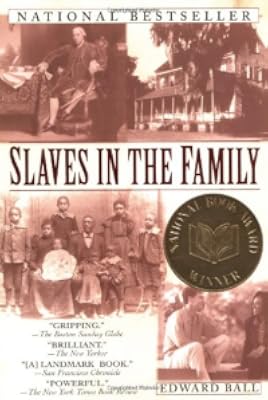
Slaves in the Family
by Edward Ball
On This Page
Description
Journalist Ball confronts the legacy of his family's slave-owning past, uncovering the story of the people, both black and white, who lived and worked on the Balls' South Carolina plantations. It is an unprecedented family record that reveals how the painful legacy of slavery continues to endure in America's collective memory and experience. Ball, a descendant of one of the largest slave-owning families in the South, discovered that his ancestors owned 25 plantations, worked by nearly 4,000 show more slaves. Through meticulous research and by interviewing scattered relatives, Ball contacted some 100,000 African-Americans who are all descendants of Ball slaves. In intimate conversations with them, he garnered information, hard words, and devastating family stories of precisely what it means to be enslaved. He found that the family plantation owners were far from benevolent patriarchs; instead there is a dark history of exploitation, interbreeding, and extreme violence.--From publisher description. show lessTags
Recommendations




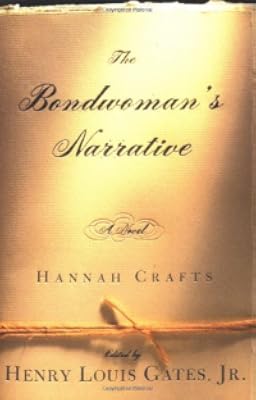

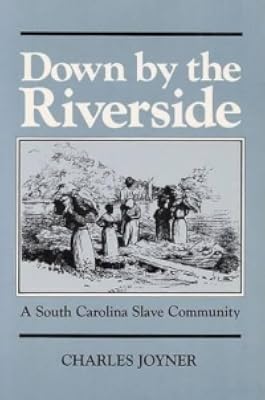
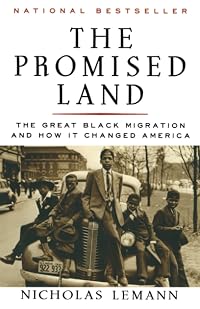
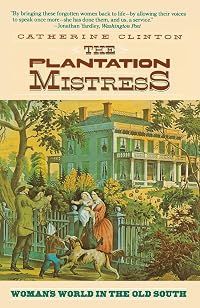
Member Recommendations

Member Reviews
A huge study that tries to map the familial paths taken by the author's ancestors, some of whom were slaves owned by his other ancestors. Ball is descended from an old, formerly very prosperous Charleston family. He uses the extensive archives of the family's lives and business dealings to connect the troubling family histories to today's descendants. He writes that we cannot be responsible for the past, but that we must be accountable. Bell's way of being accountable is to pursue the writing of black people's histories, and by contacting descendants of the Ball slaves to gather their stories and hear their conclusions on slavery's legacy.
The people he interviewed have a range of responses: some angry, some interested, some sorrowful. show more Some thank him for his efforts, regardless of their own emotions about the past. Most seem to be moved by learning more about their own family's histories. This book was unusual to me in that Ball wrote the physical and affective details about the interviews he conducted. Although the author appears to be composed in these interviews most of the time, even in the face of anger, I thought this was an attempt to keep the writing from focusing on himself rather than on the black Americans he speaks with. It served as an attempt to let the interviewees' own questions and statements be, to not dismiss them through his own fear or guilt. This made the book a model piece of research, in my mind. Ball doesn't flinch when he writes of his archival research that documents people as chattel, and he doesn't flinch when he tries to understand how a white American could take accountability for how the past may have benefited him as a descendant of early Americans, and disadvantaged other descendants at the same time. show less
The people he interviewed have a range of responses: some angry, some interested, some sorrowful. show more Some thank him for his efforts, regardless of their own emotions about the past. Most seem to be moved by learning more about their own family's histories. This book was unusual to me in that Ball wrote the physical and affective details about the interviews he conducted. Although the author appears to be composed in these interviews most of the time, even in the face of anger, I thought this was an attempt to keep the writing from focusing on himself rather than on the black Americans he speaks with. It served as an attempt to let the interviewees' own questions and statements be, to not dismiss them through his own fear or guilt. This made the book a model piece of research, in my mind. Ball doesn't flinch when he writes of his archival research that documents people as chattel, and he doesn't flinch when he tries to understand how a white American could take accountability for how the past may have benefited him as a descendant of early Americans, and disadvantaged other descendants at the same time. show less
Ball's engrossing text revealed my incredible ignorance about slavery in America. Since childhood, I've had this mental image of white men walking through African jungles and knocking native Africans on the head and loading them on ships. I was totally unaware that selling slaves was an African business that made its black merchants wealthy. Since publication of Slaves in the Family, television documentaries and other books have brought the truths of slavery in America into homes and schools. Ball traveled to Africa and interviewed the still-wealthy descendants of African slave merchants, spoke to the descendants of slaves in America, and met with his black DNA cousins who descend from Ball's own slave-owner ancestors. This is certainly show more one of the most important books ever published about slavery in America. show less
Several generations of author Edward Ball’s South Carolina forebears were large slave-holding rice planters. Ball grew up hearing stories about the family’s past, and as an adult he became interested in locating descendants of persons who had been enslaved by the Ball family, at least some of whom were likely related to him by blood. Many of the Ball family papers survive and are dispersed among several archival repositories. Ball was able to trace several slave families back to the first African arrival.
Had Ball written this book just a decade or so later, it might have looked quite different. Genealogical DNA testing companies were in their infancy at the time Ball was writing this book. DNA testing might have confirmed Ball’s show more suspicions about the paternity of some of the persons enslaved by Ball family members. Several years later, Ball wrote The Genetic Strand in which he uses DNA to explore family mysteries. I want to read this book to see if it sheds more light on the lives of those who are profiled in Slaves in the Family.
This is an important book for many reasons. The author wrestles with the legacy of slavery for both descendants of enslaved persons and descendants of their enslavers. It’s also a history of rice plantation culture, a history of Charleston, and a history of South Carolina during the Revolutionary and Civil Wars. I found it a little hard to follow as the structure is only somewhat chronological. The chapters alternate between a chronological history and contemporary memoir of Ball’s meetings with descendants of Ball slaves. I noticed quite a bit of repetition in the narrative that ought to have been edited out of such a long book. I read the paperback edition, from which the author’s account of his visit to Africa has been removed. show less
Had Ball written this book just a decade or so later, it might have looked quite different. Genealogical DNA testing companies were in their infancy at the time Ball was writing this book. DNA testing might have confirmed Ball’s show more suspicions about the paternity of some of the persons enslaved by Ball family members. Several years later, Ball wrote The Genetic Strand in which he uses DNA to explore family mysteries. I want to read this book to see if it sheds more light on the lives of those who are profiled in Slaves in the Family.
This is an important book for many reasons. The author wrestles with the legacy of slavery for both descendants of enslaved persons and descendants of their enslavers. It’s also a history of rice plantation culture, a history of Charleston, and a history of South Carolina during the Revolutionary and Civil Wars. I found it a little hard to follow as the structure is only somewhat chronological. The chapters alternate between a chronological history and contemporary memoir of Ball’s meetings with descendants of Ball slaves. I noticed quite a bit of repetition in the narrative that ought to have been edited out of such a long book. I read the paperback edition, from which the author’s account of his visit to Africa has been removed. show less
This is the second time I've read this book and I was as pleased with it this time as the first time. This is the story of the author's research into his family's past as slave owners and slave traders. Through painstaking research and wonderful storytelling Ball tracks down his ancestors, both white and black, and tells the story of slavery in this country from the point of view of one prominent family.
We often think of slavery in terms of the Civil War. It's all Gone With The Wind and Mammy and Bette Davis in Jezebel sitting on the porch in hoop skirts listening to the slaves sing spirituals. These are all part of the story, but only part. The wonderful thing about this book is that this story starts with the arrival of the first Ball show more ancestor in the Americas in Charlestown (later Charleston) in the 1600's and follows the family up into the American Revolution and beyond. One of the Ball daughters was married to Henry Laurens, a delegate to the Second Continental Congress who succeeded John Adams as President of that body. He was also co-owner of a slave trading firm that was responsible for the sale of over 8,000 Africans during his lifetime.
The American Revolution was a boon for many slaves who were able to escape their masters to the British side. A number of people were taken back to Britain where they were given their freedom and some were taken to Nova Scotia to start over - it was people from the Canadian group that founded Sierra Leone and one of them was a former Ball slave.
The book takes us into the present day and brings together many disparate stories as the author struggles to come to terms with his family history and what it means to him. Along the way he meets many relatives he didn't know he had and is able to help some of these people piece together family trees as they trace their genealogy back through the records to their original slave ancestor.
This is not a perfect book and I can understand why some members of the author's family would have preferred he left well enough alone, but I am glad he didn't. It is imperative that we all understand our history, acknowledge where we came from, and find the connections between us. They are closer than we think. show less
We often think of slavery in terms of the Civil War. It's all Gone With The Wind and Mammy and Bette Davis in Jezebel sitting on the porch in hoop skirts listening to the slaves sing spirituals. These are all part of the story, but only part. The wonderful thing about this book is that this story starts with the arrival of the first Ball show more ancestor in the Americas in Charlestown (later Charleston) in the 1600's and follows the family up into the American Revolution and beyond. One of the Ball daughters was married to Henry Laurens, a delegate to the Second Continental Congress who succeeded John Adams as President of that body. He was also co-owner of a slave trading firm that was responsible for the sale of over 8,000 Africans during his lifetime.
The American Revolution was a boon for many slaves who were able to escape their masters to the British side. A number of people were taken back to Britain where they were given their freedom and some were taken to Nova Scotia to start over - it was people from the Canadian group that founded Sierra Leone and one of them was a former Ball slave.
The book takes us into the present day and brings together many disparate stories as the author struggles to come to terms with his family history and what it means to him. Along the way he meets many relatives he didn't know he had and is able to help some of these people piece together family trees as they trace their genealogy back through the records to their original slave ancestor.
This is not a perfect book and I can understand why some members of the author's family would have preferred he left well enough alone, but I am glad he didn't. It is imperative that we all understand our history, acknowledge where we came from, and find the connections between us. They are closer than we think. show less
A fascinating nonfiction book wherein the author (3 or 4 generations descended from a long-term plantation family in North Carolina) begins the task of tracing all the families that lived on the numerous plantations owned by his extended family. He takes us back to the First Elias (dating back to the American Revolution) and traces not only his family but the slaves he bought and what the records show happened to them.
The Ball family kept incredible records and passed them down religiously, so the daily lives of white and black figures is accessible, as well as stories of auctions, births, deaths, and transfers between one plantation and another. The author is able to track several black families to the modern day and meet them for show more exchanges of stories and pictures. Inevitably, he also finds at least one black family line that branches off from his own (master/slave offspring) and meets his cousins. The interviews are remarkable for their honesty and variety of reactions. He meets everything from warm welcome to somewhat cold resentment. The author himself is a warm and caring man who shares willingly whatever he finds, and writes honestly and fairly about everyone he finds or meets. There are many many photographs. Needless to say, I liked this book a lot. Recommended. show less
The Ball family kept incredible records and passed them down religiously, so the daily lives of white and black figures is accessible, as well as stories of auctions, births, deaths, and transfers between one plantation and another. The author is able to track several black families to the modern day and meet them for show more exchanges of stories and pictures. Inevitably, he also finds at least one black family line that branches off from his own (master/slave offspring) and meets his cousins. The interviews are remarkable for their honesty and variety of reactions. He meets everything from warm welcome to somewhat cold resentment. The author himself is a warm and caring man who shares willingly whatever he finds, and writes honestly and fairly about everyone he finds or meets. There are many many photographs. Needless to say, I liked this book a lot. Recommended. show less
This is a very well researched family story that doesn't back down from the dark corners of this family's past. It is a good example how one family's history can be fascinating when it looks squarely at reality. In this case the research uncovers what happened between slaves and slave owners and how those events in the past led to hidden connections in the present.
I liked the scope of this story. I wish that I could find a common theme to unite as much of my family's story as Ball has done. I would like to be able to work as many generations and lines into one book as he has in Slaves in the Family .
I liked the scope of this story. I wish that I could find a common theme to unite as much of my family's story as Ball has done. I would like to be able to work as many generations and lines into one book as he has in Slaves in the Family .
Moving and eye opening. He's very successful at telling the history of these families together rather than the isolated saga that his family history had been. The notion of the patrimony that his family cherishes being bought by ripping other people away from their own history is Tragic. I didn't always like his adjectives but appreciated how he kept control of the emotional tone of the book.
Members
- Recently Added By
Lists

To Read List
21 works; 1 member

Five star books
1,755 works; 108 members

Books Read in 2004
200 works; 7 members

Mustich's 1000 Books to Read Before You Die: A Life Changing List
1,001 works; 19 members
Author Information

6 Works 2,309 Members
Awards and Honors
Common Knowledge
- Canonical title
- Slaves in the Family
- Original title
- Slaves in the Family
- Original publication date
- 1998
- People/Characters
- Elias Ball; Adonis (slave); Tenah (slave); Katie Roper; Elias Ball Jr.; Elias Ball III (show all 42); Elias Octavus Ball; Eliza Catharine Poyas Ball; Elizabeth Harleston Ball; Isaac Ball; Jacqueline Ball; Jane Ball; John Ball; John Ball Jr.; John Coming Ball; Joseph M. Ball; Julia Cart Ball; Keating S. Ball; Martha Caroline Swinton Ball; Mary Gibbs Ball; Nathaniel Ingraham Ball; Pinckney Ball; Wamba Elias Ball; William James Ball; William James Ball Jr.; Katie Heyward; Edwina Harleston Whitlock; Edwin A. Harleston; Elsie Forrest Harleston; Elizabeth Willis Harleston; John Harleston; William Harleston; Boston King; Abraham Lincoln; Beatrice Smalls McGirth; Georgianna Gadsden Richardson; Barbara Jean Richardson; Frederick Poyas; Mary Ann Royal; Fredie Mae Ladson Smalls; Harriet Beecher Stowe; Henry Laurens
- Important places
- Charleston, South Carolina, USA; Stokeinteignhead; Coming's T; Comingtee, Berkeley County, South Carolina; San Francisco, California, USA; New York, USA (show all 33); Harlem, New York, New York, USA; Cordesville; South Carolina, USA; Sullivan's Island, South Carolina, USA; Philadelphia, Pennsylvania, USA; Fort Mose; Sawmill; Bunce Island; Pinopolis; Quenby Plantation; Harvard College; Patridge's Military Academy, Norwich, Vermont, USA; Charleston Work House; Haiti; Orangeburg, South Carolina, USA; Freetown, Sierra Leone; Sierra Leone; Hyde Park Plantation, Berkeley County, South Carolina, USA; Limerick Plantation, Berkeley County, South Carolina, USA; Kensington Plantation, Richland County, South Carolina, USA; Mepkin Plantation, Berkeley County, South Carolina, USA; Middleburg Plantation, Berkeley County, South Carolina, USA; Pimlico Plantation, Berkeley County, South Carolina, USA; Rice Hope Plantation, Georgetown, South Carolina, USA; Silk Hope Plantation, Berkeley County, South Carolina, USA; Berkeley County, South Carolina, USA; USA
- Important events
- American Civil War (1861 ∙ | 1865); American Revolution; Emancipation Proclamation (Jan. 1, 1863); Dred Scott Decision (1857)
- First words
- My father had a little joke that made light of our legacy as a family that had once owned slaves.
- Last words
- (Click to show. Warning: May contain spoilers.)Madam Modu nodded, and made a smile that glowed like a flare.
- Original language*
- Amerikanisch
*Some information comes from Common Knowledge in other languages. Click "Edit" for more information.
Classifications
- Genres
- History, Nonfiction, General Nonfiction, Biography & Memoir
- DDC/MDS
- 975.79150099 — History & geography History of North America Southeastern United States (South Atlantic states) South Carolina
- LCC
- F279 .C453 .A2 — Local History of the United States, Canada and Latin America United States local history South Carolina
- BISAC
Statistics
- Members
- 1,754
- Popularity
- 12,544
- Reviews
- 25
- Rating
- (3.93)
- Languages
- 6 — Dutch, English, Finnish, French, German, Spanish
- Media
- Paper, Audiobook, Ebook
- ISBNs
- 21
- ASINs
- 8