On This Page
Description
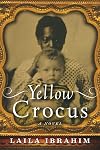
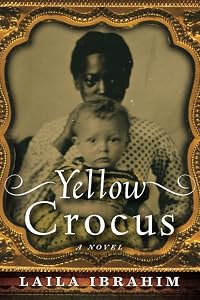
"Moments after Lisbeth is born, she's taken from her mother and handed over to an enslaved wet nurse, Mattie, a young mother separated from her own infant son in order to care for her tiny charge. Thus begins an intense relationship that will shape both of their lives for decades to come. Though Lisbeth leads a life of privilege, she finds nothing but loneliness in the company of her overwhelmed mother and her distant, slave-owning father. As she grows older, Mattie becomes more like family show more to Lisbeth than her own kin, and the girl's visits to the slaves' quarters--and their lively and loving community she finds there --bring the two closer together than ever. But can two women in such disparate circumstances form a bond like theirs without consequence? This deeply moving tale of unlikely love traces the journey of these very different women as each searches for freedom and dignity" -- Page 4 of cover. show lessTags
Recommendations




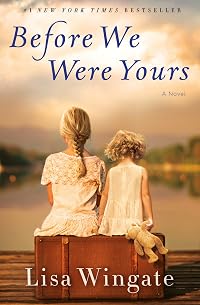
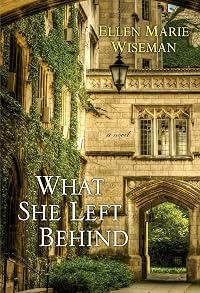
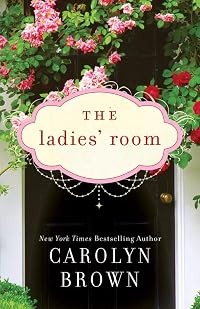
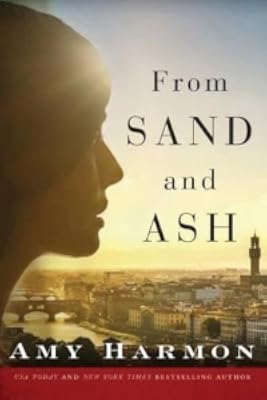

Member Recommendations
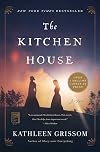
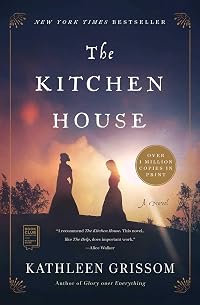
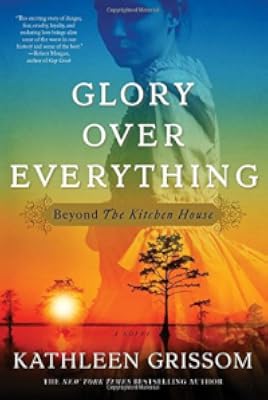
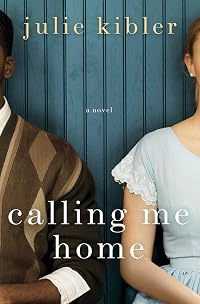
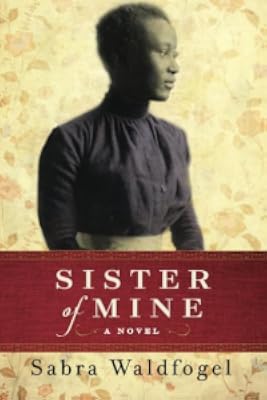
susiesharp this is also a tale of the south and slavery but this one is not as depressing as The Kitchen House but has a similar feel.
20
Member Reviews
At first the main character seemed to be Mattie, an enslaved person on the Fair Oaks plantation. We find out that Mattie's family has been enslaved on the Fair Oaks plantation since 1705 when the law changed regarding West African Indentured Servants. Her ancestor was mere months from completing his term of Indentured Servitude. Mattie has an infant son, Samuel and a husband, Emmanuel who lives on another plantation and visits. Mattie has been chosen to come from the fields to wet nurse the new baby at the Big House. That baby is Elizabeth/Lisbeth.
This novel is well researched but clearly written for the white gaze and to lessen white guilt and culpability, especially that of white women. The enslaved narrative of Mattie isn't that show more brutal (she's owned by 'good white folks' and at first doesn't even want to be free) and as a result isn't a realistic storyline for that time period. Mattie isn't even a fully fleshed out character. She exists purely so Lisbeth can grow as a character. Using an enslaved character to elevate a white slave owner character's narrative is nauseating, insulting and frankly racist. This is a perpetuation of what chattel slavery already was, using black labor to benefit white people.
Eventually Mattie's story is dropped entirely in favor of a white slave owning girl growing up to realize with horror that slavery isn't best for the 'negroes'. A term I don't believe was in popular use in the 1800's by slave owners. They referred to enslaved persons as niggers or nigras. I think the author doesn't wish to use that term, which is why the author should be writing about another time period. Also no whippings/beatings on a plantation of that size in the mid 1840-50's is unrealistic with historical records. This is post Nat Turner's rebellion. White Slave owners kept slaves in line with threats and regular shows of unspeakable violence. That was stepped up post Nat Turner's rebellion.
Threats of violence and use of excessive force is how less than 10 white people were safe admist hundreds of oppressed enslaved person's. They used violence to insight fear and horror. Otherwise slavery, segregation, oppression doesn't work. This entire premise is ridiculous and NOT at all historically accurate.
Again, every attempt is made to make Lisbeth's family cluelessly cruel while still presenting them as basically good, God-fearing folks who don't understand slavery is evil. Power corrupts and the unlimited power that whites were able to exercise during this time period lead to massive abuses. Slavery simply didn't function as portrayed in this idealized version for the purposes of this novel. As the descendant of enslaved West Africans I'm offended at this portrayal.
There's no exploration on the part of Lisbeth's character of the fact that she oppressed her beloved Mattie. That she is in fact a slave owner. Instead this seems to feed into the bad white man narrative with no acknowledgement that white women are every bit as evil and oppressive as white men. They don't get a pass cause they were 'practically' property themselves. Bullshit, white women raped slaves, beat them, tortured children and were slave owners. They are responsible for their actions and complicit in what happened.
My assumption is that the author is white and this book is to lessen white guilt and white culpability for the peculiar institution.
I'm not interested in a lessening of white guilt at the expense of the full picture of slavery being told. Valerie Martin handles this perfectly in 'Property'. If a white author isn't prepared to take it to that level, they should focus on a different period in history.
I give this a reluctant 1.5 stars. Mostly for presenting white abolitionists as the racists they were. Matthew refers to blacks as 'lesser races'. Most abolitionists did not consider blacks equal to whites. Also most abolitionists were equally abolitionists because owning people was bad for white people, especially Christians as concerns over the treatment of black folks. Read some abolitionist writings. Today we would consider them racist. Which means they were racist then as well. It's ironic but unsurprising given the pervasiveness of racism and antiblackness.
The author apparently is a 'multicultural developmental psychologist'. That's what developed her outlook.
Barf.
Downgraded to a single star.
White liberals are amongst the worst at casual racism and this book is chock full of it.
FAIL! show less
This novel is well researched but clearly written for the white gaze and to lessen white guilt and culpability, especially that of white women. The enslaved narrative of Mattie isn't that show more brutal (she's owned by 'good white folks' and at first doesn't even want to be free) and as a result isn't a realistic storyline for that time period. Mattie isn't even a fully fleshed out character. She exists purely so Lisbeth can grow as a character. Using an enslaved character to elevate a white slave owner character's narrative is nauseating, insulting and frankly racist. This is a perpetuation of what chattel slavery already was, using black labor to benefit white people.
Eventually Mattie's story is dropped entirely in favor of a white slave owning girl growing up to realize with horror that slavery isn't best for the 'negroes'. A term I don't believe was in popular use in the 1800's by slave owners. They referred to enslaved persons as niggers or nigras. I think the author doesn't wish to use that term, which is why the author should be writing about another time period. Also no whippings/beatings on a plantation of that size in the mid 1840-50's is unrealistic with historical records. This is post Nat Turner's rebellion. White Slave owners kept slaves in line with threats and regular shows of unspeakable violence. That was stepped up post Nat Turner's rebellion.
Threats of violence and use of excessive force is how less than 10 white people were safe admist hundreds of oppressed enslaved person's. They used violence to insight fear and horror. Otherwise slavery, segregation, oppression doesn't work. This entire premise is ridiculous and NOT at all historically accurate.
Again, every attempt is made to make Lisbeth's family cluelessly cruel while still presenting them as basically good, God-fearing folks who don't understand slavery is evil. Power corrupts and the unlimited power that whites were able to exercise during this time period lead to massive abuses. Slavery simply didn't function as portrayed in this idealized version for the purposes of this novel. As the descendant of enslaved West Africans I'm offended at this portrayal.
There's no exploration on the part of Lisbeth's character of the fact that she oppressed her beloved Mattie. That she is in fact a slave owner. Instead this seems to feed into the bad white man narrative with no acknowledgement that white women are every bit as evil and oppressive as white men. They don't get a pass cause they were 'practically' property themselves. Bullshit, white women raped slaves, beat them, tortured children and were slave owners. They are responsible for their actions and complicit in what happened.
My assumption is that the author is white and this book is to lessen white guilt and white culpability for the peculiar institution.
I'm not interested in a lessening of white guilt at the expense of the full picture of slavery being told. Valerie Martin handles this perfectly in 'Property'. If a white author isn't prepared to take it to that level, they should focus on a different period in history.
I give this a reluctant 1.5 stars. Mostly for presenting white abolitionists as the racists they were. Matthew refers to blacks as 'lesser races'. Most abolitionists did not consider blacks equal to whites. Also most abolitionists were equally abolitionists because owning people was bad for white people, especially Christians as concerns over the treatment of black folks. Read some abolitionist writings. Today we would consider them racist. Which means they were racist then as well. It's ironic but unsurprising given the pervasiveness of racism and antiblackness.
The author apparently is a 'multicultural developmental psychologist'. That's what developed her outlook.
Barf.
Downgraded to a single star.
White liberals are amongst the worst at casual racism and this book is chock full of it.
FAIL! show less
I downloaded this book for my Kindle because it was free. A challenge was issued at the end of April to read a book(s) with a flower(s) in the titles. This was the second challenge book I read this month, and I'm so grateful for the challenge because I'm not sure if/when I'd ever have gotten around to reading this delightful story.
Mattie is a wet nurse who cares for Lisbeth from the time she's born. We see the affection this child has for this slave, preferring her over her own mother more often than not. The two have a very special relationship, and it's that bond that really is the basis for the decisions Lisabeth begins to make in her life once she's old enough to do so.
I could not put this book down. It's not my typical kind of show more read, but it is such a beautiful story. I implore you to read it! show less
Mattie is a wet nurse who cares for Lisbeth from the time she's born. We see the affection this child has for this slave, preferring her over her own mother more often than not. The two have a very special relationship, and it's that bond that really is the basis for the decisions Lisabeth begins to make in her life once she's old enough to do so.
I could not put this book down. It's not my typical kind of show more read, but it is such a beautiful story. I implore you to read it! show less
Please excuse me while I finish ugly crying as I write this review.
Elizabeth Wainwright is born into privilege on a plantation in Virginia in the 1830's. As is customary at the time, a slave wet nurse, Mattie, is brought in to tend to the infant. So begins, the lifelong bond between plantation mistress and slave. The love between the two is strong but when Mattie feels her that her family back in the fields is threatened, she has to make terrifying and life changing decisions. As Elizabeth grows up she questions the plantation life and her place within it. She too must decide how she will continue to live, and what more the world may hold for her.
This novel was absolutely phenomenal (be prepared to see it on my year end list of show more favorite books- I can already tell it will have made the list!) Although a story of two very different women born into very different lives, they each faced a life forced upon them by fortune of circumstance. The blossoming bond these two developed was beautifully written and honest; the love shared pure. Elizabeth's growth throughout the novel from innocent child who viewed her world through rose colored glasses to the eye opening experience that lead her to truly see her life on the plantation for what it was, was both earth shattering and relieving. My heart broke for Mattie and the inner struggles she faced with wanting to keep her children safe and protected. As a mother myself I related to this on a visceral level as I'm sure any mother would. This novel provided such an honest look at such a dark park of our countries history that was neither gratuitous or overdone; it was raw and honest. It gave hope and light and left me eager for more of Mattie and Elizabeth's story (which thankfully there IS a sequel!!)
Do yourself a favor and add this one to your reading list, I promise you will not regret it! show less
Elizabeth Wainwright is born into privilege on a plantation in Virginia in the 1830's. As is customary at the time, a slave wet nurse, Mattie, is brought in to tend to the infant. So begins, the lifelong bond between plantation mistress and slave. The love between the two is strong but when Mattie feels her that her family back in the fields is threatened, she has to make terrifying and life changing decisions. As Elizabeth grows up she questions the plantation life and her place within it. She too must decide how she will continue to live, and what more the world may hold for her.
This novel was absolutely phenomenal (be prepared to see it on my year end list of show more favorite books- I can already tell it will have made the list!) Although a story of two very different women born into very different lives, they each faced a life forced upon them by fortune of circumstance. The blossoming bond these two developed was beautifully written and honest; the love shared pure. Elizabeth's growth throughout the novel from innocent child who viewed her world through rose colored glasses to the eye opening experience that lead her to truly see her life on the plantation for what it was, was both earth shattering and relieving. My heart broke for Mattie and the inner struggles she faced with wanting to keep her children safe and protected. As a mother myself I related to this on a visceral level as I'm sure any mother would. This novel provided such an honest look at such a dark park of our countries history that was neither gratuitous or overdone; it was raw and honest. It gave hope and light and left me eager for more of Mattie and Elizabeth's story (which thankfully there IS a sequel!!)
Do yourself a favor and add this one to your reading list, I promise you will not regret it! show less
Mattie was never truly mine. That knowledge must have filled me as
quickly and surely as the milk from her breasts. Although my family
‘owned' her, although she occupied the center of my universe, her
deepest affections lay elsewhere. So along with the comfort of her
came the fear that I would lose her some day. This is our story...
From the Publisher:
So begins Lisbeth Wainwright's compelling tale of coming-of-age in
antebellum Virginia. Born to white plantation owners but raised by her
enslaved black wet nurse, Mattie, Lisbeth's childhood unfolds on the
line between two very different worlds. Growing up under the watchful
eye of Mattie, the child adopts her surrogate mother's deep-seated faith in God, her love of music and black-eyed peas, show more and the tradition of hunting for yellow crocuses in the early days of spring. Yet
Lisbeth has freedoms and opportunities that Mattie does not have, though the color of the girl's skin cannot protect her from the societal expectations placed on women born to privilege. As Lisbeth grows up, she struggles to reconcile her love for her caregiver with her parent's expectations, a task made all the more difficult as she becomes increasingly aware of the ugly realities of the American slavery system. When the inequality of her two worlds comes to a head during an act of shocking brutality, Lisbeth realizes she must make a choice, one that will require every ounce of the courage she learned from her beloved Mattie. This compelling historical novel is a richly evocative tale of love and redemption set during one of the darkest
chapters of American history.
My thoughts:
I was enthralled with this book...The prose is lyrical, the characters could have been stereotypical, but Ibrahim's deft handling of often painful subjects is skillful enough to avoid that pitfall. The history is solid with an excellent portrayal of the heart-wrenching pain caused by family breakups when slaves were sold. The scenes of the journey along the Underground Railroad are well drawn to remind us of the bravery of all those involved. The story draws us in, keeps us turning pages, until an ending that we could see coming, but nonetheless waited for. There is some adult material of a sexual nature, but today's mid-teens will be able to handle this one and love it. show less
quickly and surely as the milk from her breasts. Although my family
‘owned' her, although she occupied the center of my universe, her
deepest affections lay elsewhere. So along with the comfort of her
came the fear that I would lose her some day. This is our story...
From the Publisher:
So begins Lisbeth Wainwright's compelling tale of coming-of-age in
antebellum Virginia. Born to white plantation owners but raised by her
enslaved black wet nurse, Mattie, Lisbeth's childhood unfolds on the
line between two very different worlds. Growing up under the watchful
eye of Mattie, the child adopts her surrogate mother's deep-seated faith in God, her love of music and black-eyed peas, show more and the tradition of hunting for yellow crocuses in the early days of spring. Yet
Lisbeth has freedoms and opportunities that Mattie does not have, though the color of the girl's skin cannot protect her from the societal expectations placed on women born to privilege. As Lisbeth grows up, she struggles to reconcile her love for her caregiver with her parent's expectations, a task made all the more difficult as she becomes increasingly aware of the ugly realities of the American slavery system. When the inequality of her two worlds comes to a head during an act of shocking brutality, Lisbeth realizes she must make a choice, one that will require every ounce of the courage she learned from her beloved Mattie. This compelling historical novel is a richly evocative tale of love and redemption set during one of the darkest
chapters of American history.
My thoughts:
I was enthralled with this book...The prose is lyrical, the characters could have been stereotypical, but Ibrahim's deft handling of often painful subjects is skillful enough to avoid that pitfall. The history is solid with an excellent portrayal of the heart-wrenching pain caused by family breakups when slaves were sold. The scenes of the journey along the Underground Railroad are well drawn to remind us of the bravery of all those involved. The story draws us in, keeps us turning pages, until an ending that we could see coming, but nonetheless waited for. There is some adult material of a sexual nature, but today's mid-teens will be able to handle this one and love it. show less
Beautiful story about an enslaved woman who becomes a wet nurse to her master's daughter, Elizabeth.Elizabeth loves and depends on Mattie, her kind caring and wisdom. She learns about the evils of slavery watching what happens to Mattie's family over time and especially when Mattie's son, Samuel escapes from his new owners.
When its time for her to marry she considers how her choices can make a difference in her life and in others. She decides to marry for love to a man who is against slavery. She becomes an abolitionist as well.
While a very enjoyable read, I don't understand why more white children once grown didn't insist on protesting against the slavery of the women and men who took care of them.
When its time for her to marry she considers how her choices can make a difference in her life and in others. She decides to marry for love to a man who is against slavery. She becomes an abolitionist as well.
While a very enjoyable read, I don't understand why more white children once grown didn't insist on protesting against the slavery of the women and men who took care of them.
I listened to this on Audible and I loved it! I was so connected to Maddie and Lizabeth. It was such a beautiful portrayal of the depth of relationship that a child could have with their slave nurse and the confusion that might follow. I had goose bumps in the last chapter and epilogue. I have immediately started the sequel, The Mustard Seed. I highly recommend!!
Mattie was only sixteen when she was told to leave her baby with in the slave quarters her sister and come up to the big house. She had been chosen to be wet nurse to her mistress's new daughter, Miss Elizabeth. Initially resentful, Mattie learns to love the little girl, and Lisbeth grows closer to Mattie than to her own mother. The bond they form is one that neither time nor distance can break.
For the most part, this is Mattie's story, but it is equally Lisbeth's. While it does recount the painful history of slavery--the separation of families, harsh punishments and living conditions, the indignity of being treated as less than human--, it also explores the effects of slavery on members of the Southern aristocracy. As she reaches her show more teenage years, Elizabeth is expected to cast aside any affections she had for Mattie, her son, or the other "hands," to accept her God-given superiority, and to set her heart on a wealthy suitor. But it was from Mattie, not her parents, that she had learned to love, and she struggles as she tries to fit into high society and its expectations. Freedom becomes the ultimate goal of both slave and young mistress. show less
For the most part, this is Mattie's story, but it is equally Lisbeth's. While it does recount the painful history of slavery--the separation of families, harsh punishments and living conditions, the indignity of being treated as less than human--, it also explores the effects of slavery on members of the Southern aristocracy. As she reaches her show more teenage years, Elizabeth is expected to cast aside any affections she had for Mattie, her son, or the other "hands," to accept her God-given superiority, and to set her heart on a wealthy suitor. But it was from Mattie, not her parents, that she had learned to love, and she struggles as she tries to fit into high society and its expectations. Freedom becomes the ultimate goal of both slave and young mistress. show less
Members
- Recently Added By
Lists

Southern Fiction
212 works; 52 members

Top Five Books of 2018
802 works; 264 members

Plantations
12 works; 1 member

Five star books
1,757 works; 107 members

Great Audiobooks
96 works; 10 members

Deena's Favorites--How Many have you read?
102 works; 3 members
Racism and Race Relations in Literature
48 works; 9 members

Books I have Recommended
207 works; 1 member

A Rainbow of Books: Colors in the Title
570 works; 24 members

Books Read in 2018
4,360 works; 110 members
Author Information

12 Works 1,681 Members
Some Editions
Awards and Honors
Awards
Series

Common Knowledge
- Canonical title
- Yellow Crocus
- Original title
- Yellow Crocus
- Original publication date
- 2010
- People/Characters
- Elizabeth Wainwright; Ann Wainwright; Mattie; Samuel; Jack Wainwright; Edward Cunningham
- Important places
- Virginia, USA; Charles City County, Virginia, USA
- Important events
- Underground Railroad
Classifications
Statistics
- Members
- 963
- Popularity
- 27,401
- Reviews
- 66
- Rating
- (4.06)
- Languages
- 6 — Dutch, English, French, German, Italian, Spanish
- Media
- Paper, Audiobook, Ebook
- ISBNs
- 16
- ASINs
- 10