
On This Page
Description
Masterfully told and as suspenseful as it is haunting, The Green Mile is Stephen King's classic #1 New York Times bestselling dramatic serial novel and inspiration for the Oscar-nominated film starring Tom Hanks.Welcome to Cold Mountain Penitentiary, home to the Depression-worn men of E Block. Convicted killers all, each awaits his turn to walk "the Green Mile," the lime-colored linoleum corridor leading to a final meeting with Old Sparky, Cold Mountain's electric chair. Prison guard Paul show more Edgecombe has seen his share of oddities over the years working the Mile, but he's never seen anything like John Coffey—a man with the body of a giant and the mind of a child, condemned for a crime terrifying in its violence and shocking in its depravity. And in this place of ultimate retribution, Edgecombe is about to discover the terrible, wondrous truth about John Coffey—a truth that will challenge his most cherished beliefs... show less
Tags
Recommendations
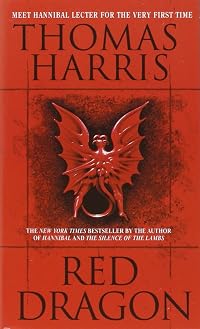
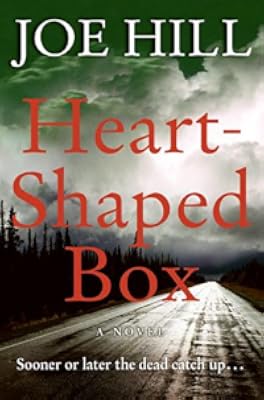
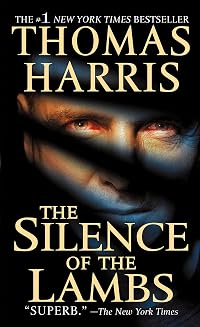
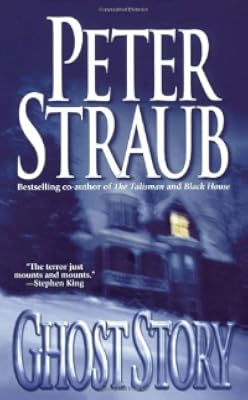

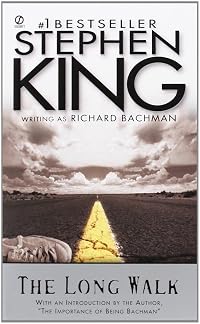
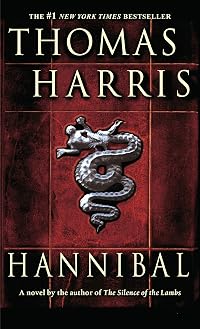
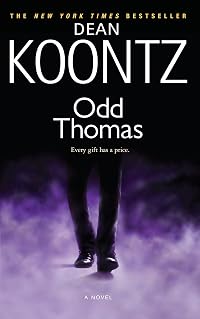
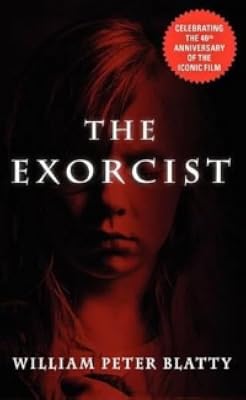
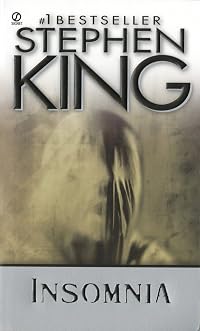
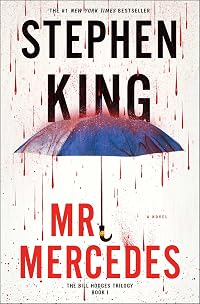


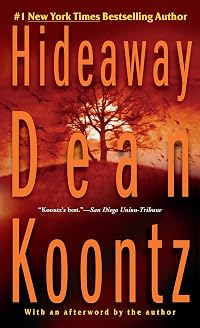
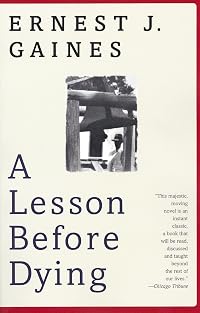

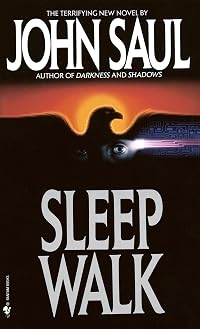
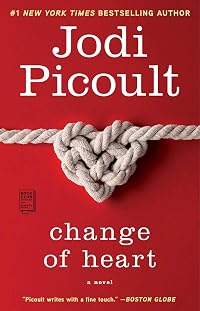
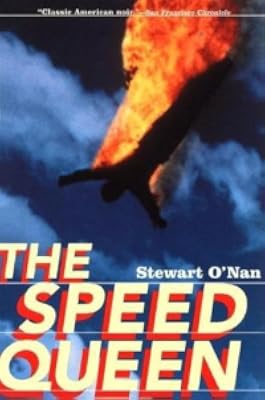
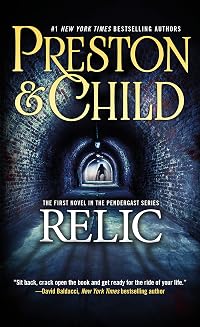
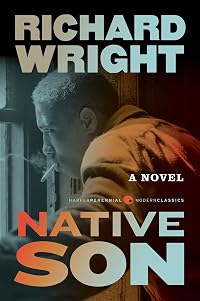
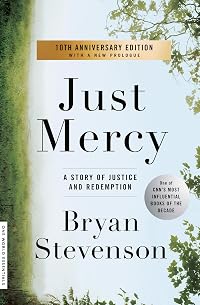
Member Recommendations
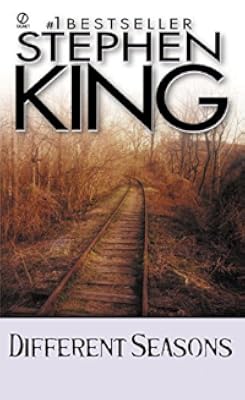
sturlington If you enjoyed The Green Mile, you should read King's novella Rita Hayworth and the Shawshank Redemption, contained in this collection.
30
Member Reviews
There are books that put you into reading slumps and there are those that get you out of them. This is the latter. I couldn’t put it down, I didn’t want it to end and I was thinking about the characters long after I was done with it. There’s not much more you can ask from a book.
Our narrator Paul Edgecombe introduces us to the green mile and its 1932 residents. The “Green Mile” is a death row penitentiary, nicknamed for its long hallway paved with green linoleum. It’s full of the worst dredges of humanity and some of the kindest. Paul runs the mile with his fellow guards, keeping the prisoners in check and running an occasional execution via electric chair whenever someone’s time is up.
The convicts include William show more "Billy the Kid" Wharton, one of the most twisted individuals I’ve encountered in a novel. Then there’s Eduard Delacroix, who has made his mistakes, but now spends his time training his sweet pet mouse, Mr. Jingles, to do tricks. John Coffey is the other notable inmate. He’s a huge black man with a gentle spirit and an odd gift.
In addition to the criminals, there are a handful of guards, only one of which truly instills fear in the reader. Percy Wetmore is the nephew of a high-up politician and has wormed his way into this job. I don’t think I’ve ever despised a character more than I did with Percy. He is a cruel coward. Paul is reflecting on this eventful year decades later and he sees Percy’s malice mirrored in Brad Dolan, an employee of the nursing home where he now lives. It’s such a powerful reminder that those kinds of people are everywhere, in all works of life. They thrive on manipulation and intimidation.
One interesting aspect of this novel is the format in which it was written. King decided to try writing a serialized novel. This is how many books were written during the 19th century (Dickens, Thackeray, etc.) and so King split the book into six sections. Each one was published as a paperback with a different title. He published one each month for six months in 1996. The only drawback to this method is that some elements feel repetitive when read as one consecutive novel. King reiterates some plot points as reminders of what happened in the last installment, but it’s not too distracting when taking in context of the original format.
BOTTOM LINE: If The Stand made me second guess my preconceived notions about King’s talent as a writer, this novel solidified him as a brilliant storyteller in my mind. I was so invested in the story and it broke my heart over and over again. I loved reading this and I highly recommend the audiobook version read by Frank Mueller.
“What I didn’t realize was how many doors the act of writing unlocks, as if my Dad’s old fountain pen wasn’t really a pen at all, but some strange variety of skeleton key.”
“The fact that he had killed half a dozen people seemed at that moment the least important thing about him.”
“A lot of things don’t matter, but it doesn’t keep a man from wondering about them, I’ve noticed.”
“Atonement was powerful; it was the lock on the door you closed against the past.”
"Although I know that no one under the age of, say, fifty would believe this, sometimes the embers are better than the campfire." show less
Our narrator Paul Edgecombe introduces us to the green mile and its 1932 residents. The “Green Mile” is a death row penitentiary, nicknamed for its long hallway paved with green linoleum. It’s full of the worst dredges of humanity and some of the kindest. Paul runs the mile with his fellow guards, keeping the prisoners in check and running an occasional execution via electric chair whenever someone’s time is up.
The convicts include William show more "Billy the Kid" Wharton, one of the most twisted individuals I’ve encountered in a novel. Then there’s Eduard Delacroix, who has made his mistakes, but now spends his time training his sweet pet mouse, Mr. Jingles, to do tricks. John Coffey is the other notable inmate. He’s a huge black man with a gentle spirit and an odd gift.
In addition to the criminals, there are a handful of guards, only one of which truly instills fear in the reader. Percy Wetmore is the nephew of a high-up politician and has wormed his way into this job. I don’t think I’ve ever despised a character more than I did with Percy. He is a cruel coward. Paul is reflecting on this eventful year decades later and he sees Percy’s malice mirrored in Brad Dolan, an employee of the nursing home where he now lives. It’s such a powerful reminder that those kinds of people are everywhere, in all works of life. They thrive on manipulation and intimidation.
One interesting aspect of this novel is the format in which it was written. King decided to try writing a serialized novel. This is how many books were written during the 19th century (Dickens, Thackeray, etc.) and so King split the book into six sections. Each one was published as a paperback with a different title. He published one each month for six months in 1996. The only drawback to this method is that some elements feel repetitive when read as one consecutive novel. King reiterates some plot points as reminders of what happened in the last installment, but it’s not too distracting when taking in context of the original format.
BOTTOM LINE: If The Stand made me second guess my preconceived notions about King’s talent as a writer, this novel solidified him as a brilliant storyteller in my mind. I was so invested in the story and it broke my heart over and over again. I loved reading this and I highly recommend the audiobook version read by Frank Mueller.
“What I didn’t realize was how many doors the act of writing unlocks, as if my Dad’s old fountain pen wasn’t really a pen at all, but some strange variety of skeleton key.”
“The fact that he had killed half a dozen people seemed at that moment the least important thing about him.”
“A lot of things don’t matter, but it doesn’t keep a man from wondering about them, I’ve noticed.”
“Atonement was powerful; it was the lock on the door you closed against the past.”
"Although I know that no one under the age of, say, fifty would believe this, sometimes the embers are better than the campfire." show less
Almost thirty years on, I'm finally reading this as a single novel. The first time, I read it in the monthly installments that came out, and enjoyed the heck out of it.
But this time? This novel has struck me like no other King novel. King has scared me. King has tugged at my heart. King has shown me evil and good, wonder and despair. He's made me laugh and made my cry. He's created characters that I loved and characters that I've despised, and even characters that have been incredibly close to people I know in real life.
He has never written a book that's affected me the way this one does. Even reading it for the second time, knowing some of the twists at the end, King's writing, his story, his storytelling, his characters, his show more situations...they hit me.
When a book hits me like this, I literally feel my mind splitting into two different, but equally active modes:
The first is the Reader, who still continues to move through the story, immersed in the story, and enjoying every word as it carries me on the path that King has woven. This is the part of me that's deeply affected.
The second is the Writer, who steps back a bit and sneaks over to that curtain and lifts it to take an admiring look at the inner workings of the story, the mechanics that King built so carefully and put in place to make this entire machine work so well. This is the part of me that's impressed and also trying to learn from it.
King has always been good at creating his everyman characters. They aren't rich, they aren't overly exciting...they're just you and me, but thrown into extraordinary circumstances. He's also been pretty good at creating those meaner characters, the bullies and the brutes. He's also created a lot of very good exceptional characters, Carrie White, Danny Torrance, Charlie McGee, Johnny Smith, and he's done it again with John Coffey. So, it's not these that make this novel special. They're what make it a King novel.
I think it comes down to two things.
The first is the incredible set pieces that King builds into this novel. Coffey with the two girls in the field. The first death of Mr. Jingles. William Wharton's arrival. The very bad death of Eduard Delacroix. Coffey with Melinda. Coffey with Percy, and Percy with Wild Bill, and two more scenes toward the end of the novel that enter into spoiler territory. I don't know that King's created a novel and packed such powerful scenes into it since maybe THE SHINING or IT. His novels all have one or two, but nine or ten? No. So, that's one. King was on fire with this one.
The other is how much King was able to dig into life and death and the consequences of both. How he was able to talk about the influence and indifference of God. And how he was able to build such nobility and pathos into his flawed characters that it literally hurts to see them in pain.
I don't think King ever wrote another novel like this, one so deeply affecting. But I will say, to anyone who ever doubts the man can write, this will always be the one I'll point to to prove them wrong. show less
But this time? This novel has struck me like no other King novel. King has scared me. King has tugged at my heart. King has shown me evil and good, wonder and despair. He's made me laugh and made my cry. He's created characters that I loved and characters that I've despised, and even characters that have been incredibly close to people I know in real life.
He has never written a book that's affected me the way this one does. Even reading it for the second time, knowing some of the twists at the end, King's writing, his story, his storytelling, his characters, his show more situations...they hit me.
When a book hits me like this, I literally feel my mind splitting into two different, but equally active modes:
The first is the Reader, who still continues to move through the story, immersed in the story, and enjoying every word as it carries me on the path that King has woven. This is the part of me that's deeply affected.
The second is the Writer, who steps back a bit and sneaks over to that curtain and lifts it to take an admiring look at the inner workings of the story, the mechanics that King built so carefully and put in place to make this entire machine work so well. This is the part of me that's impressed and also trying to learn from it.
King has always been good at creating his everyman characters. They aren't rich, they aren't overly exciting...they're just you and me, but thrown into extraordinary circumstances. He's also been pretty good at creating those meaner characters, the bullies and the brutes. He's also created a lot of very good exceptional characters, Carrie White, Danny Torrance, Charlie McGee, Johnny Smith, and he's done it again with John Coffey. So, it's not these that make this novel special. They're what make it a King novel.
I think it comes down to two things.
The first is the incredible set pieces that King builds into this novel. Coffey with the two girls in the field. The first death of Mr. Jingles. William Wharton's arrival. The very bad death of Eduard Delacroix. Coffey with Melinda. Coffey with Percy, and Percy with Wild Bill, and two more scenes toward the end of the novel that enter into spoiler territory. I don't know that King's created a novel and packed such powerful scenes into it since maybe THE SHINING or IT. His novels all have one or two, but nine or ten? No. So, that's one. King was on fire with this one.
The other is how much King was able to dig into life and death and the consequences of both. How he was able to talk about the influence and indifference of God. And how he was able to build such nobility and pathos into his flawed characters that it literally hurts to see them in pain.
I don't think King ever wrote another novel like this, one so deeply affecting. But I will say, to anyone who ever doubts the man can write, this will always be the one I'll point to to prove them wrong. show less
Some books are worth waiting years for to read and I have certainly waited a very long time to read this one.
I have to confess I am not a Stephan King fan as Horror or science fiction just doesnt work for me but having watched the Green Mile Movie some years ago I have always wanted to read the book and when I happened to find a copy among a pile of books lately I just knew there was no time like the present.
My only problem with reading a book after watching such an iconic movie is that I am unable to imagine the characters for myself, but setting that aside.......What a phenomenal read this was Now I am actually jealous of readers who haven't read the book yet because this one is such a beautiful, compelling and brilliant story, I show more was blown away by the read.
The Green Mile is a unique tale of Paul Edgcombe, a prision guard in charge of death town in Cold Mountain Penitentiary. Convicted Killers all await their turn to walk the Green Mile and their date with the Electric Chair. When John Coffey is condemned for a terrifying and horrendous crime, Paul Edgecombe is confronted with the terrible wondrous truth that will change his life forever.
I went though all sorts of emotions when reading this story. The writing is vivid and the story believable and you feel and experience everything this tale has to offer. There were actually times I felt the humid heat so well described in the book. The characters are so realistic and believable, and the plot twists and turns kept me turning the pages. A little sprinkle (just a little) of magical happenings make this novel the perfect story that I will remember a long time from now. John Coffey’s character made me well up on so many occasions and yet there is a lovely sense of hope in the novel that keeps the book from becoming depressing.
I only have a tiny paperback copy of this book which I really have to replace with a hard copy for my real life bookshelf.
If you have this on your TBR Shelf ...........Do yourself a favor this summer and bump it right up to the top of the pile as this is a book you won’t regret reading and only after you have finished then watch the movie. show less
I have to confess I am not a Stephan King fan as Horror or science fiction just doesnt work for me but having watched the Green Mile Movie some years ago I have always wanted to read the book and when I happened to find a copy among a pile of books lately I just knew there was no time like the present.
My only problem with reading a book after watching such an iconic movie is that I am unable to imagine the characters for myself, but setting that aside.......What a phenomenal read this was Now I am actually jealous of readers who haven't read the book yet because this one is such a beautiful, compelling and brilliant story, I show more was blown away by the read.
The Green Mile is a unique tale of Paul Edgcombe, a prision guard in charge of death town in Cold Mountain Penitentiary. Convicted Killers all await their turn to walk the Green Mile and their date with the Electric Chair. When John Coffey is condemned for a terrifying and horrendous crime, Paul Edgecombe is confronted with the terrible wondrous truth that will change his life forever.
I went though all sorts of emotions when reading this story. The writing is vivid and the story believable and you feel and experience everything this tale has to offer. There were actually times I felt the humid heat so well described in the book. The characters are so realistic and believable, and the plot twists and turns kept me turning the pages. A little sprinkle (just a little) of magical happenings make this novel the perfect story that I will remember a long time from now. John Coffey’s character made me well up on so many occasions and yet there is a lovely sense of hope in the novel that keeps the book from becoming depressing.
I only have a tiny paperback copy of this book which I really have to replace with a hard copy for my real life bookshelf.
If you have this on your TBR Shelf ...........Do yourself a favor this summer and bump it right up to the top of the pile as this is a book you won’t regret reading and only after you have finished then watch the movie. show less
Cuando salió este libro, King ya era un autor de renombre. Ya existían los blockbusters de Carrie, Misery y El Resplandor. Pero quizá faltaba una obra sensible, un "tear jerker" que le diera el status de "escritor serio". Bueno, La milla verde seguro que hizo un montón para dárselo.
King escribió (¿por primera vez?) una novela apta para toda la familia, inspirada en el caso de George Stinney, un adolescente negro de 14 años ejecutado en la silla eléctrica de quien más tarde se demostró su inocencia. Les recomiento el documental "Murder on a Sunday Morning", que trata este caso.
Pero es un libro con buenas intenciones, que peca de estar demasiado dirigido a los suyos. Una historia en la que se utiliza un personaje negro para show more tratar la trama de un montón de blancos (y que intenta por todos los medios dar una moraleja sencillísima sobre el racismo). Una historia que es desde el principio un alegato contra la pena de muerte y su arbitrariedad (pero que insiste en diferenciarla de la arbitrariedad divina).
Me llama la atención por momentos la forma en que se comunica en este libro con el público. En primera instancia, tenemos acá una parábola cristiana. El dolor es inevitable, Dios da su bendición a ciertos elegidos y deja morir en formas terribles a personas que "no lo merecen". Es por eso inevitable que recaiga mil veces en simplificaciones y estereotipos.
King hace un montón acá para educar al público promedio desde su lugar de escritor para públicos promedios. "El racismo y la pena de muerte están mal". Lo hace, claro, deshumanizando al propio personaje que busca rescatar. Un "gentle giant" repleto de bondad que es víctima de la violencia humana imperante en el cosmos como si fuera un animalito imposible de maldad (una violencia que en King también suele ser sobrenatural, dicho sea de paso, salvo cuando viene de bullies y nepobabys). Esa violencia la dirige en el plano simbólico contra las minorías raciales y en el plano concreto (sexual sobre todo) hacia las mujeres.
Y no por eso me parece un mal libro. Es, incluso, muy tierno. Con secciones de las que entiendo a la perfección por qué hicieron llorar a tanto lector. Tenía el potencial de transformarse en la adaptación más aclamada de toda su obra, y casi lo logra. Solo quedó por detrás de "The Shankshawn redemption", otra novela de presidiarios con un personaje inocente y conflictos raciales, pero donde el factor sobrenatural no está presente (y según recuerdo tampoco el religioso, a menos que consideres a Rita Hayworth como elemento de devoción). Algo tendrá la sociedad norteamericana para que estos relatos les impacten más que las historias de payasos asesinos. show less
King escribió (¿por primera vez?) una novela apta para toda la familia, inspirada en el caso de George Stinney, un adolescente negro de 14 años ejecutado en la silla eléctrica de quien más tarde se demostró su inocencia. Les recomiento el documental "Murder on a Sunday Morning", que trata este caso.
Pero es un libro con buenas intenciones, que peca de estar demasiado dirigido a los suyos. Una historia en la que se utiliza un personaje negro para show more tratar la trama de un montón de blancos (y que intenta por todos los medios dar una moraleja sencillísima sobre el racismo). Una historia que es desde el principio un alegato contra la pena de muerte y su arbitrariedad (pero que insiste en diferenciarla de la arbitrariedad divina).
Me llama la atención por momentos la forma en que se comunica en este libro con el público. En primera instancia, tenemos acá una parábola cristiana. El dolor es inevitable, Dios da su bendición a ciertos elegidos y deja morir en formas terribles a personas que "no lo merecen". Es por eso inevitable que recaiga mil veces en simplificaciones y estereotipos.
King hace un montón acá para educar al público promedio desde su lugar de escritor para públicos promedios. "El racismo y la pena de muerte están mal". Lo hace, claro, deshumanizando al propio personaje que busca rescatar. Un "gentle giant" repleto de bondad que es víctima de la violencia humana imperante en el cosmos como si fuera un animalito imposible de maldad (una violencia que en King también suele ser sobrenatural, dicho sea de paso, salvo cuando viene de bullies y nepobabys). Esa violencia la dirige en el plano simbólico contra las minorías raciales y en el plano concreto (sexual sobre todo) hacia las mujeres.
Y no por eso me parece un mal libro. Es, incluso, muy tierno. Con secciones de las que entiendo a la perfección por qué hicieron llorar a tanto lector. Tenía el potencial de transformarse en la adaptación más aclamada de toda su obra, y casi lo logra. Solo quedó por detrás de "The Shankshawn redemption", otra novela de presidiarios con un personaje inocente y conflictos raciales, pero donde el factor sobrenatural no está presente (y según recuerdo tampoco el religioso, a menos que consideres a Rita Hayworth como elemento de devoción). Algo tendrá la sociedad norteamericana para que estos relatos les impacten más que las historias de payasos asesinos. show less
So I decided to catch up with my Stephen King reviews this year too. I have re-read "The Green Mile" once a year from the time I was 16 years old up until I was 27 (I went to Iraq) and at that point my paperbacks had fallen apart. I loved these books because I got the original serials. I loved that it got released like that and waited impatiently to go and get the newest book from Waldenbooks (remember them?) I have said before on Boolikes (RIP) that reading Stephen King books was something that my father and I did once he realized I was a mini-Horror fan. I would read first (I was faster) and pass along to my father. But for this one I just remembered, my dad, mom, and I all read these. I don't know what it was but this story grabbed show more us from the first. Reading about the Green Mile and prisoner John Coffey. I think it resonated with us.
I am black, and reading about a black man who was being put to death for a terrible crime, but reading more and more and realizing what had happened and knowing there was nothing you could do to me at the ages of 16-17 was so frightening. I re-read every year and each time kept hoping for a different ending.
I think that King did a great job of showing not only the racism and the brokenness of the criminal justice system way back when this story takes place, but if you read about a lot of crimes today or how most black men and women can't afford cash bail, you can see how little things have changed.
I did a read of this back in December. But at that point my poor brain did not have the energy to type up a review. With everything going on in the US from December to January it's been really hard to read new books lately. So I have definitely slipped back to re-reading favorites to get me back into the practice of reading.
This is a really great book and it is going to make you cry. It makes you sigh and think of the Green Mile that all of us must walk one day. show less
I am black, and reading about a black man who was being put to death for a terrible crime, but reading more and more and realizing what had happened and knowing there was nothing you could do to me at the ages of 16-17 was so frightening. I re-read every year and each time kept hoping for a different ending.
I think that King did a great job of showing not only the racism and the brokenness of the criminal justice system way back when this story takes place, but if you read about a lot of crimes today or how most black men and women can't afford cash bail, you can see how little things have changed.
I did a read of this back in December. But at that point my poor brain did not have the energy to type up a review. With everything going on in the US from December to January it's been really hard to read new books lately. So I have definitely slipped back to re-reading favorites to get me back into the practice of reading.
This is a really great book and it is going to make you cry. It makes you sigh and think of the Green Mile that all of us must walk one day. show less
i know that reading this as one volume does not give the same effect as reading it as a 6 book serial would give, so perhaps it's not entirely fair to judge it in this format. it seems to me he did a pretty good job, though. there was a tiny bit of recapping of information from section to section, but not so much that it was annoying for someone reading it straight through. he wove it in pretty well, so it wasn't just a summary at the beginning, either. just a couple of repeated sentences to get you back in the moment.
the story was a good one. i found myself feeling like it was a bit heavy on the religious undertones, but at the same time it was a nice change for him to not just talk about the nature of evil (although he does still do show more that here) but also about the nature of goodness. i'm not sure that goodness totally comes out ahead in the end, but maybe just its existence is a win, i don't know. i always prefer it when he goes easy on the supernatural stuff, so i wasn't thrilled with that figuring heavily here either, but maybe it fits in well, especially if you look at it as coming not from a supernatural place, but a religious one.
still, my preference is the (very tangible, real) story of these people at this time and in this place, and that part is done really nicely. the rest won me over in the end as well, although i don't think it's one of his very best. i do like that other than his ongoing conversation about evil, this book also addresses the death penalty in a way that is subtle, but very present. show less
the story was a good one. i found myself feeling like it was a bit heavy on the religious undertones, but at the same time it was a nice change for him to not just talk about the nature of evil (although he does still do show more that here) but also about the nature of goodness. i'm not sure that goodness totally comes out ahead in the end, but maybe just its existence is a win, i don't know. i always prefer it when he goes easy on the supernatural stuff, so i wasn't thrilled with that figuring heavily here either, but maybe it fits in well, especially if you look at it as coming not from a supernatural place, but a religious one.
still, my preference is the (very tangible, real) story of these people at this time and in this place, and that part is done really nicely. the rest won me over in the end as well, although i don't think it's one of his very best. i do like that other than his ongoing conversation about evil, this book also addresses the death penalty in a way that is subtle, but very present. show less
Came to this with no preconceptions- never seen movie, didn't think Stephen King was 'my thing'...well, it's absolutely unputdownable, and I'm now looking out for more of his novels.
This is a spooky, supernatural tale, set on 'Death Row' - it works because the narrator (a decent, good-natured chief warder) and the world he describes are utterly plausible. There are the other staff - mostly good but one not- and a few convicts. Despite the enormity of their crimes, we still feel for them as their date of execution rolls round. And then there's the apparently simple-minded John Coffey, accused of a vile crime, and yet so apparently mild annered, and with strange powers...
Written from a pespective of many decades - the narrator is now an show more unwilling resident in an old people's home - I guess it's quite a simple storyline, but King introduces twists and turns that keep you absolutely riveted.
What a writer! show less
This is a spooky, supernatural tale, set on 'Death Row' - it works because the narrator (a decent, good-natured chief warder) and the world he describes are utterly plausible. There are the other staff - mostly good but one not- and a few convicts. Despite the enormity of their crimes, we still feel for them as their date of execution rolls round. And then there's the apparently simple-minded John Coffey, accused of a vile crime, and yet so apparently mild annered, and with strange powers...
Written from a pespective of many decades - the narrator is now an show more unwilling resident in an old people's home - I guess it's quite a simple storyline, but King introduces twists and turns that keep you absolutely riveted.
What a writer! show less
Members
- Recently Added By
Lists

Read the book and saw the movie
1,170 works; 195 members

BBC Big Read
191 works; 46 members

Fiction Set Primarily in a Prison
52 works; 23 members

Southern Fiction
212 works; 52 members

Best Fantasy Novels
821 works; 361 members

Best Horror Books
281 works; 85 members

Recommend the 20 best books you've read in the last five years
2,168 works; 607 members

20th Century Literature
1,161 works; 54 members
Favourite Books
1,820 works; 316 members

Unread books
1,063 works; 87 members
Top 5 Books by Stephen King
27 works; 18 members

Magic Realism
371 works; 52 members

Books Read in 2014
2,344 works; 89 members

Five star books
1,767 works; 110 members

Books tagged favorites
390 works; 30 members

Top Five Books of 2014
1,064 works; 398 members

Paranormal Fiction
50 works; 4 members
Stephen King Bibliography
77 works; 3 members

Summer Reads 2014
207 works; 70 members

Books with Colourful Titles
171 works; 8 members

Read This Twice's Best Horror Books
94 works; 2 members

To Read - Horror
137 works; 14 members

Favourite Books by Male Authors
29 works; 2 members

Bram Stoker Award
238 works; 5 members

Books About Murder
313 works; 7 members

DELETE
48 works; 1 member
American Lit for Eng 11 Research Project
368 works; 6 members

Fiction For Men
142 works; 11 members

Books Read in 2025
4,128 works; 98 members
Widely acclaimed, one book per year
105 works; 3 members
Books in Riverdale
123 works; 3 members

Sinister AudioTales
65 works; 1 member

Eerie eTales
192 works; 3 members
Books tagged unread
41 works; 1 member
Best Book and Movie Combos
70 works; 11 members

1990s
309 works; 17 members

Novels/Poems/Short Stories/Anything Storytelling Related
112 works; 2 members

Books Bought & Received as Gifts in 2014
81 works; 1 member

A Rainbow of Books: Colors in the Title
570 works; 24 members

Stephen King books
81 works; 1 member
Talk Discussions
Past Discussions
January and February 2012's SK Flavor of the Month - The Green Mile in King's Dear Constant Readers (June 2013)
Author Information

966+ Works 867,771 Members
Stephen King was born in Portland, Maine, on September 21, 1947. After graduating with a Bachelor's degree in English from the University of Maine at Orono in 1970, he became a teacher. His spare time was spent writing short stories and novels. King's first novel would never have been published if not for his wife. She removed the first few show more chapters from the garbage after King had thrown them away in frustration. Three months later, he received a $2,500 advance from Doubleday Publishing for the book that went on to sell a modest 13,000 hardcover copies. That book, Carrie, was about a girl with telekinetic powers who is tormented by bullies at school. She uses her power, in turn, to torment and eventually destroy her mean-spirited classmates. When United Artists released the film version in 1976, it was a critical and commercial success. The paperback version of the book, released after the movie, went on to sell more than two-and-a-half million copies. Many of King's other horror novels have been adapted into movies, including The Shining, Firestarter, Pet Semetary, Cujo, Misery, The Stand, and The Tommyknockers. Under the pseudonym Richard Bachman, King has written the books The Running Man, The Regulators, Thinner, The Long Walk, Roadwork, Rage, and It. He is number 2 on the Hollywood Reporter's '25 Most Powerful Authors' 2016 list. King is one of the world's most successful writers, with more than 100 million copies of his works in print. Many of his books have been translated into foreign languages, and he writes new books at a rate of about one per year. In 2003, he received the National Book Foundation Medal for Distinguished Contribution to American Letters. In 2012 his title, The Wind Through the Keyhole made The New York Times Best Seller List. King's title's Mr. Mercedes and Revival made The New York Times Best Seller List in 2014. He won the Edgar Allan Poe Award in 2015 for Best Novel with Mr. Mercedes. King's title Finders Keepers made the New York Times bestseller list in 2015. Sleeping Beauties is his latest 2017 New York Times bestseller. (Bowker Author Biography) Stephen King is the author of more than thirty books, all of them worldwide bestsellers. Among his most recent are "Hearts in Atlantis", "The Girl Who Loved Tom Gordon", "Bag of Bones", & "The Green Mile". "On Writing" is his first book of nonfiction since "Danse Macabre", published in 1981. He served as a judge for Prize Stories: The Best of 1999, The O. Henry Awards. He lives in Bangor, Maine with his wife, novelist Tabitha King. King's book, The Bazaar of Bad Dreams: Stories, made the 2015 New York Times bestseller list. (Publisher Provided) show less
Some Editions
Awards and Honors
Series

Belongs to Publisher Series
Work Relationships
Is contained in
Contains
Has the adaptation
Common Knowledge
- Canonical title*
- La Ligne verte
- Original title
- The Green Mile
- Original publication date
- 1996-03-28 (The Two Dead Girls) (The Two Dead Girls); 1996-04-25 (The Mouse On The Mile) (The Mouse On The Mile); 1996-05-30 (Coffey's Hands) (Coffey's Hands); 1996-06-27 (The Bad Death Of Eduardo Delacroix) (The Bad Death Of Eduardo Delacroix); 1996-07-25 (Night Journey) (Night Journey); 1996-08-29 (Coffey On The Mile) (Coffey On The Mile) (show all 7); 1997-05 (Complete Serial Novel) (Complete Serial Novel)
- People/Characters
- Paul Edgecombe; John Coffey; Eduard Delacroix; William Wharton (Wild Bill); Arlen Bitterbuck (The Chief); Arthur Flanders (The Pres) (show all 21); Mr. Jingles; Percy Wetmore; Brutus Howell (Brutal); Janice Edgecombe; Warden Hal Moores; Melinda Moores; Dean Stanton; Harry Terwilliger; Bill Dodge; Old Toot; Elaine Connelly; Kathe Detterick; Cora Detterick; Klaus Detterick; Burt Hammersmith
- Important places
- Cold Mountain Penitentiary (E Block); Louisiana, USA; Georgia Pines Retirement Home
- Related movies
- The Green Mile (1999 | IMDb)
- First words
- [Introduction] Wednesday night . . . early September . . . the end of a long, late summer day.
[Foreword: A Letter] Life is a capricious business.
This happened in 1932, when the state penitentiary was still at Cold Mountain. - Quotations
- Atonement was powerful; it was the lock on the door you closed against the past.
- Last words
- (Click to show. Warning: May contain spoilers.)[Introduction] This is must my version of the story of how it got there.
(Click to show. Warning: May contain spoilers.)[Foreword: A Letter] In the meantime, take care, and be good to one another.
(Click to show. Warning: May contain spoilers.)We each owe a death, there are no exceptions, I know that, but sometimes, oh God, the Green Mile is so long. - Original language
- English
- Canonical DDC/MDS
- 813.54
- Canonical LCC
- PS3561.I483
- Disambiguation notice
- This isn't actually just one volume, but a collection of six separate parts of the whole...
*Some information comes from Common Knowledge in other languages. Click "Edit" for more information.
Classifications
Statistics
- Members
- 14,329
- Popularity
- 517
- Reviews
- 177
- Rating
- (4.28)
- Languages
- 20 — Arabic, Czech, Danish, Dutch, English, Finnish, French, German, Greek, Hungarian, Italian, Japanese, Norwegian (Bokmål), Polish, Russian, Serbian, Spanish, Swedish, Turkish, Portuguese (Portugal)
- Media
- Paper, Audiobook, Ebook
- ISBNs
- 159
- ASINs
- 62