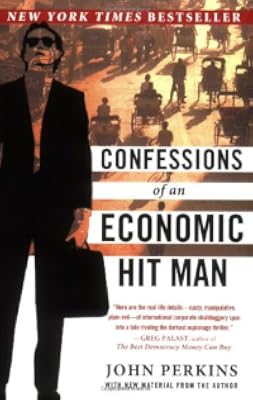
Confessions of an Economic Hit Man
by John Perkins
On This Page
Description
Los Angeles Times Bestseller How do we stop the unrelenting evolution of the economic hit man strategy and China's takeover? The riveting third edition of this New York Times bestseller blows the whistle on China's economic hit man (EHM) strategy, exposes corruption on an international scale, and offers much-needed solutions for curing the degenerative Death Economy. In this shocking expos, former EHM John Perkins gives an insider view into the corrupt system that cheats and strong-arms show more countries around the globe out of trillions of dollars and ultimately causes staggering income inequality and ecological devastation. EHMs are highly paid professionals who use development loans to saddle countries with huge debts and force them to serve US interests. Now, a new EHM wave is infecting the world, and at the peak of the devastation sits China, a newly dominant economic power, with its own insidious version of the US EHM blueprint. Twelve explosive new chapters detail the allure, exploitation, and wreckage of China's EHM strategy in Latin America, Asia, Africa, the Middle East, and Europe. If allowed to continue its rampage, the EHM strategy-whether executed by the United States or China-will destroy life as we know it. However, all is not lost. Perkins offers a plan for transforming this system that places profits above all into a Life Economy that restores the earth. He inspires readers to take actions toward a new era of global cooperation that will end the United States's and China's EHM strategies for good. show lessTags
Recommendations
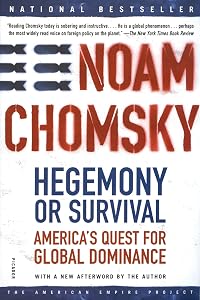
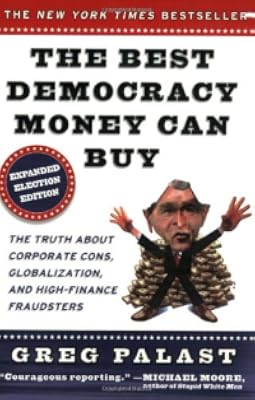
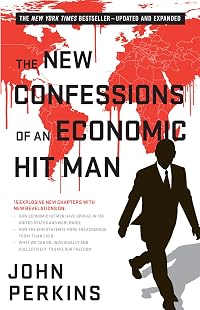
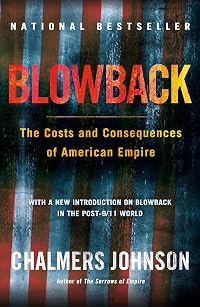
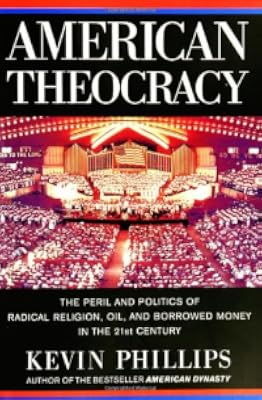
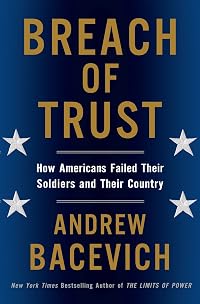
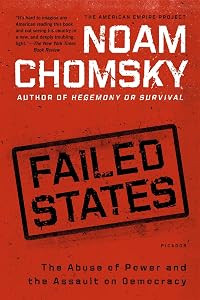
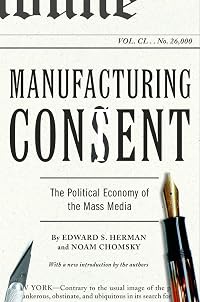

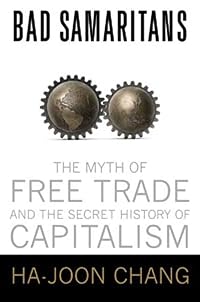

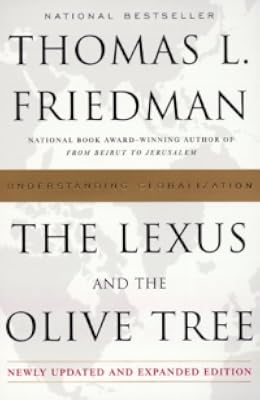
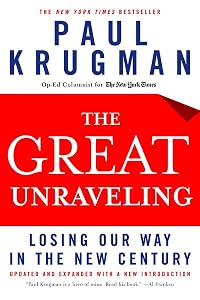
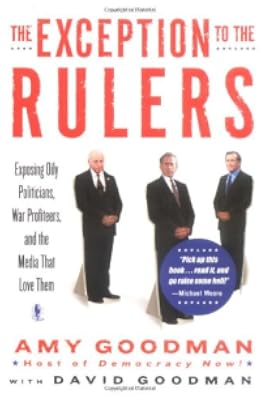

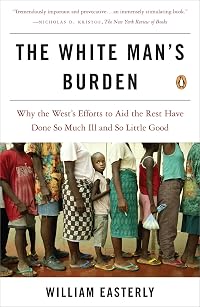
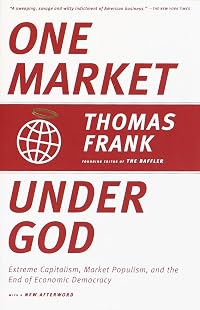
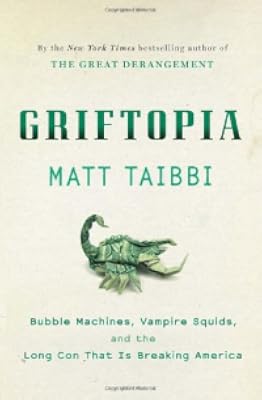
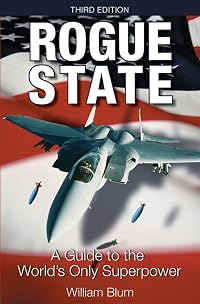
Member Recommendations

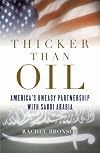
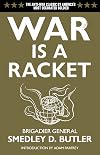
caballer indeed.

Daniel_Prokop Both deal with little boys in adult bodies behaving badly
Member Reviews
I registered a book at BookCrossing.com!
http://www.BookCrossing.com/journal/10527295
It is often the personal stories that tell the bigger truths. As with Barbara Ehrenreich's intensely personal Nickel and Dimed, Perkins' story illuminates a larger picture in a way that more scholarly treatises cannot match.
I value the perspective I get from Noam Chomsky and Chalmers Johnson and many others who have written about our modern empire. None of these works, though, explains it from the ground up. Perkins does that.
In this book, written in spurts since the early 1980s, Perkins really does tell it like it is. This is the book I have been waiting for, the book that fills in the blanks left behind by the writers of global theories, the book that show more tells us how it really happens. It is one thing to read that the United States engineered ousters of democratically-elected leaders who did not do the bidding of our corporations. It is another to read of the actual steps that led to these actions. As one who likes to be able to visualize all the steps, I found great comfort in reading a well-written personal story that allows me to do this.
In this rightly-named confession, Perkins puts on his hair shirt and chastises himself as he explains how he gave in to temptation again and again over several decades, while he worked to build an American corporation's profits at the expense of third-world countries. He does not describe in detail the benefits he accrued from being Satan's handyman. We do not hear stories of his exploits with women, of his flaunting his power, the meat of a LifeTime movie. These fruits of his labor are glossed over in favor of greater descriptions of the occasional pangs of conscience.
Take it as a given, then, that Perkins was right for the job of economic hit man because he was so easily tempted by material wealth, power, and adulation. There was, in his character, though, a little hint of conscience. He was interested in the world's people, happy to learn other languages and ways of living, open to old as well as new ideas. Thus he was able to make a more honest comparison of the world according to global corporations and the world as seen and lived by indigenous people. And he was able to see that his work only benefitted the few.
There was in him, as well, the radical view that a benefit to the few was not much of a benefit. I can see this story translated successfully to the big screen; either as a documentary or as the story of one man. Two very different films; either would be dramatic and informative. There are scenes in this book that could have come from a Graham Greene novel (and let's not forget that Greene tells the truth through fiction): clandestine meetings, sudden flights to escape uprisings, epiphanies on the beach.
By its nature, a memoir of this type cannot fully be documented. To the extent that it could be, it is, with many pages of notes and references. These private memories, though, may never be proven to be either true or false. It is my greatest wish that Perkins is telling the whole truth all the way through. Even the smallest of fibs could tarnish a work of great importance, given our media's inability to see bigger pictures. The real message, though, is clearly written and inescapable: this is not the story of "they", a "they" that can simply be removed from power. It is the story of us. [originally written in November 2004] show less
http://www.BookCrossing.com/journal/10527295
It is often the personal stories that tell the bigger truths. As with Barbara Ehrenreich's intensely personal Nickel and Dimed, Perkins' story illuminates a larger picture in a way that more scholarly treatises cannot match.
I value the perspective I get from Noam Chomsky and Chalmers Johnson and many others who have written about our modern empire. None of these works, though, explains it from the ground up. Perkins does that.
In this book, written in spurts since the early 1980s, Perkins really does tell it like it is. This is the book I have been waiting for, the book that fills in the blanks left behind by the writers of global theories, the book that show more tells us how it really happens. It is one thing to read that the United States engineered ousters of democratically-elected leaders who did not do the bidding of our corporations. It is another to read of the actual steps that led to these actions. As one who likes to be able to visualize all the steps, I found great comfort in reading a well-written personal story that allows me to do this.
In this rightly-named confession, Perkins puts on his hair shirt and chastises himself as he explains how he gave in to temptation again and again over several decades, while he worked to build an American corporation's profits at the expense of third-world countries. He does not describe in detail the benefits he accrued from being Satan's handyman. We do not hear stories of his exploits with women, of his flaunting his power, the meat of a LifeTime movie. These fruits of his labor are glossed over in favor of greater descriptions of the occasional pangs of conscience.
Take it as a given, then, that Perkins was right for the job of economic hit man because he was so easily tempted by material wealth, power, and adulation. There was, in his character, though, a little hint of conscience. He was interested in the world's people, happy to learn other languages and ways of living, open to old as well as new ideas. Thus he was able to make a more honest comparison of the world according to global corporations and the world as seen and lived by indigenous people. And he was able to see that his work only benefitted the few.
There was in him, as well, the radical view that a benefit to the few was not much of a benefit. I can see this story translated successfully to the big screen; either as a documentary or as the story of one man. Two very different films; either would be dramatic and informative. There are scenes in this book that could have come from a Graham Greene novel (and let's not forget that Greene tells the truth through fiction): clandestine meetings, sudden flights to escape uprisings, epiphanies on the beach.
By its nature, a memoir of this type cannot fully be documented. To the extent that it could be, it is, with many pages of notes and references. These private memories, though, may never be proven to be either true or false. It is my greatest wish that Perkins is telling the whole truth all the way through. Even the smallest of fibs could tarnish a work of great importance, given our media's inability to see bigger pictures. The real message, though, is clearly written and inescapable: this is not the story of "they", a "they" that can simply be removed from power. It is the story of us. [originally written in November 2004] show less
This book stands testament to the fact that it doesn't matter one wit what you think, or how you feel. What matters is what you do.
John Perkins simpers his way throughout the third world, undermining democratically elected regimes for various corporations and International Financial Institutions. Each time, he regrets what he is about to do, and then curses himself for doing it. Each time, the easy way out is taken: the route that wins him more money, keeps his job, and is the most exploitative of already impoverished people.
That there are actual economic hit men, and after them jackals, and after them the US government sends in troops to murder and oppress make it sound like it is a conspiracy by a tiny group of controlling show more individuals. Perkins feels like a pawn of these controlling elites, until one day it is found that there isn't anyone on top: he has been following orders, sure, but his work has opened entire new paradigms of exploitation. Sure that someone was pulling the strings behind him, he ended up pulling plenty of strings himself.
And that is where the strong suit of this book comes in. It's pretty repetitive, and sometimes the insights are pretty mundane (the American Revolution was an anti-colonial fight, and so was the Vietnam War). But it provides concrete evidence of the banality of evil, and the insatiable greed of the system of global capital. He stresses constantly that it's not a cabal of bankers somewhere controlling everything, but the economic system that pervades every level of our society that is to blame for the massive oppression dealt in the world from this nation.
Read next to The Shock Doctrine for best results. show less
John Perkins simpers his way throughout the third world, undermining democratically elected regimes for various corporations and International Financial Institutions. Each time, he regrets what he is about to do, and then curses himself for doing it. Each time, the easy way out is taken: the route that wins him more money, keeps his job, and is the most exploitative of already impoverished people.
That there are actual economic hit men, and after them jackals, and after them the US government sends in troops to murder and oppress make it sound like it is a conspiracy by a tiny group of controlling show more individuals. Perkins feels like a pawn of these controlling elites, until one day it is found that there isn't anyone on top: he has been following orders, sure, but his work has opened entire new paradigms of exploitation. Sure that someone was pulling the strings behind him, he ended up pulling plenty of strings himself.
And that is where the strong suit of this book comes in. It's pretty repetitive, and sometimes the insights are pretty mundane (the American Revolution was an anti-colonial fight, and so was the Vietnam War). But it provides concrete evidence of the banality of evil, and the insatiable greed of the system of global capital. He stresses constantly that it's not a cabal of bankers somewhere controlling everything, but the economic system that pervades every level of our society that is to blame for the massive oppression dealt in the world from this nation.
Read next to The Shock Doctrine for best results. show less
This is like gangsta rap -- full of ridiculous fantastical bragging. Secondly it is full of self-serving grief about things bragged about that are hard to believe. "Then the jackals come." Come on. Is there something wrong with writing the truth? It might be more effective. A discredit to the cause.
If you find this reinforces your existing views, because it seems to agree with them: Stop looking for ways to feed your confirmation bias, and be a little more intellectually honest.
If you find this reinforces your existing views, because it fails to impress you and you disagree with his view of the world: You're still wrong, find a better book about the same subject and you might learn something.
If you find this reinforces your existing views, because it seems to agree with them: Stop looking for ways to feed your confirmation bias, and be a little more intellectually honest.
If you find this reinforces your existing views, because it fails to impress you and you disagree with his view of the world: You're still wrong, find a better book about the same subject and you might learn something.
An autobiography of an ignorant American acting as an LDC development economist and planner in the Seventies. Part John Grisham's devil's apprentice, part tourist memoir, the book tells the story of a poor upstart being instrumentalized by a consulting firm to further the interest of US companies in LDC's. These were the anything goes days of development economics. Under the idea that the only growth ingredient missing was capital (dams, highways, etc.), the Western firms supplied the big toys and left the poor countries with the bill when their theory failed.
Despite his travels to Ecuador,Panama, Columbia, Indonesia, Saudi Arabia, Iran and the Boston Public Library, his knowledge about the world remains extremely limited. I was show more continuously amazed what trivial things amazed him. Facts and theories being beyond his grasp, he reverts to wild conspiracy theories and simple but wrong ideas. The old canard that terrorism was caused by exploitation is unearthed again. If this were even remotely true, the US would be reeling from South American attacks. A quick look at terrorist biographies from Che to Osama reveals their privileged backgrounds.
Apart from a portrait of an incredibly vain and ignorant man, there is nothing shocking or revealing in this book. show less
Despite his travels to Ecuador,Panama, Columbia, Indonesia, Saudi Arabia, Iran and the Boston Public Library, his knowledge about the world remains extremely limited. I was show more continuously amazed what trivial things amazed him. Facts and theories being beyond his grasp, he reverts to wild conspiracy theories and simple but wrong ideas. The old canard that terrorism was caused by exploitation is unearthed again. If this were even remotely true, the US would be reeling from South American attacks. A quick look at terrorist biographies from Che to Osama reveals their privileged backgrounds.
Apart from a portrait of an incredibly vain and ignorant man, there is nothing shocking or revealing in this book. show less
I'm trying to figure out what the appropriate subtitle for this book should be and I can't decide among the following:
* Travels Through Guilt with the World's 33rd Richest Hippie
* The Mind of an Empty Suit
* A Self-Important Revisionist History
* How I Learned to Hate Myself and Love the Third World
* Memoirs of a Cold War Paperpusher
Confessions of an Economic Hitman by John Perkins is an exclamation point riddled history of a few financial manipulations of the Cold War by a man who had no stake in his own ambition.
The first thing you notice about this account is that it is written by a man who thinks he was sitting on top of the world, when in fact he was just a cog in the energy industry. If you are credulous enough to believe that show more the debts and revenues associated with the energy business is indeed the core principle of the global economy, then the moral outrage of this book makes sense. But there's a whole lot to swallow.
On the plus side, it's a fast and somewhat entertaining read. Otherwise it is a exercise in the slow revelations of a kind of self-loathing that takes about 20 years to surface.
One of the things that I've had in mind as I was reading this screed was the sense of geography as destiny. As I look at the 20th Century, I think of most of it focused on the economics of . Perkins was one of the people who made the truth a narrative of economic exploitation. He falls in love with Socialist charismatics in Latin America, rues the lives of poor peasants, and bemoans the basic nature of corporate capitalism without ever acknowledging or even understanding the basic nature of socialism.
Perkins is a perfect example of a cultural relativist. a perceptive reader can see how much he hates his hometown and parents and idolizes romantic ideals associated with revolutionary rhetoric. But you can't imagine that he even had the temerity to read Marx, Weber, Engles, Friere or anyone. Back when I was a bit more blackified, I referred to such people as culture vultures. If it's indigenous, it's good. But you'll never see him once talk about infant mortality statistics, literacy rates, crime rates or even inflation.
I discovered a bit too late that this book would teach me nothing about the business of foreign direct investment or the workings of the World Bank except that he saw it as evil. Technically, you'll get a great deal more insight reading Wikipedia. Basically, Perkins assumes that his game was the only game on the planet, his company was smack dab in the middle of it and that it was all being subtley directed by the CIA and NSA and that this is, was and always will be the American way. You really get a foggy view of the Evil Empire of America from Perkins, who resembles nobody quite so much as a cynical wanker who is too soulless to quit the game. It's a confession all right.
By the time I got 2/3rds of the way through, reading the book began to become annoying. The incredible vacuity of this man was staggering. There are no personal relationships in the book worth speaking of. He found loyalty only to his bosses worth mentioning. It is a stunning revelation about his character that he never once had a kind word to say or any personal quality worth mentioning about his staff that stands out in memory. We learn that he took one of his charges (female) on a yacht cruise to some isle in the Caribbean, but that when he got there, he was so sickened by his guilty conscience that he banged his head against the coconut trees.
If you want to understand something about the life of an economist and high finance, the best book I've read is My Life as a Quant. If you want to understand something about the life of a reluctant spy, the best book to read is Larry Kolb's Overworld. If you want to get well-written account of a man who was too spoiled to find himself while being a toady in the economic hardball of the Cold War era, then this is your book. But it's nowhere near as good as, say The Quiet American.
You can imagine that Perkins, who is a great admirer of Graham Greene, might have had aspirations to be such a character as Greene might pen. He is earnest to tell such a story that would portray himself thus, but he is to honest to consider himself heroic, and I suspect that he'll be working off his guilt for the rest of his life. In that regard, 'Confessions of an Economic Hitman' is (now prefaced and extended in the paperback edition) a blueprint for American liberal guilt. If there was ever someone who truly believed that global warming and a host of other blowbacks are destined to doom America to a well-deserved kharmic smackdown, it is John Perkins. He has always been a citizen of the world pretending to be a patriotic American, down to the repetitions of his undying faith in the words of Thomas Paine. You'd think, being a pseudo-economist, that he'd have some room in his heart for Alexander Hamilton. Ahh but that would mean that he'd have to admire courage.
I didn't want to be a harsh judge of Perkins. I thought I might learn of an extraordinary life, one of conviction and then epiphany. Instead I learned of a small yapping dog who was always on a leash he lacked the spirit to gnaw through. Someone who would tell us in the end that we should use less oil and that 'corporatocray' is evil. This book has been a disappointment in many ways. I may well be very happy to read Thomas Friedman after this.
Good parts?
Yeah there are a few. He speaks about a few South American presidents who might have been contenders. He gives a few details about Saudi Aramco. But compared to Larry Kolb's fascinating and detailed portraits of Daniel Ortega and Adnan Khashoggi, this is Romper Room. If Perkins thought he was an agent... don't make me laugh. show less
* Travels Through Guilt with the World's 33rd Richest Hippie
* The Mind of an Empty Suit
* A Self-Important Revisionist History
* How I Learned to Hate Myself and Love the Third World
* Memoirs of a Cold War Paperpusher
Confessions of an Economic Hitman by John Perkins is an exclamation point riddled history of a few financial manipulations of the Cold War by a man who had no stake in his own ambition.
The first thing you notice about this account is that it is written by a man who thinks he was sitting on top of the world, when in fact he was just a cog in the energy industry. If you are credulous enough to believe that show more the debts and revenues associated with the energy business is indeed the core principle of the global economy, then the moral outrage of this book makes sense. But there's a whole lot to swallow.
On the plus side, it's a fast and somewhat entertaining read. Otherwise it is a exercise in the slow revelations of a kind of self-loathing that takes about 20 years to surface.
One of the things that I've had in mind as I was reading this screed was the sense of geography as destiny. As I look at the 20th Century, I think of most of it focused on the economics of . Perkins was one of the people who made the truth a narrative of economic exploitation. He falls in love with Socialist charismatics in Latin America, rues the lives of poor peasants, and bemoans the basic nature of corporate capitalism without ever acknowledging or even understanding the basic nature of socialism.
Perkins is a perfect example of a cultural relativist. a perceptive reader can see how much he hates his hometown and parents and idolizes romantic ideals associated with revolutionary rhetoric. But you can't imagine that he even had the temerity to read Marx, Weber, Engles, Friere or anyone. Back when I was a bit more blackified, I referred to such people as culture vultures. If it's indigenous, it's good. But you'll never see him once talk about infant mortality statistics, literacy rates, crime rates or even inflation.
I discovered a bit too late that this book would teach me nothing about the business of foreign direct investment or the workings of the World Bank except that he saw it as evil. Technically, you'll get a great deal more insight reading Wikipedia. Basically, Perkins assumes that his game was the only game on the planet, his company was smack dab in the middle of it and that it was all being subtley directed by the CIA and NSA and that this is, was and always will be the American way. You really get a foggy view of the Evil Empire of America from Perkins, who resembles nobody quite so much as a cynical wanker who is too soulless to quit the game. It's a confession all right.
By the time I got 2/3rds of the way through, reading the book began to become annoying. The incredible vacuity of this man was staggering. There are no personal relationships in the book worth speaking of. He found loyalty only to his bosses worth mentioning. It is a stunning revelation about his character that he never once had a kind word to say or any personal quality worth mentioning about his staff that stands out in memory. We learn that he took one of his charges (female) on a yacht cruise to some isle in the Caribbean, but that when he got there, he was so sickened by his guilty conscience that he banged his head against the coconut trees.
If you want to understand something about the life of an economist and high finance, the best book I've read is My Life as a Quant. If you want to understand something about the life of a reluctant spy, the best book to read is Larry Kolb's Overworld. If you want to get well-written account of a man who was too spoiled to find himself while being a toady in the economic hardball of the Cold War era, then this is your book. But it's nowhere near as good as, say The Quiet American.
You can imagine that Perkins, who is a great admirer of Graham Greene, might have had aspirations to be such a character as Greene might pen. He is earnest to tell such a story that would portray himself thus, but he is to honest to consider himself heroic, and I suspect that he'll be working off his guilt for the rest of his life. In that regard, 'Confessions of an Economic Hitman' is (now prefaced and extended in the paperback edition) a blueprint for American liberal guilt. If there was ever someone who truly believed that global warming and a host of other blowbacks are destined to doom America to a well-deserved kharmic smackdown, it is John Perkins. He has always been a citizen of the world pretending to be a patriotic American, down to the repetitions of his undying faith in the words of Thomas Paine. You'd think, being a pseudo-economist, that he'd have some room in his heart for Alexander Hamilton. Ahh but that would mean that he'd have to admire courage.
I didn't want to be a harsh judge of Perkins. I thought I might learn of an extraordinary life, one of conviction and then epiphany. Instead I learned of a small yapping dog who was always on a leash he lacked the spirit to gnaw through. Someone who would tell us in the end that we should use less oil and that 'corporatocray' is evil. This book has been a disappointment in many ways. I may well be very happy to read Thomas Friedman after this.
Good parts?
Yeah there are a few. He speaks about a few South American presidents who might have been contenders. He gives a few details about Saudi Aramco. But compared to Larry Kolb's fascinating and detailed portraits of Daniel Ortega and Adnan Khashoggi, this is Romper Room. If Perkins thought he was an agent... don't make me laugh. show less
Turns out this appears to have sold a lot of copies, but I'm not really convinced by the book's central premise of an organized plot by the US to achieve world domination by the agency of these 'Economic Hit Men', of whom John Perkins claims to have been one. It's undeniable that third world countries were lent a lot of money they were never going to have the means to pay back, and a fair chunk of that money was spent on capital goods provided by US companies. You could also safely assume that the international agencies and bureaucracies wrote some reports which helped push this sometimes questionable investment process along. And there's no doubt that US foreign policy has supported some shocking governments But I don't buy the shadowy show more cabals. This is just how companies work at the murky interface between private enterprise and government policy abroad. Too much tinfoil hat in this book I'm afraid. show less
Confessions of an EHM starts strong in 1963 and held my interest for a while, mostly because I felt exposed to new facts and ideas. By the middle of the book, however, Perkins is no longer an EHM and is simply struggling with the weight of his conscience. I'm glad he wrote the tell-all... I just wish it hadn't been a best seller and made him even more rich. In the "What You Can Do" chapter, he even suggests forming a study group for his book. I have a better idea. How about for every book sold Perkins donates $10 of his personal fortune to a starving family in a country he helped enslave.
Members
- Recently Added By
Published Reviews
ThingScore 100
Perkins' tale is a gripping one and the international and political intrigue involved gives the non-fiction book the feel of a suspense thriller. The narrative is very well written and fast-paced. I do highly recommend Confessions Of An Economic Hit Man. Whether you like Mr. Perkins or not, he has some very valuable information and insights to share. One cannot help but benefit.
added by mikeg2
Lists

Best Autobiographies and Memoirs
370 works; 66 members

La formazione morale nel fanciullo
9 works; 1 member

The Joe Rogan Experience Library
254 works; 3 members

Shaykh Hamza's Book Recommendations
439 works; 3 members

Hakim's Marxist Book List
46 works; 3 members

The Venus Project Recommended Books - Contemporary sources
53 works; 2 members
Author Information

13+ Works 5,212 Members
John Perkins was born on January 28, 1945 in Hanover, New Hampshire. He attended Brown University, and Boston University School of Management during the 1960s. His best-known book is Confessions of an Economic Hit Man (2004), an insider's account of the exploitation or neo-colonization of Third World countries by what Perkins describes as a cabal show more of corporations, banks, and the United States government. His 2007 book, The Secret History of the American Empire, provides more evidence of the negative impact of global corporations on the economies and ecologies of poor countries, as well as offering suggestions for making corporations behave more like good citizens. Since the late 1980's he has been heavily involved with non-profit organizations in Ecuador and around the world. (Bowker Author Biography) show less
Awards and Honors
Awards
Distinctions
Work Relationships
Common Knowledge
- Canonical title
- Confessions of an Economic Hit Man
- Original title
- Confessions of an Economic Hit Man
- Original publication date
- 2004
- People/Characters*
- Saddam Hussein; Hugo Chávez; Omar Torrijos; Jaime Roldós Aguilera
- Dedication
- To my mother and father, Ruth Moody and Jason Perkins, who taught me about love and living and instilled in me the courage that enabled me to write this book.
- First words
- Economic hit me (EHMs) are highly paid professionals who cheat countries around the globe out of trillions of dollars.
- Last words
- (Click to show. Warning: May contain spoilers.)The coincidences of your life, and the choices you have made in response to them, have brought you to this point . . .
- Blurbers
- Mailman, Josh; Brownstein, Michael; Rechtschaffen, Stephen; Mack, John E.; Korten, David; Twist, Lynne (show all 7); Shaw, R. Paul
- Original language*
- English
*Some information comes from Common Knowledge in other languages. Click "Edit" for more information.
Classifications
Statistics
- Members
- 3,766
- Popularity
- 4,235
- Reviews
- 83
- Rating
- (3.55)
- Languages
- 17 — Arabic, Chinese, Czech, Dutch, English, French, German, Greek, Indonesian, Italian, Polish, Portuguese, Romanian, Russian, Slovenian, Spanish, Turkish
- Media
- Paper, Audiobook, Ebook
- ISBNs
- 56
- UPCs
- 1
- ASINs
- 21