Curious Myths of the Middle-Ages
by Sabine Baring-Gould
Curious Myths of the Middle Ages (Collections and Selections — Omnibus 1-2)
On This Page
Description
Step back into the romance and primal conflict of the medieval period with this collection of fairy tales and folklore from the era. Equal parts charmingly quaint and bracingly brutal, this carefully curated volume is sure to engage and enthrall readers who are curious about the myth and folklore of the Middle Ages..
Tags
Recommendations





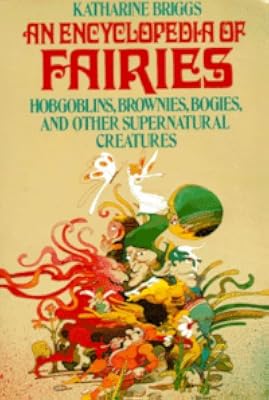


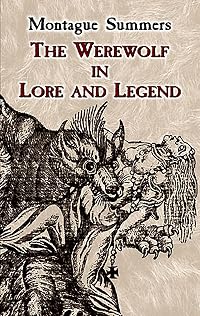


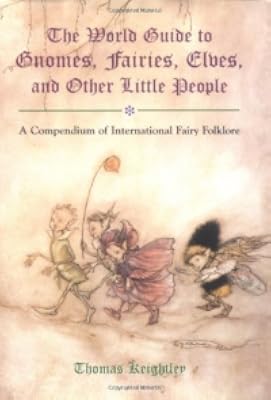

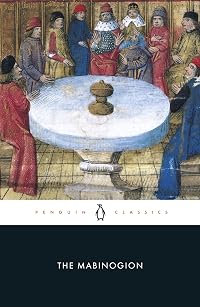




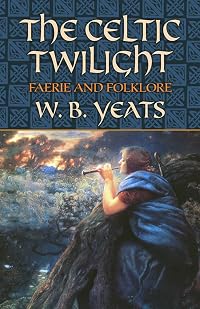


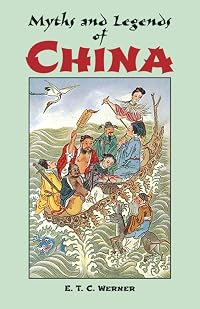


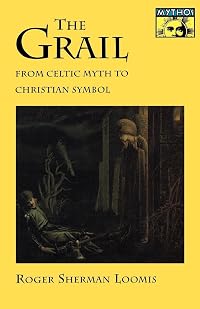

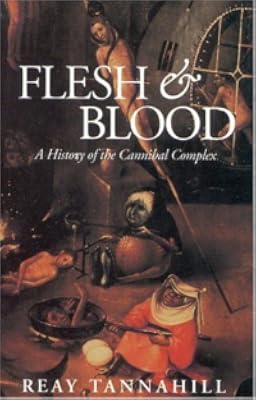
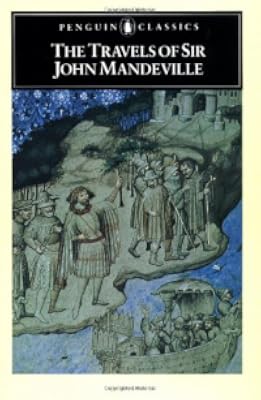
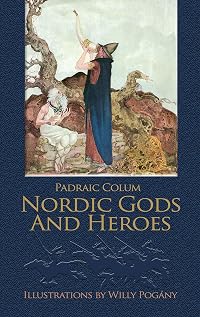
Member Recommendations
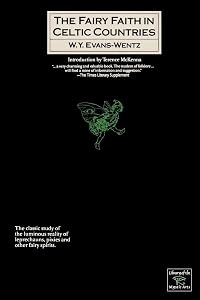
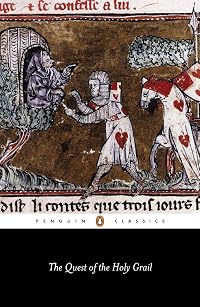
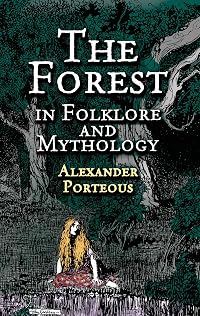
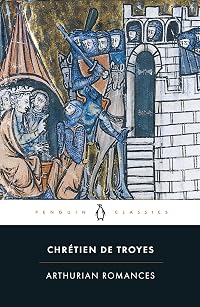
MiaCulpa Both books examine Fortean events and stories.
02

Member Reviews
Baring-Gould covers an interesting array of topics, from well-known subjects like the Pied Piper of Hamelin and William Tell, to obscure subjects like the Seven Sleepers of Ephesus and Bishop Hatto.
For this, he deserves thanks and many stars in his rating. However I had to delete a star or two due to his annoying habit of presuming readers are fluent in Latin and French. Granted, when Baring-Gould wrote this, most of his intended readers probably could speak fluent Latin and French but it is perhaps too much to ask readers of the 2005 reprint to understand, for example, Appendix D (on "Shipping the Dead"), which almost entirely consists of a dense Latin tract containing references to "carne familiariter agnitus" (which I translated as show more "meat is familiar to Aunt Agnes") and "eosdem circinabat fluminis fluctus" (which I'd like to think refers to "someone's fart circulating around the room").
Also, the stories did get repetitive after a while as Baring-Gould painstakingly repeats the story numerous times as he shows that many different areas of Europe have similar stories.
And I think I got my Olafs mixed up at one point. show less
For this, he deserves thanks and many stars in his rating. However I had to delete a star or two due to his annoying habit of presuming readers are fluent in Latin and French. Granted, when Baring-Gould wrote this, most of his intended readers probably could speak fluent Latin and French but it is perhaps too much to ask readers of the 2005 reprint to understand, for example, Appendix D (on "Shipping the Dead"), which almost entirely consists of a dense Latin tract containing references to "carne familiariter agnitus" (which I translated as show more "meat is familiar to Aunt Agnes") and "eosdem circinabat fluminis fluctus" (which I'd like to think refers to "someone's fart circulating around the room").
Also, the stories did get repetitive after a while as Baring-Gould painstakingly repeats the story numerous times as he shows that many different areas of Europe have similar stories.
And I think I got my Olafs mixed up at one point. show less
This is a version abridged by Edward Hardy: I am unaware of the extent of the abridgement.
I expected on picking this up to be the stories I think of as myths of the period: Arthur and Roland and Ossian and Carolus Magnus - but instead it covers the tales that I think of as more the urban legends of the time: the Seven Sleepers of Ephesus and Pope Joan and the Wandering Jew and their kin. I prefer those lesser stories anyway.
Baring-Gould covers these stories, from the classics to lesser-known arcana like the Schamir of Solomon and St. Patrick's Purgatory, in his readable, comprehensive Victorian style, treasuring both wonder and scholarship for their own sakes. The individual sections are short enough to be quickly read and each is show more illustrated with a fabulous medieval woodcut. Definitely recommended. show less
I expected on picking this up to be the stories I think of as myths of the period: Arthur and Roland and Ossian and Carolus Magnus - but instead it covers the tales that I think of as more the urban legends of the time: the Seven Sleepers of Ephesus and Pope Joan and the Wandering Jew and their kin. I prefer those lesser stories anyway.
Baring-Gould covers these stories, from the classics to lesser-known arcana like the Schamir of Solomon and St. Patrick's Purgatory, in his readable, comprehensive Victorian style, treasuring both wonder and scholarship for their own sakes. The individual sections are short enough to be quickly read and each is show more illustrated with a fabulous medieval woodcut. Definitely recommended. show less
An anthology unlike any other. An investigative approach to European fables of the middle ages, and tracing their origins across time and space, even to places as far away as Persia and India. A must read for anyone interested in a retelling of old myths and legends from an anthropological perspective, it nevertheless makes for a very interesting read even if you're only looking for something to while away some time.
A good collection and discussion of mediaeval myths, if perhaps not up to date with current interpretations
A fresh and interesting book of myths despite its age. Thanks to Laurie King's "The Moor" for making me aware of the author.
Ratings
Members
- Recently Added By
Lists

al.vick-parents books
301 works; 1 member

Book Titles Mentioned In Newberry Medal And Honor Books
884 works; 3 members

Books cited in The Artificial Kingdom: A Treasury of the Kitsch Experience
114 works; 1 member
Author Information

197+ Works 1,864 Members
Some Editions
Series

Belongs to Publisher Series
Work Relationships
Common Knowledge
- Canonical title
- Curious Myths of the Middle-Ages
- Original title
- Curious Myths of the Middle Ages
- Original publication date
- 1866-1868; 1894 ("New Edition") ("New Edition")
- People/Characters
- Joan, Pope (legendary); Prester John; William Tell; Man in the Moon; Antichrist; Saint George (show all 13); Saint Ursula; Pied Piper of Hamelin; Bishop Hatto; Melusine; the Knight of the Swan; Theophilus; Wandering Jew
- Important places
- the Fortunate Isles; Ephesus, Turkey; St. Patrick's Purgatory; the Terrestial Paradise; Hamelin, Lower Saxony, Germany
- Important events
- Pope Joan giving birth
- First words
- I. THE WANDERING JEW
Who that has looked on Gustave Doré's marvelous illustrations to this wild legend, can forget the impression they made upon the imagination? - Last words
- (Click to show. Warning: May contain spoilers.)Tandem, restituto censu, confestim mortuus sine omni impellentis adjutorio viam aggreditur, et infra modicam horam apud civitatem Arelatensum applicans, sepulturae honoifice traditur.
Classifications
Statistics
- Members
- 420
- Popularity
- 74,090
- Reviews
- 5
- Rating
- (3.53)
- Languages
- English
- Media
- Paper, Ebook
- ISBNs
- 47
- UPCs
- 1
- ASINs
- 11