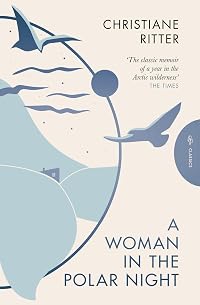
A Woman in the Polar Night
by Christiane Ritter
On This Page
Description
This rediscovered classic memoir tells the incredible tale of a woman defying society's expectations to find freedom and peace in the adventure of a lifetime. In 1934, the painter Christiane Ritter leaves her comfortable life in Austria and travels to the remote Arctic island of Spitsbergen, to spend a year there with her husband. She thinks it will be a relaxing trip, a chance to "read thick books in the remote quiet and, not least, sleep to my heart's content," but when Christiane arrives show more she is shocked to realize that they are to live in a tiny ramshackle hut on the shores of a lonely fjord, hundreds of miles from the nearest settlement, battling the elements every day, just to survive. At first, Christiane is horrified by the freezing cold, the bleak landscape the lack of equipment and supplies . . . But as time passes, after encounters with bears and seals, long treks over the ice and months on end of perpetual night, she finds herself falling in love with the Arctic's harsh, otherworldly beauty, gaining a great sense of inner peace and a new appreciation for the sanctity of life. show lessTags
Recommendations

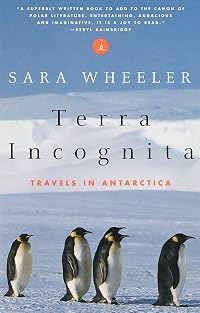

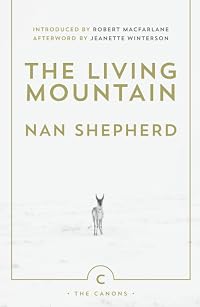

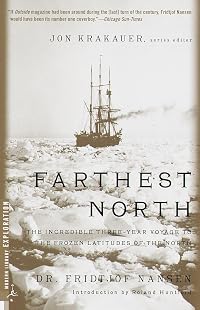

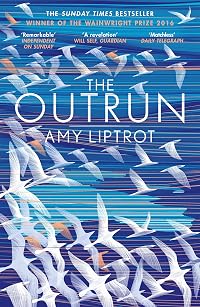

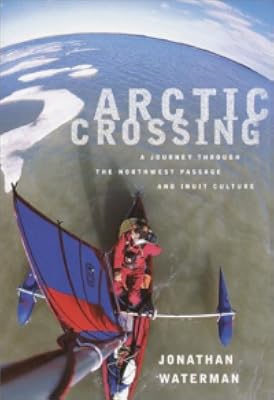
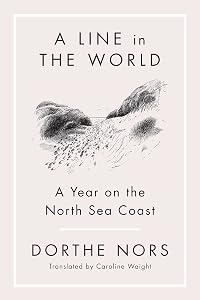
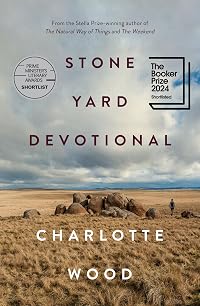

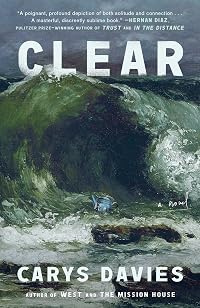



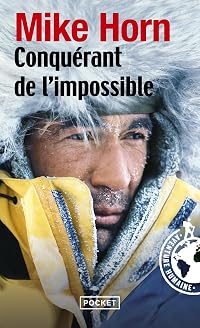




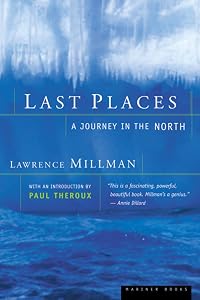


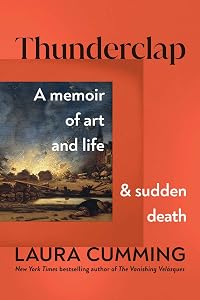








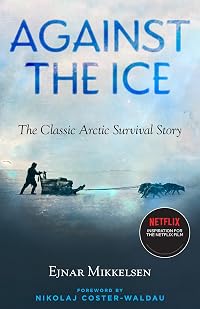



Member Recommendations
wandering_star Some similarities in the way that isolation affects the psychology

wandering_star Both stories of rather extreme adventurous lifestyles
Member Reviews
In 1934, Christiane Ritter spent a year living in Spitsbergen, an Arctic island north of Norway. A Woman in the Polar Night is her memoir of her time spent there. While on the island, she lives in a tiny hut with her husband and his hunting partner. They have very little in the way of sustenance, relying on very basic staples and any fresh meat they are able to hunt. The island is very desolate and the closest humans are many days journey away.
This book alternated between incredibly terrifying and incredibly awe inspiring. At one point in the beginning of winter, Ritter is alone in the hut while the men are out on a two week hunting expedition. It is the time of year when the polar bears start arriving in the area, so the men leave her show more a rifle and instruct her to shoot any bears that she may see. While they are gone, the first major snowstorm also hits, leaving her digging herself a path out of the hut each morning. Eventually, the snow rises to the level of the roof, and she writes about taking walks, as she was advised to do every day to stay sane. On these walks, while it is dark outside, as it is all day, she bangs on the roof with a stick to scare off any polar bears that may be hiding in the dark. At times, her descriptions of the isolation and sensory deprivation are completely terrifying and make me wonder how someone can live there and not go crazy. At times she feels like she is going crazy.
Then she writes a beautiful passage describing the spiritual experience of the quiet and the solitude and her feelings of being simultaneously so significant and so insignificant. It makes the vast emptiness of the Arctic sound like the most magical place on earth. Basically all of the descriptions of the world around her were breathtaking: the northern lights, the fjords, the first glimpse of the sun after months of darkness.
I don’t think this book would be everyone’s cup of tea, but it was a really nice book to read on a cold winter night. It makes the darkness seem infinitely magical. show less
This book alternated between incredibly terrifying and incredibly awe inspiring. At one point in the beginning of winter, Ritter is alone in the hut while the men are out on a two week hunting expedition. It is the time of year when the polar bears start arriving in the area, so the men leave her show more a rifle and instruct her to shoot any bears that she may see. While they are gone, the first major snowstorm also hits, leaving her digging herself a path out of the hut each morning. Eventually, the snow rises to the level of the roof, and she writes about taking walks, as she was advised to do every day to stay sane. On these walks, while it is dark outside, as it is all day, she bangs on the roof with a stick to scare off any polar bears that may be hiding in the dark. At times, her descriptions of the isolation and sensory deprivation are completely terrifying and make me wonder how someone can live there and not go crazy. At times she feels like she is going crazy.
Then she writes a beautiful passage describing the spiritual experience of the quiet and the solitude and her feelings of being simultaneously so significant and so insignificant. It makes the vast emptiness of the Arctic sound like the most magical place on earth. Basically all of the descriptions of the world around her were breathtaking: the northern lights, the fjords, the first glimpse of the sun after months of darkness.
I don’t think this book would be everyone’s cup of tea, but it was a really nice book to read on a cold winter night. It makes the darkness seem infinitely magical. show less
A memoir of a year or so that the author spent living in Svarlbard in 1934, with her husband and a Norwegian man (his hunting partner). It's an extraordinary story, which alternates between descriptions of incredible beauty, and descriptions of life in their hut, including through the long polar night.
Once, while the men are indoors carving, I stand on the door sill and look southward where the sky is growing light. For days it has been hidden by cloud, but now it is lit by the most wonderful dawn. It is twelve o’clock midday when the sun rises. It rises half over the horizon, and then sets again and disappears. Only slowly and with a shudder do I grasp that this is the terrible moment when the sun has shone for us the last time this show more year.
Ritter's husband had been living in Svarlbard for some time before she came to join him, leading an incredibly makeshift life. Everything that washes up or can be trapped is put to use - and finding something like the bottom of a sachet of yeast is a triumph. It's undeniably interesting to see how little they were able to live with, and how Ritter herself got used to incredibly difficult living circumstances. She seems to have very much enjoyed her time there - personally I think they are all mad! show less
Once, while the men are indoors carving, I stand on the door sill and look southward where the sky is growing light. For days it has been hidden by cloud, but now it is lit by the most wonderful dawn. It is twelve o’clock midday when the sun rises. It rises half over the horizon, and then sets again and disappears. Only slowly and with a shudder do I grasp that this is the terrible moment when the sun has shone for us the last time this show more year.
Ritter's husband had been living in Svarlbard for some time before she came to join him, leading an incredibly makeshift life. Everything that washes up or can be trapped is put to use - and finding something like the bottom of a sachet of yeast is a triumph. It's undeniably interesting to see how little they were able to live with, and how Ritter herself got used to incredibly difficult living circumstances. She seems to have very much enjoyed her time there - personally I think they are all mad! show less
‘’Νο, the Arctic does not yield its secret for the price of a ship’s ticket. You must live through the long night, the storms, and the destruction of human pride. You must have gazed in the deadness of all things to grasp their livingness. In the return of light, in the magic of the ice, in the life-truths of animals obsessed in the wilderness...lies the secret of the Arctic and the overpowering beauty of its lands.’’
I live in a country where the sun always finds a way to shine its light on us, even during the bleakest wintry days. Most normal people consider this a blessing. Me, on the other hand, being the weirdo that I am, I hate it with a vengeance. I just can’t stand sunshine and heat. When I had the opportunity to show more visit Finland a few years ago, I experienced the winter night and it was one of the most fascinating and happiest moments of my life. I mean, give me darkness and cold and I am a happy camper. I am also mad, but that’s okay. Still, nothing and noone can possibly prepare you for the circumstances Christiane Ritter describes in her beautiful book.
What a striking title...A beautiful cover and a fascinating woman who, despite all the odds, defied conventions, ignored every risk and followed her husband to an expedition in Svalbard, right in the heart of the Arctic. Christiane Ritter, an Austrian painter who died in 2000 at the age of 103, travelled to Norway in 1934 and found a land of immense beauty, silent and primal. Her account of the year she spent in Svalbard is a beautiful homage to the special landscape of the Arctic, a land that I often call ‘’a planet within a planet’’.
‘’The conflict between the weakening light of day and the triumphing light of the moon creates bewildering contrasts in the very clear, violently bleak landscape. New scenes appear whenever the sky lightens.’’
This book contains treasure found in each page. Chrissie’s descriptions of the preparations for the coming winter, the hunting, the animals that used to be completely unknown to her, the magnificence of the fjords are fascinating but nothing compares to the chapters dedicated to the fortvilelse of the polar night, the enchantment, the bewildering and threatening glory of the night that never ends. She describes the last moment before the sun sets and the waiting for the darkness that will last for months in a chilling way, so vivid and almost ominous that brought chills even in a rather warm and humid Athenian May evening. The smoke that clinged on the floor and walls of the hut, the black landscape lit only by the whimsical starlight, Karl’s songs in the silence of the everlasting night...What setting could be more striking?
‘’Don’t go for walks alone’’, says Karl. ‘’It’s a dangerous time. Seven weeks before Christmas the graves in Svalband open.’’
It is to be expected that my favourite parts are the ones dedicated to the beautiful, mystical Norwegian folklore. Ritter narrates Karl’s stories and the legends told by the sailormen and it is no surprise that most of them are related to death and the spirits of the dead. What kind of stories could be born in a land where the long night reigns, where the shadows acquire an otherworldly colour under the glorious veil of the Aurora Borealis…
This is a haunting, beautiful account. It’s not a dry log book. Far from it. Ritter included dialogues which made the reading experience even more interesting and direct and I felt I was reading a novel of the finest quality. It is a calm, grounded narration from an immensely brave, considerate, determined woman, a striking personality who fell in love with the most beautiful spot of our planet. It is a pity she wasn’t allowed to return there...If you aren’t already in love with the Arctic and its enchantments, then this book will definitely help you come a little closer to the never-ending magic of the polar nights…
‘’...the world out-of-doors falls into deepest night. The mountains are no more than white shadows, the sea no more than a black shadow- until that too dissolves away. And then everything is dead.’’
My reviews can also be found on https://theopinionatedreaderblog.wordpress.com show less
I live in a country where the sun always finds a way to shine its light on us, even during the bleakest wintry days. Most normal people consider this a blessing. Me, on the other hand, being the weirdo that I am, I hate it with a vengeance. I just can’t stand sunshine and heat. When I had the opportunity to show more visit Finland a few years ago, I experienced the winter night and it was one of the most fascinating and happiest moments of my life. I mean, give me darkness and cold and I am a happy camper. I am also mad, but that’s okay. Still, nothing and noone can possibly prepare you for the circumstances Christiane Ritter describes in her beautiful book.
What a striking title...A beautiful cover and a fascinating woman who, despite all the odds, defied conventions, ignored every risk and followed her husband to an expedition in Svalbard, right in the heart of the Arctic. Christiane Ritter, an Austrian painter who died in 2000 at the age of 103, travelled to Norway in 1934 and found a land of immense beauty, silent and primal. Her account of the year she spent in Svalbard is a beautiful homage to the special landscape of the Arctic, a land that I often call ‘’a planet within a planet’’.
‘’The conflict between the weakening light of day and the triumphing light of the moon creates bewildering contrasts in the very clear, violently bleak landscape. New scenes appear whenever the sky lightens.’’
This book contains treasure found in each page. Chrissie’s descriptions of the preparations for the coming winter, the hunting, the animals that used to be completely unknown to her, the magnificence of the fjords are fascinating but nothing compares to the chapters dedicated to the fortvilelse of the polar night, the enchantment, the bewildering and threatening glory of the night that never ends. She describes the last moment before the sun sets and the waiting for the darkness that will last for months in a chilling way, so vivid and almost ominous that brought chills even in a rather warm and humid Athenian May evening. The smoke that clinged on the floor and walls of the hut, the black landscape lit only by the whimsical starlight, Karl’s songs in the silence of the everlasting night...What setting could be more striking?
‘’Don’t go for walks alone’’, says Karl. ‘’It’s a dangerous time. Seven weeks before Christmas the graves in Svalband open.’’
It is to be expected that my favourite parts are the ones dedicated to the beautiful, mystical Norwegian folklore. Ritter narrates Karl’s stories and the legends told by the sailormen and it is no surprise that most of them are related to death and the spirits of the dead. What kind of stories could be born in a land where the long night reigns, where the shadows acquire an otherworldly colour under the glorious veil of the Aurora Borealis…
This is a haunting, beautiful account. It’s not a dry log book. Far from it. Ritter included dialogues which made the reading experience even more interesting and direct and I felt I was reading a novel of the finest quality. It is a calm, grounded narration from an immensely brave, considerate, determined woman, a striking personality who fell in love with the most beautiful spot of our planet. It is a pity she wasn’t allowed to return there...If you aren’t already in love with the Arctic and its enchantments, then this book will definitely help you come a little closer to the never-ending magic of the polar nights…
‘’...the world out-of-doors falls into deepest night. The mountains are no more than white shadows, the sea no more than a black shadow- until that too dissolves away. And then everything is dead.’’
My reviews can also be found on https://theopinionatedreaderblog.wordpress.com show less
A Woman in the Polar Night is my favorite read of 2019. First published in 1938, its most recent incarnation is a pretty paperback published by Pushkin Press in mid-November 2019. Author Christiane Ritter was an Austrian artist who wrote of the year she lived in a remote, polar region of Finland (Svalbard) with her husband Hermann. I'm thankful to Jane Degras for this English translation.
Christiane's memoir shimmers with painterly descriptions of the bleak and ethereal polar landscape that enchanted her and Hermann. So many of Christiane's passages are quotable that I'm tempted to fill my review with them, but I think it better to let readers discover these treasures for themselves. Well, maybe just one:
Christiane told of her adventures, venturing out with her husband and being left on her own for weeks at a time. Her stories impressed me with the extreme isolation and danger of the arctic climate, where physical and psychic survival is critical and miscalculations could mean losing your life or your mind. She reflected on the beauty of living simply, in harmony with nature, and the unnecessary excesses of European society. Her reflections are as relevant today as they were when she wrote them, nearly a hundred years ago.
Christiane Ritter was a hardy woman who lived to the age of 103. An example of her art is here: http://www.polarstern-ag.de/zitate/ritterbild.jpg.
I bought the paperback from Amazon. Yup, I bought a book. I pre-ordered it actually, and waited impatiently when its release was delayed. show less
Christiane's memoir shimmers with painterly descriptions of the bleak and ethereal polar landscape that enchanted her and Hermann. So many of Christiane's passages are quotable that I'm tempted to fill my review with them, but I think it better to let readers discover these treasures for themselves. Well, maybe just one:
The whole sky is deep lilac,show more
lightening into a tender cobalt blue at the horizon, over the sea of ice. From the east a pale-yellow brightness spreads, and the frozen sea, reflecting the heavenly colours, shines like an immense opal. Where sea and land meet, and where the tidal water thrusts through to the surface around the heavy masses of ice, the colours of the sky are reflected as brightly as in a mirror.I love it when an author describes a landscape so vividly that I can "see" it. Christiane's drawings are scattered throughout the book, and in the back of the book are photos of Christiane, Hermann, and the hut they lived in.
Christiane told of her adventures, venturing out with her husband and being left on her own for weeks at a time. Her stories impressed me with the extreme isolation and danger of the arctic climate, where physical and psychic survival is critical and miscalculations could mean losing your life or your mind. She reflected on the beauty of living simply, in harmony with nature, and the unnecessary excesses of European society. Her reflections are as relevant today as they were when she wrote them, nearly a hundred years ago.
Christiane Ritter was a hardy woman who lived to the age of 103. An example of her art is here: http://www.polarstern-ag.de/zitate/ritterbild.jpg.
I bought the paperback from Amazon. Yup, I bought a book. I pre-ordered it actually, and waited impatiently when its release was delayed. show less
One perspective from this book is the experience Christiane relates - isolated in a hunting cabin, sometimes alone and sometime with her husband & his hunting partner - which is of physical and mental privation, not to mention being cold. The story telling is delightfully understated, and makes me think of the counterpoint in contemporary YouTube thumbnail aesthetics and bombastic content. She took a decision, perhaps on incomplete or somewhat idealised information to... just go live in a cabin.
I have to think though that, given the steamship service and presence of other hunting huts on the island, that the mission wasn't entirely uninformed - it seems there was precedent and knowledge about the adventure. This does not take away at show more all from the personal strength of character required.
The second perspective it suggests then is a capacity to disengage from 'society' to an extent, and embrace nature, wildness, danger and then from that to find beauty and poetry. Incredibly, amidst the blizzards, bears, bleakness and purely functional nutrition there is barely a tone of fear, anxiety, or anger. Writing this review a while after reading might be making my recollection a bit rosy, to be sure, however there is a calmness that suits my recollection of northern winters.
A third view of course is oh my goodness, winter gear in the 1930s must have been effective, but compared to the gear being flogged in the 21st century seems itself a frightening prospect!
All in all, I'm exceptionally pleased to have found and read this volume. show less
I have to think though that, given the steamship service and presence of other hunting huts on the island, that the mission wasn't entirely uninformed - it seems there was precedent and knowledge about the adventure. This does not take away at show more all from the personal strength of character required.
The second perspective it suggests then is a capacity to disengage from 'society' to an extent, and embrace nature, wildness, danger and then from that to find beauty and poetry. Incredibly, amidst the blizzards, bears, bleakness and purely functional nutrition there is barely a tone of fear, anxiety, or anger. Writing this review a while after reading might be making my recollection a bit rosy, to be sure, however there is a calmness that suits my recollection of northern winters.
A third view of course is oh my goodness, winter gear in the 1930s must have been effective, but compared to the gear being flogged in the 21st century seems itself a frightening prospect!
All in all, I'm exceptionally pleased to have found and read this volume. show less
Fiquei fascinado quando, ainda na puberdade, li uma versão condensada dessa obra. Resolvi ler agora. Parece que houve uma edição em português, mas não há oferta em sebos. A edição importada é muito cara. Acabei ouvindo em audiolivro.
Em 1933, a pintora austríaca Christiane Ritter é convidada por seu marido para acompanhá-lo em uma temporada no Círculo Polar Ártico. Ele é caçador. Ela vai encontrá-lo na ilha de Spitsbergen, parte de um arquipélago na costa da Noruega. Ambos se instalam com a companhia de um jovem em um amigo com menos de dez metros quadrados.
A leitura me causou duas impressões. No estilo de um diário, Christiane, então com 36 anos de idade, relata a rotina de obtenção de água, preparo de show more refeições (quase sempre dependendo de um animal abatido), convivência com o frio e sono. Sua sensibilidade como artista se manifesta nas descrições do ambiente: as gradações de cores do gelo, neves e rochas, das nuvens e das auroras boreais.
Quando chega o inverno e o sol desaparece, o cenário ganha novas nuances, e continua belo. E também assustador: a temperatura despenca, ocorrem fortes nevoeiros e a "cegueira da neve", as tempestades duram dias, o mar congela, a neve praticamente soterra o refúgio. A descrição da autora é envolvente; compartilhamos de sua ansiedade nas situações mais desafiadoras e de seu cansaço nas jornadas mais longas acompanhando os caçadores.
A segunda impressão foi muito negativa. Eles estão la para caçar, principalmente raposas. Espalham armadilhas, depois recolhem os animais cuja pelo vai saciar a vaidade de mulheres e homens. Se um urso polar cruza o seu caminho, tanto melhor. O animal será impiedosamente abatido.
Pássaros e animais marinhos são mortos para garantir a alimentação dos caçadores. Não é caça para subsistência, mas para garantir a alimentação de quem está lá para matar outros animais. Antes sensível a esse sentido, a autora vai se rendendo à visão mercantilista da atividade.
Há excelentes relatos sobre a vida nos polos. O mérito de "A Woman in the Polar Night" é a boa narrativa de Christiane Ritter e seu pioneirismo. show less
Em 1933, a pintora austríaca Christiane Ritter é convidada por seu marido para acompanhá-lo em uma temporada no Círculo Polar Ártico. Ele é caçador. Ela vai encontrá-lo na ilha de Spitsbergen, parte de um arquipélago na costa da Noruega. Ambos se instalam com a companhia de um jovem em um amigo com menos de dez metros quadrados.
A leitura me causou duas impressões. No estilo de um diário, Christiane, então com 36 anos de idade, relata a rotina de obtenção de água, preparo de show more refeições (quase sempre dependendo de um animal abatido), convivência com o frio e sono. Sua sensibilidade como artista se manifesta nas descrições do ambiente: as gradações de cores do gelo, neves e rochas, das nuvens e das auroras boreais.
Quando chega o inverno e o sol desaparece, o cenário ganha novas nuances, e continua belo. E também assustador: a temperatura despenca, ocorrem fortes nevoeiros e a "cegueira da neve", as tempestades duram dias, o mar congela, a neve praticamente soterra o refúgio. A descrição da autora é envolvente; compartilhamos de sua ansiedade nas situações mais desafiadoras e de seu cansaço nas jornadas mais longas acompanhando os caçadores.
A segunda impressão foi muito negativa. Eles estão la para caçar, principalmente raposas. Espalham armadilhas, depois recolhem os animais cuja pelo vai saciar a vaidade de mulheres e homens. Se um urso polar cruza o seu caminho, tanto melhor. O animal será impiedosamente abatido.
Pássaros e animais marinhos são mortos para garantir a alimentação dos caçadores. Não é caça para subsistência, mas para garantir a alimentação de quem está lá para matar outros animais. Antes sensível a esse sentido, a autora vai se rendendo à visão mercantilista da atividade.
Há excelentes relatos sobre a vida nos polos. O mérito de "A Woman in the Polar Night" é a boa narrativa de Christiane Ritter e seu pioneirismo. show less
A true classic of polar literature. Ritter is both witty and profound as she describes her one year in an isolated hut in Spitsbergen with her husband and another hunter. The opening chapters are especially amusing, as she discovered the harshness of her home for the coming year and the nonchalance of her husband over the various shortcomings of the place. Her descriptions of the polar winter are truly enchanting, and make me long to give it a try myself.
Members
- Recently Added By
Lists

Books Read in 2021
5,361 works; 114 members

Schwob Nederland
207 works; 2 members

Spotted on ABC Book Club
19 works; 1 member

Club Read's Recommended Nonfiction Written by Women
618 works; 30 members
Author Information
1 Work 330 Members
Christiane Ritter wrote A Woman in the Polar Night after her return to Austria in 1934. A bestseller for many years and translated into seven languages, the original German edition is still in print. Ritter died in 2000. Lawrence Millman's books include Last Places, Lost in the Arctic, and A Kayak Full of Ghosts. A Fellow of the prestigious show more Explorers Club, he has made over forty expeditions to the Arctic. show less
Some Editions
Series
Belongs to Publisher Series
Common Knowledge
- Canonical title
- A Woman in the Polar Night
- Original title
- Eine Frau erlebt die Polarnacht
- Original publication date
- 1938
- Quotations*
- Wie verschieden sind die Erlebnisse in der Arktis. Man kann morden und fressen, man kann rechnen und messen, man kann verrückt werden in Einsamkeit und Grauen, man kann aber sicher auch verrückt werden vor Begeisterung übe... (show all)r allzuviel Schönheit. Sicherlich wird man aber niemals in der Arktis etwas anderes erleben als das, was man selbst in sie hineingetragen hat. (S.89).
- Original language
- German
*Some information comes from Common Knowledge in other languages. Click "Edit" for more information.
Classifications
- Genres
- Travel, Nonfiction, Biography & Memoir, General Nonfiction
- DDC/MDS
- 919.81 — History & geography Geography & travel Geography of and travel in Australasia, Pacific Ocean islands, Atlantic Ocean islands, Arctic islands, Antarctica and on extraterrestrial worlds Polar regions Svalbard
- LCC
- G780 .R5313 — Geography, Anthropology and Recreation Geography (General) Arctic and Antarctic regions
- BISAC
Statistics
- Members
- 330
- Popularity
- 96,535
- Reviews
- 14
- Rating
- (4.31)
- Languages
- 7 — Chinese, traditional, Dutch, English, German, Italian, Norwegian, Spanish
- Media
- Paper, Ebook
- ISBNs
- 19
- ASINs
- 8