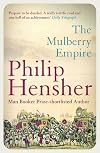
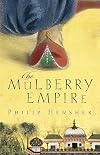
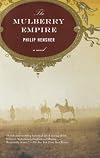
The Mulberry Empire
by Philip Hensher
On This Page
Description
With Tolstoyan sweep and Dickensian vitality, this epically involving historical novel relates England’s tragic adventure in Afghanistan, which began with the triumphant arrival of the Army of the Indus in 1839 and ended three years later in rout and massacre. At the center of The Mulberry Empire is Alexander Burnes, a Scots explorer who travels to the unfathomably remote kingdom of Afghanistan and first befriends and then reluctantly betrays its wise and impeccably courteous Amir. But he show more is only one character in a cast that includes ladies and generals, princes and deserters, all brilliantly and sympathetically realized. At once stirring and harrowing, exotic and cautionary, and as vividly colored as a Persian miniature, the result is a tour de force of re-creation and invention. show lessTags
Recommendations












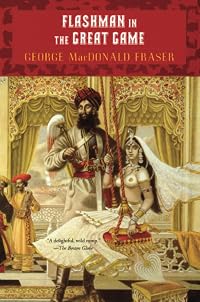
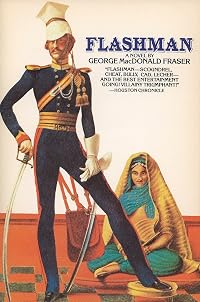





Member Recommendations
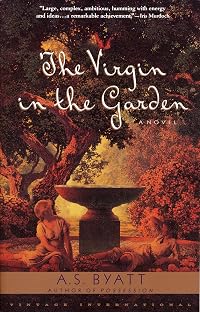
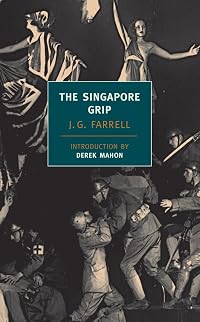
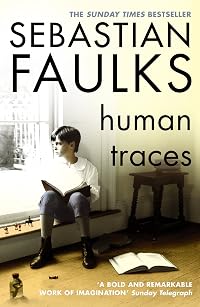
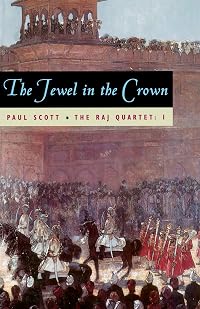
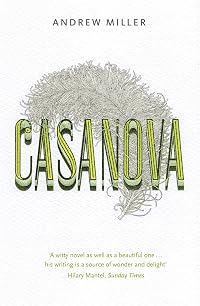
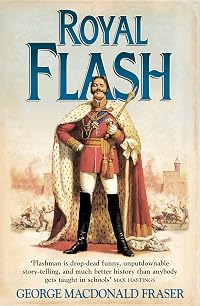
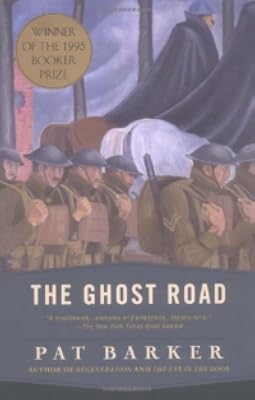
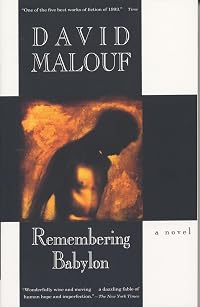
quartzite Another story of British military incompetence in South Asia
Member Reviews
This is not my usual style of novel....despite it being my beloved historical fiction. I picked it up at a used book store, sat down and fell in love in the first chapter. After that things get sketchy. I was bored for much of the first third of the book...not so much with the author's style, which is beautiful and poignant and gritty, but with the procession of a number of skimming-the-surface characters. As we go back and forth and get to know each better I did find my heroes and the book held my interest more fully. All of the seemingly surface characters didn't feel overwhelming to me as other readers have mentioned. I enjoyed the peeks into the misconceptions of our main characters. The pervading emotion through all of the book show more though is one of a poignant looking-back, which took me out of the time and place, placing me here as a reader rather than inside the world. It's a horrible, human and inhumane story encompassing war in it's regular sense and war of the classes and cultures, all historical or perfectly plausible as such. Beautiful writing....I will certainly be seeking out more by this author. show less
A strangely structured novel about Britain's early attempts to control Afghanistan in the mid 19th Century, it is told through the stories of a wide range of characters, only some of whom are integral to the story. It is interesting and written with a nice style. Ultimately, I felt it didn't quite work as a novel, but it kept me reading to the end.
This book uses many different characters to explore life in the British Empire in England, Afghanistan and India. One of my favorite characters was the aristocrat Bella who has a love affair with the explorer Burnes. When Burnes returns to Afhanistan, Bella wastes away her life in the country, a very sad portrayal of wasted potential and lost love. The book is most suspenseful and dramatic in the Afghanistan parts, here we see the British try to befriend the Amir, in an effort to obtain his kingdom. Near the end the Afghanistan sections become increasingly terrifying and thrilling.
Interesting and erudite novel which provides detailed character sketches of some individuals involved in the first Afghan and a very sketchy coverage of what happened.
Very disappointed with this book. Tried to
do too much in too short a time.
do too much in too short a time.
From Publishers Weekly
Hensher's ambitious new novel (his first to be published in the United States) concerns a lesser-known chapter of Afghan history the British occupation of Kabul in 1839. In the mid-1830s, Alexander Burnes, a British officer, became the London sensation du jour after publishing a book on his adventures in the East, including his encounters with the Afghan prince, Amir Dost Mohammed Khan. His book roused British interest in Afghanistan, a possible new colony and market. Fearing that the Russians might take Kabul first, the British marched into the city, ousted the Amir, and replaced him with one favored by their ally, the Punjabi king. Though the British troops succeeded and remained encamped outside Kabul for three show more years, the Afghanis at last attacked and sent 16,000 British troops retreating through the valley of their death: they were ambushed, and only one survived. Adopting a part timeless, part ironic storytelling voice, Hensher follows several characters in this vast tapestry: Burnes, of course, and the Amir, but also Bella Garraway, the woman the Amir courts during his year in London; Charles Masson, a British deserter who finds refuge in Kabul; and Vitkevich, a Wilde-like Russian emissary, among many others. Mastering the light touch necessary for a complex history, Hensher moves easily from realm to realm, though he best captures the vanities of society whether of Britain's "upper few thousand" or Moscow's salons. The shifting focus weakens the drama, but what Hensher loses in tension he makes up for in information. Thus the reader learns Persian has six words for mulberry a holy fruit of Islam and Pushto, uncountable. For the post-modern, post-empire reader, ironies abound, and gently as Hensher tells it, the tale is cautionary: any nation should think twice before unseating a foreign prince.
Copyright 2002 Cahners Business Information, Inc. show less
Hensher's ambitious new novel (his first to be published in the United States) concerns a lesser-known chapter of Afghan history the British occupation of Kabul in 1839. In the mid-1830s, Alexander Burnes, a British officer, became the London sensation du jour after publishing a book on his adventures in the East, including his encounters with the Afghan prince, Amir Dost Mohammed Khan. His book roused British interest in Afghanistan, a possible new colony and market. Fearing that the Russians might take Kabul first, the British marched into the city, ousted the Amir, and replaced him with one favored by their ally, the Punjabi king. Though the British troops succeeded and remained encamped outside Kabul for three show more years, the Afghanis at last attacked and sent 16,000 British troops retreating through the valley of their death: they were ambushed, and only one survived. Adopting a part timeless, part ironic storytelling voice, Hensher follows several characters in this vast tapestry: Burnes, of course, and the Amir, but also Bella Garraway, the woman the Amir courts during his year in London; Charles Masson, a British deserter who finds refuge in Kabul; and Vitkevich, a Wilde-like Russian emissary, among many others. Mastering the light touch necessary for a complex history, Hensher moves easily from realm to realm, though he best captures the vanities of society whether of Britain's "upper few thousand" or Moscow's salons. The shifting focus weakens the drama, but what Hensher loses in tension he makes up for in information. Thus the reader learns Persian has six words for mulberry a holy fruit of Islam and Pushto, uncountable. For the post-modern, post-empire reader, ironies abound, and gently as Hensher tells it, the tale is cautionary: any nation should think twice before unseating a foreign prince.
Copyright 2002 Cahners Business Information, Inc. show less
Members
- Recently Added By
Lists

Booker Prize
491 works; 62 members

Man Booker Prize Longlist 2002
20 works; 2 members
Author Information

25+ Works 2,682 Members
Awards and Honors
Awards
Common Knowledge
- Original publication date
- 2002
- Important places
- Kabul, Afghanistan; Afghanistan
Classifications
Statistics
- Members
- 363
- Popularity
- 86,900
- Reviews
- 7
- Rating
- (3.50)
- Languages
- Dutch, English, French, Spanish
- Media
- Paper, Ebook
- ISBNs
- 10
- ASINs
- 3