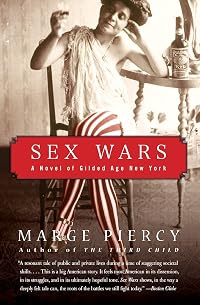
Sex Wars
by Marge Piercy
On This Page
Description
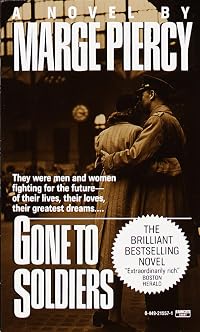
PostCivil War New York City is the battleground of the American dream. In this era of free love, emerging rights of women, and brutal sexual repression, Freydeh, a spirited young Jewish immigrant, toils at different jobs to earn passage to America for her family. Learning that her younger sister is adrift somewhere in the city, she begins a determined search that carries her from tenement to brothel to prisonas her story interweaves with those of some of the epoch's most notorious figures: show more Elizabeth Cady Stanton; Susan B. Anthony; sexual freedom activist Victoria Woodhull, the first woman to run for president; and Anthony Comstock, founder of the Society for the Suppression of Vice, whose censorship laws are still on the books.In the tradition of her bestselling World War II epic Gone to Soldiers, Marge Piercy once again re-creates a turbulent period in American history and explores changing attitudes in a land of sacrifice, suffering, promise, and reward. show lessTags
Recommendations




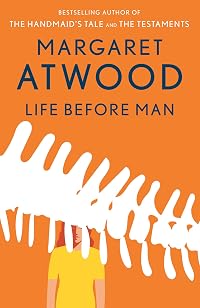

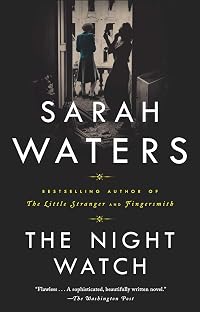


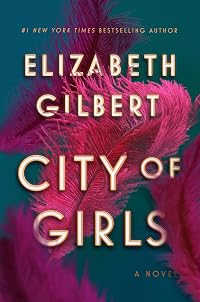
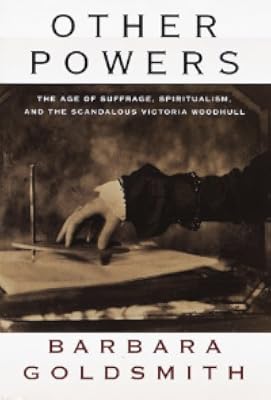







Member Recommendations
Member Reviews
Marge Piercy knows how to find the facts and craft a mesmerizing story around them. The setting is the last half of the 19th century New York, the topic is sex, gender and economics and the cast of characters include real people we all know a little about with a few fictitious ones thrown in for emphasis. There's Elizabeth Cady Stanton - intelligent, mother of 7, freethinking, irreligious and very sensual; Susan B. Anthony - straight laced, strictly moral, a fierce supporter of marriage though unmarried herself, indefatigable in working for woman's suffrage; Victoria Woodhull - spiritualist, outspoken free love advocate, a good mother, financially savvy, determined to make a difference in the world; Cornelius Vanderbilt - sexually show more semi-impotent, financially ultra potent; Henry Beecher - charismatic preacher and womanizer; Anthony Comstock a sexually obsessed pre incarnation of Rick Santorum; and the fictional Freydeh Levin - widowed Russian Jewish immigrant, condom maker and adopter of abandoned children. I liked Freydeh's story the best probably because, as a fictional character, it was easier to direct her story along emotional lines, but all these characters grabbed my attention. Marge Piercy has helped me understand Gilded Age New York better and has illuminated the culture - sexual wars that are continuing to this day. When will the prigs ever give up? show less
Sex Wars (novel -- historical fiction)
Marge Piercy.
Harper Collins, NY 2005
When I first started reading this book, I thought it too sensational and sexy. It seemed Piercy was competing with the 50 Shades crowd. Then I realized she was trying to bring blood back into the lives of historical characters. Set in New York City, it is a fictionalized account of some of the leaders of the women's movement of the late 1800s. Elizabeth Cady Stanton, Susan B. Anthony, Victoria Woodhull, all involved in helping to bring about the vote for women, are three of the main characters; their lives are told like gray wallpaper in historical accounts, but just the opposite here in Piercy's account. Added is a totally fictional character named Freydeh show more Levin, a working class immigrant woman struggling to survive, support a family, run a business, find her lost sister, and demand the rights afforded to men.
It certainly was a time when women were determined to throw off the shackles that bound them to husbands and fathers and a biased and hypocritical morality. What a time of change! Some of these women were fearless. Just imagine: they had no rights to their children, could not divorce and keep their own inheritance or property, were not allowed to speak in public places, could not vote, were sometimes imprisoned if they bore children out of wedlock or for being raped, were often beaten or disowned for being raped, could be imprisoned for using or owning or dispensing contraception or for printing materials that used explicit sexual terms (even such things as explaining anatomically correct anatomy for medical purposes), had little opportunities for meaningful work and were blasted for espousing or acting upon the basis of rights men took for granted.
While many women were taking to the streets and fighting for equality, men like the Puritanical Anthony Comstock were at work seeking to preserve the religious and moral standards that he felt corrupted men. His crusade against pornography (This included contraceptive materials.) was more about keeping women in their place and under the thumb of their husbands than it was about protecting children. At any rate, it was a time of great upheaval and hypocrisy. Piercy gives us a gritty account of the period, imagining these characters as they might have been in their most private and personal lives. In the end this is a novel about survival. What women must do to survive, regardless of race, class, economics, marital status, education, with and without children.
There are a few weak points in the novel where Piercy glosses the plot rather than allowing it to naturally unwind over time, but it is ambitious and I give Piercy much credit undertaking it. I would definitely recommend it and wish Piercy would now give us her version of the British feminists of the same period, Pankhurst and her daughters to start. show less
Marge Piercy.
Harper Collins, NY 2005
When I first started reading this book, I thought it too sensational and sexy. It seemed Piercy was competing with the 50 Shades crowd. Then I realized she was trying to bring blood back into the lives of historical characters. Set in New York City, it is a fictionalized account of some of the leaders of the women's movement of the late 1800s. Elizabeth Cady Stanton, Susan B. Anthony, Victoria Woodhull, all involved in helping to bring about the vote for women, are three of the main characters; their lives are told like gray wallpaper in historical accounts, but just the opposite here in Piercy's account. Added is a totally fictional character named Freydeh show more Levin, a working class immigrant woman struggling to survive, support a family, run a business, find her lost sister, and demand the rights afforded to men.
It certainly was a time when women were determined to throw off the shackles that bound them to husbands and fathers and a biased and hypocritical morality. What a time of change! Some of these women were fearless. Just imagine: they had no rights to their children, could not divorce and keep their own inheritance or property, were not allowed to speak in public places, could not vote, were sometimes imprisoned if they bore children out of wedlock or for being raped, were often beaten or disowned for being raped, could be imprisoned for using or owning or dispensing contraception or for printing materials that used explicit sexual terms (even such things as explaining anatomically correct anatomy for medical purposes), had little opportunities for meaningful work and were blasted for espousing or acting upon the basis of rights men took for granted.
While many women were taking to the streets and fighting for equality, men like the Puritanical Anthony Comstock were at work seeking to preserve the religious and moral standards that he felt corrupted men. His crusade against pornography (This included contraceptive materials.) was more about keeping women in their place and under the thumb of their husbands than it was about protecting children. At any rate, it was a time of great upheaval and hypocrisy. Piercy gives us a gritty account of the period, imagining these characters as they might have been in their most private and personal lives. In the end this is a novel about survival. What women must do to survive, regardless of race, class, economics, marital status, education, with and without children.
There are a few weak points in the novel where Piercy glosses the plot rather than allowing it to naturally unwind over time, but it is ambitious and I give Piercy much credit undertaking it. I would definitely recommend it and wish Piercy would now give us her version of the British feminists of the same period, Pankhurst and her daughters to start. show less
I’ve been a fan of Marge Piercy for years, but I found this book a little rushed and abrupt. It’s a fictionalized account of the post-Civil-War period in the US. Succeeding chapters are from the viewpoint of Victoria Woodhull, Elizabeth Cady Stanton, Anthony Comstock, and a young Jewish immigrant named Freydeh.
Piercy tells us what’s going through the minds of these famous people, but in the process, she flattens them. It’s an interesting period, and her characters are all interesting people, but stylistically, they’re the same. Even though they’re thinking about such different things, they all think in the same way. None of them seem particularly passionate.
I felt that Piercy brought the most life to her only completely show more fictional character. Only when it comes to Freydeh does Piercy let the story itself guide the reader. show less
Piercy tells us what’s going through the minds of these famous people, but in the process, she flattens them. It’s an interesting period, and her characters are all interesting people, but stylistically, they’re the same. Even though they’re thinking about such different things, they all think in the same way. None of them seem particularly passionate.
I felt that Piercy brought the most life to her only completely show more fictional character. Only when it comes to Freydeh does Piercy let the story itself guide the reader. show less
Historically informed fiction connecting the lives of Victoria Woodhull, Elizabeth Cady Stanton, Susan B. Anthony, Andrew Comstock, and a couple of fictional composite characters. The story of the U.S. women's suffrage movement from it's pre-Civil War abolitionist roots to the early 20th century. Also the relationship to birth control, abortion, and women's sexual freedom.
The book is an interesting read, though Marge Piercy is cornered a bit by the amount already written about the women suffragists. The most interesting characters are the fictional composites. The parallels to the political and legal conundrums of this first decade of the 21st century are almost eerie.
Perhaps this book is worth the read primarily because of the saying: show more "Those who refuse to acknowledge history are doomed to repeat it." show less
The book is an interesting read, though Marge Piercy is cornered a bit by the amount already written about the women suffragists. The most interesting characters are the fictional composites. The parallels to the political and legal conundrums of this first decade of the 21st century are almost eerie.
Perhaps this book is worth the read primarily because of the saying: show more "Those who refuse to acknowledge history are doomed to repeat it." show less
I read this book for my reading group and, to be honest, it was a bit of a slog. The book is set primarily in 1860s and 1870s New York, in the aftermath of the American Civil War. Now that slavery has been abolished, the women of the abolition movement are turning their full attention to winning their own rights. This book is told from the viewpoint of four different characters, three real-life figures - Victoria Woodhull, Elizabeth Cady Stanton and Anthony Comstock - and the fictional Freydeh Levin, a widowed Russian-Jewish immigrant to the city, struggling to make her own way.
I felt quite hampered by the fact that I'm not American and have little-to-no knowledge of this period of US history or of the early women's movement in the US. show more I had never actually heard of the three historical figures whose story Piercy attempts to tell and I feel that she wasn't always successful in making them accessible to the unenlightened. Piercy seems to have been determined to write a political history of the period, throwing in as many names and events as possible, even where they had no direct bearing on the narrative. By contrast, the story of Freydeh's attempts to better herself and make a living in a strange and inhospitable city was far more interesting.
Even so, I was unable to make much of an emotional connection with Freydeh and those close to her, and none at all with the other characters, although Comstock, the 'moral' campaigner, did at least provoke a strong dislike in me. The book is neither structured nor concise enough to provide a history, nor entertaining or story-driven enough to be a novel. show less
I felt quite hampered by the fact that I'm not American and have little-to-no knowledge of this period of US history or of the early women's movement in the US. show more I had never actually heard of the three historical figures whose story Piercy attempts to tell and I feel that she wasn't always successful in making them accessible to the unenlightened. Piercy seems to have been determined to write a political history of the period, throwing in as many names and events as possible, even where they had no direct bearing on the narrative. By contrast, the story of Freydeh's attempts to better herself and make a living in a strange and inhospitable city was far more interesting.
Even so, I was unable to make much of an emotional connection with Freydeh and those close to her, and none at all with the other characters, although Comstock, the 'moral' campaigner, did at least provoke a strong dislike in me. The book is neither structured nor concise enough to provide a history, nor entertaining or story-driven enough to be a novel. show less
I’ve been a fan of Marge Piercy for years, but I found this book a little rushed and abrupt. It’s a fictionalized account of the post-Civil-War period in the US. Succeeding chapters are from the viewpoint of Victoria Woodhull, Elizabeth Cady Stanton, Anthony Comstock, and a young Jewish immigrant named Freydeh.
Piercy tells us what’s going through the minds of these famous people, but in the process, she flattens them. It’s an interesting period, and her characters are all interesting people, but stylistically, they’re the same. Even though they’re thinking about such different things, they all think in the same way. None of them seem particularly passionate.
I felt that Piercy brought the most life to her only completely show more fictional character. Only when it comes to Freydeh does Piercy let the story itself guide the reader. show less
Piercy tells us what’s going through the minds of these famous people, but in the process, she flattens them. It’s an interesting period, and her characters are all interesting people, but stylistically, they’re the same. Even though they’re thinking about such different things, they all think in the same way. None of them seem particularly passionate.
I felt that Piercy brought the most life to her only completely show more fictional character. Only when it comes to Freydeh does Piercy let the story itself guide the reader. show less
Once I got used to the different writing style, the story fell into place for me. The story was sprawled out during a time when American was changing its identity, so a story placed there would need some serious pulling off.
Each chapter was told by a different view: Elizabeth Cady Stanton, Victoria Woodhull, Anthony Comstock and a fictional character called Freydeh Levin. While it was good to hear from four different views, I found that this disrupted the flow of the story. And some of the chapters got bogged down at times by stilted dialogue.
My favorite part started about 60% into the story, when the four characters all start crossing paths. And this book definitely got me interested in the women's rights movement that now my book show more wishlist has grown.
Worth a read if you're interested in this period in history. show less
Each chapter was told by a different view: Elizabeth Cady Stanton, Victoria Woodhull, Anthony Comstock and a fictional character called Freydeh Levin. While it was good to hear from four different views, I found that this disrupted the flow of the story. And some of the chapters got bogged down at times by stilted dialogue.
My favorite part started about 60% into the story, when the four characters all start crossing paths. And this book definitely got me interested in the women's rights movement that now my book show more wishlist has grown.
Worth a read if you're interested in this period in history. show less
Members
- Recently Added By
Lists

Historical Fiction Set in Gilded Age
13 works; 5 members
Author Information

66+ Works 12,061 Members
Poet and novelist Marge Piercy was born in Detroit, Michigan on March 31, 1936. She received a B. A. from the University of Michigan and an M. A. from Northwestern. She is involved in the Jewish renewal and political work and was part of the civil rights movement. She won the Arthur C. Clarke award. Besides writing her own novels and collections show more of poetry, she has collaborated with her husband Ira Wood on a play, The Last White Class, and a novel, Storm Tide. In 1997, they founded a small literary publishing company called the Leapfrog Press. She currently lives in Cape Cod. (Bowker Author Biography) Marge Piercy is the author of 14 previous poetry collections and 14 novels. In 1990 her poetry won the Golden Rose, the oldest poetry award in the country. She lives on Cape Cod. (Publisher Provided) Marge Piercy is the author of 35 books of poetry & fiction, including the best sellers "Gone to Soldiers" & "The Longings of Women". (Publisher Provided) show less
Awards and Honors
Notable Lists
Common Knowledge
- Canonical title
- Sex Wars
- Original publication date
- 2005
- People/Characters
- Susan B. Anthony; Anthony Comstock; Daniel Drew; James Fisk, junior; Jay Gould; Margaret Sanger (show all 9); Elizabeth Cady Stanton; Cornelius Vanderbilt; Victoria Woodhull
- Important places
- New York, USA; New York, New York, USA; USA
- Important events
- Gilded Age
- First words
- Victoria was reading the enormous book their landlady on Greene Street kept in her parlor.
- Blurbers
- Maxine Kumin
Classifications
Statistics
- Members
- 409
- Popularity
- 76,060
- Reviews
- 15
- Rating
- (3.78)
- Languages
- English
- Media
- Paper, Ebook
- ISBNs
- 6
- ASINs
- 3