
The Whisperers: Private Life in Stalin's Russia
by Orlando Figes
On This Page
Description
A landmark account of what private life was like for Russians in the worst years of Soviet repression. We know of the public aspects of Stalin's dictatorship: the arrests and trials, the enslavement and killing in the gulags. No previous book, however, has explored the regime's effect on people's personal lives. Now, drawing on a huge collection of newly discovered documents, this book reveals the inner world of ordinary Soviet citizens amidst the mistrust, fear, compromises, and betrayals show more that pervaded their existence. Cultural historian Figes re-creates the moral maze in which Russians found themselves, where one wrong turn could destroy a family. He brings us inside cramped communal apartments, where minor squabbles could lead to fatal denunciations; he examines the Communist faithful, who often rationalized even their own arrests; and he casts a humanizing light on informers, demonstrating how, in a repressive system, anyone could easily become a collaborator.--From publisher description. show lessTags
Recommendations


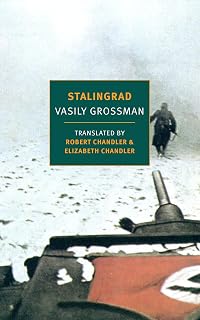
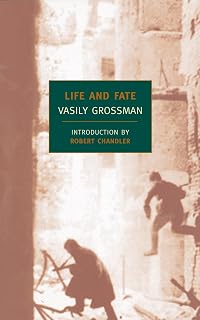
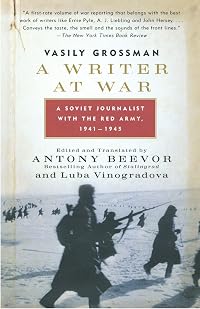
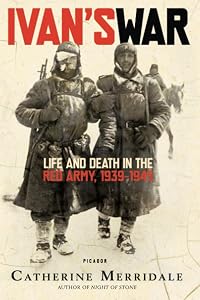


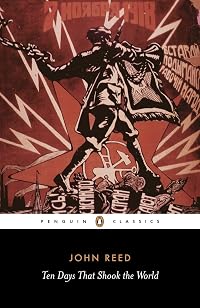
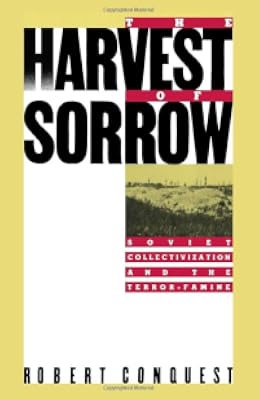
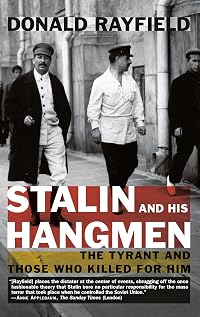
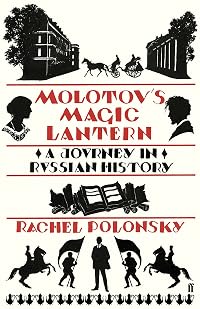



Member Recommendations
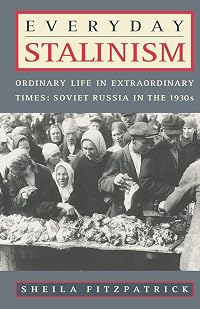
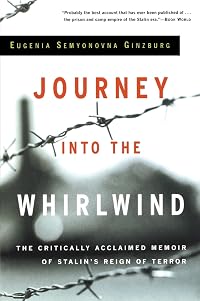
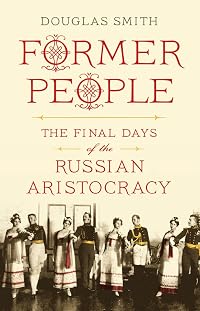
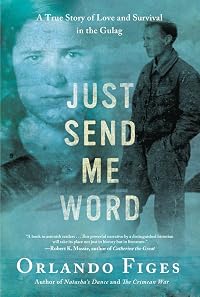
mercure Both books deal with daily life under Stalinism. Mr. Sebag Montefiore looks at Stalin's inner circle, The Whisperers looks at everybody outside that circle.
40

Member Reviews
The yay:
4 1/2 stars. This book is an epic undertaking of recovering and reclaiming an era of Soviet history that was denied -- despite personal experience -- for decades. It gives an amazing, often heartbreaking, sense of what the Stalin years were like for people from many different walks of life (both privileged and oppressed). All throughout, I kept thinking about the adage "the personal is political, and vice versa", as often senseless totalitarian politics shaped every aspect of life (and thus fueled entirely reasonable terror) among the populace.
I appreciated that the book doesn't end with Khrushchev's rise to power. Figes addresses the era following Stalin, the failure of the millions of people who'd been imprisoned to show more reintegrate into society, and the effect of immense trauma on the survivors and their children.
The use of *so many* photos make it even more affecting. It turns the people from names on a page to actual living breathing people who lived in an appallingly constricted culture. Then, at the end, the description of the research methodology (over 1000 people from different regions were interviewed) adds that every person mentions was asked to confirm, edit, and clarify/expand upon their stories.
I got to the last page and immediately wanted to read it again. I LOVE when nonfiction makes me feel that way!
The boo:
Disability tag for numerous people with various disabling ailments and the utter lack of any social support system for them outside the family. Also, the offensive use of the archaic term "invalid". Note to the universe: people living with disabilities are, in fact, VALID human beings. It's one thing to use the term (in quotes) to refer to a bureaucratic category of prisoner/military discharge; its casual narrative use is another matter entirely. In a book so fundamentally about human rights, I expected better.
Gender-politics tag for the fascinating ways that communist culture gave women equality in some ways and denied it in others. There were Russian women combat soldiers, not just support staff, in WW2. Glass ceilings happened, and many high level party wives were forced by their husbands to quit work and stay home as a sign of status.
Warnings for mostly non-graphic genocide, war, mass oppression, systematized brain washing, families being ripped apart, generalized mention of sexual violence, trauma, etc. Within the text, there is ableist language and culturally endemic everyday sexism. I did have to stop midway through Stalin's Terror and read something fun, hence the 2 whole weeks it took me to finish this. show less
4 1/2 stars. This book is an epic undertaking of recovering and reclaiming an era of Soviet history that was denied -- despite personal experience -- for decades. It gives an amazing, often heartbreaking, sense of what the Stalin years were like for people from many different walks of life (both privileged and oppressed). All throughout, I kept thinking about the adage "the personal is political, and vice versa", as often senseless totalitarian politics shaped every aspect of life (and thus fueled entirely reasonable terror) among the populace.
I appreciated that the book doesn't end with Khrushchev's rise to power. Figes addresses the era following Stalin, the failure of the millions of people who'd been imprisoned to show more reintegrate into society, and the effect of immense trauma on the survivors and their children.
The use of *so many* photos make it even more affecting. It turns the people from names on a page to actual living breathing people who lived in an appallingly constricted culture. Then, at the end, the description of the research methodology (over 1000 people from different regions were interviewed) adds that every person mentions was asked to confirm, edit, and clarify/expand upon their stories.
I got to the last page and immediately wanted to read it again. I LOVE when nonfiction makes me feel that way!
The boo:
Disability tag for numerous people with various disabling ailments and the utter lack of any social support system for them outside the family. Also, the offensive use of the archaic term "invalid". Note to the universe: people living with disabilities are, in fact, VALID human beings. It's one thing to use the term (in quotes) to refer to a bureaucratic category of prisoner/military discharge; its casual narrative use is another matter entirely. In a book so fundamentally about human rights, I expected better.
Gender-politics tag for the fascinating ways that communist culture gave women equality in some ways and denied it in others. There were Russian women combat soldiers, not just support staff, in WW2. Glass ceilings happened, and many high level party wives were forced by their husbands to quit work and stay home as a sign of status.
Warnings for mostly non-graphic genocide, war, mass oppression, systematized brain washing, families being ripped apart, generalized mention of sexual violence, trauma, etc. Within the text, there is ableist language and culturally endemic everyday sexism. I did have to stop midway through Stalin's Terror and read something fun, hence the 2 whole weeks it took me to finish this. show less
Rusya’nın her tarafından Stalin teröründen sağ kurtulanların gizli çekmecelerde ve döşek altlarında sakladığı mektuplara, günlüklere, fotoğraflara, kişisel belgelere ve sözlü tanıklıklara dayanılarak kaleme alınan Karanlıkta Fısıldaşanlar birçok Sovyet ailesinin gizli geçmişini açığa çıkarırken, Stalin’in zorba yönetimi altında yaşayan sıradan insanların iç dünyasına daha önce yapılmadığı ölçüde ışık tutuyor. Stalin terörünün kişisel ve ailevi yaşam üzerindeki etkisini derinlemesine inceleyen bir ilk kitap.
Karanlıkta Fısıldaşanlar, her sayfada varlığının hissedilmesine karşın, Stalin’le ya da rejimin siyasetiyle ilgili değildir; Stalinizmin bütün değerleri show more ve ilişkileri etkileyecek biçimde insanların zihinlerine ve duygularına girişiyle ilgilidir. Elinizdeki kitap terörün kökleri muammasını çözmeye ya da Gulag’ın yükselişini ve çöküşünü ortaya koymaya çalışmıyor; ama polis devletinin Sovyet toplumunda nasıl kök salabildiğini ve milyonlarca sıradan insanı nasıl suskun seyirciler ve işbirlikçiler olarak terör sistemi içine
katabildiğini açıklamaya girişiyor. Stalinist sistemin gerçek gücü ve kalıcı mirası ne devlet yapıları ne de lider kültüydü; Rus tarihçi Mihail Gefter’in ifadesiyle, ‘hepimizin içine giren Stalinizm’di.” show less
Karanlıkta Fısıldaşanlar, her sayfada varlığının hissedilmesine karşın, Stalin’le ya da rejimin siyasetiyle ilgili değildir; Stalinizmin bütün değerleri show more ve ilişkileri etkileyecek biçimde insanların zihinlerine ve duygularına girişiyle ilgilidir. Elinizdeki kitap terörün kökleri muammasını çözmeye ya da Gulag’ın yükselişini ve çöküşünü ortaya koymaya çalışmıyor; ama polis devletinin Sovyet toplumunda nasıl kök salabildiğini ve milyonlarca sıradan insanı nasıl suskun seyirciler ve işbirlikçiler olarak terör sistemi içine
katabildiğini açıklamaya girişiyor. Stalinist sistemin gerçek gücü ve kalıcı mirası ne devlet yapıları ne de lider kültüydü; Rus tarihçi Mihail Gefter’in ifadesiyle, ‘hepimizin içine giren Stalinizm’di.” show less
‘The Whisperers’ is a collection of personal accounts of daily life and death in Stalinist Russia. It is based on hundreds of interviews and family archives, collected with some difficulty. The book is a very effective attempt to personalise the appalling suffering during Stalin’s rule. As is often said, one death is a tragedy but thousands, even millions, are a mere statistic. The number of people that Stalin had killed, exiled, or tortured cannot readily be encompassed by the human mind. It seems hardly surprising that many Russians should subconsciously or otherwise make every effort to forget what happened. Understanding the impact of the Soviet system’s use of arbitrary arrest, gulags, exile, and execution is easier on the show more scale of individual families, as in this book. ‘The Whisperers’ recounts the tales of families who did not know that relatives had been killed until decades later, whose loved ones returned from the gulag as different people, and who struggled with the constant fear that they would be taken away next.
Perhaps the most shocking part of the book for me was the section on the Second World War. It is often said that Russia was the country most damaged by the war, although Poland lost a greater proportion of its population and could thus also make a very strong argument. Certainly, given the scale of the country, Russia’s losses in the war were awe-inspiring. A entire generation of young men was decimated, thousands of settlements were wiped off the map, the economy was crippled, and approximately twenty million people died. To attempt a little context, that is two and a half times the current population of London. Again, this is basically impossible for the human mind to comprehend. What I found grotesque, though, is the feeling of happiness and nostalgia associated with memories of this period. Whilst this phenomenon was hardly unique to the USSR, witness ‘the spirit of the Blitz’, it is hard to imagine how anyone could dredge happy feelings from a period of such extremes of deprivation, danger, and death. This put Stalin’s reign in context for me like nothing else - such was the atmosphere of fear and repression pre-war that the community feeling and sense of purpose during the war were a welcome relief.
Although all the family stories in the book were compelling, I’d single out that of Simonov as especially fascinating. This is in part because I already had a slight familiarity with him through the work of Vasily Grossman. Indeed, ‘The Whisperers’ is an excellent complement to [b:A Writer at War: Vasily Grossman with the Red Army|267013|A Writer at War Vasily Grossman with the Red Army|Vasily Grossman|https://images.gr-assets.com/books/1320453566s/267013.jpg|258889], as well as Grossman’s fiction. ([b:Everything Flows|8722251|Everything Flows|Vasily Grossman|https://images.gr-assets.com/books/1327781622s/8722251.jpg|728857] is does justice to the suffering and terror of Stalinist era; [b:Life and Fate|88432|Life and Fate|Vasily Grossman|https://images.gr-assets.com/books/1320447178s/88432.jpg|2435598] is a magnificent epic centring on the Battle of Stalingrad.) At the time, Simonov was a much more successful figure in journalism and literature than Grossman, because he had a greater willingness to make moral compromises. Indeed, Simonov has a reputation as Stalin’s favourite. Simonov’s story and his role in the regime thus shed light on the personal politics of collaboration within totalitarian regimes and how people justify this ex post. Simonov comes across as an incredibly flawed, ambivalent figure; talented but uncertain and inconsistent.
I would caution those reading this book not to do as I did and tackle the entire second half in a single day. It is a very intense, painful, and horrifying read. The writing is humane, sensitive, and careful to let each family tell their own story. There is no systematic attempt to explain why Stalin unleashed the horrors that he did. It is a book of lived experience, the kind of historical record that it is vitally important to collect whilst personal memories can still be recounted. One cannot read it without a powerful feeling of sheer luck at not being born during the Stalinist period and a boundless sympathy for those that were. show less
Perhaps the most shocking part of the book for me was the section on the Second World War. It is often said that Russia was the country most damaged by the war, although Poland lost a greater proportion of its population and could thus also make a very strong argument. Certainly, given the scale of the country, Russia’s losses in the war were awe-inspiring. A entire generation of young men was decimated, thousands of settlements were wiped off the map, the economy was crippled, and approximately twenty million people died. To attempt a little context, that is two and a half times the current population of London. Again, this is basically impossible for the human mind to comprehend. What I found grotesque, though, is the feeling of happiness and nostalgia associated with memories of this period. Whilst this phenomenon was hardly unique to the USSR, witness ‘the spirit of the Blitz’, it is hard to imagine how anyone could dredge happy feelings from a period of such extremes of deprivation, danger, and death. This put Stalin’s reign in context for me like nothing else - such was the atmosphere of fear and repression pre-war that the community feeling and sense of purpose during the war were a welcome relief.
Although all the family stories in the book were compelling, I’d single out that of Simonov as especially fascinating. This is in part because I already had a slight familiarity with him through the work of Vasily Grossman. Indeed, ‘The Whisperers’ is an excellent complement to [b:A Writer at War: Vasily Grossman with the Red Army|267013|A Writer at War Vasily Grossman with the Red Army|Vasily Grossman|https://images.gr-assets.com/books/1320453566s/267013.jpg|258889], as well as Grossman’s fiction. ([b:Everything Flows|8722251|Everything Flows|Vasily Grossman|https://images.gr-assets.com/books/1327781622s/8722251.jpg|728857] is does justice to the suffering and terror of Stalinist era; [b:Life and Fate|88432|Life and Fate|Vasily Grossman|https://images.gr-assets.com/books/1320447178s/88432.jpg|2435598] is a magnificent epic centring on the Battle of Stalingrad.) At the time, Simonov was a much more successful figure in journalism and literature than Grossman, because he had a greater willingness to make moral compromises. Indeed, Simonov has a reputation as Stalin’s favourite. Simonov’s story and his role in the regime thus shed light on the personal politics of collaboration within totalitarian regimes and how people justify this ex post. Simonov comes across as an incredibly flawed, ambivalent figure; talented but uncertain and inconsistent.
I would caution those reading this book not to do as I did and tackle the entire second half in a single day. It is a very intense, painful, and horrifying read. The writing is humane, sensitive, and careful to let each family tell their own story. There is no systematic attempt to explain why Stalin unleashed the horrors that he did. It is a book of lived experience, the kind of historical record that it is vitally important to collect whilst personal memories can still be recounted. One cannot read it without a powerful feeling of sheer luck at not being born during the Stalinist period and a boundless sympathy for those that were. show less
During Stalin's reign of terror, 25 million people were either shot by execution squads, or were gulag prisoners, were kulaks sent to special settlements, or were slave laborers. These 'repressed' constituted about 1/8 of the total population, and the figure does not include those who died of famine or war-related causes. In addition to the 'repressed', there were further tens of millions, the relatives, whose lives were damaged with profound social consequences which are still felt today.
This amazing book concerns itself only minimally with statistics. Based on thousands of interviews, documents, letters, diaries and photographs, it is a book of people and their stories. We are immersed in the personal lives of several show more multi-generational families, from the earliest years of the 20th century to date. We also hear, in their own words, the stories of dozens of others and their experiences during Stalin's reign.
During this time period, no one was safe from condemnation, and no one knew who to trust. Said one man, 'After long acquaintance with his role, a man grows into it so closely that he can no longer differentiate his true self from the self he simulates, so that even the most intimate of individuals speak to each other in Party Slogans.'
Many people were convicted for crimes such as simply being 'the daughter of an enemy of the people.' Appealing a conviction was futile--as one former prisoner said, 'There is nothing more to be said about my case. There is no case, only a soap bubble in the shape of an elephant. I cannot refute what is not, was not, and could never have been.'
Wives of the convicted were sent to Akmolinsk Labor Camp for the Wives of Traitors to the Motherland. This camp was opened in 1938, and by 1941 had 10,000 inmates. It was considered a relatively 'good' camp, but rations were given in accordance with meeting work quotas, and failure to meet a work quota for 10 consecutive days meant transfer to the 'death barracks.'
I was particularly moved by the plight of the children during the Stalinist regime. Most labor camps that had female prisoners also had children's homes. The children's compound in Akmolinsk had 400 infants under the age of 4 in 1941, almost all conceived in the camp. One mother who endured the death of her 18 month old daughter in the compound described the treatment of the children thusly:
'I saw the nurses getting the children up in the mornings. They would force them out of their cold beds with shoves and kicks...Pushing the children with their fists and swearing at them roughly, they took off their night clothes and washed them in ice-cold water. The babies didn't even dare to cry. They made little sniffing noises like old men and let out low hoots. This awful hooting noise would come from the cots for days at a time. Children already old enough to be sitting up or crawling would lie on their backs, their knees pressed to their stomachs, making these strange noises, like the muffled cooing of pigeons.'
Describing one nurse responsible for feeding 17 infants, she said:
'The nurse brought a steaming bowl of porridge from the kitchen, and portioned it out into the separate dishes. She grabbed the nearest baby, forced its arms back, tied them in place with a towel, and began cramming spoonful after spoonful of hot porridge down its throat, not leaving it enough time to swallow, exactly as if she were feeding a turkey chick.'
The parents of older children often coached their children on ways and means to avoid being sent to an orphanage in the event that they, the parents, were arrested. These older children could try to fend for themselves with help from friends or teachers. Younger children were not so lucky, and even the older children were often turned over to the orphanges, since it was also a crime to harbor the child of an enemy of the people, and relatives and friends were reluctant to help them.
Very little communication was allowed between exiled parent and child. When and if released, the parent was often unable to locate the children they lost when they were seized. Those who found each other were often strangers, and found it difficult to establish familial relationships again. Not only were parents broken, but children were irreparably scarred.
The effects of Stalin's reign of terror are with the Soviet people today:
'It is not only Stalin that you cannot forgive, but you yourself. It is not that you did something bad--maybe you did nothing wrong, at least on the face of it--but that you became accustomed to evil.'
This book is one of my best reads of the year. I could not put it down. Many of the stories sound unbelievable, yet are confirmed time and again by others. In his afterword, Figes states that upon beginning this project, he feared that older people might be reluctant to share their experiences for fear that harsh authoritarian practices might return. He found that in the early 90's when there was an outpouring of memoirs about Stalinist repressions, people shared the facts of the repression--the details of their arrest and imprisonment. His goal was to illuminate the damage to their inner lives, 'the painful memories of personal betrayal and lost relationships that had shaped their history.' In this he succeeded admirably. show less
This amazing book concerns itself only minimally with statistics. Based on thousands of interviews, documents, letters, diaries and photographs, it is a book of people and their stories. We are immersed in the personal lives of several show more multi-generational families, from the earliest years of the 20th century to date. We also hear, in their own words, the stories of dozens of others and their experiences during Stalin's reign.
During this time period, no one was safe from condemnation, and no one knew who to trust. Said one man, 'After long acquaintance with his role, a man grows into it so closely that he can no longer differentiate his true self from the self he simulates, so that even the most intimate of individuals speak to each other in Party Slogans.'
Many people were convicted for crimes such as simply being 'the daughter of an enemy of the people.' Appealing a conviction was futile--as one former prisoner said, 'There is nothing more to be said about my case. There is no case, only a soap bubble in the shape of an elephant. I cannot refute what is not, was not, and could never have been.'
Wives of the convicted were sent to Akmolinsk Labor Camp for the Wives of Traitors to the Motherland. This camp was opened in 1938, and by 1941 had 10,000 inmates. It was considered a relatively 'good' camp, but rations were given in accordance with meeting work quotas, and failure to meet a work quota for 10 consecutive days meant transfer to the 'death barracks.'
I was particularly moved by the plight of the children during the Stalinist regime. Most labor camps that had female prisoners also had children's homes. The children's compound in Akmolinsk had 400 infants under the age of 4 in 1941, almost all conceived in the camp. One mother who endured the death of her 18 month old daughter in the compound described the treatment of the children thusly:
'I saw the nurses getting the children up in the mornings. They would force them out of their cold beds with shoves and kicks...Pushing the children with their fists and swearing at them roughly, they took off their night clothes and washed them in ice-cold water. The babies didn't even dare to cry. They made little sniffing noises like old men and let out low hoots. This awful hooting noise would come from the cots for days at a time. Children already old enough to be sitting up or crawling would lie on their backs, their knees pressed to their stomachs, making these strange noises, like the muffled cooing of pigeons.'
Describing one nurse responsible for feeding 17 infants, she said:
'The nurse brought a steaming bowl of porridge from the kitchen, and portioned it out into the separate dishes. She grabbed the nearest baby, forced its arms back, tied them in place with a towel, and began cramming spoonful after spoonful of hot porridge down its throat, not leaving it enough time to swallow, exactly as if she were feeding a turkey chick.'
The parents of older children often coached their children on ways and means to avoid being sent to an orphanage in the event that they, the parents, were arrested. These older children could try to fend for themselves with help from friends or teachers. Younger children were not so lucky, and even the older children were often turned over to the orphanges, since it was also a crime to harbor the child of an enemy of the people, and relatives and friends were reluctant to help them.
Very little communication was allowed between exiled parent and child. When and if released, the parent was often unable to locate the children they lost when they were seized. Those who found each other were often strangers, and found it difficult to establish familial relationships again. Not only were parents broken, but children were irreparably scarred.
The effects of Stalin's reign of terror are with the Soviet people today:
'It is not only Stalin that you cannot forgive, but you yourself. It is not that you did something bad--maybe you did nothing wrong, at least on the face of it--but that you became accustomed to evil.'
This book is one of my best reads of the year. I could not put it down. Many of the stories sound unbelievable, yet are confirmed time and again by others. In his afterword, Figes states that upon beginning this project, he feared that older people might be reluctant to share their experiences for fear that harsh authoritarian practices might return. He found that in the early 90's when there was an outpouring of memoirs about Stalinist repressions, people shared the facts of the repression--the details of their arrest and imprisonment. His goal was to illuminate the damage to their inner lives, 'the painful memories of personal betrayal and lost relationships that had shaped their history.' In this he succeeded admirably. show less
Many of the books written about life during Stalin's reign are gulag survivor stories. Little has been written about everyday Soviet life during the years 1930-1953. Even less has been written about the minor bureaucrats who were successful during these years. The Whisperers is a well-researched and -documented account of ordinary individuals and families caught up in the terror, both those who were repressed and some who succeeded during those years.
In Russian there are two words that mean "whisperer": one for those who whisper in fear to avoid being heard, and the other for those who whisper in order to inform behind people's backs. That is the crux of the situation under Stalin and the crux of the book. Everyone was a whisperer of show more one sort or another and sometimes both. In trying to unravel the complexities and pyschological issues of the times, Orlando Figes interviews hundreds of people, often having to suss out the truth from amidst the reticence, the self-deception, the faulty memories, and the hidden lies. The result is a fascinating account of Soviet Russia that gets at the heart of how people had to whisper, to deceive, and to hide within themselves in order to survive.
I was daunted at first by the book's size (740 pages), but quickly became engrossed. It reads like a novel and includes the stories of dozens of fascinating people. I enjoyed both the mini-memoirs and the more philosophical sections that dealt with the impact of the repression, the psychological trauma that individuals incurred and passed on to their children, and the ways in which people contorted their psyches in order to live in such an Orwellian society. I would highly recommend the book to anyone interested in Russia or oppressed peoples. show less
In Russian there are two words that mean "whisperer": one for those who whisper in fear to avoid being heard, and the other for those who whisper in order to inform behind people's backs. That is the crux of the situation under Stalin and the crux of the book. Everyone was a whisperer of show more one sort or another and sometimes both. In trying to unravel the complexities and pyschological issues of the times, Orlando Figes interviews hundreds of people, often having to suss out the truth from amidst the reticence, the self-deception, the faulty memories, and the hidden lies. The result is a fascinating account of Soviet Russia that gets at the heart of how people had to whisper, to deceive, and to hide within themselves in order to survive.
I was daunted at first by the book's size (740 pages), but quickly became engrossed. It reads like a novel and includes the stories of dozens of fascinating people. I enjoyed both the mini-memoirs and the more philosophical sections that dealt with the impact of the repression, the psychological trauma that individuals incurred and passed on to their children, and the ways in which people contorted their psyches in order to live in such an Orwellian society. I would highly recommend the book to anyone interested in Russia or oppressed peoples. show less
There's a quote by Aleksandr Solzhenitsyn that Steven Pinker uses in Better Angels of Our Nature:
I wonder if there is a writer of dystopias anywhere who hasn't used totalitarianism as a crutch? Why? Because you simply cannot make this stuff up. Take another problem: housing in the cities. Collectivization brought millions flooding into the cities. They came to flee repression and famine in the countryside, and to assume personal histories more palatable to the State. That is to say, histories with a strong proletarian blood line. Why was there insufficient housing? Why were 17 people living to a single room, 113 people, in one instance, to a single toilet? Well, when you've defaulted on your international debt, scared investors off, and cratered your real estate sector what else could be expected? But, hey, you're Stalin and convinced that you're going to turn all this tragedy around. How will you do it? Simple: slave labor! Yes, that's how you're going to incentivize your people, that's how you'll spur them on the ever great achievements: throw them in jail and work them to death in the frozen tundra, or, if not in the tundra, in areas where you will not feed them enough to survive very long at all. The point I find astonishing is that such penal servitude was sold to the Party as a way of reeducating wayward elements, as a means of building the new Soviet citizen. "Reforging," was the term.
What a joke of a nation! Still, today, it is run with an iron fist. There's been very little development of durable institutions that will perpetuate democracy. Moreover, Russia is now a country without a heritage, because it was deracinated during the era of Stalin. Folkways, musical heritage, etc. etc., all was devastated by Stalin and his goons. Russia is today a shell of a nation, hollowed out, as it were, by more than seventy years of hideous repression and so-called class warfare. (Figes explains here why the concept "kulak" was completely rhetorical as used by the Soviets and did not reflect actual usage of the era.) Poor Russia, when will you become a real democracy? Not as long as Vladimir Putin's in charge, that's for sure. Which is why I close with my best wishes to the inestimable Pussy Riot and their kind. Here's to a true democratic revolution. show less
Macbeth's self-justifications were feeble--and his conscience devoured him. Yes, even Iago was a little lamb, too. The imagination and the spiritual strength of Shakespeare's evildoers stopped short at a dozen corpses. Because they had no ideology.And he's right. For it was solely by way of a demented, incoherent ideology that so many millions were starved and killed. (By the by, a new biography, Karl Marx: A Nineteenth-Century Life by Jonathan Sperber, makes compelling, amply sourced arguments that Marx's thought was never a coherent whole but often a reaction to the politics of his day. Engels had to all but horsewhip him to get show more something publishable; still, it was not until after his death that the final volumes of Capital appeared.) The account given here of so-called "collectivization" and "dekulakization" takes the breath away. The absolute arbitrariness of the suppression visited on anyone, any family, who by dint of hard work had been able to pull together some semblance of a livable life, takes the breath away. Get thee to the Gulag, go! And these were the people who were most efficiently providing foodstuffs to the cities through a simple market mechanism that had been in place for millennia. When they were eliminated, the cities starved.
I wonder if there is a writer of dystopias anywhere who hasn't used totalitarianism as a crutch? Why? Because you simply cannot make this stuff up. Take another problem: housing in the cities. Collectivization brought millions flooding into the cities. They came to flee repression and famine in the countryside, and to assume personal histories more palatable to the State. That is to say, histories with a strong proletarian blood line. Why was there insufficient housing? Why were 17 people living to a single room, 113 people, in one instance, to a single toilet? Well, when you've defaulted on your international debt, scared investors off, and cratered your real estate sector what else could be expected? But, hey, you're Stalin and convinced that you're going to turn all this tragedy around. How will you do it? Simple: slave labor! Yes, that's how you're going to incentivize your people, that's how you'll spur them on the ever great achievements: throw them in jail and work them to death in the frozen tundra, or, if not in the tundra, in areas where you will not feed them enough to survive very long at all. The point I find astonishing is that such penal servitude was sold to the Party as a way of reeducating wayward elements, as a means of building the new Soviet citizen. "Reforging," was the term.
What a joke of a nation! Still, today, it is run with an iron fist. There's been very little development of durable institutions that will perpetuate democracy. Moreover, Russia is now a country without a heritage, because it was deracinated during the era of Stalin. Folkways, musical heritage, etc. etc., all was devastated by Stalin and his goons. Russia is today a shell of a nation, hollowed out, as it were, by more than seventy years of hideous repression and so-called class warfare. (Figes explains here why the concept "kulak" was completely rhetorical as used by the Soviets and did not reflect actual usage of the era.) Poor Russia, when will you become a real democracy? Not as long as Vladimir Putin's in charge, that's for sure. Which is why I close with my best wishes to the inestimable Pussy Riot and their kind. Here's to a true democratic revolution. show less
El título de este libro (muy bueno, si bien algo deprimente) hace referencia tanto al miedo a la gente a hablar con libertad, como a los susurros de los confidentes al denunciar. Figes recopila testimonios (principalmente orales) de víctimas de la represión, los enlaza con la vida del escritor Estalinista Konstantin Simonov y los combina para formar un fresco de la historia de la URSS (con énfasis en el periodo de 1930 a 1956) El autor consigue contar las historias sin marcar las tintas en lo dramático de las situaciones (ya de por sí bastante terribles) y pasa de una a otra con agilidad.
En fin, un libro excelente (aunque aviso que está centrado en histórias "a pie de calle" el que quiera saber sobre la política interna de la show more URSS debería acudir a libros como los de de Conquest o Montefiore) show less
En fin, un libro excelente (aunque aviso que está centrado en histórias "a pie de calle" el que quiera saber sobre la política interna de la show more URSS debería acudir a libros como los de de Conquest o Montefiore) show less
Members
- Recently Added By
Lists

All Things Russia
459 works; 11 members
Author Information

32+ Works 7,824 Members
Some Editions
Awards and Honors
Work Relationships
Common Knowledge
- Original publication date
- 2007
- People/Characters
- Anna Akhmatova; Joseph Stalin
- Important places
- USSR
- Dedication
- For my mother, Eva Figes (nee Unger, Berlin 1932) and to the memory of the family we lost.
Classifications
Statistics
- Members
- 1,106
- Popularity
- 22,930
- Reviews
- 25
- Rating
- (4.27)
- Languages
- 16 — Chinese, Czech, Danish, Dutch, English, Estonian, Finnish, French, German, Italian, Norwegian (Bokmål), Portuguese, Slovenian, Spanish, Swedish, Turkish
- Media
- Paper, Audiobook, Ebook
- ISBNs
- 34
- ASINs
- 7