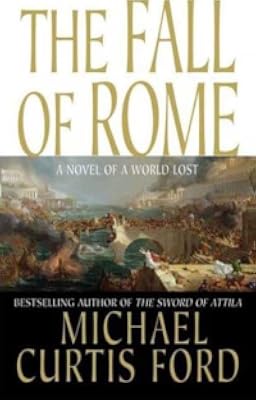
The Fall of Rome
by Michael Curtis Ford
On This Page
Description
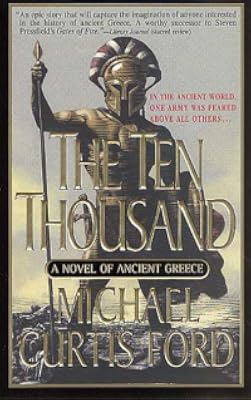
476 a.d.: The Roman Empire, riddled with corruption and staggered by centuries of barbarian onslaughts, now faces its greatest challenge---not only to its wealth and prestige, but to its very existence.In his riveting novel The Sword of Attila, Michael Curtis Ford thrilled readers with his recounting of a cataclysmic clash of ancient civilizations. Now, in The Fall of Rome, he takes on the bloody twilight of empire, as the legacy of Attila---once thought destroyed on the show more battlefield---emerges again to defy the power of the Western World.In this powerful saga of Roman warfare, the sons of Attila's great officers wage battle with one another as the dramatic confrontation between Rome's last emperor and Rome's barbarian conqueror leads to the thrilling de?nouement that becomes the fall of a mighty empire.Pulsing with intrigue, saturated with historical detail, The Fall of Rome brings readers to new places--pressed into the trenches as catapult bolts fly overhead, lurking within the palace where betrayal is plotted, imprisoned in a tower stronghold where an emperor turns mad.Once again, Ford demonstrates his mastery as a chronicler of battle, honor, and ancient worlds in this masterfully plotted epic novel that will leave readers begging for more.Praise for the Novels of Michael Curtis FordThe Sword of Attila"Supremely well executed . . . again, Ford offers solidly researched and lustily violent military historical fiction."---Kirkus ReviewsThe Last King"Michael Curtis Ford's love for the ancient world emanates from every page: in his magical settings and spectacular re-creation of monuments and landscapes, in his bold portraits of the protagonists, and in his intriguing and swiftly moving plot."---Valerio Massimo Manfredi, author of the Alexander Trilogy and Spartan"This is Ford's best so far, and only those who have read his first two know just how good that makes this book."---The Statesman JournalGods and Legions"Powerful and passionate. A truly compelling story---one not just of gods and legions but of men."---Library Journal (starred review)"Thanks to the author's excellent research of both his subject and era, the reader experiences this great man's transformation step by determined step. Highly recommended."---The Historical Novels ReviewThe Ten Thousand"A worthy successor to Steven Pressfield's Gates of Fire."---Library Journal (starred review)"Michael Curtis Ford's moving account of the fighting and dying of these heroic Greek mercenaries is not only historically sound, but very human, in making Xenophon's tale come alive in a way that no ancient historian or classicist has yet accomplished."---Professor Victor Davis Hanson, author of The Soul of Battle show lessTags
Recommendations












Member Reviews
I have a criticism of the writer for Odovacar wasn't a a Hun! It isn't a Hunnic name and there's only the author's convenience makes him one. But as the fifth Century is very short of direct historical material, the real criteria of this school of fiction is whether or not it is plausible. I didn't find it so, and if one wishes to visit a fictionalized Attila's court try the writings of Stephen Grundy,. The real material on Attila can be found in , for instance, Gordon's "Age of Attila".
Not deep, but a terrific introduction to late Roman Empire. It's got adventure, drama, and a strong sense of 'place'
2.5
Reseña de Fantasía Mágica
Cómo me costó terminar este libro. Aunque la sinopsis lo diga, a mí no me pareció ni tan espectacular ni tan vivaz. Me siento hasta un poco estafada. He leído muchos libros con contexto histórico y muchas donde hay batallas, y a éste no lo sentí bien logrado. No logré mantenerme interesada, a pesar de que el argumento y el título prometían mucho.
Empieza interesante con la muerte de Atila, pero luego va perdiendo fuerza y dinamismo y sólo se recupera un poco sobre el final, cuando ya es tarde.
El libro está dividido en tres partes y la primera se lee muy rápidamente y es atrapante. Las otras dos partes no. Si bien sobre el final de la tercera mejora un poco, no es suficiente para repuntar el show more aburrimiento que me generó en el medio durante páginas y páginas.
Como curiosidad, los párrafos son muy largos. Hay una cantidad enorme de comas, lo que produce frases de cerca de diez renglones de largo que parece que nunca van a terminar.
Mi primer problema fue identificar los nombres. Odoacro, Onulf y Orestes se me mezclaron continuamente y me costó muchas páginas finalmente identificar a cada uno y a qué bando pertenecían. Sé que fueron personas reales y ésta es una ficción basada en una investigación hecha por el autor, pero aún así creo que no manejó la aparición de los personajes todo lo bien que hubiera hecho falta para guiar a quienes no conocemos más que lo básico de la historia del imperio romano.
Mi segundo problema fue imaginar a los personajes. Pocas veces hay descripciones, y para colmo los protagonistas son el resultado de la mezcla de varias razas -cosa que nos enteramos bastante avanzado el libro- así que las características físicas que uno puede pensar que tenían, de repente son completamente diferentes.
Además, cosa extraña, los protagonistas no se sienten realmente como protagonistas. Se los ve bastante poco y uno no llega a sentir algo por ellos más que indiferencia. Es como ver un juego de estrategia desde afuera.
En vez de profundizar en hechos importantes se extiende durante páginas y páginas con algunas batallas esporádicas que narra con lujo de detalles. Los diálogos son breves, escasos y muchas veces con poca importancia. Son lo mejor del libro por lejos, éstas partes se leen muy rápido, el resto no.
Cada vez que se pone interesante nos avisa que pasaron unos cinco años. Saltea lustros como si fueran horas y luego los resume de forma rápida, bastante aburrida y por momentos hasta confusa. Por ésto muchas veces nos encontramos cambios que se mencionan al pasar como si ya los hubiéramos visto ocurrir, pero no.
Varias veces me sentí tentada de saltear algunas partes (lo que para mi roza el pecado) ya que por momentos parece un ensayo muy poco dinámico o un libro de historia camuflado como novela.
Ni siquiera hay un mínimo de misterio porque ya sabemos que Roma va a caer, y el proceso de ver como ocurre debería ser mucho más interesante y ameno de lo que es. Pensé que iba a ver la caída del imperio en una narración llega de intriga, estrategia y traición, pero se vio como un conjunto de batallas demasiado detalladas y alguna que otra traición, principalmente desde fuera del imperio. show less
Reseña de Fantasía Mágica
Cómo me costó terminar este libro. Aunque la sinopsis lo diga, a mí no me pareció ni tan espectacular ni tan vivaz. Me siento hasta un poco estafada. He leído muchos libros con contexto histórico y muchas donde hay batallas, y a éste no lo sentí bien logrado. No logré mantenerme interesada, a pesar de que el argumento y el título prometían mucho.
Empieza interesante con la muerte de Atila, pero luego va perdiendo fuerza y dinamismo y sólo se recupera un poco sobre el final, cuando ya es tarde.
El libro está dividido en tres partes y la primera se lee muy rápidamente y es atrapante. Las otras dos partes no. Si bien sobre el final de la tercera mejora un poco, no es suficiente para repuntar el show more aburrimiento que me generó en el medio durante páginas y páginas.
Como curiosidad, los párrafos son muy largos. Hay una cantidad enorme de comas, lo que produce frases de cerca de diez renglones de largo que parece que nunca van a terminar.
Mi primer problema fue identificar los nombres. Odoacro, Onulf y Orestes se me mezclaron continuamente y me costó muchas páginas finalmente identificar a cada uno y a qué bando pertenecían. Sé que fueron personas reales y ésta es una ficción basada en una investigación hecha por el autor, pero aún así creo que no manejó la aparición de los personajes todo lo bien que hubiera hecho falta para guiar a quienes no conocemos más que lo básico de la historia del imperio romano.
Mi segundo problema fue imaginar a los personajes. Pocas veces hay descripciones, y para colmo los protagonistas son el resultado de la mezcla de varias razas -cosa que nos enteramos bastante avanzado el libro- así que las características físicas que uno puede pensar que tenían, de repente son completamente diferentes.
Además, cosa extraña, los protagonistas no se sienten realmente como protagonistas. Se los ve bastante poco y uno no llega a sentir algo por ellos más que indiferencia. Es como ver un juego de estrategia desde afuera.
En vez de profundizar en hechos importantes se extiende durante páginas y páginas con algunas batallas esporádicas que narra con lujo de detalles. Los diálogos son breves, escasos y muchas veces con poca importancia. Son lo mejor del libro por lejos, éstas partes se leen muy rápido, el resto no.
Cada vez que se pone interesante nos avisa que pasaron unos cinco años. Saltea lustros como si fueran horas y luego los resume de forma rápida, bastante aburrida y por momentos hasta confusa. Por ésto muchas veces nos encontramos cambios que se mencionan al pasar como si ya los hubiéramos visto ocurrir, pero no.
Varias veces me sentí tentada de saltear algunas partes (lo que para mi roza el pecado) ya que por momentos parece un ensayo muy poco dinámico o un libro de historia camuflado como novela.
Ni siquiera hay un mínimo de misterio porque ya sabemos que Roma va a caer, y el proceso de ver como ocurre debería ser mucho más interesante y ameno de lo que es. Pensé que iba a ver la caída del imperio en una narración llega de intriga, estrategia y traición, pero se vio como un conjunto de batallas demasiado detalladas y alguna que otra traición, principalmente desde fuera del imperio. show less
A look at the fall of Rome from the viewpoint of the destroyers. The Hun Odoacer and his brother Onulf are nearly captured when children by the Ostrogoth Orestes. It takes them over twenty years but they get their revenge and Odoacer ascends the throne as King of Italia thus ending the story of Rome.
Main Characters:
Odoacer: a general in the Hun military under Attila. When Attila dies he is responsible for getting Attila's body and all riches to his final resting place (hidden cave). He allows Orestes (also a general in the Hun military) to witness the "burial." Orestes "tricks" Odoacer and steals all of the riches in Attila's tomb/cave. Odoacer is blamed for the blunder by one of Attila's sons and sentenced to death. Odoacer escapes. He takes exile in Scirii (his mom's native land) where he meets his grandfather (king of the Scirii people). Odoacer is made a prince and enjoys a short period of happiness before the Romans (lead by Orestes) destroy the Scirii kingdom, killing Odoacer's grandfather and seriously wounding Odoacer. show more Odoacer heals under the watch of Severinus. When healed he takes the few remaining Scirii soldiers and joins an outpost of the Roman army. He leads a successful siege of Rome to depose emperor Anthemius. He retreats to a western outpost. When indignities for Odoacer's soldiers can get no worse (e.g. expected to be loyal to a 15 year old puppet emperor Romulus Augustus) Odoacer leads them on a military mission to oust emperor Augusta and (secretly) exact revenge on Orestes. Odoacer's army finally clashes with Orestes army at Ravenna. Odoacer's army sacks the city. Odoacer finally gets his revenge and is there when Orestes is executed. Romulus Augustus is deposed (but allowed to live) and Odoacer is named king (not wanting to take the title of emperor for fear of antagonizing the eastern roman empire).
Orestes: a general (german) in the Hun military. He is a bit of a schemer. He steals the treasures from Attila's burial tomb/cave and uses it to finance an army. He takes his army to Rome where he quickly rises through the ranks to general. He is involved in a couple of stunning defeats (Vandals, Odoacer's siege of Rome) but always lands on his feet (buying forgiveness with his treasure chest). He eventually is in a position to name his own son emperor (Romulus Augustus). This move offends the soldiers of the Roman military. Orestes is forced to promise/buy them off. However, Odoacer leads an army, unwilling to be bought off, against him. He takes a final stand in Ravenna where his army is defeated. Orestes is captured and executed.
Severinus: christian hermit. He only shows up a couple times in the novel but is the key "voice" in shaping Odoacer. He saves Odoacer's life by healing him after the Romans overrun his Scirii kingdom. He gives Odoacer purpose and a sense of direction by suggesting that he join the Roman military. The move gives Odoacer time to rise through the ranks and build a formidable military outpost. When Odoacer's troops grow restless with the idea of following Romulus Augustus Severinus visits him. Odoacer is troubled. Serverinus tells him a story about god's expectations of us (and what we should do with our "gifts"). He tells Odoacer that god would rather have us use our gifts and fail then to return them (to god) unused. Odoacer finds a sense of purpose in Severinus story and thus begins his march to depose Romulus Augustus.
Pelleus: centurion stationed in the roman outpost under the command of Odoacer. Pelleus makes a single appearance in the book. His speech inspires Odoacer and fellow soldiers to move against Rome and depose Romulus Augustus. He was a 20+ year veteran in the military and getting close to retirement. He spoke that though it had become common practice for emperors to buy soldiers off in return for their loyalty, no amount of treasure could compensate for a loss of honor. He claimed that following the will of a 15 year old puppet emperor (Romulus Augustus) was humiliating. By following the leadership of Romulus Augustus he could not retire and walk among the citizens of Rome with honor.
Ricimer: power broker and emperor maker. His ambition, wealth and influence allow Odoacer a chance to rise to power through the military and ultimately to become the first king of Rome. show less
Odoacer: a general in the Hun military under Attila. When Attila dies he is responsible for getting Attila's body and all riches to his final resting place (hidden cave). He allows Orestes (also a general in the Hun military) to witness the "burial." Orestes "tricks" Odoacer and steals all of the riches in Attila's tomb/cave. Odoacer is blamed for the blunder by one of Attila's sons and sentenced to death. Odoacer escapes. He takes exile in Scirii (his mom's native land) where he meets his grandfather (king of the Scirii people). Odoacer is made a prince and enjoys a short period of happiness before the Romans (lead by Orestes) destroy the Scirii kingdom, killing Odoacer's grandfather and seriously wounding Odoacer. show more Odoacer heals under the watch of Severinus. When healed he takes the few remaining Scirii soldiers and joins an outpost of the Roman army. He leads a successful siege of Rome to depose emperor Anthemius. He retreats to a western outpost. When indignities for Odoacer's soldiers can get no worse (e.g. expected to be loyal to a 15 year old puppet emperor Romulus Augustus) Odoacer leads them on a military mission to oust emperor Augusta and (secretly) exact revenge on Orestes. Odoacer's army finally clashes with Orestes army at Ravenna. Odoacer's army sacks the city. Odoacer finally gets his revenge and is there when Orestes is executed. Romulus Augustus is deposed (but allowed to live) and Odoacer is named king (not wanting to take the title of emperor for fear of antagonizing the eastern roman empire).
Orestes: a general (german) in the Hun military. He is a bit of a schemer. He steals the treasures from Attila's burial tomb/cave and uses it to finance an army. He takes his army to Rome where he quickly rises through the ranks to general. He is involved in a couple of stunning defeats (Vandals, Odoacer's siege of Rome) but always lands on his feet (buying forgiveness with his treasure chest). He eventually is in a position to name his own son emperor (Romulus Augustus). This move offends the soldiers of the Roman military. Orestes is forced to promise/buy them off. However, Odoacer leads an army, unwilling to be bought off, against him. He takes a final stand in Ravenna where his army is defeated. Orestes is captured and executed.
Severinus: christian hermit. He only shows up a couple times in the novel but is the key "voice" in shaping Odoacer. He saves Odoacer's life by healing him after the Romans overrun his Scirii kingdom. He gives Odoacer purpose and a sense of direction by suggesting that he join the Roman military. The move gives Odoacer time to rise through the ranks and build a formidable military outpost. When Odoacer's troops grow restless with the idea of following Romulus Augustus Severinus visits him. Odoacer is troubled. Serverinus tells him a story about god's expectations of us (and what we should do with our "gifts"). He tells Odoacer that god would rather have us use our gifts and fail then to return them (to god) unused. Odoacer finds a sense of purpose in Severinus story and thus begins his march to depose Romulus Augustus.
Pelleus: centurion stationed in the roman outpost under the command of Odoacer. Pelleus makes a single appearance in the book. His speech inspires Odoacer and fellow soldiers to move against Rome and depose Romulus Augustus. He was a 20+ year veteran in the military and getting close to retirement. He spoke that though it had become common practice for emperors to buy soldiers off in return for their loyalty, no amount of treasure could compensate for a loss of honor. He claimed that following the will of a 15 year old puppet emperor (Romulus Augustus) was humiliating. By following the leadership of Romulus Augustus he could not retire and walk among the citizens of Rome with honor.
Ricimer: power broker and emperor maker. His ambition, wealth and influence allow Odoacer a chance to rise to power through the military and ultimately to become the first king of Rome. show less
Very well written and a good read if you're into (army) historical fiction from this era. But I am really interested in Rome - how it grew and why it fell - and felt that Ford reduced the fall of an empire to a personal feud between two men. As I was hoping for a wider scope, I was a bit disappointed.
Sep 12, 2010Norwegian
Ya en sus postrimerías, el Imperio romano está en manos de los bárbaros. El propio Atila, debilitado por las escisiones de sus aliados, muere, y el ambicioso Orestes saquea su tumba y acusa de la profanación a sus rivales políticos, los hermanos Omulf y Odoacer. A partir de ahí se sucederán las luchas entre clanes y líderes militares dentro de las propias legiones romanas, hasta culminar en la caída del principal símbolo del poder imperial: la ciudad de Roma.
Aug 1, 2022Spanish
Members
- Recently Added By
Author Information

9 Works 1,408 Members
Common Knowledge
- Canonical title
- The Fall of Rome
- Original publication date
- 2007
- People/Characters
- Odoacer; Onulf; Orestes; Recimer; Ellac
- Important places
- Ancient Rome; Rome, Italy
- Important events
- Fall of Rome
- Dedication
- For Eamon, Isabel, and Marie-Amandine
- First words
- The stars had long since turned their course in the late-autumn night's sky, and dawn itself would not be long in breaking; yet the massive camp on the Hunnish plain was lit as in broad daylight, with such quantities of torch... (show all)es and bonfires as would have done credit even to Constantinople.
Classifications
Statistics
- Members
- 130
- Popularity
- 250,740
- Reviews
- 8
- Rating
- (3.40)
- Languages
- English, Spanish
- Media
- Paper, Ebook
- ISBNs
- 6
- ASINs
- 1