On This Page
Description
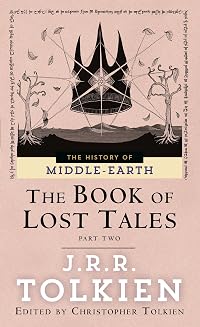
The Book of Lost Tales was the first major work of imagination by J.R.R. Tolkien, begun in 1916, when he was twenty-five years old, and left incomplete several years later. It stands at the beginning of the entire conception of Middle-earth and Valinor, for the Lost Tales were the first form of the myths and legends that came to be called The Silmarillion. Embedded in English legend and association, they are set in the narrative frame of the great westward voyage of a mariner named Eriel (or show more AElfwine). His destination is Tol Eressea, the Lonely Isle where Elves dwell; from them he learns their true history, the Lost Tales of Elfinesse. The Tales include the earliest accounts of Gods and Elves, Dwarves, Balrogs, and Orcs; of the Silmarils and the Two Trees of Valinor; of Nargothrond and Gondolin; of the geography and cosmography of their invented world.The Book of Lost Tales is published in two volumes. The first contains the Tales of Valinor; and this second past includes Beren and Luthien, Turin and the Dragon, and the only full narratives of the Necklace of the Dwarves and the Fall of Gondolin. Each tale is followed by a commentary, together with associated poems, and each volume contains extensive information on names and vocabulary of the earliest Elvish languages. Additional books in this series will extend the history of Middle-earth as it was refined and enlarged in later years and will include the long Lays of Beleriand, the Ambarkanta or Shape of the World, the Lhammas or Account of Tongues, annals, maps, and many other previously unpublished writings of J.R.R. Tolkien.
. show less
Tags
Recommendations
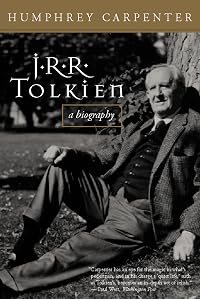
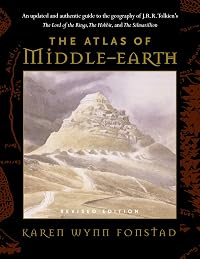
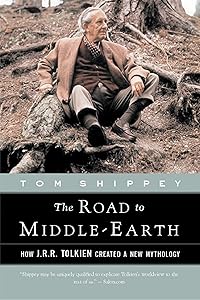
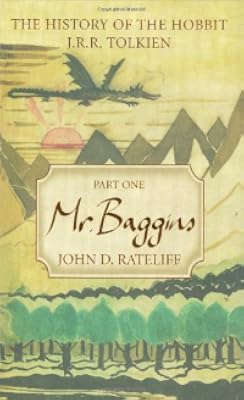






Member Recommendations
Member Reviews
Ancora più frammentato del primo volume "Racconti ritrovati", qua i rimandi continui tra note e versioni alternative oltrepassano la soglia di sopportazione. Sebbene le prime quattro sezioni siano a loro modo interessanti per chi volesse approfondire le origini del Silmarillion (ma valgono le stesse osservazioni di ingenuità e scarsa coerenza fatte per il primo volume), le ultime due sezioni ("Il racconto di Eärendel" e "La storia di Eriol e Ælfwine e la conclusione dei racconti") sono pressoché illegibili. Per queste parti infatti sono state ritrovate solo annotazioni sparse, spesso in contrasto tra loro e abbandonate sul nascere, e idee di massima su quella che avrebbe potuto essere la narrazione, con un disumano lavoro di show more analisi da parte del figlio per comporre una sorta di riassunto di quello che avrebbero potuto essere. In definitiva, una rilettura del Silmarillion è decisamente tempo speso meglio che affrontare la lettura di questi due volumi. show less
(review continued from here on LibraryThing)
Despite my reservations, I can understand why Christopher Tolkien would spearhead the publication of his father's drafts. Middle-earth is a legitimate subject for the literati to dissect, and the more we can learn about Middle-earth, the richer our insights. Scholars are interested in the development of Tolkien's mythology, and the Histories of Middle-earth must be of infinite value to those seeking to retrace Tolkien's imaginative development. And then there are people like me who simply wonder about his idea of a purely English mythology and how that overarching plan tied in with the rest of his legends. And it isn't as if there's anything personally embarrassing in these early stories show more (except perhaps that Tolkien sometimes wrote so fast that some of his words cannot be deciphered).
And it really is fascinating to trace the mythology from its beginning. Tolkien was notorious for his never-ending revisions, and in these fragments we get a glimpse of the mad pace at which he wrote, changing his mind midstride about characters, names, histories, and plotlines. Sometimes a story would evolve to the point where its initial defining feature would be completely removed from the last version. Christopher Tolkien notes the rich conceptions of the sun and moon legends and how they — at first the hub of the whole mythological conception — slowly decreased in prominence in later revisions and may have eventually faded from the narrative entirely. Looking at Tolkien's imagined mythology is like looking at a microcosm of how real-world myths develop. Names, characters, and roles change; the elements are fluid.
The thing that struck me most about the way the mythology evolved is Tolkien's conception of the gods, or Valar. In the early drafts they are far less noble than they later become in The Silmarillion. While never descending to the moral bankruptcy of the Greek pantheon, the early Valar are certainly more like human beings in their selfishness and desire for personal comfort. They are worried more about the peace and comfort of their home Valinor than the events in Middle-earth, and squabble often among themselves. At one point they concoct an elaborate deception in order to vanquish Melko; apparently the end justified the means. In his later writings Tolkien certainly cleaned this up, and the mythology is all the stronger for it. But it's interesting how different his ideas were when he was a young man.
I do respect what Christopher Tolkien has done in his father's legendarium. He has to be one of the foremost authorities in the field; it is clear he has immersed himself in Middle-earth and writes with intelligence and a deft sense of what is fitting. Whatever your thoughts on the publication of these materials, The Book of Lost Tales is a fascinating read for anyone interested in the development of myth and Middle-earth. show less
Despite my reservations, I can understand why Christopher Tolkien would spearhead the publication of his father's drafts. Middle-earth is a legitimate subject for the literati to dissect, and the more we can learn about Middle-earth, the richer our insights. Scholars are interested in the development of Tolkien's mythology, and the Histories of Middle-earth must be of infinite value to those seeking to retrace Tolkien's imaginative development. And then there are people like me who simply wonder about his idea of a purely English mythology and how that overarching plan tied in with the rest of his legends. And it isn't as if there's anything personally embarrassing in these early stories show more (except perhaps that Tolkien sometimes wrote so fast that some of his words cannot be deciphered).
And it really is fascinating to trace the mythology from its beginning. Tolkien was notorious for his never-ending revisions, and in these fragments we get a glimpse of the mad pace at which he wrote, changing his mind midstride about characters, names, histories, and plotlines. Sometimes a story would evolve to the point where its initial defining feature would be completely removed from the last version. Christopher Tolkien notes the rich conceptions of the sun and moon legends and how they — at first the hub of the whole mythological conception — slowly decreased in prominence in later revisions and may have eventually faded from the narrative entirely. Looking at Tolkien's imagined mythology is like looking at a microcosm of how real-world myths develop. Names, characters, and roles change; the elements are fluid.
The thing that struck me most about the way the mythology evolved is Tolkien's conception of the gods, or Valar. In the early drafts they are far less noble than they later become in The Silmarillion. While never descending to the moral bankruptcy of the Greek pantheon, the early Valar are certainly more like human beings in their selfishness and desire for personal comfort. They are worried more about the peace and comfort of their home Valinor than the events in Middle-earth, and squabble often among themselves. At one point they concoct an elaborate deception in order to vanquish Melko; apparently the end justified the means. In his later writings Tolkien certainly cleaned this up, and the mythology is all the stronger for it. But it's interesting how different his ideas were when he was a young man.
I do respect what Christopher Tolkien has done in his father's legendarium. He has to be one of the foremost authorities in the field; it is clear he has immersed himself in Middle-earth and writes with intelligence and a deft sense of what is fitting. Whatever your thoughts on the publication of these materials, The Book of Lost Tales is a fascinating read for anyone interested in the development of myth and Middle-earth. show less
Read this one for Tevildo. The earliest form of Sauron is a gigantic, demonic cat, who actually doesn't forget his feline roots in the process of being gigantic and demonic. The first form of _The Tale of Beren and Luthien_ is one of the funniest things I've read, and not out of mockery or embarrassment, but because it had a _right_ to be that funny. It wouldn't have worked on its own, without the Silmarillion to provide a reference point, but since we have the latter, we should enjoy.
The second half of the earliest Silmarillion, with the three Great Tales -- Beren, Turin, and Tuor (remember him? Gondolin?) -- in surprisingly recognizable form, and Christopher Tolkien's characteristic style of vivid, deadpan scholarly commentary.
The second half of the earliest Silmarillion, with the three Great Tales -- Beren, Turin, and Tuor (remember him? Gondolin?) -- in surprisingly recognizable form, and Christopher Tolkien's characteristic style of vivid, deadpan scholarly commentary.
http://nwhyte.livejournal.com/1654508.html
The second of the History of Middle Earth series edited by Christopher Tolkien. Here we are looking at two of the core stories of The Silmarillion, and several other narratives which were largely or completely set aside as Tolkien's work developed. I found the very first story, "The Tale of Tinúviel", particularly interesting. For the first time I was struck that it is a tale if love between one character with a short name starting with B and another with a longer name starting with T, whose father opposes the romance just as Tolkien's own guardian opposed his relationship with Edith Bratt. Beren goes off to prove himself in battle and returns maimed, as Tolkien returned with trench fever from show more the Great War (though after his marriage rather than before). And of course Tolkien was himself always explicit that Tinúviel's dancing in the forest was inspired by Edith dancing for him one day in 1917 when they were out in the woods near his base. His personal identification with this particular story can be seen on his tombstone. I was always a bit disappointed that the version in The Silmarillion doesn't convey much emotional freight, but The Book of Lost Tales is worth getting for this chapter alone.
(We also meet the earliest version of Sauron, as Tivaldo the evil king of cats and servant of Melko, a counterpart to Beren's heroic dog.)
The other story treated in depth here is "Turambar and the Foalókë", which however has since been published in a pretty definitive format as The Children of Húrin; I found the joins between Beowulf, Kullervo and Tolkien's own imagination much more visible here.
The most interesting of the other chapters is "The Tale of Eärendel", another story which is curiously flat in The Silmarillion, a lost tale that underlies a fair bit of Middle Earth mythology but never seems to have found a definite written form; one almost senses Tolkien feeling more comfortable with it inside his head, so that Bilbo and Aragorn could make in-jokes about it in Rivendell, rather than spoiling it by putting too much down on paper.
(Also a shout out for "The Fall of Gondolin", with its gripping account of hand-to-hand combat as the city is taken.)
Despite the density of the prose I have found both Lost Tales volumes fairly quick reading, Tolkien's prose being as fluent in his twenties as it was later in his life, and Christopher Tolkien's annotations being complete enough to satisfy curiosity without being overwhelming. I'm glad to have got back into this series of books. show less
The second of the History of Middle Earth series edited by Christopher Tolkien. Here we are looking at two of the core stories of The Silmarillion, and several other narratives which were largely or completely set aside as Tolkien's work developed. I found the very first story, "The Tale of Tinúviel", particularly interesting. For the first time I was struck that it is a tale if love between one character with a short name starting with B and another with a longer name starting with T, whose father opposes the romance just as Tolkien's own guardian opposed his relationship with Edith Bratt. Beren goes off to prove himself in battle and returns maimed, as Tolkien returned with trench fever from show more the Great War (though after his marriage rather than before). And of course Tolkien was himself always explicit that Tinúviel's dancing in the forest was inspired by Edith dancing for him one day in 1917 when they were out in the woods near his base. His personal identification with this particular story can be seen on his tombstone. I was always a bit disappointed that the version in The Silmarillion doesn't convey much emotional freight, but The Book of Lost Tales is worth getting for this chapter alone.
(We also meet the earliest version of Sauron, as Tivaldo the evil king of cats and servant of Melko, a counterpart to Beren's heroic dog.)
The other story treated in depth here is "Turambar and the Foalókë", which however has since been published in a pretty definitive format as The Children of Húrin; I found the joins between Beowulf, Kullervo and Tolkien's own imagination much more visible here.
The most interesting of the other chapters is "The Tale of Eärendel", another story which is curiously flat in The Silmarillion, a lost tale that underlies a fair bit of Middle Earth mythology but never seems to have found a definite written form; one almost senses Tolkien feeling more comfortable with it inside his head, so that Bilbo and Aragorn could make in-jokes about it in Rivendell, rather than spoiling it by putting too much down on paper.
(Also a shout out for "The Fall of Gondolin", with its gripping account of hand-to-hand combat as the city is taken.)
Despite the density of the prose I have found both Lost Tales volumes fairly quick reading, Tolkien's prose being as fluent in his twenties as it was later in his life, and Christopher Tolkien's annotations being complete enough to satisfy curiosity without being overwhelming. I'm glad to have got back into this series of books. show less
If you are going to read the Silmarillion, do not read this book (or Part one for that matter). This book contains some of the stories the Silmarillion has with pages and pages of notes from Christopher Tolkien about the changes and different version that were found.
While I am interested in the progress needed to write something of this magnitude, explaining every little change really pulled me out of the story.
While I am interested in the progress needed to write something of this magnitude, explaining every little change really pulled me out of the story.
The extremely detailed disection of the Lord of the rings, continues. This volume was more interesting to me than the first one.There are three extended works, and a reconstructed outline of the never fleshed out "Tale of Aelfwine the wanderer. This is for serious (Pendantic) students only.
The second part of the tales written by JRR Tolkien between 1916 and 1920. Again they are lovingly annotated by his son Christopher Tolkien. They include the earliest tellings of Tinuviel (Beren and Luthien), Turambar (Turin and the Dragon), the Fall of Gondolin and the Nauglfring (the Necklace of the Dwarves). Also included are the notes and poetry of Tolkien concerning Earendel and Eriol of AElfwine who is the central character listening to all of the tales in the Cottage of Lost Play in books one and two.
This is another great collection and a must for all Tolkien fans. The extended versions of Gondolin and the Nauglfring are the only full versions in existence (later drafts contain much condensed versions). It was really interesting show more to see how the tales evolved as Tolkien kept re-drafting for example in the tale of Tinuviel one of the main protagonists is an evil Prince of Cats and in the final version it was Sauron. It's amazing to see how much of the early mythology nd ideas Tolkien had written by the time he was 25.
My favourite tle was of Turin. It's such a sad tale and really moving. I do also like Beren and I am looking forward to the third book in the series whcih continues with both characters. This volume also sees the first appearance of one Legolas Greenleaf and it was interesting to read that Tolkien didn't approve of airy fairy paintings of the elf. He was supposed to have been quite substantial, fierce and strong with great stamina. show less
This is another great collection and a must for all Tolkien fans. The extended versions of Gondolin and the Nauglfring are the only full versions in existence (later drafts contain much condensed versions). It was really interesting show more to see how the tales evolved as Tolkien kept re-drafting for example in the tale of Tinuviel one of the main protagonists is an evil Prince of Cats and in the final version it was Sauron. It's amazing to see how much of the early mythology nd ideas Tolkien had written by the time he was 25.
My favourite tle was of Turin. It's such a sad tale and really moving. I do also like Beren and I am looking forward to the third book in the series whcih continues with both characters. This volume also sees the first appearance of one Legolas Greenleaf and it was interesting to read that Tolkien didn't approve of airy fairy paintings of the elf. He was supposed to have been quite substantial, fierce and strong with great stamina. show less
Members
- Recently Added By
Lists

LOTR wishlist
9 works; 1 member

Speculative Fiction to Read
706 works; 32 members

Books Read in 2014
2,343 works; 89 members
Author Information

609+ Works 517,944 Members
A writer of fantasies, Tolkien, a professor of language and literature at Oxford University, was always intrigued by early English and the imaginative use of language. In his greatest story, the trilogy The Lord of the Rings (1954--56), Tolkien invented a language with vocabulary, grammar, syntax, even poetry of its own. Though readers have show more created various possible allegorical interpretations, Tolkien has said: "It is not about anything but itself. (Certainly it has no allegorical intentions, general, particular or topical, moral, religious or political.)" In The Adventures of Tom Bombadil (1962), Tolkien tells the story of the "master of wood, water, and hill," a jolly teller of tales and singer of songs, one of the multitude of characters in his romance, saga, epic, or fairy tales about his country of the Hobbits. Tolkien was also a formidable medieval scholar, as evidenced by his work, Beowulf: The Monster and the Critics (1936) and his edition of Anciene Wisse: English Text of the Anciene Riwle. Among his works published posthumously, are The Legend of Sigurd and Gudrún and The Fall of Arthur, which was edited by his son, Christopher. In 2013, his title, TheHobbit (Movie Tie-In) made The New York Times Best Seller List. (Bowker Author Biography) show less
All Editions
Some Editions
Awards and Honors
Awards
Notable Lists
Series

Work Relationships
Is contained in
Lord of the Rings Collection:The Hobbit-The Fellowship of the Ring-The Two Towers-Return of the King-The Silmarillion-Unfinished Tales (Lord of the Rings) by J. R. R. Tolkien (indirect)
Contains
Common Knowledge
- Canonical title
- The Book of Lost Tales, Part Two
- Original title
- The Book of Lost Tales, Part Two
- Alternate titles*
- The book of lost tales [Español]
- Original publication date
- 1984-08-16
- People/Characters
- Eriel; Beren; Lúthien Tinúviel; Túrin Turambar; Aerin (kinswoman of Húrin); Amras (show all 7); Amrod
- Important places
- Middle-earth; Valinor; Tol Eressea; Nargothrond; Gondolin; Barad-dûr
- First words
- The Tale of Tinuviel was written in 1917, but the earliest extant text is later, being a manuscript in ink over an erased original in pencil; and in fact my father's rewriting of this tale seems to have been one of the last c... (show all)ompleted elements in the Lost Tales.
- Last words
- (Click to show. Warning: May contain spoilers.)But these notes were scribbled down in his youth, when for him Elvish magic 'lingered yet mightily in the woods and hills of Luthany'; in his old age all was gone West-over-sea, and an end was indeed come for the Eldar of story and of song.
- Original language
- English
*Some information comes from Common Knowledge in other languages. Click "Edit" for more information.
Classifications
Statistics
- Members
- 4,455
- Popularity
- 3,327
- Reviews
- 14
- Rating
- (3.69)
- Languages
- 8 — English, French, German, Hungarian, Italian, Polish, Spanish, Swedish
- Media
- Paper, Ebook
- ISBNs
- 46
- UPCs
- 4
- ASINs
- 31