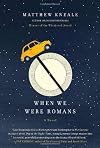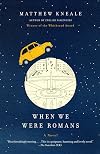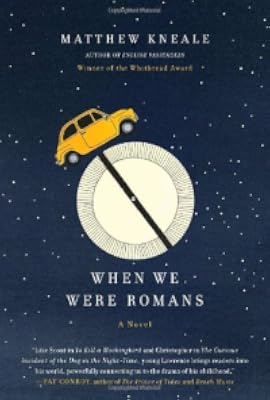
When We Were Romans
by Matthew Kneale
On This Page
Description
Nine-year-old Lawrence watches protectively over his mother and little sister, especially when, feeling endangered by their estranged father, his mother decides the three of them must leave their life in England to seek refuge in Rome.Tags
Recommendations







Member Recommendations
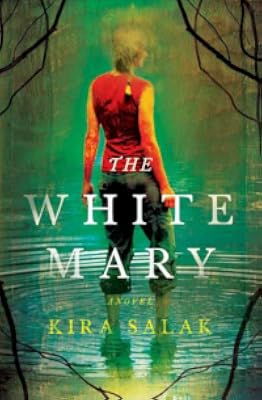
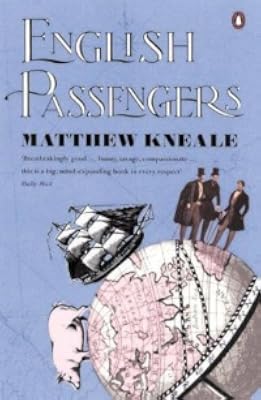
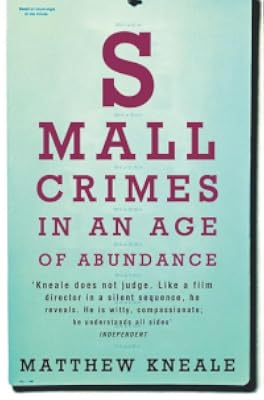
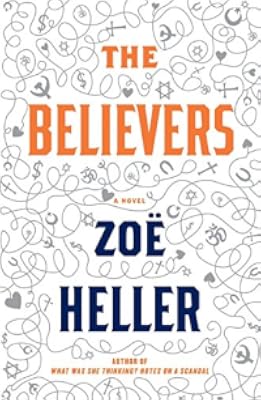
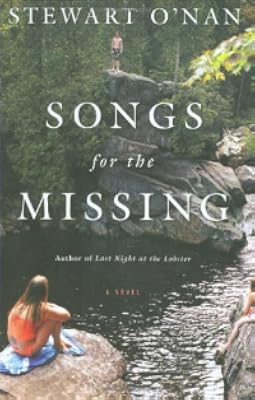
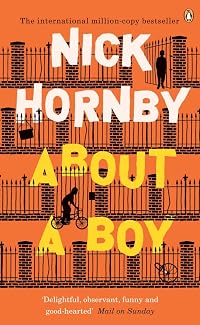
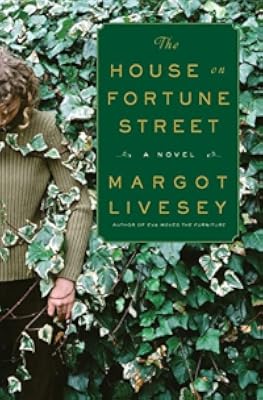
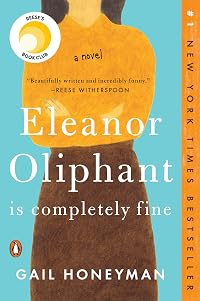
tangentialine these two books are formally similar in ways that can be annoying, but they tackle dramatically different issues.
Also recommended by DetailMuse
20
by DetailMuse
Member Reviews
When We Were Romans is the story of Lawrence, a nine-year-old boy from England, as told by Lawrence himself. As the story begins, Lawrence, his younger sister Jemima, and their mother have just returned from a triumphant trip to a distant grocery store where they were forced to go because Lawrence's mother, Hannah, is certain that her ex-husband and the children's father is stalking them with evil intent. Even a trip to the grocery store without any unfortunate happenings is cause for celebration. Still, though, Hannah is distraught that her ex is lurking around every corner turning the neighbors against her and her children and lying in wait to do them some unspeakable harm. In an effort to escape this lingering terror, she packs up show more the two kids and shuttles them off to Rome, the last place she remembers being happy where the small family moves from place to place to stay with Hannah's old friends.
Lawrence renders the tale of their trip to Rome in possibly the most authentic nine-year-old voice ever executed by a grown man. At the start, it's a bit of a struggle to get used to, seeing as Lawrence's spelling and punctuation errors are included. Dialogue isn't separated out into the lines but included in the larger paragraphs along with many of Lawrence's thoughts which are marked as quotes. Then, however, something happens and you might well find you've been swept away by this short novel.
Lawrence's quirks and idiosyncrasies with spelling breathe as much life into this novel as does the story itself. His narration is full of the petty concerns of a nine-year-old such as his irritation with his little sister, his obsessive desire to acquire an army of Roman soldiers despite the fact that his mother apparently has no money, and his conviction that the young son of one of his mother's friends is going to steal his hamster in throw him in the trash. More significant, however, is that the narration is also fraught with the keen perception that children have of even those things that should be beyond their understanding. Lawrence knows when his mother is getting a bit too close to one of her old friends, he picks up on the subtle change between his mother and her best friend when the friend starts to doubt the truth of Hannah's stories, and he even knows, though he hesitates to admit it, that there is something a bit askew about this whole trip to Rome.
So the Romens never did say that it was strange to do a trial for a dead body, in fact they didn't say anything at all. But after, when they all went home to their houses, when they sat down and ate their dinner and it was really quiet, so they could hear their knives go "clink clink" and the clock go "tick tock" then I think they all knew.
As with other well-liked books such as The Curious Incident of the Dog in the Night-Time, the unique narrator of When We Were Romans allows Kneale to add many layers to the story that couldn't exist if we were given a "typical" narrator. The story as filtered though Lawrence's eyes is one of excitement, mystery, and horror which leaves it to us to uncover just what lurks beneath the surface of seemingly ordinary events. Additionally, Kneale cleverly intersperses the real-time happenings with Lawrence's recounting of the things he's been reading, alternately tidbits about space for his school report and his reading from his Hideous History books about Popes and Caesars. These reveal yet more about Lawrence's personality and his uncannily perceptive way of thinking while at the same time proving all too relevant to the things that are happening to Lawrence and his family.
There is lots of dust by the event horizon, its like a big disk, it goes round faster and faster until it falls in, so it is like water going down the plug hole. And d'you know just because its about to fall down the dust does a funny thing, it spits out lots of rays, they are X rays and radio waves, scientists can see them through their teliscopes, and they are awful actually. It is like the poor dust is screeming, its saying "oh no I'm getting sucked into this black hole, I will never come back, nobody will ever see me again, I will get squoshed flat, this is terrible" its like it is saying "help me."
Honestly, this is a great book that can't be captured by any review. It's short and it's sweet and even a bit sad, and it's also very smart and totally believable. Another of my favorite reads of the year. show less
Lawrence renders the tale of their trip to Rome in possibly the most authentic nine-year-old voice ever executed by a grown man. At the start, it's a bit of a struggle to get used to, seeing as Lawrence's spelling and punctuation errors are included. Dialogue isn't separated out into the lines but included in the larger paragraphs along with many of Lawrence's thoughts which are marked as quotes. Then, however, something happens and you might well find you've been swept away by this short novel.
Lawrence's quirks and idiosyncrasies with spelling breathe as much life into this novel as does the story itself. His narration is full of the petty concerns of a nine-year-old such as his irritation with his little sister, his obsessive desire to acquire an army of Roman soldiers despite the fact that his mother apparently has no money, and his conviction that the young son of one of his mother's friends is going to steal his hamster in throw him in the trash. More significant, however, is that the narration is also fraught with the keen perception that children have of even those things that should be beyond their understanding. Lawrence knows when his mother is getting a bit too close to one of her old friends, he picks up on the subtle change between his mother and her best friend when the friend starts to doubt the truth of Hannah's stories, and he even knows, though he hesitates to admit it, that there is something a bit askew about this whole trip to Rome.
So the Romens never did say that it was strange to do a trial for a dead body, in fact they didn't say anything at all. But after, when they all went home to their houses, when they sat down and ate their dinner and it was really quiet, so they could hear their knives go "clink clink" and the clock go "tick tock" then I think they all knew.
As with other well-liked books such as The Curious Incident of the Dog in the Night-Time, the unique narrator of When We Were Romans allows Kneale to add many layers to the story that couldn't exist if we were given a "typical" narrator. The story as filtered though Lawrence's eyes is one of excitement, mystery, and horror which leaves it to us to uncover just what lurks beneath the surface of seemingly ordinary events. Additionally, Kneale cleverly intersperses the real-time happenings with Lawrence's recounting of the things he's been reading, alternately tidbits about space for his school report and his reading from his Hideous History books about Popes and Caesars. These reveal yet more about Lawrence's personality and his uncannily perceptive way of thinking while at the same time proving all too relevant to the things that are happening to Lawrence and his family.
There is lots of dust by the event horizon, its like a big disk, it goes round faster and faster until it falls in, so it is like water going down the plug hole. And d'you know just because its about to fall down the dust does a funny thing, it spits out lots of rays, they are X rays and radio waves, scientists can see them through their teliscopes, and they are awful actually. It is like the poor dust is screeming, its saying "oh no I'm getting sucked into this black hole, I will never come back, nobody will ever see me again, I will get squoshed flat, this is terrible" its like it is saying "help me."
Honestly, this is a great book that can't be captured by any review. It's short and it's sweet and even a bit sad, and it's also very smart and totally believable. Another of my favorite reads of the year. show less
WHEN WE WERE ROMANS by Matthew Kneale
Nan A. Talese, Publisher
ISBN: 978-0-385-52625-8
I had not been reading a whole lot lately and decided that I would ease my way back into my 20 plus ARC pile. I chose this book out of the pile mainly because it was only 224 pages long and I figured I could blow through it fairly fast. What follows are my thoughts on this book. Please read the entire review before deciding on this book.
I was hoping for something reasonably light. What I found was a well written book with lots of characters that I did not like. All of them had issues and not a tremendous amount of redeeming qualities. The early reviews likened this book to “To Kill A Mockingbird” and I spent most of the book wondering why. I truly show more fought my way through the book. The entire book was about the frustrations that the 9 year old protagonist was feeling. It starts out with his mother, his sister, and himself fleeing their cottage in England because of an abusive father that was stalking the family. They run away to Rome to stay with the mother “Hannah’s” friends from years before. The troubles just seemed to get from bad to worse. Slowly throughout the book certain truths started to become more and more apparent to the reader. Even though the story was sad and frustrating I found myself wanting to read more and more. I wanted to have something good start to happen. I wanted the truth to finally come out. Finally when I was done I could feel satisfied. The ending was the best that could have come out of a very bad situation. During the book I got the sense of being a voyeur watching a train wreck taking place. It was painful yet I just could not look away.
After I was done reading the book I started to really think about the character of the boy Lawrence that Matthew Kneale created. I don’t think I have ever seen a better job of creating the voice of a nine year old child hopelessly trying to hold his family together. Torn between his needs as a child and his desire to care for his mother was so perfect that I was unaware of anything but his view of his world. Then in the end the difficulty of overcoming the situation that he was placed in was perfectly portrayed.
If this book is not put on the classic shelf I expect that a hole will exist there than can never quite be filled. If you are looking for a light beach read this is not the book for you. If you want a book that makes you feel and explore the relationships of life this is for you. Highly Recommended show less
Nan A. Talese, Publisher
ISBN: 978-0-385-52625-8
I had not been reading a whole lot lately and decided that I would ease my way back into my 20 plus ARC pile. I chose this book out of the pile mainly because it was only 224 pages long and I figured I could blow through it fairly fast. What follows are my thoughts on this book. Please read the entire review before deciding on this book.
I was hoping for something reasonably light. What I found was a well written book with lots of characters that I did not like. All of them had issues and not a tremendous amount of redeeming qualities. The early reviews likened this book to “To Kill A Mockingbird” and I spent most of the book wondering why. I truly show more fought my way through the book. The entire book was about the frustrations that the 9 year old protagonist was feeling. It starts out with his mother, his sister, and himself fleeing their cottage in England because of an abusive father that was stalking the family. They run away to Rome to stay with the mother “Hannah’s” friends from years before. The troubles just seemed to get from bad to worse. Slowly throughout the book certain truths started to become more and more apparent to the reader. Even though the story was sad and frustrating I found myself wanting to read more and more. I wanted to have something good start to happen. I wanted the truth to finally come out. Finally when I was done I could feel satisfied. The ending was the best that could have come out of a very bad situation. During the book I got the sense of being a voyeur watching a train wreck taking place. It was painful yet I just could not look away.
After I was done reading the book I started to really think about the character of the boy Lawrence that Matthew Kneale created. I don’t think I have ever seen a better job of creating the voice of a nine year old child hopelessly trying to hold his family together. Torn between his needs as a child and his desire to care for his mother was so perfect that I was unaware of anything but his view of his world. Then in the end the difficulty of overcoming the situation that he was placed in was perfectly portrayed.
If this book is not put on the classic shelf I expect that a hole will exist there than can never quite be filled. If you are looking for a light beach read this is not the book for you. If you want a book that makes you feel and explore the relationships of life this is for you. Highly Recommended show less
When We Were Romans: A Novel was a pleasant introduction to the writing of prize-winning bestselling author Matthew Kneale (English Passengers). Now the hardest part is to convey my enthusiasm without giving away the storyline.
The vastness, power and mystery of outer space, as explained through a nine year-old’s appreciative awe, open this adventure, invoking a feeling of slight dizziness and of not being able to know all the answers. “The Great Attractor is pulling us... probably a black hole...we will be stuck there forever. We are all being pulled towards [it] but hardly anybody knows.” This innocent reference to a child’s fascination with outer space forshadows the persistent force of his mother’s increasingly bizarre show more behavior and the dark spiral of the story.
From start to finish, the voice of young Lawrence carries us through events which abruptly propel him, his mother, his pet hamster, and his little sister away from their London home to a vagabond existence in the homes of generous friends in Rome, finally finding a comfortable temporary space of their own. This brief tranquility is not to last, however, as old feelings of insecurity begin to grow again, stonger than ever.
I was fascinated by the voice of Lawrence which is intentionally indicated by frequent phonetic attempts and misspellings not uncommon for his age and imagination. When I was that age I remember “living inside my head” a lot and if written out, it would have looked a lot like Lawrence’s musings. Since Lawrence is often wise beyond his years and warily observant of everyones’ behavior, the “misspelling voice” helped keep in mind that he is just a young child after all, and thus his character stays intact throughout the crescendo of paranoia and sheer mayhem created by his mother’s perception of reality.
Through Lawrence’s descriptions, his mother’s and sister’s characters develop. As he meets new people, he privately ascribes to them animal traits of his own peculiar choosing, which is his unique expression of endearment and a means of understanding their behavior. He has to care about someone before assigning them an animal personality. It seems to be a way for him to casually acknowledge psychological traits by couching them in “animal” terms.
When the family reaches Rome and Lawrence is given some humorous history books, his comical retelling of the lives of several famous Caesars makes a fitting background for the family’s haphazard adventures in Rome and the growing psychological confusion swirling around his mother’s behavior.
Uncertainty, fear, and panic build, and a child’s mind is pulled inexorably toward his mother’s delusions.
To say much more will ruin the plot. For all its underlying seriousness, When We Were Romans is a light and humorous story which builds from a flash of uncertainty to a keen panic and a very moving climax. It is an unexpectedly powerful human drama revealed through the mind of a curious, loving child.
Note: Advance Reading Copy, courtesy of Nan A. Talese/Doubleday New York.
My reviews are also posted here: http://booktsunami.blogspot.com/
============================= show less
The vastness, power and mystery of outer space, as explained through a nine year-old’s appreciative awe, open this adventure, invoking a feeling of slight dizziness and of not being able to know all the answers. “The Great Attractor is pulling us... probably a black hole...we will be stuck there forever. We are all being pulled towards [it] but hardly anybody knows.” This innocent reference to a child’s fascination with outer space forshadows the persistent force of his mother’s increasingly bizarre show more behavior and the dark spiral of the story.
From start to finish, the voice of young Lawrence carries us through events which abruptly propel him, his mother, his pet hamster, and his little sister away from their London home to a vagabond existence in the homes of generous friends in Rome, finally finding a comfortable temporary space of their own. This brief tranquility is not to last, however, as old feelings of insecurity begin to grow again, stonger than ever.
I was fascinated by the voice of Lawrence which is intentionally indicated by frequent phonetic attempts and misspellings not uncommon for his age and imagination. When I was that age I remember “living inside my head” a lot and if written out, it would have looked a lot like Lawrence’s musings. Since Lawrence is often wise beyond his years and warily observant of everyones’ behavior, the “misspelling voice” helped keep in mind that he is just a young child after all, and thus his character stays intact throughout the crescendo of paranoia and sheer mayhem created by his mother’s perception of reality.
Through Lawrence’s descriptions, his mother’s and sister’s characters develop. As he meets new people, he privately ascribes to them animal traits of his own peculiar choosing, which is his unique expression of endearment and a means of understanding their behavior. He has to care about someone before assigning them an animal personality. It seems to be a way for him to casually acknowledge psychological traits by couching them in “animal” terms.
When the family reaches Rome and Lawrence is given some humorous history books, his comical retelling of the lives of several famous Caesars makes a fitting background for the family’s haphazard adventures in Rome and the growing psychological confusion swirling around his mother’s behavior.
Uncertainty, fear, and panic build, and a child’s mind is pulled inexorably toward his mother’s delusions.
To say much more will ruin the plot. For all its underlying seriousness, When We Were Romans is a light and humorous story which builds from a flash of uncertainty to a keen panic and a very moving climax. It is an unexpectedly powerful human drama revealed through the mind of a curious, loving child.
Note: Advance Reading Copy, courtesy of Nan A. Talese/Doubleday New York.
My reviews are also posted here: http://booktsunami.blogspot.com/
============================= show less
In When We Were Romans, precocious young Lawrence tells of the time he and his mother and little sister fled from the UK and his stalker-father, and lived for a time with friends in Rome.
Lawrence’s stream-of-conscious(ish) narration is marked by a child’s struggle with spelling, an interest in cosmology and Roman rulers, and a quirk of attributing animal labels to the people he meets. It’s an original voice, not so much unreliable as naïve, and although it grows overdone and tedious, it’s a terrific immersion into a child’s perspective, specifically a child in the midst of family dysfunction.
NOTE: There’s a suspense aspect to the novel, with a twist that’s well-earned, and the best part of the book was having it dawn on show more me and then be confirmed through a gradual accumulation of clues. Thus I strongly recommend against reading reviews (and potential spoilers) before reading the book. Instead, jump in and enjoy! show less
Lawrence’s stream-of-conscious(ish) narration is marked by a child’s struggle with spelling, an interest in cosmology and Roman rulers, and a quirk of attributing animal labels to the people he meets. It’s an original voice, not so much unreliable as naïve, and although it grows overdone and tedious, it’s a terrific immersion into a child’s perspective, specifically a child in the midst of family dysfunction.
NOTE: There’s a suspense aspect to the novel, with a twist that’s well-earned, and the best part of the book was having it dawn on show more me and then be confirmed through a gradual accumulation of clues. Thus I strongly recommend against reading reviews (and potential spoilers) before reading the book. Instead, jump in and enjoy! show less
When his mother decides to pack the family up to go to Rome, nine-year-old Lawrence isn’t sure what to think. All he knows is that suddenly, his father is everywhere, out to get them, and they have to get away. He watches as his mother sinks into mental illness on their exodus, observing all with the sometimes innocent, sometimes surprisingly wise voice of a child. Intertwined with his story are his descriptions of his various interests, like the Solar System and some of the popes.
I loved this book. I’ve since learned that my feelings aren’t universally felt, and I suspect I know why. Lawrence felt like me. How hard is it to grow up with mental illness in your family? Only those of us who have experienced it think about it, just show more as with any other familial problem. His struggles spoke to me, his thoughts echoed mine when I was around his age - honestly, it was eerie, but I was so moved. I also liked that it was written in his child’s voice. As I was reading it, I was sucked in and totally believed in this character. Matthew Kneale never slips out of Lawrence’s voice and it’s easy to sink in and fall in love with him as his reactions echo that of every child.
I wasn’t bothered by the spelling errors or the run-on grammar; I took it as an echo of Lawrence’s thoughts, as if we were inside his head or he was telling us the story. It didn’t bother me when he spelled names wrong or the new words he was learning were spelled phonetically. I was willing to accept it as the voice of a child, and I think that’s where people have trouble with this book, because they’re not willing to do the same. They get stuck on “Franseen” and Lawrence’s run-on sentences and can’t fall into the illusion. I think this writing style actually made the book stronger because I can just barely remember when my thoughts were like that, too, although I can’t say I had Lawrence’s spelling issues.
I think what moved me most is his relationship with his sister Jemima. I remember feeling very similarly towards my brother, and of course now everything like that is tinged with the edge of my grief. You pull together in such circumstances, even if you fight the rest of the time. And that’s not to mention the end, which made me cry and just felt so true. I even liked Lawrence’s historical and scientific tangents; it gave us a deeper edge into his personality and related his situation to the wider world, like he was expressing his feelings in a different way.
In essence, I unequivocally loved this book. I’m planning on emailing the author just to tell him how incredibly amazing I think it is. I think you should read it, too, but only if you’re willing to suspend disbelief and accept Lawrence’s story. Otherwise, the spelling and grammar will drive you crazy. In the end, this is an extremely accurate (take it from me, it really is) and moving picture from the head of a child whose mother has a mental illness and who tries to adapt in any way he can.
http://chikune.com/blog/?p=196 show less
I loved this book. I’ve since learned that my feelings aren’t universally felt, and I suspect I know why. Lawrence felt like me. How hard is it to grow up with mental illness in your family? Only those of us who have experienced it think about it, just show more as with any other familial problem. His struggles spoke to me, his thoughts echoed mine when I was around his age - honestly, it was eerie, but I was so moved. I also liked that it was written in his child’s voice. As I was reading it, I was sucked in and totally believed in this character. Matthew Kneale never slips out of Lawrence’s voice and it’s easy to sink in and fall in love with him as his reactions echo that of every child.
I wasn’t bothered by the spelling errors or the run-on grammar; I took it as an echo of Lawrence’s thoughts, as if we were inside his head or he was telling us the story. It didn’t bother me when he spelled names wrong or the new words he was learning were spelled phonetically. I was willing to accept it as the voice of a child, and I think that’s where people have trouble with this book, because they’re not willing to do the same. They get stuck on “Franseen” and Lawrence’s run-on sentences and can’t fall into the illusion. I think this writing style actually made the book stronger because I can just barely remember when my thoughts were like that, too, although I can’t say I had Lawrence’s spelling issues.
I think what moved me most is his relationship with his sister Jemima. I remember feeling very similarly towards my brother, and of course now everything like that is tinged with the edge of my grief. You pull together in such circumstances, even if you fight the rest of the time. And that’s not to mention the end, which made me cry and just felt so true. I even liked Lawrence’s historical and scientific tangents; it gave us a deeper edge into his personality and related his situation to the wider world, like he was expressing his feelings in a different way.
In essence, I unequivocally loved this book. I’m planning on emailing the author just to tell him how incredibly amazing I think it is. I think you should read it, too, but only if you’re willing to suspend disbelief and accept Lawrence’s story. Otherwise, the spelling and grammar will drive you crazy. In the end, this is an extremely accurate (take it from me, it really is) and moving picture from the head of a child whose mother has a mental illness and who tries to adapt in any way he can.
http://chikune.com/blog/?p=196 show less
It is so refreshing when you read something and it makes you go "Oh that's what it's like to actually like something instead of just tolerate it since you're already reading it!" This is a good book, hooray. Thanks to Meg for giving me a copy after I read a really good review of it in Salon. On New Year's Day my kitten peed on the dust jacket but the book was fine, and it turns out the inside cover is even prettier. Good job cover art.I know there's a lot of these books, grownup books with child narrators, it's a thing. I haven't read a lot of them though, and I wonder if I'd like them as much as I liked this, because Lawrence sits perfectly on the gap between literary and childlike -- he's not preternaturally gifted or anything, he show more just happens to tell us exactly the right things. And being inside his head is exactly like it should be: he expresses his thoughts in quotations a lot as they come to him, so we can follow his acute ups and downs and the differences between what he thinks and what he says. And it's cute how he says "actually" all the time. The only thing I'm not into is the use of elementary errors in the spelling and capitalization and punctuation etc. I don't need to think Lawrence is writing the book -- and it's never otherwise indicated that he is, which is good because I hate that device; "I just had to tell you my story!" -- and the narration would have exactly the same impact if it looked correct on the page. (The childlike grammar is a different thing, that totally works because it is careful and artful and natural to read. He's telling the book.)I really like the story, and the family dynamic between Lawrence and his baby sister, and Lawrence and his mother, and Lawrence and his hamster, and how he is their rudder. His mother's breakdowns are simple and well-drawn, and so is his love for her. The Roman setting is perfect, but also because you appreciate what this is going to be like for Lawrence to remember when he's older. Once the ending was near, I realized what was going to happen but in that good way where you're full of dread, not just "oh I see what you did there." Really liked it, really glad to read it. show less
For anyone who grew up in a home broken by divorce, Matthew Kneale’s WHEN WE WERE ROMANS will strike a cord. Narrated by nine-year-old Lawrence, the book captures perfectly the confusion, mixed loyalties, and anxieties felt by children whose world has been upended by divorce. Kneale has constructed a powerful story here, one that not only reminds us what it was like to be young, but also how the actions of adults can have life-long consequences for our children.
After a difficult break-up, Lawrence’s mother decides to leave their home in England and move to Rome, where she lived happily as a young woman. Along with his little sister Jemima and his beloved hamster Hermann, Lawrence reshapes his life, keeping himself entertained with show more stories of famous Popes and Emperors while trying to cope with the reality of a new people, a new country, and an unfamiliar language, only to find in the end that, once again, nothing in his life was what it seemed.
Kneale does an astounding job of capturing not only the speech, but the logic and thought processes of a child. Throughout the book Lawrence applies his limited little-boy experiences and knowledge of the world to each changing circumstance, sometimes with funny results, sometimes with tragic. In each case, however, we see behind the curtain of his thoughts and how they affect and inform his actions.
Matthew Kneale has written a book that makes you laugh and cry in equal measure, taking you into a world where the adults around you hold all the keys and have all the power. That Lawrence nevertheless survives his experiences is a testament to the resilience of all children. It’s a lesson we all should learn. show less
After a difficult break-up, Lawrence’s mother decides to leave their home in England and move to Rome, where she lived happily as a young woman. Along with his little sister Jemima and his beloved hamster Hermann, Lawrence reshapes his life, keeping himself entertained with show more stories of famous Popes and Emperors while trying to cope with the reality of a new people, a new country, and an unfamiliar language, only to find in the end that, once again, nothing in his life was what it seemed.
Kneale does an astounding job of capturing not only the speech, but the logic and thought processes of a child. Throughout the book Lawrence applies his limited little-boy experiences and knowledge of the world to each changing circumstance, sometimes with funny results, sometimes with tragic. In each case, however, we see behind the curtain of his thoughts and how they affect and inform his actions.
Matthew Kneale has written a book that makes you laugh and cry in equal measure, taking you into a world where the adults around you hold all the keys and have all the power. That Lawrence nevertheless survives his experiences is a testament to the resilience of all children. It’s a lesson we all should learn. show less
Members
- Recently Added By
Lists

Adult Books for YA Readers
194 works; 6 members

Books Set in Rome
98 works; 2 members
Author Information

13+ Works 3,804 Members
Matthew Kneale lives in Oxford, England. (Bowker Author Biography)
Awards and Honors
Notable Lists
Common Knowledge
- Canonical title
- When We Were Romans
- Original publication date
- 2008-07
- People/Characters
- Hannah; Lawrence; Jemima
- Important places
- Edinburgh, Scotland, UK; Rome, Italy
- Dedication
- For my father, who taught me so much about how to build a story.
- First words
- One day scientists found something strange out in space.
- Last words
- (Click to show. Warning: May contain spoilers.)I think "it's a bit scary here but its nice" I think "its a real adventure" and I think "one day we'll all come back here again, mum and me and Jemima and dad, and we'll live here for ever and ever."
Classifications
Statistics
- Members
- 443
- Popularity
- 69,247
- Reviews
- 55
- Rating
- (3.43)
- Languages
- English, French, German
- Media
- Paper, Ebook
- ISBNs
- 16
- ASINs
- 4