On This Page
Description
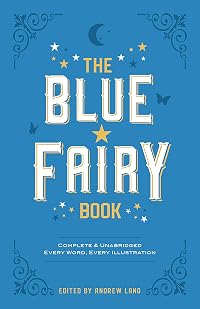
The Fairy Books, or "Coloured" Fairy Books is a collection of fairy tales divided into twelve books, each associated with a different colour. Collected together by Andrew Land they are sourced from a number of different countries and were translated by Lang's wife and other translators who also retold many of the tales. The collection has been incalculably important and, although he did not source the stories himself direct from the oral tradition he can make claim to the first English show more translation of many. show lessTags
Recommendations




















Member Reviews
'The Colony of Cats' was among the best. The right length, some humor, and actually interesting enough to work. 'The Cottage and His Cat' was another cat-themed tale, although this one is nonsensical and another twist on get-rich with kings and luck. Animal themes continue with mixed results - The Crab and the Monkey was short and held interest picturing funny monkeys tricking naive crabs, but this one doesn't hold back a dark pinch at the end.
'The Gifts of the Magician' are just odd stories that don't know what they want to be. Of course an unappreciative bastard of a king, but what is with the servant warning of the magician that she then changes her mind about, and what of the horse's real identity? If so evil, why would the show more magician let him leave and then then grant him request later? Either way the story was strangely interesting.
My favorite may have been the quirky and mean-spirited 'The Hungry Animals - but it was too funny to pass up. show less
'The Gifts of the Magician' are just odd stories that don't know what they want to be. Of course an unappreciative bastard of a king, but what is with the servant warning of the magician that she then changes her mind about, and what of the horse's real identity? If so evil, why would the show more magician let him leave and then then grant him request later? Either way the story was strangely interesting.
My favorite may have been the quirky and mean-spirited 'The Hungry Animals - but it was too funny to pass up. show less
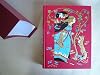
Andrew Lang put together twelve Fairy Books filled with fairy tales from around the world, each named after it's own color. Personally, I've arranged my collection according to the rainbow and that's the order I'll be reading them in (I'm still undecided as to whether I think the red book looks better first, or the crimson. I decided to start with crimson - a picture of the collection, minus the Brown Fairy Book, which I don't own yet, can be seen here).
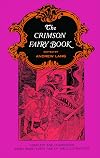
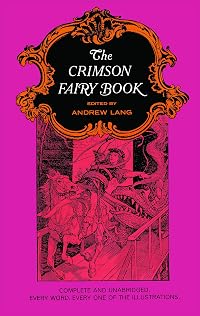
As described on the back of the book, "The Crimson Fairy Book contains a fascinating collection of tales from many countries: Hungary, Russia, Rumania, Finland, Iceland, Japan and Sicily are only some of them...All in all, the collection contains 36 stories, all narrated in the clear, show more lively prose for which Lang was famous." This book is an unabridged copy of the original 1903 edition and contains a total of 53 illustrations.
I'm not sure if each book has a prevailing theme, but this book seems to focus on events unfolding around members of royalty or people who become royalty, with a few stories about animals thrown into the mix.
What I liked:
The illustrations in this book are wonderful. There are two types - what I consider to be line drawings, and then the shaded, more detailed drawings, which I believe were originally published in color (oh how I wish these editions were in color too!)
As an adult, I often find myself wishing that more of the novels I read contained illustrations. You're never too old to read books with pictures!
There's one store in particular I'd like to highlight, as I felt it was a good example of a 'moral story' and I felt like it was something that children (and adults, I suppose) could learn a lesson from: The Stone-Cutter.
This tale really shows that the grass isn't always greener, because there's always going to be a life out there that is different than yours, and your perception of what's "better" than what you have isn't always right. This is probably the biggest lesson I took away from this book.
The Colony of Cats made me smile too, because a girl ran away from a bad home situation to serve in a castle full of cats. This is like, the ultimate crazy cat lady dream.
What I didn't like:
Many of these tales left me stumped - looking for the "moral" or the lesson of the story and wondering why on earth people used to tell such strange tales. Perhaps I was reading too much into these stories (wokka, wokka, wokka!) and my modern mind is used to plot development, character motivation, and generally, an explanation for why things are happening in the first place. While most of the stories entertained me, some left me confused, grossed out, or a little offended.
In the first story, Lovely Ilonka, a prince has wandered off into the world to find his fortune and comes across a house with a little old woman in it. He says good evening to her, to be polite and she respond with "It is lucky for you that you spoke to me or you have have met with a horrible death." Then she moves to the subject of what the prince is looking for and proceeds to try and help him. No more mention is made of his narrowly-escaped death! To someone who is used to reading novels, this just blew my mind. WHY would he have met with a horrible death for not speaking with her? Why is he not at all bothered that he could have been almost killed? Many stories felt underdeveloped in this way and left me wanting more. I kept getting hung up on details that clearly aren't important to whoever created these stories.
An example of something I found a little gross can be found in The Language of the Beats - a young shepherd wishes to gain the language of the beasts and the king of the snakes is willing to grant it to him. Here's the ritual: The boy is told to open his mouth and does so. The king of the snakes spits into his mouth, then tells the boy to spit back into his mouth. This happens three times, then the boy can understand the language of all animals. Ick!
A message that bothered me is also found in The Language of the Beasts - after gaining his powers, the boy is told not to mention them to anyone, or he'll die instantly. His wife begins questioning him one day after he laughs at something related to his secret power and he is almost ready to tell her of his power and die, when he overhears a crow talking about how he purposefully torments his many wives, and if they give him any sass he "gives [them] a lesson with his beak." The boy hears this and grabs a stick and calls his wife to him, saying he'll tell her what she wants to know, and "then he began to beat her with the stick, saying with each blow: 'It is that, wife, it is that!' And in this way he taught her never again to ask why he had laughed." Probably I'm being too pc, and I know this was written ages ago when it was fully acceptable to beat your wife and kids, but it's not something I enjoyed reading.
There are also several examples of people coming into riches or power through sheer luck and one such example is the story of How The Beggar Boy turned into Count Piro. The tale starts of by describing a man's son as a "lazy, stupid boy, who would never do anything he was told." The boy's father dies and rather than seek work, the boy decides to lay around the house and live off the magical pears from the tree outside the house. After this a fox comes by and randomly decides to help the boy. In the end, thanks to the cleverness of the fox, the boy ends up with a princess for a wife, his own castle and the title of Count Piro. All the fox asks is that if he dies, Piro will grant him a grand burial. To test Piro's loyalty the fox pretends to die and Piro orders him tossed into a ditch. The fox springs back to life and accuses Piro of being ungrateful. Piro passes it all off as a joke and is forgiven, but he's so ungrateful and undeserving of what he was rewarded with that I wish the fox had cursed him or something.
That said, it was interesting to read tales that were unfamiliar to me - having grown up with Disney movies and the usual retellings of popular tales (ie: Rose Red, Little Mermaid, Jack and the Beanstalk, etc). I will definitely continue to read my way through the rainbow of tales Lang has collected. show less
As described on the back of the book, "The Crimson Fairy Book contains a fascinating collection of tales from many countries: Hungary, Russia, Rumania, Finland, Iceland, Japan and Sicily are only some of them...All in all, the collection contains 36 stories, all narrated in the clear, show more lively prose for which Lang was famous." This book is an unabridged copy of the original 1903 edition and contains a total of 53 illustrations.
I'm not sure if each book has a prevailing theme, but this book seems to focus on events unfolding around members of royalty or people who become royalty, with a few stories about animals thrown into the mix.
What I liked:
The illustrations in this book are wonderful. There are two types - what I consider to be line drawings, and then the shaded, more detailed drawings, which I believe were originally published in color (oh how I wish these editions were in color too!)
As an adult, I often find myself wishing that more of the novels I read contained illustrations. You're never too old to read books with pictures!
There's one store in particular I'd like to highlight, as I felt it was a good example of a 'moral story' and I felt like it was something that children (and adults, I suppose) could learn a lesson from: The Stone-Cutter.
This story is essentially about a stone cutter who isn't happy with his position in life. He was good at what he did, but one day, upon delivering something to a rich man's house, the stone cutter desired to be rich too. His wish was granted by a mountain spirit and he enjoyed his new life for some time, but then saw a prince passing by and wished instead to be a prince. This wish was granted too. He then wishes to be the sun when he realized that no matter how he watered his grass, the sun still dried it out, and surely the sun was mightier than a price. After this the man wishes to become a cloud, and then a mountain, as he viewed each to be more powerful than the last. When he is being chipped away at by a stone-cutter, he wishes to be a man once more. In the end, he learned to be satisfied with what he originally had and never heard the voice of the mountain spirit again.
This tale really shows that the grass isn't always greener, because there's always going to be a life out there that is different than yours, and your perception of what's "better" than what you have isn't always right. This is probably the biggest lesson I took away from this book.
The Colony of Cats made me smile too, because a girl ran away from a bad home situation to serve in a castle full of cats. This is like, the ultimate crazy cat lady dream.
What I didn't like:
Many of these tales left me stumped - looking for the "moral" or the lesson of the story and wondering why on earth people used to tell such strange tales. Perhaps I was reading too much into these stories (wokka, wokka, wokka!) and my modern mind is used to plot development, character motivation, and generally, an explanation for why things are happening in the first place. While most of the stories entertained me, some left me confused, grossed out, or a little offended.
In the first story, Lovely Ilonka, a prince has wandered off into the world to find his fortune and comes across a house with a little old woman in it. He says good evening to her, to be polite and she respond with "It is lucky for you that you spoke to me or you have have met with a horrible death." Then she moves to the subject of what the prince is looking for and proceeds to try and help him. No more mention is made of his narrowly-escaped death! To someone who is used to reading novels, this just blew my mind. WHY would he have met with a horrible death for not speaking with her? Why is he not at all bothered that he could have been almost killed? Many stories felt underdeveloped in this way and left me wanting more. I kept getting hung up on details that clearly aren't important to whoever created these stories.
An example of something I found a little gross can be found in The Language of the Beats - a young shepherd wishes to gain the language of the beasts and the king of the snakes is willing to grant it to him. Here's the ritual: The boy is told to open his mouth and does so. The king of the snakes spits into his mouth, then tells the boy to spit back into his mouth. This happens three times, then the boy can understand the language of all animals. Ick!
A message that bothered me is also found in The Language of the Beasts - after gaining his powers, the boy is told not to mention them to anyone, or he'll die instantly. His wife begins questioning him one day after he laughs at something related to his secret power and he is almost ready to tell her of his power and die, when he overhears a crow talking about how he purposefully torments his many wives, and if they give him any sass he "gives [them] a lesson with his beak." The boy hears this and grabs a stick and calls his wife to him, saying he'll tell her what she wants to know, and "then he began to beat her with the stick, saying with each blow: 'It is that, wife, it is that!' And in this way he taught her never again to ask why he had laughed." Probably I'm being too pc, and I know this was written ages ago when it was fully acceptable to beat your wife and kids, but it's not something I enjoyed reading.
There are also several examples of people coming into riches or power through sheer luck and one such example is the story of How The Beggar Boy turned into Count Piro. The tale starts of by describing a man's son as a "lazy, stupid boy, who would never do anything he was told." The boy's father dies and rather than seek work, the boy decides to lay around the house and live off the magical pears from the tree outside the house. After this a fox comes by and randomly decides to help the boy. In the end, thanks to the cleverness of the fox, the boy ends up with a princess for a wife, his own castle and the title of Count Piro. All the fox asks is that if he dies, Piro will grant him a grand burial. To test Piro's loyalty the fox pretends to die and Piro orders him tossed into a ditch. The fox springs back to life and accuses Piro of being ungrateful. Piro passes it all off as a joke and is forgiven, but he's so ungrateful and undeserving of what he was rewarded with that I wish the fox had cursed him or something.
That said, it was interesting to read tales that were unfamiliar to me - having grown up with Disney movies and the usual retellings of popular tales (ie: Rose Red, Little Mermaid, Jack and the Beanstalk, etc). I will definitely continue to read my way through the rainbow of tales Lang has collected. show less
This is a revised version of one of Andrew Lang's famous series of folktale collections for children. Its forward says that this version does not include some of the original stories that had been "systematically skipped" by earlier readers (I wonder how the revisers knew?).
Some of the stories in this collection have their own GR/book pages, these stories have been reviewed separately, the rest are reviewed here. Some of the stories are quite far-reaching (for children in the late 19th/early 20th century) but to me, some of the stories have obviously been edited/whitewashed a bit from their original versions. Many of the stories also include characters dying in gruesome ways so this is definitely something parents should check before letting their kids read it.
Lovely Ilonka *** One of these stories where the good girl is kidnapped or enchanted, and another woman placed in her place to marry her love, the king.
Lucky Luck *** One of these stories where a prince fails to obey his father's command, causing him show more to have to go off on an adventure.
The Hairy Man *** One of these stories where an act of kindness is repaid amply, although some things still don't make much sense. There's also the trope of three objects made of gold, silver, and copper (in this case, apples)
The Story of the Seven Simons *** Seven brothers pool together their talents to help one.
The Language of Beasts *** It's a little fucked up, but darkly entertaining about a man who learns the language of beasts and thus some secrets.
The Strong Prince ** One of these stories that's pretty meh, with some pretty poor decisions that made no sense. And the prince's mother turns out to be a real cunt and got off pretty lightly for betraying her son.
The Treasure Seeker *** Something of a tale in a tale, and a pretty weird one too.
The Cottager and his Cat *** The story opens with this dude is such a miser that he allows himself to basically starve to death rather than spend his money. (lolwut) His son inherits his wealth but is unable to keep it. He keeps what is left of that fortune (not much) and buys a cat (although he didn't know what a cat was!) He comes to the King's palace where apparently he doesn't know what a rat is either, lol. Reminiscient of the Mayor Whittington story.
The Stone-cutter **** This is one of these tales where a person wishes for more and more but is never quite as happy as they were at the start. Compare this to the tale of the fisherman who kept going back to the fish for more wishes.
The Gold-bearded Man **** A dying king asks his wife to never marry again after his death. She agrees but goes back on her word and marries anyway, except her second husband is an asshole who mistreats the former king's son... and the mom starts abusing her son too. wtf bro. Nonetheless the prince is a kind boy whose kindness to others is amply repaid.
Tritill, Litill, and the Birds *** The hero gets the princess.
The Three Robes **** this is one of these fairy tales where I recognize elements from other fairy tales - three items, a impostor woman being passed off as the princess/intended bride, etc. But overall not a bad story.
How the Beggar Boy turned into Count Piro *** The fox's scheme is reminiscient to me of Puss in Boots. The king's a kind of dumbass though lol.
The Rogue and the Herdsman *** Boy howdy, that lad is one cheeky bastard, and he manages quite nicely in the end because of his cleverness because he's not very likeable.
Eisenkopf *** The hero comes from a very poor family and is told by his dyng father to be loyal. As one might expect, this serves him well in the end regardless of the misfortunes he suffered. I do feel sorry for the poor guy's first wife, and Eisenkopf was a freak.
The Death of Abu Nowas and of his Wife ***** This is one crazy and funny tale. Yeah, it was a scheme, but it was nonetheless an entertaining story!
Niels and the Giants *** Lad who's good at shooting gains himself a princess in marriage.
Shepherd Paul **** Paul's a nice enough fellow who's backstabbed but comes out all right in the end.
How the Wicked Tanuki was Punished **** Thank goodness that shitty-ass tanuki was indeed punished.
The Horse Gullfaxi and the Sword Gunnfoder *** Yeah the prince is a real dumbass who should have listened to his stepmon (who actually turned out to be a decent enough woman instead of a bitch like in so many other stories)
The Story of the Sham Prince, or the Ambitious Tailor **** A quite decent tale, with morals to be learned. A steady life is good for some, glory better for others, to each their own.
How to find out a True Friend * Er... no. Asking a parent to kill their baby is just a big, fat, nope-arooni for me especially since this was included in a children's book.
The Magic Kettle **** A fun tale from Japan about a magic kettle.
_____
"Lovely Ilonka"
"Lucky Luck"
"The Hairy Man"
"To Your Good Health!"
"The Story of the Seven Simons"
"The Language of Beasts"
"The Boy Who Could Keep a Secret"
"The Prince and the Dragon"
"Little Wildrose"
"Tiidu the Piper"
"Paperarello"
"The Gifts of the Magician"
"The Strong Prince"
"The Treasure Seeker"
"The Cottager and his Cat"
"The Prince Who Would Seek Immortality"
"The Stone-cutter"
"The Gold-bearded Man"
"Tritill, Litill, and the Birds"
"The Three Robes"
"The Six Hungry Beasts"
"How the Beggar Boy turned into Count Piro"
"The Rogue and the Herdsman"
"Eisenkopf"
"The Death of Abu Nowas and of his Wife"
"Motikatika"
"Niels and the Giants"
"Shepherd Paul"
"How the Wicked Tanuki was Punished"
"The Crab and the Monkey"
"The Horse Gullfaxi and the Sword Gunnfoder"
"The Story of the Sham Prince, or the Ambitious Tailor"
"The Colony of Cats"
"How to find out a True Friend"
"Clever Maria"
"The Magic Kettle" show less
Lovely Ilonka *** One of these stories where the good girl is kidnapped or enchanted, and another woman placed in her place to marry her love, the king.
Lucky Luck *** One of these stories where a prince fails to obey his father's command, causing him show more to have to go off on an adventure.
The Hairy Man *** One of these stories where an act of kindness is repaid amply, although some things still don't make much sense. There's also the trope of three objects made of gold, silver, and copper (in this case, apples)
The Story of the Seven Simons *** Seven brothers pool together their talents to help one.
The Language of Beasts *** It's a little fucked up, but darkly entertaining about a man who learns the language of beasts and thus some secrets.
The Strong Prince ** One of these stories that's pretty meh, with some pretty poor decisions that made no sense. And the prince's mother turns out to be a real cunt and got off pretty lightly for betraying her son.
The Treasure Seeker *** Something of a tale in a tale, and a pretty weird one too.
The Cottager and his Cat *** The story opens with this dude is such a miser that he allows himself to basically starve to death rather than spend his money. (lolwut) His son inherits his wealth but is unable to keep it. He keeps what is left of that fortune (not much) and buys a cat (although he didn't know what a cat was!) He comes to the King's palace where apparently he doesn't know what a rat is either, lol. Reminiscient of the Mayor Whittington story.
The Stone-cutter **** This is one of these tales where a person wishes for more and more but is never quite as happy as they were at the start. Compare this to the tale of the fisherman who kept going back to the fish for more wishes.
The Gold-bearded Man **** A dying king asks his wife to never marry again after his death. She agrees but goes back on her word and marries anyway, except her second husband is an asshole who mistreats the former king's son... and the mom starts abusing her son too. wtf bro. Nonetheless the prince is a kind boy whose kindness to others is amply repaid.
Tritill, Litill, and the Birds *** The hero gets the princess.
The Three Robes **** this is one of these fairy tales where I recognize elements from other fairy tales - three items, a impostor woman being passed off as the princess/intended bride, etc. But overall not a bad story.
How the Beggar Boy turned into Count Piro *** The fox's scheme is reminiscient to me of Puss in Boots. The king's a kind of dumbass though lol.
The Rogue and the Herdsman *** Boy howdy, that lad is one cheeky bastard, and he manages quite nicely in the end because of his cleverness because he's not very likeable.
Eisenkopf *** The hero comes from a very poor family and is told by his dyng father to be loyal. As one might expect, this serves him well in the end regardless of the misfortunes he suffered. I do feel sorry for the poor guy's first wife, and Eisenkopf was a freak.
The Death of Abu Nowas and of his Wife ***** This is one crazy and funny tale. Yeah, it was a scheme, but it was nonetheless an entertaining story!
Niels and the Giants *** Lad who's good at shooting gains himself a princess in marriage.
Shepherd Paul **** Paul's a nice enough fellow who's backstabbed but comes out all right in the end.
How the Wicked Tanuki was Punished **** Thank goodness that shitty-ass tanuki was indeed punished.
The Horse Gullfaxi and the Sword Gunnfoder *** Yeah the prince is a real dumbass who should have listened to his stepmon (who actually turned out to be a decent enough woman instead of a bitch like in so many other stories)
The Story of the Sham Prince, or the Ambitious Tailor **** A quite decent tale, with morals to be learned. A steady life is good for some, glory better for others, to each their own.
How to find out a True Friend * Er... no. Asking a parent to kill their baby is just a big, fat, nope-arooni for me especially since this was included in a children's book.
The Magic Kettle **** A fun tale from Japan about a magic kettle.
_____
"Lovely Ilonka"
"Lucky Luck"
"The Hairy Man"
"To Your Good Health!"
"The Story of the Seven Simons"
"The Language of Beasts"
"The Boy Who Could Keep a Secret"
"The Prince and the Dragon"
"Little Wildrose"
"Tiidu the Piper"
"Paperarello"
"The Gifts of the Magician"
"The Strong Prince"
"The Treasure Seeker"
"The Cottager and his Cat"
"The Prince Who Would Seek Immortality"
"The Stone-cutter"
"The Gold-bearded Man"
"Tritill, Litill, and the Birds"
"The Three Robes"
"The Six Hungry Beasts"
"How the Beggar Boy turned into Count Piro"
"The Rogue and the Herdsman"
"Eisenkopf"
"The Death of Abu Nowas and of his Wife"
"Motikatika"
"Niels and the Giants"
"Shepherd Paul"
"How the Wicked Tanuki was Punished"
"The Crab and the Monkey"
"The Horse Gullfaxi and the Sword Gunnfoder"
"The Story of the Sham Prince, or the Ambitious Tailor"
"The Colony of Cats"
"How to find out a True Friend"
"Clever Maria"
"The Magic Kettle" show less
I read a pile of these as a young feller, but I seem to recall the Crimson one being a favorite.
I did not like this story. Its details are complicated and the story is a bit lengthy. I felt distracted while reading it.
To avoid overabundance of information re persons responsible for translations and/or adaptation, please refer to Lang's Preface. Color plates replaced by half-tone reproductions.
Unabridged Replication of Longman & Green's 1903 edition.
Contents: "Lovely Ilonka", "Lucky Luck", "The Hairy Man", "To Your Good Health!", "The Story of the Seven Simons", "The Language of Beasts", "The Boy Who Could Keep a Secret", "The Prince and the Dragon", "Little Wildrose", "Tiidu the Piper", "Paperarello", "The Gifts of the Magician", "The Strong Prince", "The Treasure Seeker", "The Cottager and his Cat" "The Prince Who Would Seek Immortality", "The Stone-cutter", "The Gold-bearded Man", "Tritill, Litill, and the Birds", "The Three Robes", "The Six Hungry show more Beasts", "How the Beggar Boy turned into Count Piro", "The Rogue and the Herdsman", "Eisenkopf", "The Death of Abu Nowas and of his Wife", "Motikatika", "Niels and the Giants", "Shepherd Paul", "How the Wicked Tanuki was Punished", "The Crab and the Monkey", "The Horse Gullfaxi and the Sword Gunnfoder", "The Story of the Sham Prince, or the Ambitious Tailor", "The Colony of Cats", "How to find out a True Friend", "Clever Maria", "The Magic Kettle" show less
Unabridged Replication of Longman & Green's 1903 edition.
Contents: "Lovely Ilonka", "Lucky Luck", "The Hairy Man", "To Your Good Health!", "The Story of the Seven Simons", "The Language of Beasts", "The Boy Who Could Keep a Secret", "The Prince and the Dragon", "Little Wildrose", "Tiidu the Piper", "Paperarello", "The Gifts of the Magician", "The Strong Prince", "The Treasure Seeker", "The Cottager and his Cat" "The Prince Who Would Seek Immortality", "The Stone-cutter", "The Gold-bearded Man", "Tritill, Litill, and the Birds", "The Three Robes", "The Six Hungry show more Beasts", "How the Beggar Boy turned into Count Piro", "The Rogue and the Herdsman", "Eisenkopf", "The Death of Abu Nowas and of his Wife", "Motikatika", "Niels and the Giants", "Shepherd Paul", "How the Wicked Tanuki was Punished", "The Crab and the Monkey", "The Horse Gullfaxi and the Sword Gunnfoder", "The Story of the Sham Prince, or the Ambitious Tailor", "The Colony of Cats", "How to find out a True Friend", "Clever Maria", "The Magic Kettle" show less
Members
- Recently Added By
Lists

Folio Society
831 works; 49 members

Children's Literature 1900 - 1950 in order
413 works; 8 members
Author Information

392+ Works 24,465 Members
Andrew Lang was born at Selkirk in Scotland on March 31, 1844. He was a historian, poet, novelist, journalist, translator, and anthropologist, in connection with his work on literary texts. He was educated at Edinburgh Academy, St. Andrews University, and Balliol College, Oxford University, becoming a fellow at Merton College. His poetry includes show more Ballads and Lyrics of Old France (1872), Ballades in Blue China (1880--81), and Grass of Parnassus (1888--92). His anthropology and his defense of the value of folklore as the basis of religion is expressed in his works Custom and Myth (1884), Myth, Ritual and Religion (1887), and The Making of Religion (1898). He also translated Homer and critiqued James G. Frazer's views of mythology as expressed in The Golden Bough. He was considered a good historian, with a readable narrative style and knowledge of the original sources including his works A History of Scotland (1900-7), James VI and the Gowrie Mystery (1902), and Sir George Mackenzie (1909). He was one of the most important collectors of folk and fairy tales. His collections of Fairy books, including The Blue Fairy Book, preserved and handed down many of the better-known folk tales from the time. He died of angina pectoris on July 20, 1912. (Bowker Author Biography) show less
Some Editions
Series

Belongs to Publisher Series
Work Relationships
Is contained in
Contains
Common Knowledge
- Original publication date
- 1903
- First words
- There was once a king's son who told his father that he wished to marry.
- Last words
- (Click to show. Warning: May contain spoilers.)And the kettle brought them both luck, and everything went well with them till they died, which they did when they were very old, respected by everyone.
- Disambiguation notice
- Contains 36 stories from various cultures.
Classifications
- Genres
- Fiction and Literature, Children's Books
- DDC/MDS
- 398.21 — Society, government, & culture Customs, etiquette & folklore Folklore & Folktales Folk literature Fairy Tales
- LCC
- PZ8 .L15 .C — Language and Literature Fiction and juvenile belles lettres Fiction and juvenile belles lettres Juvenile belles lettres
- BISAC
Statistics
- Members
- 943
- Popularity
- 28,333
- Reviews
- 10
- Rating
- (4.11)
- Languages
- English, Spanish, Swedish
- Media
- Paper, Ebook
- ISBNs
- 84
- UPCs
- 1
- ASINs
- 25